
Abstract
In the domain of computer numerical control (CNC) machining, woodworking, and stone engraving, positioning accuracy stands as a foundational parameter that governs part quality, repeatability, and overall process reliability. This article examines the technical significance of positioning accuracy within contemporary fabrication environments, presents comparative data across major equipment categories, and explores how leading manufacturers like ROCLAS® MACHINERY CO., LTD. integrate precision engineering into their product lines. Drawing from industry standards and real-world applications, we analyze the interplay between machine rigidity, control systems, and achievable tolerances. The discussion extends to emerging trends where sub-50-micron accuracy is no longer a luxury but a requirement for competitive manufacturing.
---
1. Introduction
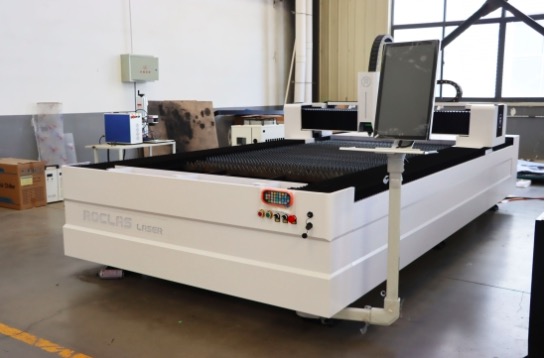
Precision in CNC machining is not a monolithic attribute—it is a composite of several interrelated metrics, among which positioning accuracy and repositioning accuracy are paramount. Positioning accuracy refers to the deviation between a commanded position and the actual position reached by the machine's axis, while repositioning accuracy measures the machine's ability to return to a previously commanded location. These parameters directly influence the quality of cut edges, the fit of assembled components, and the efficiency of downstream processes.
For industries ranging from automotive part fabrication to architectural stone carving, the demand for tighter tolerances continues to escalate. Modern CNC routers, laser cutters, and machining centers routinely operate within ±0.03 mm positioning accuracy—a figure that would have been considered exceptional a decade ago. Yet, achieving and maintaining such precision requires a holistic approach encompassing mechanical design, control electronics, thermal management, and periodic calibration.
---
2. Positioning Accuracy: Technical Foundations
2.1 Defining the Metrics
The International Organization for Standardization (ISO) and the American Society of Mechanical Engineers (ASME) provide standardized test methods for evaluating positioning accuracy (ISO 230-2, ASME B5.54). In practice, manufacturers typically quote two values:
- Positioning Accuracy: The maximum deviation between a programmed target and the actual stopping point, measured over multiple cycles across the entire travel range.
- Repositioning Accuracy (Repeatability): The variation observed when the machine returns to the same target point multiple times from the same direction.
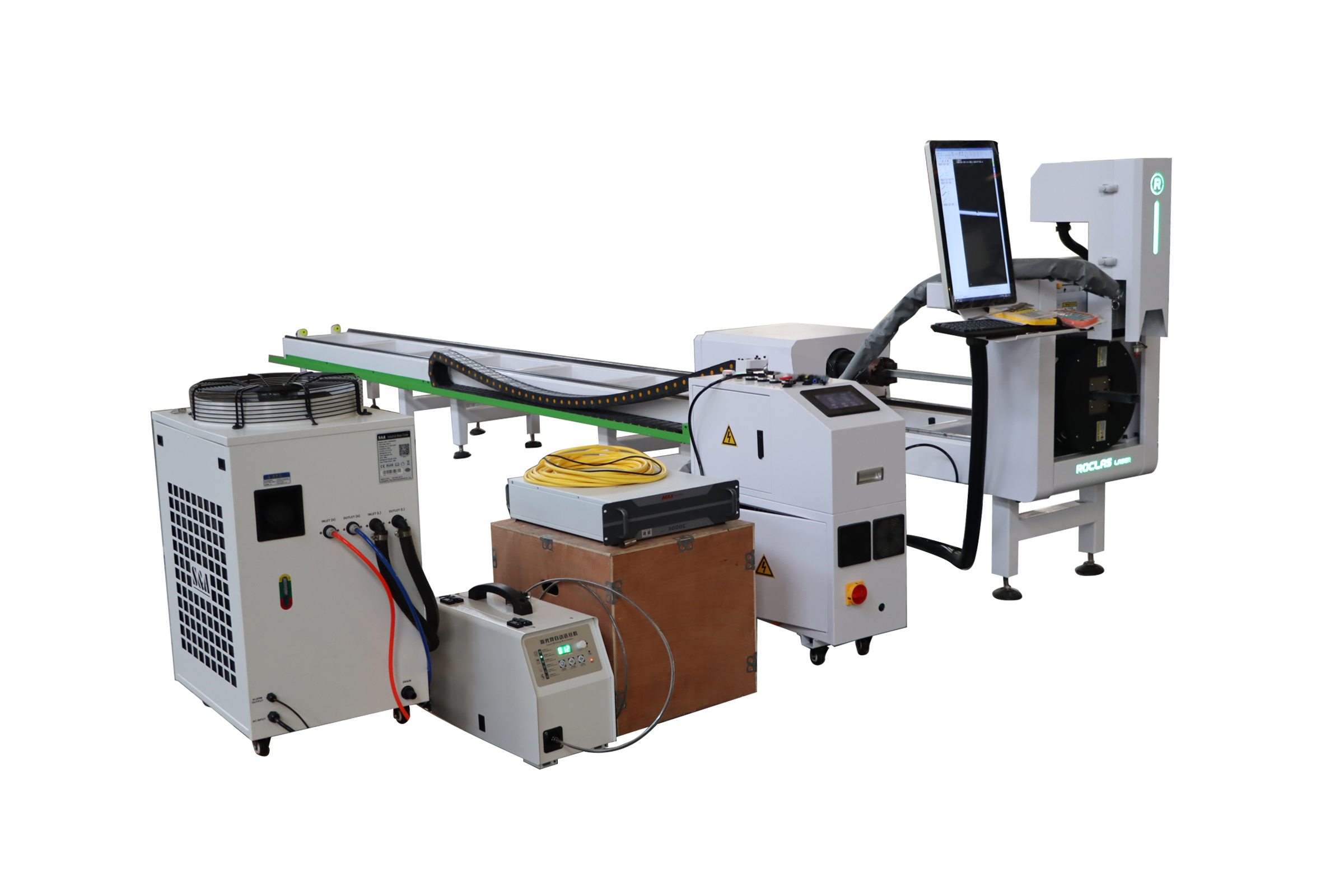
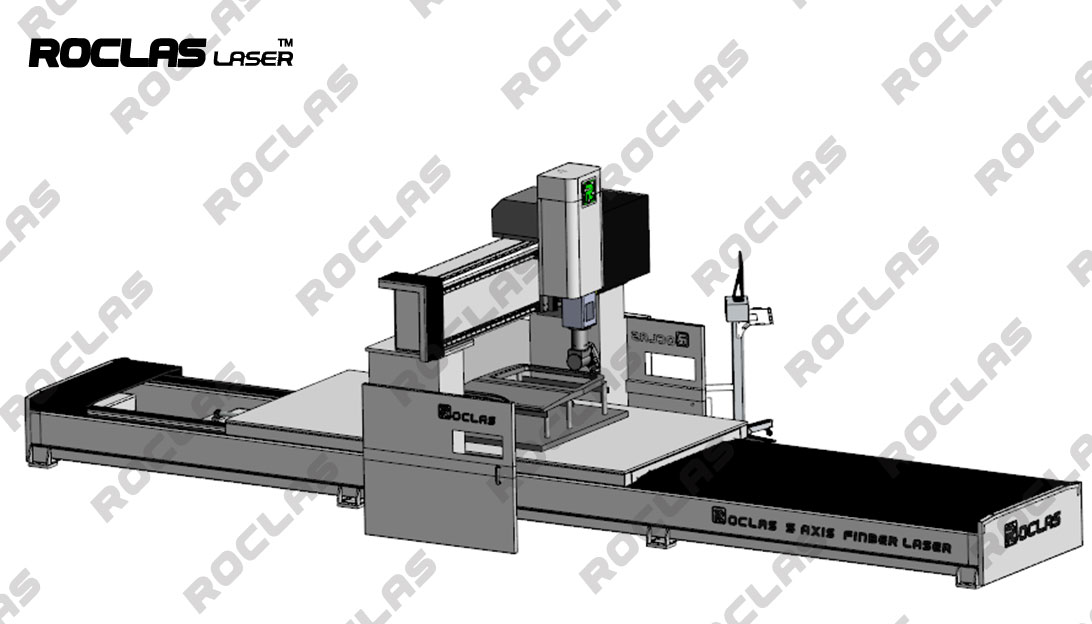
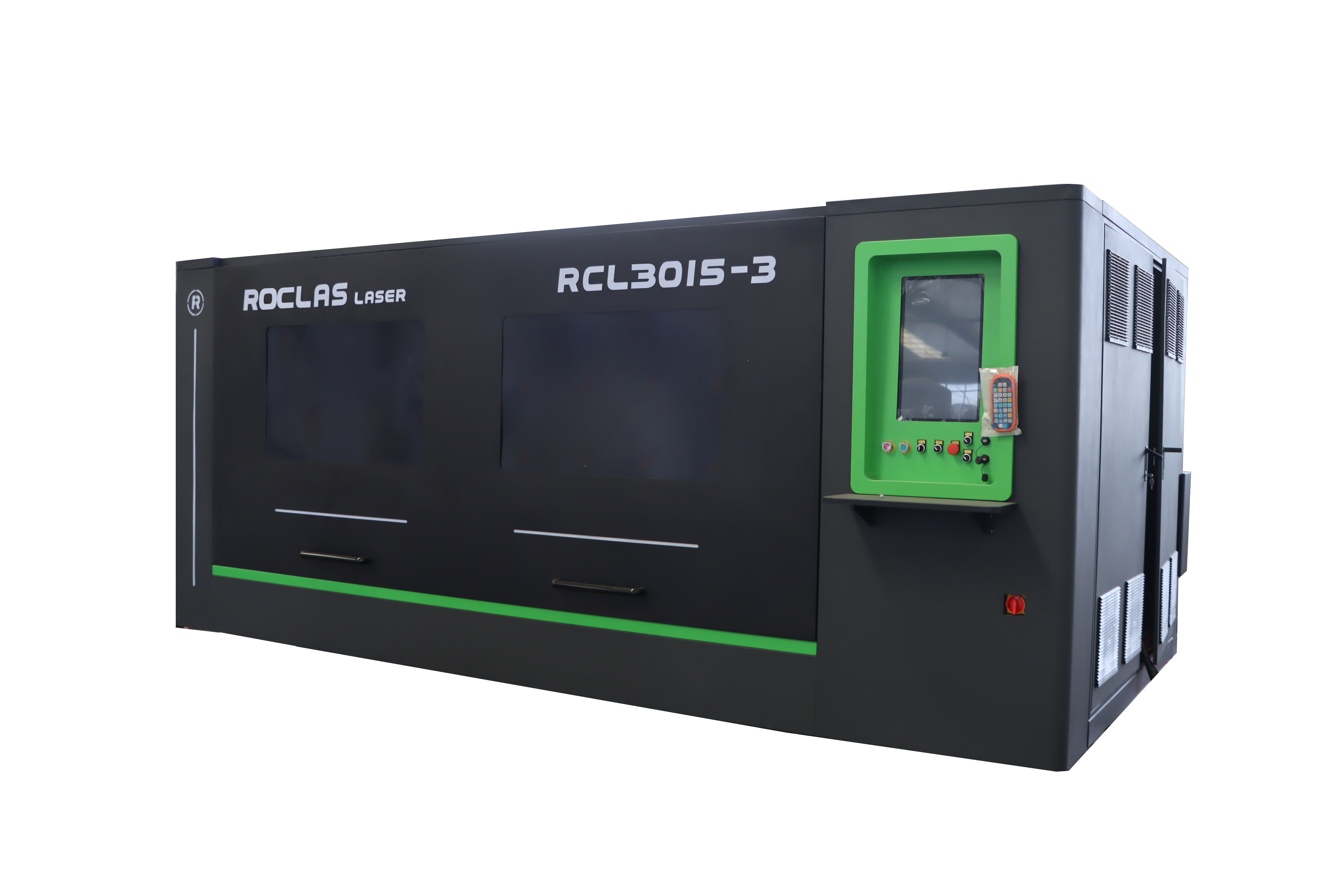
For sheet metal laser cutting machines, typical specifications include ±0.03 mm positioning accuracy and ±0.02 mm repositioning accuracy. Tube cutting machines, due to their additional rotational axes and longer travel spans, often exhibit slightly larger tolerances—±0.05 mm positioning and ±0.03 mm repositioning.
2.2 Factors Influencing Accuracy
Several interrelated factors determine the achievable accuracy of a CNC platform:
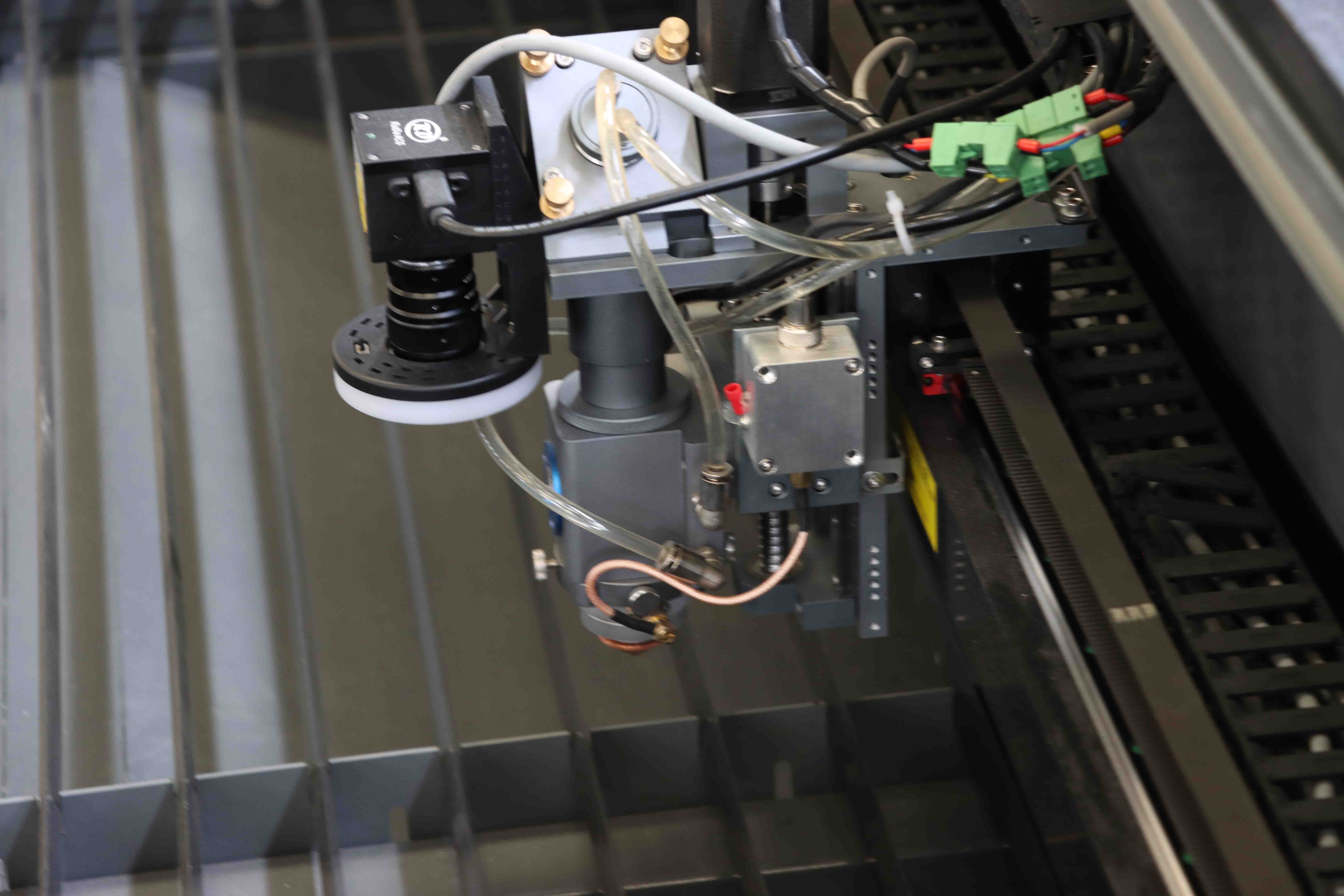
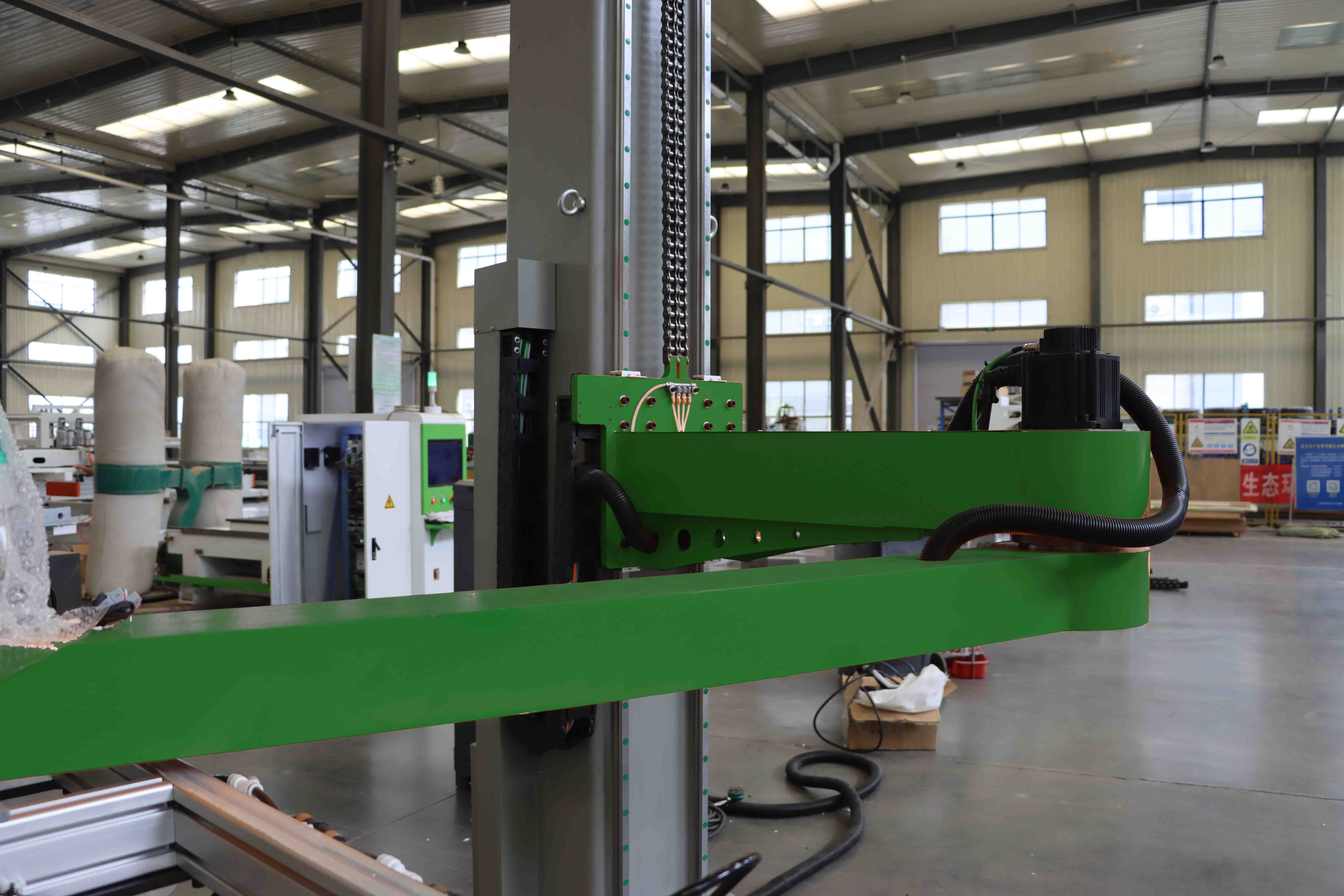
- Structural Rigidity: The machine bed and gantry must resist deflection under dynamic loads. Industrial-grade heavy-duty steel structures, processed on CNC five-face machining centers, provide the stiffness required for sub-50-micron accuracy.
- Drive System Quality: Imported servo drives with high-resolution encoders, coupled with precision reducers, enable smooth motion and precise positioning.
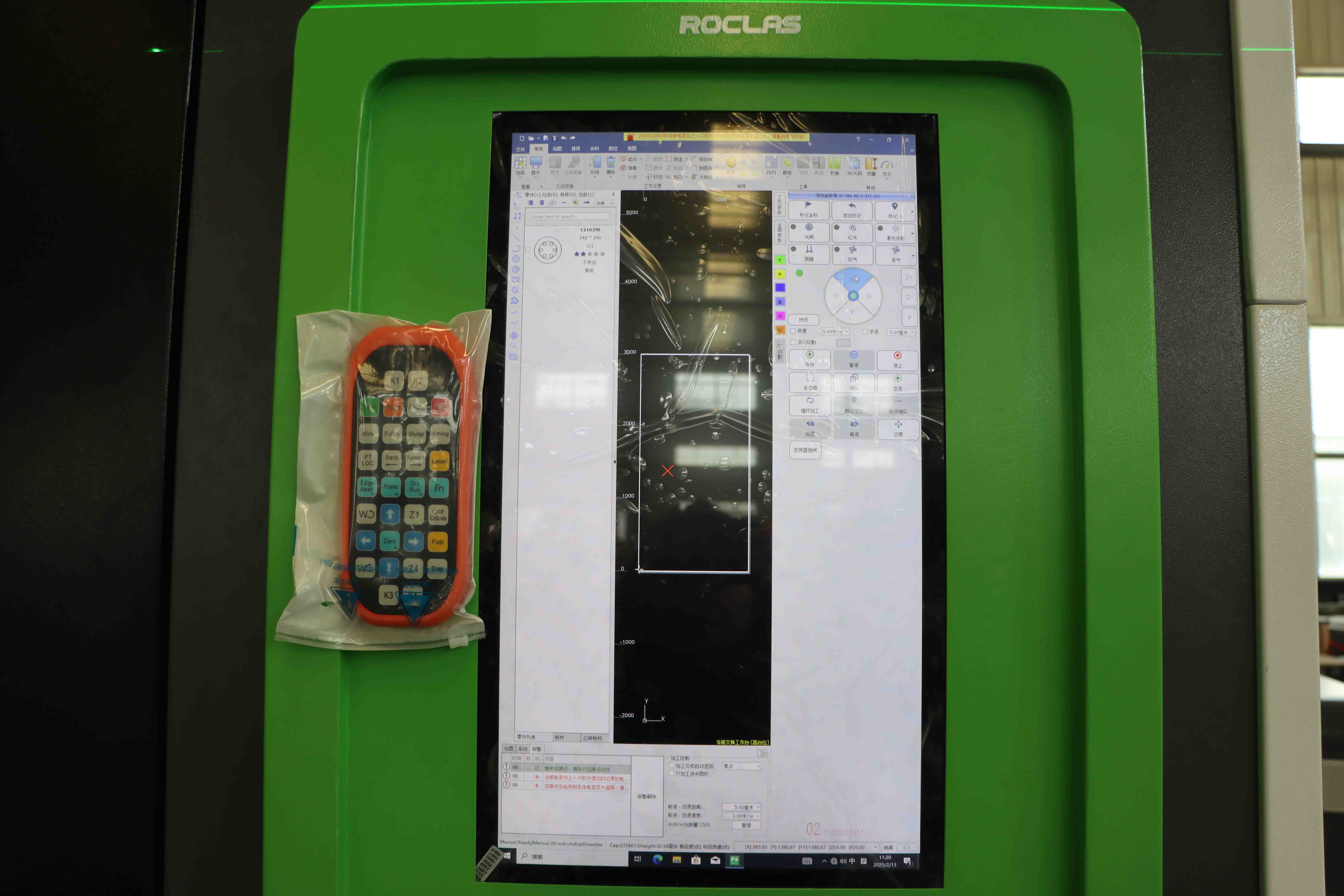
- Control System Architecture: Advanced controllers like Cypcut 3000S execute interpolation algorithms that compensate for mechanical imperfections and thermal drift.
- Thermal Stability: Heat generated by motors, cutting processes, and ambient conditions can cause differential expansion, shifting alignment over time.
- Calibration Regime: Periodic laser interferometer checks and compensation updates are essential for sustained accuracy.
---
3. Comparative Data Across Equipment Categories
To contextualize positioning accuracy within the broader market, Table 1 presents typical specifications for three major categories of CNC equipment relevant to metal fabrication, woodworking, and stone processing.
Table 1: Positioning Accuracy Comparison Across CNC Equipment Categories
| Equipment Type | Typical Positioning Accuracy (mm) | Repositioning Accuracy (mm) | Maximum Travel Speed (m/min) | Typical Laser Power / Spindle Power | Application Examples |
|----------------|----------------------------------|-----------------------------|------------------------------|--------------------------------------|----------------------|
| Sheet Metal Fiber Laser Cutter | ±0.03 | ±0.02 | 100 | 1–20 kW | Automotive panels, kitchen equipment |
| Tube Fiber Laser Cutter | ±0.05 | ±0.03 | 100 | 1–3 kW | Furniture frames, pipeline components |
| CNC Woodworking Router | ±0.10 – ±0.20 | ±0.05 – ±0.10 | 30–60 | 6–15 kW (spindle) | Cabinet doors, nested-based furniture |
| Stone CNC Engraving Machine | ±0.15 – ±0.30 | ±0.08 – ±0.15 | 15–25 | 5.5–11 kW (spindle) | Tombstones, architectural
 machining, woodworking, and stone engraving, positioning accuracy stands as a foundational parameter that governs part quality, repeatability)