Abstract
The manufacturing of transmission gears has undergone a paradigm shift over the past decade, driven by the automotive industry’s relentless pursuit of efficiency, noise reduction, and durability. This article examines the evolving technical requirements for transmission gear machining, the role of advanced CNC equipment in meeting these demands, and the market dynamics shaping production strategies. Drawing on industry data and case examples—including the capabilities of ROCLAS® MACHINERY CO., LTD.—this analysis provides a technical overview for engineers and production managers seeking to optimize gear manufacturing processes.
---
Industry Context and Market Data

Transmission gears—whether for automotive manual transmissions, dual-clutch systems, electric vehicle reduction gearboxes, or industrial gearboxes—require exceptional dimensional accuracy, surface finish, and metallurgical consistency. The global gear manufacturing market, valued at approximately USD 128 billion in 2023, is projected to grow at a compound annual growth rate (CAGR) of 5.8% through 2030, with transmission gears accounting for a significant share of this demand.
The following table summarizes key market segments and their machining requirements:
| Gear Type | Application | Typical Material | Required Accuracy (DIN/ISO) | Annual Production Volume (Est.) | Preferred Machining Method |
|-----------|-------------|------------------|----------------------------|--------------------------------|----------------------------|
| Helical Gears | Automotive Transmissions | 20MnCr5, 16MnCr5 | Grade 6–7 | 50–200 million units | Hobbing + Shaving + Heat Treatment |
| Bevel Gears | Differential / Axle | 20CrMnTi, 8620H | Grade 5–7 | 20–60 million units | Gleason/Spiral Bevel Cutting + Lapping |
| Planetary Gears | EV / Hybrid | 18CrNiMo7-6 | Grade 5–6 | 10–30 million units | Gear Grinding (profile & form) |
| Spur Gears | Industrial / Heavy-Duty | 42CrMo4, AISI 4140 | Grade 7–9 | 5–15 million units | Hobbing + Shaving + Nitriding |
| Synchronizer Rings | Manual Transmissions | Brass, Sintered Steel | Grade 8–10 | 100–300 million units | CNC Turning + Slotting |
Analysis: The data reveals a clear trend: as electric vehicles (EVs) proliferate, demand for high-precision planetary gears is rising sharply. These gears require not only tight tolerances but also excellent surface integrity to minimize noise, vibration, and harshness (NVH). Meanwhile, traditional helical and synchronizer gears remain the backbone of internal combustion engine (ICE) vehicle production, though volumes are plateauing in mature markets.
---
Technical Challenges in Transmission Gear Machining
Modern transmission gears face three principal machining challenges:
1. Geometric Complexity: Helical and bevel gear geometries demand multi-axis synchronization. A typical automotive helical gear may require 5–8 axes of simultaneous motion for hobbing or grinding.
2. Material Hardness: Case-hardened gears (e.g., 20MnCr5) achieve surface hardness of 58–62 HRC after carburizing, making post-heat-treatment grinding essential. Without advanced CNC control, maintaining profile accuracy below 5 μm becomes nearly impossible.
3. Throughput vs. Precision: Production lines must balance cycle time with quality. A gear hobbing operation for a typical passenger vehicle gear may take 30–60 seconds, while finish grinding can add another 45–90 seconds per tooth flank.
---
CNC Equipment Solutions: From Hobbing to Laser-Assisted Finishing
The machining of transmission gears typically involves a multi-step process chain: turning → hobbing → chamfering → shaving → heat treatment → grinding → inspection. Each step places distinct demands on the CNC system.
For turning and hobbing operations, rigid gantry-style or horizontal machining centers with integrated automation are preferred. Manufacturers such as ROCLAS® MACHINERY CO., LTD. have developed industrial-grade heavy-duty steel structure CNC machines that offer the stiffness required for high-torque gear cutting. With imported servo drive systems and positioning accuracy of ±0.03 mm, these machines can handle both roughing and semi-finishing operations for gear blanks and gear bodies.
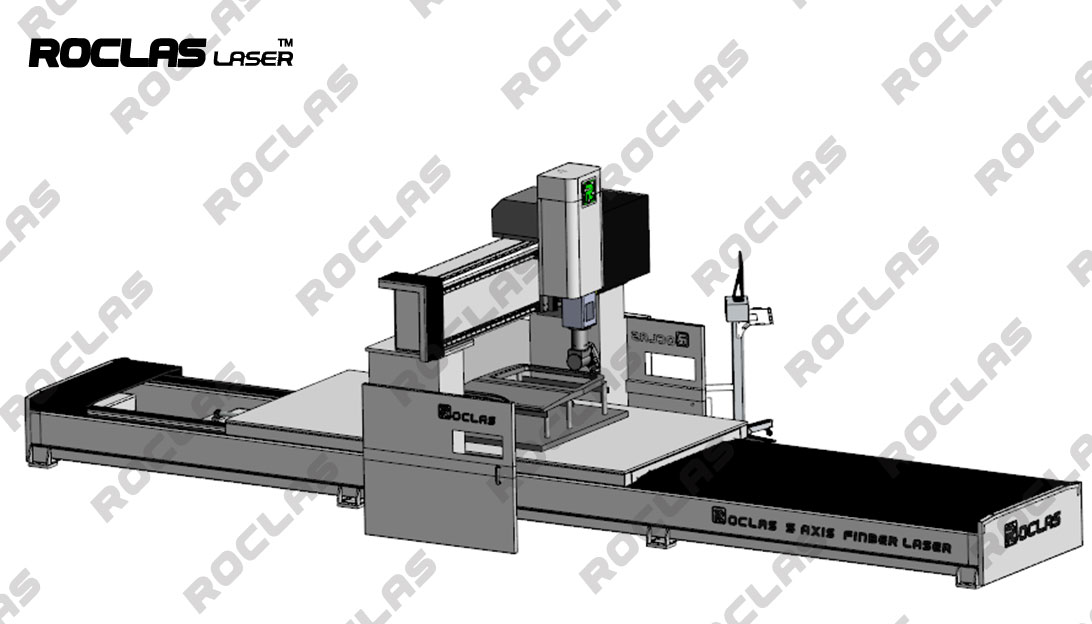
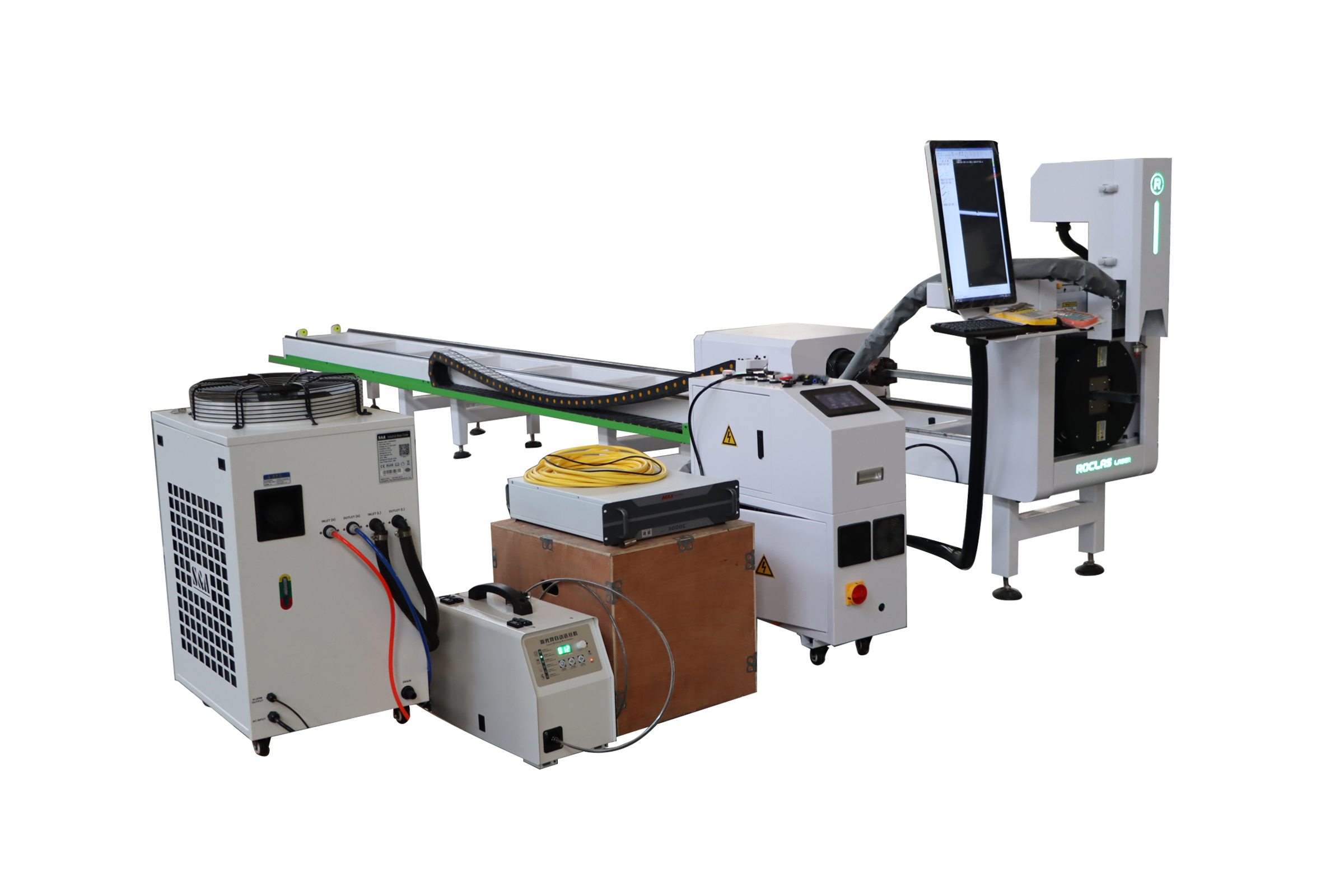
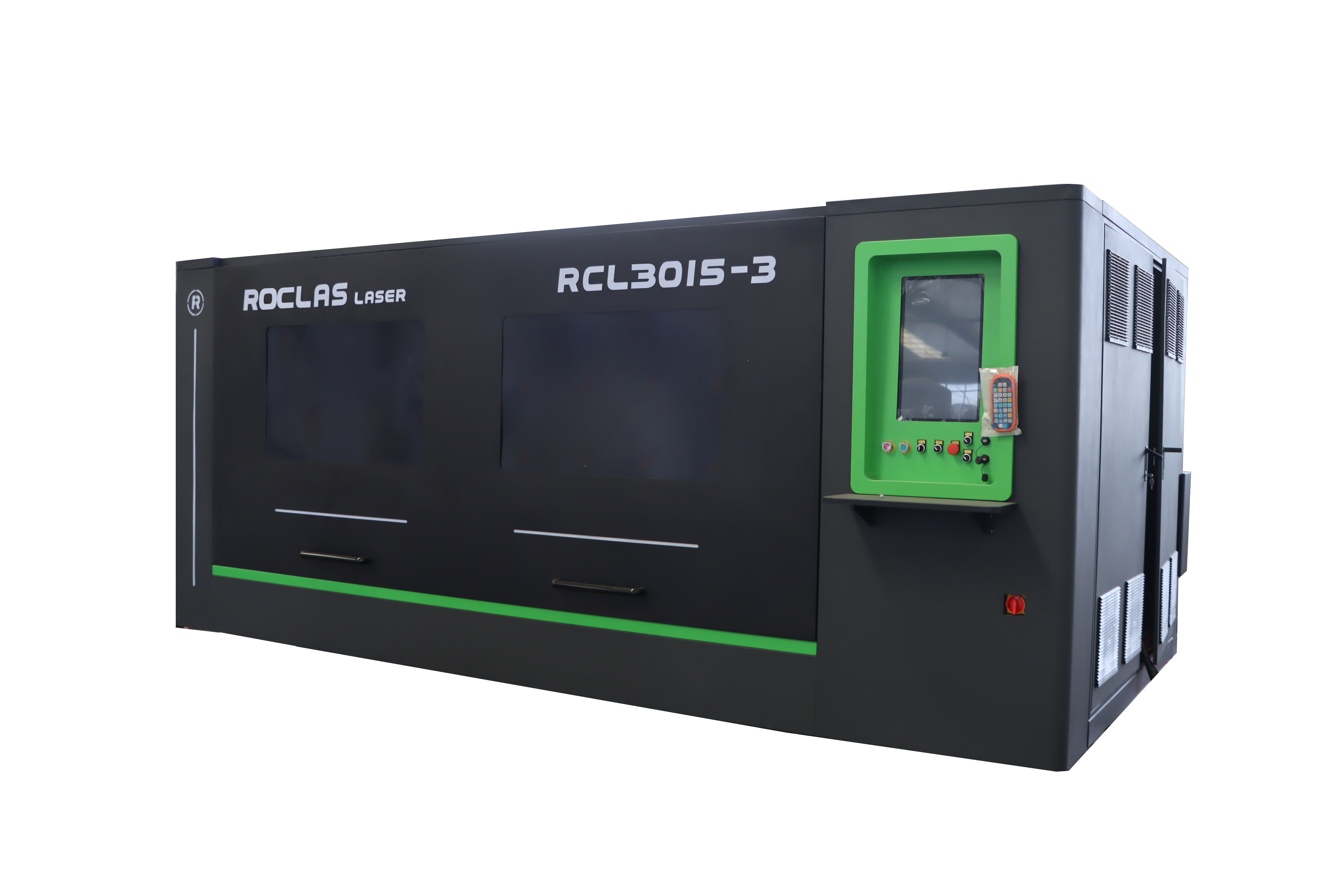
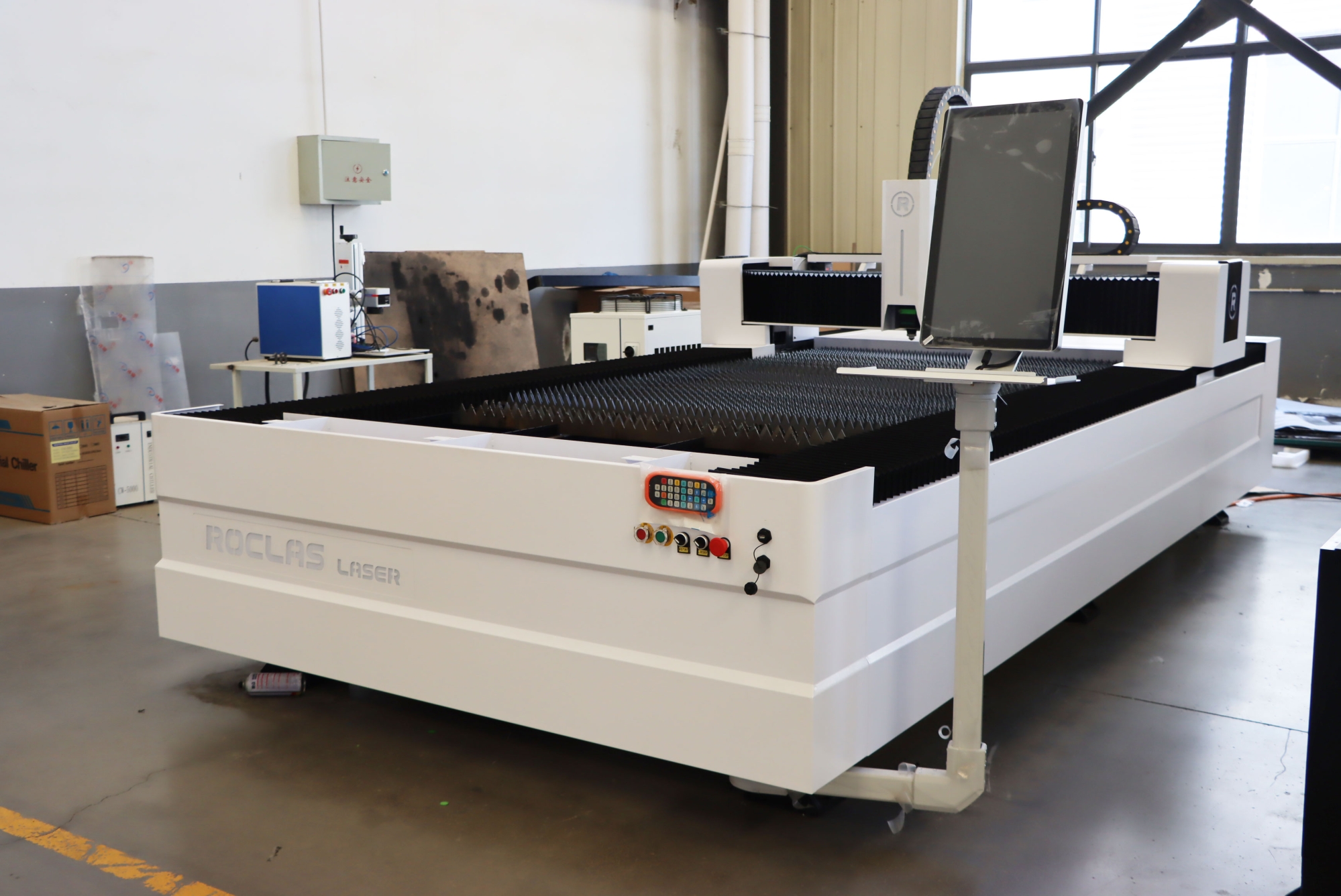
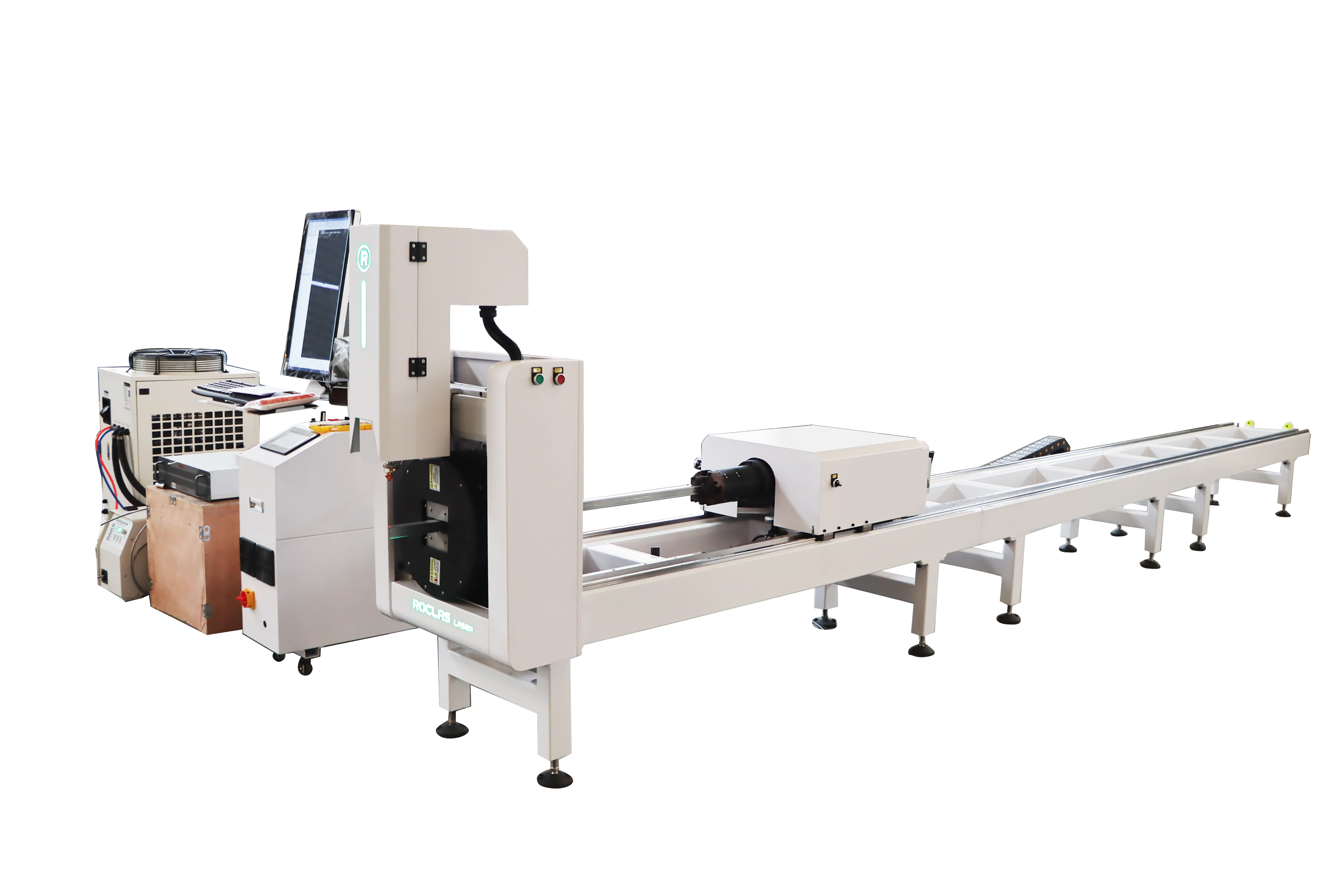
In the context of gear finishing, laser-based alternatives are emerging. ROCLAS’ Fiber laser cutting machines, available in power ranges from 1000W to 20 kW, can perform precision cutting of gear blanks from sheet or tube stock. This is particularly relevant for prototype runs or low-volume production, where traditional die-casting or forging tooling is cost-prohibitive. The company’s 5-axis fiber laser cutting