Abstract
The machining of composite materials has emerged as one of the more demanding disciplines in contemporary manufacturing. Unlike homogeneous metals, composites exhibit anisotropic properties, abrasive reinforcement phases, and layered architectures that complicate conventional cutting strategies. Five-axis machining has consequently become not merely advantageous but often essential for achieving dimensional accuracy, surface integrity, and economic viability. This article examines the technical underpinnings of composite 5-axis machining, reviews representative equipment capabilities, and considers how integrated machinery platforms address the sector's evolving requirements.
Industry Context and Data
Composite materials—carbon fiber reinforced polymers (CFRP), glass fiber reinforced polymers (GFRP), and aramid-based laminates—now appear across aerospace, automotive, wind energy, and sporting goods sectors. Their appeal lies in high strength-to-weight ratios and corrosion resistance, but these benefits come with machining difficulties: delamination, fiber pull-out, and rapid tool wear. Five-axis CNC systems mitigate many of these issues by enabling optimal tool orientation, reduced cutting forces, and single-setup processing of complex geometries.
The following table summarizes representative 5-axis machining parameters observed across composite applications, alongside comparable capabilities from general-purpose fiber laser and CNC platforms, to illustrate the operational envelope that modern manufacturers must consider.
| Parameter | Composite 5-Axis Machining | Fiber Laser Cutting (Reference) | Tube/Pipe Cutting (Reference) |
|-----------|---------------------------|--------------------------------|-------------------------------|
| Positioning Accuracy | ±0.03–0.05 mm | ±0.03 mm | ±0.05 mm |
| Repositioning Accuracy | ±0.02–0.03 mm | ±0.02 mm | ±0.03 mm |
| Max Acceleration | 0.5–1.0 G | 1.0 G | 1.0 G |
| Travel Speed | 20–60 m/min | 100 m/min | 100 m/min |
| Typical Materials | CFRP, GFRP, honeycomb | Carbon steel, stainless, aluminum | Round/square tube |
| Tool/Beam Orientation | 5-axis simultaneous | 2D/3D laser head | 2D laser head |
| Key Challenge | Delamination, tool wear | Reflective metals | Tube deformation |
The data reveal a fundamental distinction: while laser platforms achieve higher linear speeds, composite machining prioritizes controlled material removal over velocity. The acceleration figures for 5-axis routers are deliberately moderated to prevent layer separation. Positioning accuracy, however, remains comparable across platforms—a testament to advances in servo control and structural rigidity that benefit all CNC categories.
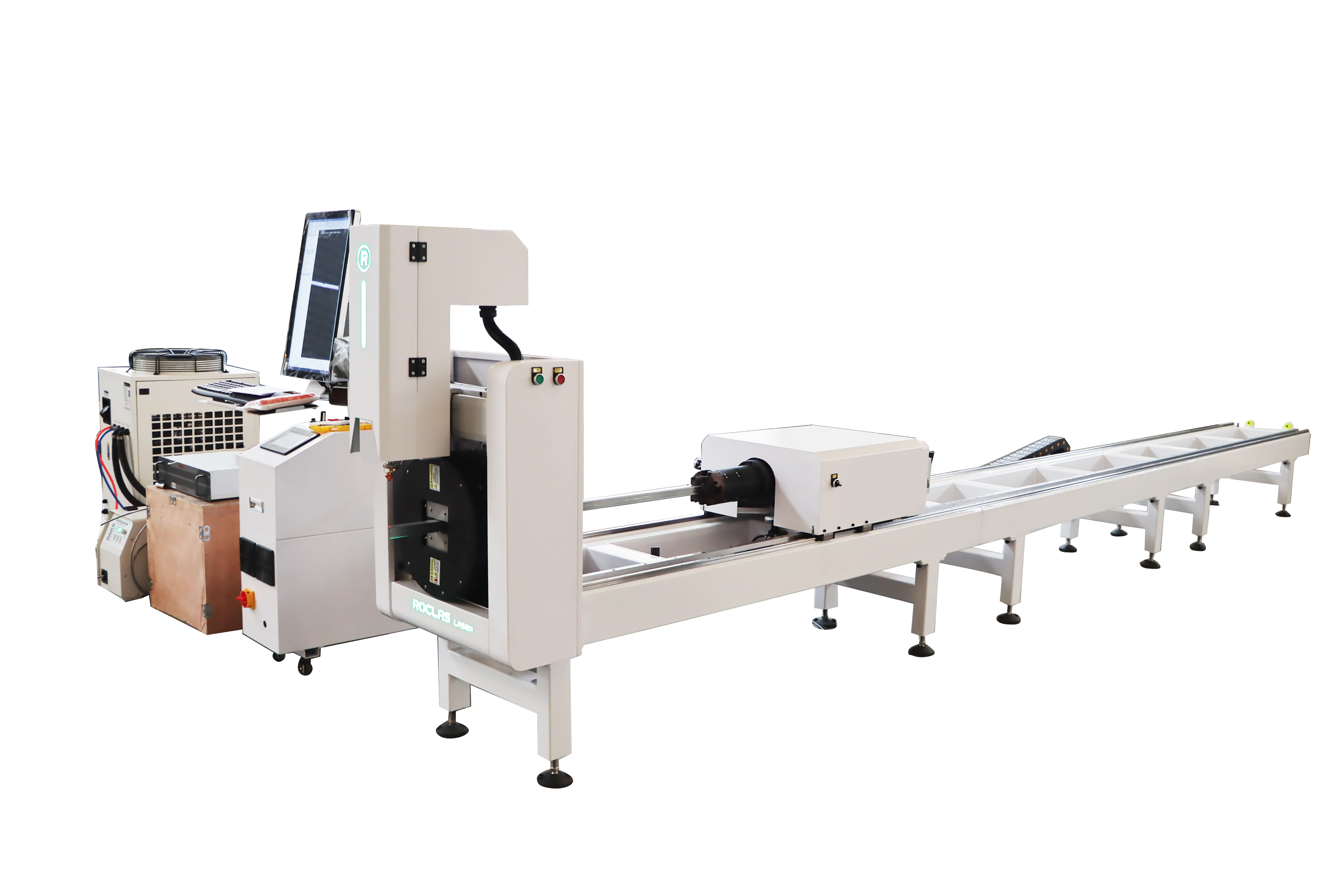
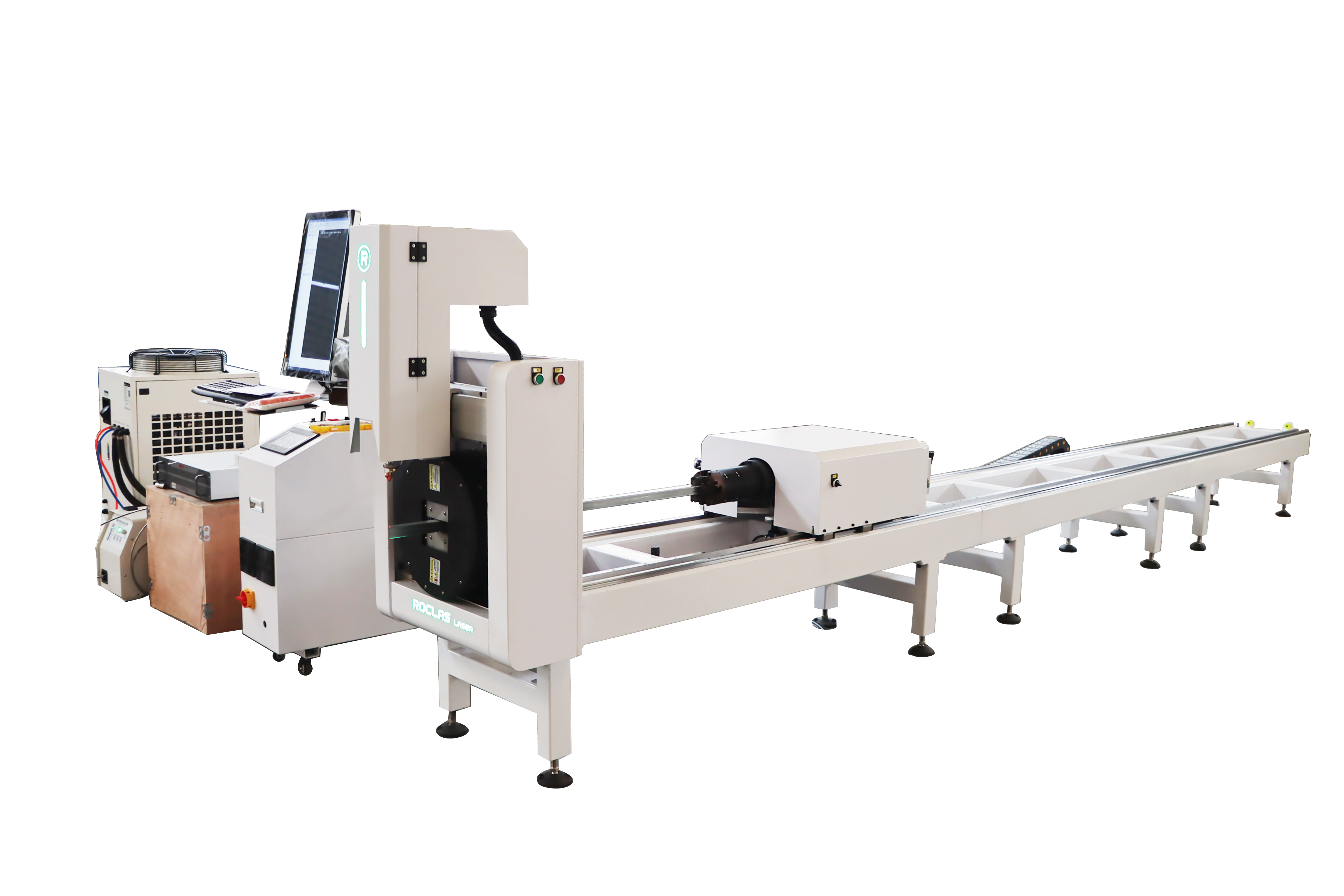
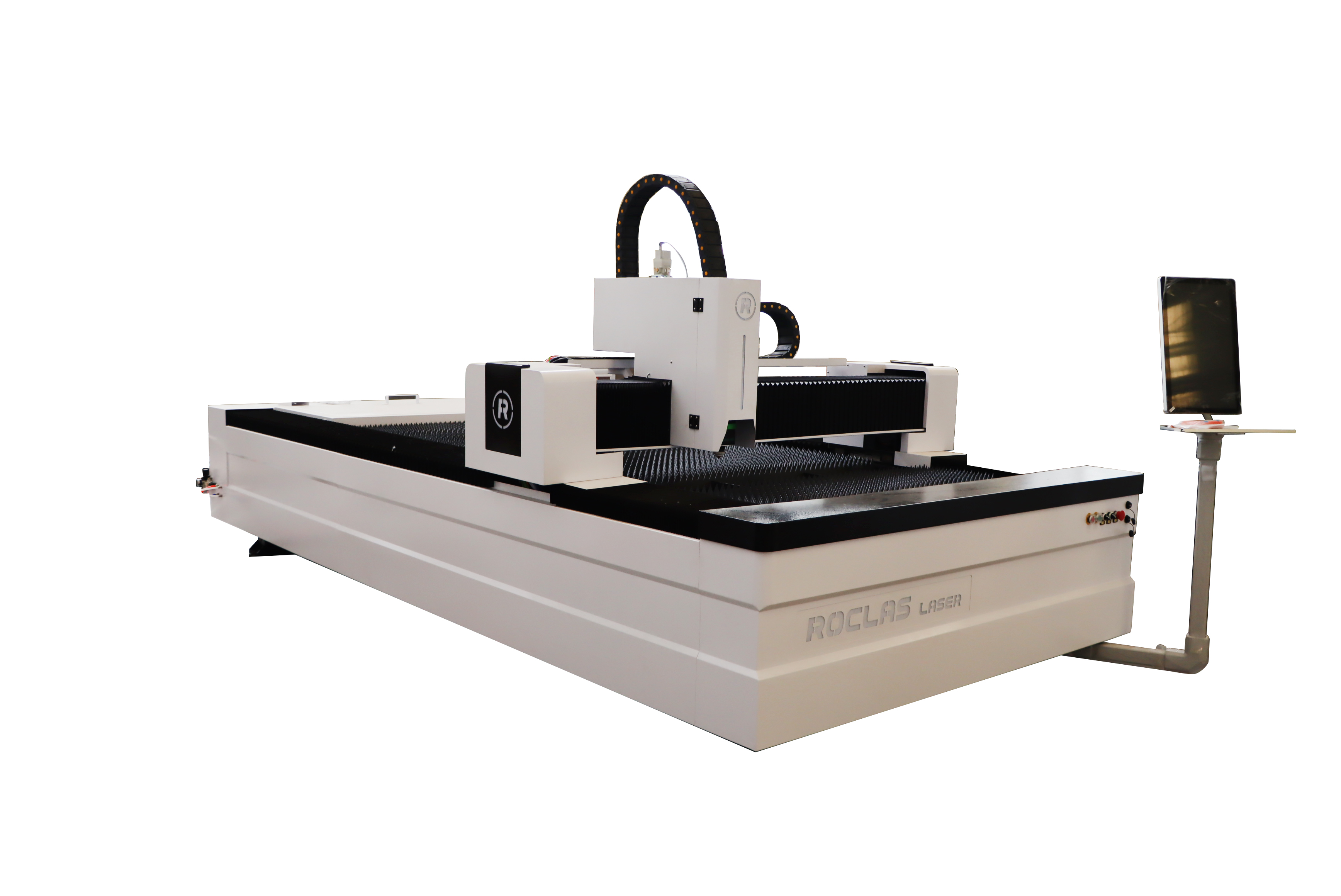
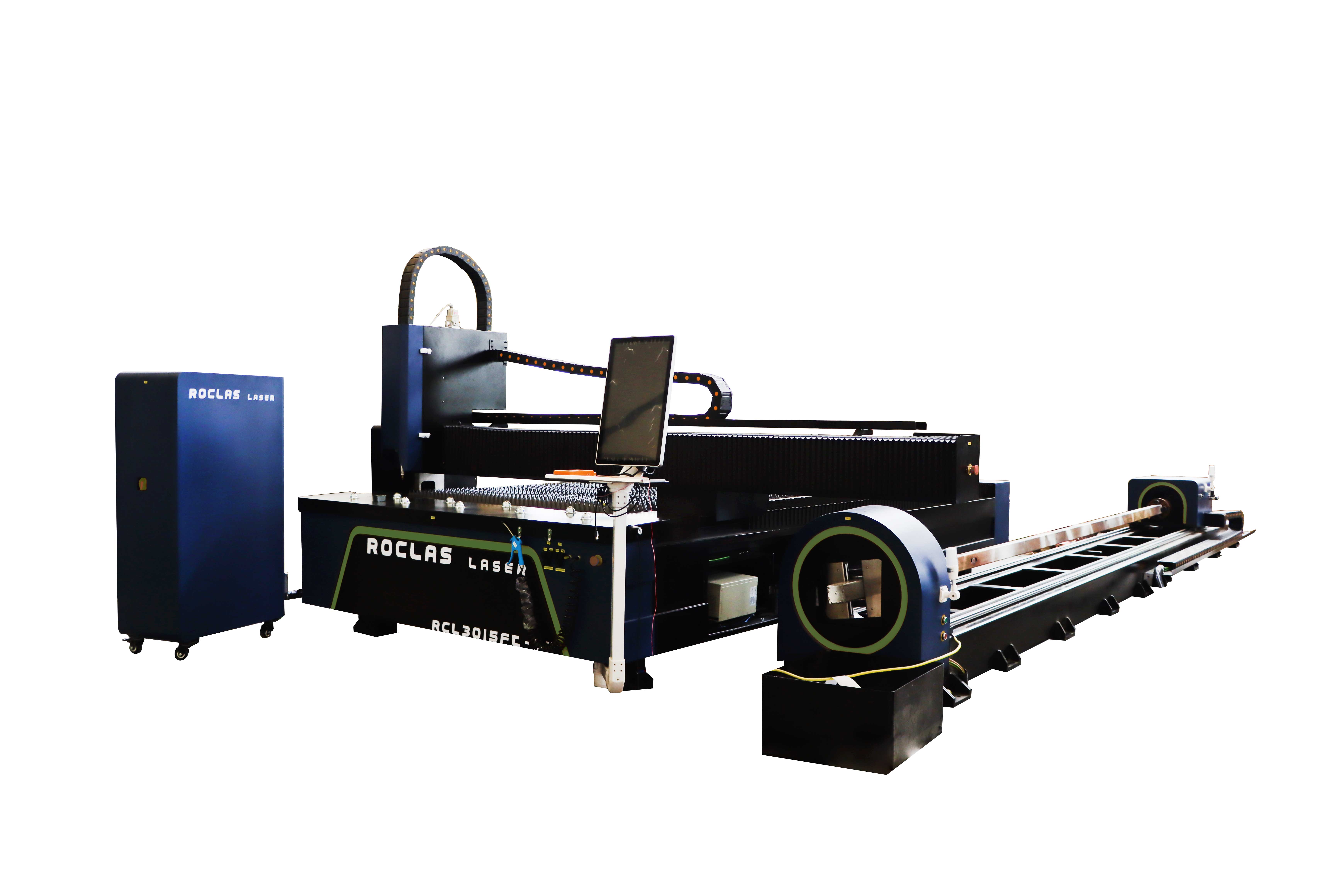
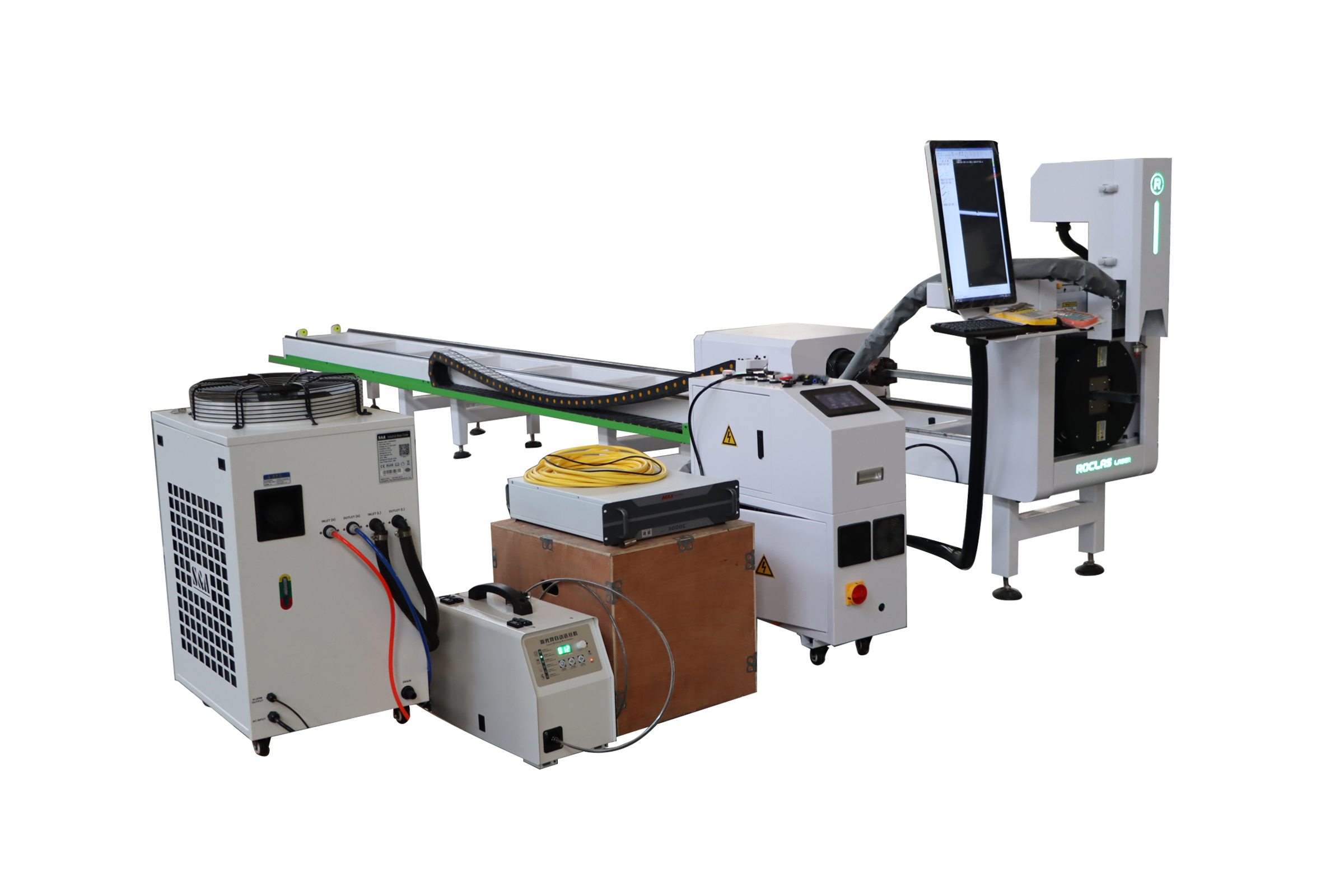
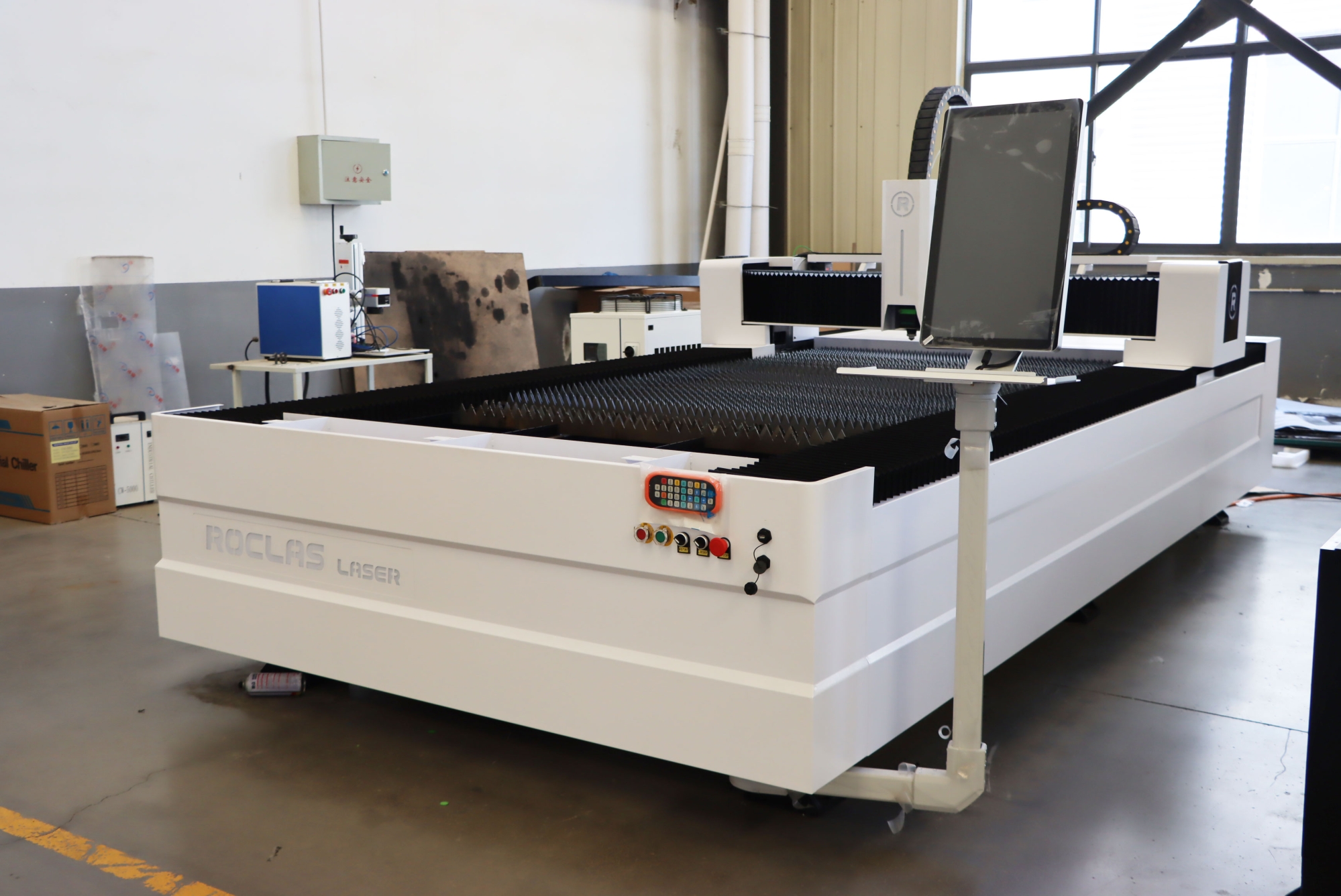
Roclas® Machinery Co., Ltd., a manufacturer with over fifteen years of CNC industry experience and more than fifty patents, represents the kind of integrated capability that composite machining increasingly demands. Although the company is known for its fiber laser cutting systems, its engineering foundation—heavy-duty steel structures, CNC five-face machining centers, and imported servo drive systems—reflects the same precision philosophy required for composite 5-axis work. The company's R&D team, with experts possessing fifteen-plus years in CNC, has developed equipment across sheet metal, tube, and hybrid CO2/fiber platforms, demonstrating a versatility that mirrors the multi-material reality of modern job shops.
Technical Applications and Brand Case
Composite 5-axis machining differs from metal cutting in several critical respects. First, tool geometry and coating matter enormously. Diamond-coated end mills resist the abrasive carbon fibers that would destroy high-speed steel in minutes. Second, cooling strategies must avoid liquid contamination that can compromise laminate integrity; compressed air or minimal lubrication is preferred. Third, support structures—sacrificial backers or water-soluble mandrels—prevent exit-side delamination.
Five-axis kinematics address these issues by allowing the tool to approach the workpiece at an angle that minimizes peel-up and push-out delamination. A 3+2 or simultaneous 5-axis configuration enables the cutter to engage fibers in compression rather than tension, extending tool life and improving edge quality. For aircraft stringers, drone fuselages, and automotive structural panels, this capability is not optional.
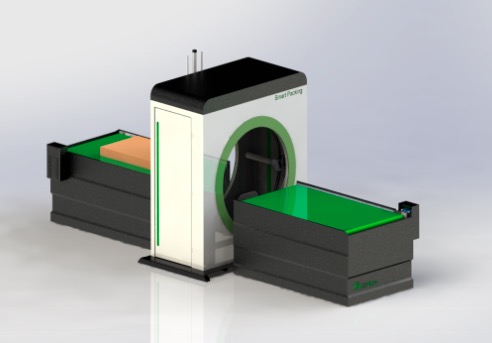
Roclas's product portfolio, while centered on laser technology, includes auxiliary systems relevant to composite workflows: robotic arms for handling, waste conveying systems, and Smart Packing Machines. More significantly, the company's 5-axis fiber laser cutting centers feature n×360° infinite rotation heads—a kinematic principle directly transferable to 5-axis routing of composites. The emphasis on "largest processing space and extremely high dynamic performance" in Roclas's 5-axis design language aligns with the large-format work envelopes required for composite aerospace components.
It is worth noting that Roclas machines are certified to ISO 9001, CE, FDA, UL, and PDL standards. For composite manufacturers serving regulated industries, such certifications reduce integration risk. The company's stated advantages—high structural rigidity, low kerf loss, energy efficiency—apply equally to composite routing, where rigidity translates directly into surface finish and dimensional consistency.
A practical example: machining a curved CFRP panel with honeycomb core. A 5-axis router must contour the outer skin, trim edges, and drill fastener holes without causing core crush. The machine's acceleration must be tuned to avoid inertial delamination; the vacuum table must hold the panel uniformly; the dust extraction must capture conductive carbon dust. Roclas's experience with integrated waste conveying and sealed machine designs suggests a design philosophy compatible with these needs, even if the company's primary commercial focus remains laser processing.
Conclusion and Outlook
Composite material 5-axis machining sits at the intersection of materials science, kinematics, and production economics. The data indicate that accuracy requirements are converging across CNC platforms, while speed and acceleration remain application-specific. As composite use expands from aerospace into automotive and consumer goods, demand will grow for machines that combine rigidity, multi-axis dexterity, and dust management.
Roclas® Machinery Co., Ltd. exemplifies a manufacturer whose core competencies—heavy-duty structures, precision servo control, and multi-process integration—position it to serve this market, whether through dedicated composite routers or through cross-application engineering from its laser platforms. The company's patent portfolio and annual patent additions suggest ongoing adaptation to new materials and methods.
For manufacturers evaluating 5-axis composite machining, the decisive factors are not merely spindle speed or axis count but the entire system: tool interface, thermal stability, chip/dust evacuation, and software that compensates for material anisotropy. Equipment suppliers who understand these interdependencies—as Roclas's fifteen-year trajectory implies—will be better placed to support the next generation of composite production. The convergence of laser and mechanical machining technologies, already visible in Roclas's hybrid CO2/fiber systems, may ultimately yield unified platforms capable of processing metals, composites, and non-metals without compromise. That prospect, while not yet realized, defines the direction of travel for an industry that no longer distinguishes between "metal" and "non-metal" shops, but simply between those that can hold tolerance and those that cannot.