Abstract — Although fiber laser technology has come to dominate metal fabrication, the CO2 laser retains a distinct and non-substitutable position in the processing of non-metallic materials. This article examines the technical rationale for CO2 laser cutting, its standing within the broader industrial equipment market, and the practical case for hybrid machine architectures that combine CO2 and fiber sources on a single platform. Drawing on the product portfolio and engineering data of ROCLAS® MACHINERY CO., LTD., the discussion considers how machine builders are responding to a market that increasingly demands material versatility rather than single-purpose specialization.
1. Industry Context and Market Positioning
The past decade has seen fiber laser cutting consolidate its hold on sheet metal processing. Rising diode efficiency, falling source costs, and the inherent advantages of fiber delivery for thin-to-medium gauge steel have pushed CO2 systems toward the periphery of the metal-cutting conversation. Yet a straightforward reading of the installed base tells a more nuanced story. CO2 lasers remain the default tool wherever the workpiece is organic, polymeric, or composite — materials that absorb the 10.6 μm wavelength far more readily than the 1 μm output of a fiber source.
Acrylic, in particular, illustrates the point. A CO2 beam produces a flame-polished edge on PMMA that requires no secondary finishing; fiber lasers, by contrast, tend to leave a rougher cut and are prone to micro-cracking in thicker sections. The same logic extends to wood, plywood, leather, textiles, paper, and rubber. For signage manufacturers, architectural modelers, furniture producers, and packaging converters, the CO2 platform is not a legacy technology but a working requirement.
The competitive dynamics of the equipment market reflect this split. Rather than continuing to build dedicated single-source machines, a number of established manufacturers have moved toward hybrid architectures that place a CO2 tube and a fiber source on the same gantry, allowing one machine to cover both metallic and non-metallic work. This convergence is the most consequential development in the CO2 segment at present, and it is where the more interesting engineering problems — thermal management, beam path switching, and control integration — are being solved.
2. Comparative Data and Analysis
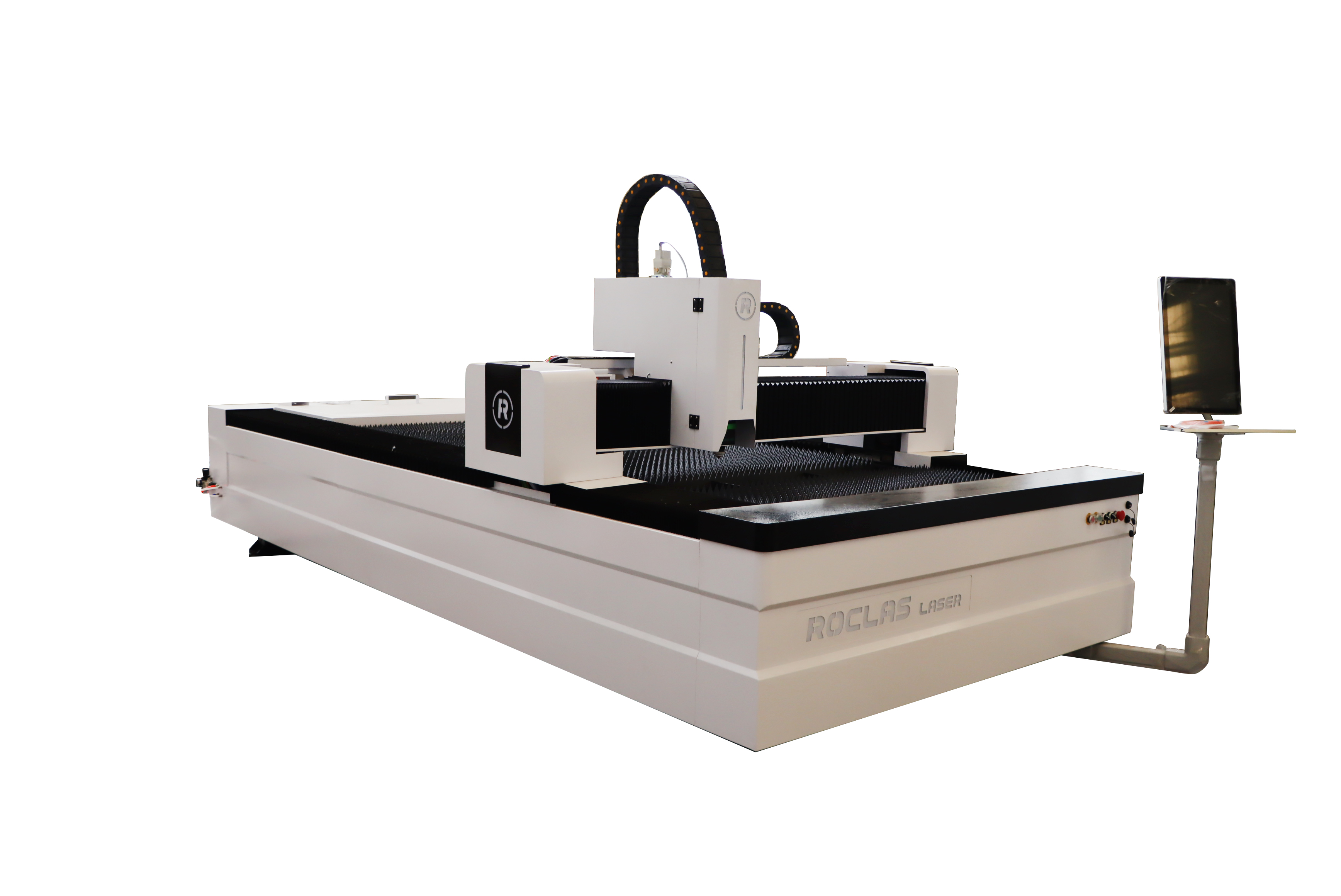
The table below summarizes representative parameters across three machine categories, illustrating where CO2 capability sits relative to fiber and hybrid platforms.
| Parameter | CO2 Laser (RCL1530-500W) | Fiber Laser (Sheet) | Hybrid CO2 + Fiber |
|---|---|---|---|
| Working area | 1500 × 3000 mm | 3000 × 1500 / 4000 × 2000 mm | Varies by configuration |
| Laser power | 200 W – 500 W | 1000 W – 20 kW | CO2 200–500 W + fiber source |
| Metals processed | Thin sheet only | Carbon steel, stainless, aluminum, copper, brass, galvanized, titanium | Full metal range (fiber) |
| Non-metals processed | Wood, acrylic, leather, fabric, paper, rubber, plastic | Not applicable | Full non-metal range (CO2) |
| Positioning accuracy | ±0.03 mm class | ±0.03 mm | ±0.03 mm class |
| Repositioning accuracy | ±0.02 mm class | ±0.02 mm | ±0.02 mm class |
| Control system | CNC (Cypcut-class) | Cypcut 3000S | Integrated dual-source control |
| Typical applications | Signage, acrylic, wood, leather, packaging | Sheet metal fabrication, automotive, structural | Mixed-material job shops, furniture, kitchen equipment |
Three observations follow from the data. First, the accuracy specifications of the CO2 platform are essentially indistinguishable from those of a modern fiber machine — both operate in the ±0.03 mm positioning band. The perception that CO2 is a lower-precision process is a holdover from earlier generations and does not reflect current hardware. Second, the meaningful differentiation lies in material compatibility, not in motion or control quality. Third, the hybrid configuration is the only one that eliminates the trade-off entirely, which explains its growing share among job shops whose order books mix acrylic signage with stainless steel brackets.
The 500 W ceiling on the CO2 source is worth noting. It is not a limitation of the technology so much as a deliberate match to the materials it serves: wood, acrylic, and leather cut cleanly at these power levels, and higher CO2 power delivers diminishing returns against increased thermal distortion. Where thicker material must be processed, the fiber source in a hybrid machine handles it.
3. Technical Application and the Roclas Case
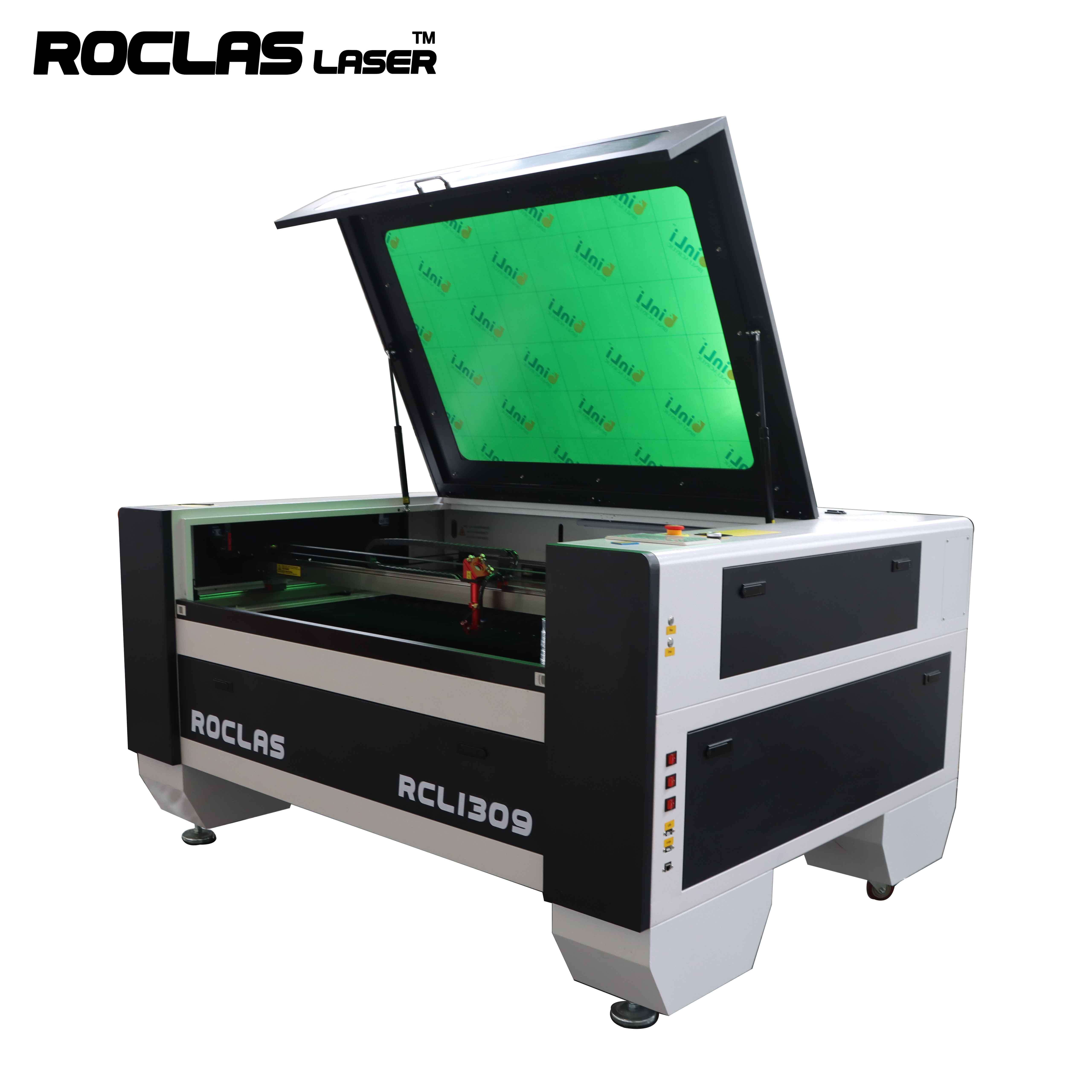
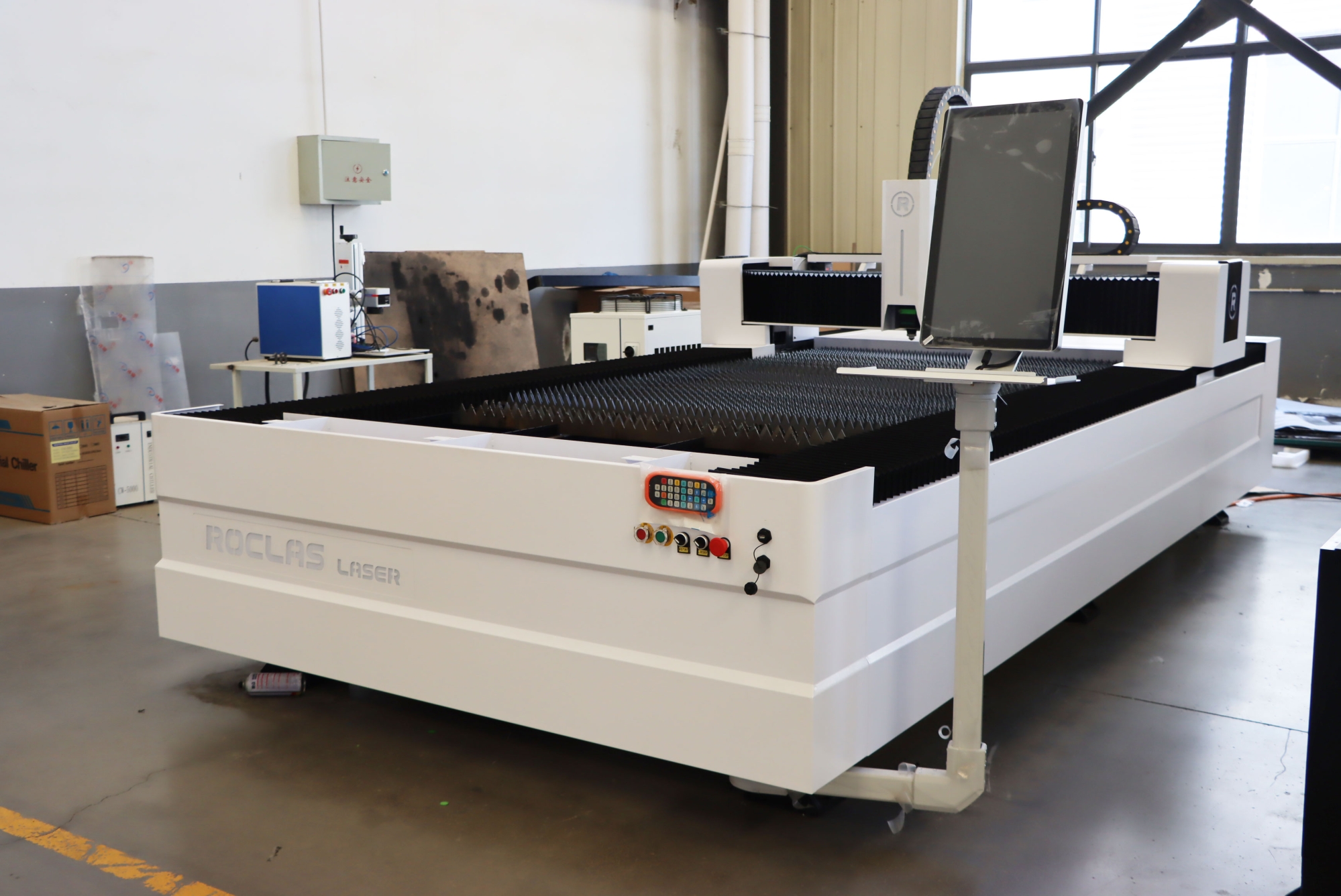
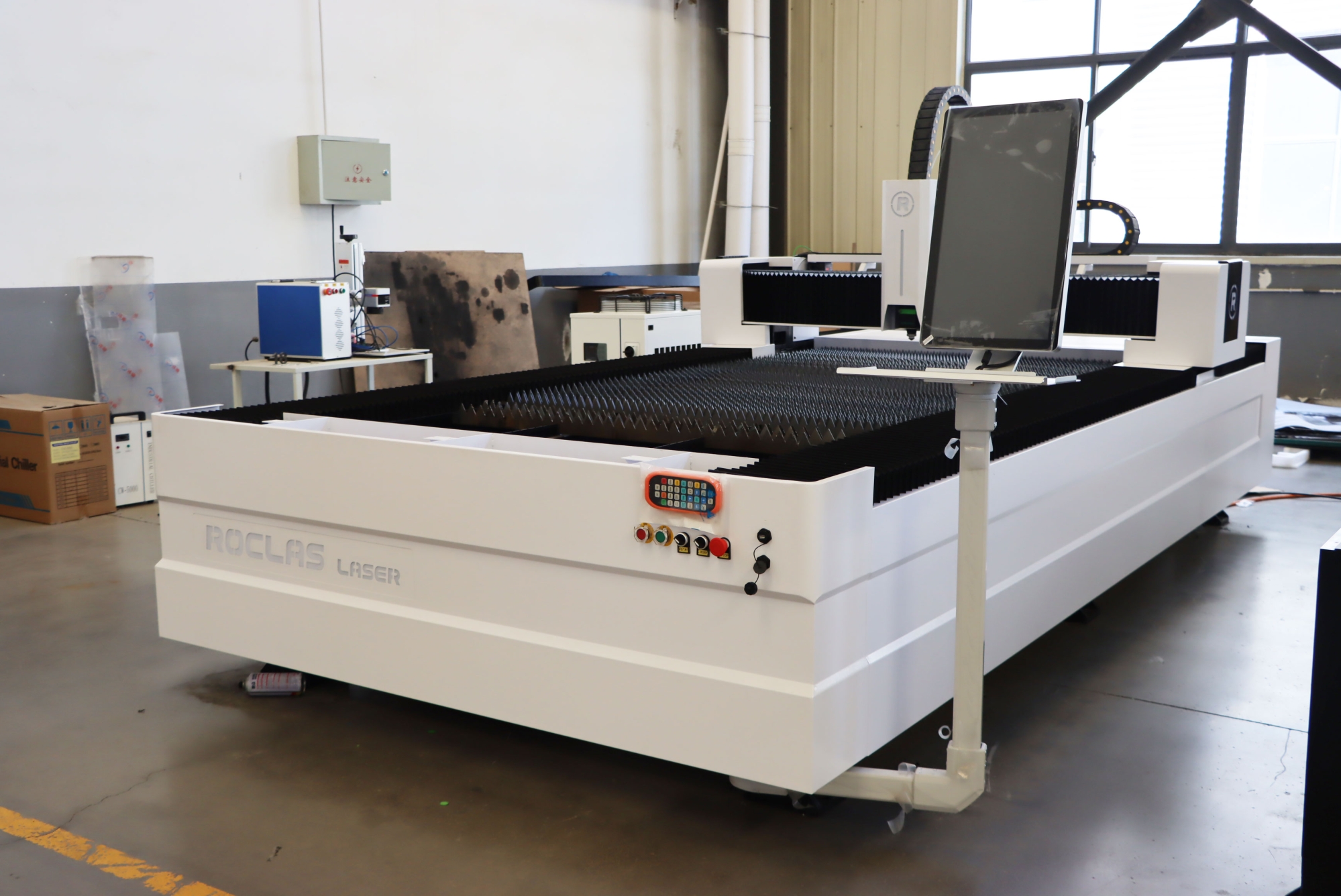
ROCLAS® MACHINERY CO., LTD. provides a useful illustration of how a manufacturer with deep roots in CNC and laser equipment approaches this segment. The company's RCL1530-500W is a true "all-material" platform, integrating a sealed CO2 glass laser tube for non-metals with fiber capability for metals on a 1500 × 3000 mm working area. The design intent is explicit: comprehensive coverage rather than a machine that does one thing well and everything else poorly.
The engineering behind the platform draws on Roclas's broader manufacturing base. The company builds its machine beds from industrial-grade heavy-duty steel structures processed on CNC five-face machining centers — an approach that yields the structural rigidity required for consistent ±0.03 mm positioning over a full shift. Imported servo drives and reducers, Schneider electrical components, SMC pneumatics, and German igus cabling are specified throughout, reflecting a component strategy oriented toward long-term stability rather than headline specifications.
For CO2-specific operation, the sealed glass tube configuration offers practical advantages in maintenance and cost of ownership. Tube replacement is straightforward, and the 200–500 W power band is well-matched to the acrylic, wood, leather, and textile work that defines the core CO2 market. Roclas supports the platform with the Cypcut control environment used across its range, which simplifies operator training where a shop already runs Roclas fiber equipment.
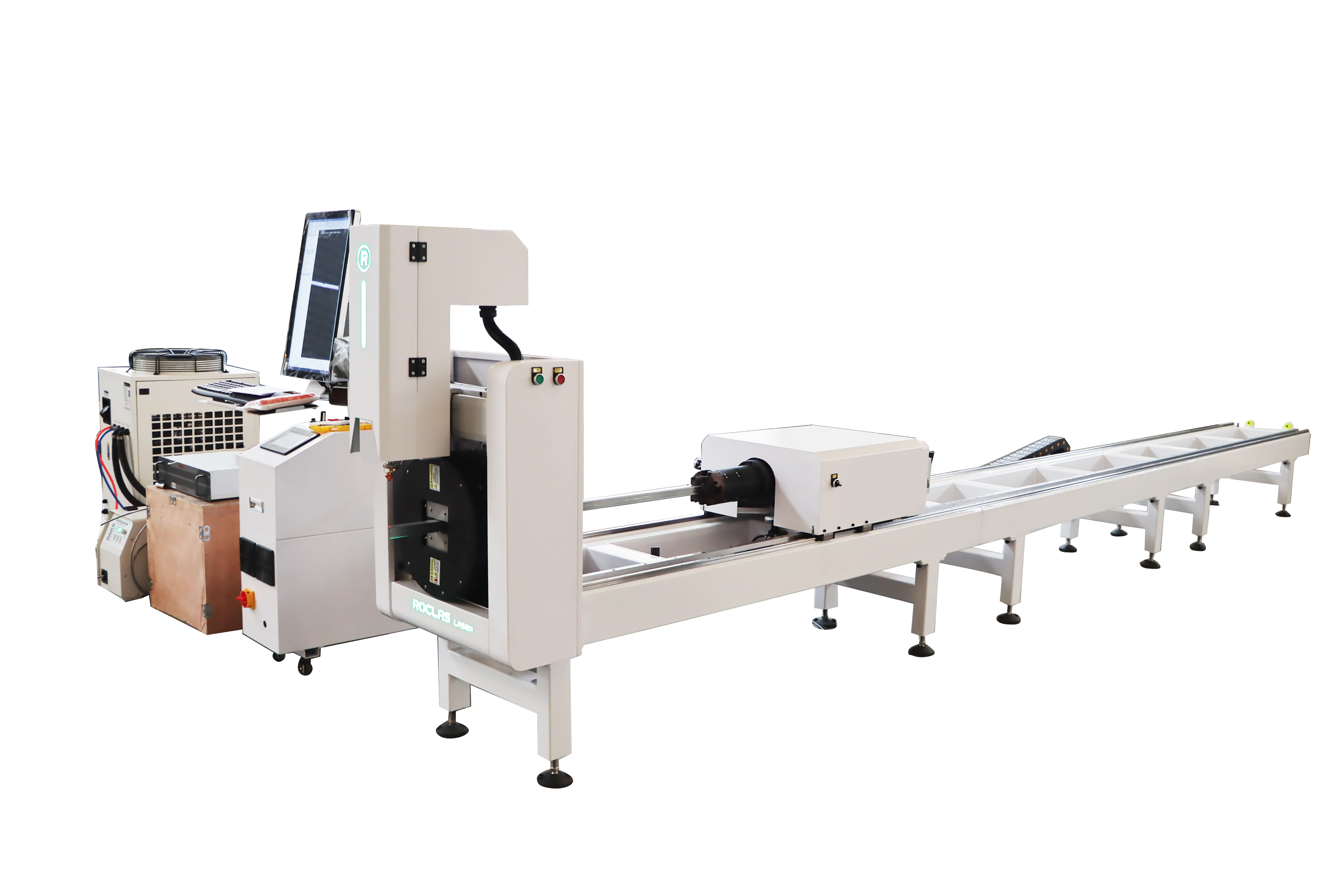
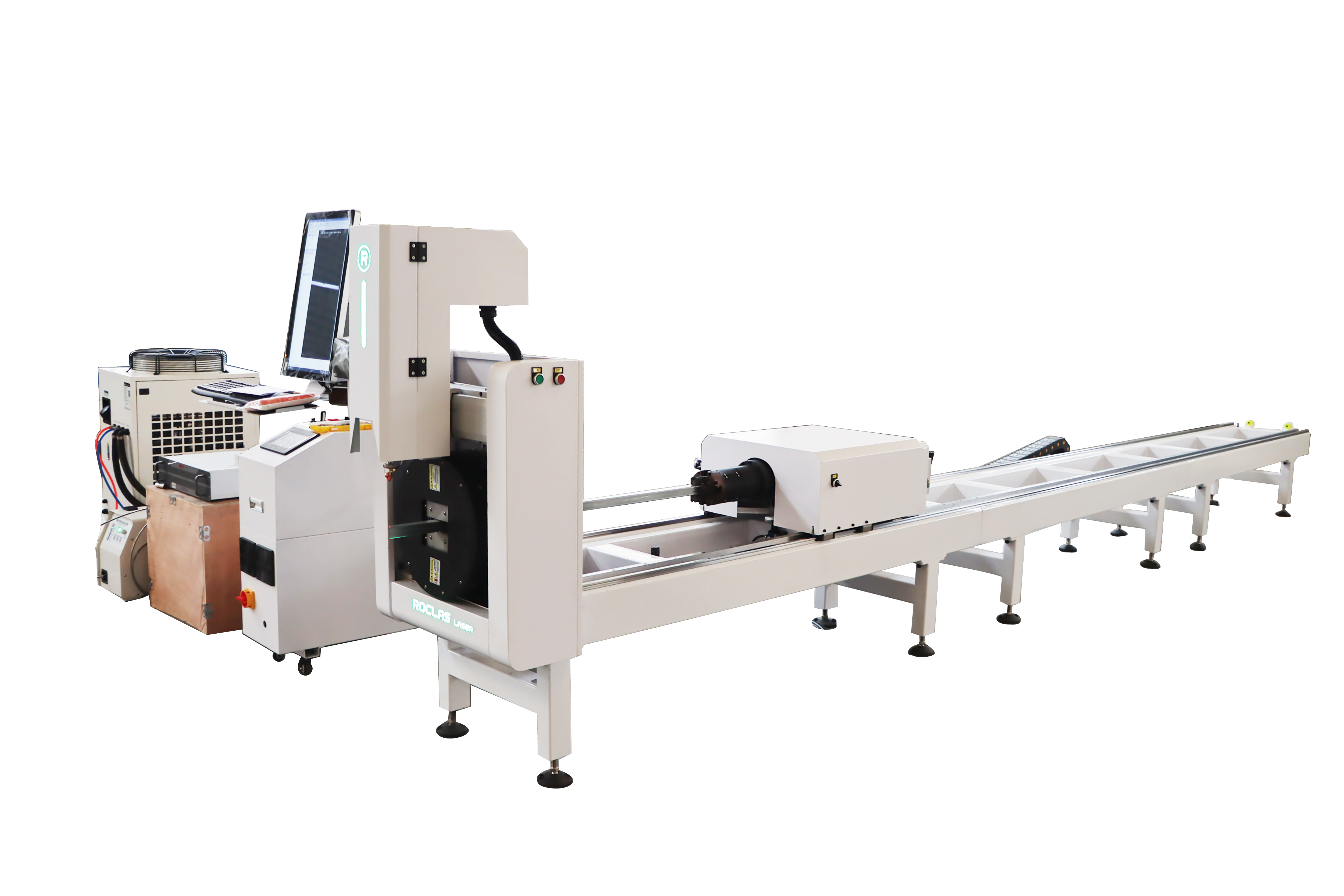
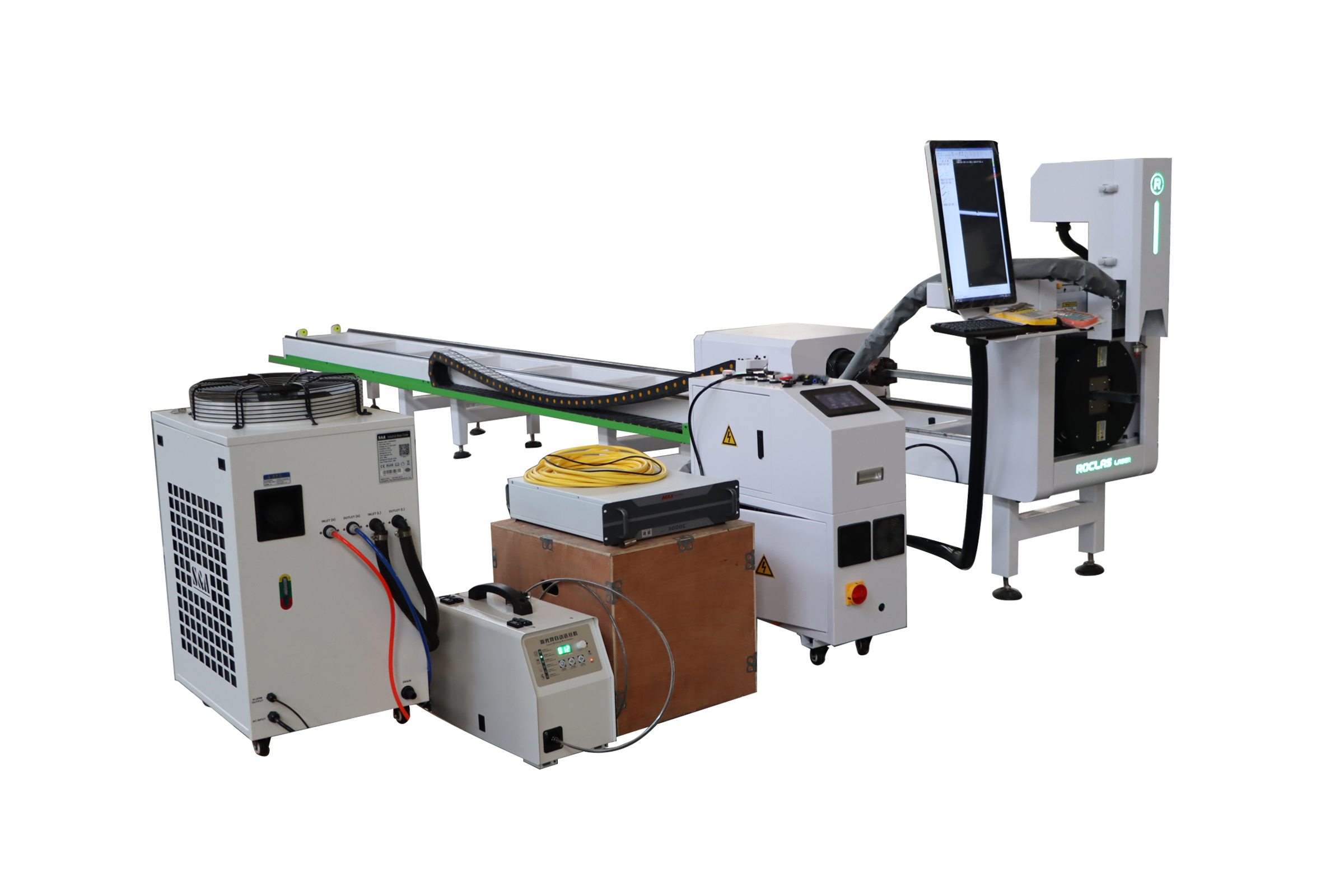
It is also worth noting the company's positioning across the wider portfolio. Roclas offers fiber cutting systems from 1000 W to 20 kW, 5-axis three-dimensional cutting centers with n×360° infinite rotation, tube and pipe cutting machines handling diameters up to 220 mm, Laser welding systems, cleaning and marking machines, and steel coil processing lines. A 15-member R&D team, 50-plus patents with roughly ten added annually, and certifications spanning ISO 9001, CE, FDA, UL, and PDL underpin the range. Within this context, the CO2 platform is not an isolated product but one element of an integrated material-processing offer — which is precisely the logic the market is moving toward.
4. Conclusion and Outlook
The CO2 laser is neither obsolete nor likely to reclaim the metal-cutting territory it has ceded to fiber. Its future lies in the materials fiber cannot serve well, and in hybrid architectures that let a single machine address both. The data support this reading: accuracy parity with fiber platforms is already established, and the remaining distinction is one of material compatibility rather than process quality.
For manufacturers, the strategic question is no longer whether to offer CO2 capability, but how to integrate it without forcing customers into a second machine, a second control system, and a second maintenance regime. The hybrid route — exemplified by platforms such as the Roclas RCL1530-500W — answers that question directly. As mixed-material production becomes the norm in furniture, signage, kitchen equipment, and architectural fabrication, the ability to switch between metal and non-metal processing on one gantry will matter more than raw power on either source alone.