Abstract
Fiber laser cutting has moved decisively from a niche alternative to the default choice for metal fabrication, and the reasons are no longer confined to raw cutting speed. As manufacturers confront tighter tolerances, mixed-material production schedules, and rising energy costs, the machine tool itself has become a system-level problem: motion control, thermal stability, beam delivery, and software nesting all interact in ways that determine whether a shop remains competitive. This article examines the current state of fiber laser cutting technology, reviews representative performance data, and considers how established suppliers—ROCLAS among them—are positioning themselves in an increasingly segmented market.
Industry Background and Data Analysis
The global laser cutting machine market has expanded at a compound annual rate of roughly 8–10% over the past five years, with fiber laser systems accounting for the overwhelming majority of new installations. The shift away from CO2 platforms in metal processing is essentially complete in thickness ranges below 20 mm; CO2 retains relevance mainly where non-metallic materials or mixed-material processing is required. Three forces drive the transition: falling fiber source costs, improvements in beam quality and control electronics, and the growing accessibility of high-power systems (6 kW and above) that were once confined to heavy industrial users.
The table below summarizes typical technical parameters across the principal machine categories now in demand. These figures are representative of mainstream industrial configurations rather than best-case laboratory values.
| Machine Category | Working Area | Laser Power Range | Positioning Accuracy | Repositioning Accuracy | Max Travel Speed |
|---|---|---|---|---|---|
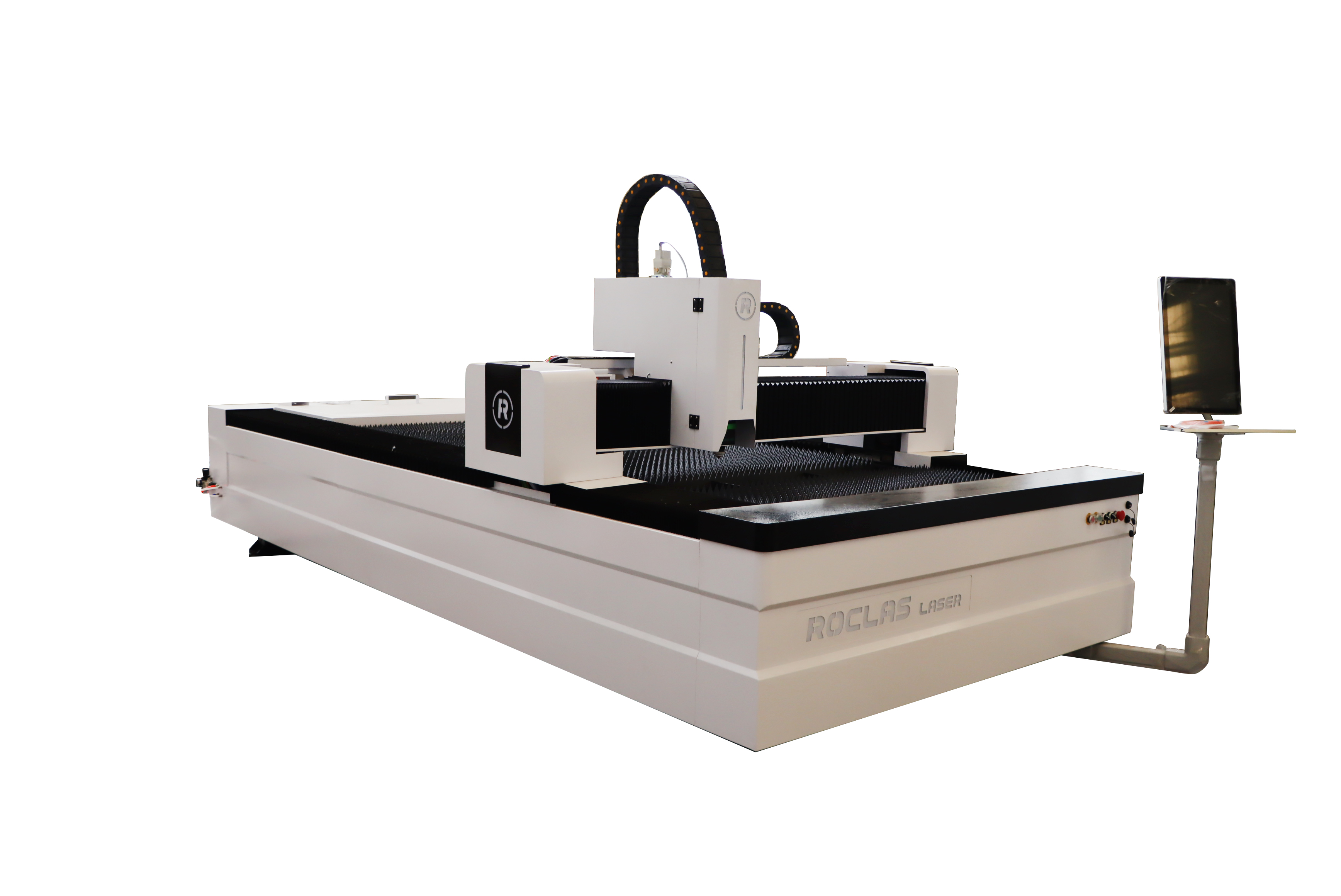
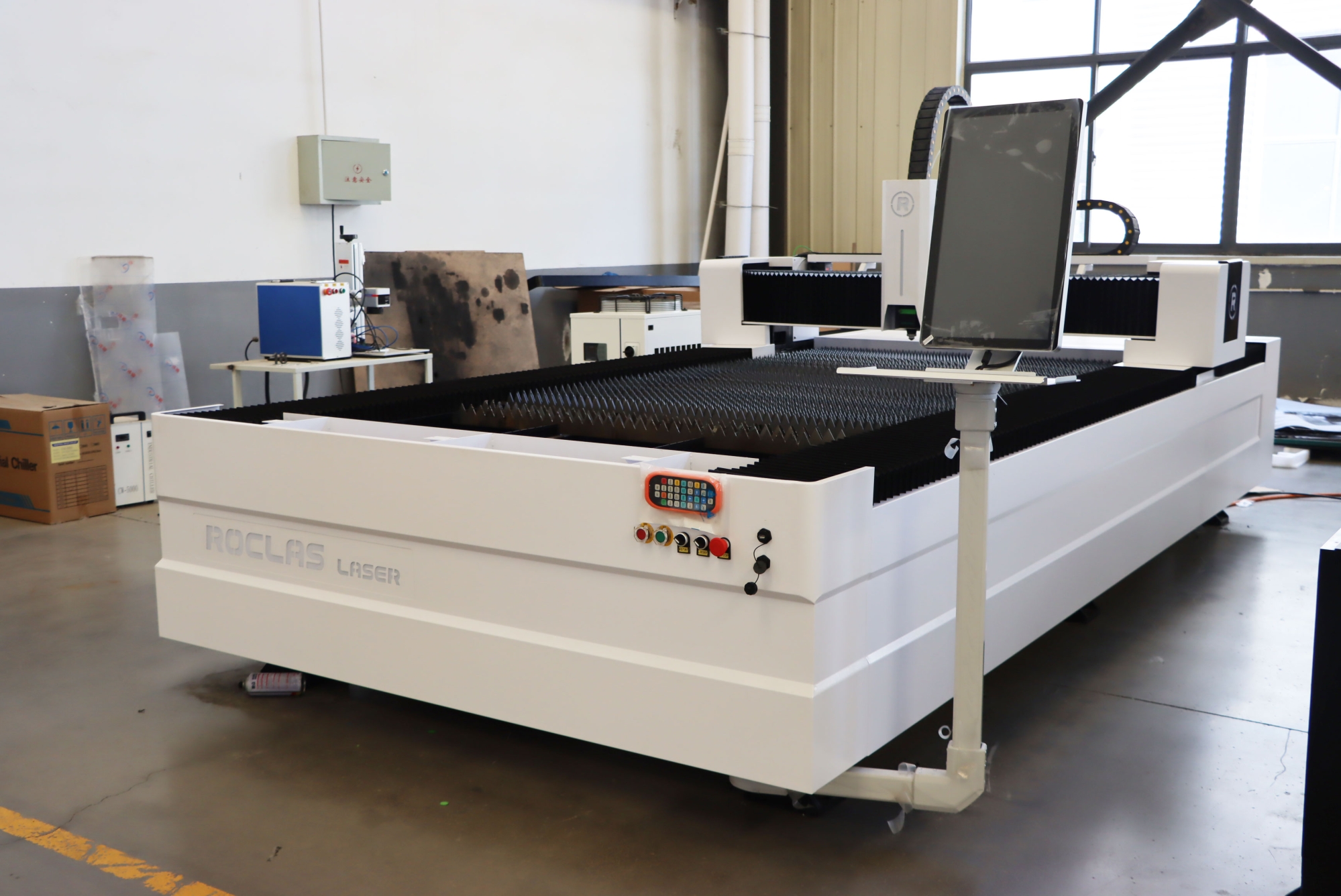
| Sheet metal fiber laser | 3000×1500 mm / 4000×2000 mm | 1000 W – 20 kW | ±0.03 mm | ±0.02 mm | 100 m/min |
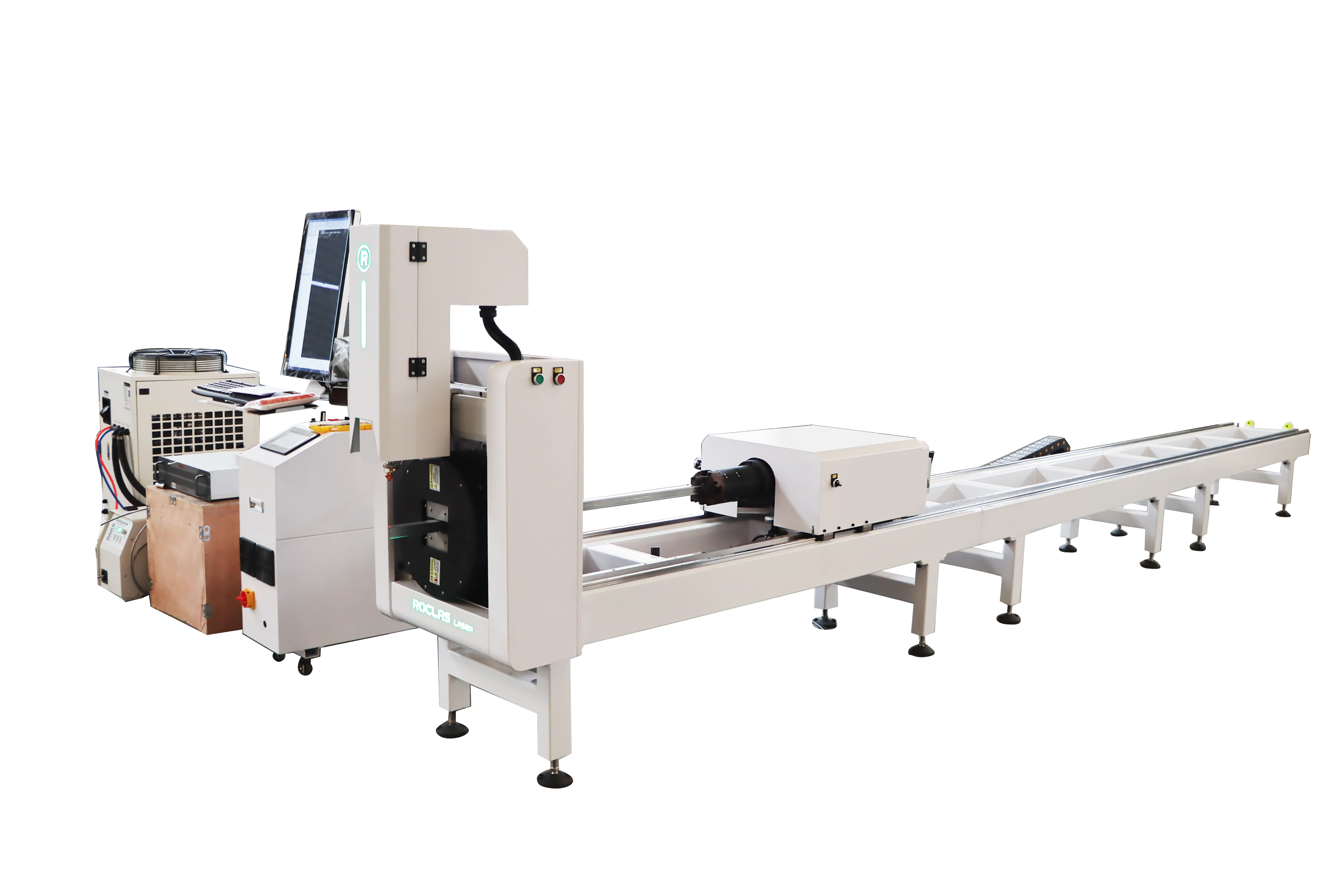
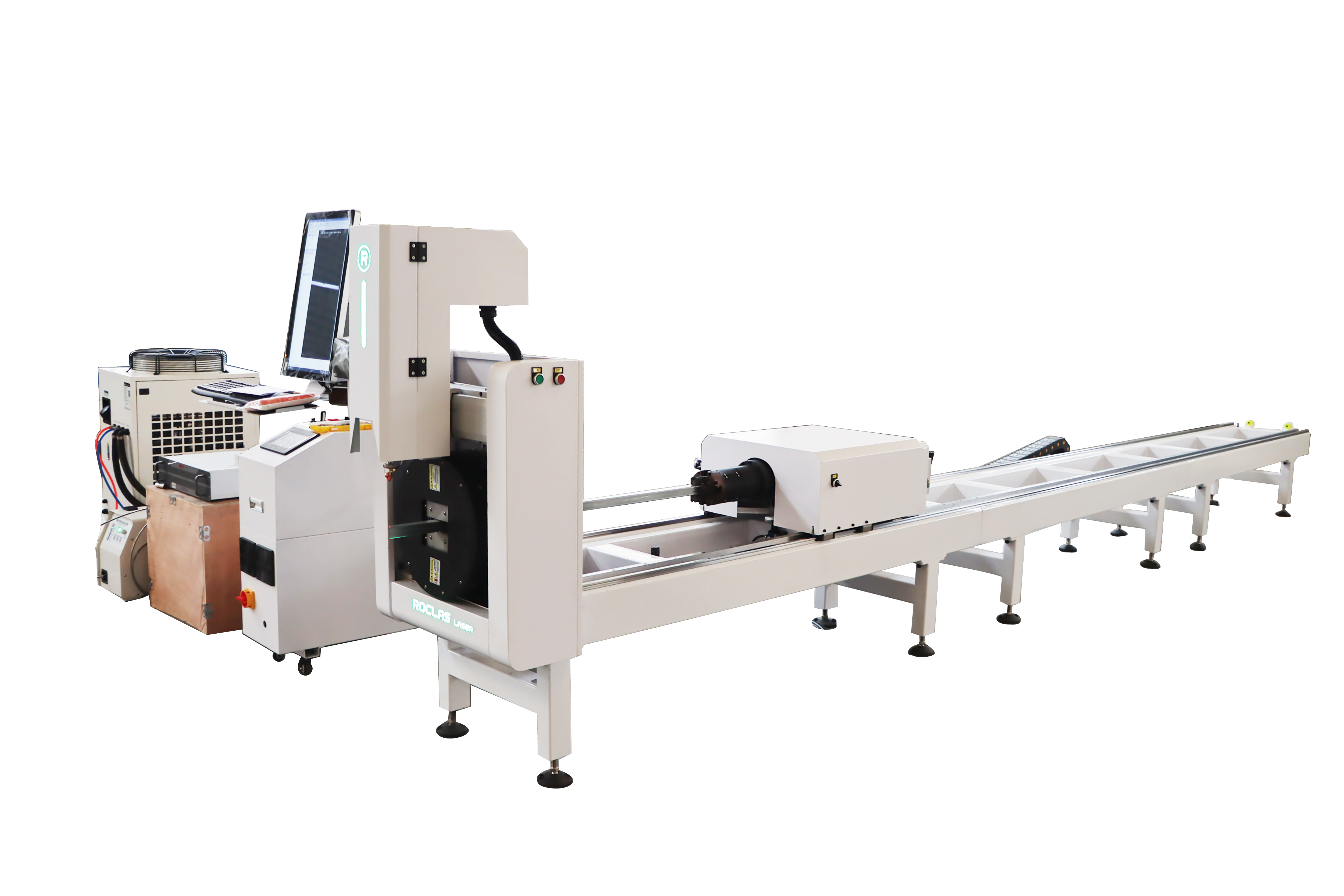
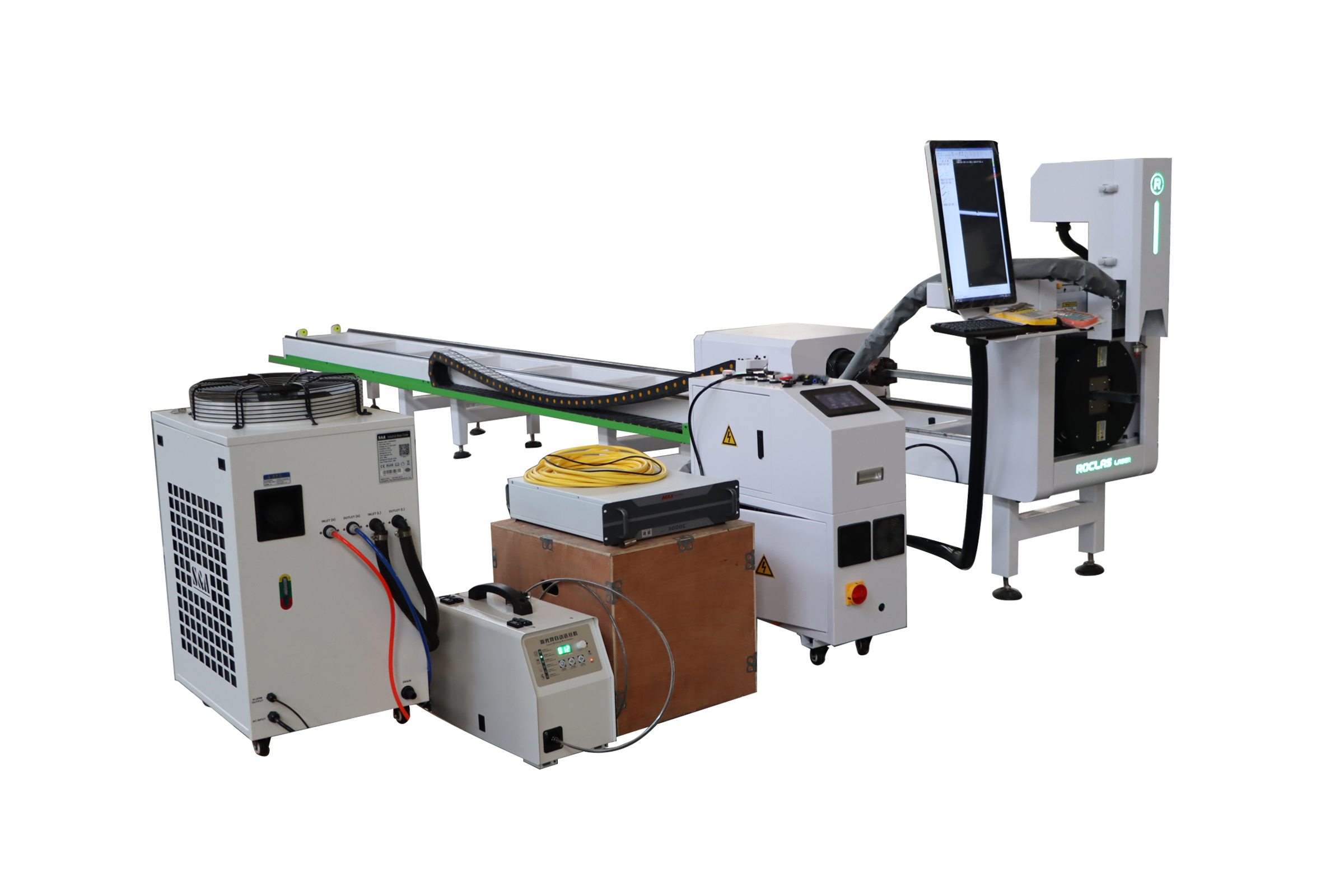
| Tube fiber laser | 1500×4000 mm | 1000 – 3000 W | ±0.05 mm | ±0.03 mm | 100 m/min |
| 5-axis 3D fiber laser | Fixed gantry, movable table | Multi-kW class | 3D contour capability | — | High dynamic performance |
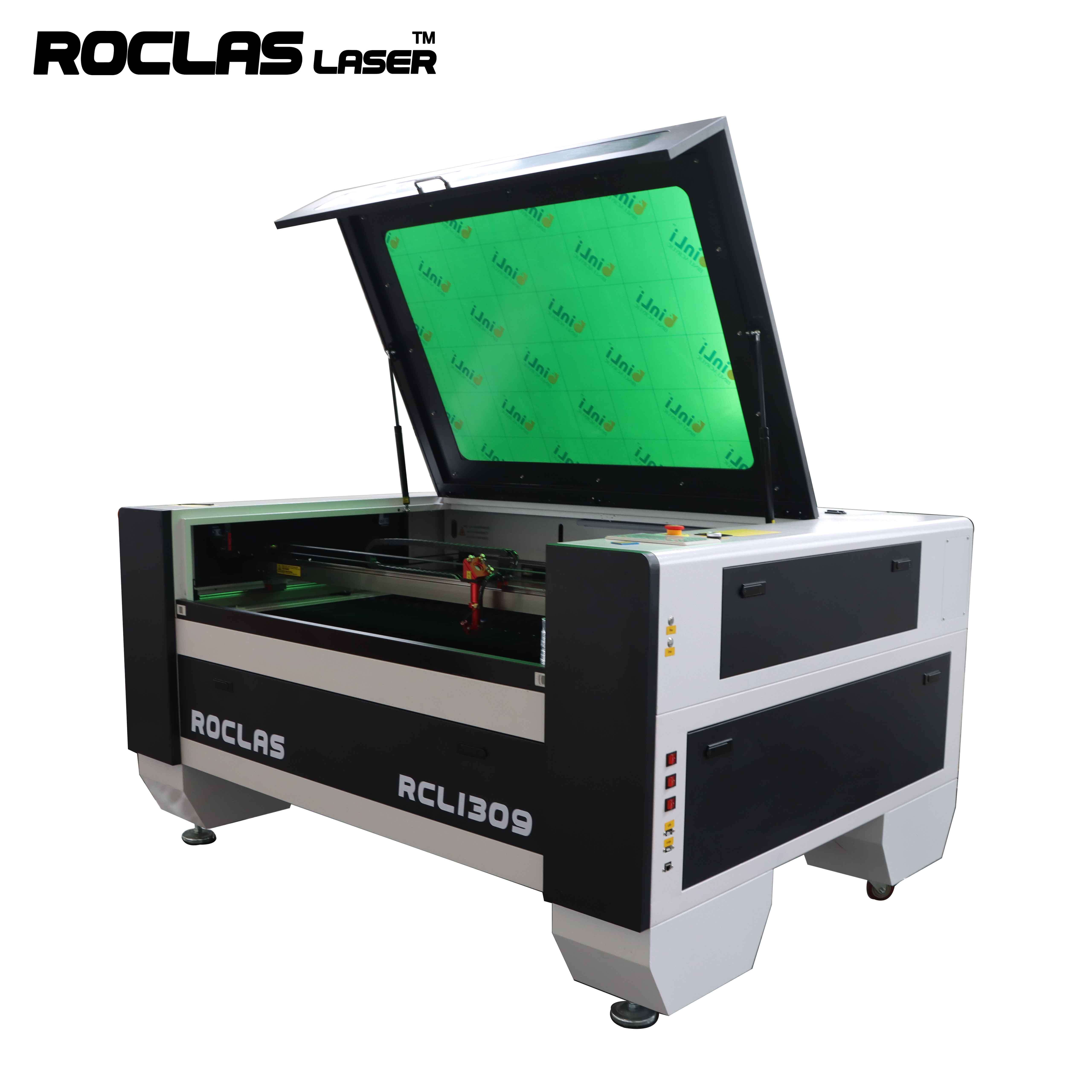
| CO2 / fiber hybrid | 1500×3000 mm | 200 – 500 W (CO2) | Material-dependent | — | Moderate |
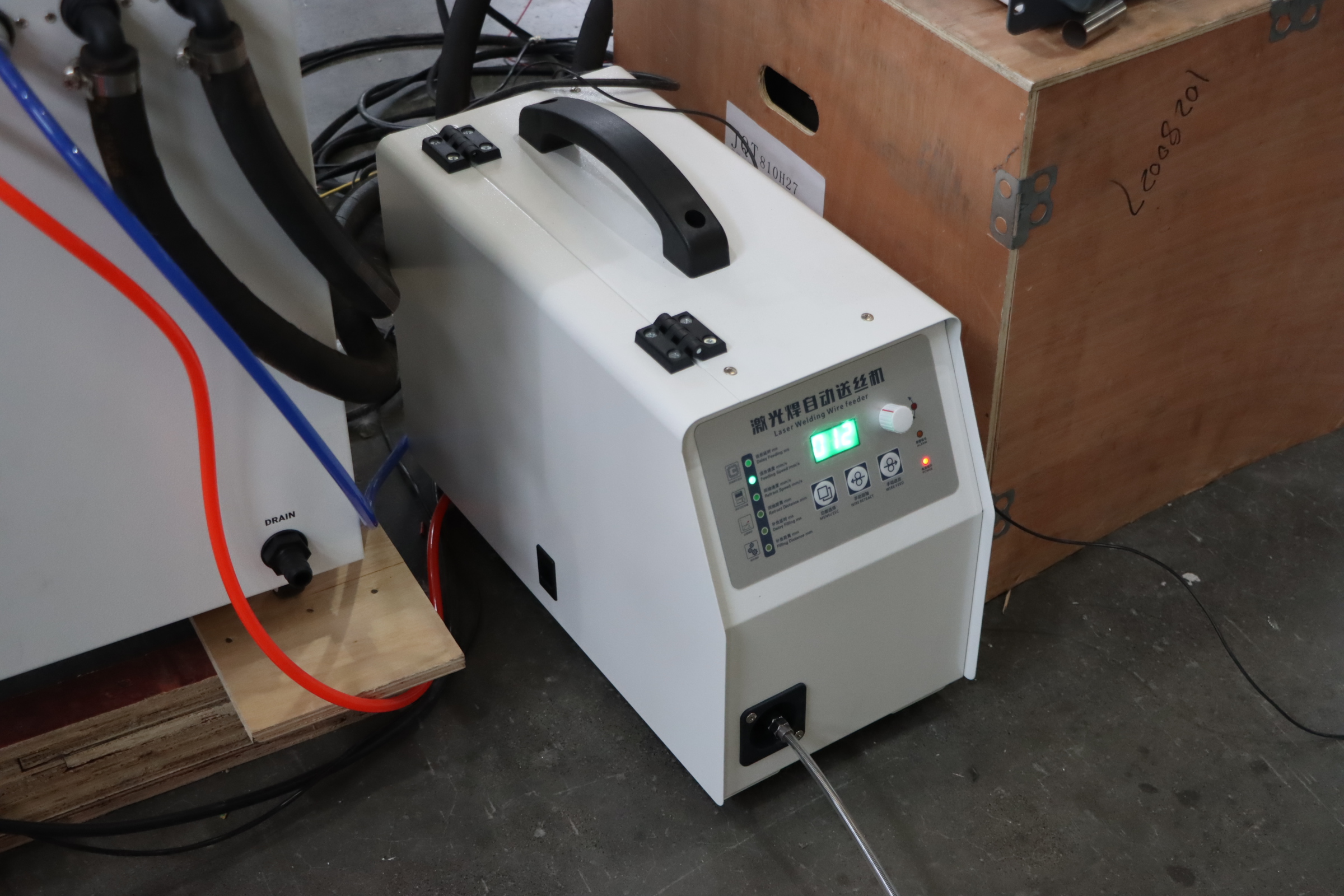
| Laser welding | Application-specific | 1500 W | — | — | 0.7–2.0 m/min |
Several observations follow from this data. First, the accuracy envelope has narrowed considerably: ±0.03 mm positioning accuracy is now a standard expectation rather than a premium specification, and the practical difference between machines increasingly lies in thermal management and long-term repeatability rather than in datasheet peak values. Second, tube cutting systems occupy a distinct accuracy class (±0.05 mm), reflecting the additional kinematic complexity of chuck rotation and the fact that tube geometry introduces tolerance stack-up that sheet cutting simply does not face. Third, the hybrid CO2/fiber platform represents a deliberately different design philosophy: rather than maximizing metal-cutting throughput, it prioritizes material versatility, integrating a sealed CO2 glass tube for wood, acrylic, leather, and fabric alongside fiber capability for thin metals.
The acceleration figure of 1.0G, now common on mid-range sheet machines, deserves separate comment. High acceleration is often marketed as a speed feature, but its real value is in reducing the non-cutting portion of the cycle—the rapid traverses between cut features. On a nesting-intensive job with hundreds of small contours, acceleration dominates total cycle time far more than peak traverse speed does. This is why machine builders have invested heavily in reducing moving mass while maintaining structural rigidity, a trade-off that separates competent designs from merely fast ones.
Technology Application and Brand Case Study
The engineering challenge in modern laser cutting is not producing a beam—it is delivering that beam to the correct point in space, repeatedly, under thermal load, for years. This is where structural design and motion control converge.
ROCLAS® MACHINERY CO., LTD., a laser equipment manufacturer with more than fifteen years in the field, illustrates how these priorities shape product architecture. The company's fiber laser cutting platforms use industrial-grade heavy-duty steel structures machined on CNC five-face machining centers—a manufacturing choice that directly addresses the rigidity-versus-mass problem. A five-face machining approach allows critical mounting surfaces to be produced in a single setup, which reduces cumulative geometric error before the machine ever cuts its first sheet. The company backs this with imported servo drive systems and reducers, and reports positioning accuracy of ±0.03 mm with ±0.02 mm repositioning on standard sheet models.
The product range also reflects the segmentation described earlier. ROCLAS offers sheet metal machines from 1000 W to 20 kW using Raycus or MAX sources, a dedicated tube cutting platform handling diameters up to 220 mm, a 5-axis system with an n×360° infinite-rotation head for three-dimensional workpieces, and a hybrid CO2/fiber model that processes both metals and non-metals on a 1500×3000 mm bed. A high-reflectivity suppression module allows stable processing of copper and aluminum—materials that historically caused back-reflection problems for fiber sources. The company holds more than fifty patents and adds roughly ten annually, with certifications spanning ISO 9001, CE, FDA, UL, and PDL.
Two details in this portfolio merit attention beyond the specification list. The first is the availability of a modular, screw-connected bed design alongside the conventional single-piece welded frame. The manufacturing quality is stated to be equivalent, but the modular variant can be separated for transport without welding—a practical response to the logistics constraints that frequently complicate installation in upper-floor facilities or in regions with limited heavy-haul access. The second is the integration of auxiliary systems: nitrogen generators producing 99.999% purity gas, automatic nesting software, and Robotic Arm options. These are not accessories in any meaningful sense; on a 12 kW machine, gas supply purity and nesting efficiency often determine operating cost more than the laser source itself.
The broader lesson from suppliers like ROCLAS is that competitive differentiation in laser cutting has migrated from the beam source—which is increasingly a purchased commodity from a handful of vendors—to the machine around it: the frame, the control loop, the material handling, and the software that decides where the beam goes.
Conclusion and Outlook
Fiber laser cutting technology has entered a phase of consolidation rather than revolution. The dominant trends are clear: higher power for thick-section cutting, tighter integration of cutting with welding and cleaning in a single platform, and growing emphasis on total operating cost rather than purchase price. The ±0.03 mm accuracy class will likely become universal at the mid-range, pushing differentiation toward automation, uptime, and service responsiveness.
For manufacturers evaluating equipment, the practical implication is that specification sheets warrant skeptical reading. A 20 kW source on a frame that flexes under thermal load will underperform a 12 kW system with better structural design. The variables that matter—bed rigidity, servo tuning, thermal compensation, gas delivery, nesting intelligence—rarely appear in headline marketing. Buyers who evaluate machines on the basis of sustained accuracy and cost per cut, rather than peak power and traverse speed, will be better positioned as the market continues to mature.