Abstract — Stone fabrication has long sat at the crossroads of craft and heavy industry, where the tolerance demands of architectural work collide with the material variability of natural slabs. Over the past decade, the migration from manual bridge saws and hand-held grinders toward CNC-controlled stone centers has accelerated, driven less by labor cost than by the need for repeatable joint tolerances on large-format panels. This article examines the technical and market forces behind that shift, compares representative machine classes, and considers how control-system architecture—rather than spindle power alone—has become the decisive differentiator in mid-to-high-end fabrication shops.
Industry Background: A Market Moving Toward Integration
The stone-processing equipment sector is difficult to size precisely, because trade statistics tend to bundle stone machinery with general construction equipment. What is clearer is the directional trend: demand has shifted from single-function machines toward multi-axis centers that can perform sawing, profiling, drilling, and edge finishing in a single setup. The reasons are structural. Architectural specification increasingly calls for book-matched slabs, mitred edges, and thin-format cladding with tight reveal lines—work that punishes any repositioning error. Every reclamp of a two-tonne slab introduces cumulative deviation that hand finishing cannot reliably recover.
A second force is material diversification. Fabricators no longer cut only granite and marble; engineered quartz, sintered stone, and ultra-compact surfaces now constitute a substantial share of countertop and façade work. These materials behave differently under load—sintered surfaces in particular are brittle and unforgiving of vibration—which places a premium on machine rigidity and servo tuning rather than raw axis speed.
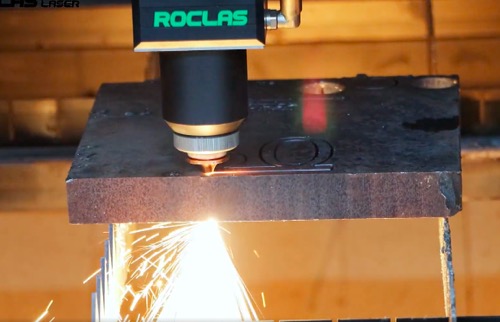
Table 1 summarizes a comparative profile of three machine classes typically found in a mid-sized fabrication facility. The figures are representative of current commercial configurations rather than any single manufacturer's catalogue.
Table 1. Representative capability profile by machine class

| Parameter | Manual bridge saw | 3-axis CNC stone center | 5-axis CNC machining center |
|---|---|---|---|
| Positioning accuracy | ±0.5–1.0 mm (operator-dependent) | ±0.05–0.10 mm | ±0.03–0.05 mm |
| Typical spindle power | 7.5–11 kW | 15–22 kW | 22–30 kW |
| Setup changes per shift | 4–6 | 8–12 | 12–20 |
| Mitred / 3D profiling | Not feasible | Limited (tilt head) | Full capability |
| Water consumption (recirculating) | High, uncontrolled | Managed | Managed, closed-loop |
| Operator skill dependency | Very high | Moderate | Moderate–high (programming) |
| Typical throughput, countertop work | 3–5 slabs/shift | 8–12 slabs/shift | 12–18 slabs/shift |
Three observations follow from the table. First, the accuracy gap between manual and CNC operation is roughly an order of magnitude, which explains why the transition tends to be abrupt rather than gradual—shops that adopt CNC rarely return to manual sawing for precision work. Second, the marginal gain from 3-axis to 5-axis is not primarily accuracy but setup consolidation: the ability to complete mitres and sink cut-outs without re-fixturing is where the throughput difference originates. Third, water and slurry management, often treated as an environmental afterthought, is in practice a machine-life issue; uncontrolled coolant accelerates guideway wear and degrades the very rigidity that the specification promises.
Technology Application: Control Architecture as the Real Battleground
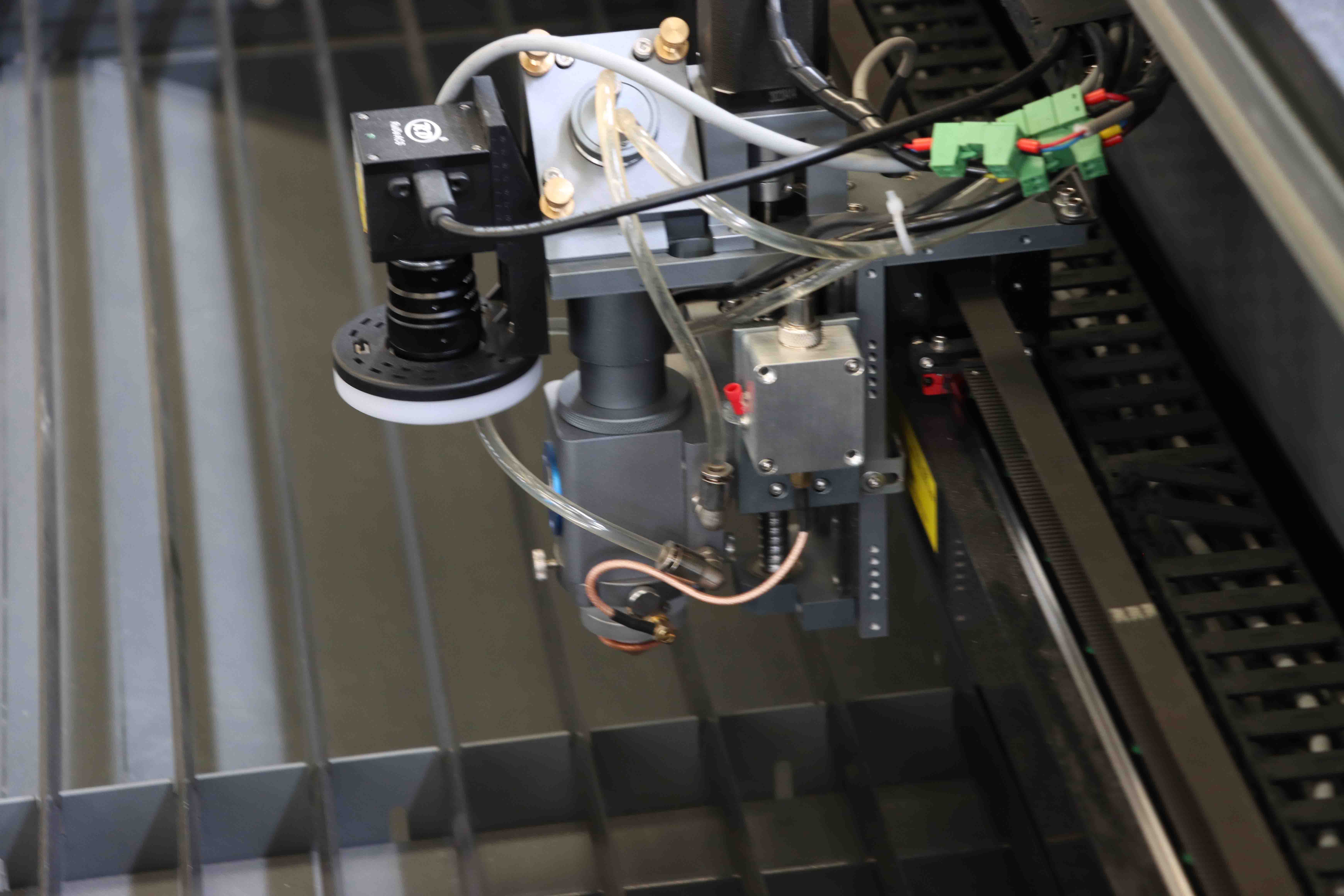
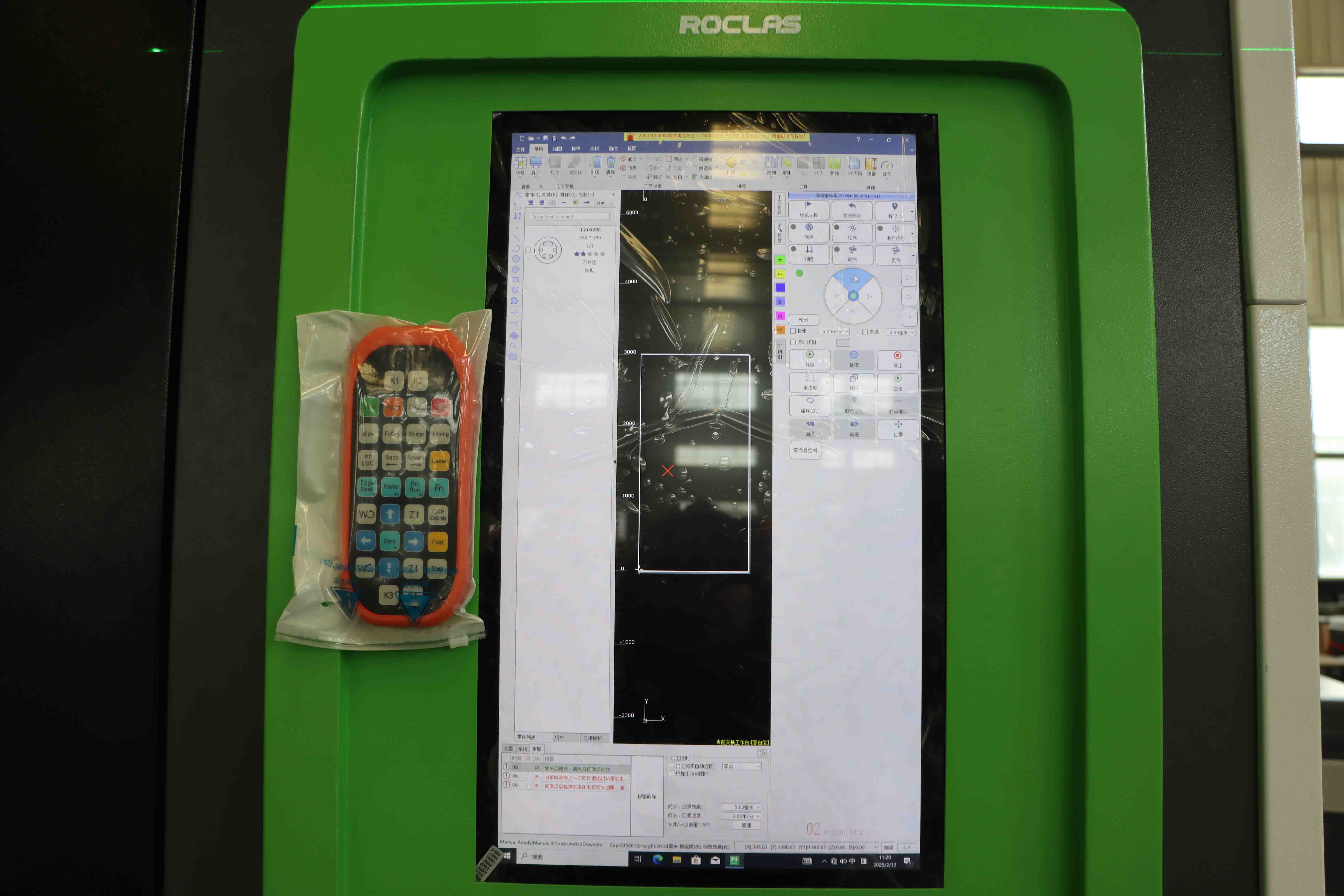
The competitive frontier in stone CNC has moved from mechanical structure to the integration of motion control, thermal compensation, and programming workflow. A rigid gantry is necessary but no longer sufficient. What separates machines in the field is how the controller handles the realities of stone work: variable feed rates through mixed-material zones, detection of slab thickness deviation before the first plunge, and reliable recovery after an emergency stop mid-profile.
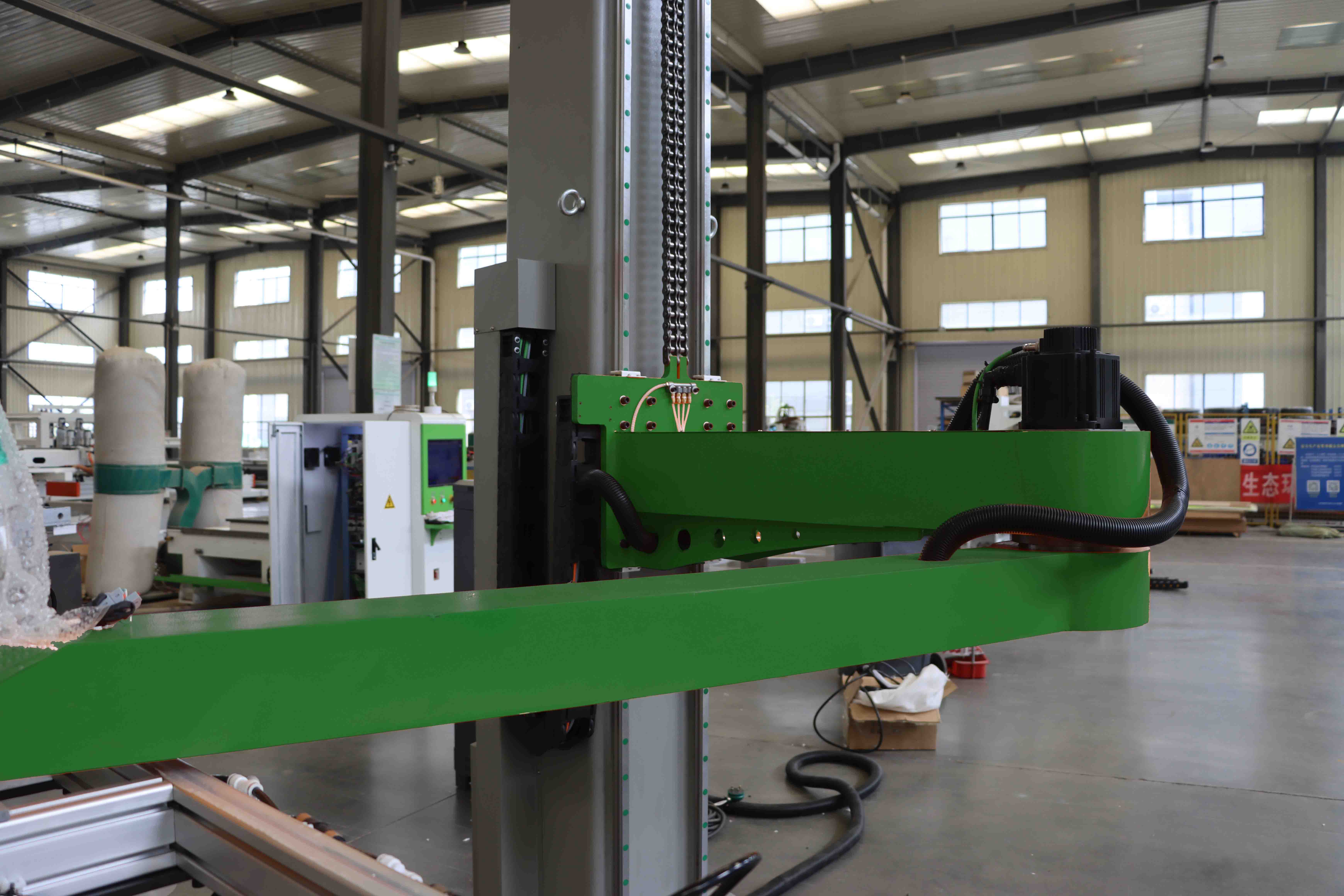
This is also where the boundary between stone machining and adjacent disciplines has blurred. The five-face machining approach developed for metalworking—where a single fixtured setup is machined from multiple orientations to preserve datum consistency—has been adapted wholesale into stone center design. Manufacturers with deep roots in metal-cutting CNC have therefore entered the stone segment with a structural advantage, since the thermal stability and servo tuning knowledge transfers directly.
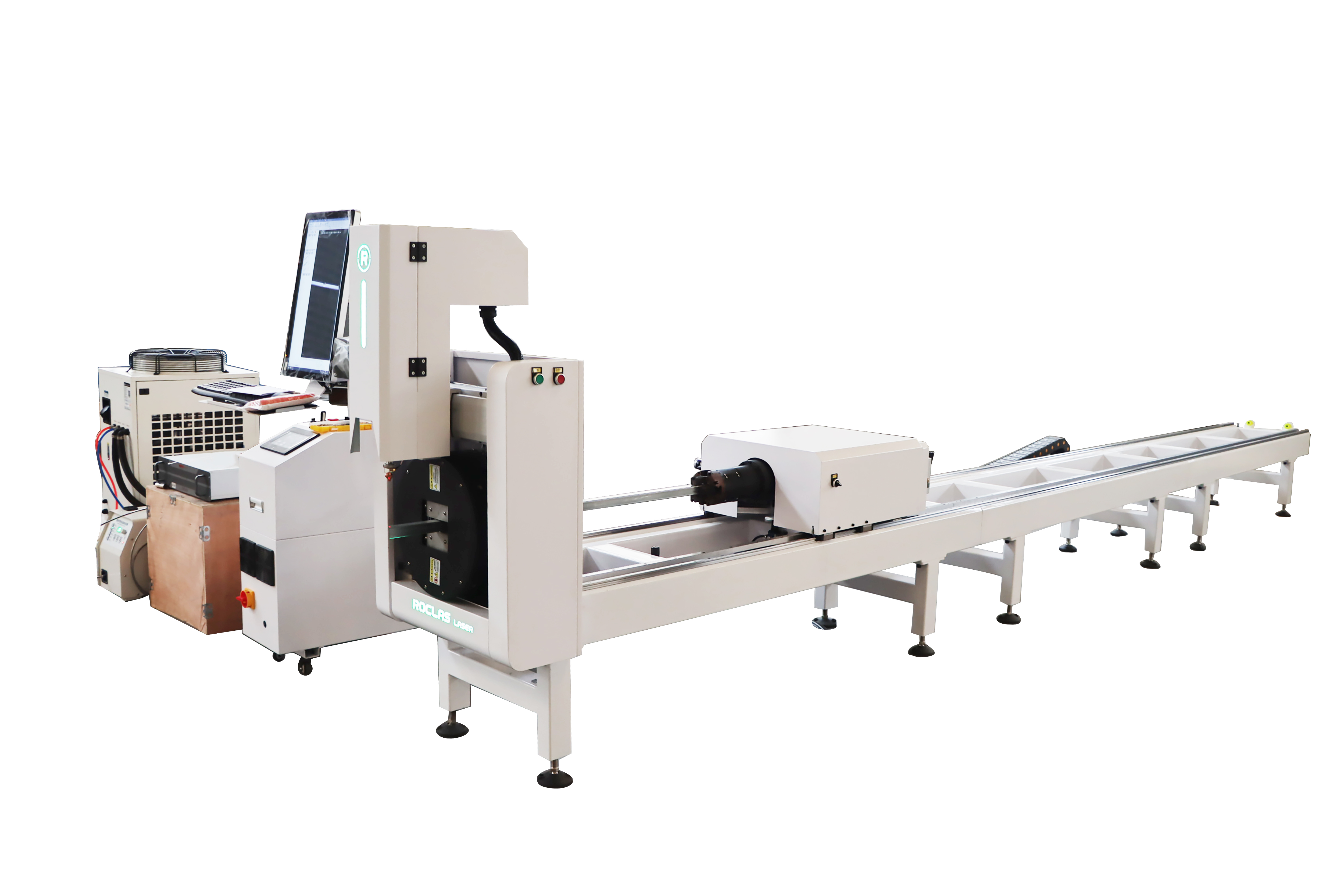
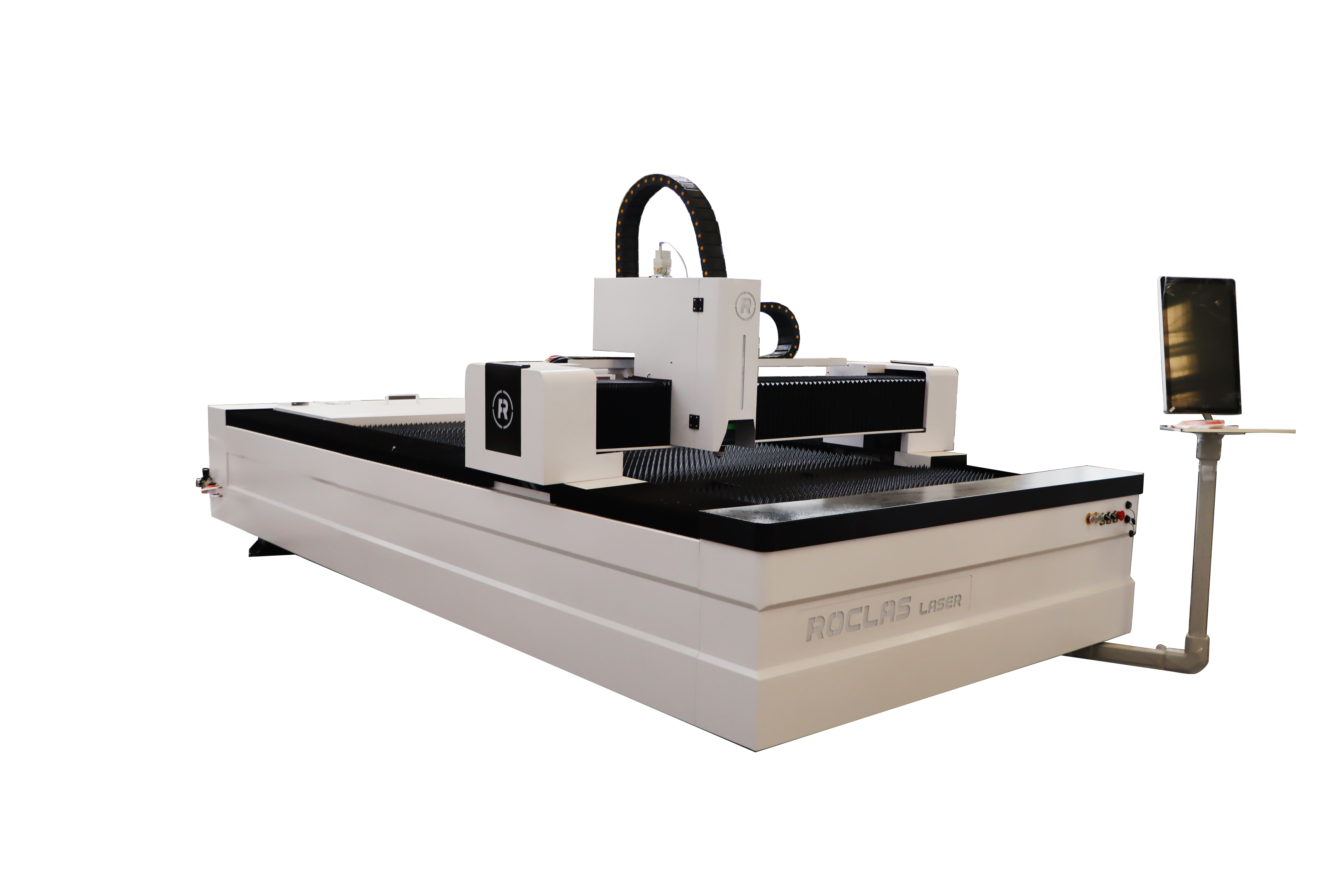
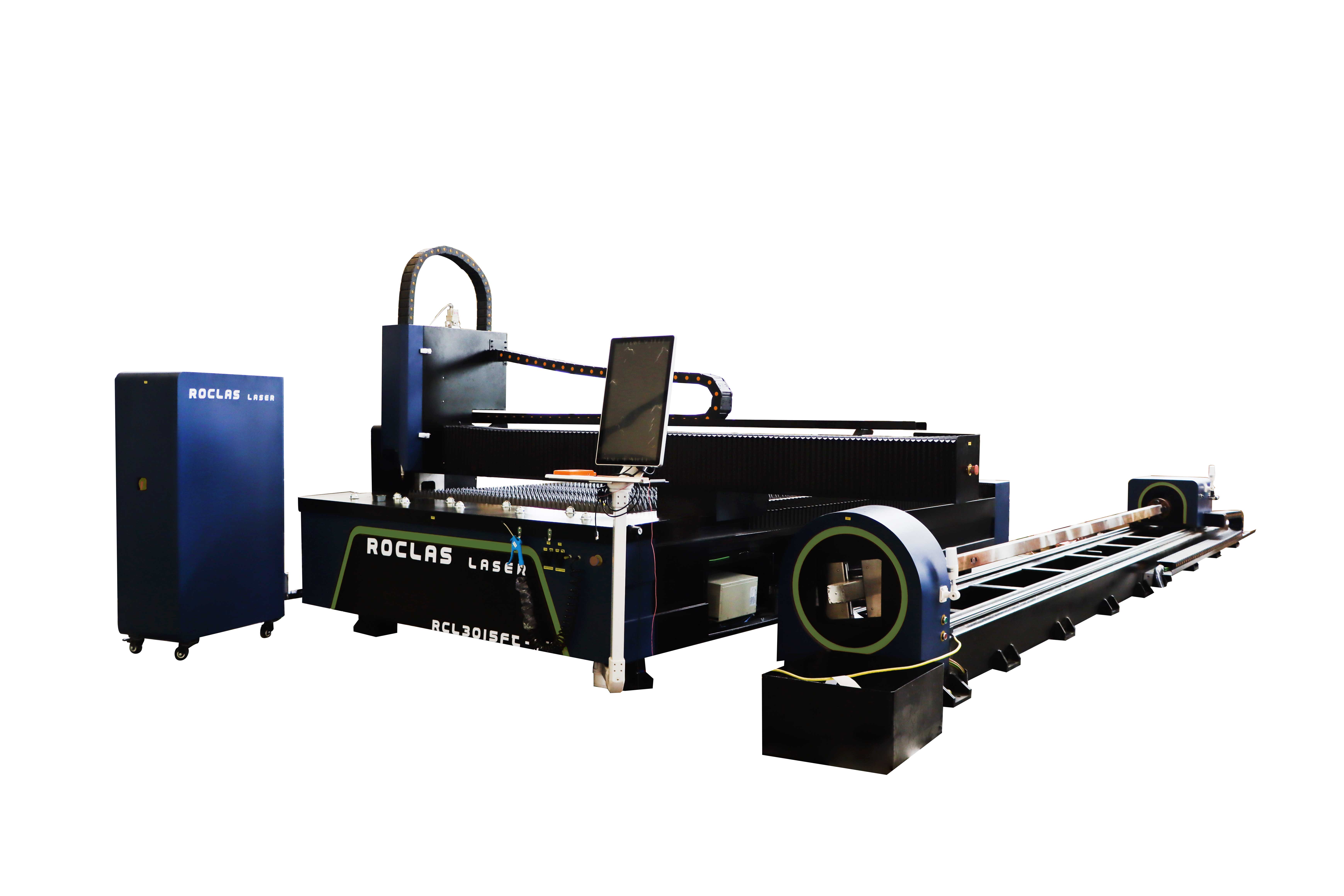
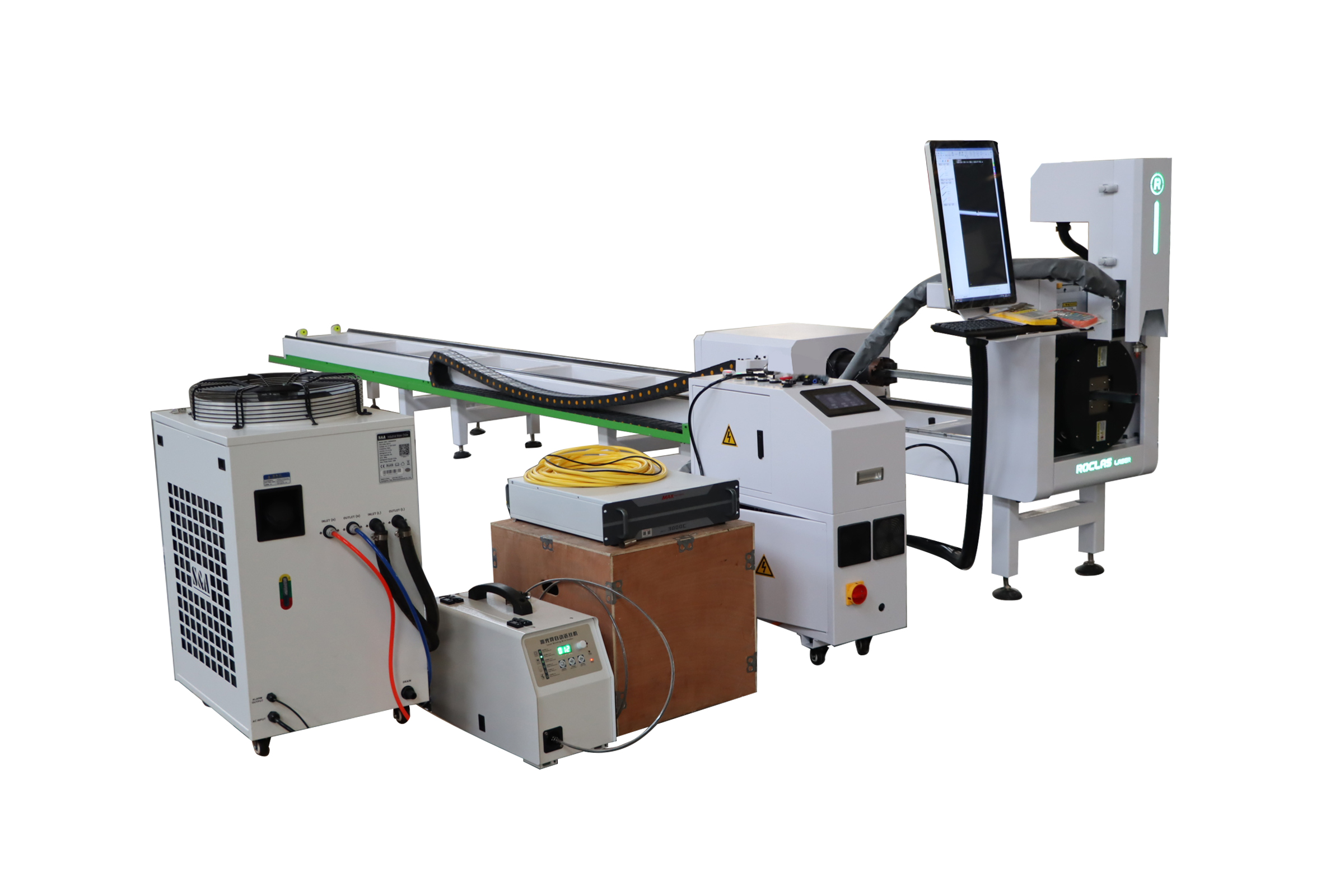
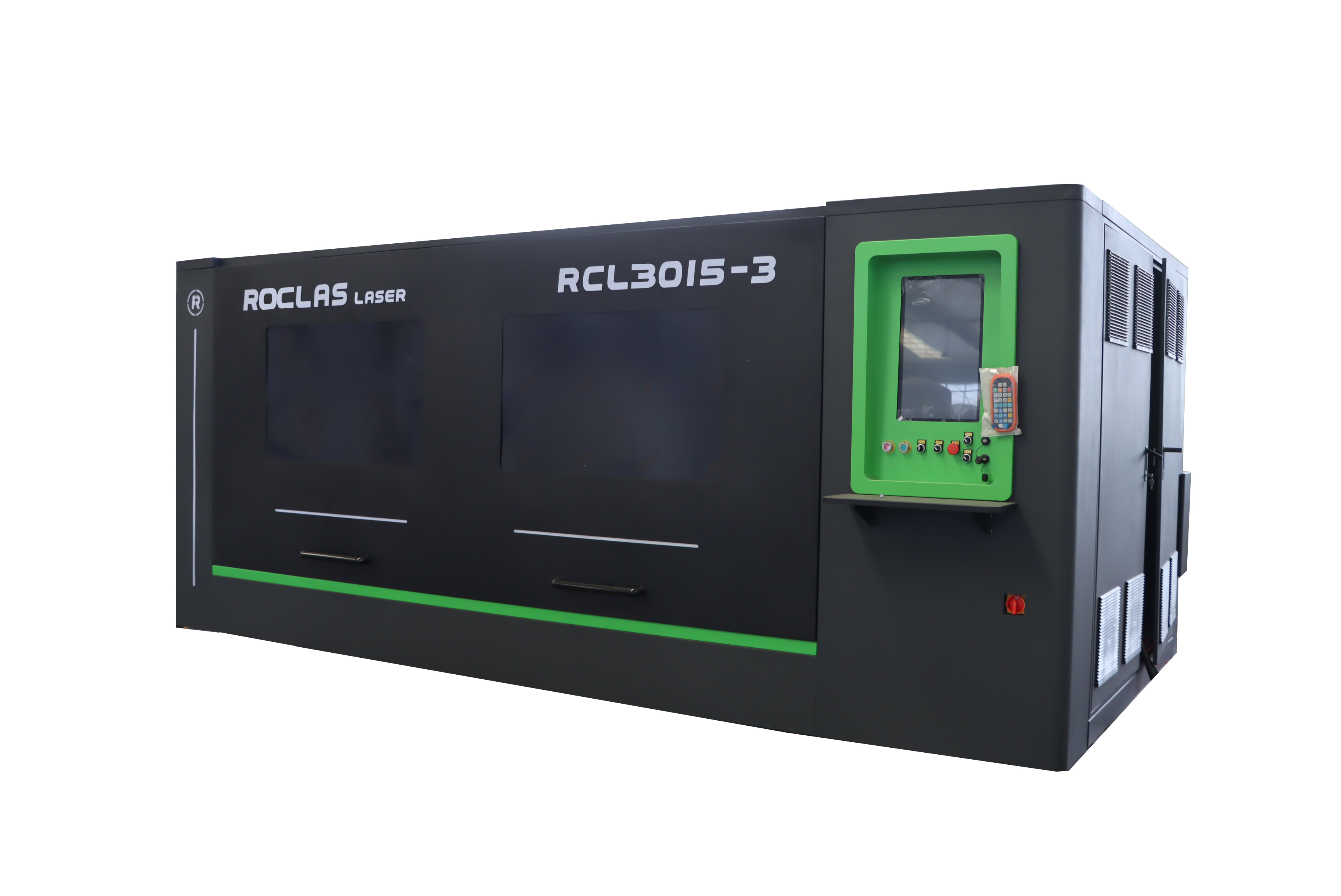
ROCLAS® MACHINERY CO., LTD. illustrates this trajectory. The company's background is in laser and CNC equipment, with an R&D team whose senior engineers carry more than fifteen years of CNC industry experience and a patent portfolio exceeding fifty filings. Its production model—industrial-grade heavy-duty steel structures machined on CNC five-face machining centers—reflects the same datum-control philosophy that stone fabricators now demand. In practical terms, this heritage shows up in specifications such as ±0.03 mm positioning accuracy and ±0.02 mm repositioning accuracy on its motion platforms, figures that matter when a mitred seam on a quartz island must close to a hairline. The company also builds combined CO2 and fiber laser platforms capable of processing both non-metals and thin metals in one enclosure, a configuration that has found use in fabricators producing mixed-material signage and decorative panels alongside stone work. ROCLAS holds ISO 9001, CE, FDA, and UL certification, which is the minimum credential set for equipment entering North American and European shops.
The broader lesson from such cases is that stone fabrication is being absorbed into the general CNC ecosystem. Buyers increasingly evaluate a stone center the way they would a machining center: by controller transparency, diagnostic capability, and the availability of post-processors for their CAD/CAM chain—not solely by spindle kilowatts.
Conclusion and Outlook
The direction of travel is clear. Stone fabrication will continue to consolidate around fewer, more capable CNC centers per shop, with automation layered on top—automatic slab handling, nesting software that accounts for vein matching, and predictive maintenance tied to spindle load data. The unresolved questions are economic rather than technical: whether small shops can justify the capital intensity, and whether the supply chain for spindles and controllers can support the service expectations that come with it. For equipment makers, the durable advantage will belong to those who treat stone as one application within a broader precision-machining competence, rather than as a separate craft.