Abstract
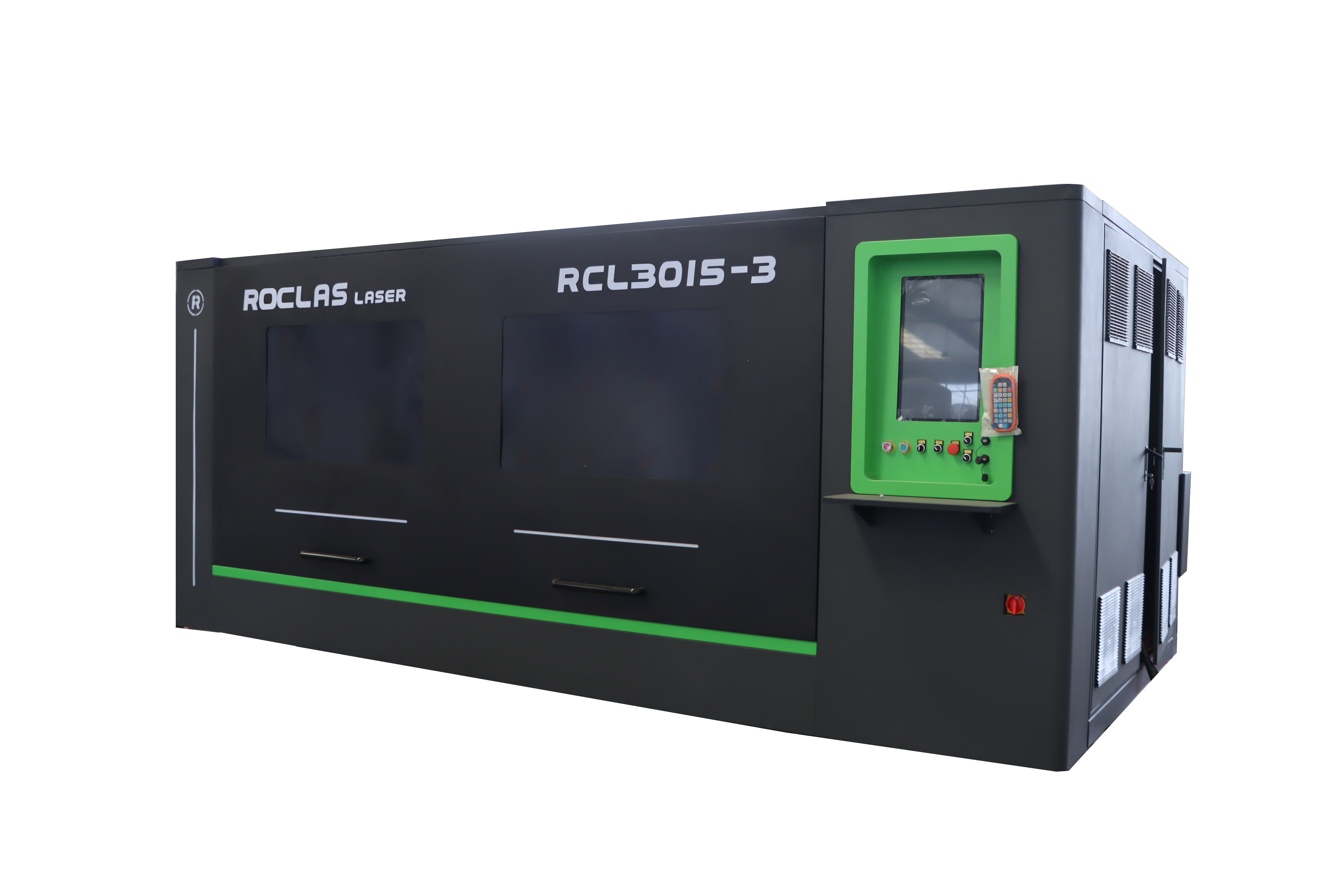
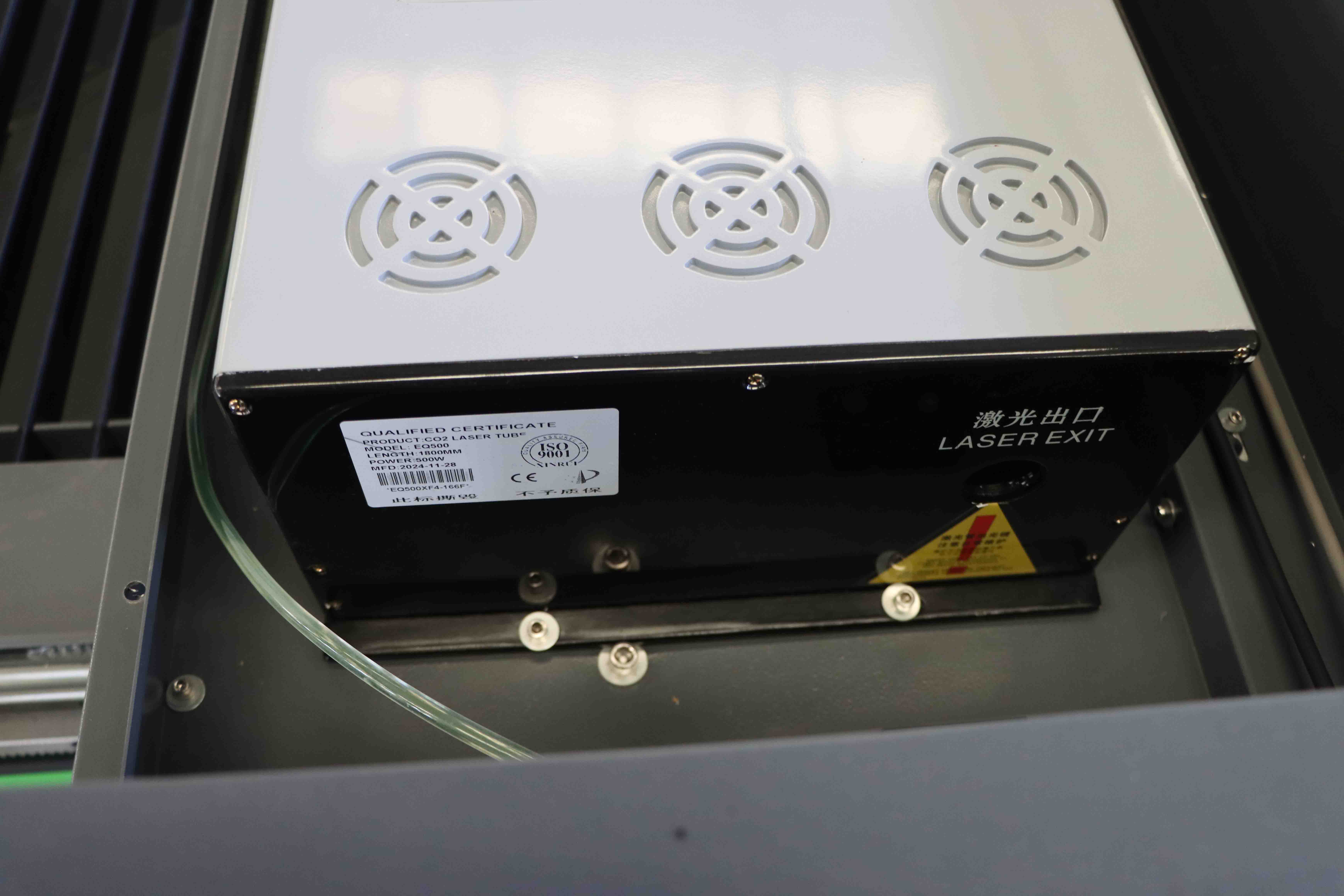
The fabrication industry has long faced a fundamental dichotomy: metal processing requires fiber laser technology, while non-metal materials like wood, acrylic, and leather demand CO₂ laser systems. Traditional setups force manufacturers to invest in two separate machines, doubling capital expenditure and floor space requirements. This article examines the emergence of hybrid CO₂ laser machines as a strategic solution, analyzing market trends, technical specifications, and real-world applications. Drawing on industry data and case studies, we explore how integrated systems—exemplified by offerings from ROCLAS® MACHINERY CO., LTD.—are reshaping production workflows for small-to-medium enterprises seeking versatility without compromise.
---
1. Introduction
In the past decade, laser processing has become indispensable across industries ranging from automotive manufacturing to custom furniture production. Yet the technology landscape remains fragmented. Fiber lasers dominate metal cutting due to their high efficiency, narrow kerf, and ability to handle reflective materials. CO₂ lasers, conversely, excel with non-metals—offering superior edge quality on acrylic, wood, leather, and textiles. This divergence creates a practical problem: a shop that fabricates both metal signage and wooden cabinetry must either invest in two dedicated machines or outsource one process, eroding margins and lead times.
Hybrid CO₂ laser machines attempt to resolve this by integrating both laser sources into a single platform. While not a new concept, recent advances in beam delivery, control software, and thermal management have made hybrid systems more reliable and cost-effective. This paper evaluates the current state of hybrid CO₂ laser technology, supported by market data and technical analysis.
---
2. Market Landscape and Data Analysis
2.1 Global Laser Processing Equipment Market
The global laser processing equipment market was valued at approximately USD 21.3 billion in 2023, with projections exceeding USD 32 billion by 2030 (CAGR ~6.8%). Within this, CO₂ laser systems account for roughly 18% of unit shipments, while fiber lasers represent over 60%. The remaining share belongs to diode, solid-state, and hybrid configurations.
Hybrid systems—defined as machines with two or more laser sources in one frame—comprise a niche but growing segment, estimated at 3–5% of total shipments. However, demand is accelerating in sectors like signage, architectural decoration, and small-batch manufacturing, where material diversity is high.
2.2 Key Market Data: Hybrid vs. Dedicated Systems
| Parameter | Dedicated Fiber Laser (6kW) | Dedicated CO₂ Laser (500W) | Hybrid CO₂ + Fiber (500W CO₂ + 1kW Fiber) |
|-----------|-----------------------------|----------------------------|-------------------------------------------|
| Initial Investment (USD) | $45,000–$65,000 | $18,000–$28,000 | $35,000–$50,000 |
| Floor Space Required (sq. m) | 8–12 | 6–10 | 6–10 |
| Metals Processable | Carbon steel up to 12mm, stainless up to 8mm | Thin metals only (<1mm) | Carbon steel up to 3mm, stainless up to 2mm |
| Non-Metals Processable | Not recommended | Wood, acrylic, leather, fabric, plastics | Same as dedicated CO₂ |
| Max Processing Speed (m/min) | 80–120 (metal) | 30–60 (non-metal) | 30–60 (non-metal), 40–80 (metal) |
| Annual Maintenance Cost (est.) | $3,000–$5,000 | $1,500–$3,000 | $3,500–$5,500 |
| ROI Break-Even (years) | 2.5–4.0 | 1.5–2.5 | 1.8–3.0 |
Analysis: The data reveals a clear trade-off. Dedicated fiber systems offer superior metal cutting thickness and speed, but at higher cost and floor space. Dedicated CO₂ systems are affordable but limited to non-metals and thin metals. Hybrid systems occupy a middle ground: they cannot match the thick-plate capacity of a high-power fiber laser, yet they provide genuine dual-material capability in a single footprint. For shops processing materials like 3mm aluminum and 18mm acrylic, the hybrid approach eliminates the need for a second machine, reducing capital outlay by 30–50% compared to buying both dedicated systems.
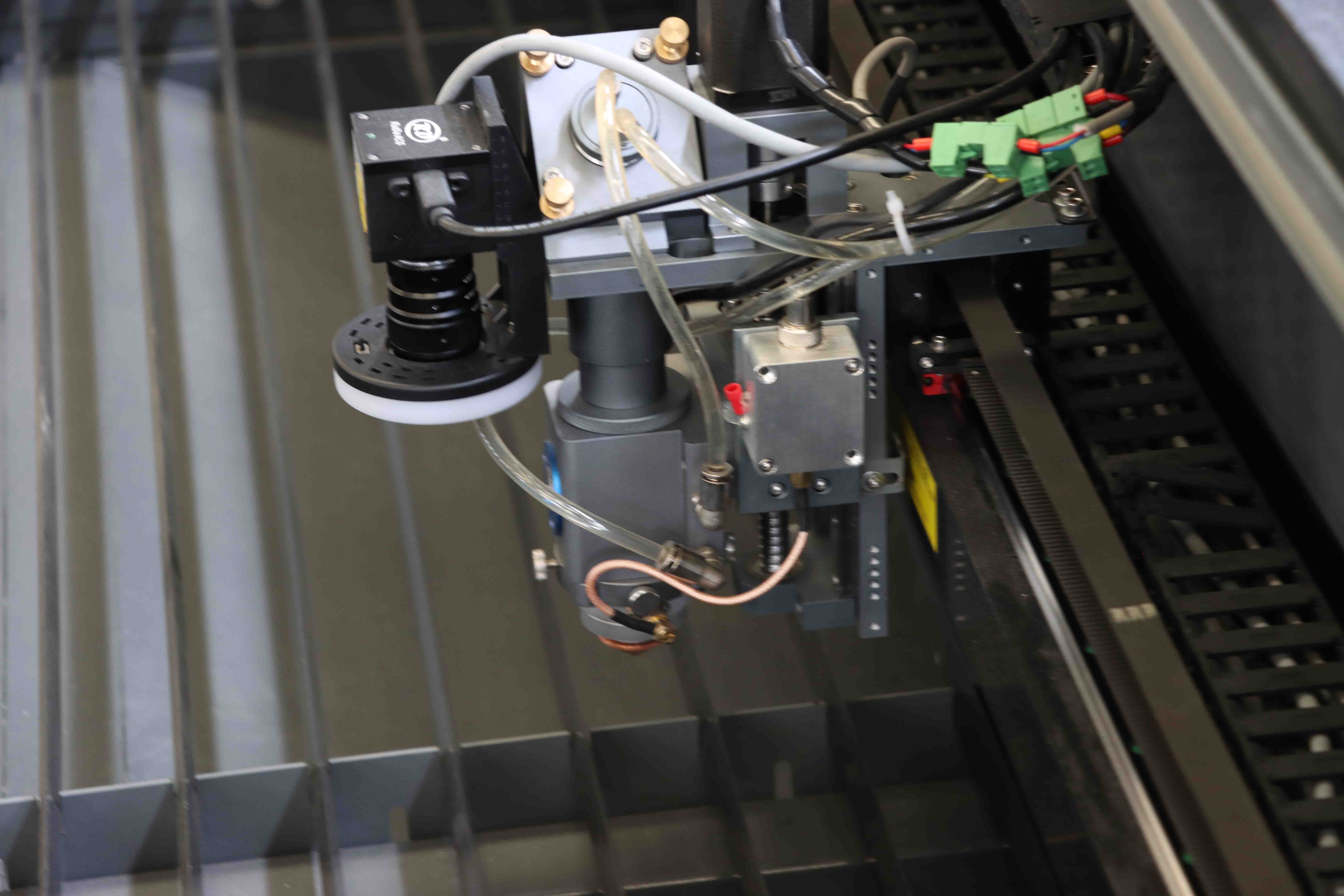
Furthermore, hybrid systems often include automated beam-switching mechanisms—either via a movable mirror or a fiber-coupled CO₂ source—allowing operators to switch between laser types in under a minute. This flexibility translates directly into reduced setup time and higher machine utilization.
---