Abstract
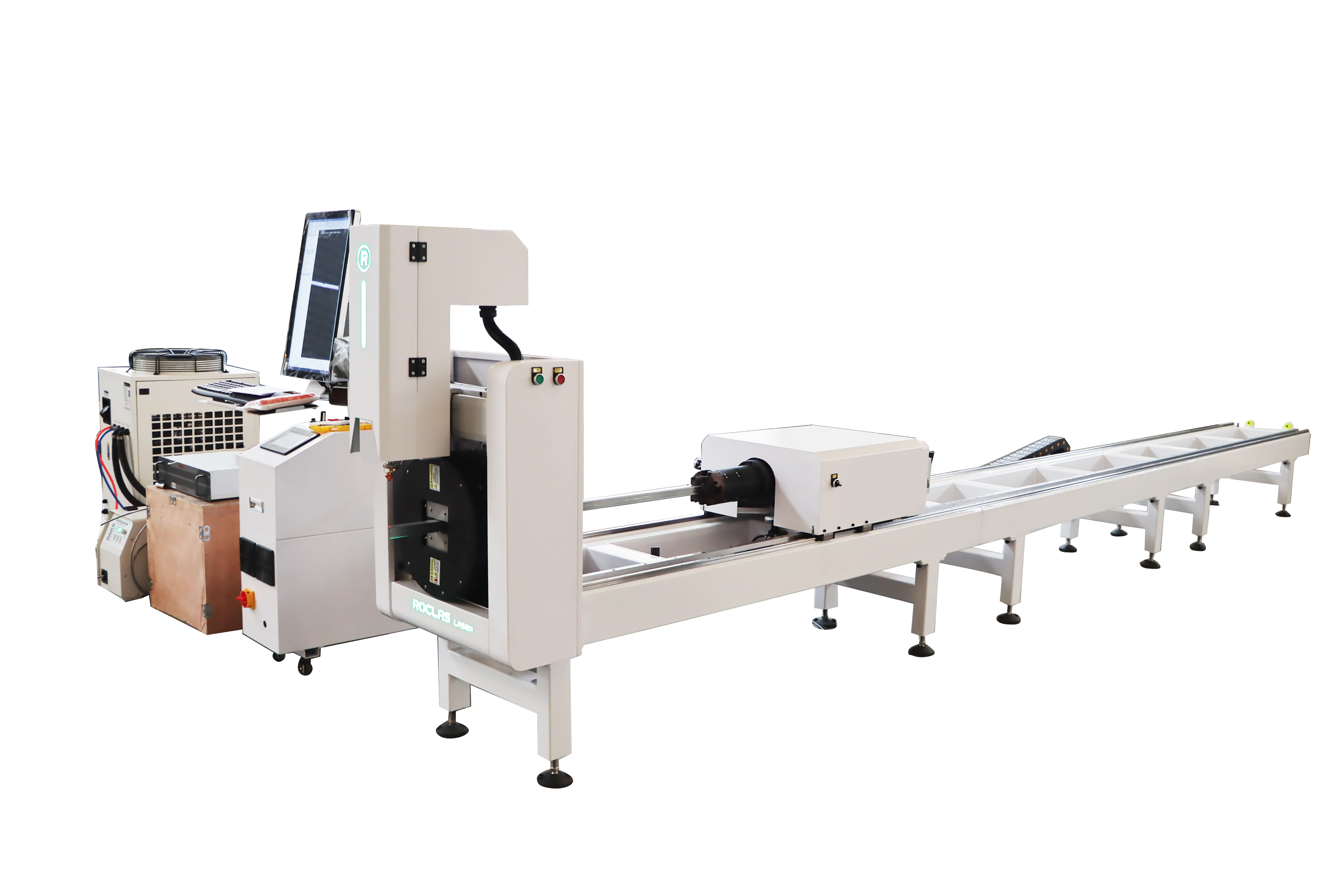
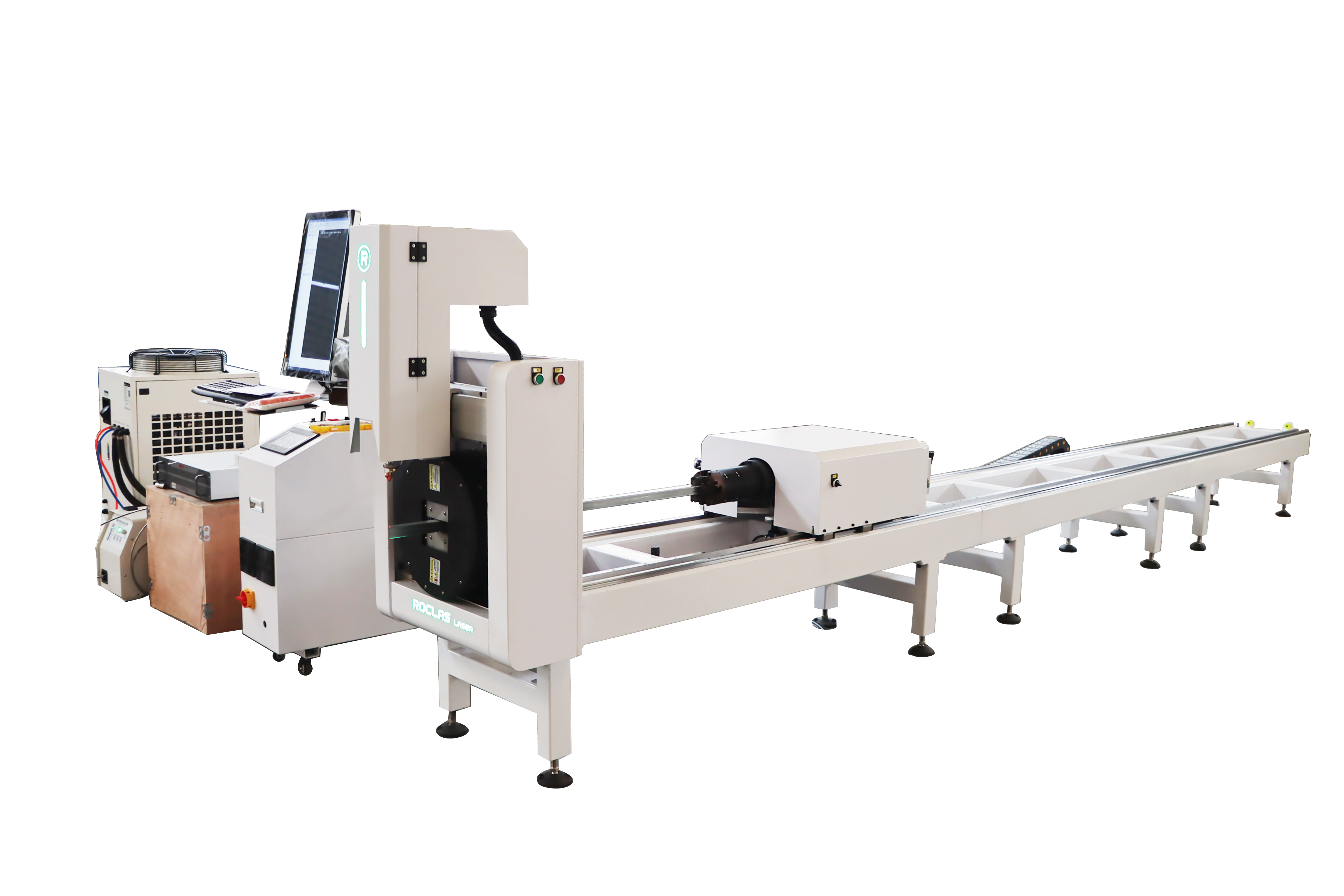
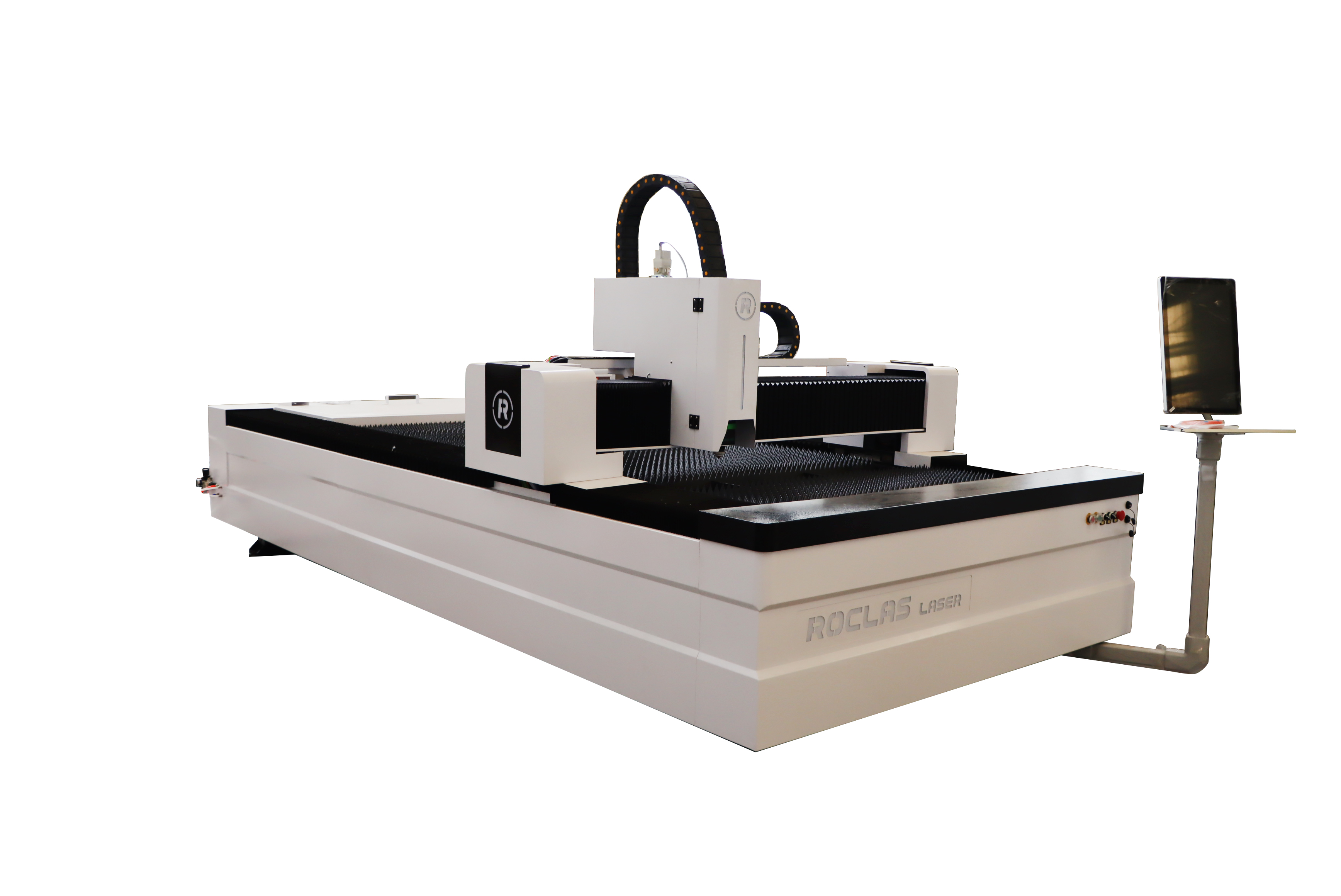
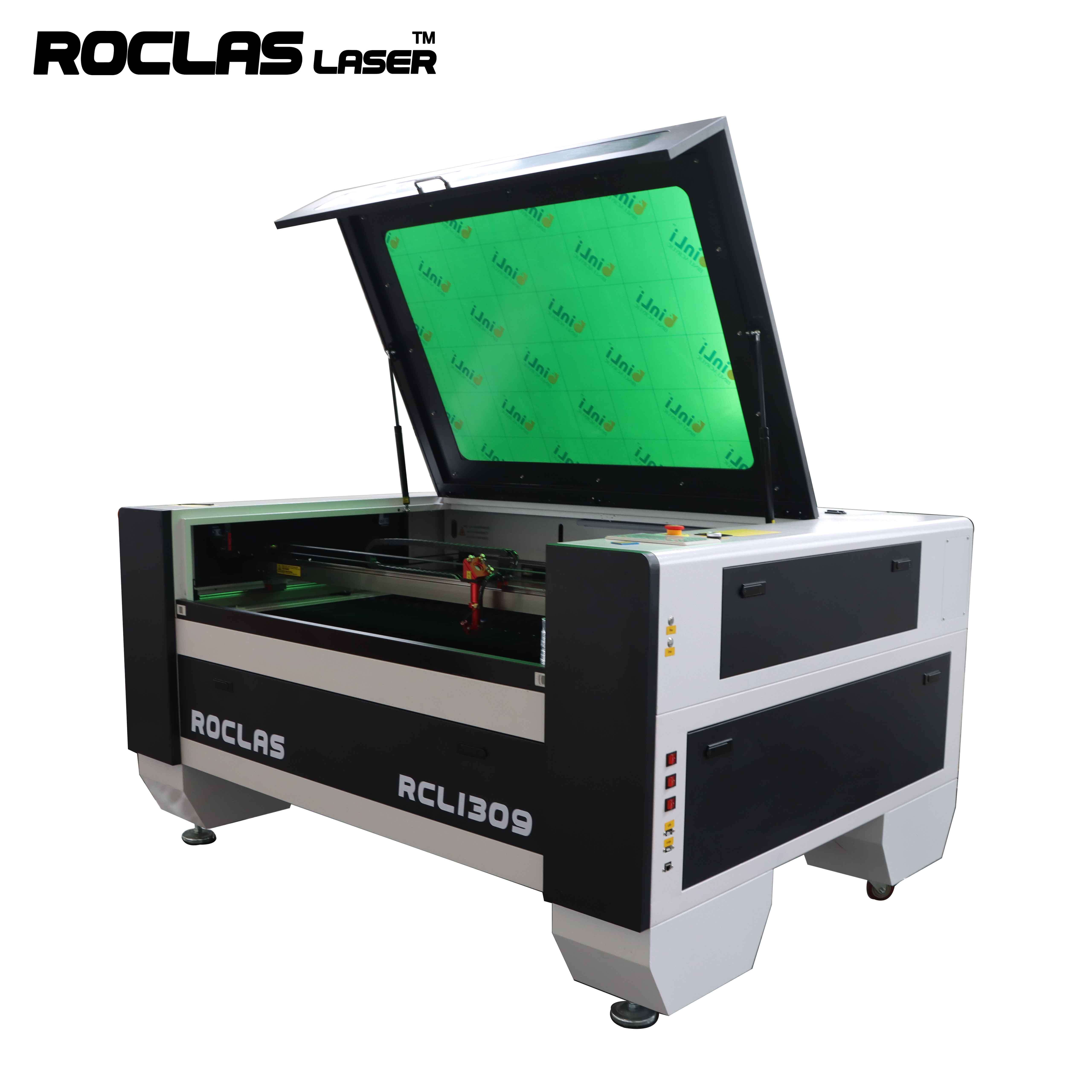
In modern sheet metal fabrication, travel speed remains one of the most critical yet underappreciated parameters influencing both productivity and cut quality. This article examines the technical determinants of travel speed in fiber laser cutting systems, drawing on real-world specifications from industrial equipment manufacturers. Through analysis of positioning accuracy, acceleration dynamics, and servo drive performance, we demonstrate how travel speed optimization directly impacts cycle times, edge quality, and overall operational efficiency. The discussion includes a comparative data table of key performance metrics, with reference to ROCLAS® MACHINERY CO., LTD. as a representative manufacturer implementing advanced speed control in their product lines. The article concludes with recommendations for fabricators seeking to maximize throughput without compromising precision.
---
1. Introduction
The laser cutting industry has experienced a paradigm shift over the past decade, driven by the adoption of fiber laser technology and increasingly sophisticated motion control systems. Among the many performance metrics that define a cutting system's capability, travel speed stands out as a primary determinant of machine productivity. However, travel speed is not an independent variable; it interacts with positioning accuracy, acceleration, material characteristics, and laser power to determine the final cut quality.
For fabricators operating in competitive markets—whether in automotive components, aerospace parts, or general sheet metal fabrication—understanding the relationship between travel speed and system performance is essential for making informed capital equipment decisions. This article provides a technical analysis of travel speed in fiber laser cutting, drawing on published specifications and industry best practices.
---
2. Technical Foundations of Travel Speed
2.1 Definition and Measurement
Travel speed, in the context of CNC laser cutting, refers to the maximum velocity at which the cutting head or gantry can move across the work envelope during non-cutting (rapid traverse) and cutting operations. It is typically expressed in meters per minute (m/min) or millimeters per second (mm/s). For industrial Fiber laser cutting machines, typical rapid traverse speeds range from 60 to 120 m/min, with some high-end systems exceeding 150 m/min.
2.2 Factors Limiting Travel Speed
Several technical factors constrain the achievable travel speed in a laser cutting system:
- Servo Drive System Performance: The servo motors and drives must provide sufficient torque and bandwidth to accelerate and decelerate the moving mass quickly. Imported servo drives, such as those used by ROCLAS® MACHINERY CO., LTD., offer fast response times and high dynamic performance.
- Structural Rigidity: The machine frame and gantry must be stiff enough to resist deformation under high acceleration loads. Heavy-duty steel structures, processed on CNC five-face machining centers, ensure dimensional stability.
- Guide Rail and Linear Motion Components: Precision linear guides and ball screws must maintain alignment and low friction at high speeds.
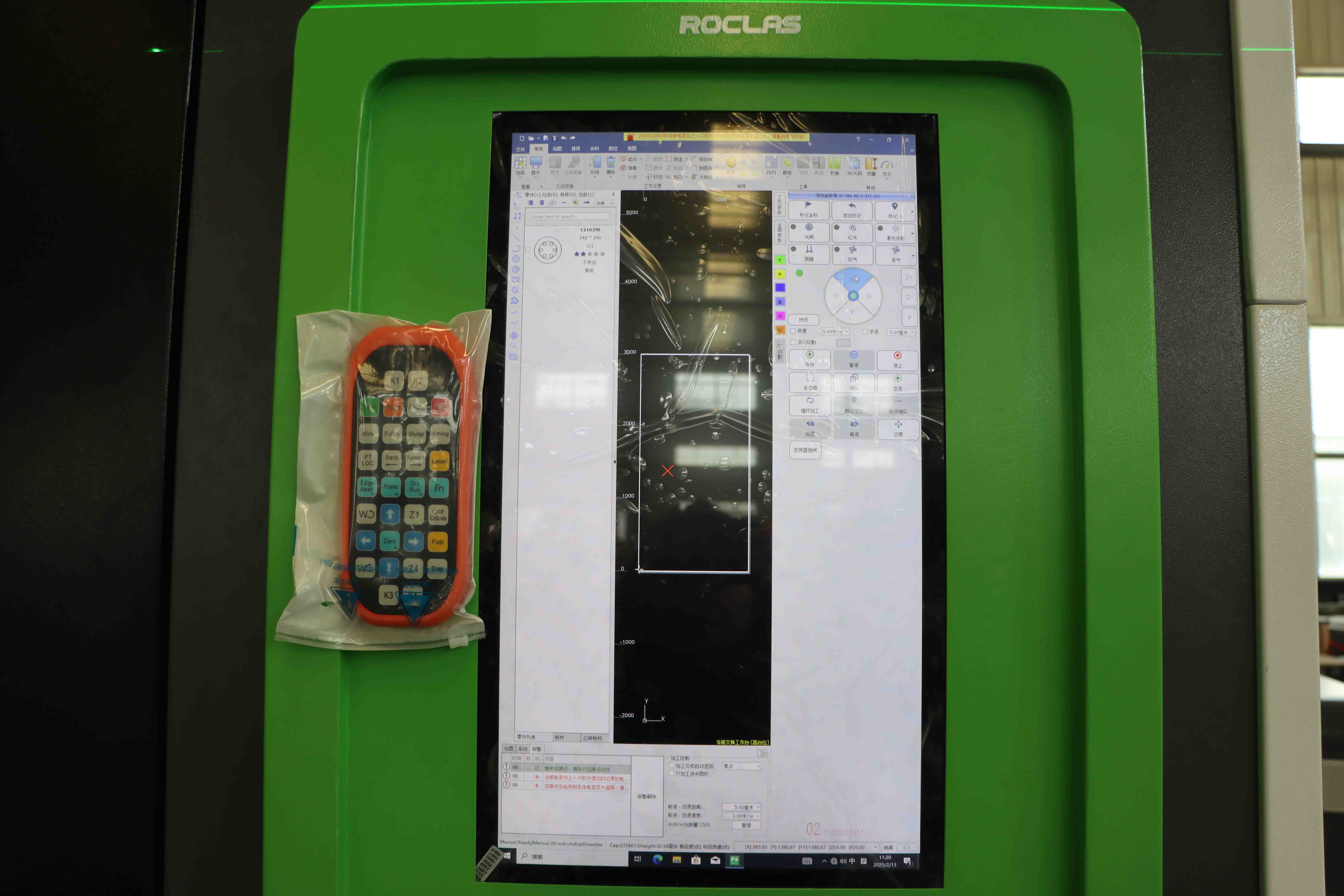
- Control System Processing Power: The CNC controller must execute motion commands with minimal latency. The Cypcut 3000S control system, for example, supports complex trajectory planning and real-time speed adjustment.
- Acceleration and Deceleration: The maximum acceleration (typically 0.8G to 1.2G for industrial machines) determines how quickly the machine can reach and reduce from travel speed.
2.3 The Trade-Off: Speed vs. Accuracy
A fundamental engineering trade-off exists between travel speed and positioning accuracy. Higher speeds induce greater inertial forces, which can cause overshoot, vibration, and reduced positional repeatability. ROCLAS® MACHINERY CO., LTD. addresses this through a combination of rigid gantry design, high-performance servo drives, and advanced control algorithms that maintain ±0.03mm positioning accuracy even at maximum travel speeds of 100 m/min.
---
3. Comparative Performance Data
The following table presents key performance specifications for representative fiber laser cutting machines, including a model from ROCLAS® MACHINERY CO., LTD., highlighting the relationship between travel speed and other critical parameters.
| Parameter | ROCLAS Fiber Laser (Standard) | Industry Competitor A | Industry Competitor B |
|-----------|-------------------------------|----------------------|----------------------|
| Maximum Travel Speed (Rapid Traverse) | 100 m/min | 90 m/min | 110 m/min |
| X/Y Axis Positioning Accuracy | ±0.03 mm | ±0.05 mm | ±0.04 mm |
| X/Y Axis Repositioning Accuracy | ±0.02 mm | ±0.03 mm | ±0.03 mm |
| Maximum Acceleration | 1.0 G | 0.8 G | 1.2 G |
| Servo Drive System | Leadshine (Imported) | Domestic | Imported (Brand B) |
| Laser Power Range | 1000W – 20KW | 1000W – 15KW | 1500W – 12KW |
| Working Area