
The rapid evolution of computer numerical control (CNC) laser cutting technology has fundamentally reshaped modern industrial manufacturing. As fabrication industries demand higher precision, faster throughput, and greater material versatility, the role of advanced laser cutting systems has become indispensable. Drawing from over a decade of industry expertise, this article examines the current state of fiber laser cutting technology, presents key market data, and highlights how manufacturers like ROCLAS® MACHINERY CO., LTD. are driving innovation across metal processing, woodworking, and stone fabrication sectors.
The Market Landscape: A Data-Driven Perspective
The global laser cutting machine market has experienced sustained growth, driven by automation trends, the expansion of the automotive and aerospace sectors, and the need for cost-efficient, high-precision manufacturing. According to recent industry analyses, the market is projected to exceed USD 8.5 billion by 2028, with fiber laser technology capturing the largest share due to its superior efficiency and low maintenance requirements.
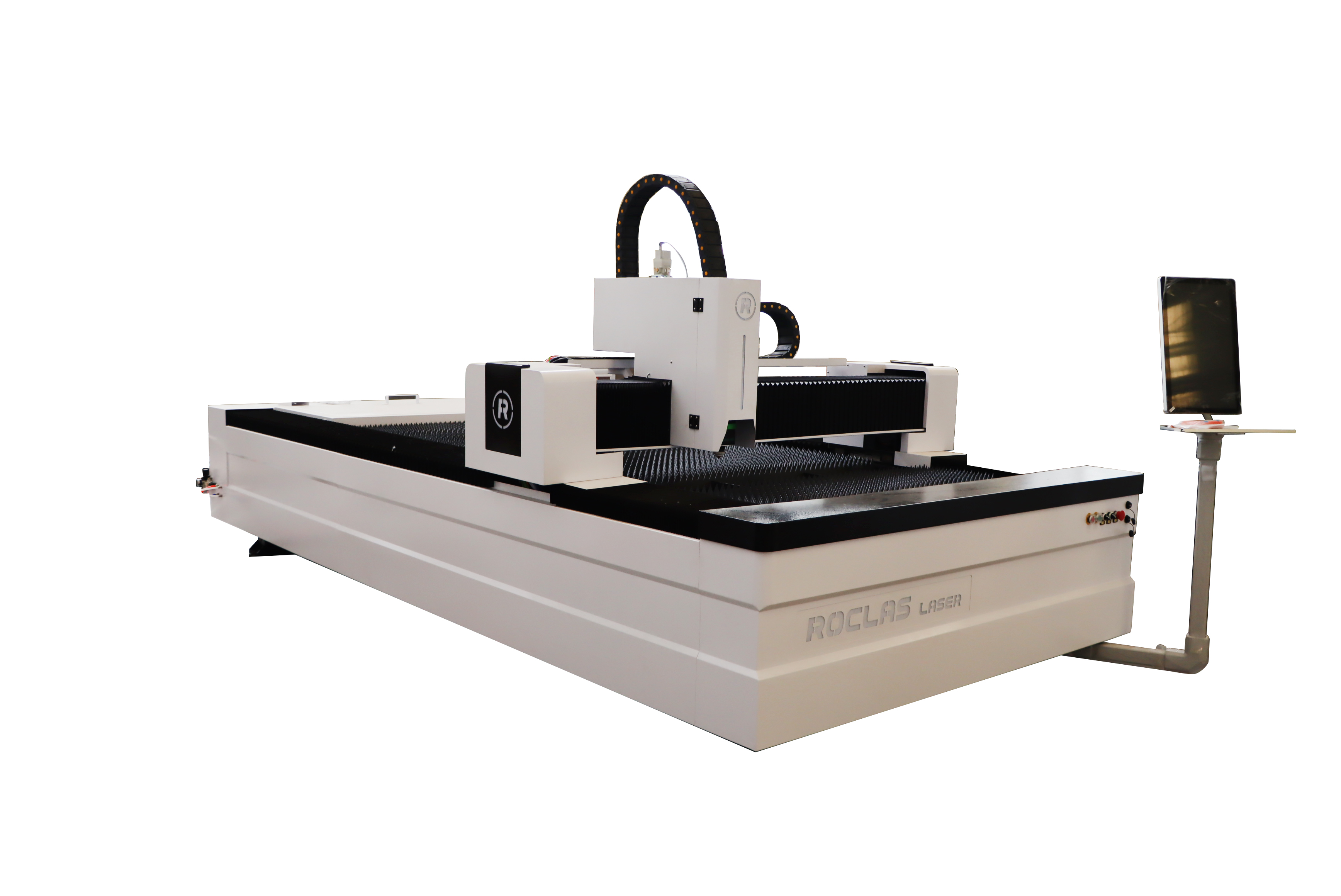
To provide a clearer picture of the current competitive and technological landscape, the following table summarizes key parameters across common Fiber laser cutting machine configurations available in the market:
| Parameter | Entry-Level (1–2 kW) | Mid-Range (3–6 kW) | High-Power (8–20 kW) |
|-----------|----------------------|--------------------|----------------------|
| Typical Working Area (mm) | 3000×1500 | 4000×2000 | 6000×2500 |
| Positioning Accuracy (±mm) | 0.05 | 0.03 | 0.03 |
| Repositioning Accuracy (±mm) | 0.03 | 0.02 | 0.02 |
| Max Travel Speed (m/min) | 80 | 100 | 100 |
| Max Acceleration (G) | 0.8 | 1.0 | 1.0 |
| Typical Material Thickness (Carbon Steel, mm) | ≤6 | ≤16 | ≤40 |
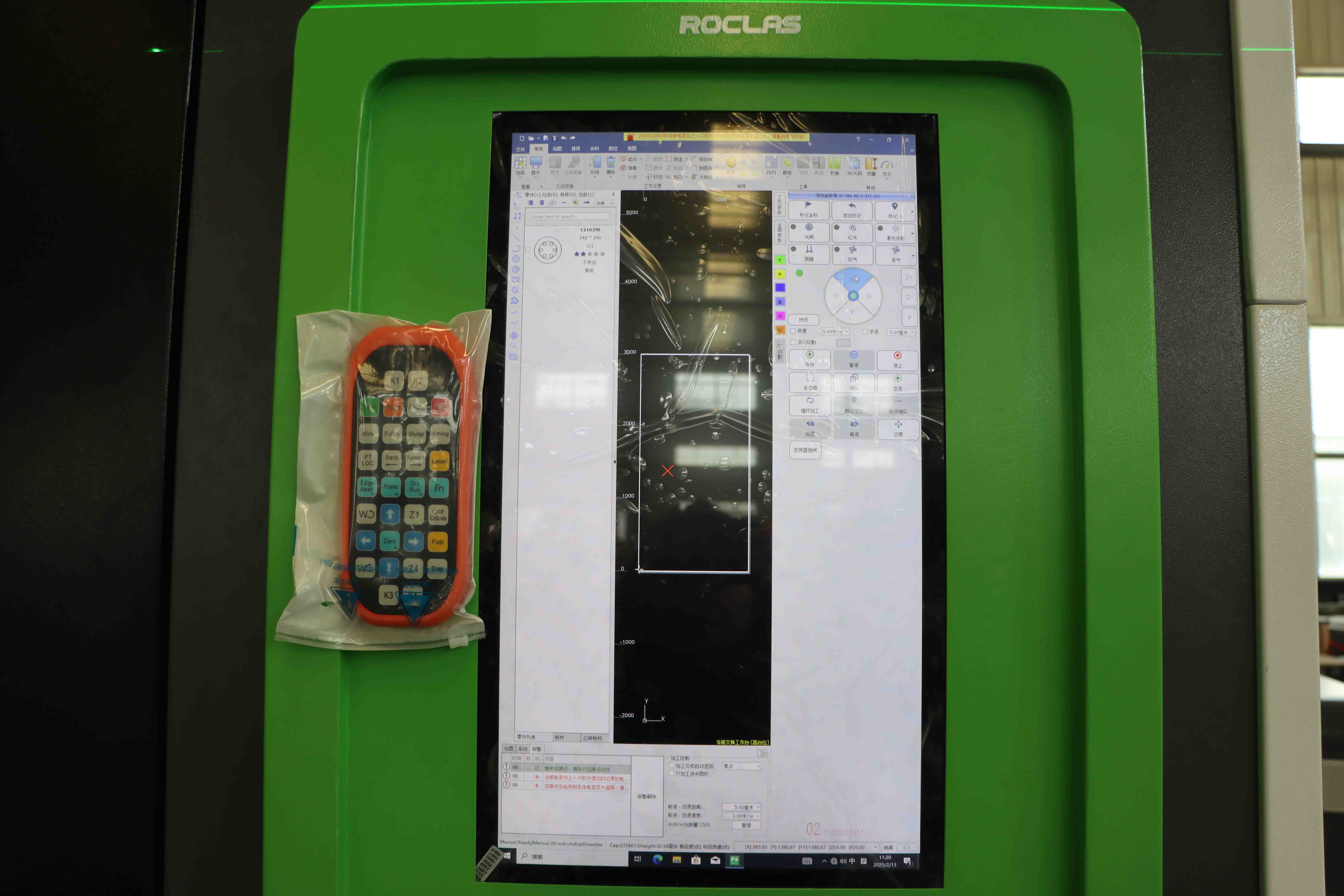
| Control System | Basic CNC | Cypcut 3000S | Advanced CNC + CAD/CAM |
Analysis of the Table:
The data reveals a clear segmentation based on power and precision requirements. Entry-level systems, while cost-effective for small workshops, cannot match the ±0.03 mm positioning accuracy and 1.0 G acceleration found in mid-range and high-power configurations. The working area expansion from 3000×1500 mm to 6000×2500 mm reflects the growing demand for large-format sheet metal processing in industries such as elevator manufacturing and shipbuilding. Notably, the adoption of sophisticated control systems like Cypcut 3000S—commonly integrated by ROCLAS—enables automatic nesting, real-time monitoring, and seamless integration with upstream design software, directly contributing to material savings of up to 15%.
Technological Advancements and Application Synergies
Fiber Laser Cutting: The Core Technology
The shift from CO2 to fiber laser sources represents one of the most significant technological leaps in the past decade. Fiber lasers offer electrical efficiency exceeding 40%, compared to approximately 10% for CO2 lasers, translating to dramatically lower operating costs. Furthermore, the ability to process reflective materials such as copper and aluminum—historically a challenge for laser systems—has been solved by high-reflectivity suppression modules, now standard in modern machines.
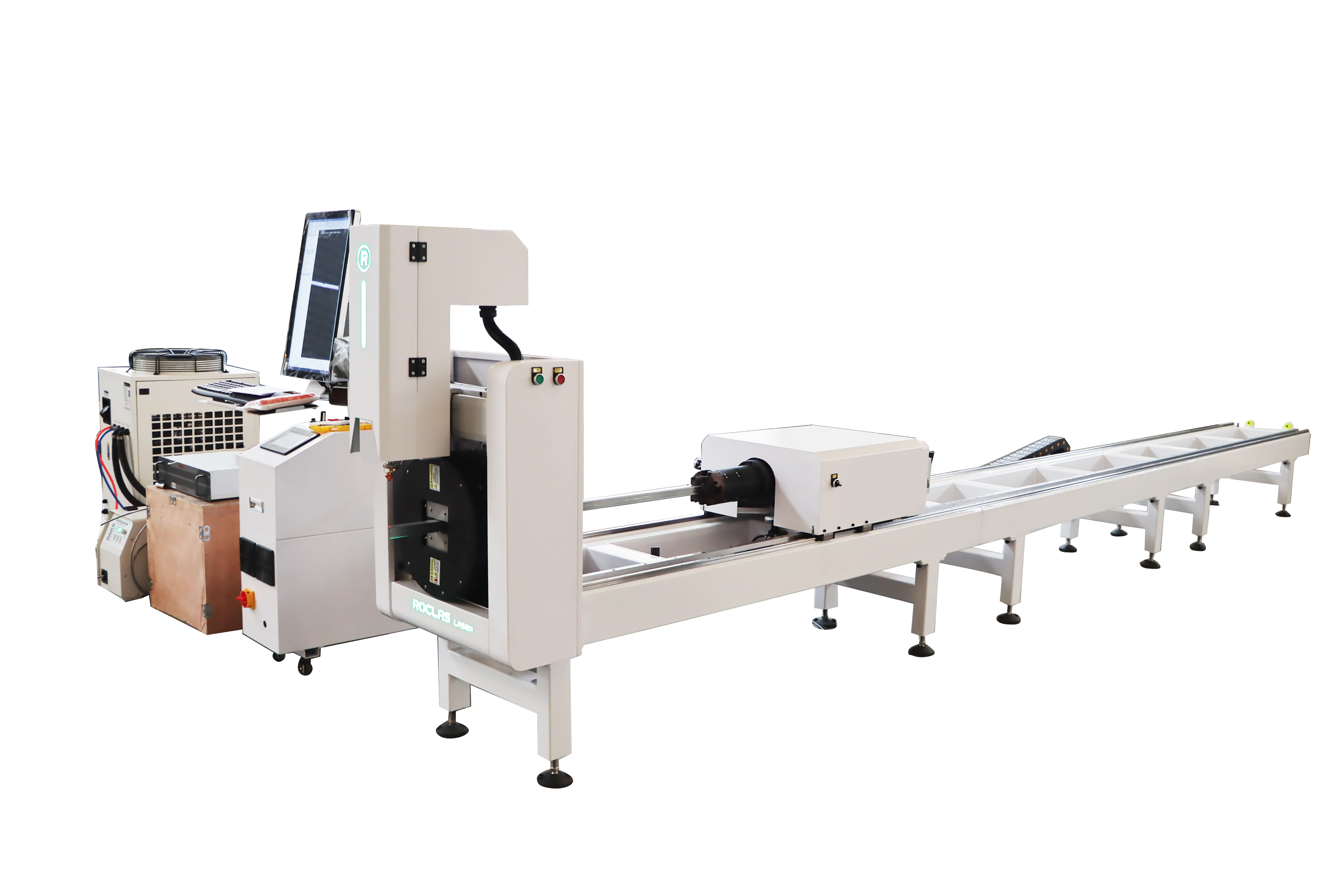
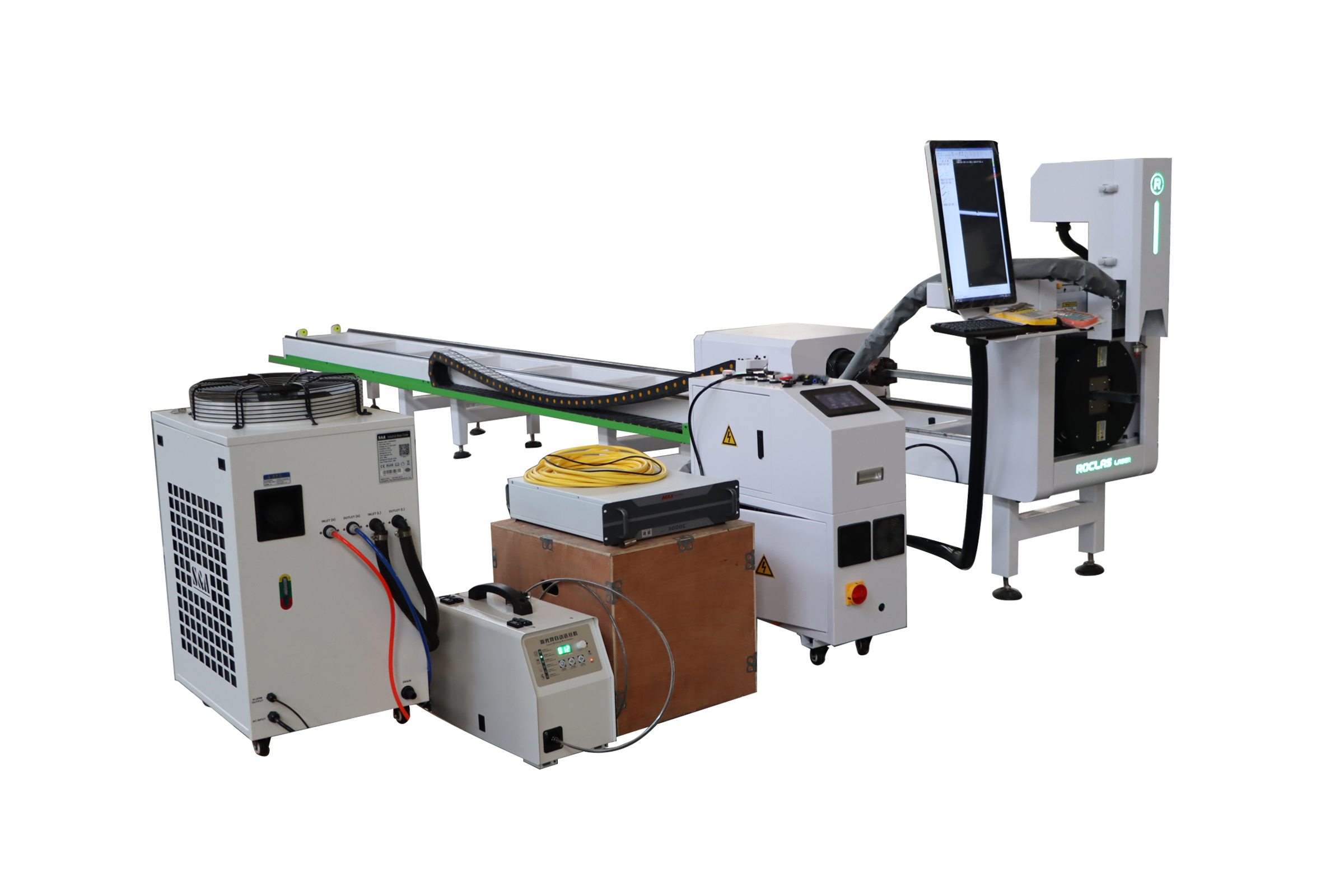
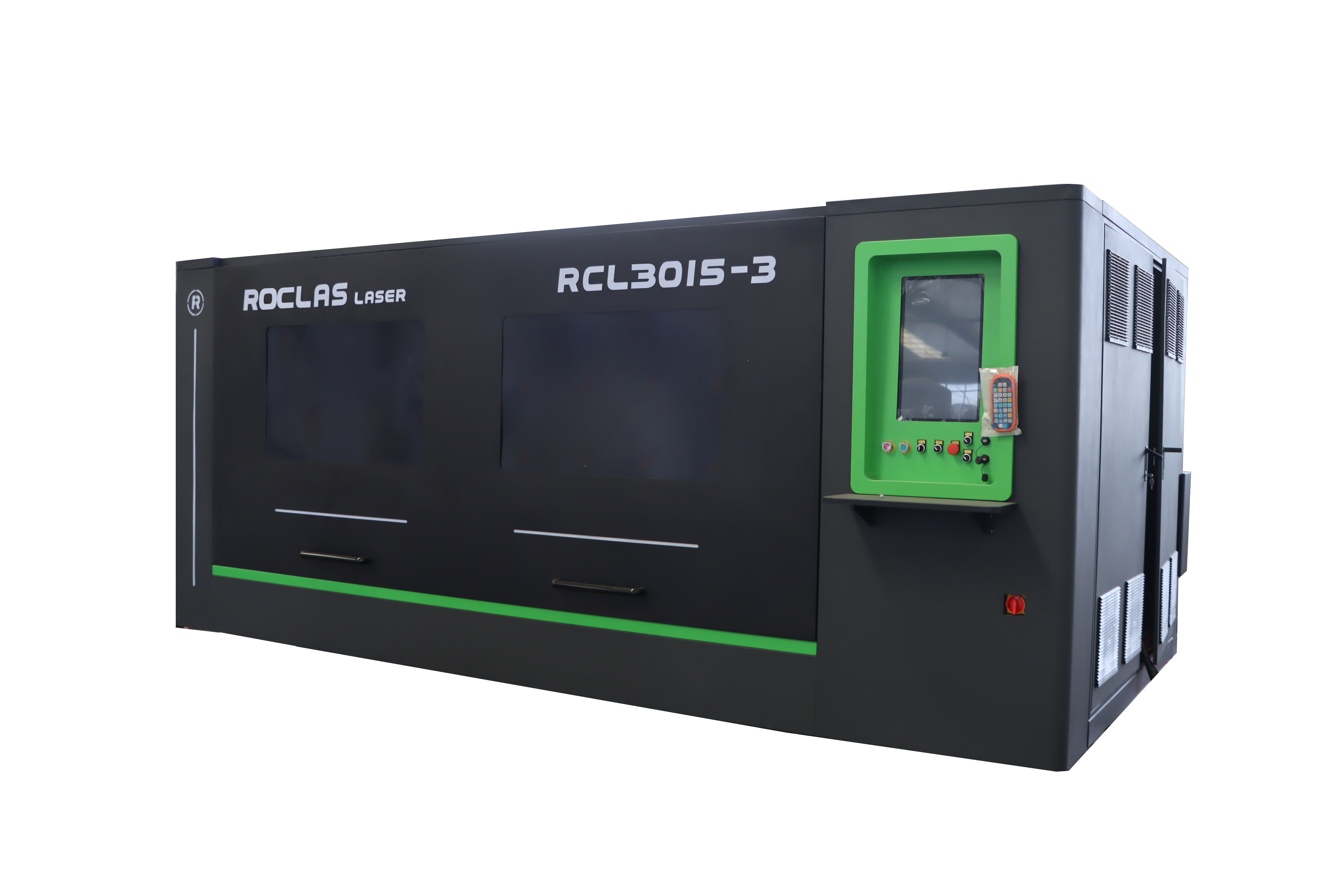
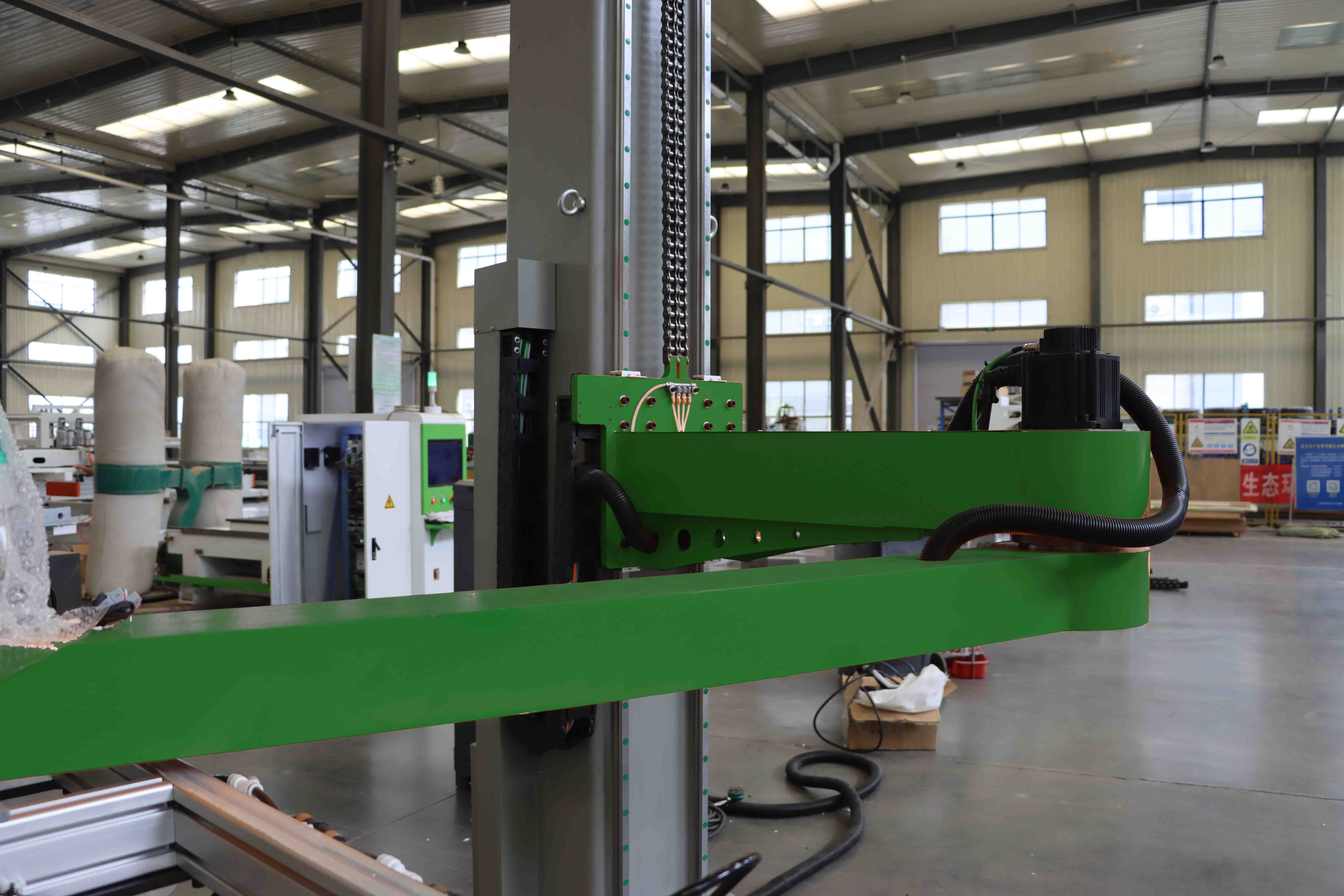
ROCLAS® MACHINERY CO., LTD. has been at the forefront of this transition. With over 15 years of CNC industry experience and a dedicated R&D team holding 50+ patents, the company’s product lines—ranging from 1000W to 20KW fiber laser cutters—are designed for industrial-grade heavy-duty steel structures. Their CNC five-face machining center processing ensures that the machine bed itself meets the same stringent tolerances as the components it produces. This commitment to structural rigidity directly improves cutting quality and machine longevity, a critical factor for high-volume production environments.
Beyond Metal: Woodworking and Stone Applications
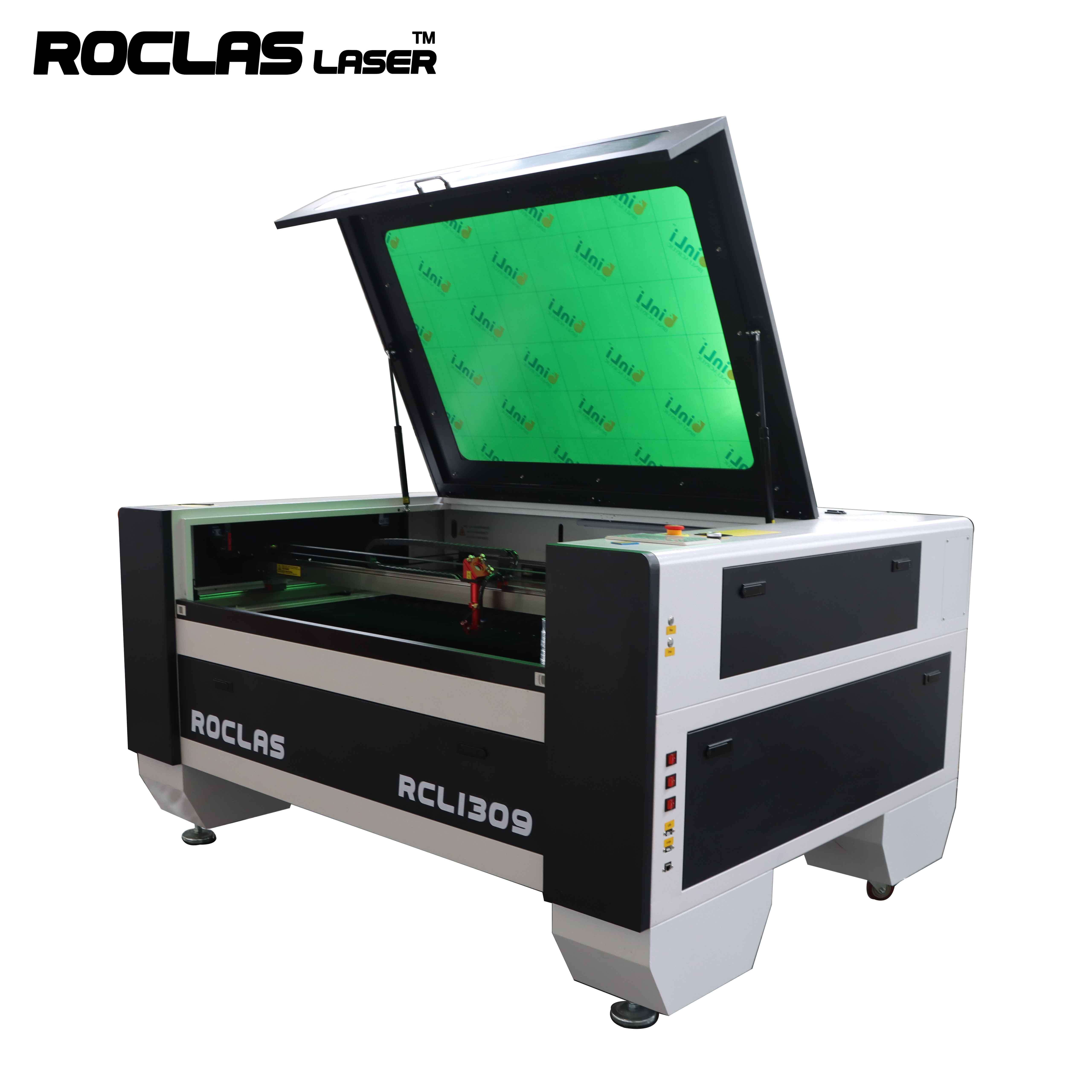
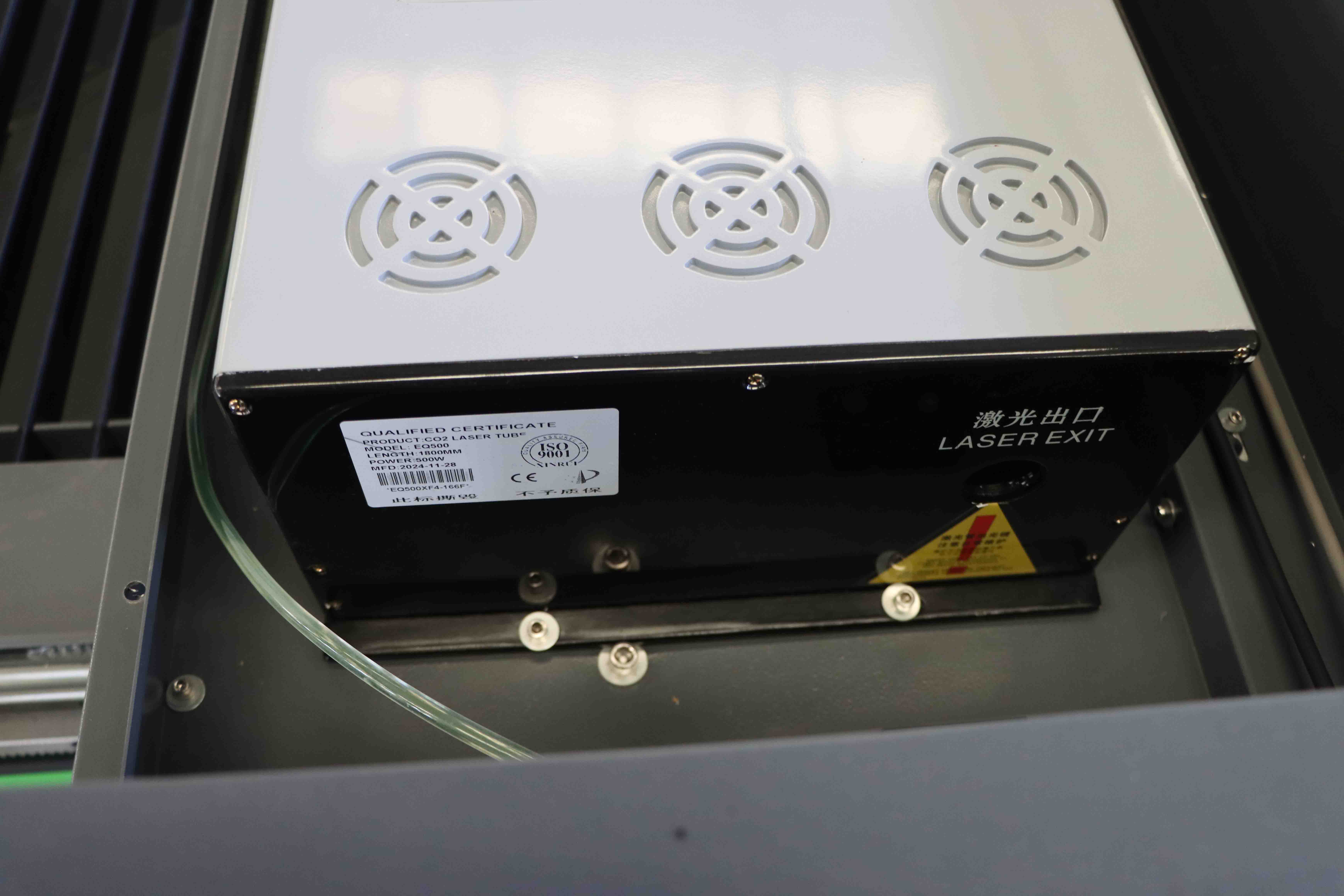
While laser cutting is predominantly associated with metal fabrication, the technology has found novel applications in woodworking and stone processing. CO2 laser machines, such as the RCL1530-500W from ROCLAS, integrate both CO2 and fiber laser sources in a single platform, enabling true “all-material” processing. This versatility is invaluable for custom furniture manufacturers and architectural stone fabricators who must switch between cutting acrylic, wood, leather, and thin metals without changing equipment.
For stone fabrication, although diamond wire and waterjet remain dominant for thick slabs, laser technology is increasingly used for precision engraving, edge profiling, and cutting natural stone veneers. The narrow kerf width—often less than 0.2 mm—minimizes material waste, a critical economic factor when working with expensive materials like marble or granite.
Automation and Integration
Modern CNC laser
 laser cutting technology has fundamentally reshaped modern industrial manufacturing. As fabrication industries demand higher precision, faster t)