Abstract
The laser head represents the most critical subsystem in any laser processing equipment—be it fiber laser cutters, CO2 engravers, or hybrid machining centers. As the interface between the laser source and the workpiece, the laser head determines cut quality, processing speed, material compatibility, and overall system reliability. This article examines the technological evolution of laser head systems, their integration into CNC-based fabrication workflows, and the role of manufacturers like ROCLAS® MACHINERY CO., LTD. in advancing head design for industrial applications. Drawing on technical specifications from ROCLAS laser product lines and broader industry trends, we analyze how modern laser heads—particularly those equipped with auto-focus, capacitive height sensing, and high-reflectivity suppression—enable precision processing across metals, non-metals, and composites.
---
1. Introduction
In the hierarchy of laser machining subsystems, the laser head often receives less attention than the laser source or motion platform. Yet experienced process engineers know that the laser head is where beam quality meets material reality. A 20kW laser source paired with an inferior head will produce inconsistent cuts, excessive kerf, and short component life. Conversely, a well-designed head can extract maximum performance from even modest laser power.
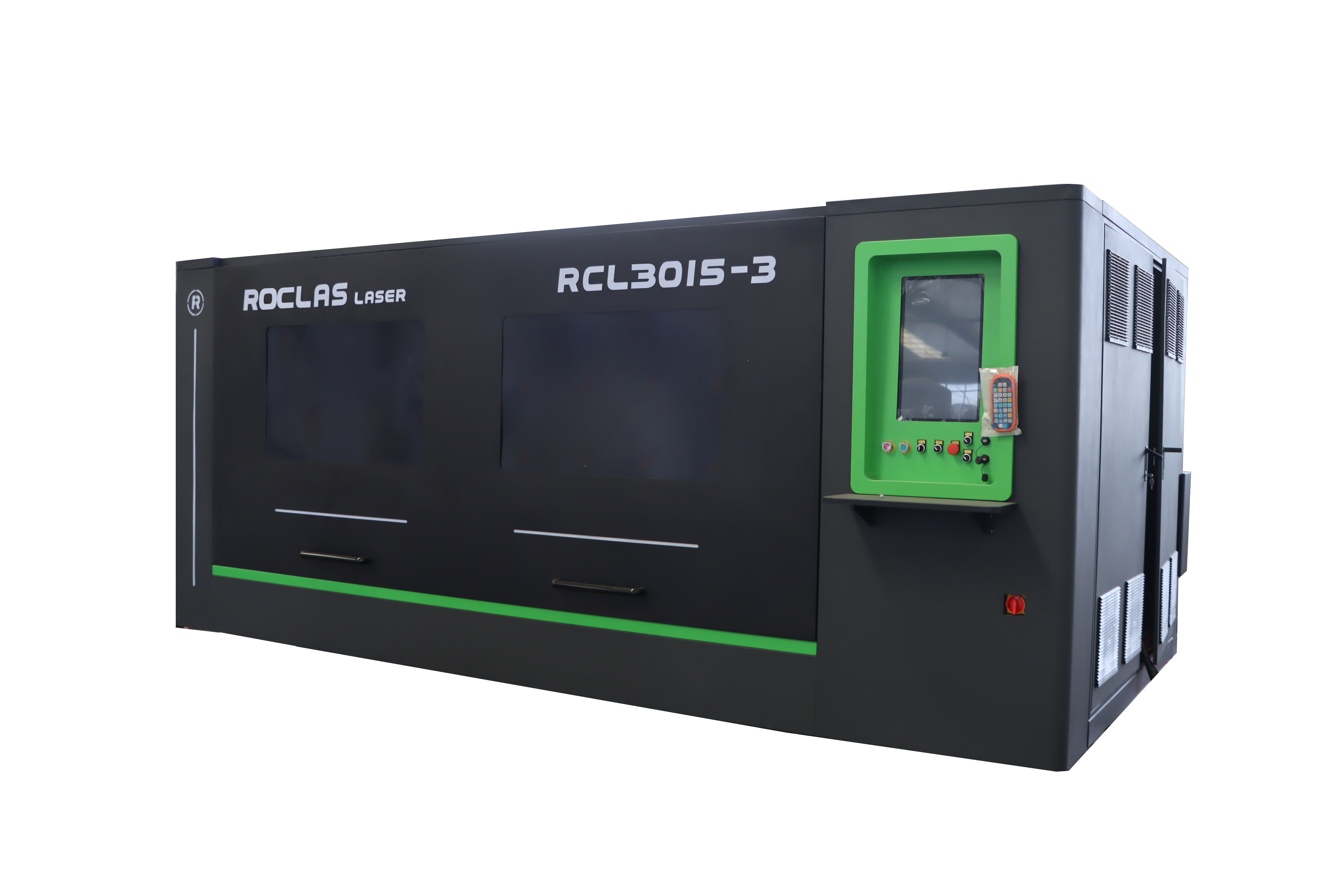
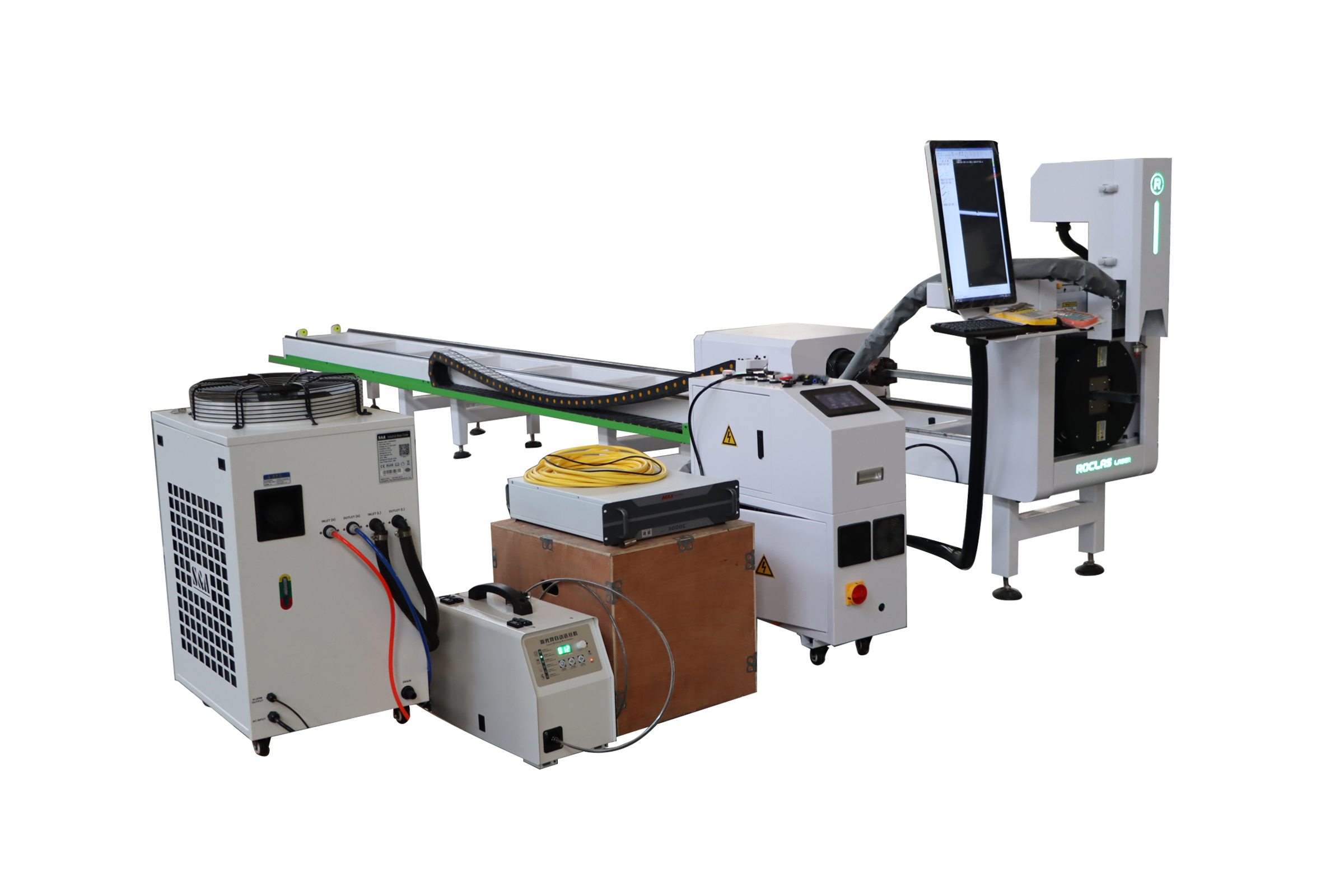
ROCLAS® MACHINERY CO., LTD., with over 15 years in CNC and laser equipment manufacturing, has developed laser heads that balance optical precision, thermal management, and mechanical robustness. Their Raytools welding and cutting systems, integrated across Fiber laser cutting machines from 1000W to 20KW, exemplify the convergence of advanced head design with production-ready reliability.
---
2. Laser Head Architecture: Components and Functions
A modern laser head comprises several subsystems, each demanding tight tolerances and material compatibility:
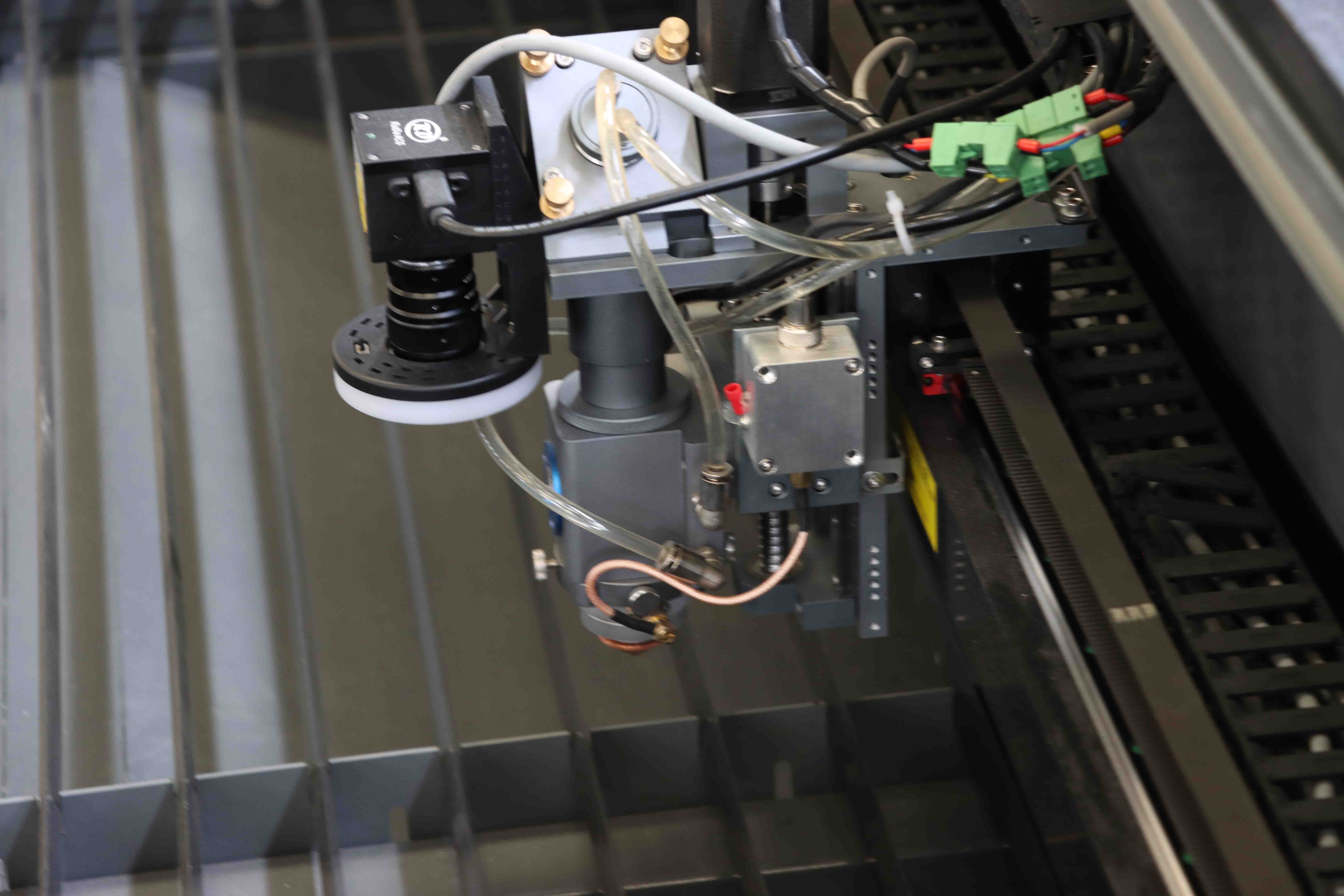
Optical train: Includes collimating lens, focusing lens, and protective window. The collimator converts divergent laser output into a parallel beam; the focusing lens concentrates energy to a spot diameter typically between 50–200 microns. Protective windows shield internal optics from spatter and fumes.
Nozzle assembly: Directs assist gas (oxygen, nitrogen, or compressed air) to the cut zone. Nozzle geometry—conical, cylindrical, or dual-orifice—affects gas flow dynamics and cut edge quality.
Capacitive height sensor: Maintains constant standoff distance between nozzle and workpiece. This is critical for consistent focus position, especially on warped or uneven sheets.
Focus adjustment mechanism: Manual or motorized. Auto-focus heads allow real-time focal position changes during cutting, enabling transitions between material thicknesses without stopping.
Cooling channels: Water- or air-cooled to dissipate heat absorbed from reflected laser energy, particularly important when processing reflective metals like copper and aluminum.
ROCLAS laser cutting machines utilize Raytools heads, which incorporate many of these features. The heads are designed for quick replacement without re-alignment—an advantage in high-production environments where downtime must be minimized.
---
3. Laser Head Types and Application Domains
3.1 Fiber Laser Cutting Heads
Fiber laser heads operate at wavelengths around 1070nm, requiring specialized optics for transmission and focusing. Key features of ROCLAS fiber laser head systems include:
- High-reflectivity suppression module: Enables stable cutting of copper (1–2mm) and aluminum (2–3mm) without back-reflection damage to the laser source.
- ±0.03mm positioning accuracy: Achievable through rigid gantry structures and precision head alignment.
- 100m/min travel speed: Supported by lightweight head designs and servo-driven axes.
3.2 CO2 Laser Processing Heads
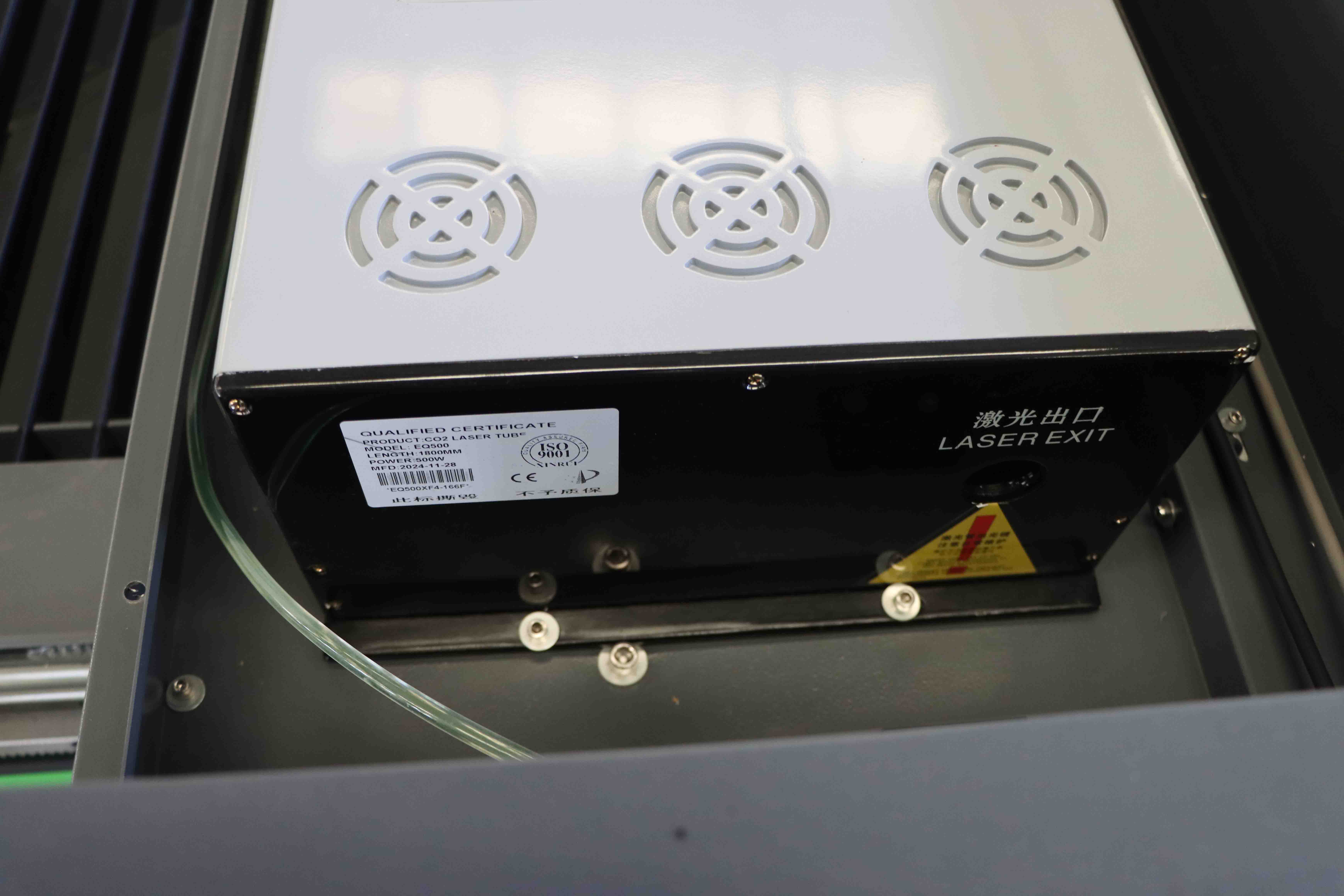
CO2 lasers (10.6μm wavelength) are used for non-metals like wood, acrylic, leather, and textiles. ROCLAS’s co2 laser cutting machine (RCL1530-500W) integrates a sealed CO2 glass laser tube with a dedicated head assembly. The head for CO2 processing must accommodate different optics (Zinc Selenide lenses) and gas delivery systems compared to fiber heads.
3.3 5-Axis Laser Cutting Heads
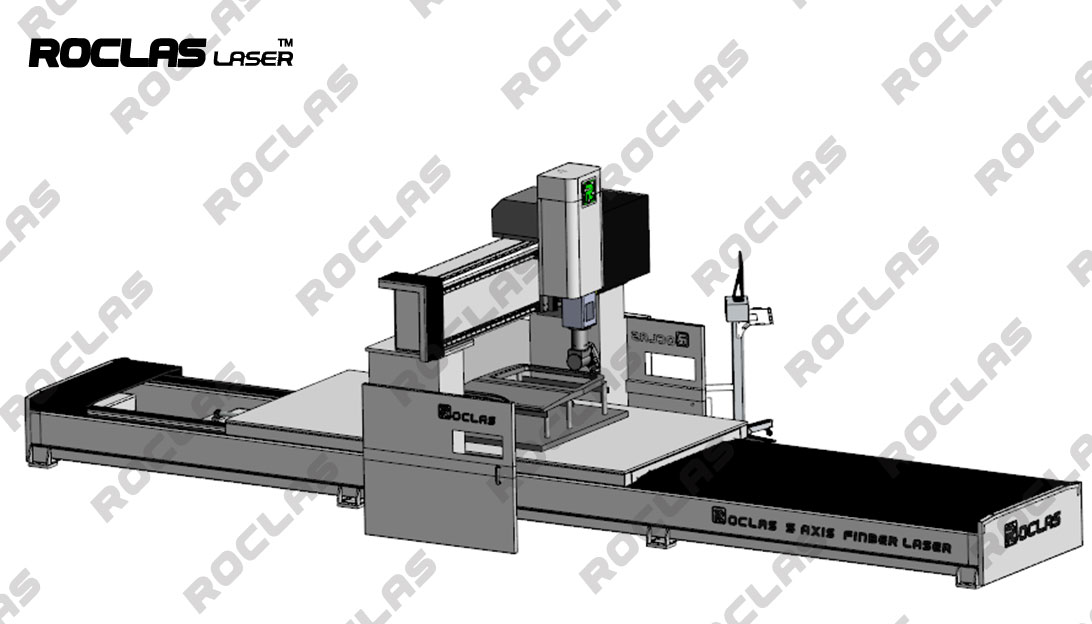
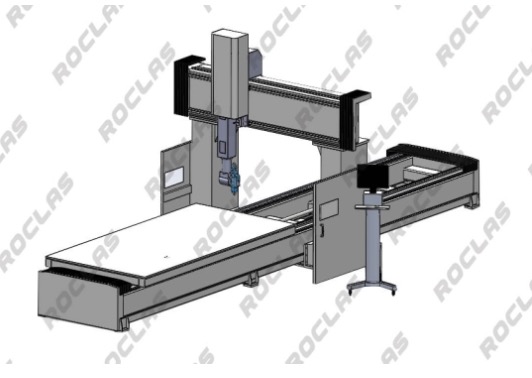
For three-dimensional cutting, ROCLAS offers 5-axis fiber laser cutting centers with n×360° infinite rotation capability. These heads enable complex contour cutting on formed parts, automotive body panels, and aerospace components. The swing head design allows rapid transition between cutting and welding modes without mechanical reconfiguration.
---
4. Data Analysis: Laser Head Performance Metrics
The following table summarizes key performance parameters for ROCLAS laser head systems across different machine configurations:
| Parameter | Fiber Laser Cutting Head | CO2 Laser Cutting Head | 5-Axis Fiber Laser Head |
|-----------|--------------------------|------------------------|--------------------------|
| Wavelength | 1070nm (fiber) | 10.6