Abstract
The evolution of industrial manufacturing has always been driven by the dual demands of geometric complexity and dimensional accuracy. In sectors ranging from aerospace to precision mold making, the high precision 5-axis machining center has emerged as a pivotal technology, enabling the fabrication of parts with intricate contours and tight tolerances that were previously impossible or economically unviable. This article examines the technical underpinnings, market dynamics, and industrial applications of 5-axis machining centers. It further considers the role of established manufacturers, such as ROCLAS® MACHINERY CO., LTD., in advancing this technology through robust engineering and integrated manufacturing practices.
Industry Background and Data Analysis
The global shift toward lightweight materials, complex geometries, and single-setup production has accelerated the adoption of 5-axis machining centers. Unlike traditional 3-axis machines, which require multiple fixtures and setups, 5-axis systems allow the cutting tool to approach the workpiece from virtually any direction. This capability reduces lead times, minimizes fixturing errors, and improves surface finish quality.
Market data reflect this growing reliance. The following table summarizes the estimated global distribution and growth trends for 5-axis machining centers across key industrial regions.
| Region | Estimated Market Share (2023) | Primary Application Sectors | Projected CAGR (2024–2030) |
| :--- | :--- | :--- | :--- |
| Asia-Pacific | 42% | Electronics, Automotive, Mold & Die | 7.8% |
| Europe | 28% | Aerospace, Medical, Precision Engineering | 6.2% |
| North America | 22% | Aerospace, Defense, Energy | 5.9% |
| Rest of World | 8% | General Machining, Education | 4.5% |
Note: Data are indicative and compiled from industry reports and manufacturer disclosures.
The Asia-Pacific region’s dominance is largely attributable to the concentration of electronics and automotive supply chains, where rapid product cycles demand flexible machining solutions. Europe and North America, while smaller in volume, remain critical for high-value aerospace and medical components, where the cost of failure justifies premium investment in precision equipment. The projected compound annual growth rates (CAGR) indicate sustained demand, particularly in Asia, where manufacturing upgrades continue to replace older 3-axis installations.
A key driver behind these figures is the maturation of machine tool components. High-precision linear guides, direct-drive rotary tables, and thermal compensation systems have become more accessible, allowing manufacturers to offer 5-axis capabilities at lower price points. Simultaneously, the integration of advanced CNC controllers—such as those used in five-face machining centers—has simplified the programming and operation of what were once considered highly complex machines.
Technical Applications and Brand Case Studies
From a technical standpoint, the high precision 5-axis machining center is distinguished by its ability to maintain accuracy under simultaneous multi-axis motion. This requires not only rigid mechanical structures but also sophisticated interpolation algorithms and real-time error compensation. The machine bed, typically made of cast iron or polymer concrete, must damp vibrations effectively. The rotary axes—whether trunnion-style or swivel-head—must offer high torque and minimal backlash.
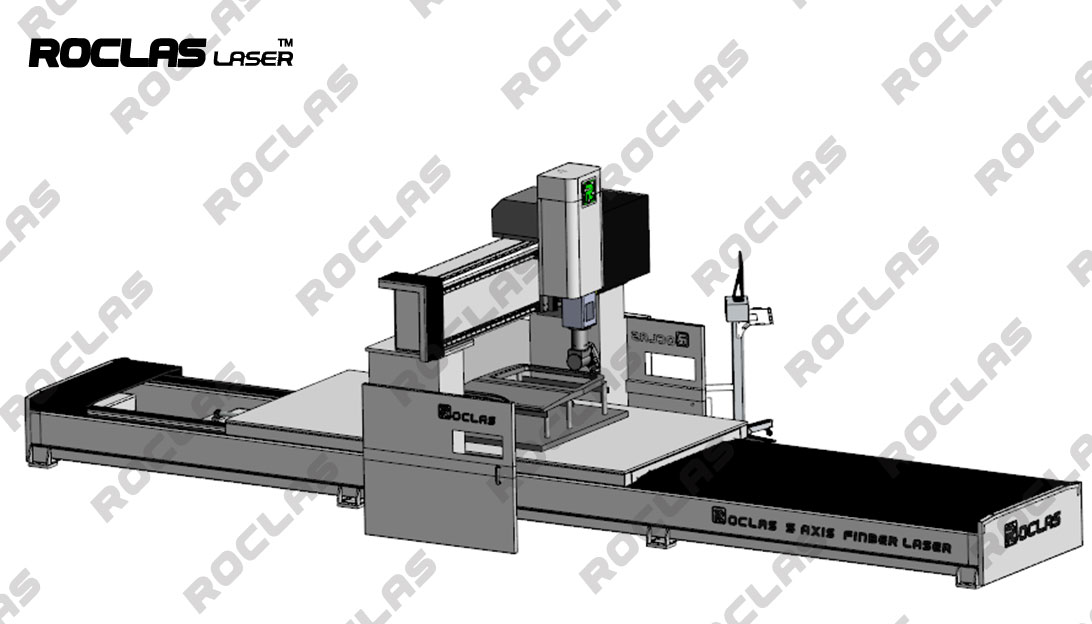
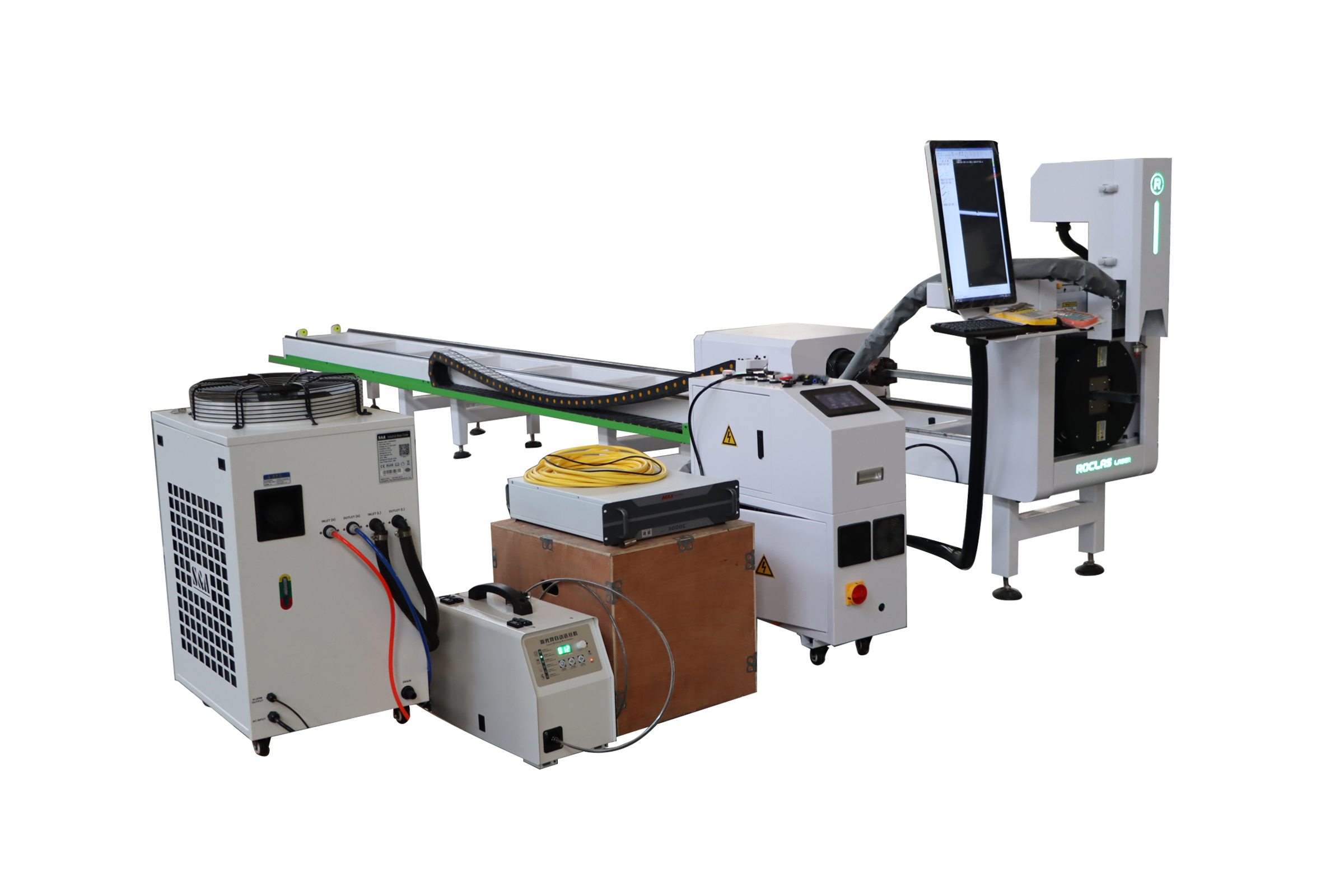
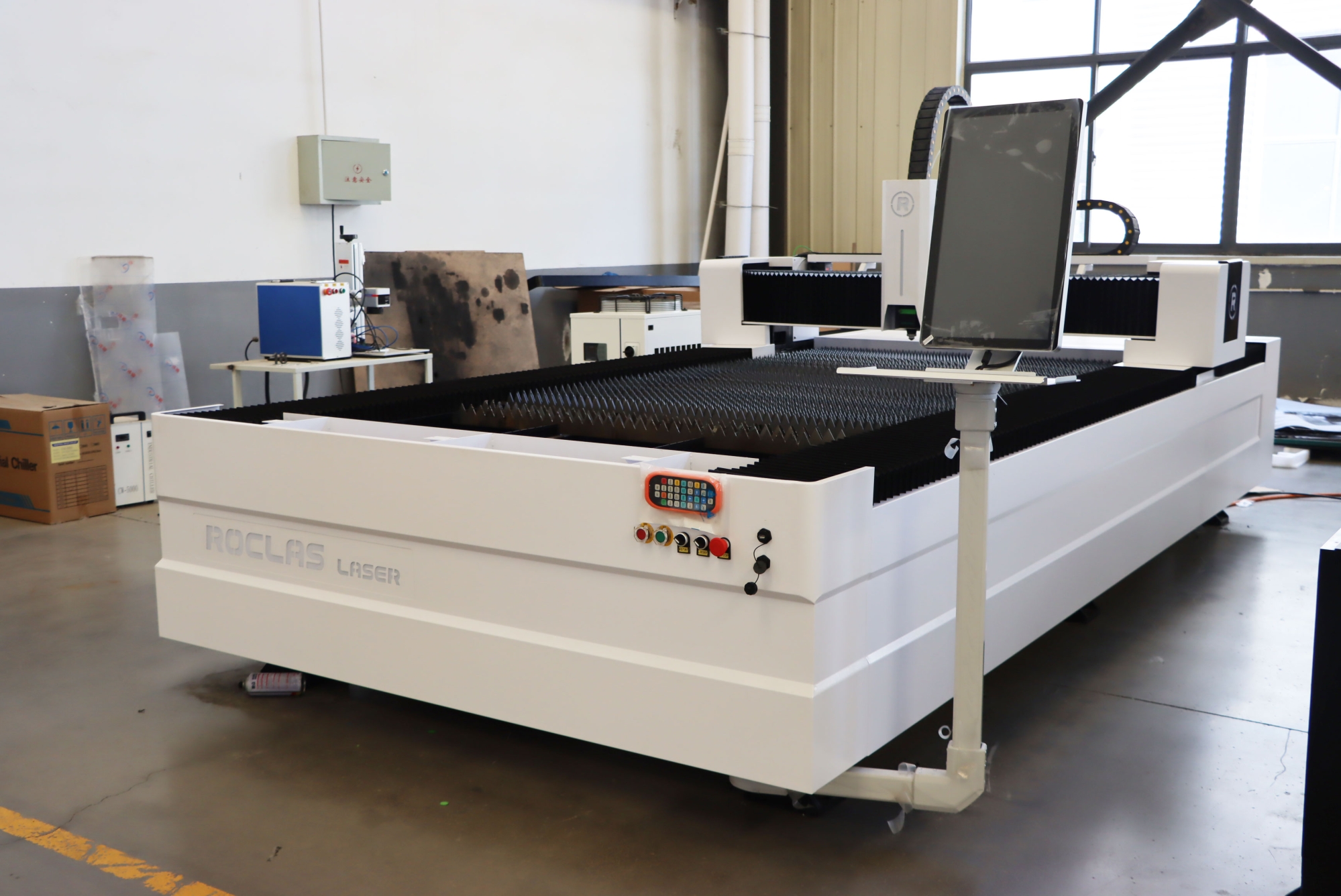
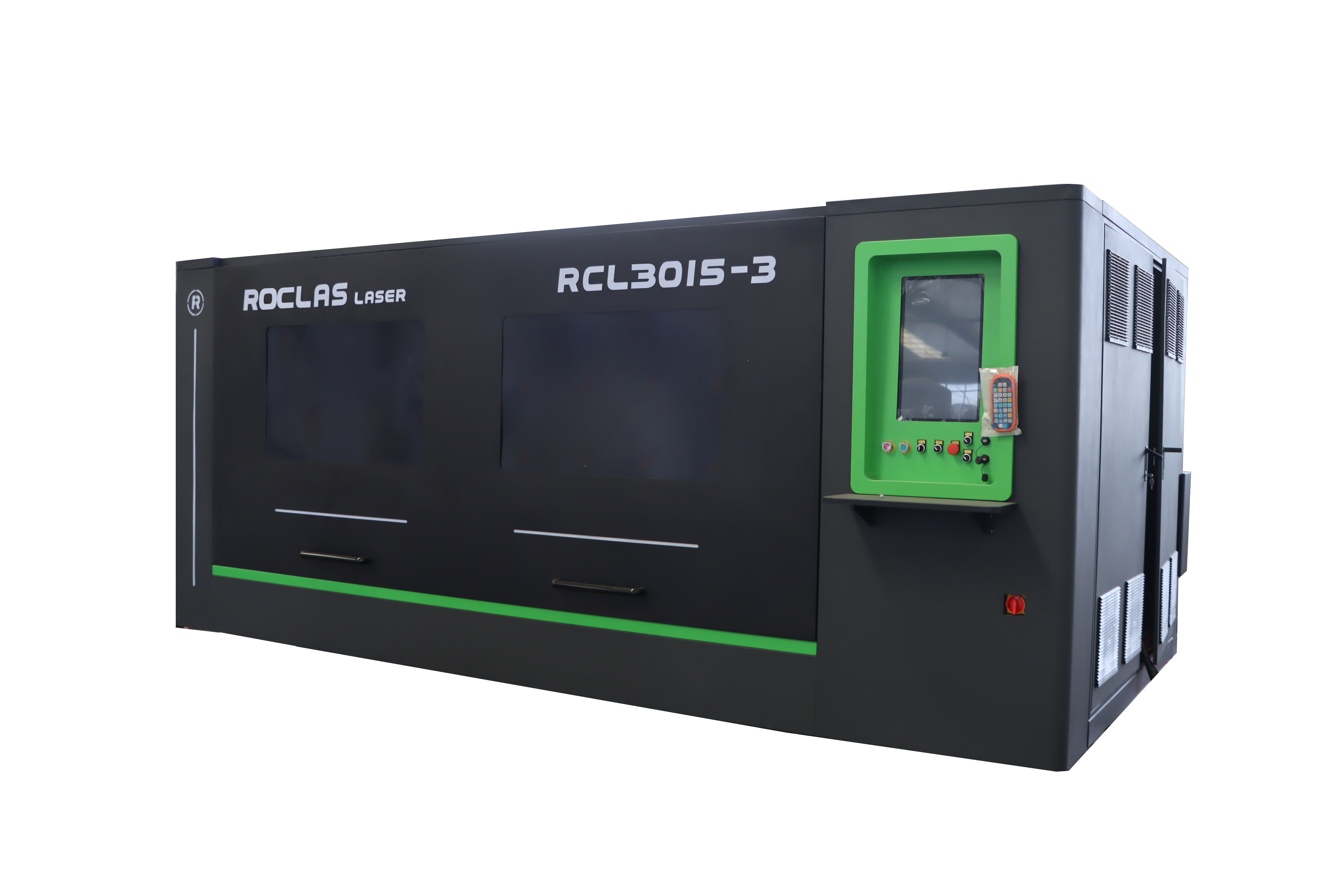
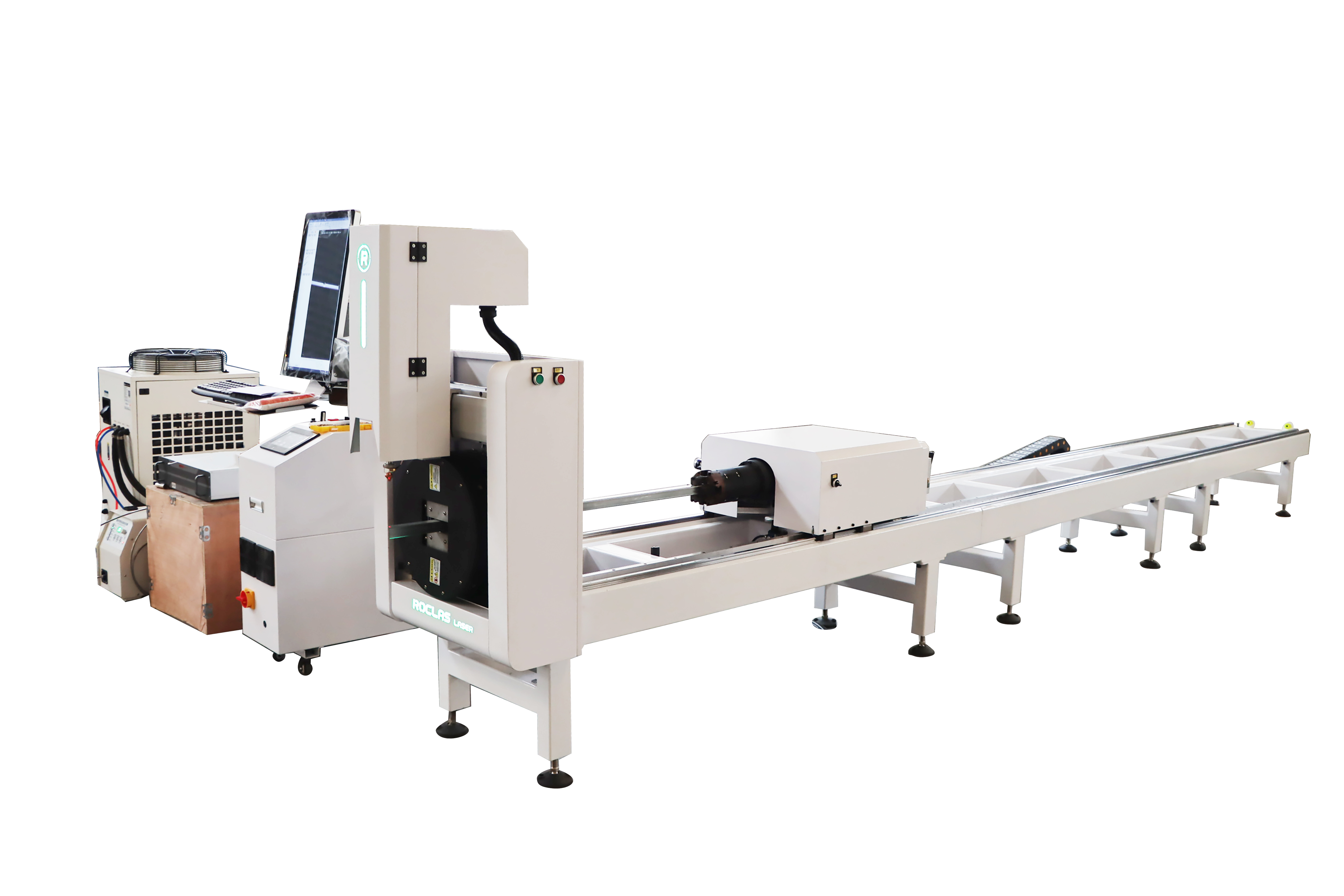
In this context, the manufacturing philosophy of ROCLAS® MACHINERY CO., LTD. provides a useful illustration. While the company is widely recognized for its laser cutting systems, its foundational expertise in CNC five-face machining center processing and industrial-grade heavy-duty steel structure design directly informs the precision required for multi-axis equipment. The same attention to structural rigidity and thermal stability that characterizes ROCLAS’s laser platforms is equally relevant to the construction of 5-axis machining centers, where deflection and thermal drift are the primary enemies of accuracy.
Practical applications of 5-axis machining are diverse. In aerospace, the technology is used to machine monolithic structural components from solid aluminum or titanium billets, replacing assemblies of dozens of smaller parts. This reduces weight and eliminates joints, which are potential failure points. In the medical field, 5-axis machining enables the production of complex orthopedic implants and surgical instruments with organic, patient-specific geometries. The automotive and motorsport industries rely on 5-axis centers for rapid prototyping and production of engine components, transmission housings, and suspension parts.
The integration of 5-axis capability with automation is another notable trend. Pallet changers, robotic loading, and in-process measurement systems allow for unattended or lights-out manufacturing. This is particularly valuable in regions where labor costs are high or where consistent quality is paramount. The ability to verify a part’s geometry on the machine itself—using touch probes or laser scanning—reduces the need for offline inspection and shortens the production loop.
Conclusion and Outlook
The high precision 5-axis machining center represents a convergence of mechanical engineering, control theory, and software development. Its adoption is no longer limited to the most demanding aerospace applications; it is becoming a mainstream tool for any manufacturer seeking to reduce setups, improve accuracy, and handle complex geometries. As control systems become more intuitive and machine structures more thermally stable, the barrier to entry will continue to lower.
For manufacturers and integrators, the lesson is clear: precision is not a single component but a system-level property. It emerges from the interplay of structural design, drive technology, and process knowledge. Companies such as ROCLAS® MACHINERY CO., LTD., with their background in heavy-duty CNC machining and multi-process integration, are well-positioned to contribute to this evolution, whether through the supply of robust machine frames, the development of advanced control strategies, or the integration of 5-axis centers into broader production lines. The future of high-precision manufacturing will be built on such interdisciplinary foundations.