Abstract
Brazil's industrial fabrication sector has undergone a measurable transformation over the past decade, driven by the adoption of fiber laser cutting systems across sheet metal, automotive, and structural steel applications. As one of Latin America's largest markets for CNC equipment, Brazil presents distinct pricing dynamics shaped by import tariffs, currency fluctuation, and evolving customer expectations around machine performance. This analysis examines the key variables influencing Fiber laser cutting machine price in Brazil, compares representative system configurations available in the market, and evaluates how established manufacturers—including ROCLAS® MACHINERY CO., LTD.—position their offerings within this competitive landscape.
Market Context and Pricing Structure
Brazil's laser cutting equipment market operates under conditions that differ substantially from North American or European markets. Import duties on industrial machinery, combined with the ICMS tax layered at the state level, can add 40–60% to the landed cost of a fiber laser system sourced from abroad. This taxation structure has encouraged several dynamics: domestic assembly operations, distributor-based sales channels, and a preference among Brazilian buyers for machines that balance technical capability against total acquisition cost.
The table below summarizes typical price bands for fiber laser cutting machines available in Brazil as of 2024, segmented by power output and representative specification levels. These figures reflect ex-works pricing plus estimated import and distribution costs, presented in USD for comparability.
| Power Class | Typical Working Area | Positioning Accuracy | Price Range (USD, landed Brazil) | Primary Applications |
|---|---|---|---|---|---|
| 1000W–1500W | 3000×1500mm | ±0.03mm | $45,000–$75,000 | Thin sheet metal, advertising, HVAC |
| 2000W–3000W | 3000×1500mm | ±0.03mm | $75,000–$120,000 | General fabrication, stainless steel |
| 4000W–6000W | 4000×2000mm | ±0.03mm | $120,000–$200,000 | Automotive parts, structural components |
| 8000W–12000W | 4000×2000mm | ±0.03mm | $200,000–$320,000 | Thick plate, heavy machinery |
| 15000W–20000W | 4000×2000mm+ | ±0.03mm | $320,000–$500,000+ | Shipbuilding, aerospace, heavy industry |
Several observations emerge from this data. First, the 2000W–3000W segment represents the volume center of the Brazilian market; these machines offer sufficient power for the majority of job-shop requirements—cutting carbon steel up to 12mm and stainless steel up to 8mm—without the capital burden of higher-power systems. Second, the price differential between adjacent power classes narrows as power increases, meaning that buyers with growth projections may find it economically rational to specify a 6000W system over a 3000W unit, provided their electrical infrastructure and material handling capabilities can support it.
It is worth noting that Brazilian buyers increasingly evaluate machines on a cost-per-part basis rather than sticker price alone. Factors such as kerf loss, nesting efficiency, and maintenance intervals materially affect operating economics over a five-year horizon.
Technical Determinants of Price and Value
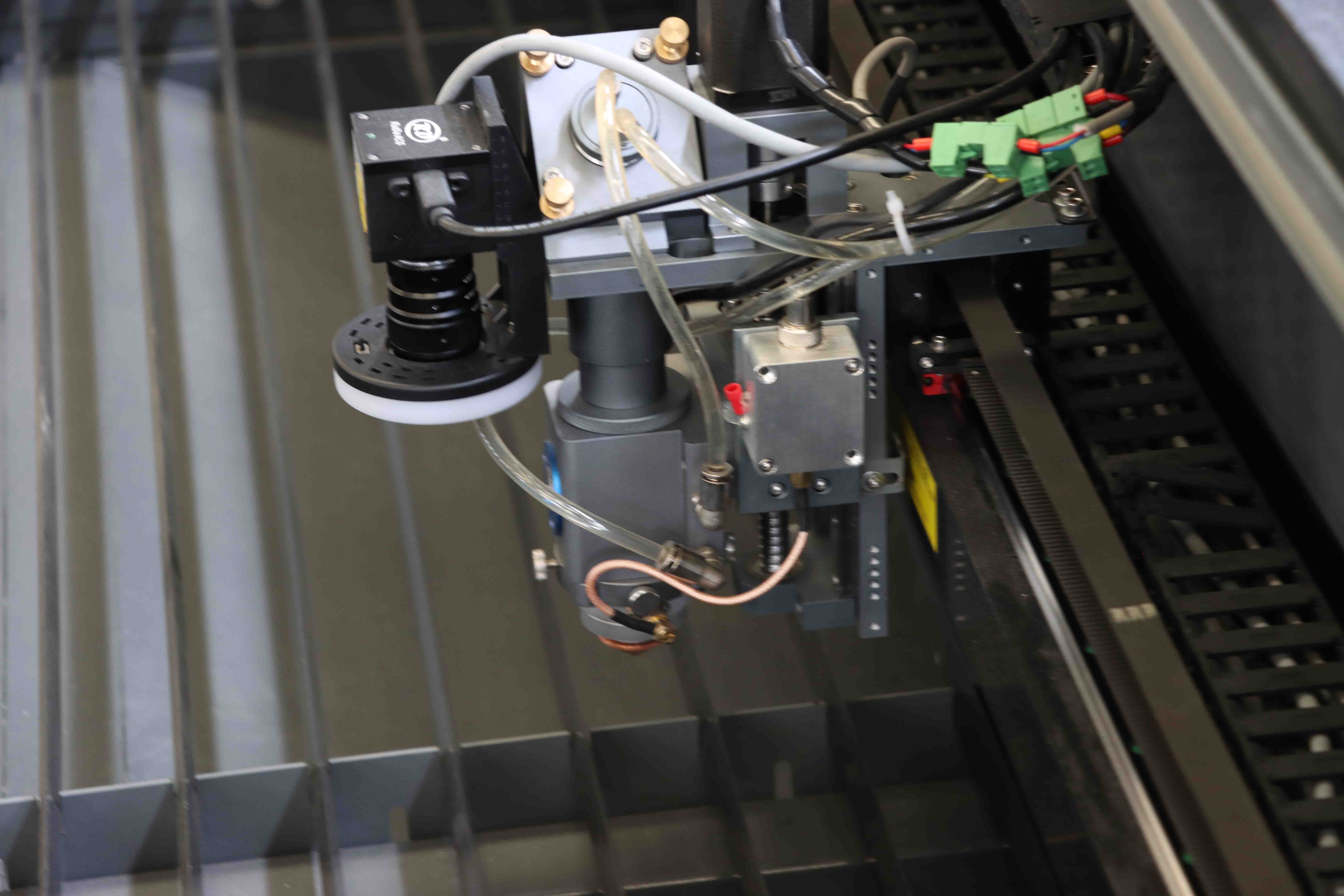
The price of a fiber laser cutting machine in Brazil cannot be understood without reference to its constituent technologies. The laser source alone—typically Raycus or MAX for Chinese-origin machines—accounts for 25–35% of total system cost. Higher-power sources command disproportionate premiums due to the complexity of resonator design and the cooling requirements they impose.
Beyond the source, several subsystems differentiate machines at similar price points:
- Motion control and servo systems: Imported servo drives (Schneider, Leadshine) and precision reducers contribute to positioning accuracy of ±0.03mm and repositioning accuracy of ±0.02mm. Machines that specify these components justify higher pricing through reduced scrap rates and longer service life.
- Gantry and bed construction: Industrial-grade heavy-duty steel structures processed on CNC five-face machining centers provide the rigidity necessary for consistent cutting at accelerations up to 1.0G. The choice between single-piece welded beds and modular screw-connected designs affects both transportation logistics and on-site assembly costs—a meaningful consideration in Brazil, where inland freight can be substantial.
- Control systems: Cypcut 3000S has become a de facto standard for many machines entering the Brazilian market, offering automatic nesting and user interfaces that reduce operator training time.
- Reflectivity suppression: The ability to process copper and aluminum reliably—enabled by high-reflectivity suppression modules—expands the range of profitable work a shop can accept, indirectly affecting the machine's return on investment.
Brazilian buyers should also account for the cost of consumables and spares. Nozzles, protective lenses, and ceramic rings are recurring expenses, and availability of these items through local distributors varies considerably by brand.
ROCLAS® in the Brazilian Context
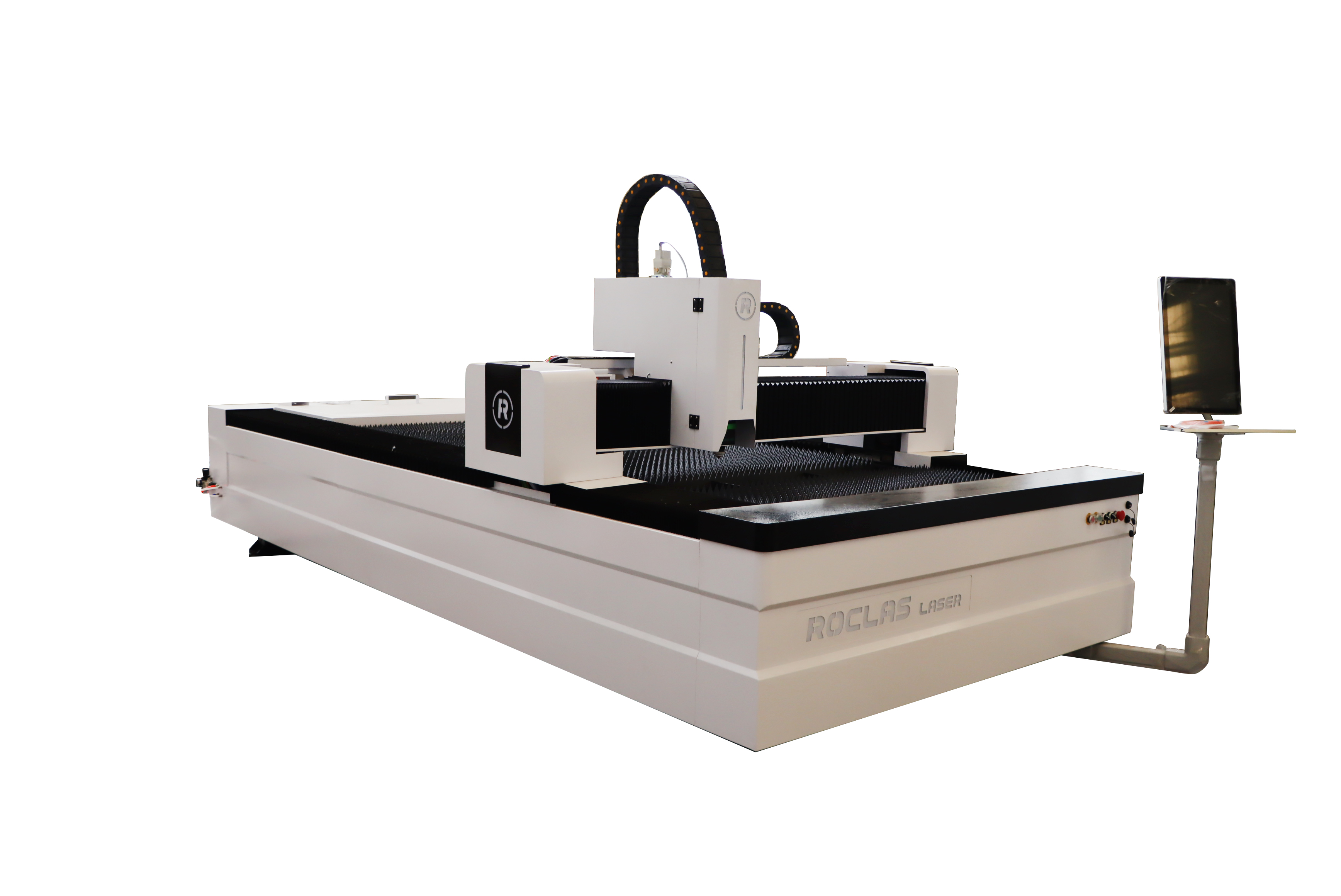
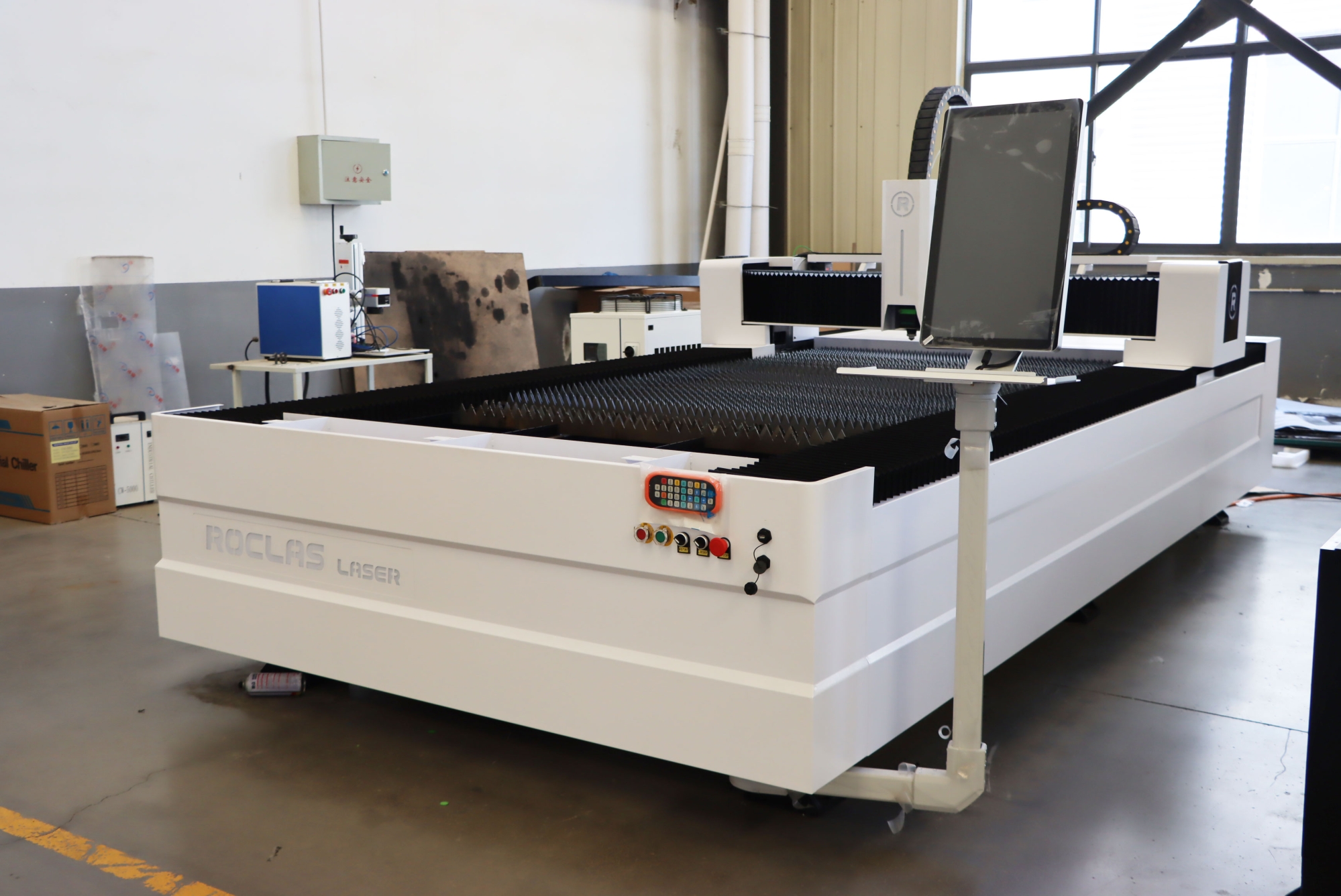
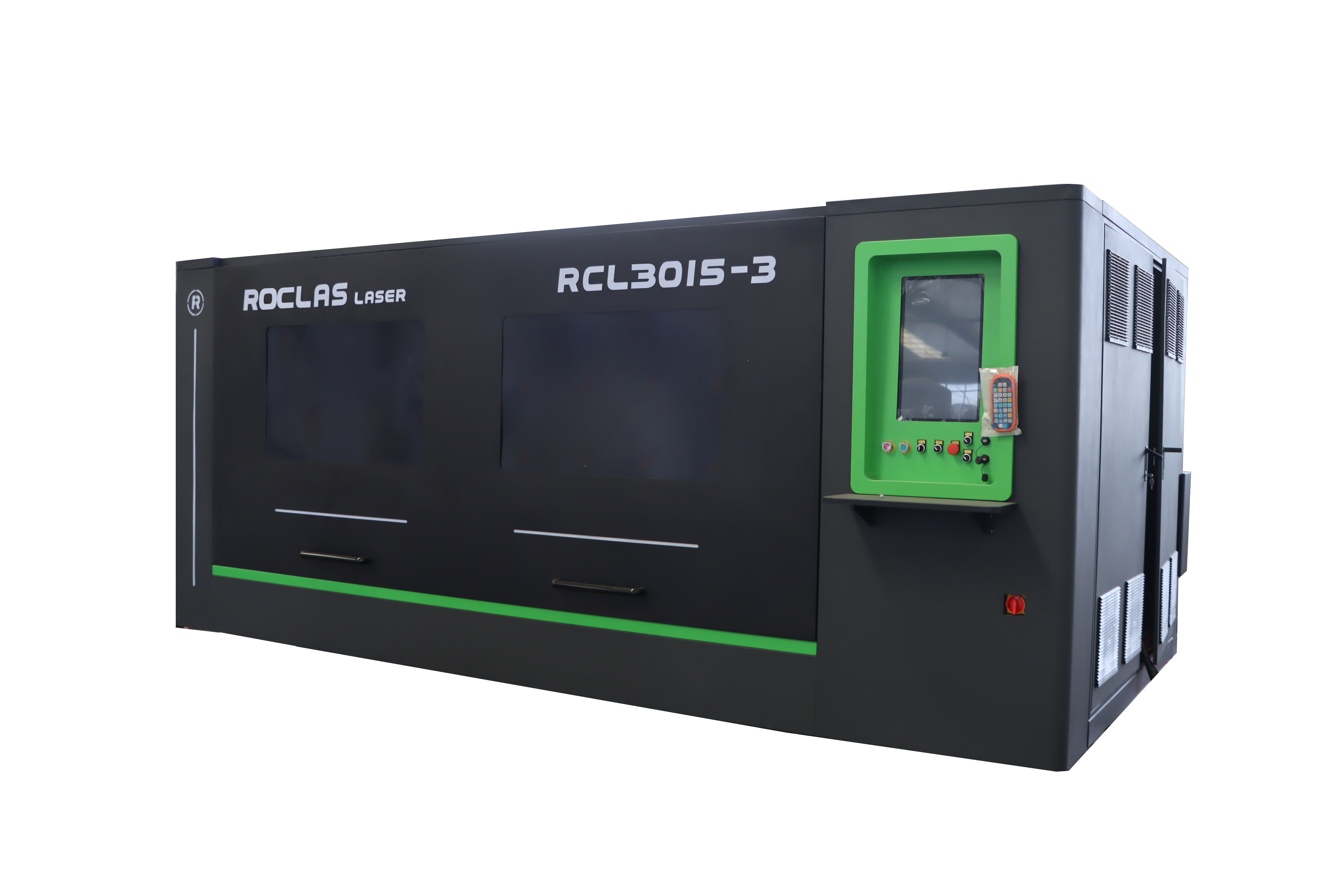
ROCLAS® MACHINERY CO., LTD. has established a presence in markets that share Brazil's characteristics: high import barriers, diverse material processing requirements, and demand for machines that remain productive under continuous operation. The company's fiber laser cutting machines, spanning 1000W to 20KW, are built around the same architectural principles—heavy-duty steel structures, CNC five-face machining, and imported servo systems—that Brazilian fabricators associate with durability.
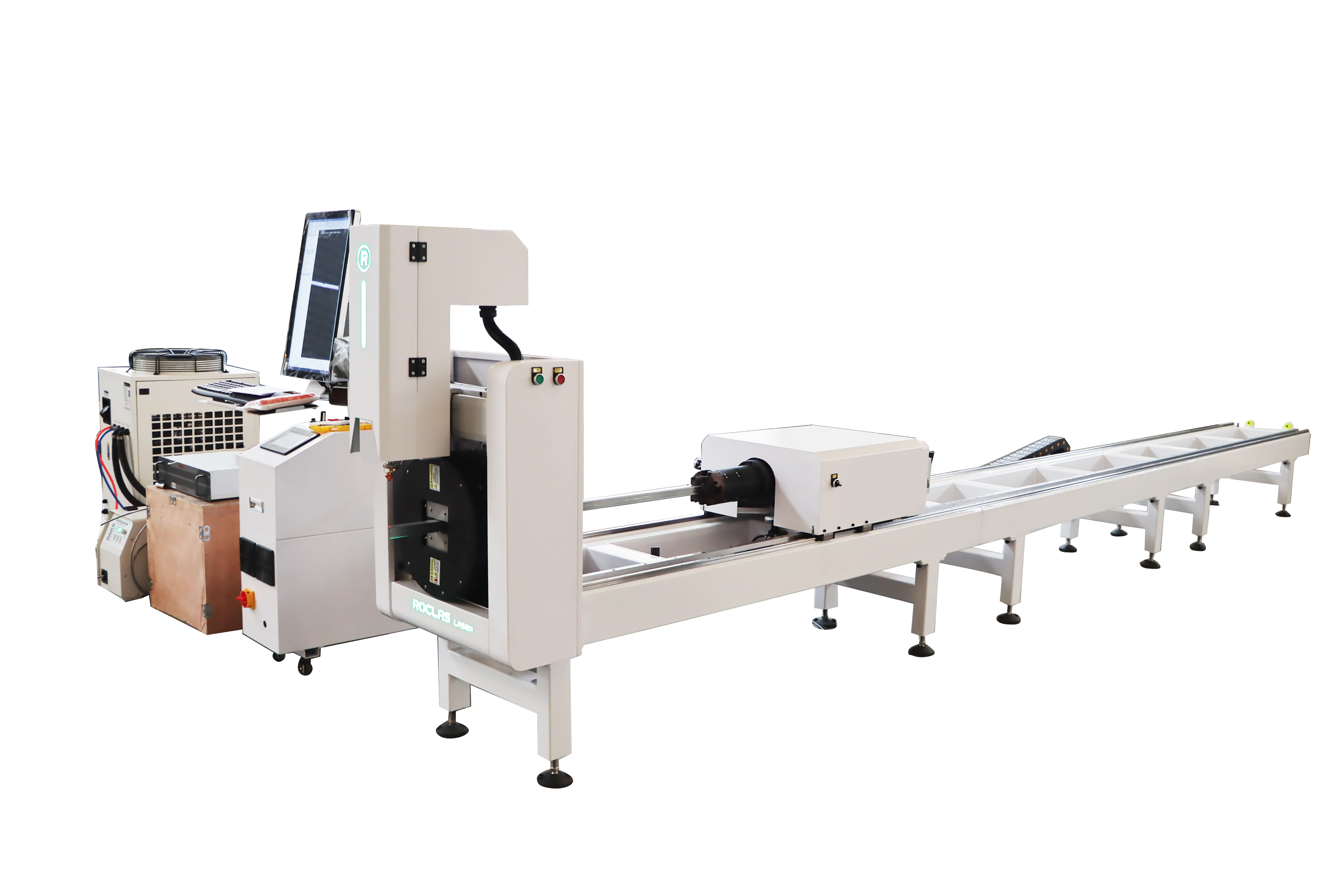
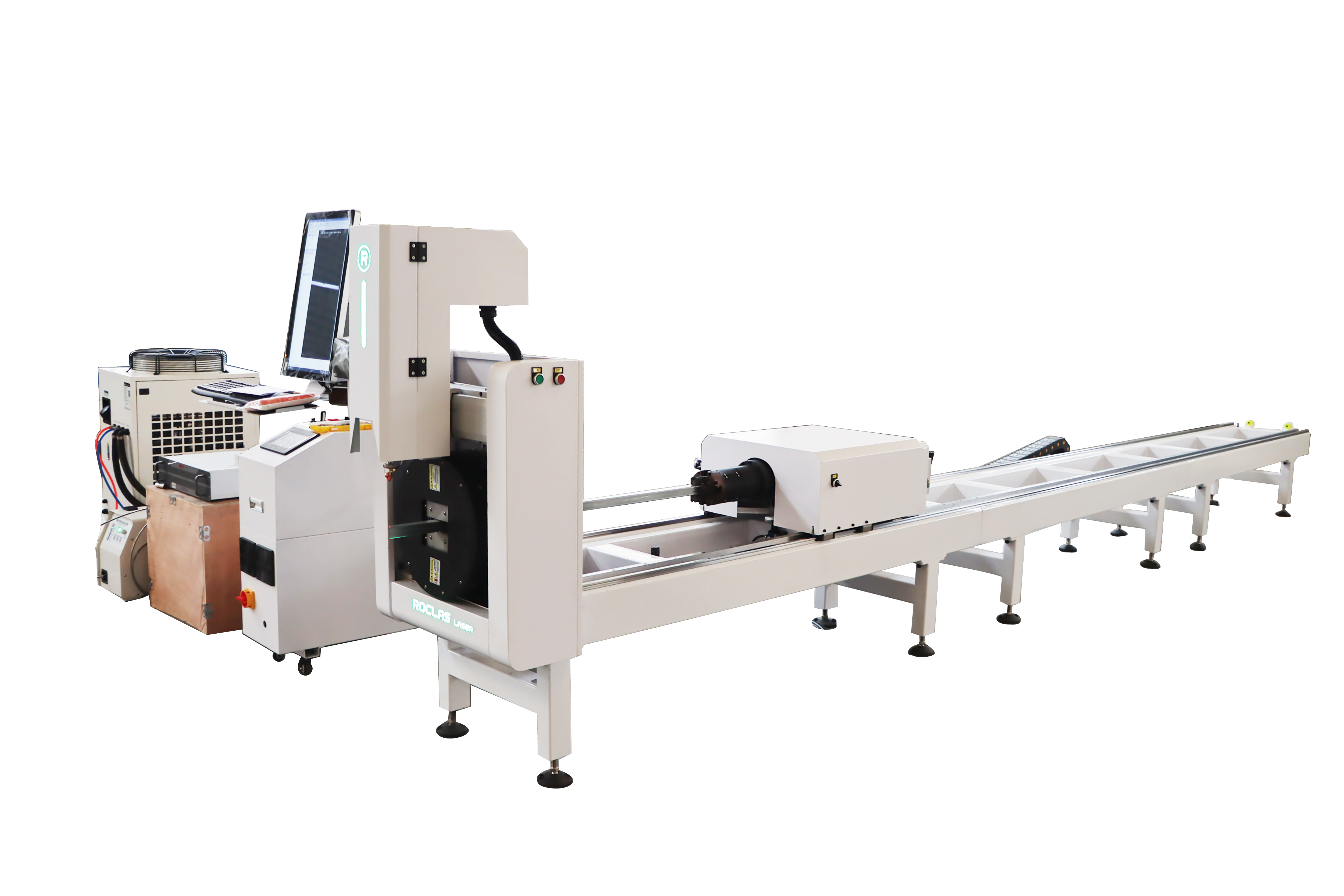
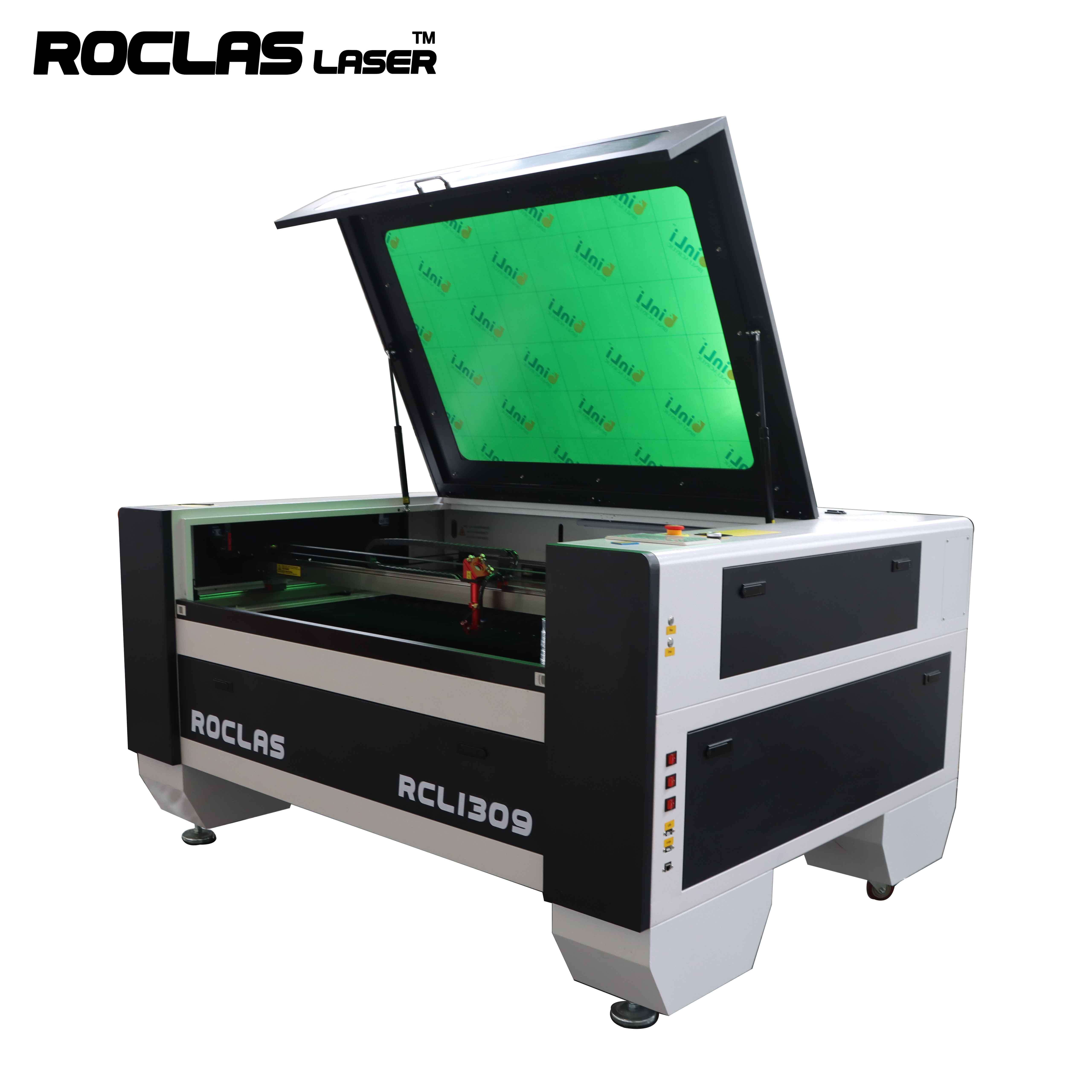
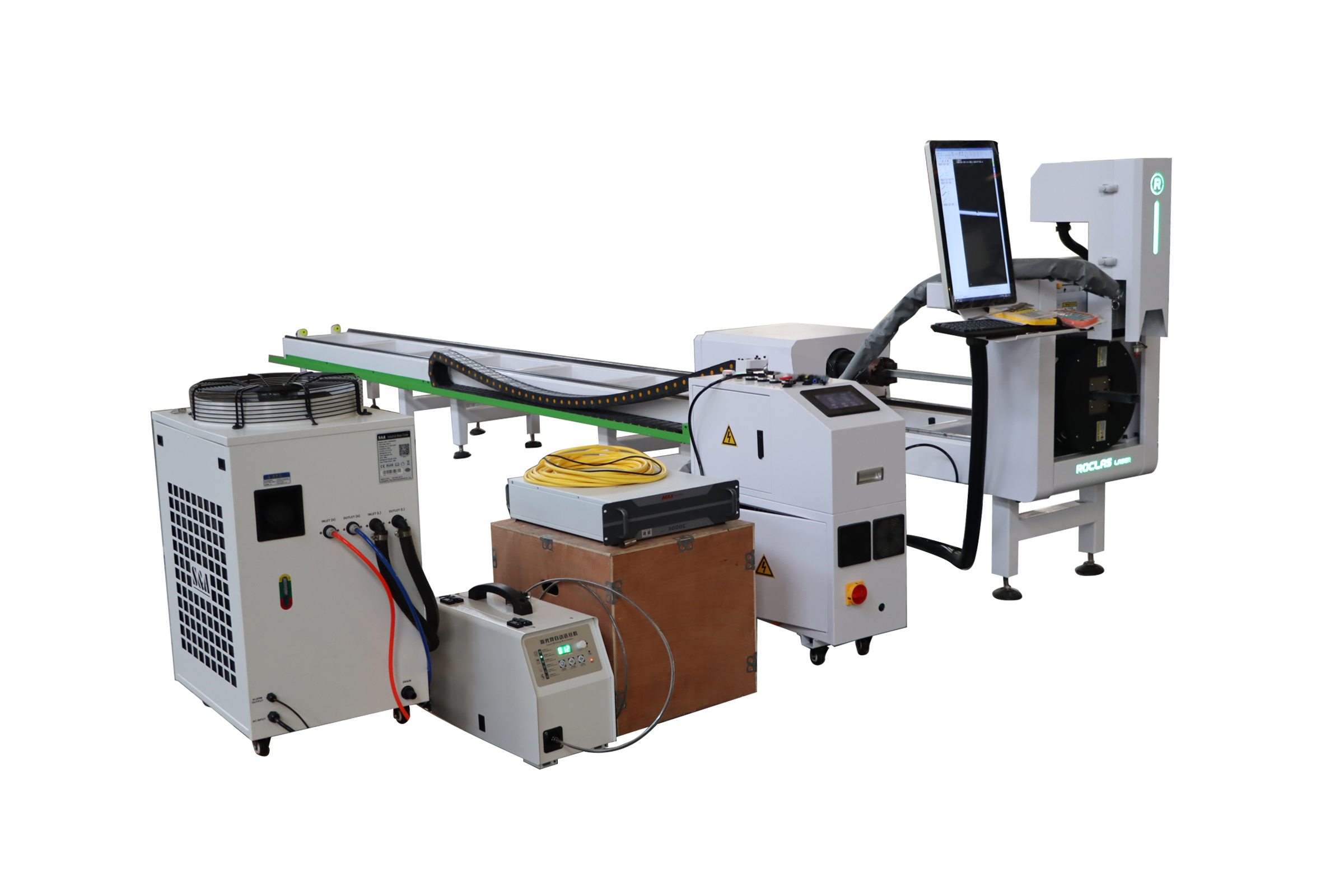
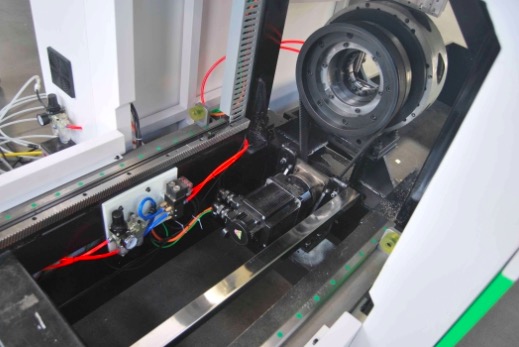
For Brazilian buyers evaluating fiber laser cutting machine price, ROCLAS® offers several configurations relevant to the market. The sheet and tube integrated machine, for example, allows a single system to process both flat stock and pipe up to 220mm diameter, a capability that suits the mixed-production environment common among Brazilian job shops. The CO2-fiber hybrid model (RCL1530-500W) addresses another Brazilian reality: many fabrication businesses handle both metals and non-metals—acrylic for signage, wood for furniture components—and a dual-source machine eliminates the need for a second capital expenditure.
ROCLAS® equipment carries ISO 9001, CE, FDA, and UL certifications, which matters for Brazilian importers navigating regulatory requirements. The company's stated R&D capacity—50+ patents with 10+ added annually—suggests ongoing development rather than static product lines, a factor that influences long-term parts availability and software updates.
Sourcing Strategy and Outlook
For Brazilian companies budgeting a fiber laser cutting machine purchase, three strategic considerations merit attention. First, the landed cost calculation should include not only duties and taxes but also freight, installation, and the first year of spare parts. Second, power selection should be driven by the thickest material the business expects to cut regularly, not the thinnest—underpowered machines generate hidden costs through slow processing and secondary operations. Third, distributor relationships matter: a machine is only as good as the local support behind it.
The trajectory of the Brazilian market points toward continued adoption of fiber laser technology, particularly in the 3KW–6KW range, as domestic manufacturers seek to reduce reliance on outsourced cutting services. Price competition among Chinese, European, and domestic suppliers will likely intensify, but buyers who evaluate machines on total cost of ownership—rather than acquisition price alone—will capture the greater value.