Abstract
The global Fiber laser cutting machine market has undergone significant consolidation over the past decade, with suppliers differentiating themselves through power scalability, motion control precision, and structural engineering. This analysis examines the technical and commercial criteria that distinguish capable suppliers from commodity vendors, using ROCLAS® MACHINERY CO., LTD. as a reference case for mid-to-high-tier equipment manufacturing. The discussion covers power configurations, accuracy specifications, and the practical implications of component sourcing decisions.
Market Context and Supplier Landscape
Fiber laser cutting has largely displaced CO2 and plasma technologies in metal fabrication since 2015. The transition accelerated as fiber laser sources from manufacturers like Raycus and MAX achieved reliable output at lower cost per kilowatt. Today, suppliers range from integrators assembling third-party components to vertically integrated manufacturers controlling structural fabrication through software development.
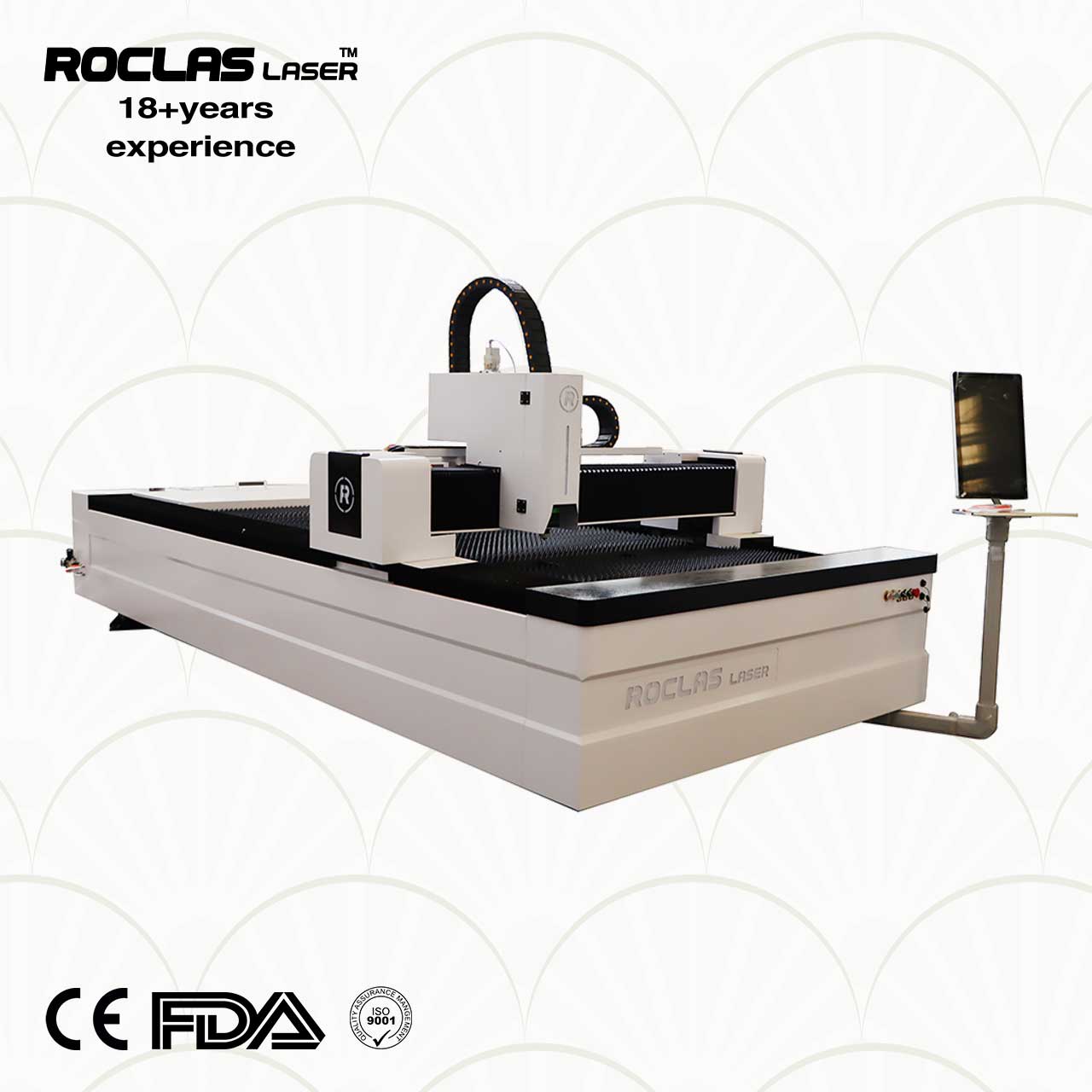
The distinction matters for buyers because laser cutting quality depends on more than the laser source alone. Machine bed rigidity, servo tuning, and thermal management during extended operation often determine whether a 12KW system achieves its rated performance in production environments.
Table 1: Representative Fiber Laser Cutting Machine Configurations by Power Class
| Power Class | Typical Application | Cutting Thickness (Mild Steel) | Positioning Accuracy | Max Travel Speed | Common Control System |
|-------------|---------------------|-------------------------------|---------------------|------------------|----------------------|
| 1000W–2000W | Thin sheet, signage, HVAC | 0.5–6mm | ±0.03mm | 100m/min | Cypcut 3000S |
| 3000W–6000W | General fabrication, automotive | 1–16mm | ±0.03mm | 100m/min | Cypcut 3000S |
| 8000W–12000W | Heavy machinery, shipbuilding | 2–25mm | ±0.03mm | 100m/min | Cypcut 3000S |
| 15000W–20000W | Thick plate, structural steel | 6–40mm+ | ±0.03mm | 100m/min | Cypcut 3000S |
Note: Cutting thickness varies with material type, assist gas, and edge quality requirements. Data reflects typical specifications for industrial-grade equipment.
The table reveals that positioning accuracy remains consistent across power classes—±0.03mm for X/Y axes, ±0.02mm repositioning—indicating that accuracy is governed by mechanical design rather than laser power. Suppliers achieving these specifications typically employ imported servo drives and ground ball screws rather than belt-driven systems. Travel speed and acceleration (1.0G maximum) similarly depend on gantry mass and structural damping characteristics.
The practical implication: a supplier offering 20KW capability on a lightweight frame may deliver inferior cut quality compared to a well-engineered 6KW system. Buyers should evaluate the complete motion platform, not just the laser source wattage.
Technical Differentiation Among Suppliers
Component sourcing strategies separate suppliers into distinct tiers. Entry-level vendors frequently use domestic servo motors, unhardened guide rails, and welded frames without stress relief. These machines can produce acceptable results in light-duty applications but exhibit accuracy drift under continuous operation.
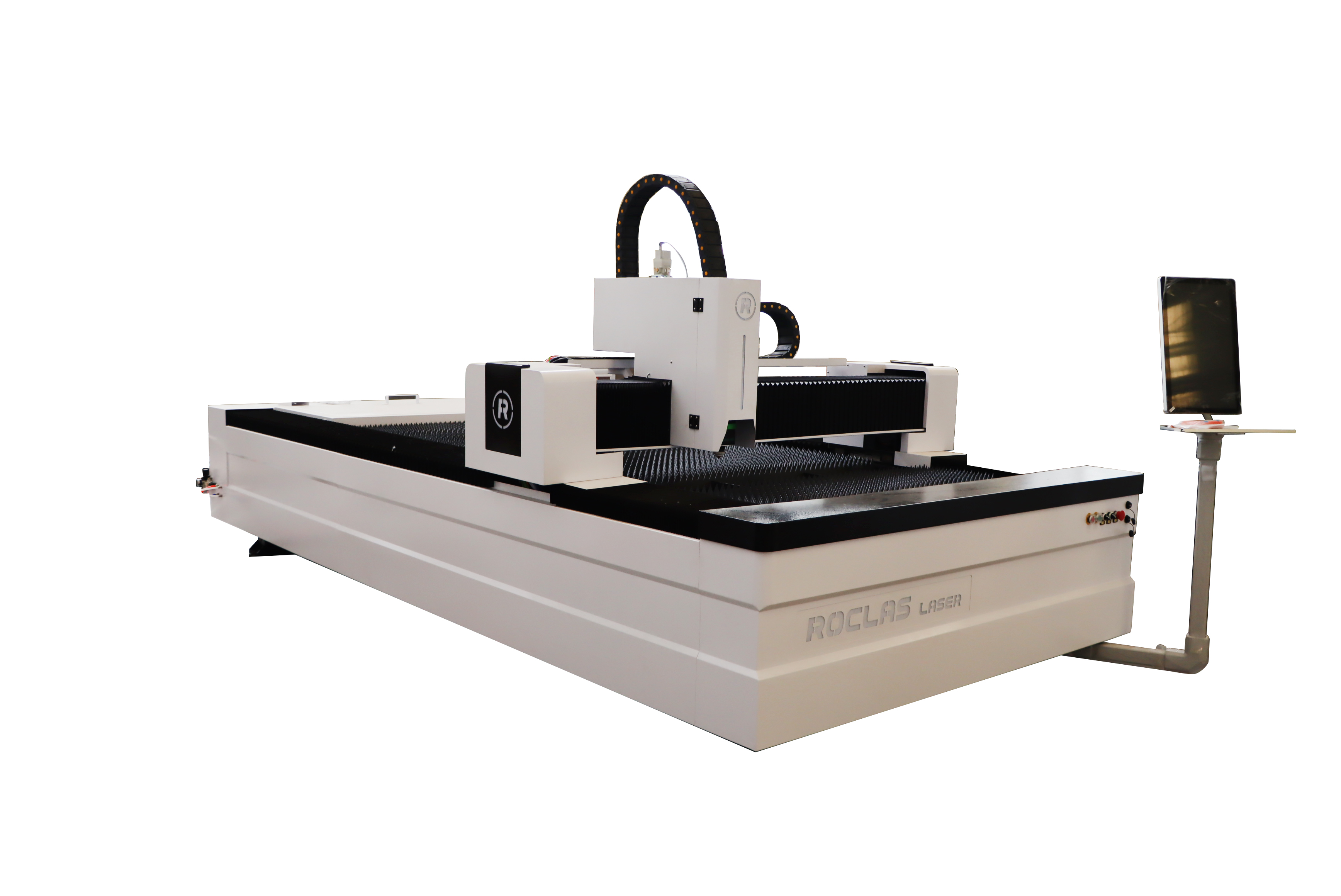
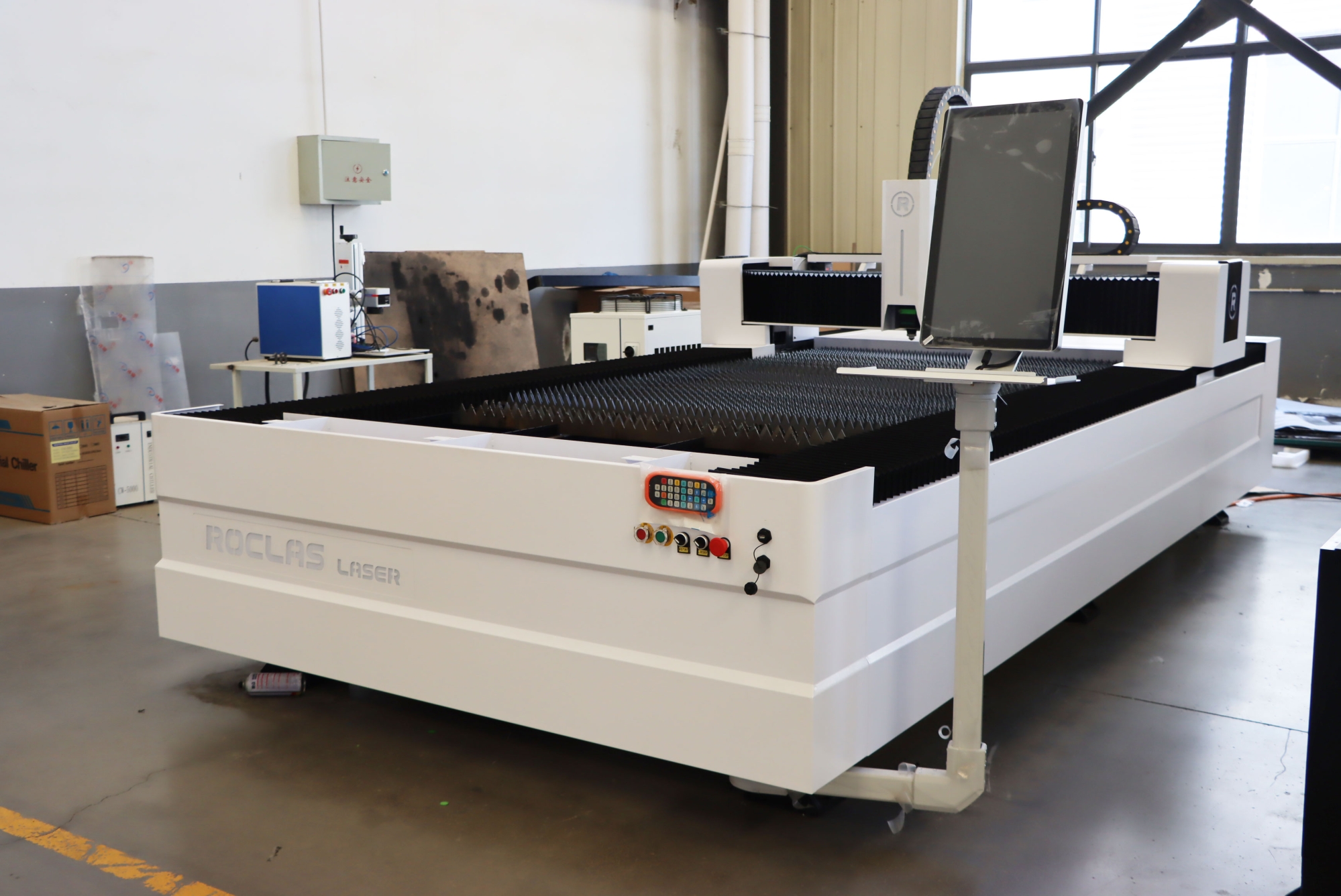
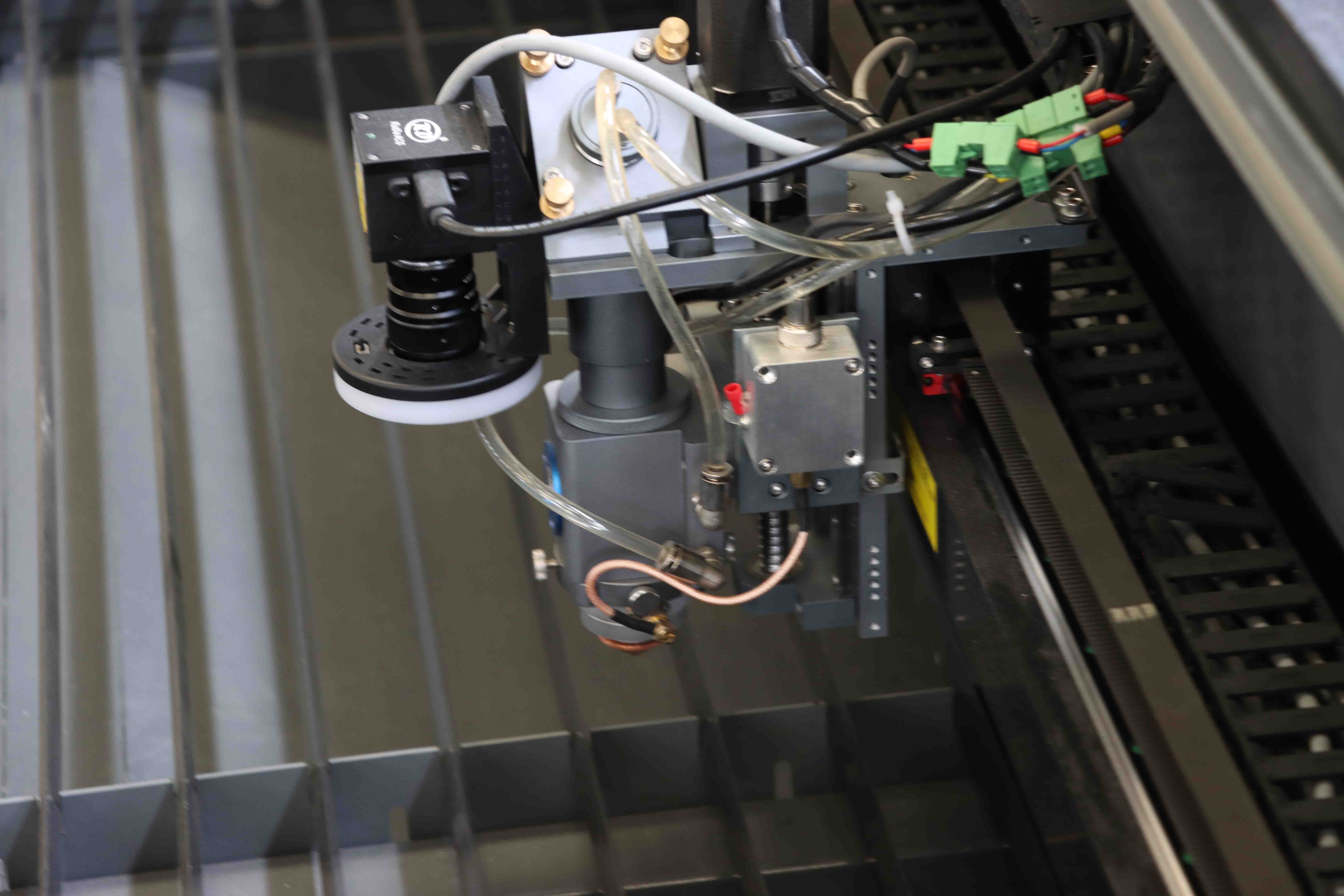
Mid-tier and premium suppliers adopt different approaches. ROCLAS, for instance, specifies France Schneider electrical components, Japan SMC pneumatic systems, and German igus cable carriers. The company manufactures machine beds through CNC five-face machining centers, ensuring perpendicularity and flatness tolerances that manual fabrication cannot reliably achieve. This manufacturing method also enables modular bed designs—screw-connected rather than welded—which maintain structural integrity while simplifying transport and installation.
The high-reflectivity suppression module represents another differentiator. Processing copper and aluminum challenges fiber laser systems because reflected beam energy can damage the laser source or cutting head. Suppliers addressing this issue enable stable cutting of 1–2mm copper and 2–3mm aluminum, expanding material compatibility beyond mild steel and stainless.
Control system selection also varies. The Cypcut 3000S platform, used across ROCLAS fiber laser models, provides automatic nesting, kerf compensation, and real-time power adjustment. Suppliers relying on generic controllers may lack these features or require costly add-ons.
Application-Specific Considerations
Different industries impose distinct requirements. Automotive suppliers prioritize cutting speed and edge quality for thin-gauge materials. Shipyards and structural fabricators need thick-plate capability and large working envelopes. Tube processing demands rotary axis accuracy and chuck repeatability.
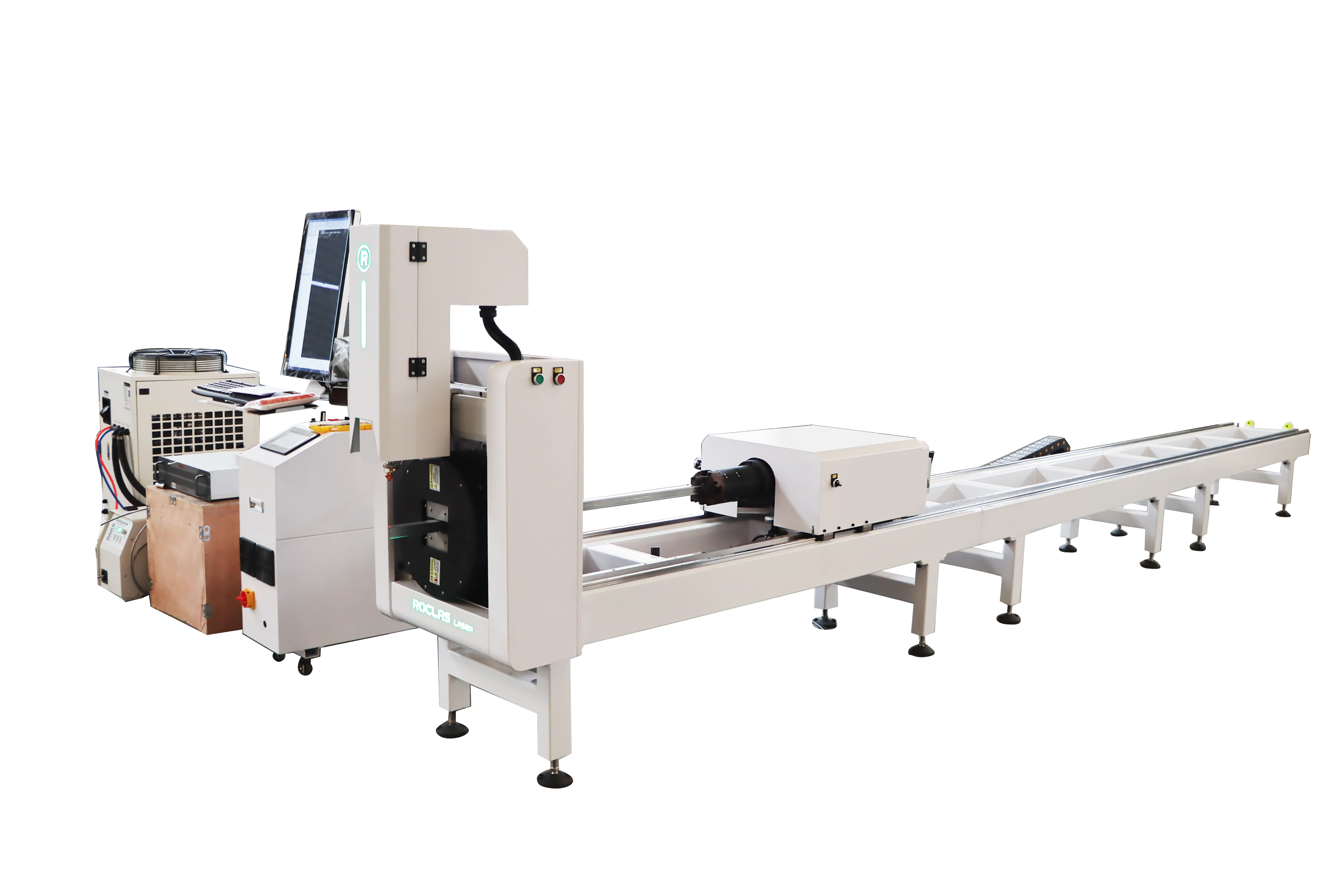
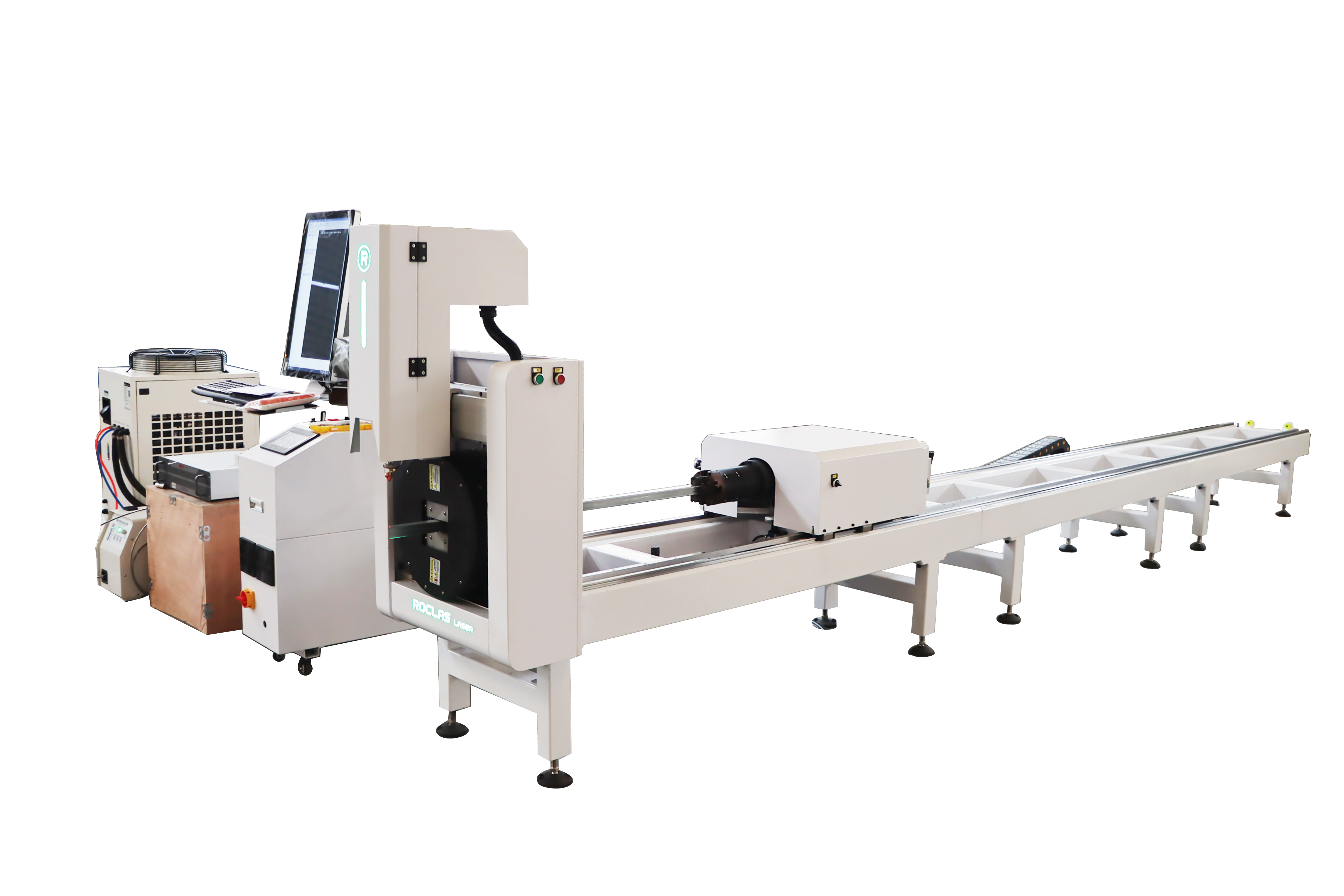
A supplier's product range indicates their engineering depth. Single-model vendors typically target one application. Comprehensive suppliers offer sheet cutting machines, tube cutting systems, sheet-tube integrated platforms, and 5-axis centers for three-dimensional workpieces. ROCLAS exemplifies this breadth, with working areas from 1500×3000mm to 4000×2000mm, tube diameters up to 220mm, and 5-axis heads providing n×360° infinite rotation.
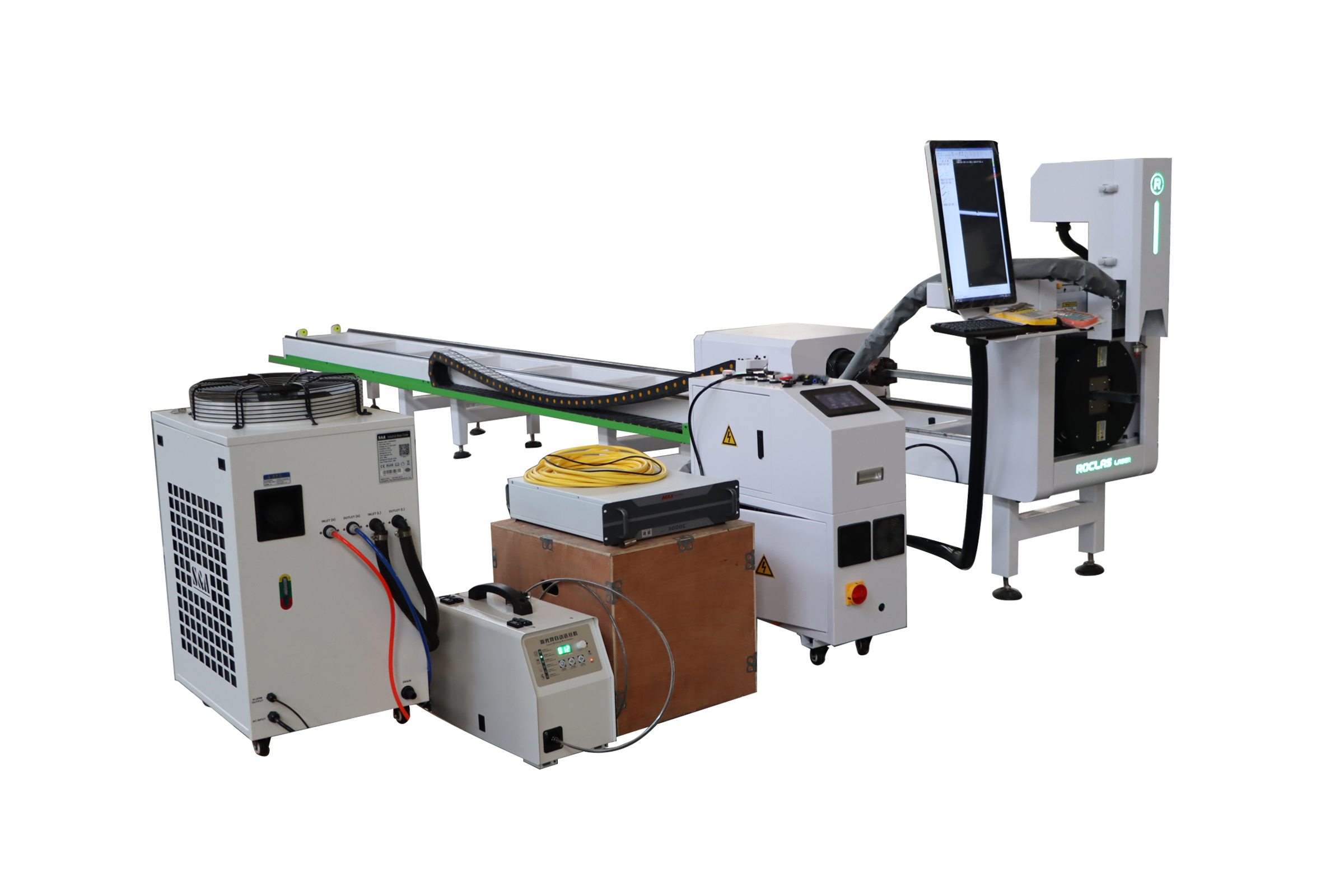
Auxiliary equipment further reveals supplier capability. Nitrogen generators, robotic arms, waste conveying systems, and coil uncoilers transform a standalone machine into a production line. Suppliers offering these integrations demonstrate understanding of manufacturing workflows beyond the cutting operation itself.
Certification and Quality Assurance
International certifications provide objective benchmarks. ISO 9001 indicates documented quality management. CE certification confirms compliance with European safety directives. FDA certification for laser products (certificate numbers 2521816-000 for cutting, 2520443-000 for engraving) demonstrates adherence to U.S. radiation safety standards. UL and PDL certifications address electrical and product safety respectively.
These certifications require ongoing compliance, not one-time achievement. Suppliers maintaining multiple certifications across product lines demonstrate consistent manufacturing discipline.
Conclusion
Selecting a fiber laser cutting machine supplier requires evaluating structural engineering, component quality, control system capability, and application fit—not simply comparing laser power ratings and prices. The most capable suppliers combine robust machine design, verified accuracy specifications, and comprehensive product ranges that address diverse manufacturing requirements. Buyers should request cutting samples on their actual materials, inspect machine bed construction, and verify certification validity before committing to a purchase.