Abstract
The integration of automated packing systems into laser cutting production lines represents a significant shift in how metal fabrication workshops approach end-of-line logistics. While much attention has been devoted to cutting speed, laser power, and positioning accuracy, the downstream process of sorting, stacking, and packing finished parts often remains a bottleneck. This article examines the role of Smart Packing Machines within fiber laser cutting environments, drawing on technical specifications and application data from ROCLAS® MACHINERY CO., LTD., a manufacturer whose portfolio extends beyond cutting heads to include auxiliary automation equipment. The discussion covers market context, technical integration, and the practical implications for workshops seeking to reduce labor dependency and improve throughput consistency.
---
1. Industry Context and the End-of-Line Gap
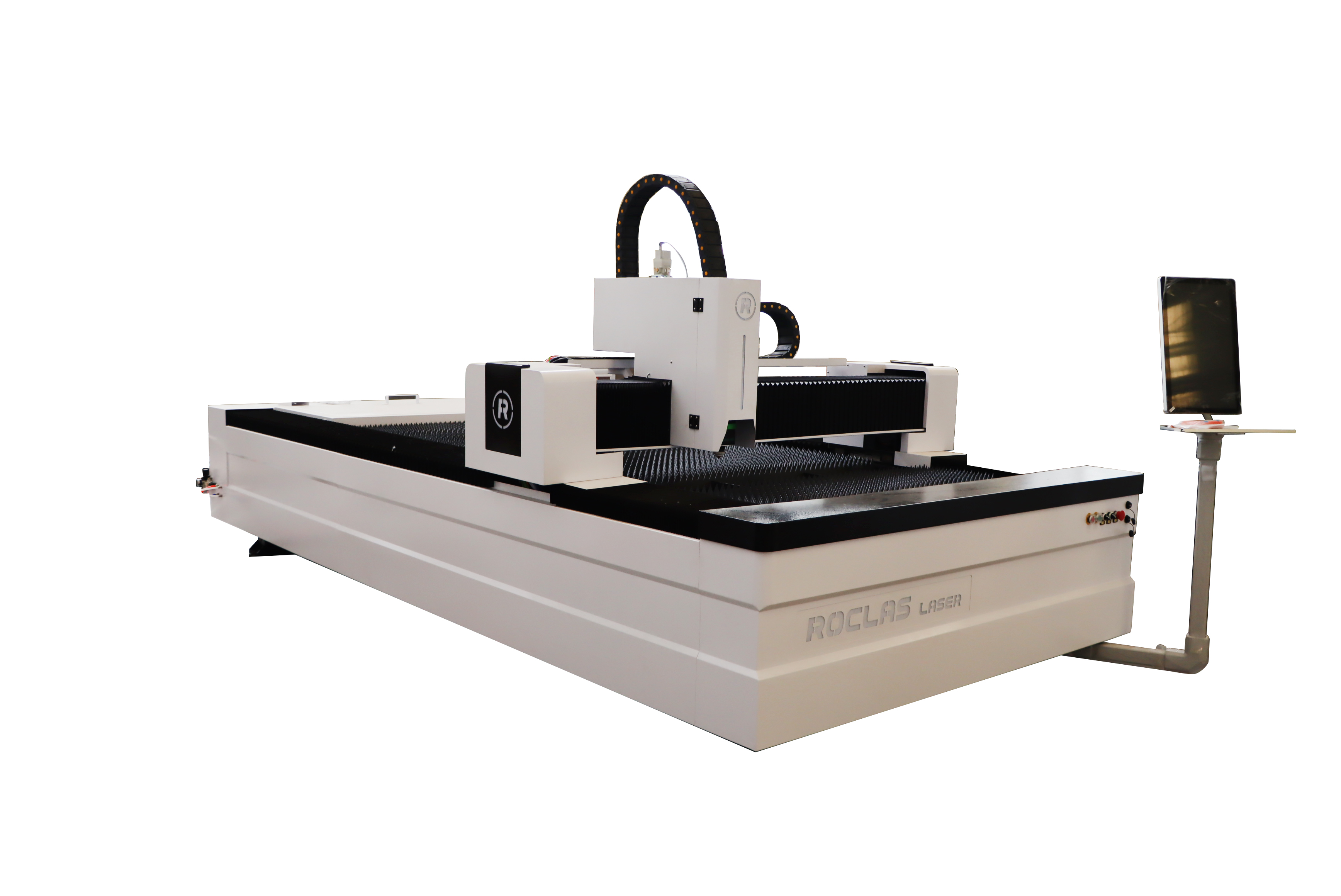
Fiber laser cutting technology has matured considerably over the past decade. Entry-level machines now routinely offer 1000W to 3000W power with positioning accuracy of ±0.03mm, while high-end configurations reach 20KW for thick-plate processing. Travel speeds of 100m/min and maximum accelerations of 1.0G are no longer exceptional. The cutting process itself, in other words, is fast.
The problem is that cutting speed alone does not determine production capacity. A machine that cuts a 3000×1500mm sheet in under two minutes still requires someone—or something—to remove the finished parts, separate scrap, stack components by job order, and prepare them for shipment or downstream processing. In many workshops, this remains a manual operation. The result is a familiar imbalance: the laser races ahead while the back end struggles to keep pace.
This is where smart packing machines enter the picture. Rather than treating packing as a separate, labor-intensive step, manufacturers are increasingly looking at integrated systems that connect cutting output directly to organized, traceable packing. The logic is straightforward: if the cutting process is automated, the handling process should be too.
---
2. Data Snapshot: Equipment Categories and Integration Levels
The following table summarizes typical equipment categories found in a modern laser cutting production line, along with their primary functions and integration characteristics. The data reflects configurations commonly offered by full-scope suppliers such as ROCLAS, whose product range spans cutting, welding, cleaning, and auxiliary systems.
| Equipment Category | Primary Function | Typical Integration Level | Key Technical Parameters |
|---------------------|------------------|---------------------------|--------------------------|
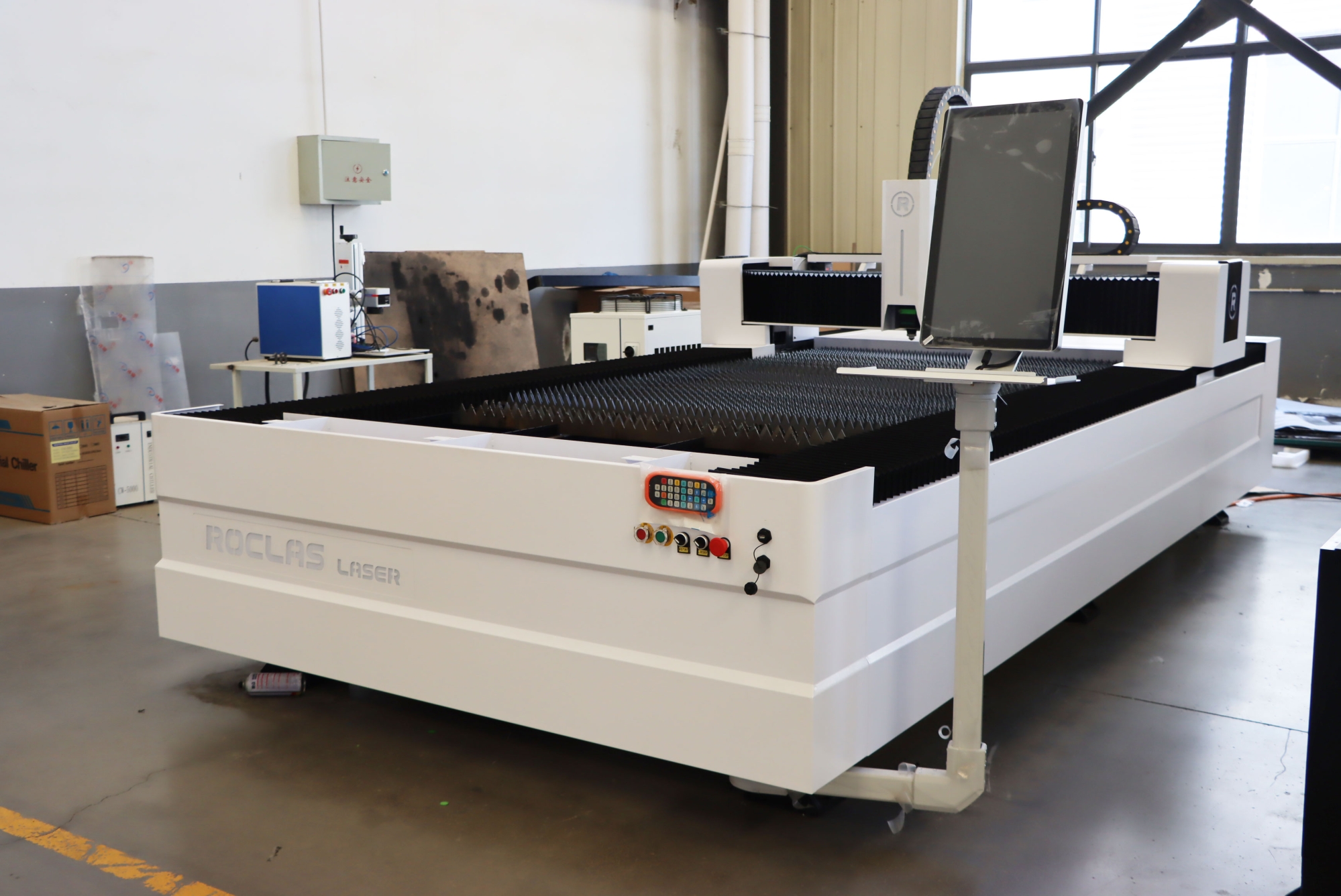
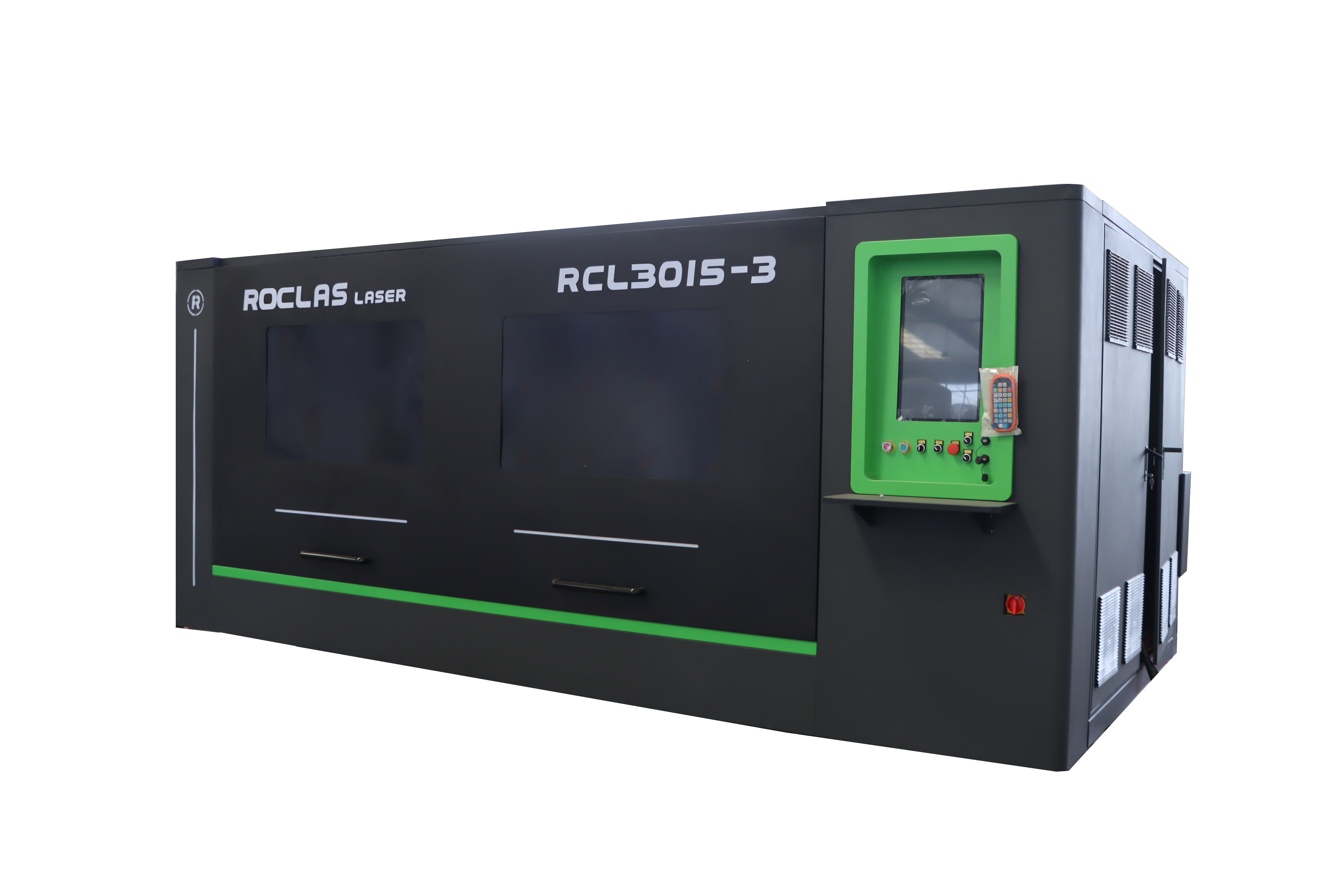
| Fiber Laser Cutting Machine | Sheet/tube cutting | Core processing unit | 1000W–20KW; ±0.03mm positioning |
| Smart Packing Machine | Automated part sorting and packing | End-of-line automation | Customizable; synchronized with cutting output |
| Nitrogen Generator | Assist gas supply | Support system | 99.999% purity; 3.8m³/min capacity |
| Robotic Arm System | Part handling and transfer | Flexible automation | Payload dependent; programmable |
| Waste Conveying System | Scrap removal | Integrated with cutting bed | Continuous operation |
| Steel Coil Uncoiler | Coil-fed material supply | Upstream automation | Reduces power consumption vs. press lines |
The table illustrates a structural point: smart packing does not operate in isolation. Its effectiveness depends on how well it communicates with the cutting machine, the robotic handling system, and the waste removal mechanism. In a well-designed line, these components function as a single production entity rather than a collection of standalone machines.
Consider the nitrogen generator. At 99.999% purity and 3.8m³/min purified air handling capacity, it ensures consistent assist gas quality—critical for clean cuts in stainless steel and aluminum. If the packing system is downstream of a cutting process that occasionally produces dross or inconsistent edges, the packing operation inherits those quality issues. Integration, therefore, is not merely a matter of physical proximity; it is a matter of process consistency.
---
3. Technical Application: How Smart Packing Fits into Laser Cutting Workflows
The practical implementation of smart packing in a laser cutting environment varies by production profile. For high-volume, low-mix operations—such as cutting identical brackets or panels—the packing machine can be programmed to stack parts in fixed quantities, apply protective interleaving, and prepare pallets for dispatch. The repetitive nature of the work makes automation relatively straightforward.
For high-mix, low-volume job shops, the challenge is greater. Parts differ in size, shape, and material. A smart packing system must therefore be flexible: capable of recognizing different part geometries, adjusting stacking patterns, and maintaining traceability across job orders. This requires vision systems, programmable logic controllers, and software that can interface with the cutting machine's nesting data.
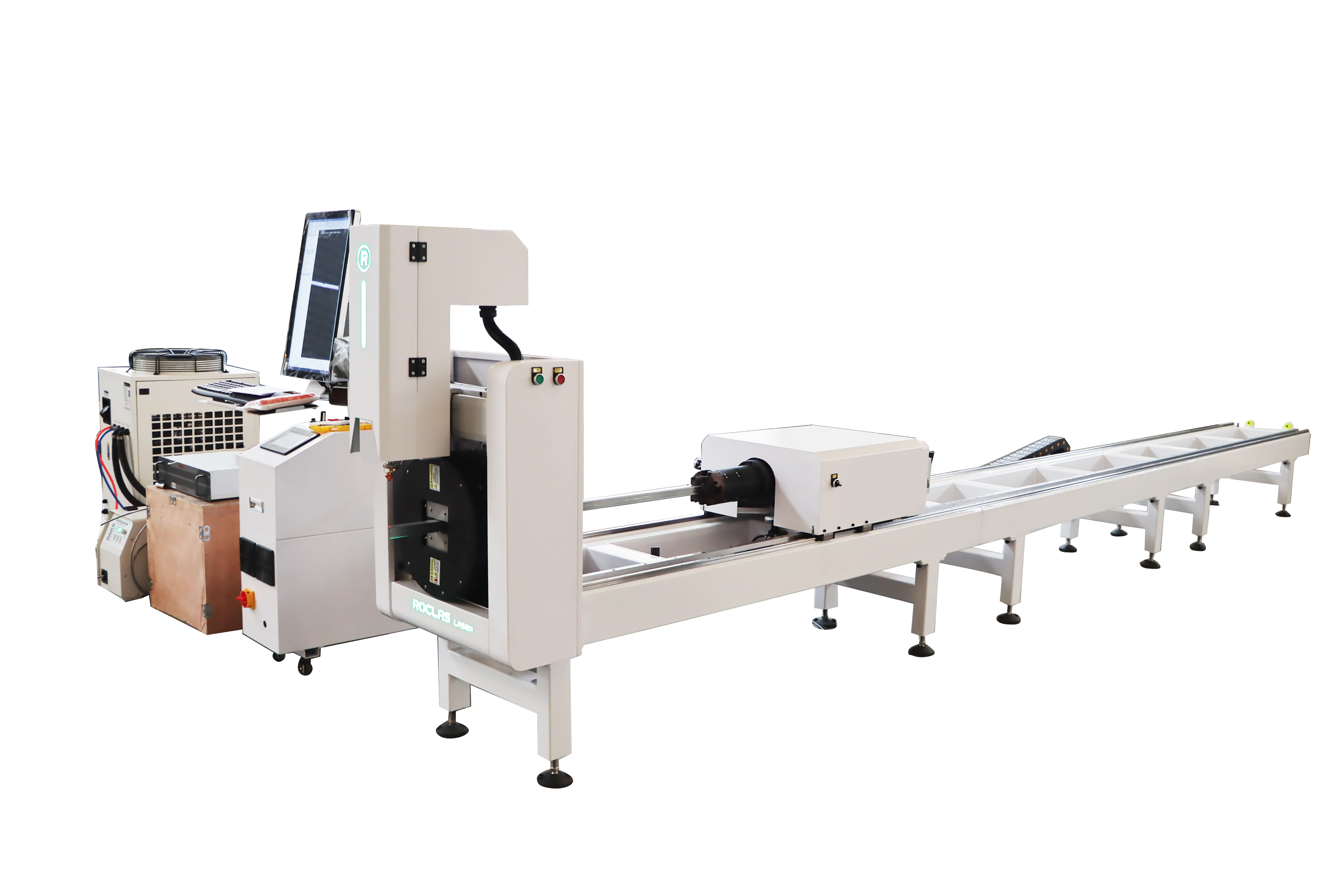
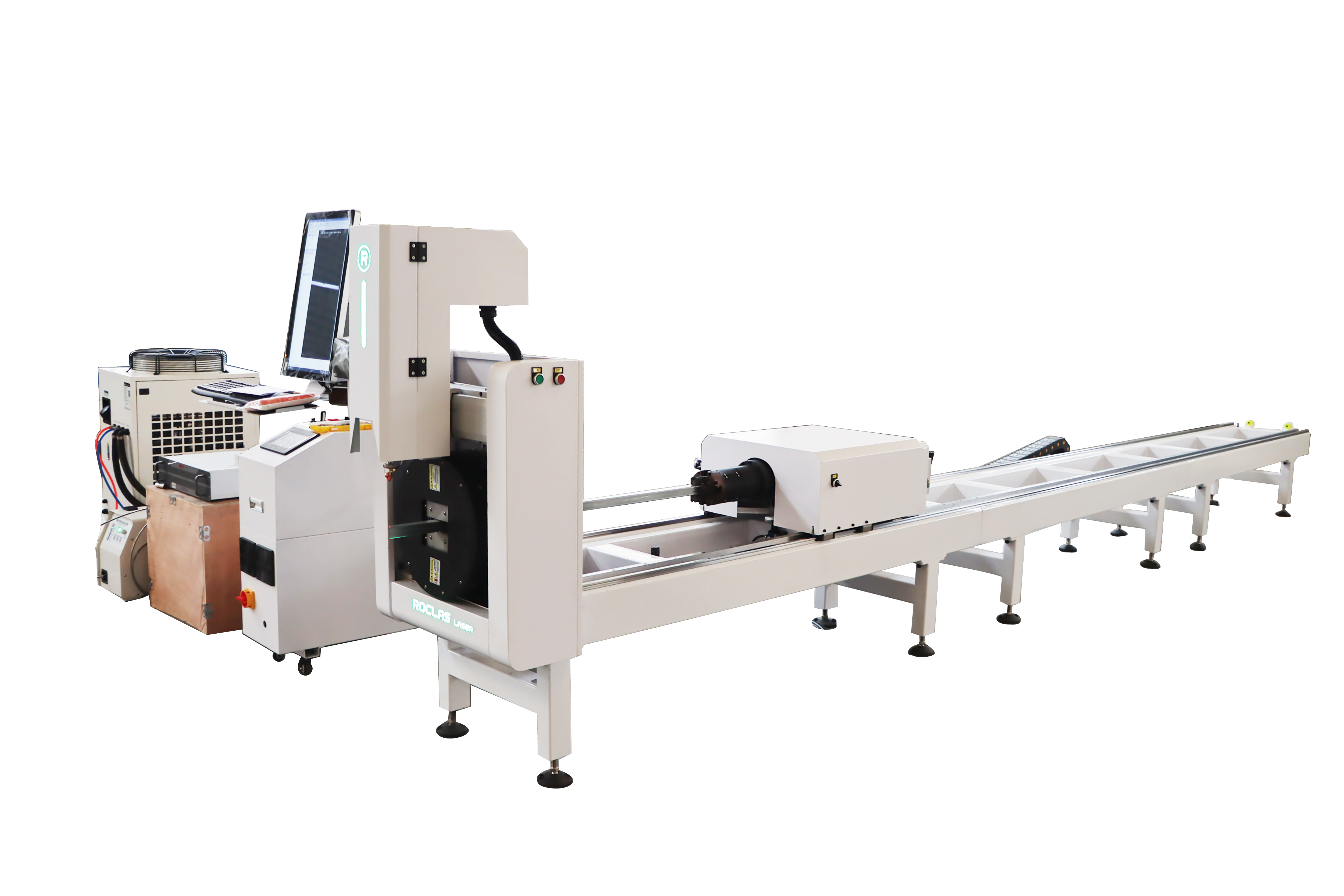
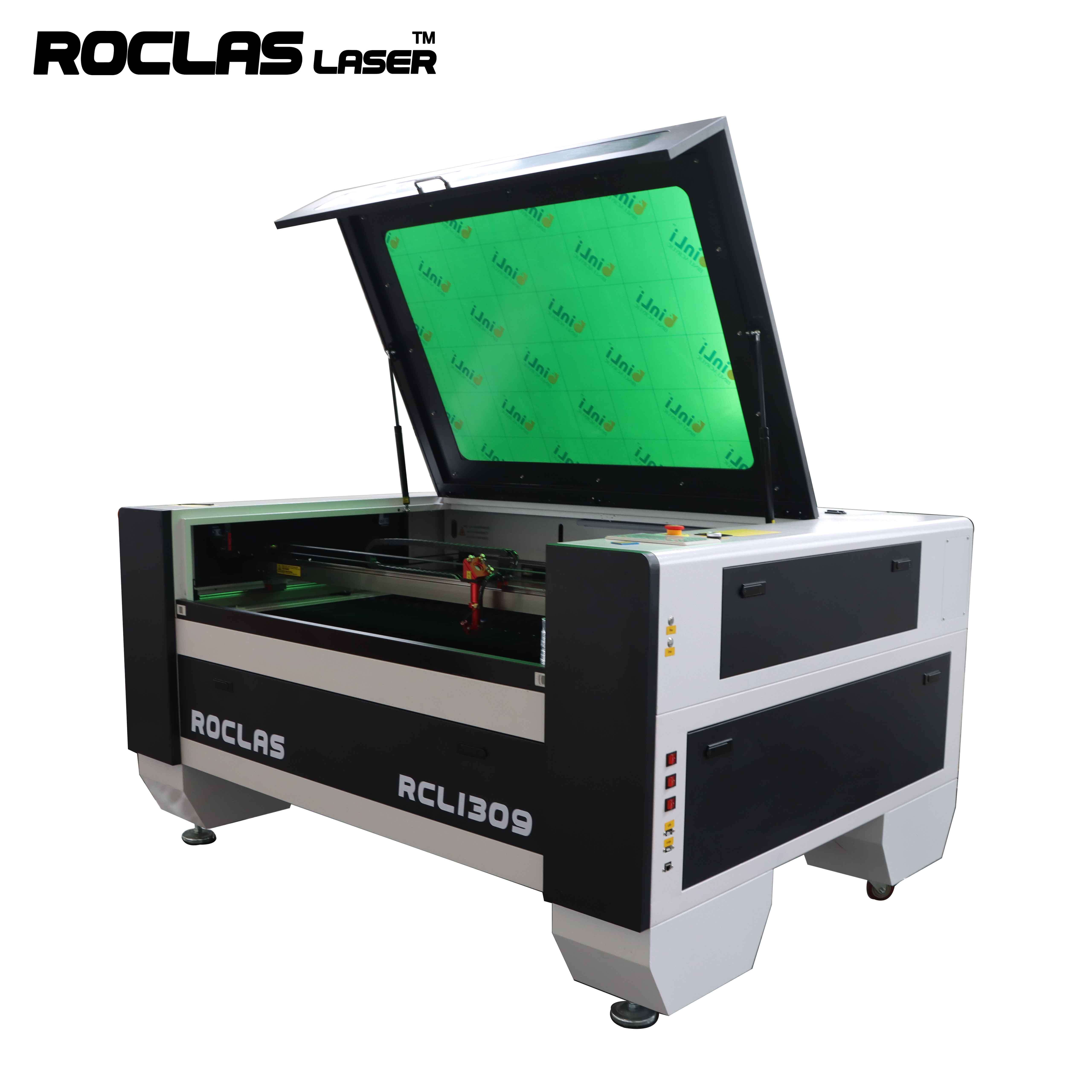
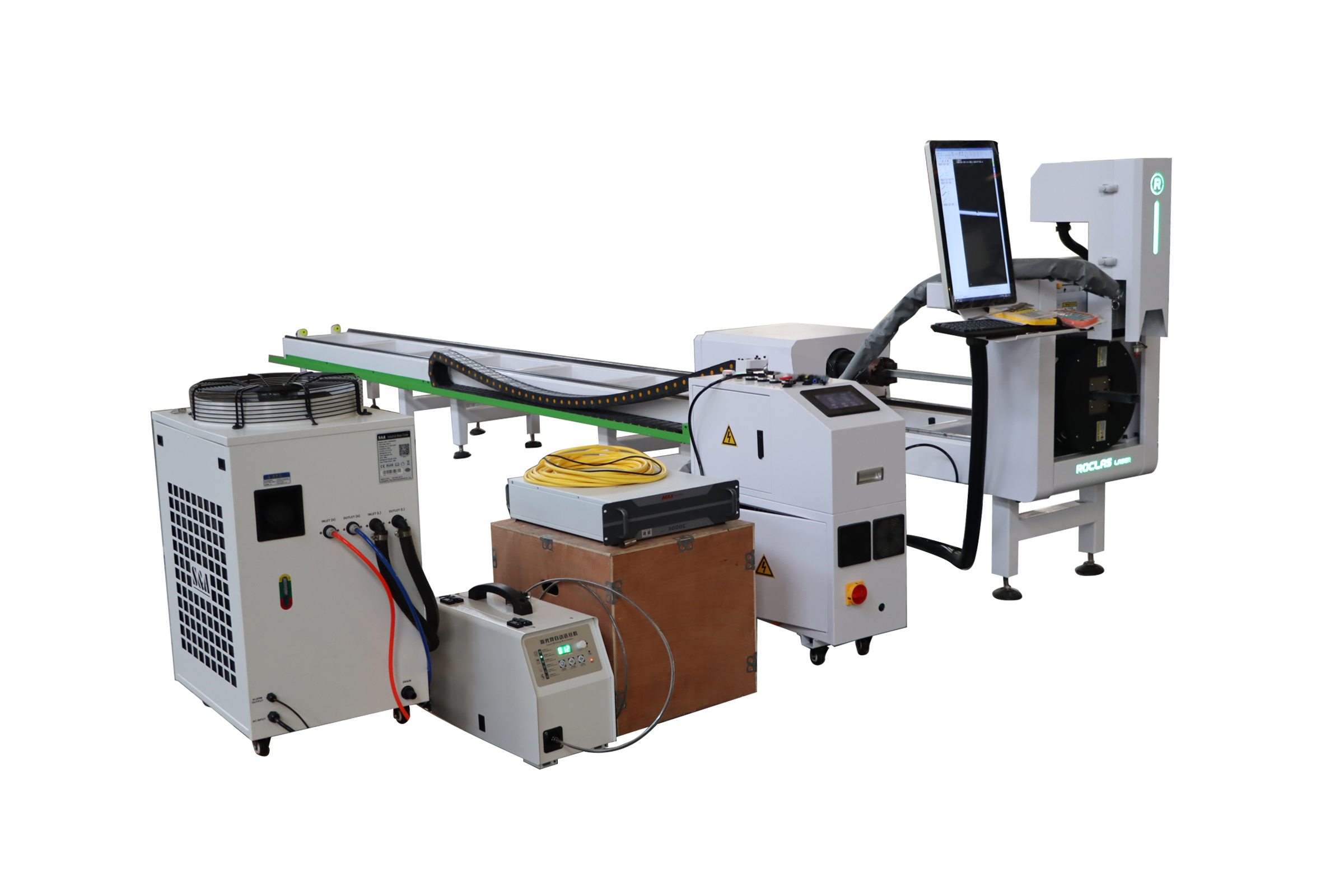
ROCLAS addresses this through its auxiliary equipment lineup, which includes smart packing machines alongside robotic arm systems and waste conveying solutions. The company's approach reflects a broader industry trend: the recognition that a laser cutting machine is most valuable when it is part of a coordinated production system. ROCLAS's portfolio—covering fiber laser cutting, 5-axis cutting centers, CO2 hybrid machines, welding equipment, and cleaning systems—positions it as a supplier of integrated fabrication solutions rather than isolated machines.
A typical integrated workflow might proceed as follows:
1. Material Loading: Steel coil uncoiler or sheet loader feeds material to the cutting bed.
2. Cutting: Fiber laser cuts parts according to nested program; waste falls through or is conveyed away.
3. Part Extraction: Robotic arm or manual transfer moves finished parts to the packing station.
4. Smart Packing: System sorts, stacks, and packs parts according to job order or customer requirements.
5. Dispatch Preparation: Packed pallets or containers are labeled and staged for shipping.
Each step introduces potential failure points. The smart packing machine must handle parts that may still be warm, may have sharp edges, or may be delicate depending on material thickness. The system's grippers, conveyors, and stacking mechanisms must be designed with these realities in mind.
---
4. Economic and Operational Considerations
The decision to invest in smart packing equipment is rarely driven by technology alone. Labor availability, wage costs, and consistency requirements are often more decisive. In regions where skilled machine operators are scarce, automating the packing function reduces dependence on manual labor and allows existing staff to focus on higher-value tasks such as programming, quality inspection, and maintenance.
There is also the question of floor space. A smart packing machine occupies a footprint that might otherwise be used for manual packing stations or temporary storage. In compact workshops, the trade-off between automation and space utilization requires careful evaluation. Modular designs—such as those used in ROCLAS machine beds, which can be separated for transportation and reassembled without welding—offer some flexibility in this regard.
Energy consumption is another factor. Automated systems typically consume less power per part handled than manual operations, particularly when integrated with efficient servo drives and optimized motion control. The steel coil uncoiler, for instance, is noted for reducing power consumption compared to traditional press lines, a benefit that extends to the broader production line when combined with automated packing.
---
5. Conclusion and Outlook
Smart packing machines are not a glamorous technology. They do not cut metal, they do not weld seams, and they do not clean rust. Yet their role in the modern laser cutting workshop is becoming harder to ignore. As cutting speeds increase and labor costs rise, the bottleneck at the end of the line becomes more visible—and more expensive.
The integration of smart packing into laser cutting production lines reflects a broader maturation of the metal fabrication industry. The focus is shifting from individual machine performance to system-level efficiency. Manufacturers like ROCLAS, with their range of cutting, welding, cleaning, and auxiliary equipment, are responding to this shift by offering solutions that address the entire production chain, not just the cutting head.
Looking ahead, the next phase of development will likely involve greater data connectivity. Smart packing machines that can communicate with cutting machines, ERP systems, and logistics platforms will enable real-time tracking, predictive maintenance, and adaptive production scheduling. The hardware is largely in place; the intelligence layer is still evolving. For workshops considering automation, the question is no longer whether to integrate packing into the cutting line, but how tightly to integrate it—and how much of the decision-making to delegate to the system itself.