Abstract
The fabrication shop sector has undergone significant transformation over the past decade, driven largely by advances in laser cutting technology. Fiber laser systems, in particular, have displaced traditional CO2 and plasma-based approaches across a wide range of metal processing applications. This article examines the current state of laser cutting adoption in fabrication environments, analyzes equipment specification trends, and evaluates how manufacturers such as ROCLAS® MACHINERY CO., LTD. are positioning their product portfolios to meet evolving demands for precision, throughput, and operational flexibility.
Industry Background and Market Data
Fabrication shops—whether job shops serving diverse clients or captive operations within larger manufacturing enterprises—face persistent pressure to reduce lead times, minimize material waste, and maintain tight tolerances across varying batch sizes. Laser cutting has become the default choice for sheet metal processing because it addresses all three requirements simultaneously. Unlike mechanical punching, laser cutting requires no hard tooling; unlike plasma cutting, it produces narrow kerf widths and clean edges that often eliminate secondary operations.
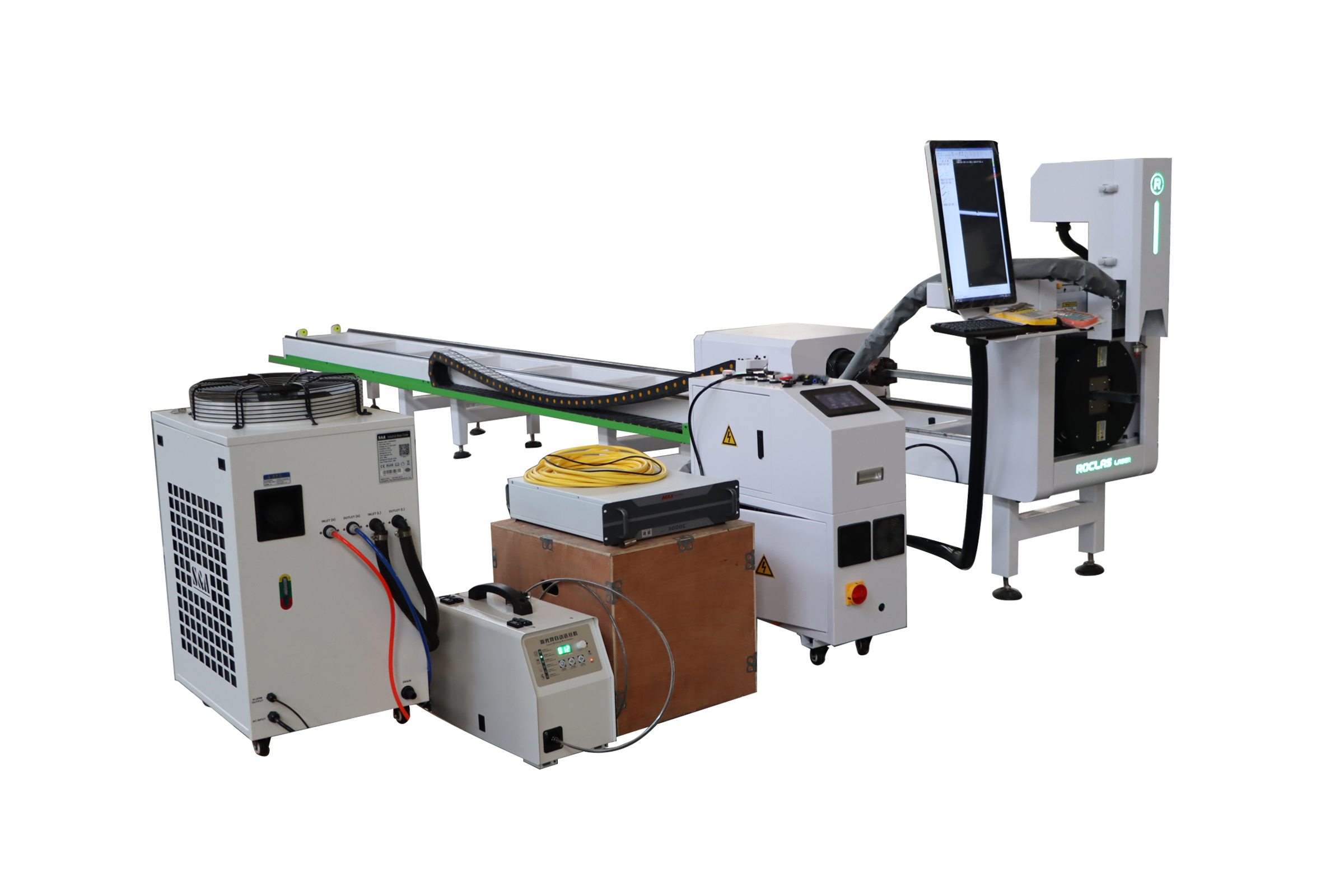
The global Fiber laser cutting machine market has expanded rapidly, with power ratings climbing from the 1–3 kW range that dominated early adoption to 12–20 kW systems now deployed in heavy fabrication. This escalation reflects both falling laser source costs and the need to cut thicker materials at competitive speeds. The table below summarizes representative machine configurations and their typical application envelopes in fabrication shop settings.
| Parameter | Entry-Level System | Mid-Range System | High-Power System |
|---|---|---|---|
| Laser Power | 1000W–2000W | 3000W–6000W | 8000W–20KW |
| Working Area | 3000×1500mm | 4000×2000mm | 4000×2000mm / Custom |
| Positioning Accuracy | ±0.03mm | ±0.03mm | ±0.03mm |
| Repositioning Accuracy | ±0.02mm | ±0.02mm | ±0.02mm |
| Max Travel Speed | 100m/min | 100m/min | 100m/min |
| Max Acceleration | 1.0G | 1.0G | 1.0G |
| Typical Materials | Mild steel ≤6mm, stainless ≤3mm | Mild steel ≤12mm, stainless ≤8mm | Mild steel ≤25mm, stainless ≤20mm |
| Control System | Cypcut 3000S | Cypcut 3000S | Cypcut 3000S |
| Laser Source Options | Raycus / MAX | Raycus / MAX | Raycus / MAX |
Several observations emerge from this data. First, motion system specifications—positioning accuracy, travel speed, acceleration—remain remarkably consistent across power tiers. This reflects the maturity of gantry and servo drive technology: a fabrication shop investing in a 1.5 kW machine and one investing in a 12 kW machine can expect comparable dynamic performance. The differentiation lies almost entirely in the laser source and the optical chain's capacity to handle higher power densities.
Second, the working area does not scale linearly with power. Many fabrication shops operate 3000×1500mm beds regardless of laser wattage, prioritizing floor space efficiency over the ability to process oversized plates. For shops handling larger workpieces, 4000×2000mm or custom configurations are available, but the decision typically hinges on the specific mix of jobs rather than a desire for maximum capacity.
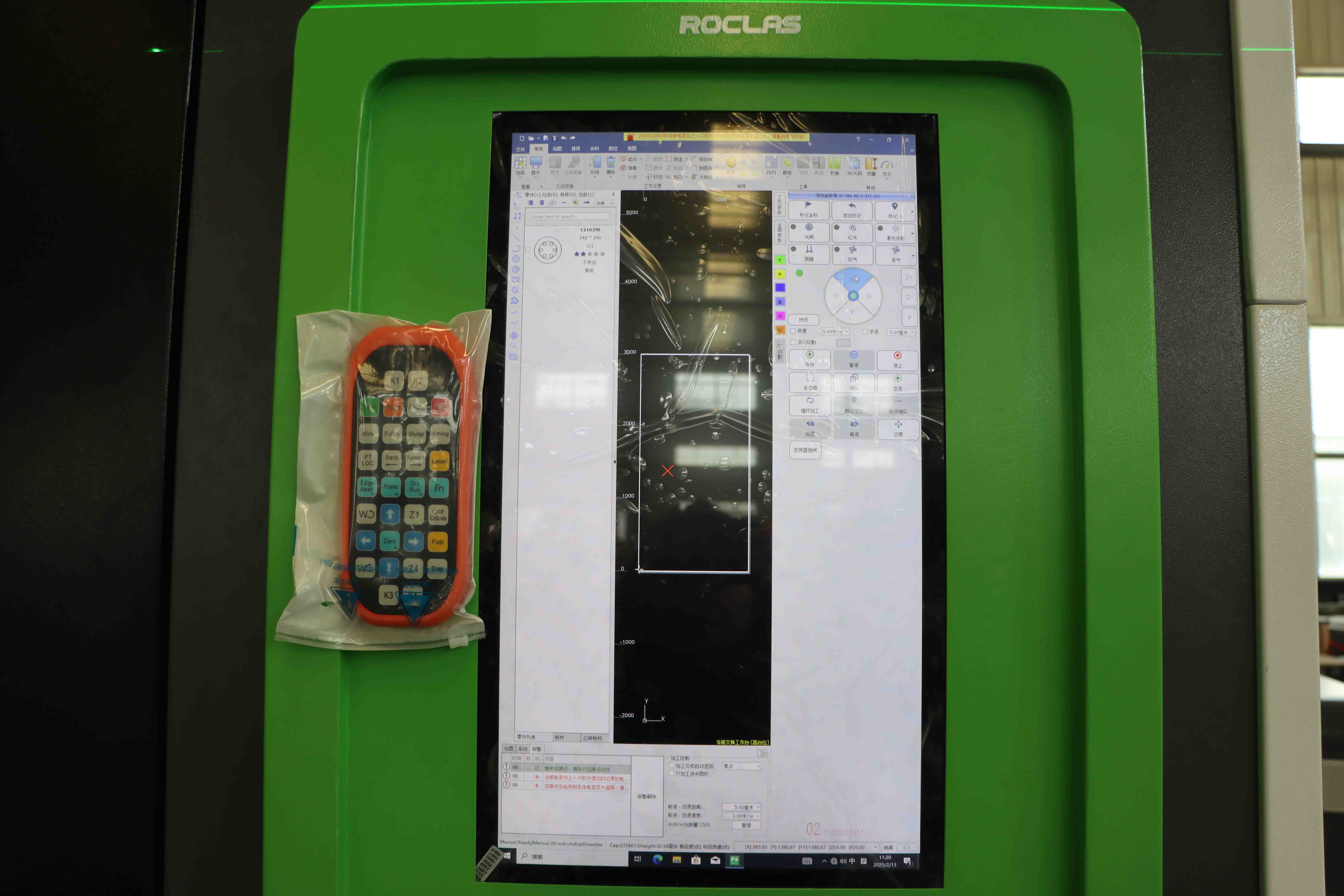
Third, the control system ecosystem has consolidated. Cypcut 3000S appears across all tiers, suggesting that software compatibility and operator familiarity now outweigh minor differences in motion control hardware. This standardization benefits fabrication shops by reducing training overhead and simplifying maintenance.
Technical Applications and Brand Case Study
In practice, fabrication shops deploy laser cutting systems across a spectrum of tasks: blanking of brackets and gussets, cutting of structural connection plates, production of ventilation components, and fabrication of custom architectural elements. The common thread is the need for repeatable edge quality without dedicated tooling.
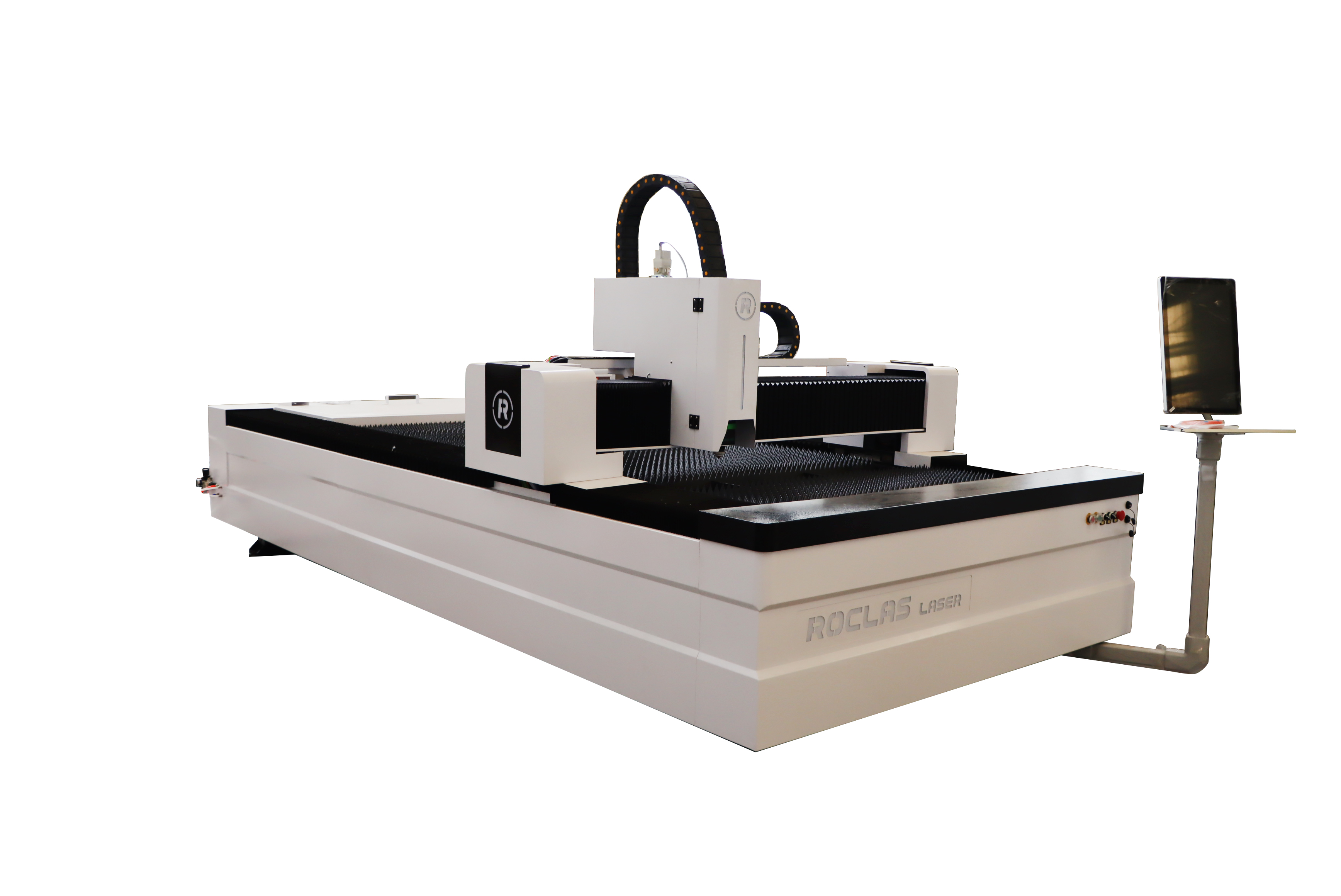
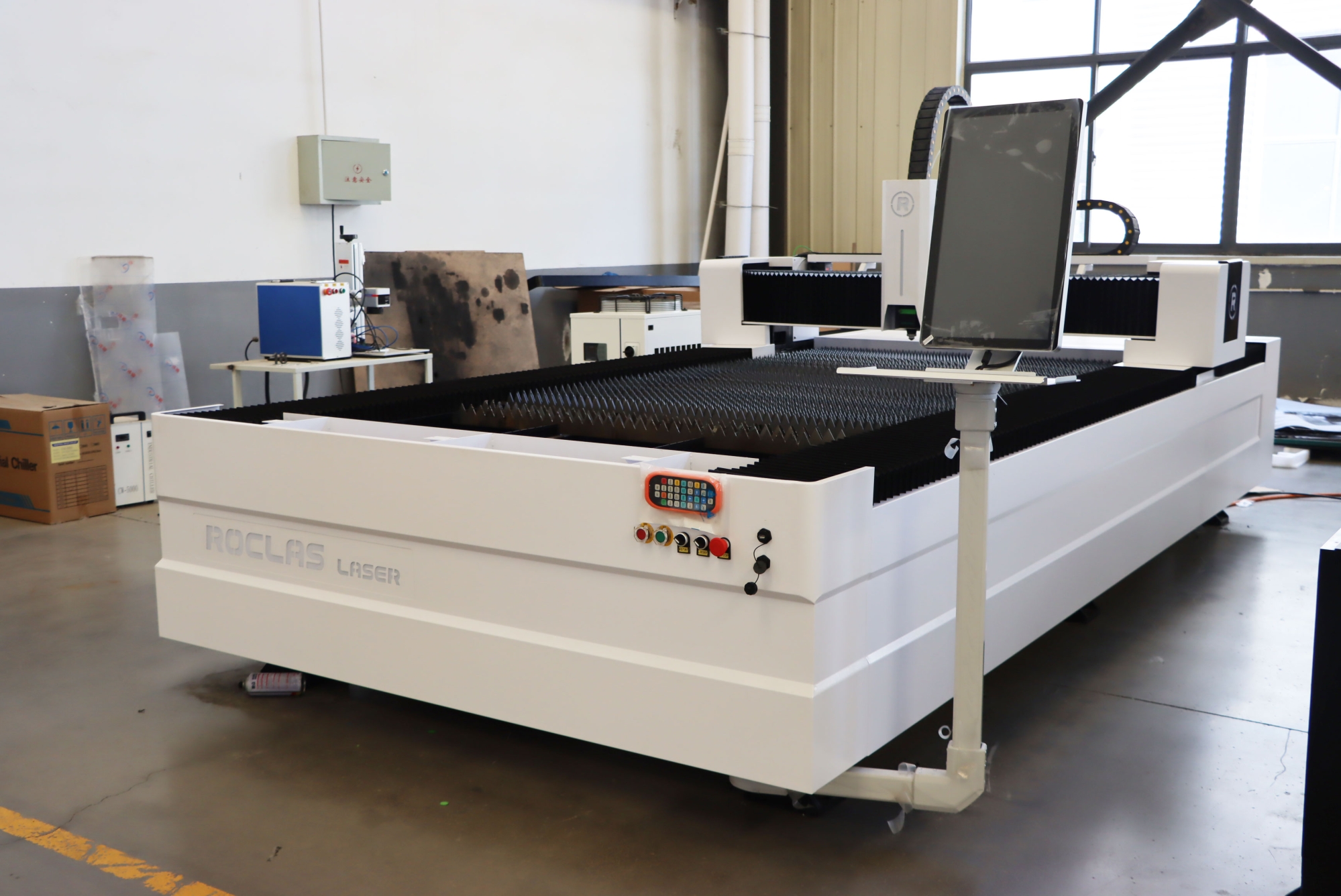
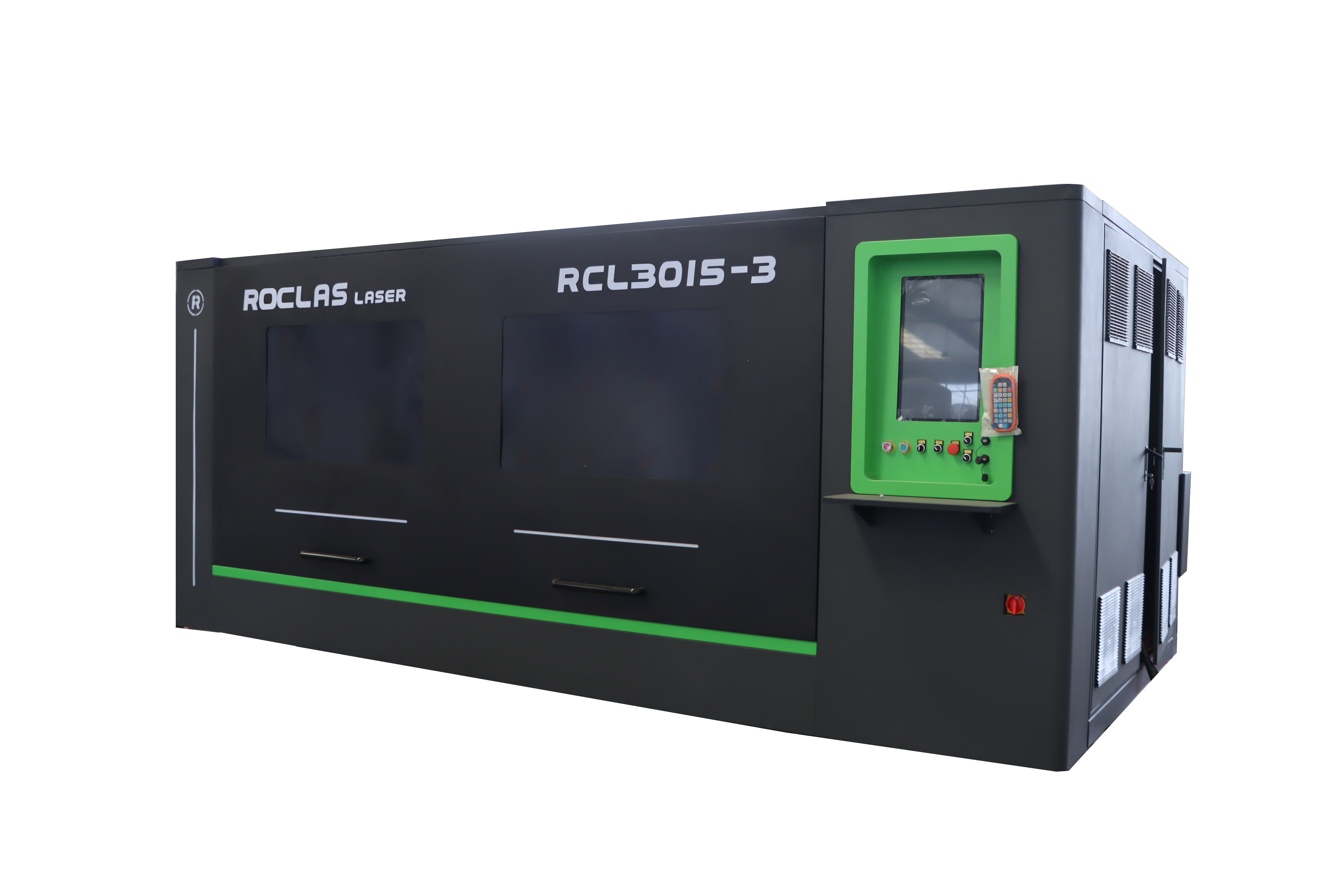
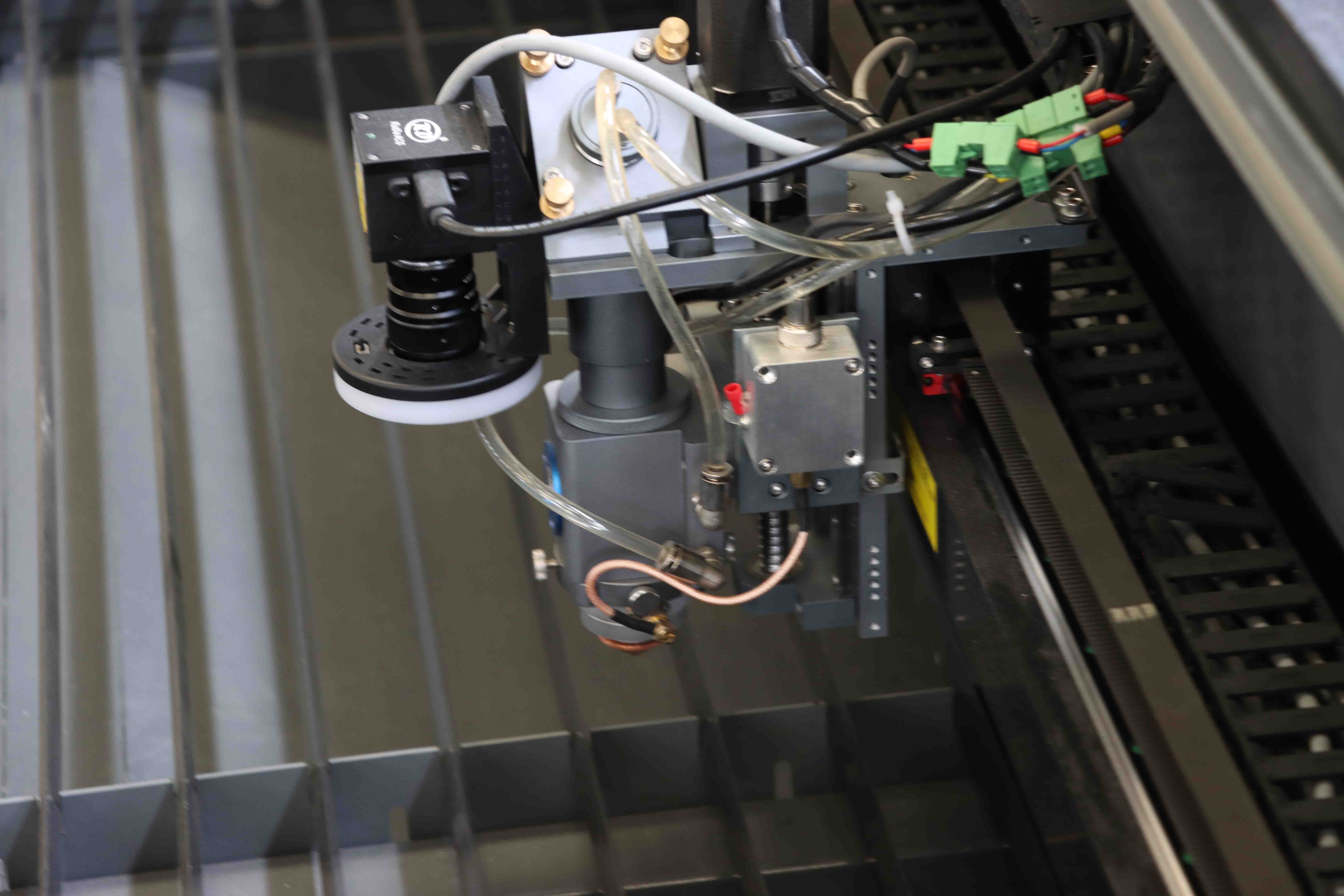
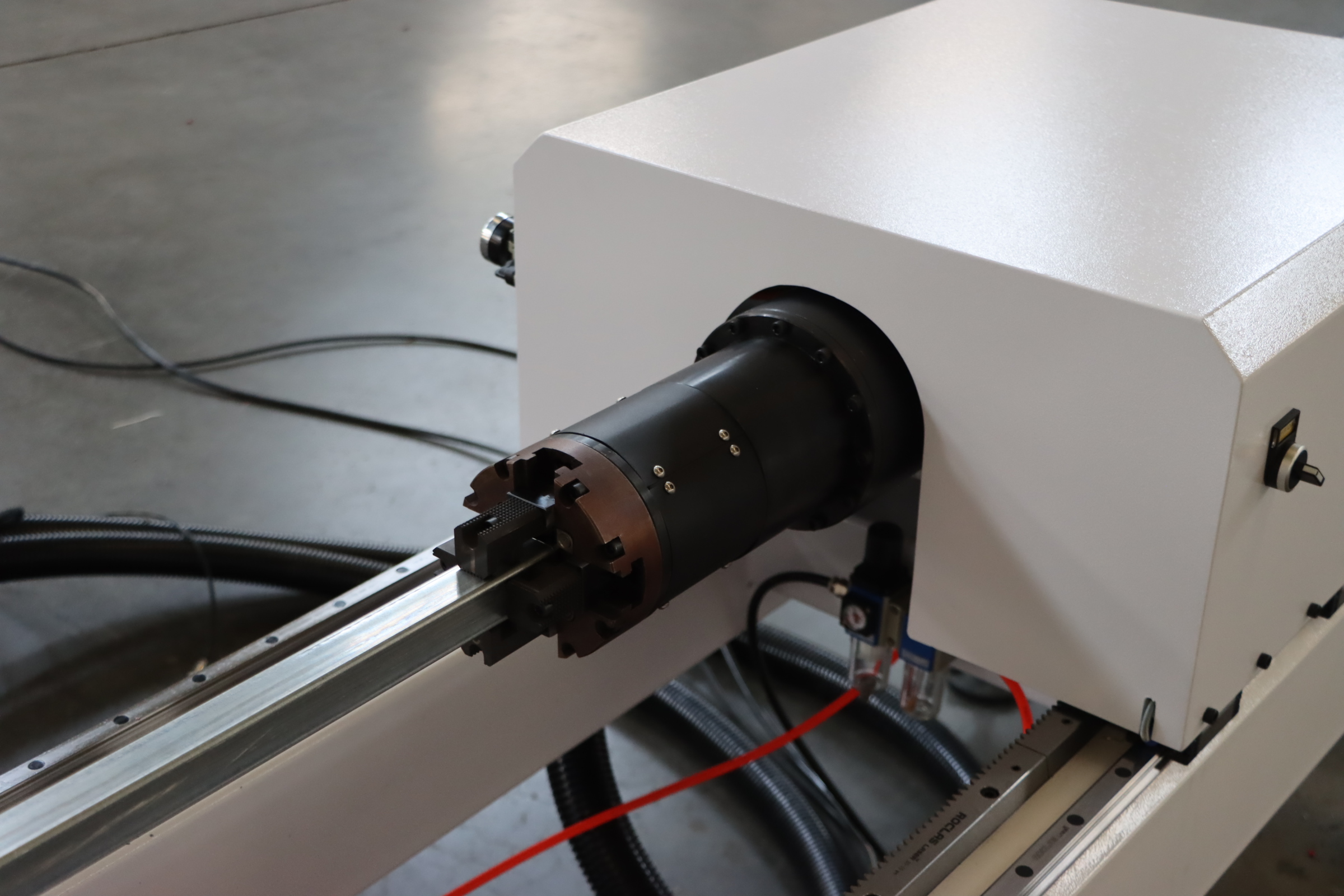
ROCLAS® MACHINERY CO., LTD. has built its product line around this requirement. The company's fiber laser cutting machines—available with Raycus or MAX laser sources and power ratings from 1000W to 20KW—feature industrial-grade heavy-duty steel structures processed on CNC five-face machining centers. This manufacturing approach ensures structural rigidity, which directly influences cut quality at high acceleration rates. The machines also incorporate imported servo drive systems and reducers, along with components from France Schneider, Japan SMC, and German igus, reflecting a supply chain strategy oriented toward reliability rather than lowest-cost sourcing.
For fabrication shops processing reflective materials such as copper and aluminum, ROCLAS offers a high-reflectivity suppression module that enables stable cutting of 1–2mm copper and 2–3mm aluminum. This capability addresses a longstanding limitation of fiber laser systems, which historically struggled with back-reflection damage when processing highly reflective metals. The practical implication for a job shop is reduced risk of unscheduled downtime and expanded material versatility.
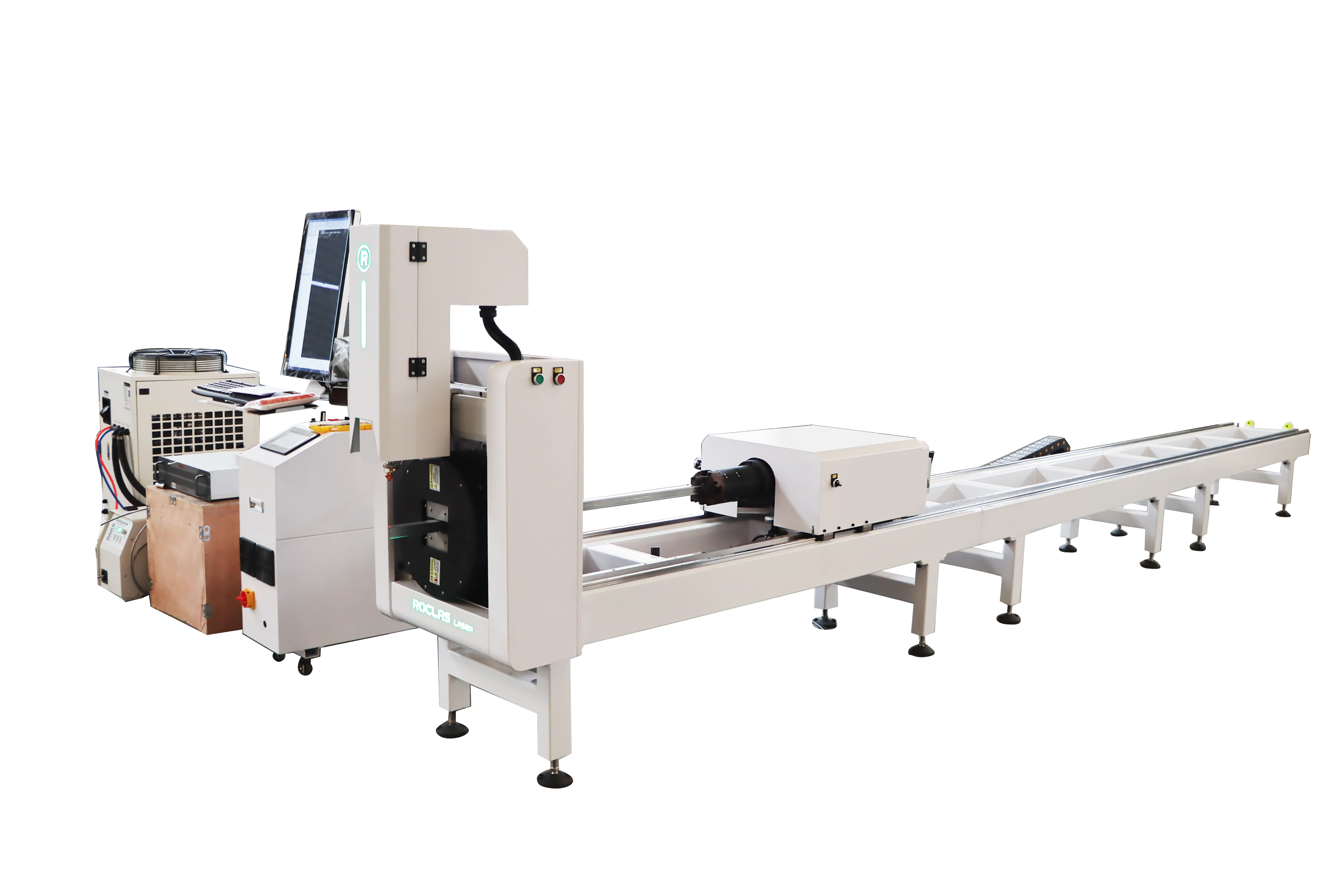
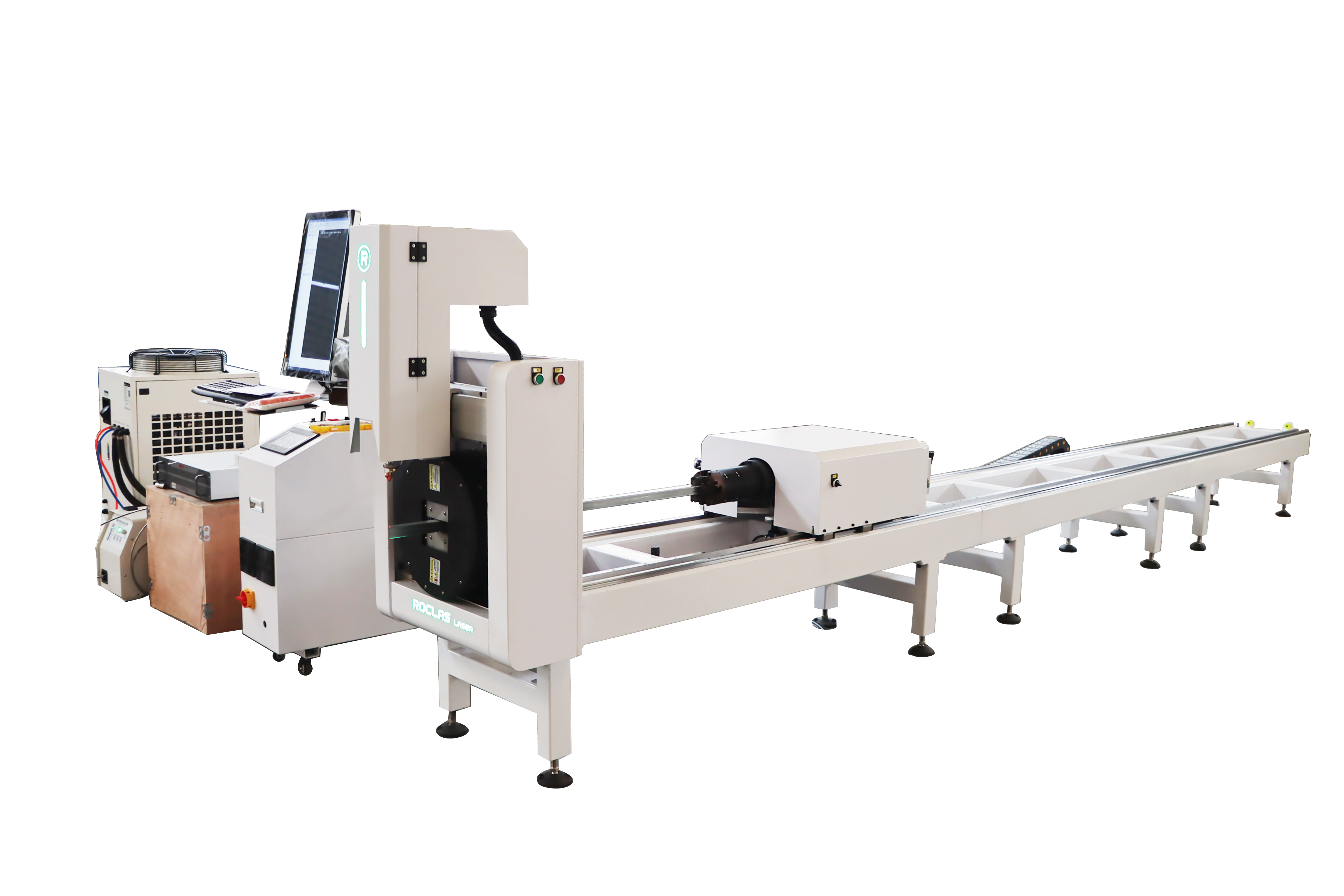
Beyond sheet metal, ROCLAS manufactures tube and pipe cutting systems with a maximum tube diameter of 220mm, as well as combined sheet-and-tube machines. For fabrication shops serving industries such as furniture, fitness equipment, or automotive components, this dual-function capability reduces capital expenditure by consolidating two operations into one platform. The company also provides auxiliary equipment including nitrogen generators, robotic arms, and waste conveying systems—components that collectively support unattended or lightly attended operation, a key consideration for shops running multiple shifts.
Quality certifications further inform procurement decisions. ROCLAS machines hold ISO 9001, CE, FDA, UL, and PDL certifications, and the company maintains over 50 patents with more than 10 new patents filed annually. For fabrication shops in regulated industries—medical equipment, food machinery, aerospace—these credentials simplify compliance documentation and reduce the due diligence burden during equipment selection.
Conclusion and Outlook
Laser cutting has transitioned from a specialized capability to a baseline expectation in fabrication shops. The technical trajectory points toward continued power escalation, with 20 kW systems now commercially available and higher ratings under development. However, the marginal benefit of additional power diminishes for shops whose material mix rarely exceeds 10mm thickness. For these operations, mid-range systems in the 3–6 kW range, paired with robust motion platforms and reliable control software, represent the most economically rational choice.
The competitive landscape will likely reward manufacturers that prioritize structural integrity, component quality, and after-sales support over specification sheet one-upmanship. ROCLAS® MACHINERY CO., LTD., with its emphasis on heavy-duty construction, globally sourced drive components, and a broad portfolio spanning sheet, tube, and combined cutting, exemplifies this balanced approach. As fabrication shops continue to navigate volatile demand and rising labor costs, the ability to process diverse materials accurately and efficiently—without dedicated tooling or extensive manual intervention—will remain the defining requirement for capital equipment investment.