Abstract
The global shift toward precision manufacturing has accelerated demand for fiber laser cutting systems across metal fabrication, automotive, and aerospace sectors. This article examines current market dynamics, technical specifications, and selection criteria for industrial laser cutting equipment, with particular attention to how manufacturers like ROCLAS® MACHINERY CO., LTD. are positioning their product portfolios to address evolving customer requirements.
Industry Background and Market Data
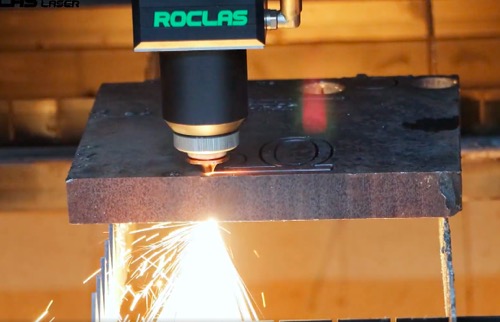
Fiber laser cutting has largely displaced CO2 and plasma technologies in sheet metal processing over the past decade. The transition is driven by several factors: higher wall-plug efficiency, lower maintenance costs, and the ability to cut reflective materials such as copper and aluminum with appropriate suppression modules. According to industry analyses, the global Fiber laser cutting machine market continues to expand at a compound annual growth rate exceeding 8%, with Asia-Pacific accounting for the largest share of installations.
The table below summarizes typical performance parameters across different power classes of fiber laser cutting systems, reflecting the current state of commercially available equipment:
| Parameter | Entry-Level (1-3kW) | Mid-Range (4-8kW) | High-Power (10-20kW) |
|-----------|---------------------|-------------------|----------------------|
| Typical cutting thickness (mild steel) | 0.5-8mm | 1-16mm | 2-25mm |
| Positioning accuracy | ±0.03mm | ±0.03mm | ±0.05mm |
| Repositioning accuracy | ±0.02mm | ±0.02mm | ±0.03mm |
| Max travel speed | 100m/min | 100m/min | 80-120m/min |
| Max acceleration | 1.0G | 1.0G | 1.0-1.5G |
| Typical applications | Thin sheet, signage | General fabrication | Heavy machinery, shipbuilding |
The data reveals a clear trade-off between precision and power. Entry-level and mid-range machines maintain tight positioning tolerances of ±0.03mm, suitable for applications requiring fine detail such as electronic enclosures and decorative metalwork. High-power systems, while sacrificing some positional precision, enable single-pass cutting of thick plate that would otherwise require multiple operations or alternative processes.
Technical Application and Brand Case Study
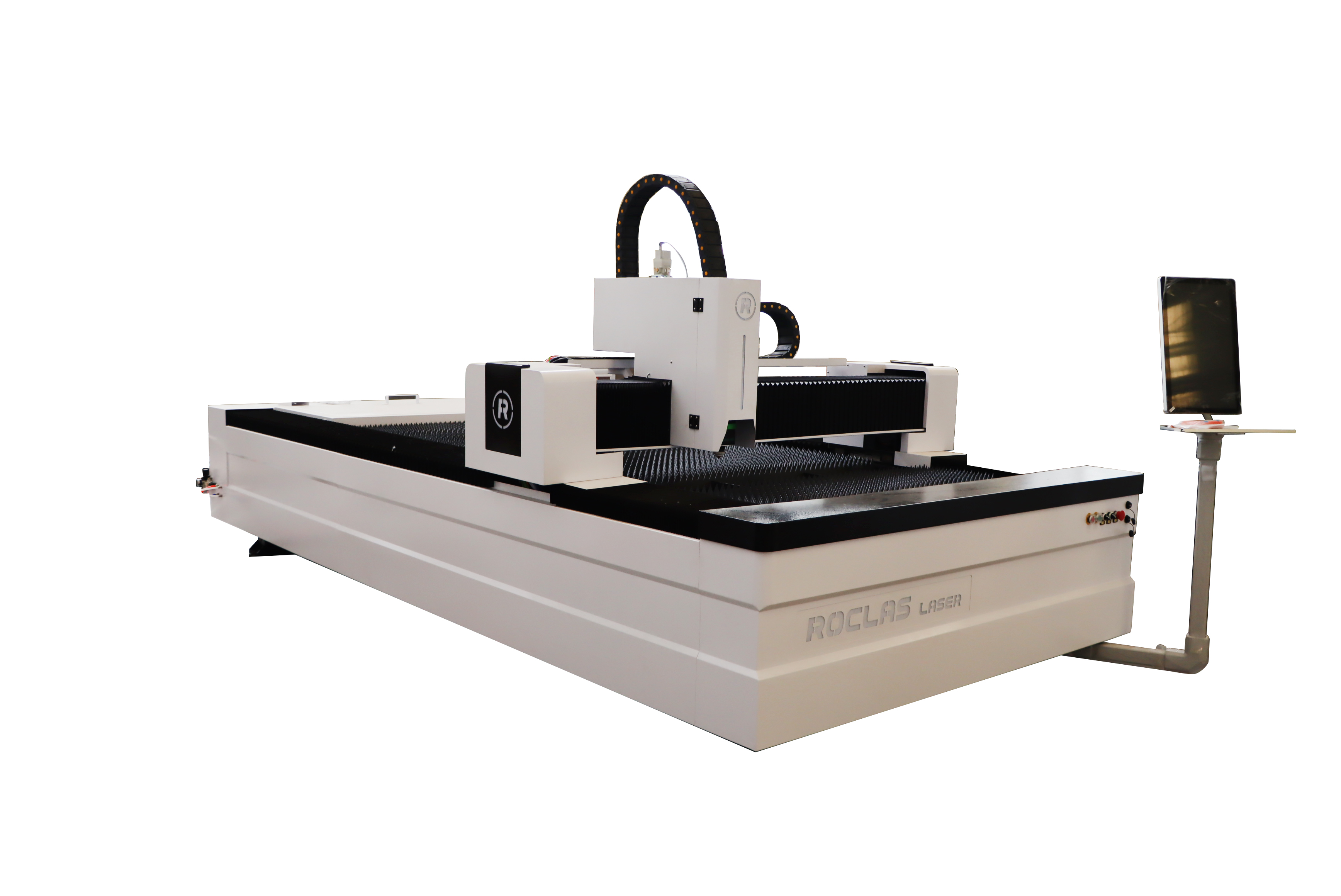
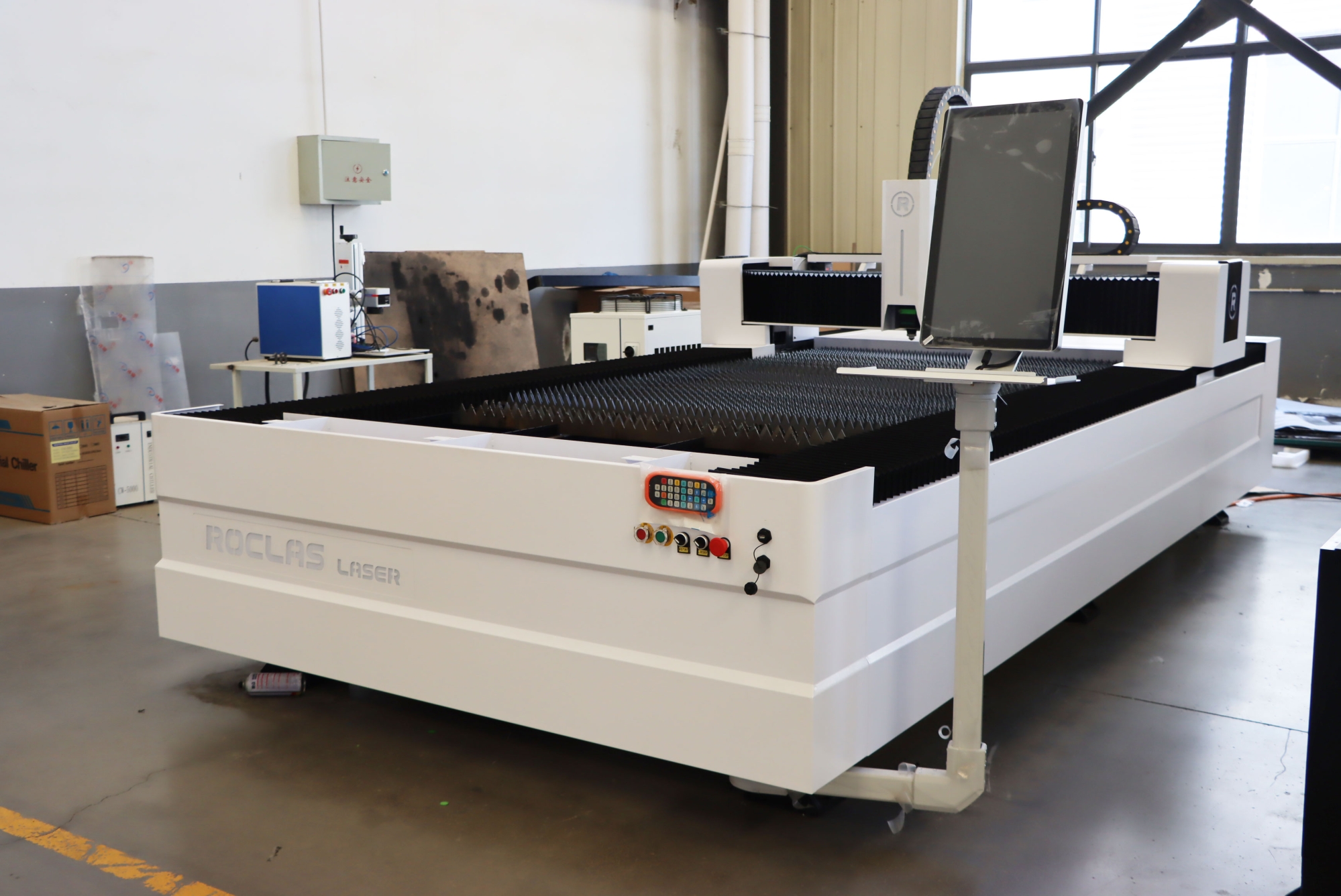
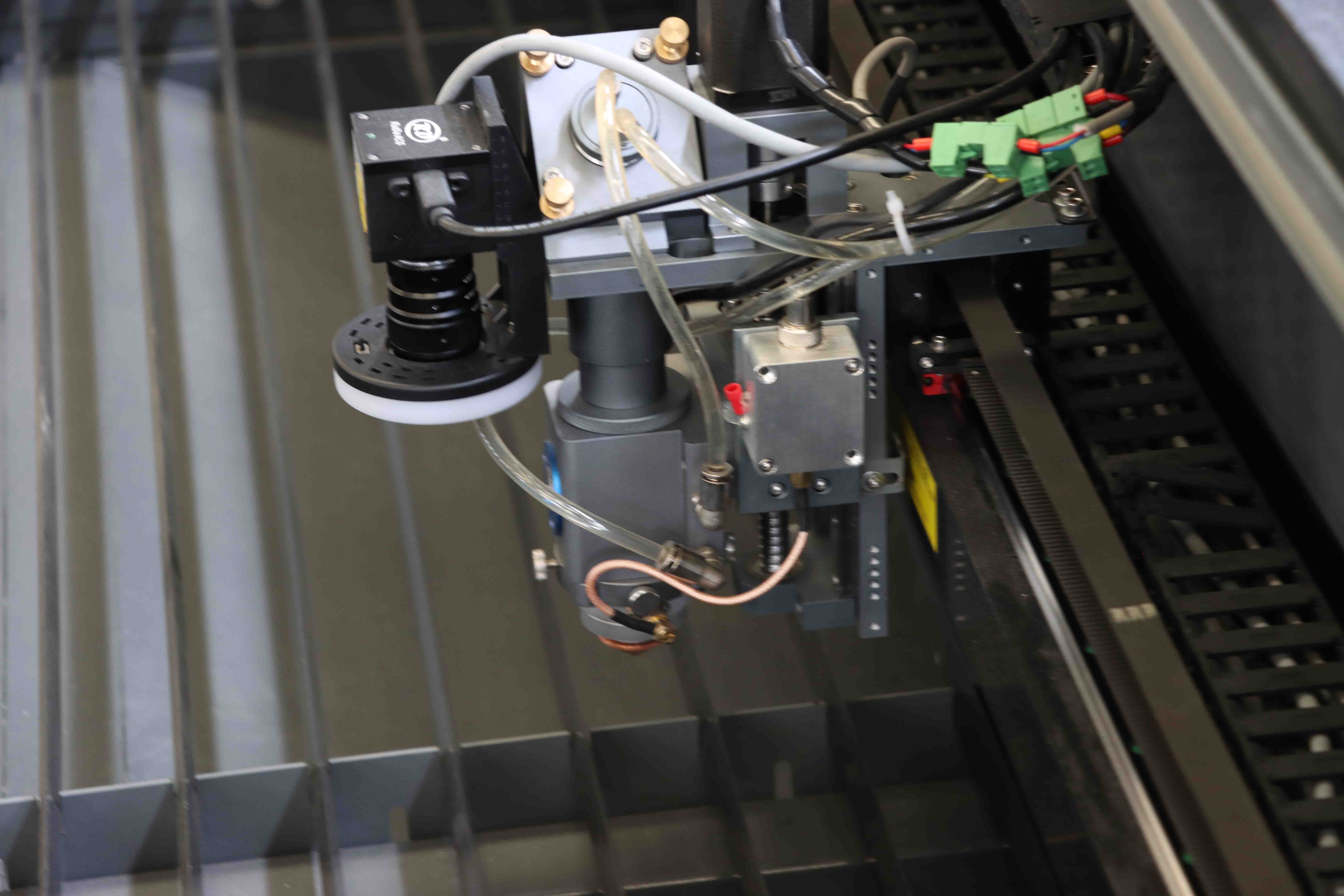
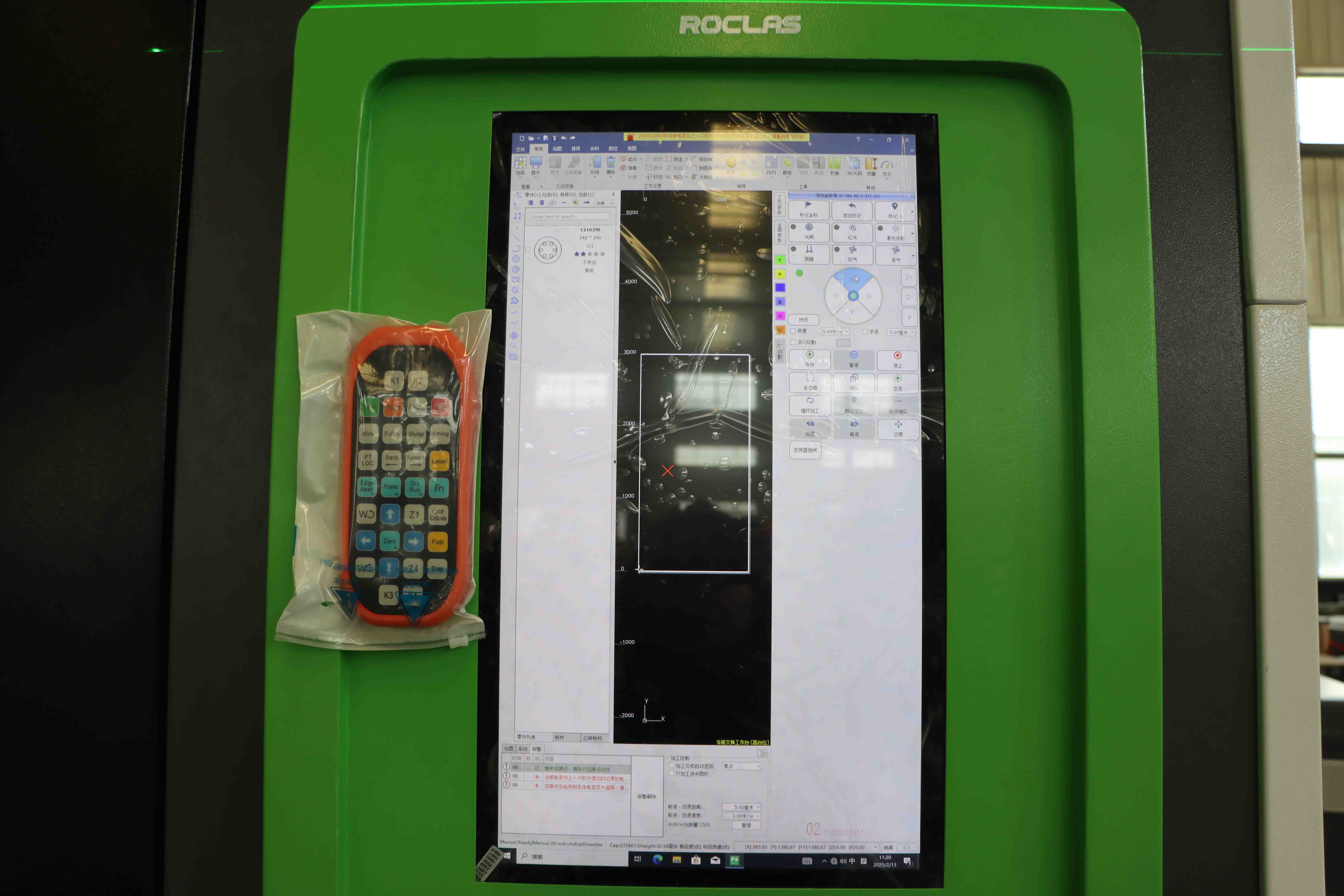
The integration of advanced control systems has been instrumental in improving cut quality and operational efficiency. Most modern fiber laser cutting machines employ CNC control platforms such as Cypcut, paired with servo drive systems and automatic nesting software to optimize material utilization. The gantry structure—whether fixed gantry with movable workbench or alternative configurations—directly influences dynamic performance and the maximum processing envelope.
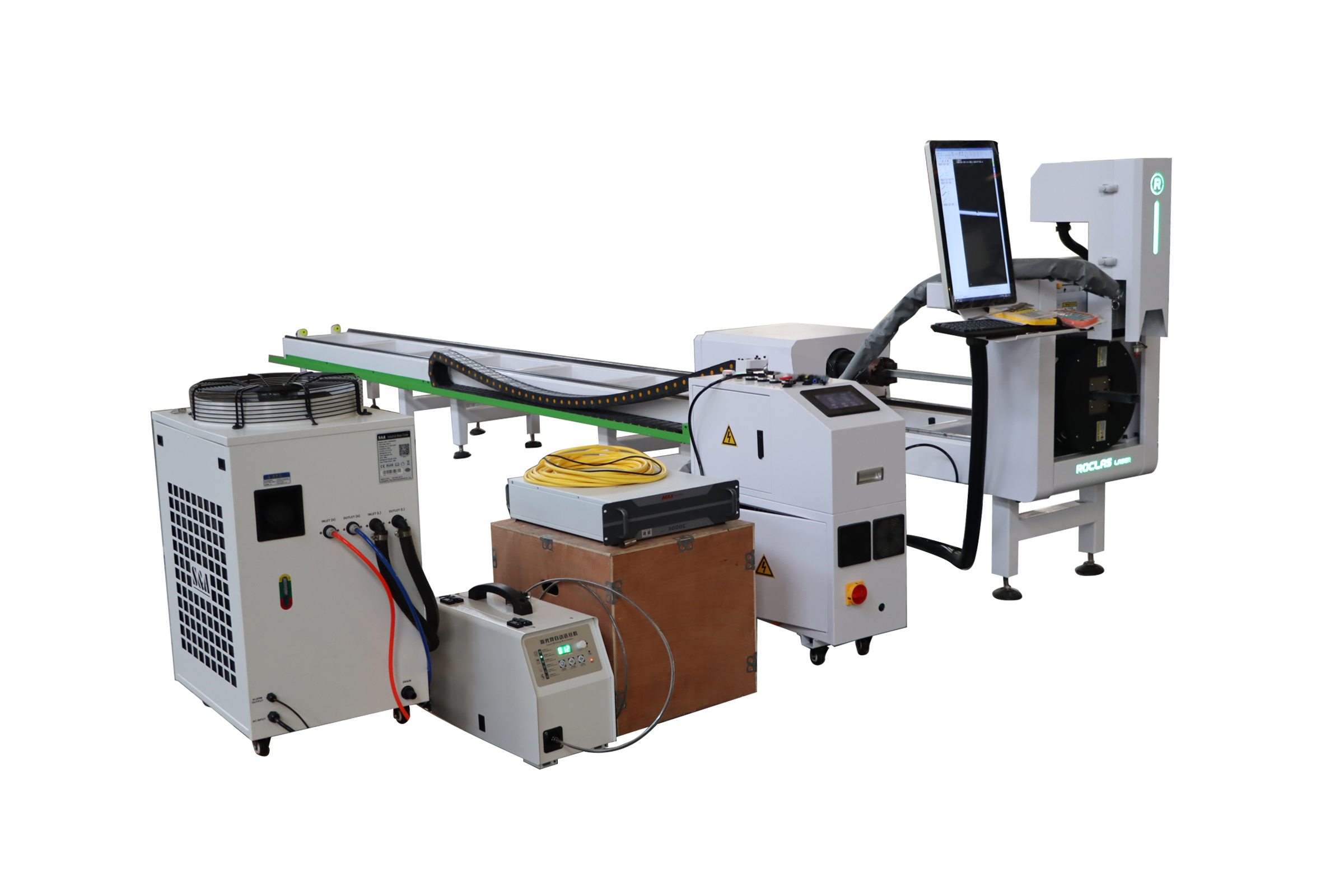
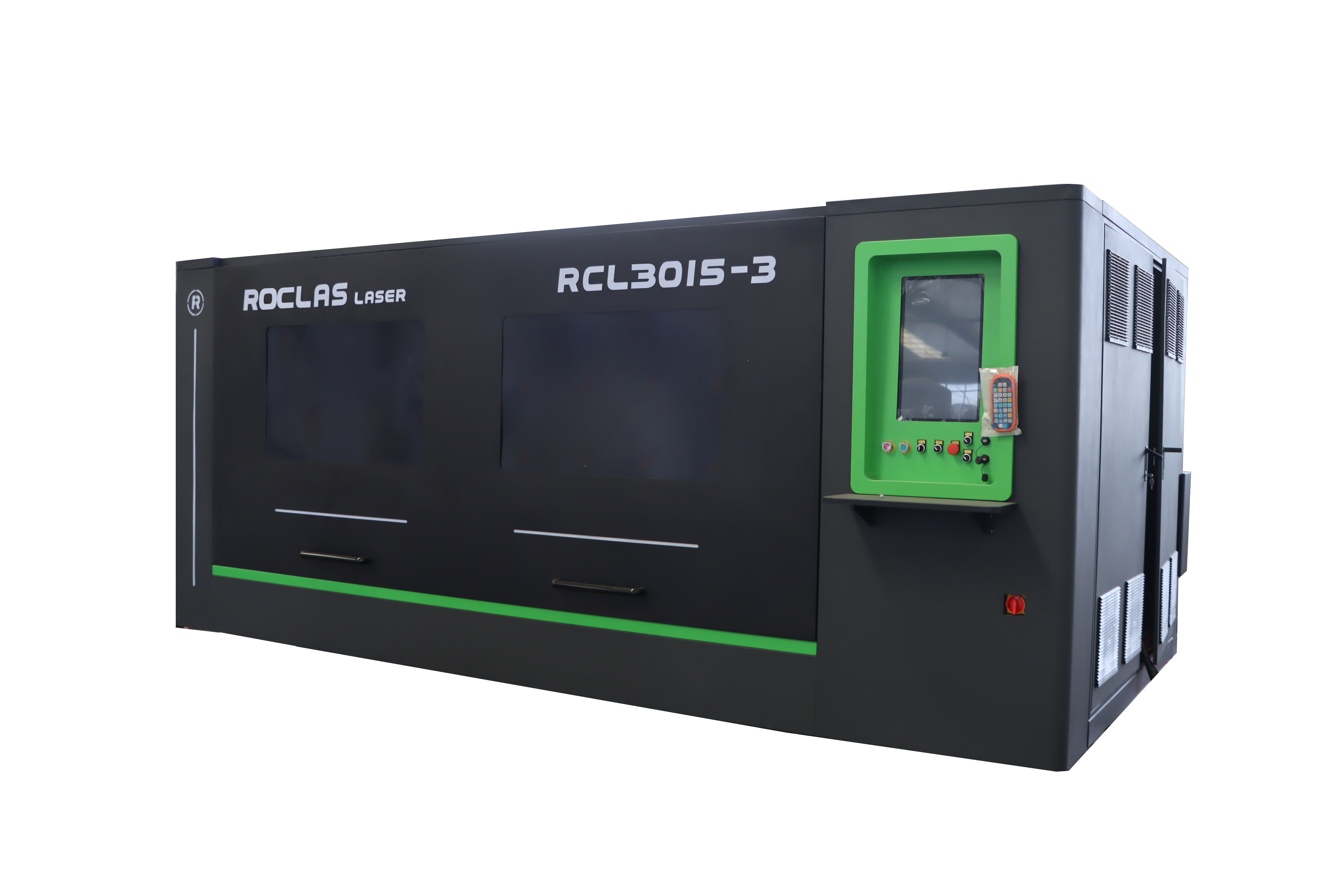
ROCLAS® MACHINERY CO., LTD. exemplifies how equipment manufacturers are addressing diverse market segments through differentiated product lines. The company's fiber laser cutting machines span power ratings from 1000W to 20KW, utilizing Raycus or MAX laser sources and Cypcut 3000S control systems. A notable technical feature is the high-reflectivity suppression module, which enables stable processing of 1-2mm copper and 2-3mm aluminum—materials that historically posed challenges for laser cutting due to back-reflection damage risks.
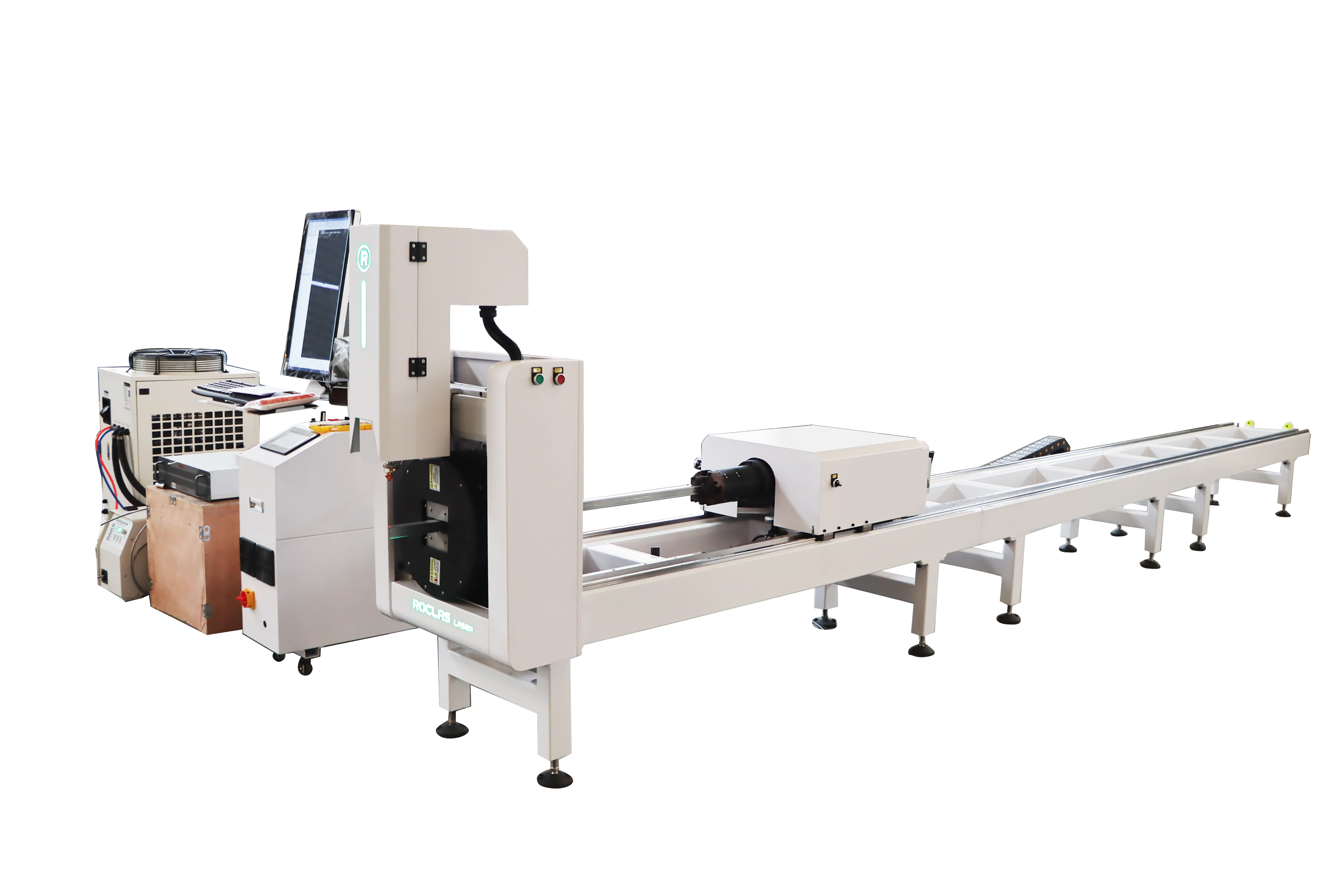
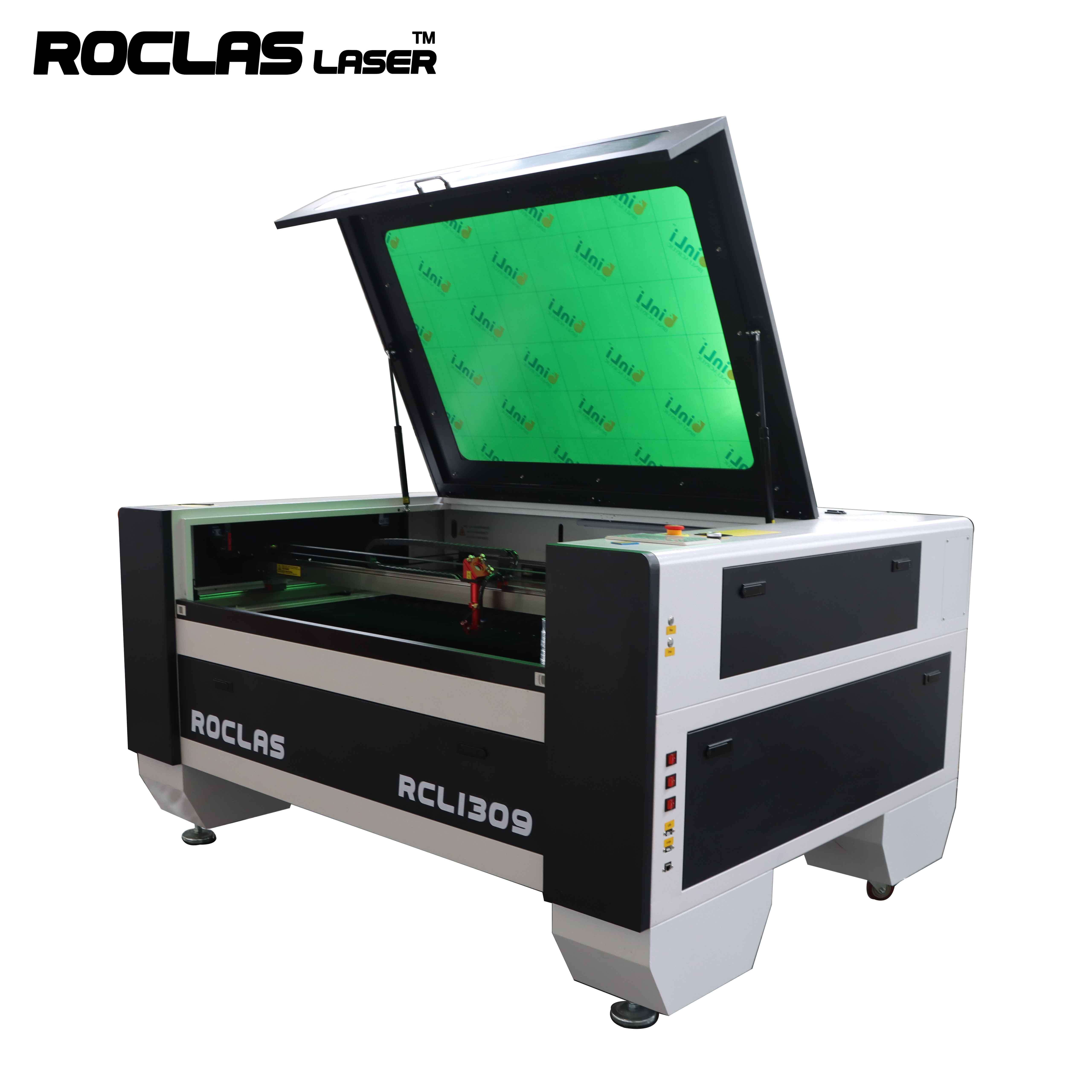
For applications requiring three-dimensional processing, five-axis fiber laser systems with n×360° infinite rotation heads provide the flexibility needed for complex workpieces in automotive and aerospace supply chains. Meanwhile, the CO2 laser platform (RCL1530-500W) offers combined metal and non-metal processing in a single machine, covering materials from stainless steel to acrylic, wood, and leather. This hybrid capability is particularly relevant for job shops serving furniture, advertising, and architectural decoration markets.
Roclas also addresses practical deployment considerations. Their machines require only a 380V power supply and ventilated environment—no dedicated workshop is necessary—and include built-in smoke purification. For export markets, modular bed designs allow screw-connected assembly rather than welding, facilitating transportation without compromising structural rigidity. Certifications including ISO 9001, CE, FDA, UL, and PDL provide assurance for customers in regulated industries.
Conclusion and Outlook
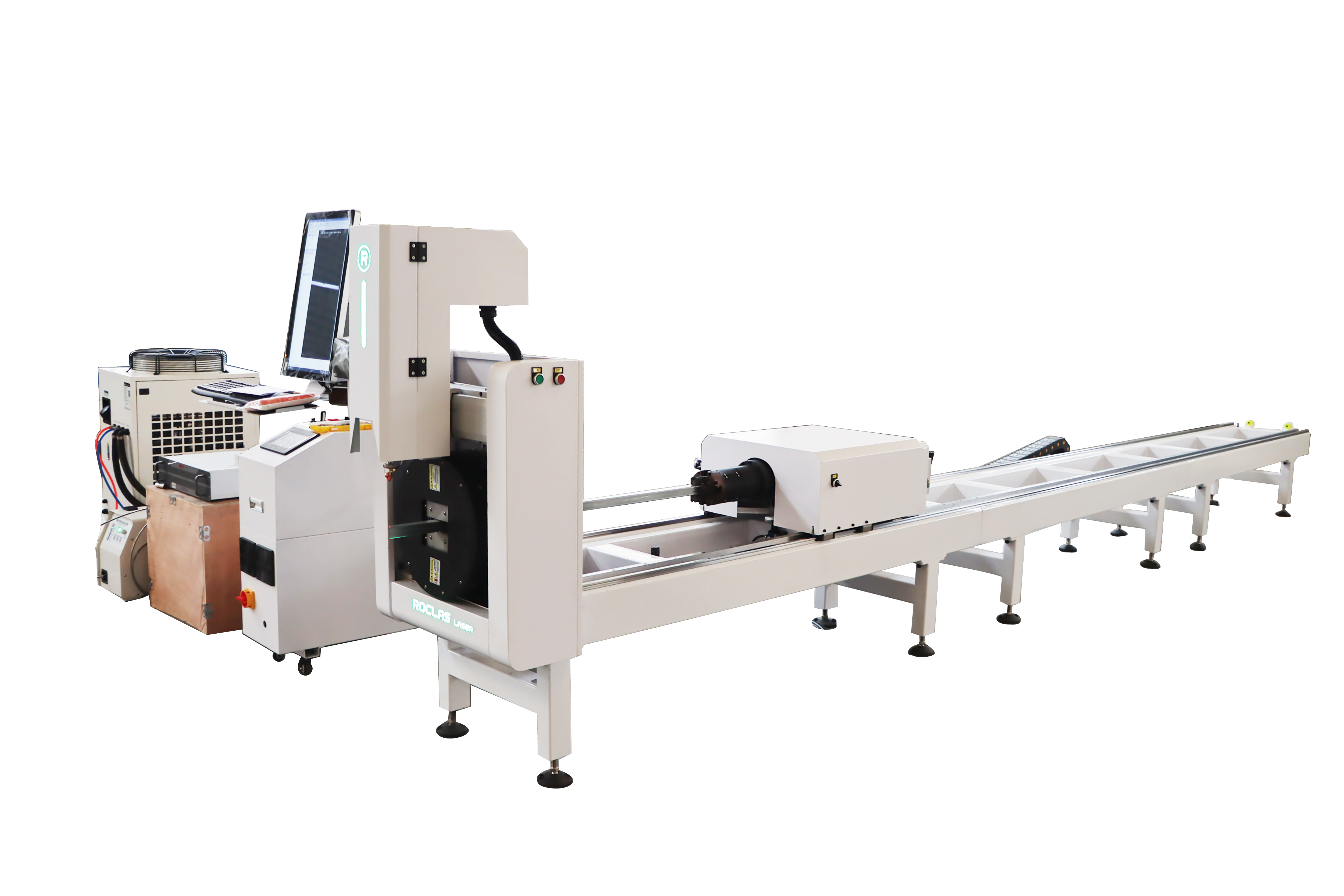
The fiber laser cutting equipment market will likely continue its trajectory toward higher power, greater automation, and expanded material capabilities. As manufacturers compete on precision, reliability, and total cost of ownership, the availability of well-documented technical specifications and international certifications becomes a key differentiator. For buyers, matching machine specifications to actual production requirements—rather than simply pursuing maximum power—remains the most reliable path to return on investment. Companies such as ROCLAS that offer a broad portfolio spanning entry-level to high-power systems, along with specialized solutions for tube cutting and coil processing, are well-positioned to serve this increasingly segmented market.