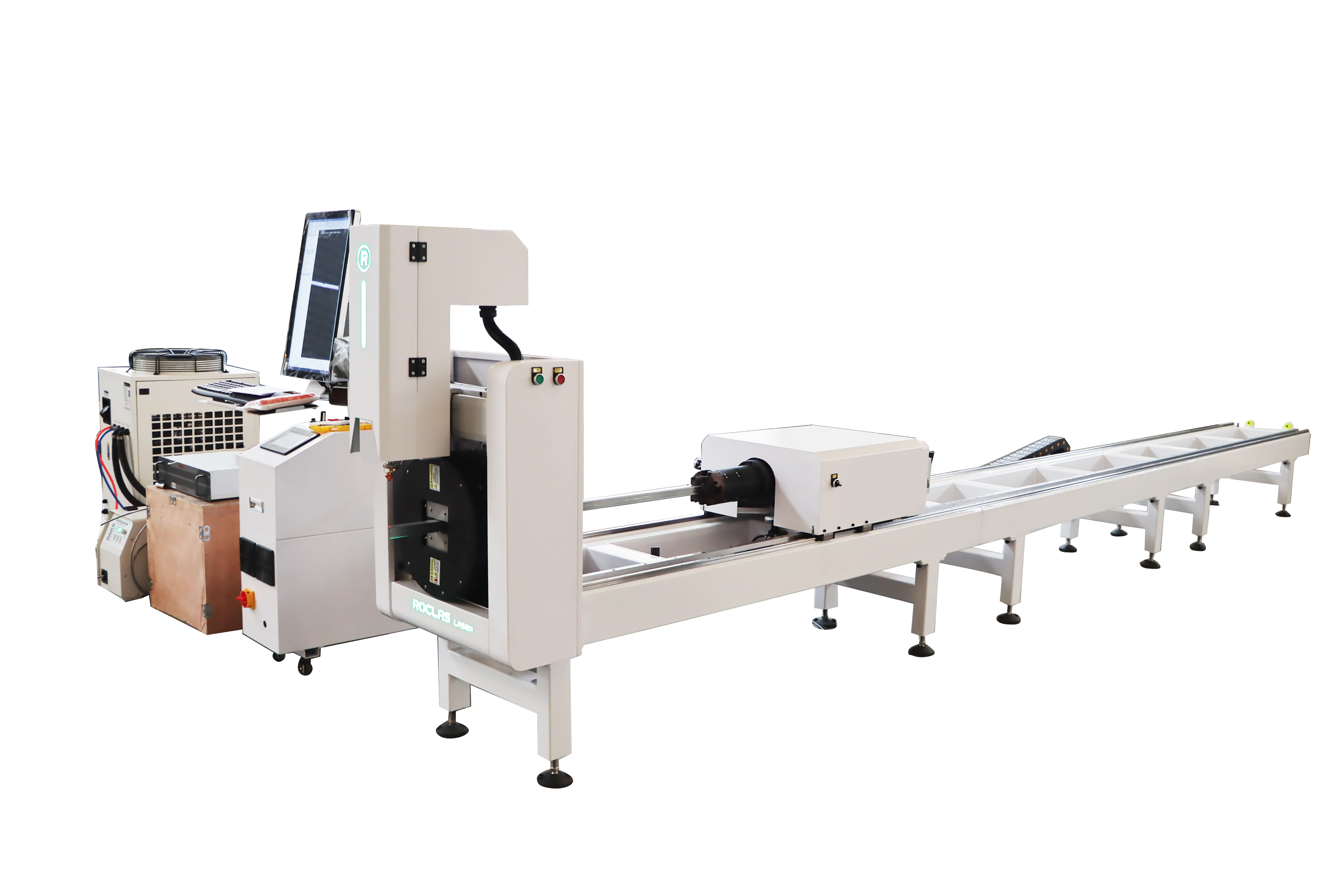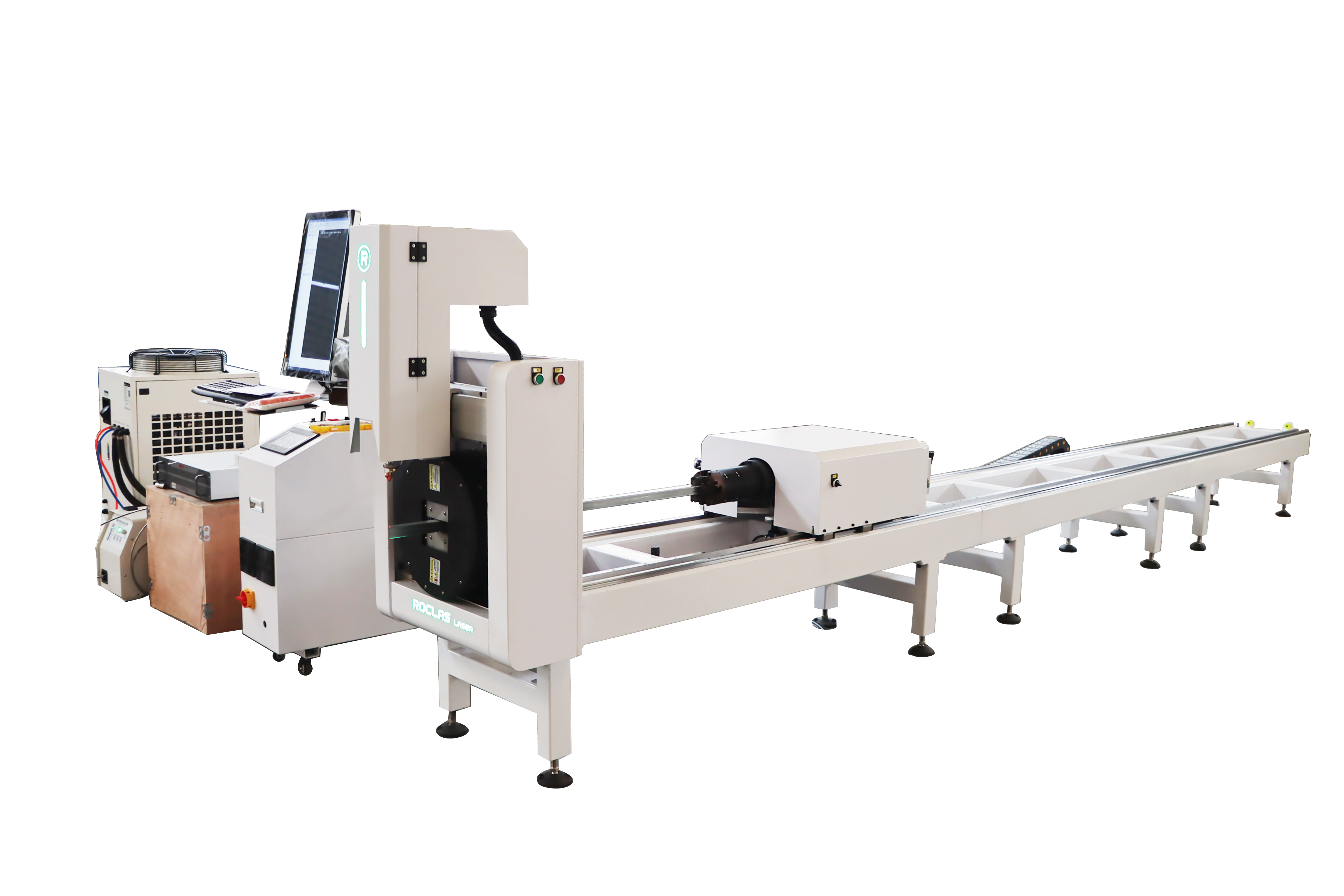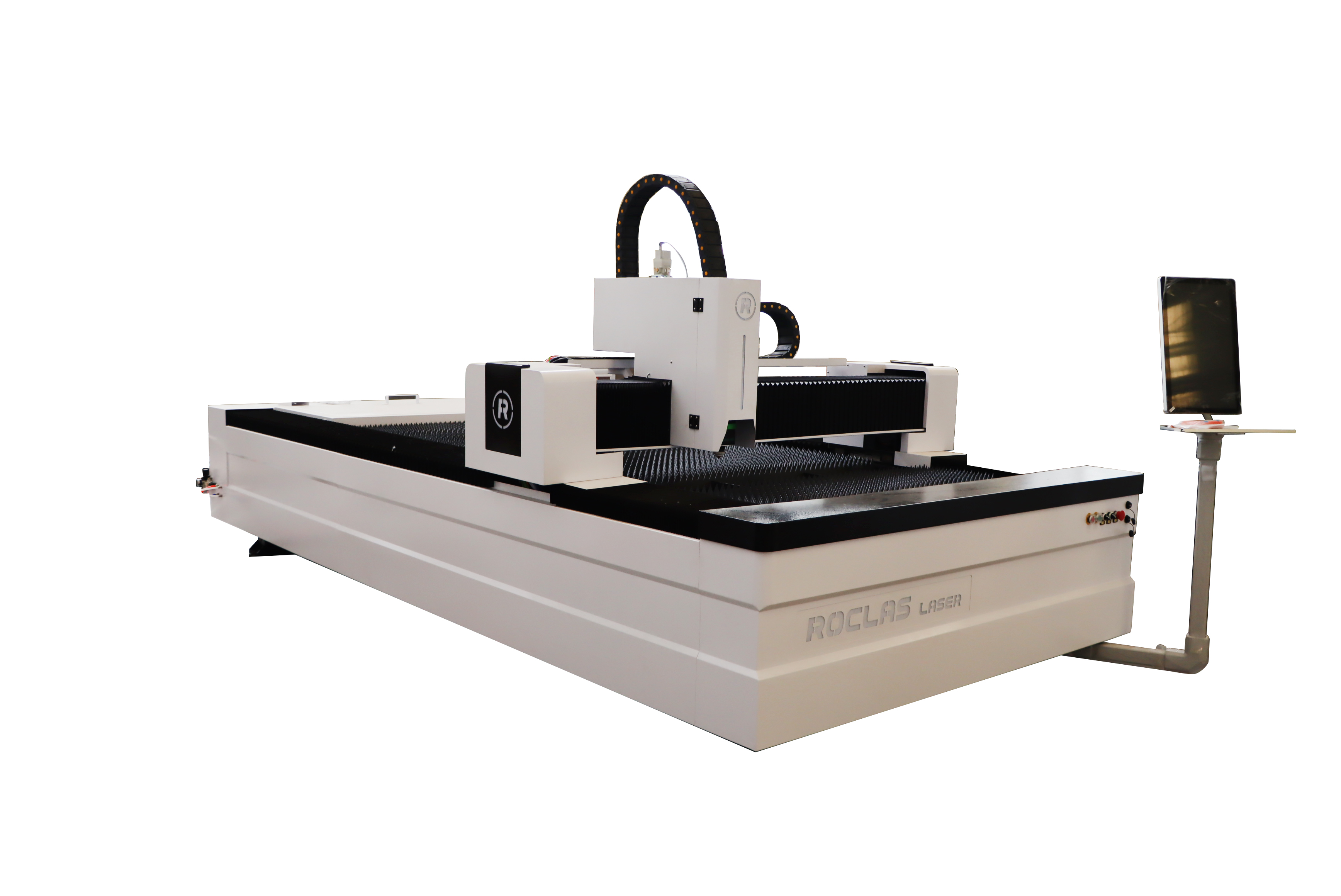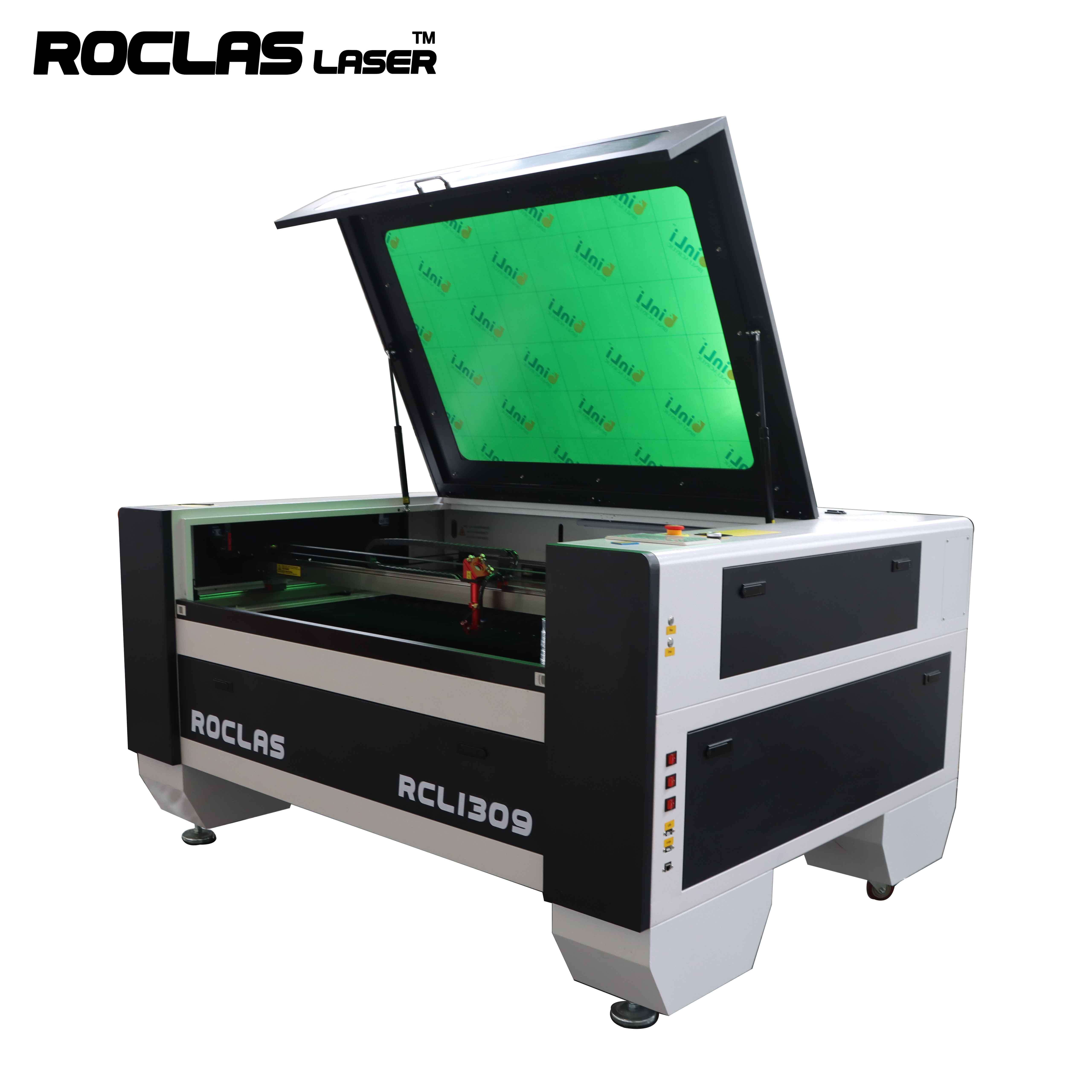
Abstract—Fiber laser cutting has moved from a niche alternative to the default choice for sheet metal fabrication over the past decade. This article examines the technical drivers behind that shift, compares current machine classes across power and accuracy bands, and considers how integrated manufacturers such as ROCLAS® MACHINERY CO., LTD. are positioning themselves in a market where cutting speed alone no longer differentiates a machine. The discussion draws on published specifications for modern fiber laser platforms, including positioning accuracy, power range, and material compatibility, and assesses what these figures mean for job shops, structural fabricators, and OEM production lines.
---
I. Industry Background
The economics of metal fabrication have always been governed by three variables: cut quality, throughput, and operating cost. Fiber laser cutting attacks all three simultaneously. Unlike CO2 lasers, which rely on a gas mixture and a series of mirrors to deliver the beam, fiber lasers generate the beam inside a doped optical fiber and deliver it through a flexible cable. The result is a smaller spot size, higher wall-plug efficiency, and dramatically lower maintenance overhead—no resonator gas, no mirror alignment, no turbo blower replacement schedules.
The practical consequence is that Fiber laser cutting machines now cover the same power range as their CO2 predecessors while consuming roughly a third of the electricity. For a fabricator running two shifts, that difference alone can justify the capital outlay within two to three years. Add the ability to cut reflective materials such as copper, brass, and aluminum—historically problematic for CO2 systems—and the case becomes difficult to argue against.
II. Machine Classes and Performance Data
Current fiber laser platforms span a wide envelope of power and work area. The table below summarizes representative specifications drawn from published product data, covering the parameters most often used to compare machines in tender documents and procurement evaluations.
| Parameter | Standard Sheet Machine | Tube Cutting Machine |
|---|---|---|
| Working Area | 3000×1500 / 4000×2000 / 1500×4000 mm | 1500×4000 mm |
| Laser Power | 1000 W – 20 kW | 1000 – 3000 W |
| Laser Source | Raycus / MAX | Raycus / MAX |
| Control System | Cypcut 3000S | Cypcut 3000S |
| Positioning Accuracy | ±0.03 mm | ±0.05 mm |
| Repositioning Accuracy | ±0.02 mm | ±0.03 mm |
| Travel Speed | 100 m/min | 100 m/min |
| Max Acceleration | 1.0 G | 1.0 G |
| Max Tube Diameter | — | 220 mm |
| Power Requirement | 380 V / 50 Hz | 380 V / 50 Hz |
Three observations follow from this data. First, the power band has widened considerably. A 1 kW entry-level machine and a 20 kW thick-plate system now share the same control architecture, which means a shop can scale capacity without retraining operators or rewriting nesting strategies. Second, positioning accuracy in the ±0.03 mm range is no longer a premium feature; it is the baseline expectation for any machine intended for precision sheet work. Third, travel speed and acceleration figures—100 m/min and 1.0 G respectively—indicate that the limiting factor in most cutting operations has shifted from the motion system to the laser source and the material handling around it.
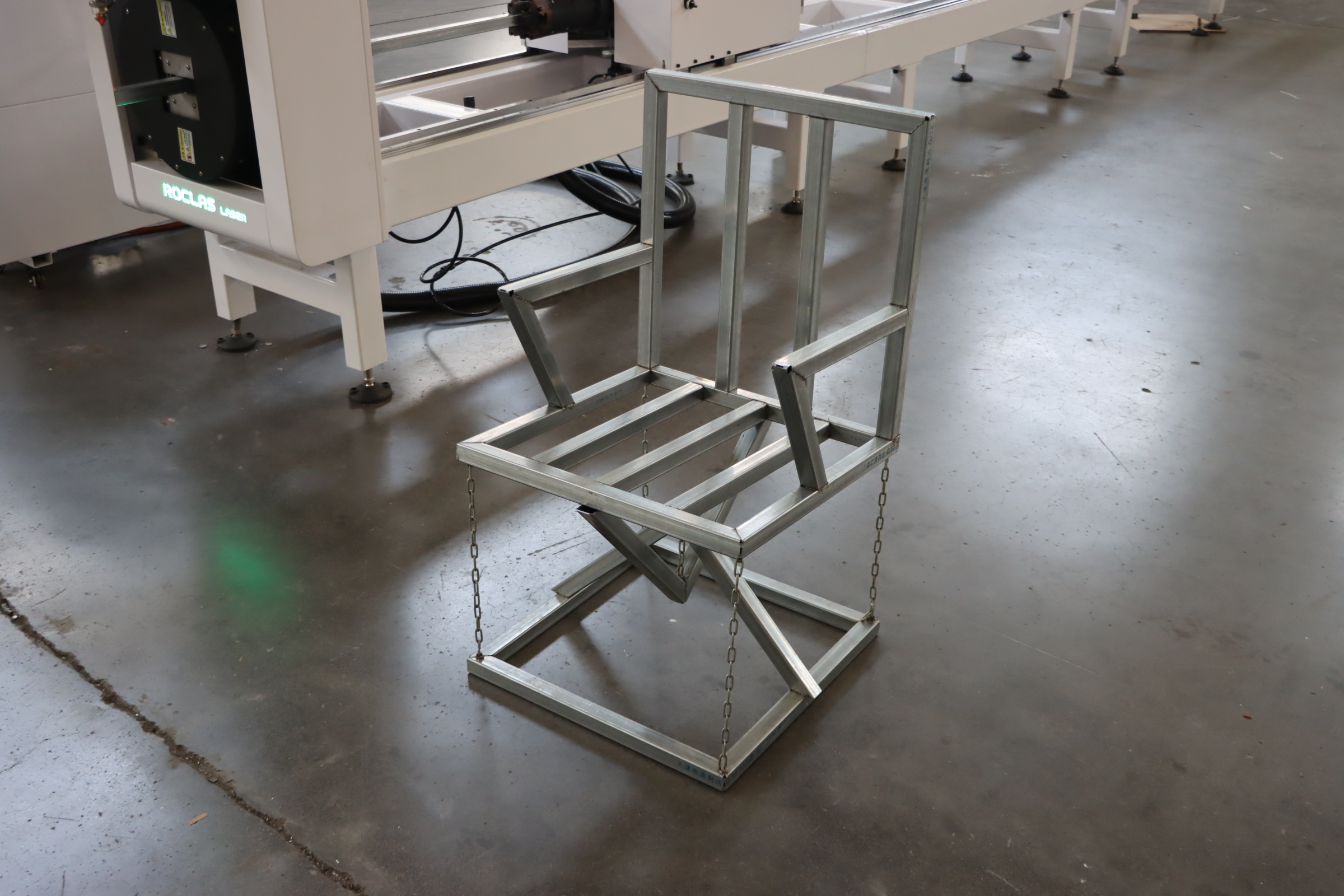
The tube cutting column deserves separate comment. A maximum tube diameter of 220 mm covers the majority of structural and furniture applications, while the slightly relaxed accuracy figures (±0.05 mm positioning) reflect the reality that tube geometry introduces variables—ovalization, twist, seam orientation—that sheet stock does not. Machines in this class are typically specified with automatic chuck systems and are increasingly paired with sheet-cutting platforms in combined installations.
III. Technical Application and Integration
Beyond raw specifications, the practical value of a fiber laser cutting machine depends on how well it integrates with upstream and downstream processes. Three areas merit attention.
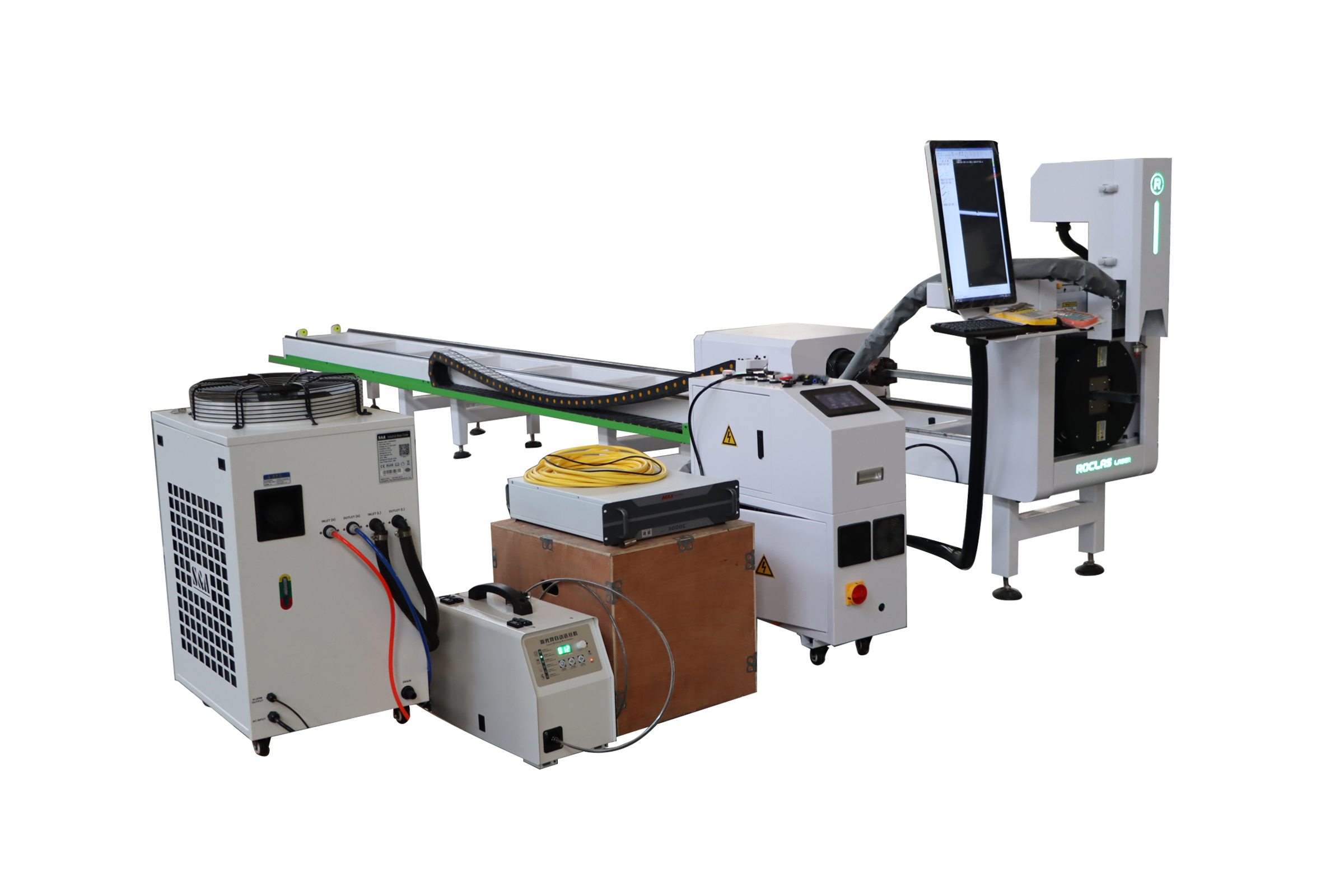
The first is material handling. A machine capable of 100 m/min traverse speed is of limited value if sheets are loaded manually and parts are sorted by hand. Integrated waste conveying systems, Robotic Arm interfaces, and automatic nesting software have therefore become standard components of a production-ready installation rather than optional extras. The gap between a machine's theoretical throughput and its realized throughput is almost entirely a materials-handling problem.
The second is process versatility. Modern platforms increasingly combine cutting with welding and cleaning functions, using the same beam delivery infrastructure. A 1500 W welding module, for example, can operate in continuous or modulated mode at welding speeds of 0.7–2.0 m/min, which allows a single machine to move between cutting and joining operations without re-fixturing. For job shops with mixed order books, this flexibility reduces the number of machines required to cover a given process range.
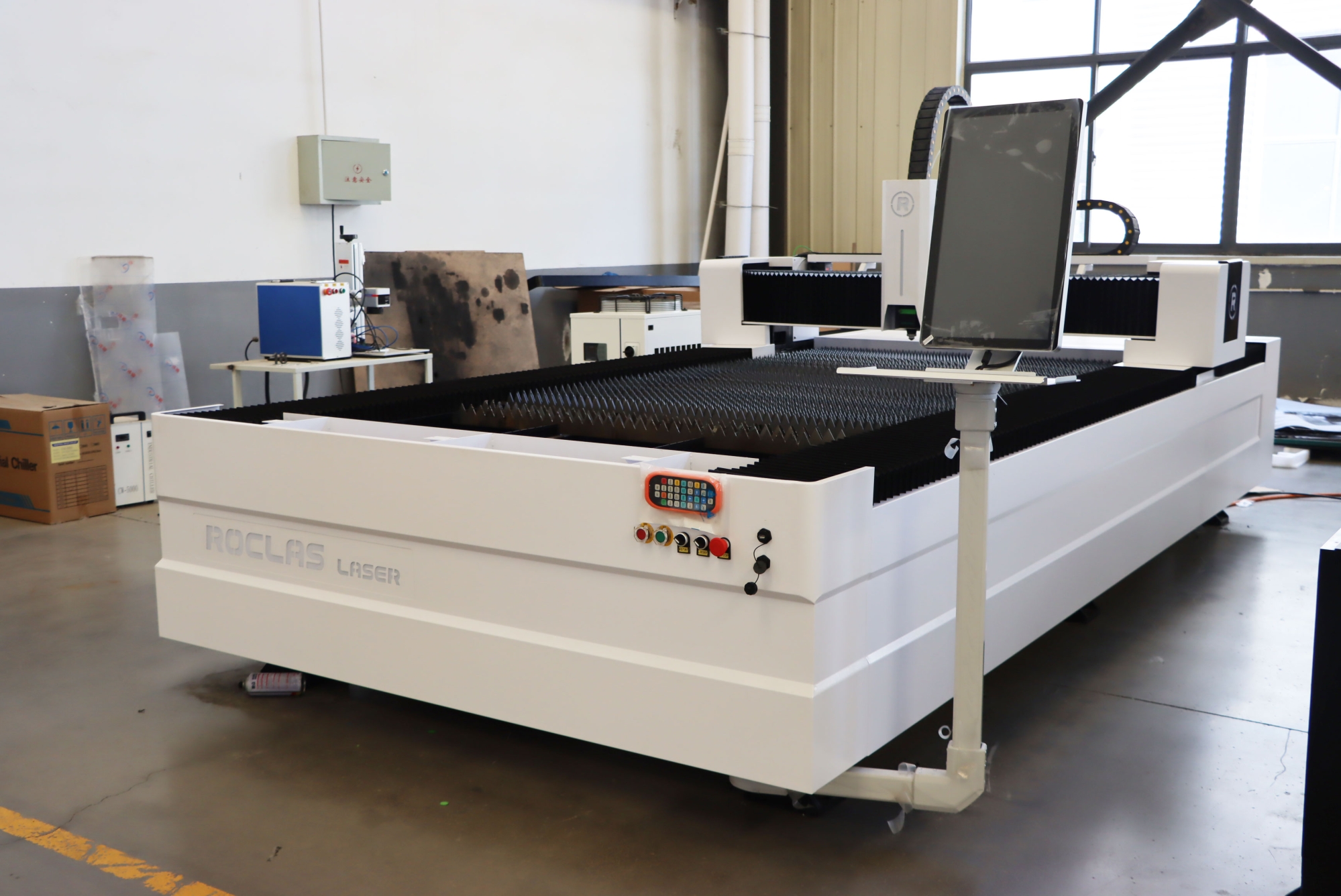
The third is the machine bed itself. Two design philosophies now coexist: single-piece welded structures, which offer maximum rigidity, and modular screw-connected beds, which use the same manufacturing tolerances but can be separated for transport. The modular approach matters in markets where access to the installation site is constrained—upper-floor workshops, narrow service corridors, or overseas shipments where container dimensions dictate the maximum component size.
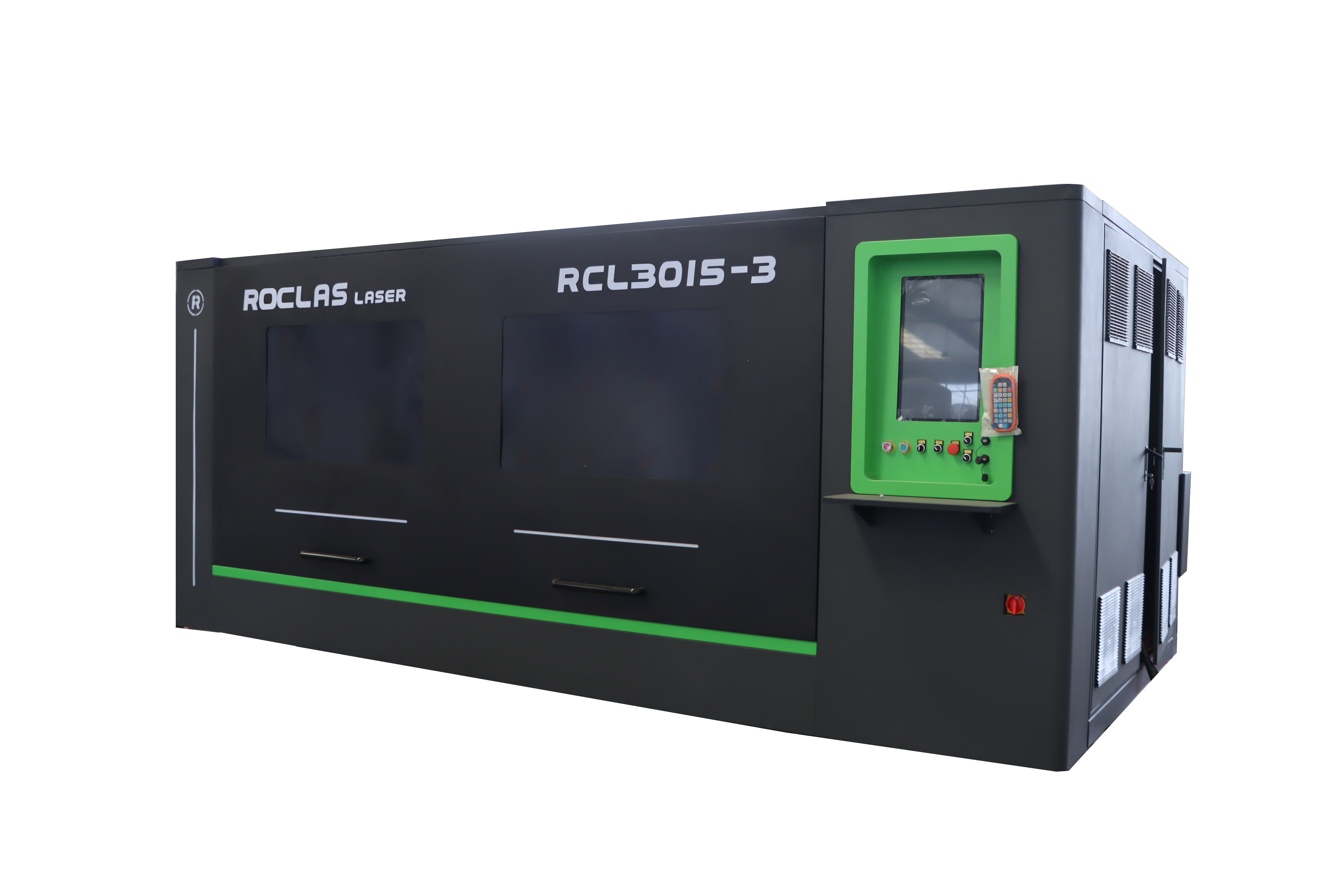
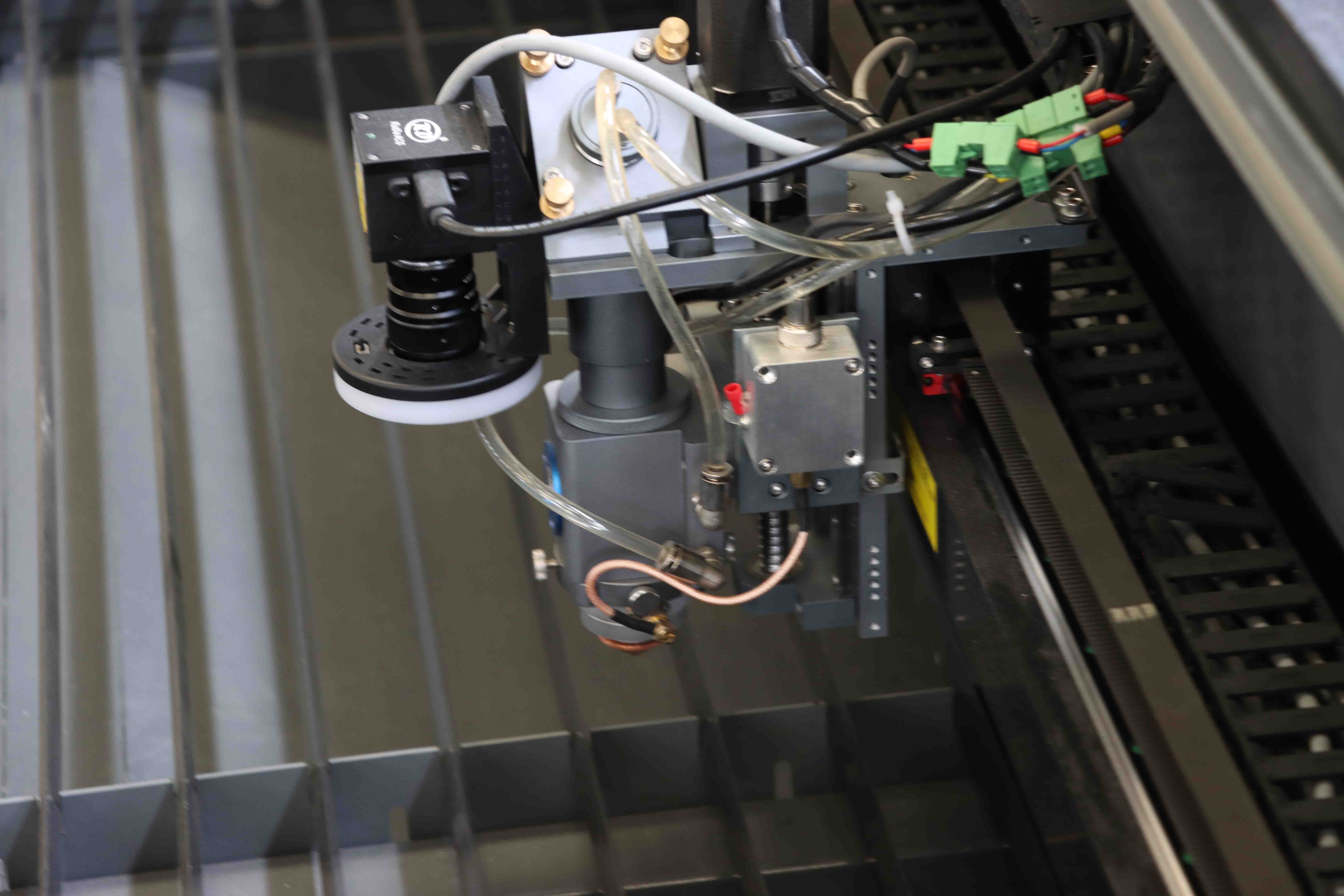
ROCLAS® MACHINERY CO., LTD. illustrates how these considerations converge in a single product line. The company's fiber laser cutting machines are built around an industrial-grade heavy-duty steel structure processed on CNC five-face machining centers, with imported servo drives and reducers, Schneider electrical components, and German igus cable management. The specification set—Cypcut 3000S control, Raytools laser heads, Raycus or MAX sources, and power options from 1000 W to 20 kW—places ROCLAS squarely in the mainstream of globally competitive suppliers. What distinguishes the offering is the breadth of the accessory ecosystem: nitrogen generators for high-purity assist gas, steel coil uncoilers for continuous-fed production, and 5-axis heads with n×360° infinite rotation for three-dimensional workpieces. For a fabricator specifying a complete line rather than a single machine, that breadth reduces the number of vendors to be coordinated and the number of interfaces to be validated.
The company's certification profile—ISO 9001, CE, FDA, UL, and PDL—also matters in export markets. Laser cutting machines are regulated products in most jurisdictions, and a supplier without the relevant documentation imposes a compliance burden on the buyer. ROCLAS holds these certifications across its range, along with more than 50 patents and a stated cadence of 10 or more new patents per year, which suggests an ongoing R&D commitment rather than a static catalogue.
IV. Conclusion and Outlook
Fiber laser cutting has reached technical maturity. The differentiation between suppliers now lies less in the beam source—which is increasingly sourced from a small number of laser manufacturers—and more in structural design, motion control tuning, software integration, and after-sales support. The specifications in the table above are achievable by any competent manufacturer; the question is whether they are achievable consistently, across thousands of operating hours, in a production environment where downtime is measured in lost orders.
Looking forward, three trends appear likely. Power will continue to rise for thick-plate applications, but the marginal value of additional kilowatts diminishes once a machine can cut the thickest material in a shop's typical order book. Automation will absorb a larger share of the total system cost, as loading, unloading, and sorting become the dominant labor inputs. And combined processing—cutting, welding, cleaning, and marking on a single platform—will become more common as fabricators seek to reduce work-in-progress handling.
For buyers, the practical implication is that machine selection should begin with the material mix and the production flow, not with the laser power rating. A 6 kW machine with excellent material handling will outproduce a 12 kW machine with manual loading in most real-world job shop scenarios. Suppliers who understand this—and who can deliver the full system rather than a component—will be the ones still in the conversation when the next procurement cycle arrives.