Abstract
The furniture industry's ongoing transition from batch production to mass customization has placed new demands on metal fabrication. Stainless steel frames, decorative panels, and hardware components now require cutting tolerances and surface finishes that traditional stamping and shearing cannot consistently deliver. Fiber laser cutting has emerged as a practical response to these requirements, particularly in the kitchen equipment, metal furniture, and decorative metalwork segments. This article examines the technical and economic factors driving adoption, drawing on equipment specifications and application data from ROCLAS® MACHINERY CO., LTD., a manufacturer with over fifteen years of experience in laser processing systems.
1. Industry Context and Market Drivers
Furniture manufacturing has historically been segmented by material: wood, metal, and upholstery. The metal furniture segment—covering kitchen equipment, stainless steel cabinetry, shelving systems, and structural frames—has seen accelerating demand for design complexity and batch variability. A restaurant chain may require fifty identical table frames; a residential project may need five differently sized shelving units from the same 304 stainless steel sheet. This variability exposes the limitations of fixed dies and manual layout processes.
Fiber laser cutting addresses three specific pain points in this environment: tooling independence, edge quality, and material utilization. Because the cutting path is defined digitally, design changes require no physical retooling. The non-contact cutting process produces clean edges on stainless steel and aluminum without secondary finishing in many cases. And nesting software can optimize sheet utilization across irregular part geometries, which matters considerably when processing 1–3 mm stainless steel at scale.
2. Technical Specification Analysis
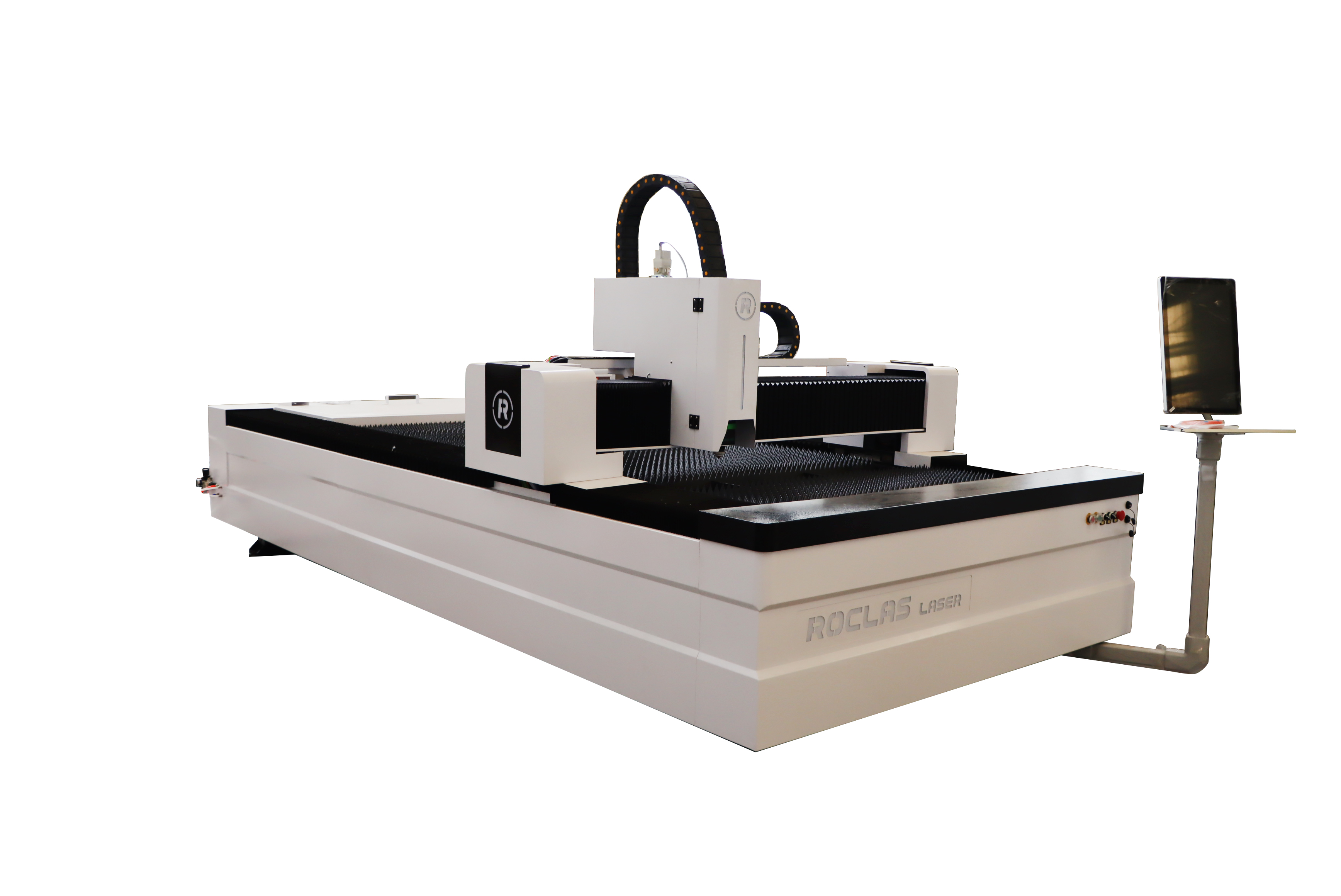
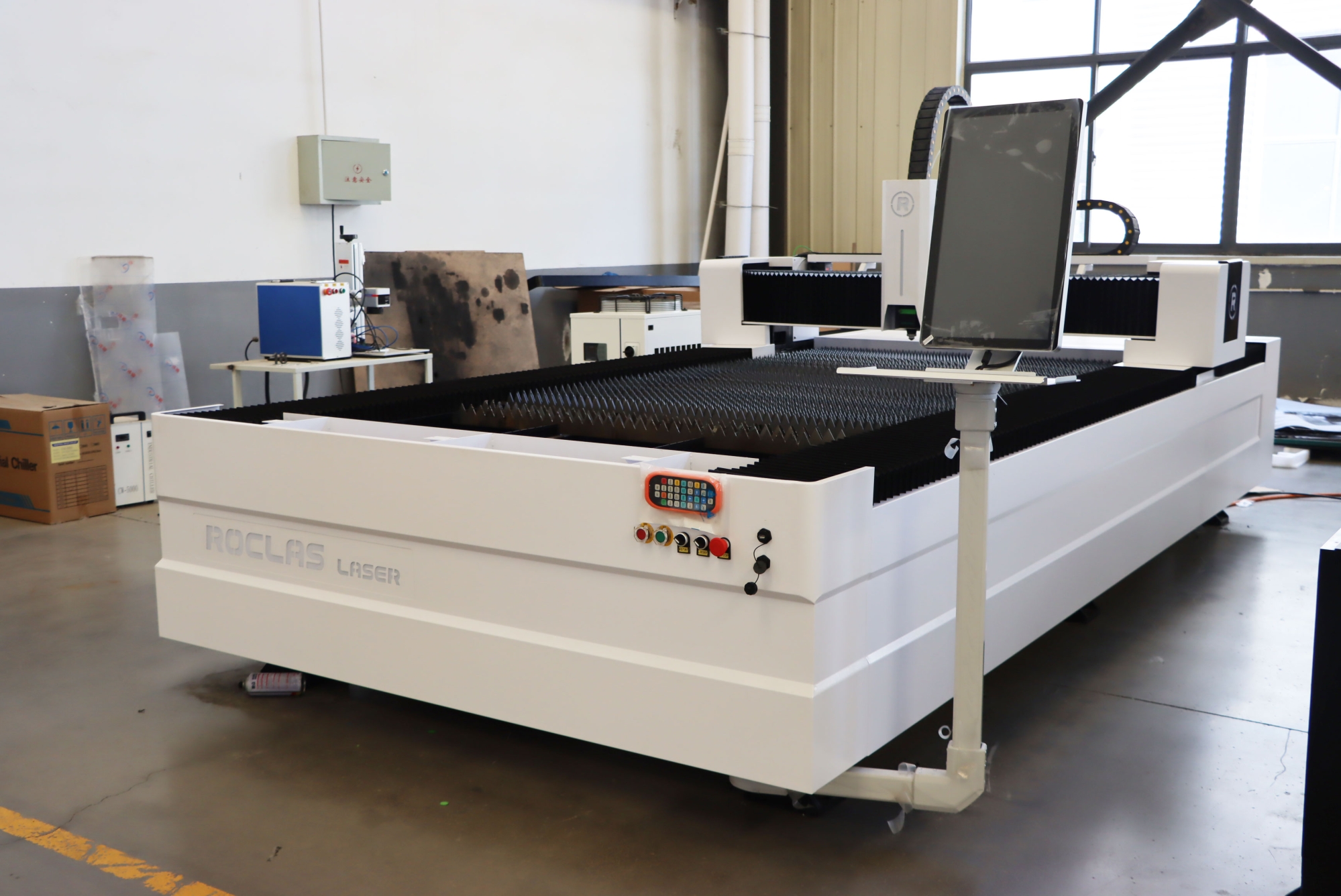
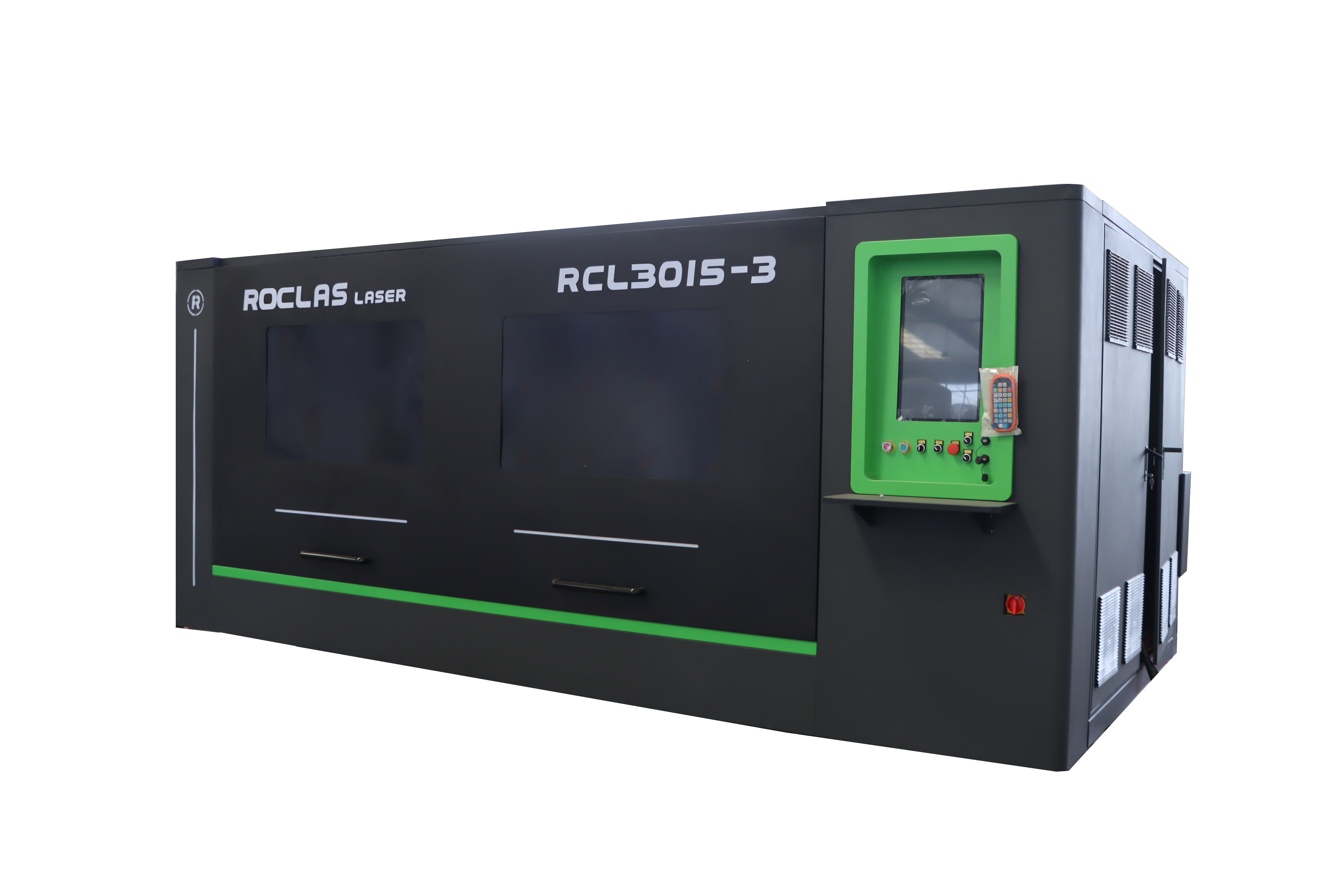
The table below summarizes key parameters of a representative fiber laser cutting platform used in furniture-related metal fabrication. These figures reflect the standard configuration offered by ROCLAS for sheet metal processing.
| Parameter | Specification |
|---|---|
| Working Area | 3000 × 1500 mm / 4000 × 2000 mm |
| Laser Power | 1000 W – 20 KW |
| Laser Source | Raycus / MAX |
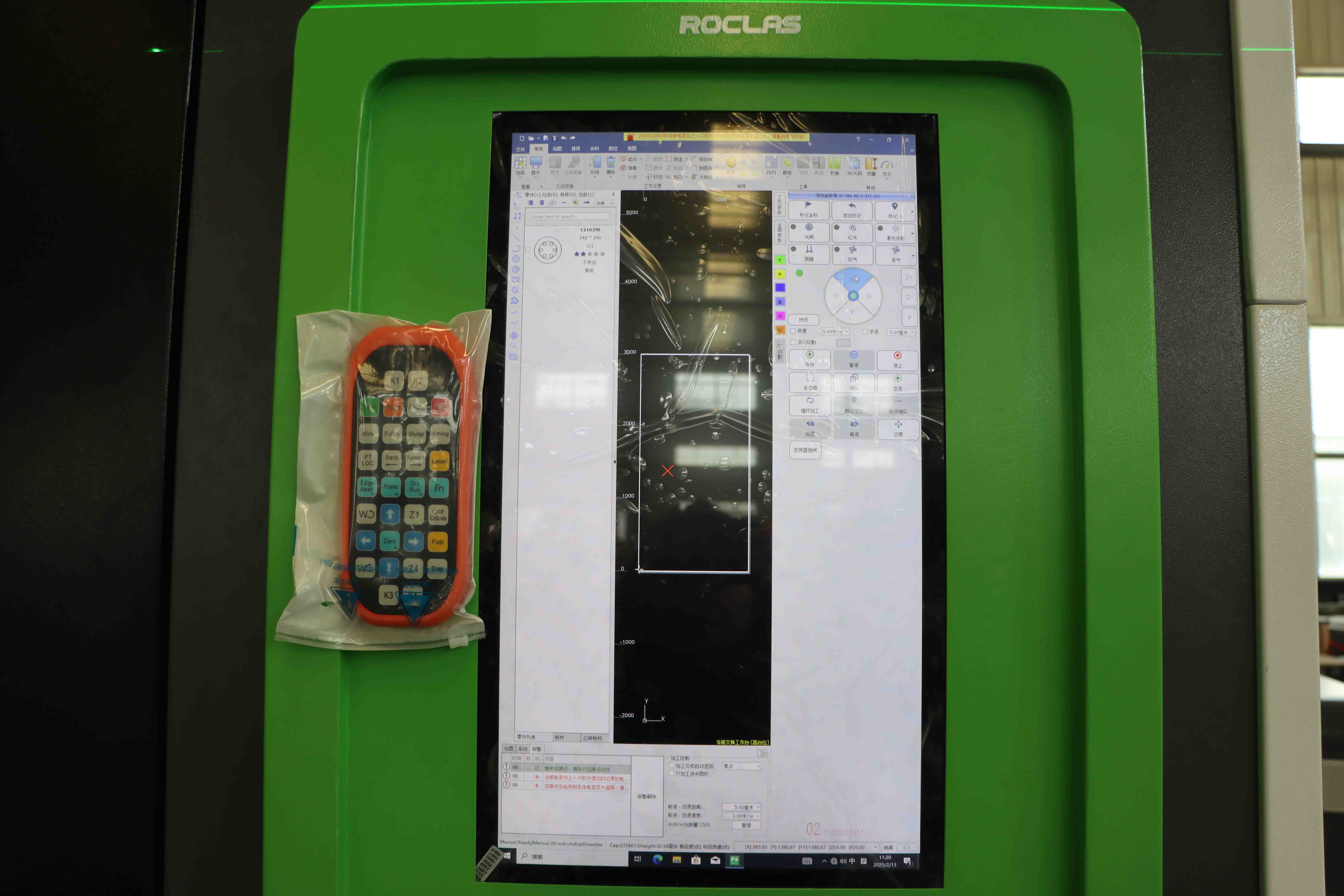
| Control System | Cypcut 3000S |
| X/Y Positioning Accuracy | ±0.03 mm |
| X/Y Repositioning Accuracy | ±0.02 mm |
| Travel Speed | 100 m/min |
| Max Acceleration | 1.0 G |
| Driver System | Leadshine servo motor |
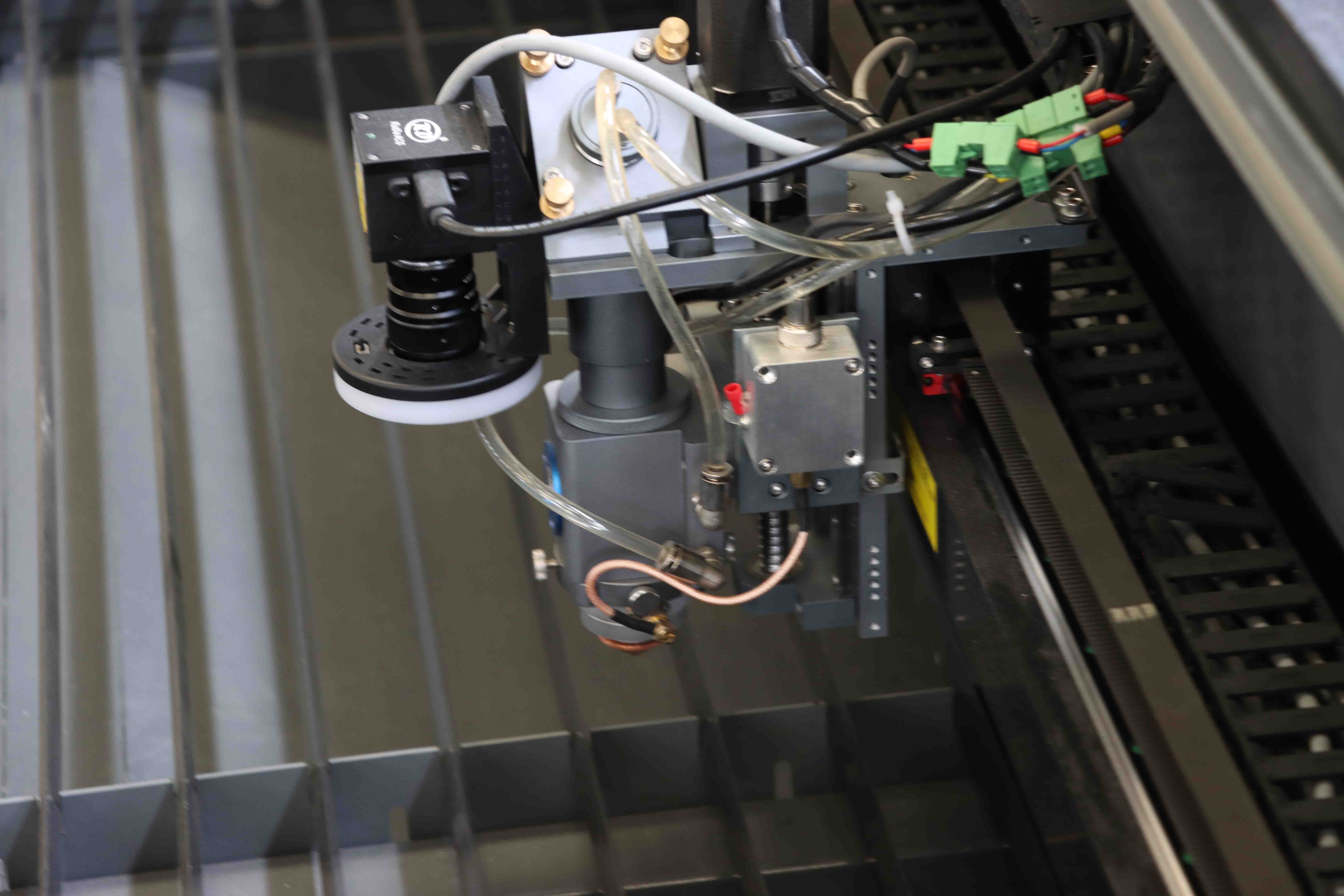
| Laser Head | Raytools |
| Power Requirements | 380 V / 50 Hz |
Several observations follow from these specifications. The ±0.03 mm positioning accuracy is well within the tolerance required for furniture hardware—hinge plates, drawer slides, and decorative inlays—where cumulative error across a batch can determine whether assembly proceeds smoothly or requires rework. The 1.0 G acceleration and 100 m/min travel speed are relevant not for cutting speed alone but for the rapid traverse between cut segments; in nested layouts with many small parts, non-cutting motion can consume a significant fraction of cycle time.
The power range from 1000 W to 20 KW allows a single platform to serve different production profiles. A furniture workshop cutting 1 mm decorative stainless steel may operate at 1500–2000 W, while a manufacturer producing structural frames from 6 mm carbon steel would specify 6000 W or higher. The availability of both Raycus and MAX laser sources gives buyers flexibility in cost and supply chain considerations.
3. Application in Furniture Production
The furniture applications of fiber laser cutting fall into four broad categories:
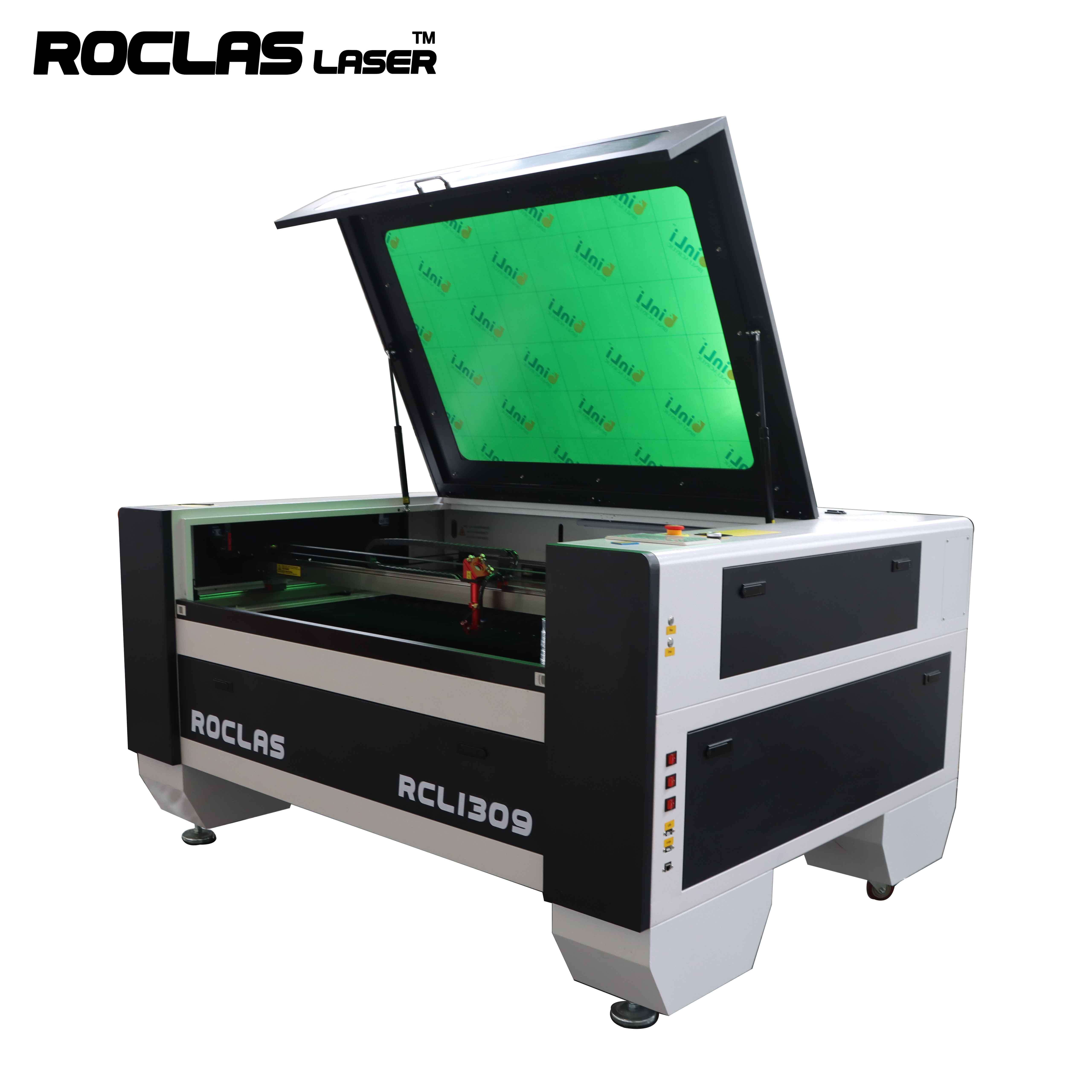
- Kitchen equipment: Stainless steel cabinet panels, range hood components, sink cutouts, and trim pieces. The CO2 laser option (200 W–500 W) extends capability to acrylic and wood components used in display fixtures.
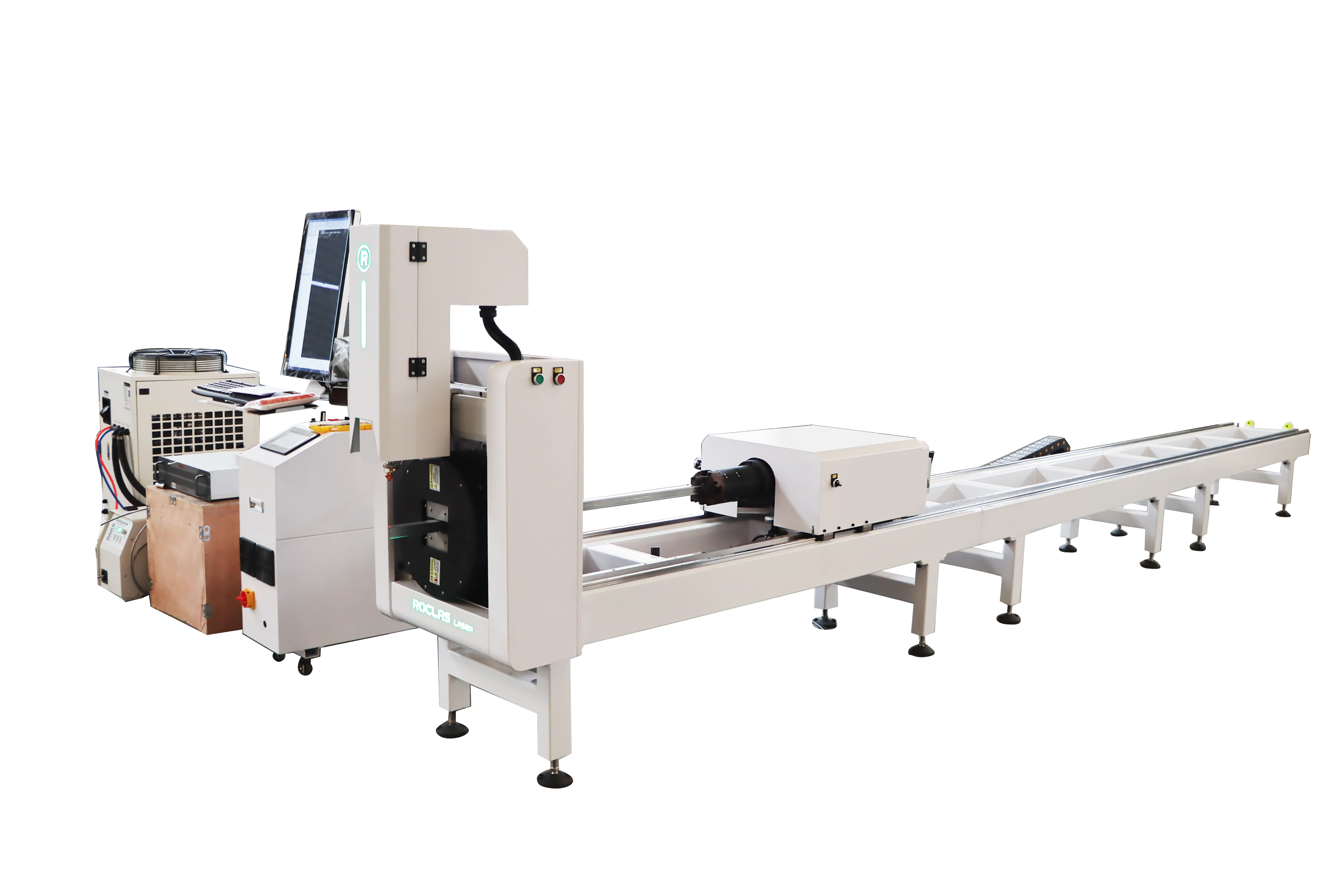
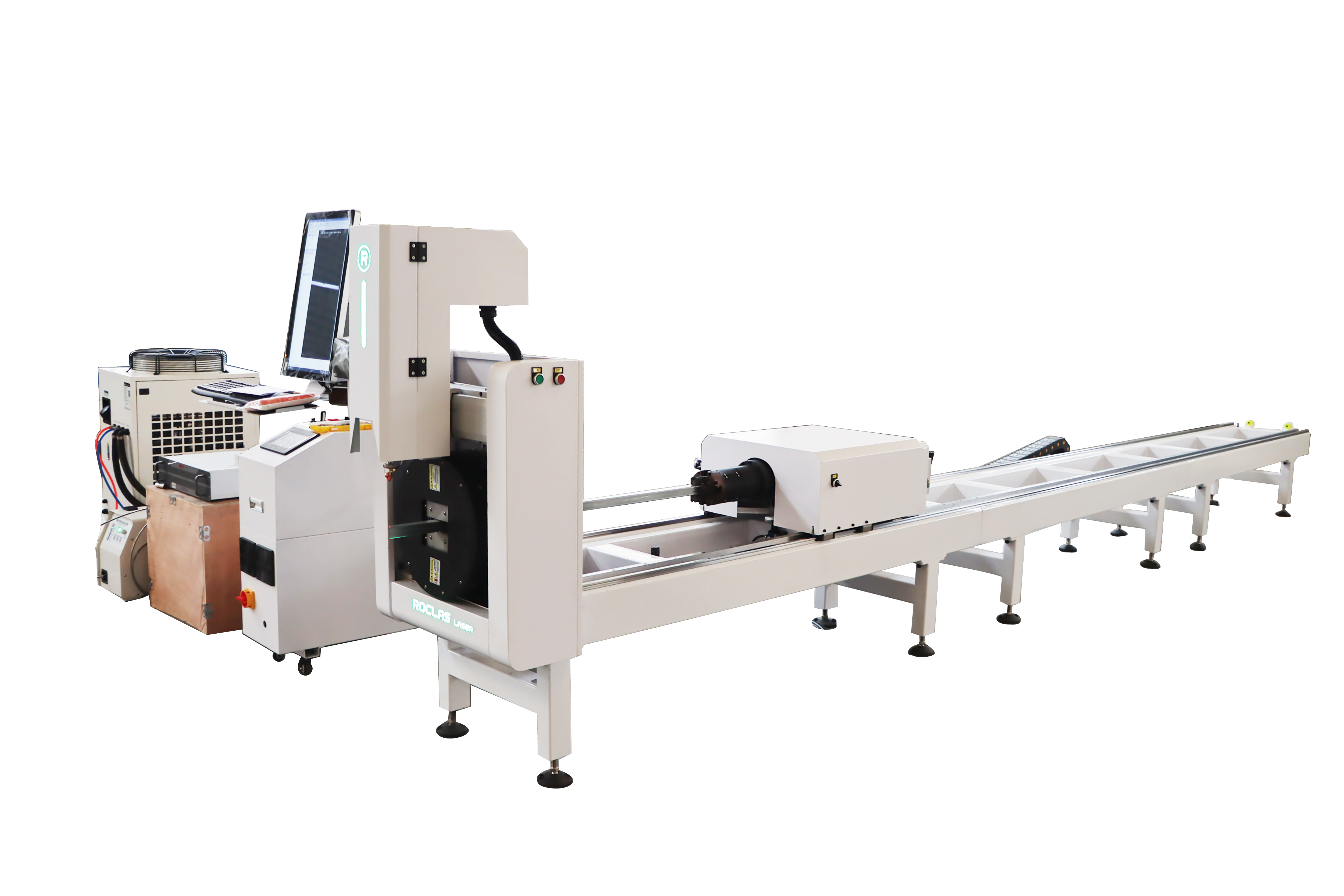
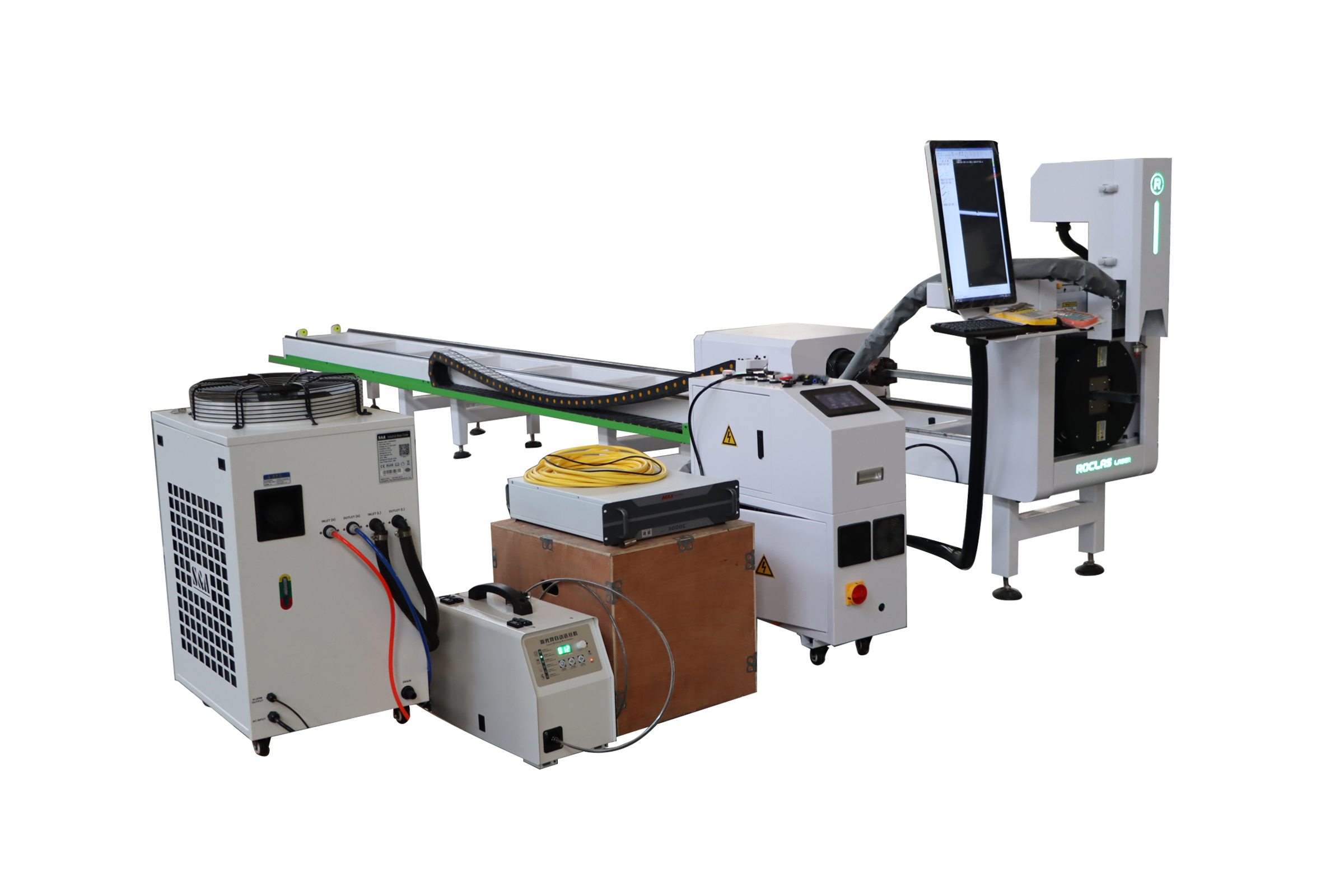
- Metal furniture frames: Chair and table legs, brackets, and connection plates cut from tube and sheet. The tube cutting configuration handles diameters up to 220 mm, suitable for most furniture tubing.
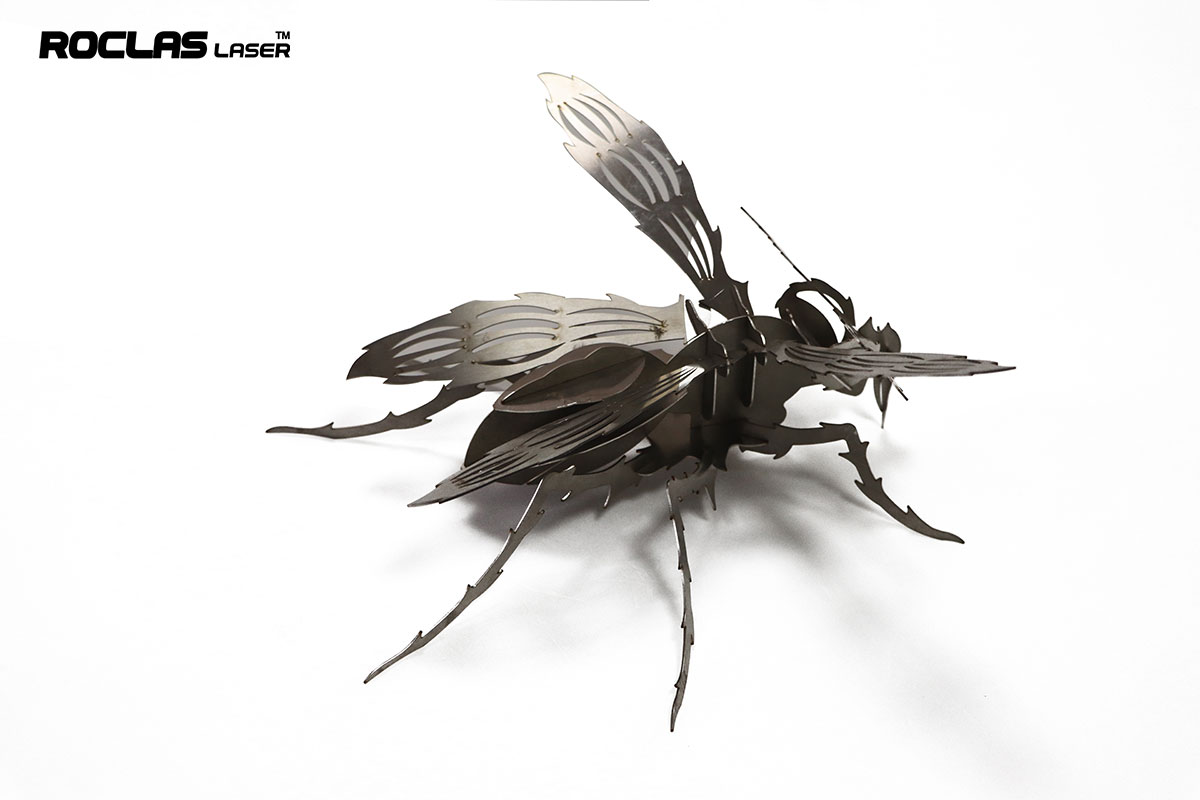
- Decorative metalwork: Laser-cut screens, room dividers, and artistic panels. These benefit from the fine kerf and minimal heat-affected zone, which preserve the appearance of brushed or polished surfaces.
- Hardware and fittings: Hinges, handles, and mounting plates where edge quality and dimensional consistency directly affect assembly efficiency.
ROCLAS equipment has been deployed in these furniture-related applications, with the company's product line including both flat sheet and tube cutting configurations. The integration of an automatic nesting function in the Cypcut control system is particularly relevant for furniture manufacturers who process mixed batches of parts from standard 4×8 sheets.
4. Operational and Economic Considerations
The decision to adopt fiber laser cutting in furniture production typically rests on three calculations: labor reduction, material savings, and design flexibility.
Labor reduction is straightforward: a single operator can manage a 3000 × 1500 mm platform, loading sheets and monitoring the cut. Material savings come from nesting optimization—typical utilization improvements of 10–15% over manual layout are common when processing irregular furniture components. Design flexibility is harder to quantify but often the decisive factor: the ability to introduce a new product variant without ordering dies or reprogramming a press.
Maintenance requirements are moderate. Daily tasks include lens cleaning and nozzle inspection; periodic tasks include guide rail lubrication and calibration checks. The machines are designed for installation without a dedicated workshop—a 380 V supply and ventilated space are sufficient, and the built-in smoke purification system addresses fume extraction for most materials.
5. Conclusion
Fiber laser cutting has moved from a specialized process to a standard tool in metal furniture manufacturing. The combination of sub-0.05 mm accuracy, tooling-free changeover, and improving cost-per-part economics has made it viable for operations ranging from small custom shops to high-volume kitchen equipment producers. As furniture design continues to push toward thinner materials, more complex geometries, and shorter product cycles, the flexibility inherent in laser processing will remain a practical advantage. Manufacturers evaluating equipment should prioritize positioning accuracy, nesting software capability, and service support—factors that determine long-term productivity more than peak cutting speed alone.