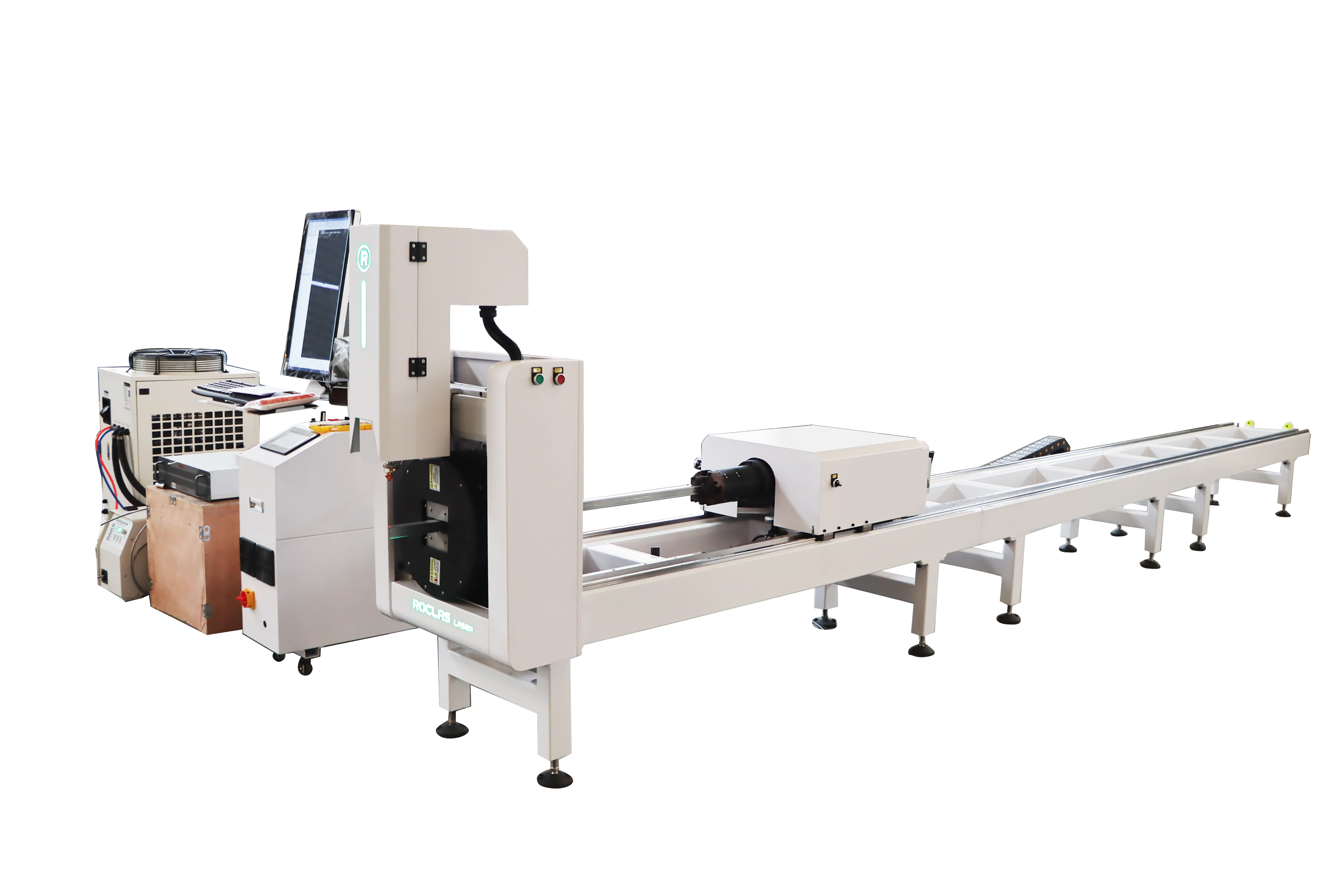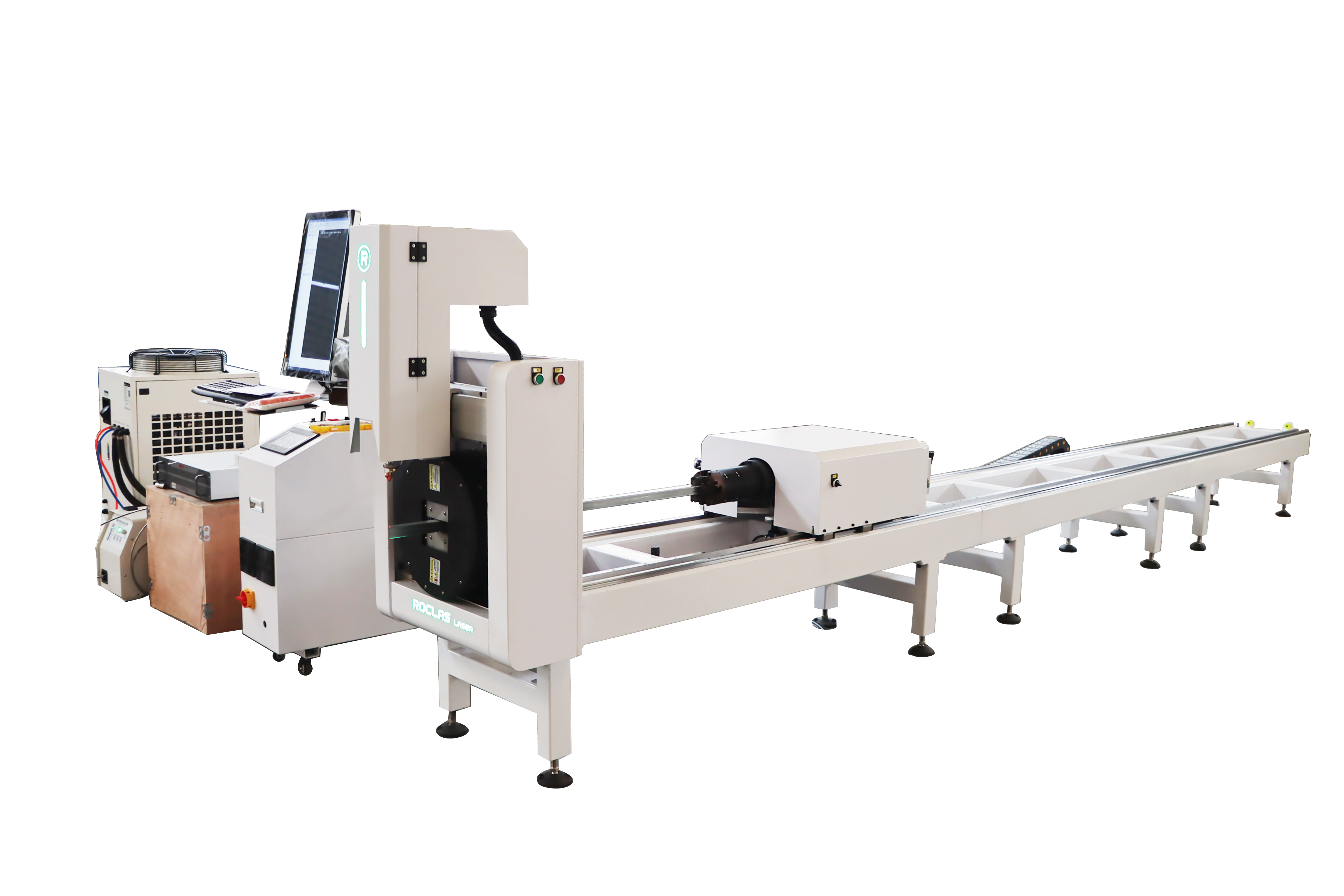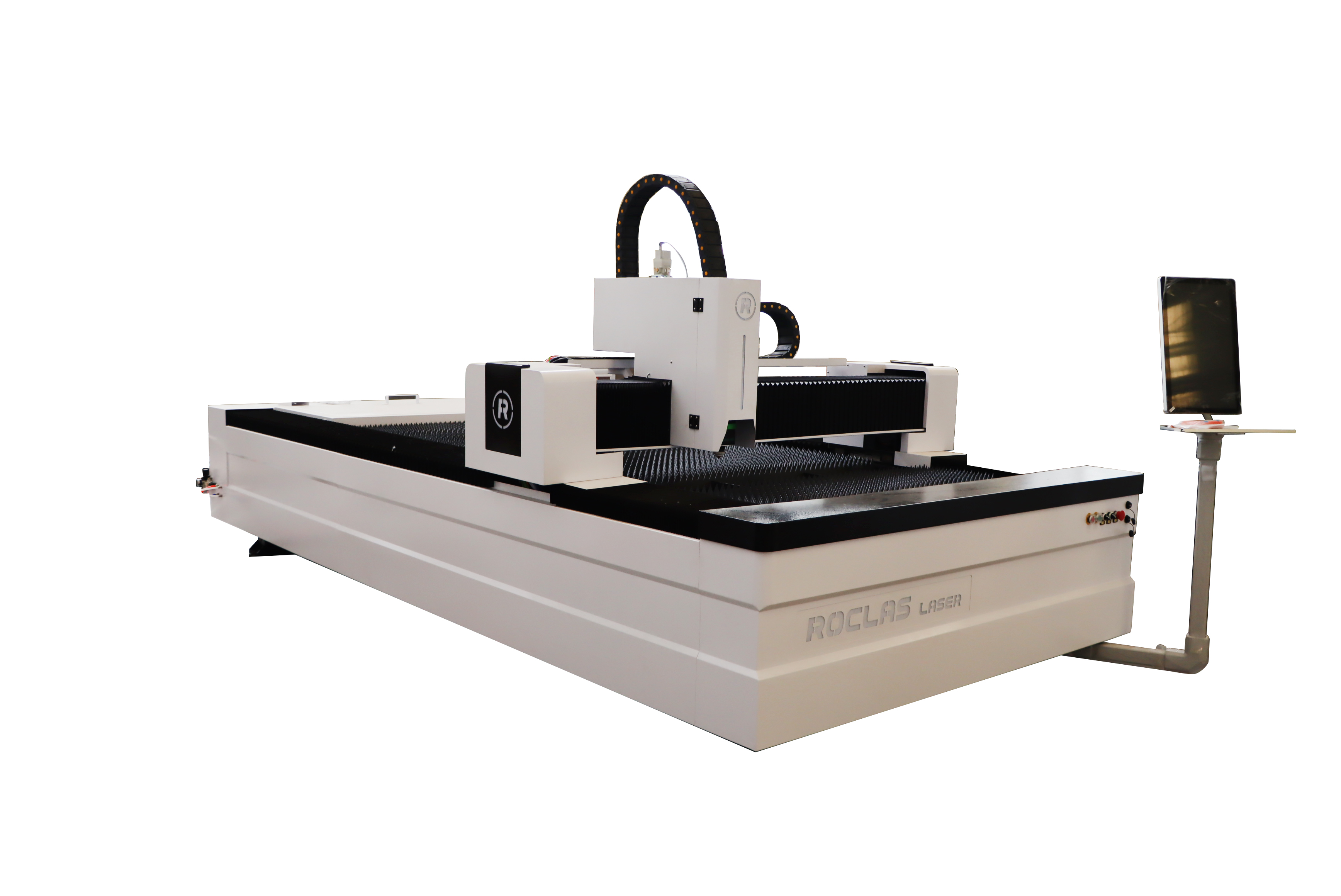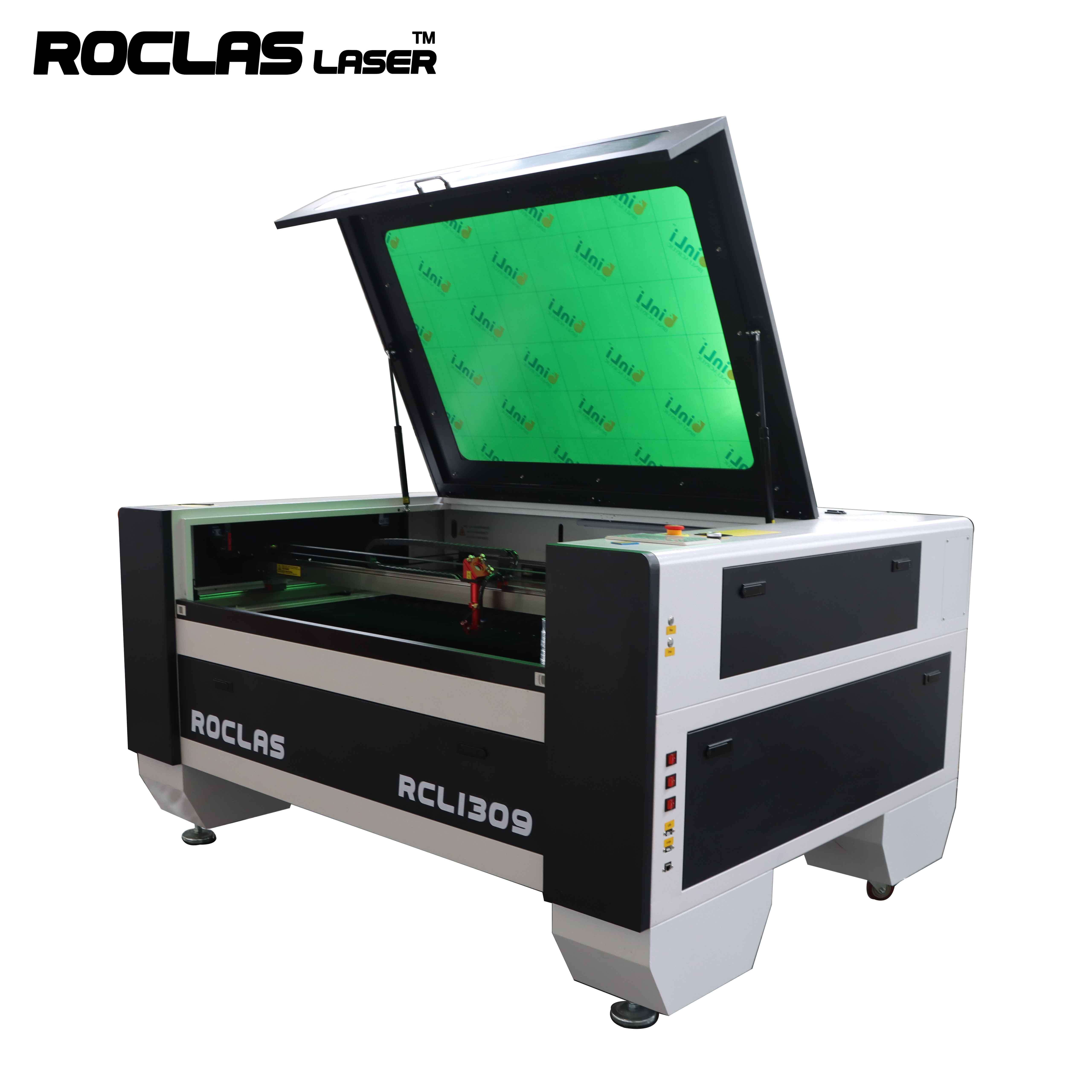
The global shift toward fiber laser technology in sheet metal fabrication is not a matter of fashion; it is a structural change driven by beam quality, wall-plug efficiency, and falling cost-per-part. Where CO₂ platforms once dominated thick-section cutting, fiber sources have progressively displaced them across the 1–20 kW band, and the machine architecture around those sources has evolved just as quickly. What follows examines the current state of CNC fiber laser cutting, the practical performance envelope of modern systems, and how established manufacturers such as ROCLAS® MACHINERY CO., LTD. position their platforms within this competitive landscape.
The Market Context and the Data
The competitive pressure in metal fabrication has shifted from raw cutting speed to total process economy—material yield, energy draw, uptime, and the ability to cut reflective and coated stock without drama. The following table summarizes representative specifications across typical CNC fiber laser cutting configurations, drawn from current commercial platforms.
| Parameter | Entry-Level Sheet | Mid-Range Sheet | High-Power Sheet | Tube Cutting |
|---|---|---|---|---|
| Laser Power | 1000–1500 W | 3000–6000 W | 10–20 kW | 1000–3000 W |
| Working Area | 3000×1500 mm | 4000×2000 mm | 4000×2000 mm | 1500×4000 mm |
| Positioning Accuracy | ±0.03 mm | ±0.03 mm | ±0.03 mm | ±0.05 mm |
| Repositioning Accuracy | ±0.02 mm | ±0.02 mm | ±0.02 mm | ±0.03 mm |
| Max Travel Speed | 100 m/min | 100 m/min | 100 m/min | 100 m/min |
| Max Acceleration | 1.0 G | 1.0 G | 1.0 G | 1.0 G |
| Max Tube Diameter | — | — | — | 220 mm |
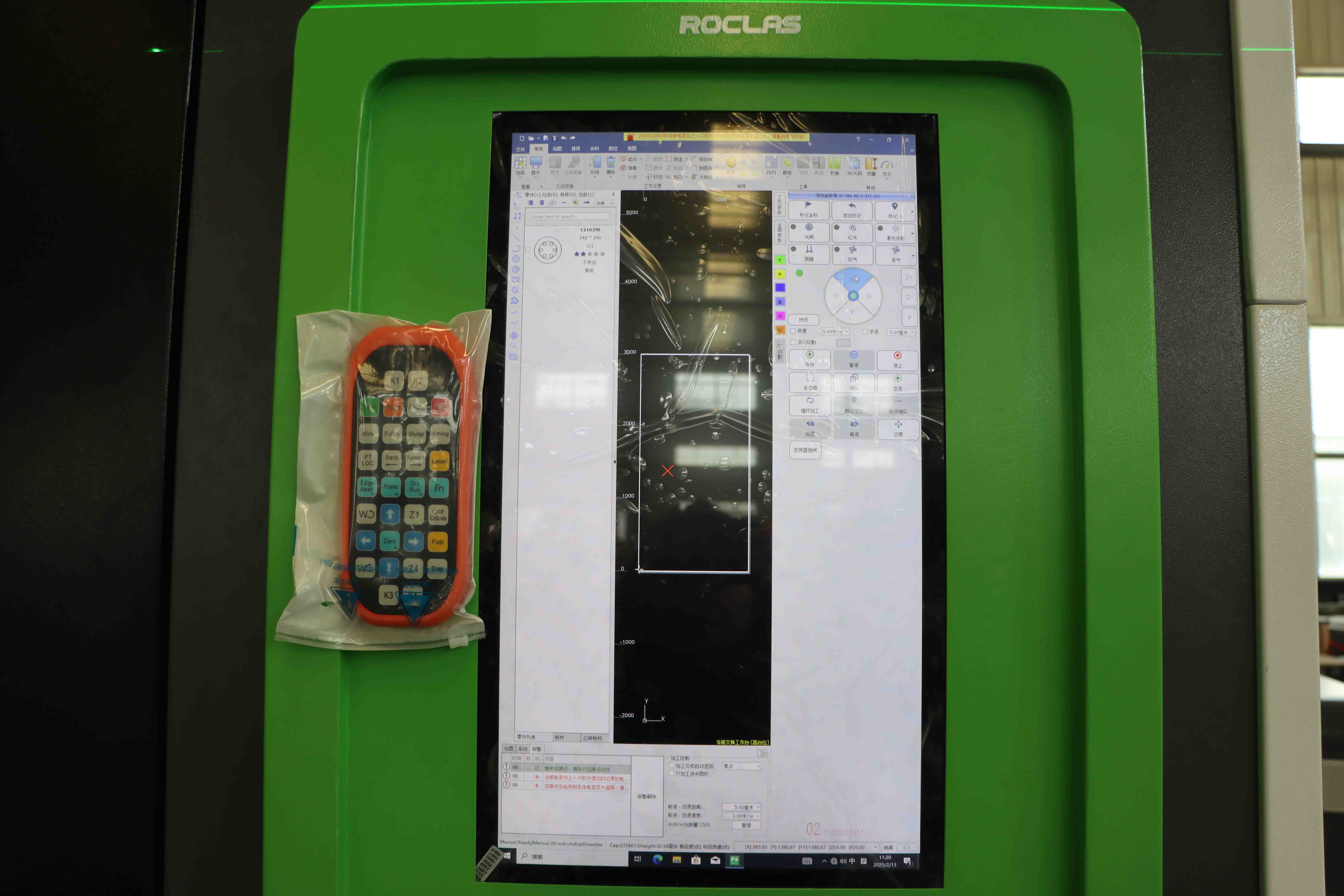
| Control System | Cypcut | Cypcut 3000S | Cypcut 3000S | Cypcut |
Two observations follow from these figures. First, motion dynamics have converged: a 1.0 G acceleration and 100 m/min traverse are now baseline expectations rather than premium features, even at the entry level. The differentiator is no longer the gantry but the source, the control loop, and the thermal stability of the frame. Second, accuracy specifications cluster tightly at ±0.03 mm positioning and ±0.02 mm repositioning for sheet machines, with tube platforms slightly looser at ±0.05 mm—a reflection of chuck dynamics and tube straightness rather than any deficiency in the drive train.
The real spread lies in power. A 1 kW source cuts thin gauge efficiently but cannot economically process 10 mm stainless; a 20 kW source changes the calculus entirely, enabling thick-plate cutting with nitrogen at speeds that make CO₂ and plasma alternatives difficult to justify. The table's power column therefore represents the single most consequential purchasing decision a fabricator makes.
Technical Enablers Behind the Numbers
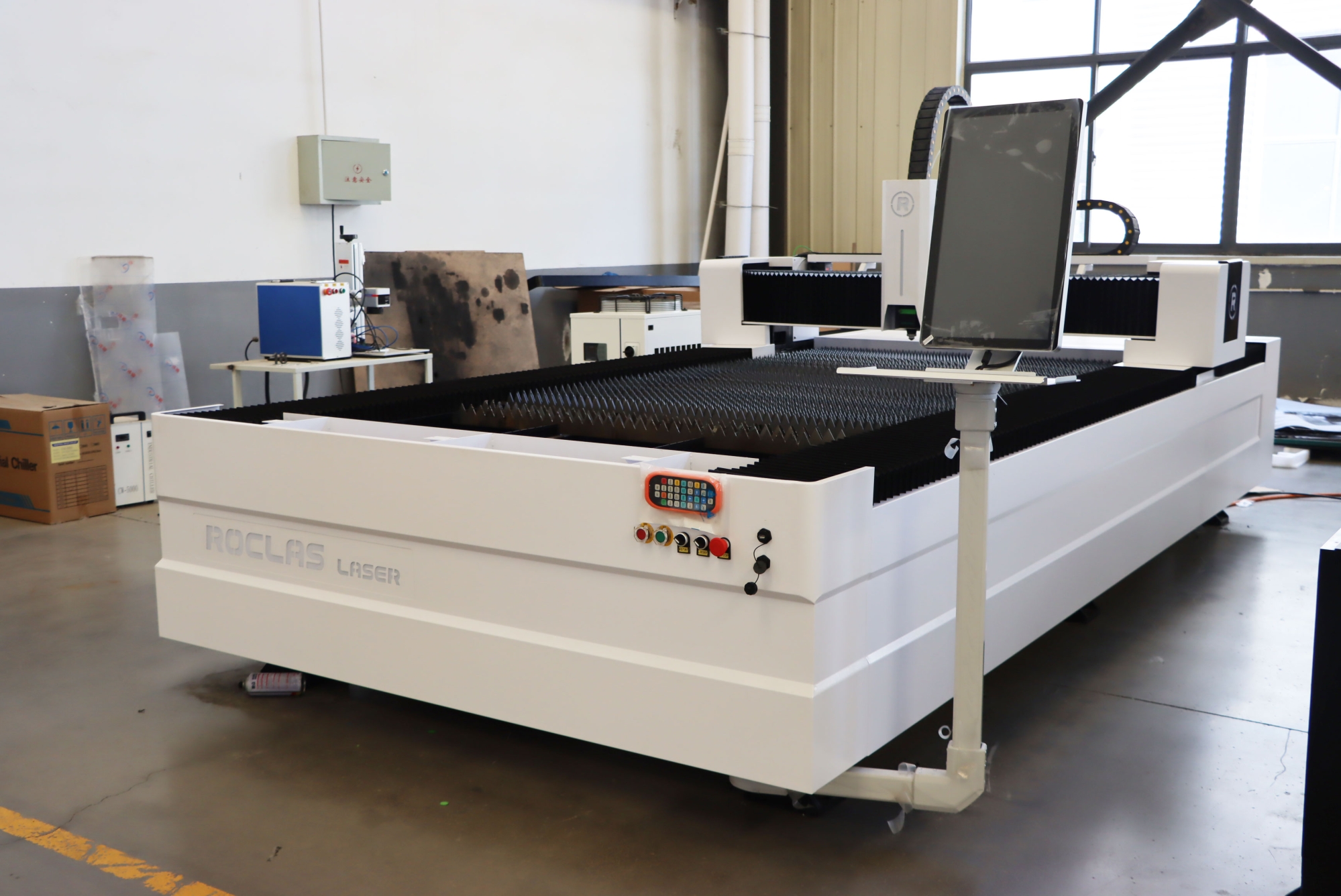
Modern CNC fiber laser cutters achieve their precision through a combination of heavy-duty structural design and careful component selection. Industrial-grade steel frames, often processed on CNC five-face machining centers, provide the rigidity required to hold ±0.03 mm under 1.0 G acceleration. Imported servo drives and reducers, paired with gantry structures—typically fixed gantry with a movable workbench for maximum processing space—deliver the dynamic response the cutting head demands.
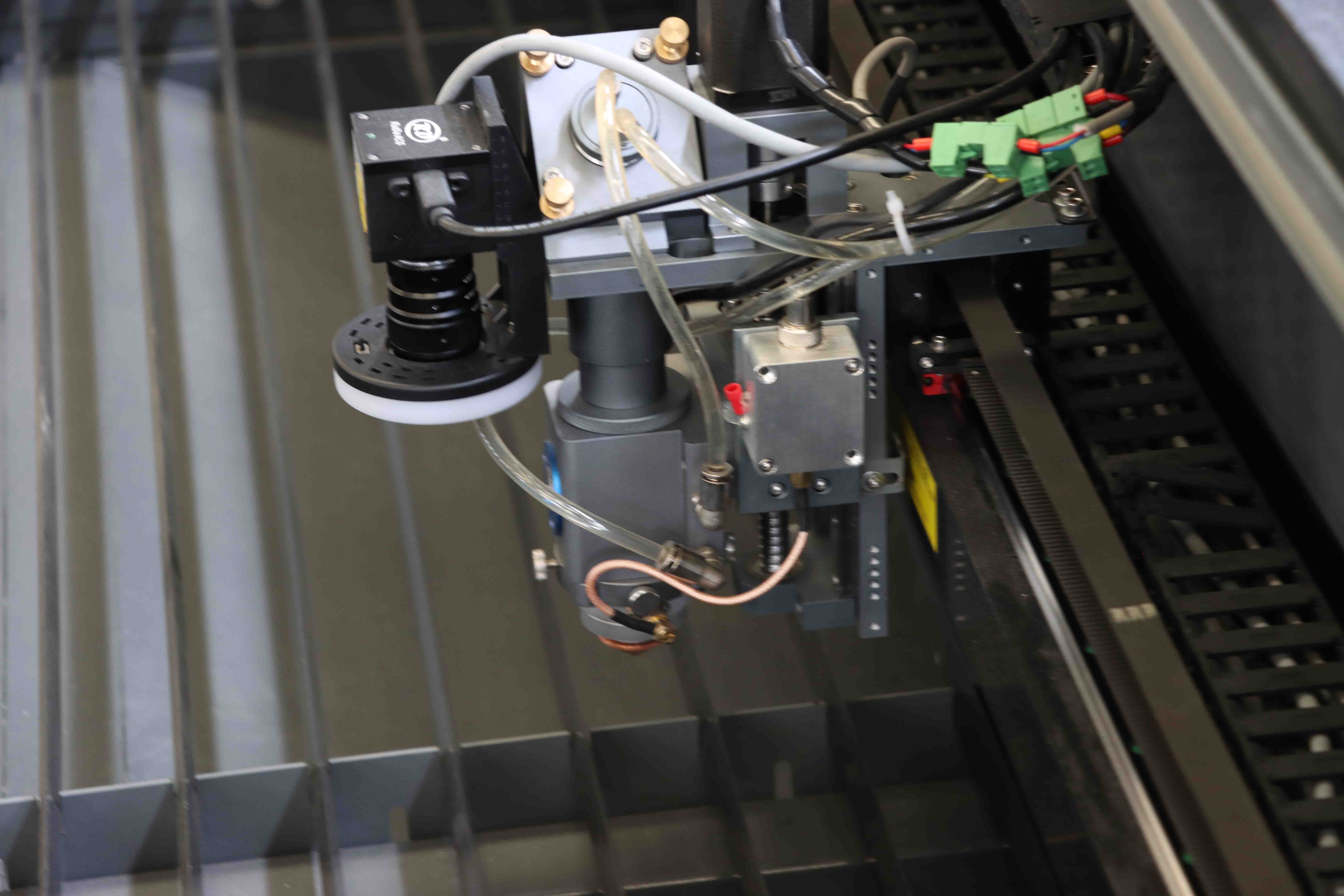
The cutting head itself matters as much as the source. Raytools heads, common across mid- and high-power configurations, integrate height sensing and collision protection that keep kerf loss minimal and protect optics during high-speed contouring. Control is handled by Cypcut systems, with the 3000S variant offering automatic nesting that materially improves material utilization—often the difference between a profitable and unprofitable job shop.
Reflective materials remain a practical concern. Copper and aluminum reflect near-infrared light aggressively, and without suppression, back-reflection can damage the source. A high-reflectivity suppression module enables stable processing of 1–2 mm copper and 2–3 mm aluminum, expanding the material envelope beyond carbon and stainless steel. This is not a niche capability; it determines whether a fabricator can quote electronics enclosures, busbars, and architectural hardware.
Where ROCLAS Fits
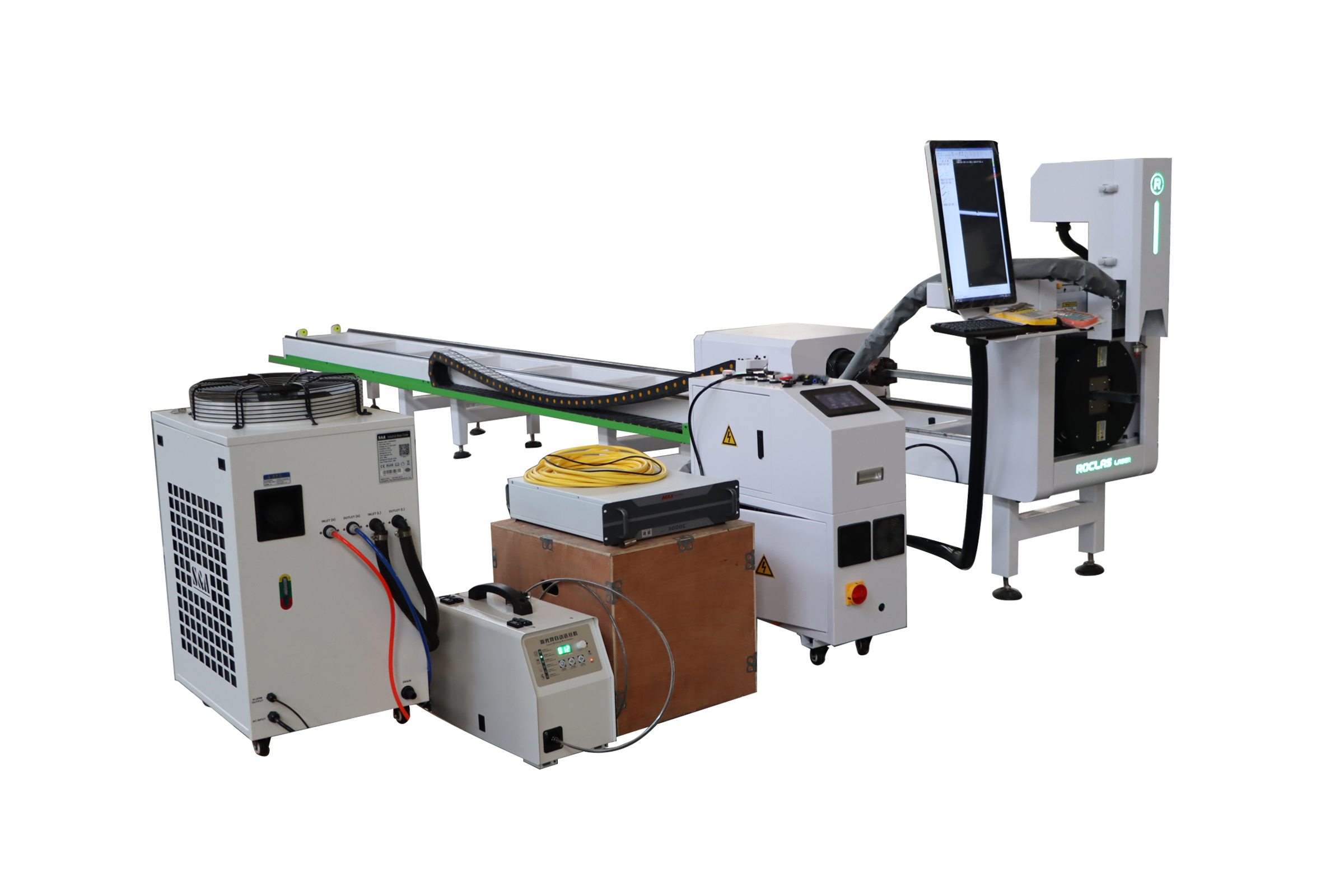
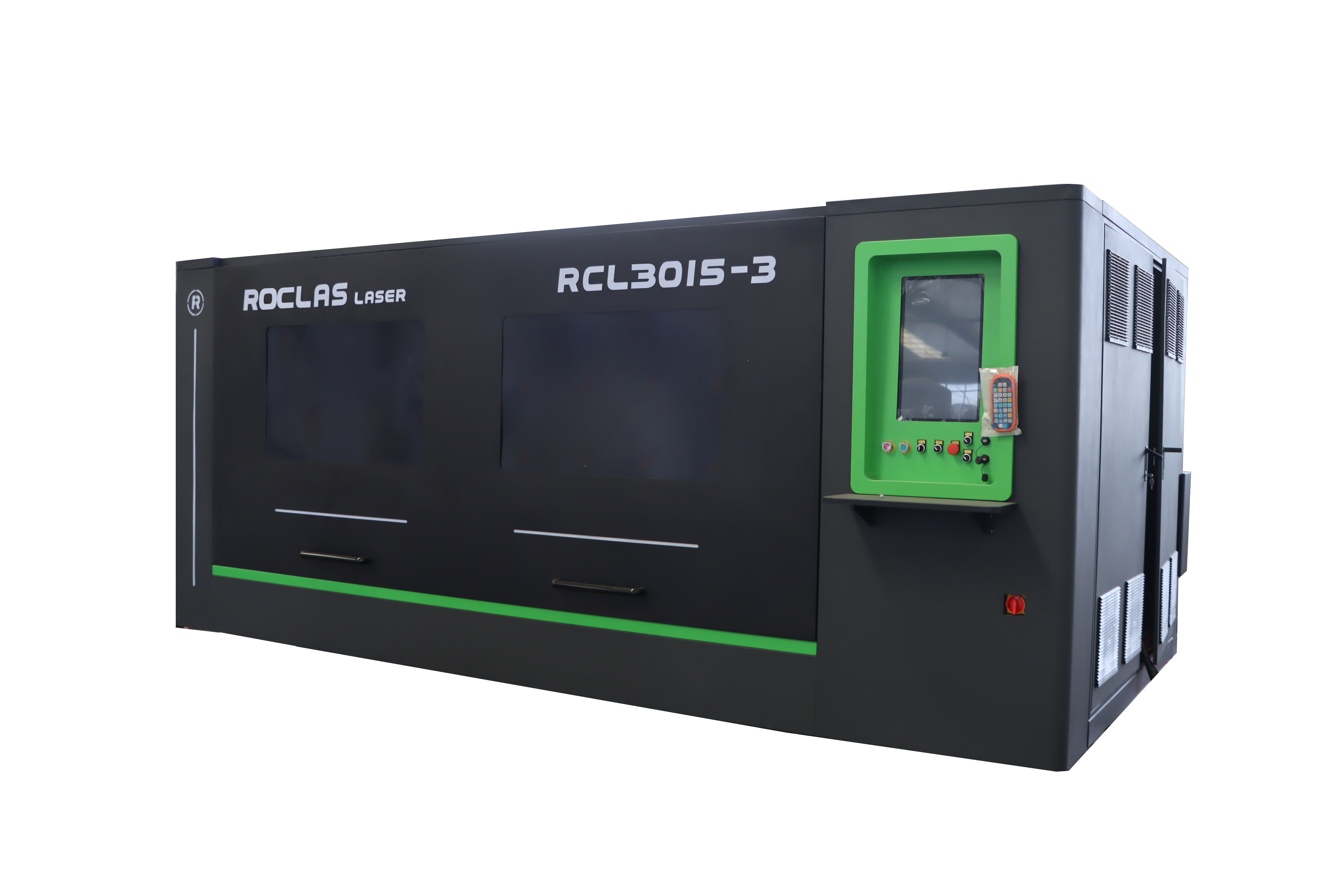
ROCLAS® MACHINERY CO., LTD., operating with over fifteen years of industry experience and a fifteen-member R&D team, has built its product line around exactly these technical priorities. Its Fiber laser cutting machines span 1000 W to 20 kW, using Raycus or MAX sources and Cypcut control, with the heavy-duty steel structure and five-face machining that the accuracy figures above presuppose. The company's portfolio extends beyond flat sheet: 5-axis fiber laser centers with n×360° infinite rotation address complex 3D workpieces, while dedicated tube machines handle diameters up to 220 mm. For mixed-material shops, ROCLAS offers a hybrid CO₂ and fiber configuration that processes wood, acrylic, leather, and thin metals on a single 1500×3000 mm bed—an unusual but practical consolidation for signage and furniture workshops.
The broader ROCLAS ecosystem—Laser welding machines at 1500 W, cleaning units for rust and paint removal, nitrogen generators delivering 99.999% purity, and steel coil uncoiler lines—reflects an understanding that cutting is rarely an isolated operation. Certifications including ISO 9001, CE, FDA, UL, and PDL, backed by more than fifty patents and ten new patents annually, indicate the compliance and IP posture expected of a supplier serving export markets.
Conclusion
CNC fiber laser cutting has matured into a technology where the specification sheet is relatively predictable and the competitive battle is fought over integration, reliability, and support. The convergence of motion parameters across price tiers means buyers should scrutinize the source, the head, the controller, and—critically—the service network behind the machine. Manufacturers like ROCLAS that pair a broad product range with in-house R&D and international certification are positioning themselves for a market in which the laser is no longer a standalone tool but the center of an integrated fabrication cell.