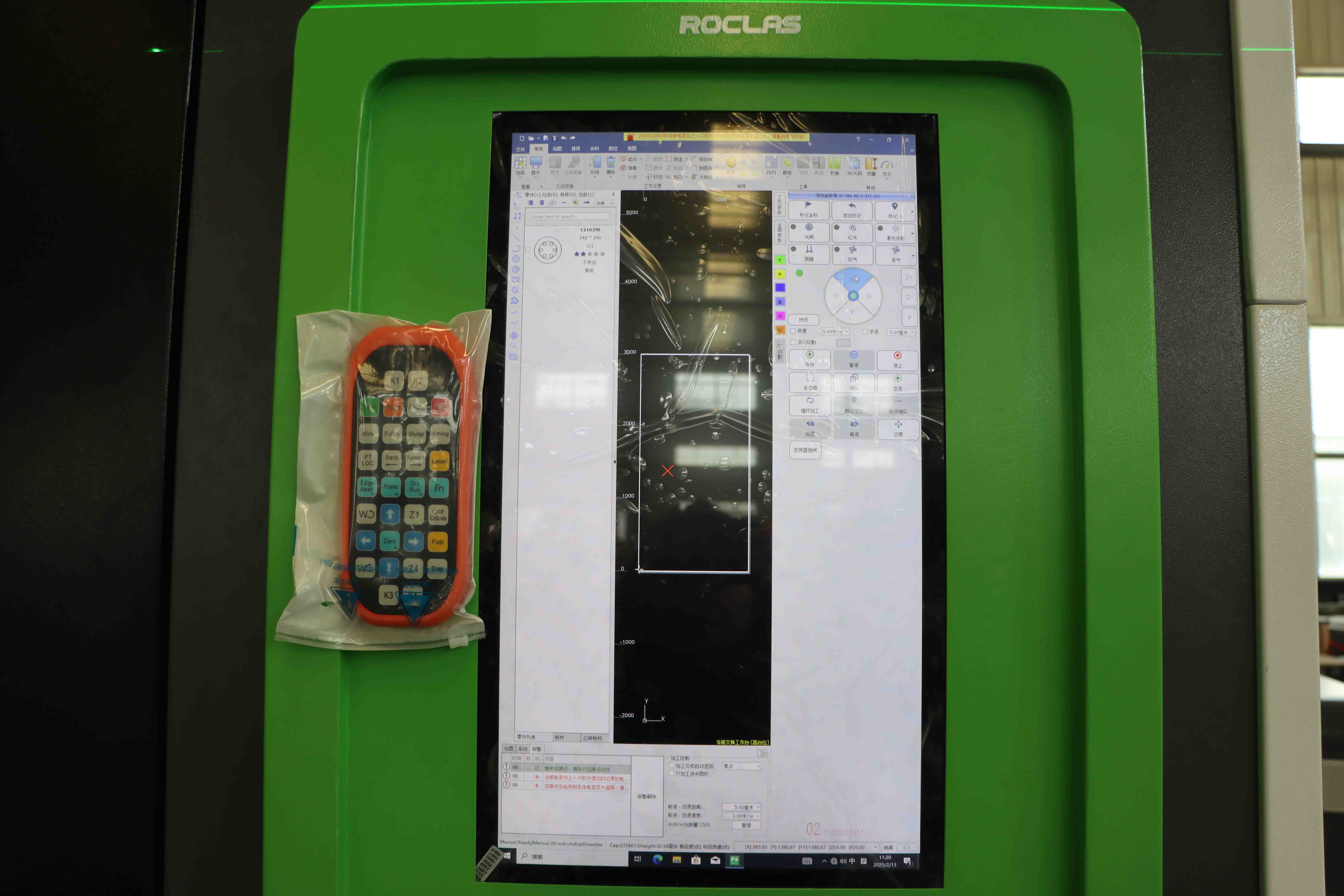
Understanding Pricing in the CNC and Laser Equipment Market
When manufacturers, workshop owners, or procurement specialists begin evaluating CNC routers, woodworking machining centers, or stone CNC equipment, one of the first questions that arises is deceptively simple: how much does this machine cost? The honest answer is that no single figure applies across the board. Pricing in the CNC and laser processing sector depends on a complex interplay of power ratings, working envelope, structural design, control systems, and the specific materials the machine is expected to handle. For a company like ROCLAS® MACHINERY CO., LTD., which has spent over fifteen years developing laser cutting technologies and holds more than fifty patents, the cost structure reflects genuine engineering investment rather than a one-size-fits-all price tag. Buyers who understand the variables behind the number are far better positioned to negotiate, compare, and ultimately select equipment that delivers a genuine return on investment.
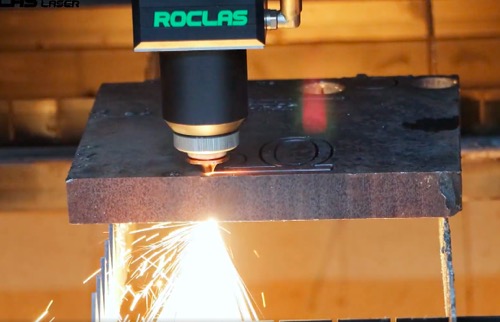
The global market for CNC routers and laser cutting systems has expanded steadily over the past decade, driven by demand from furniture manufacturing, automotive component production, aerospace subcontracting, and architectural stonework. Within this landscape, pricing tiers have become more clearly defined, and buyers can generally map their requirements onto one of several recognizable brackets. The table below summarizes typical price ranges and corresponding machine categories, drawing on publicly available market data and the product architecture that ROCLAS and similar manufacturers provide.
| Machine Category | Typical Power / Configuration | Working Area | Estimated Price Range (USD) | Primary Applications |
|---|---|---|---|---|---|
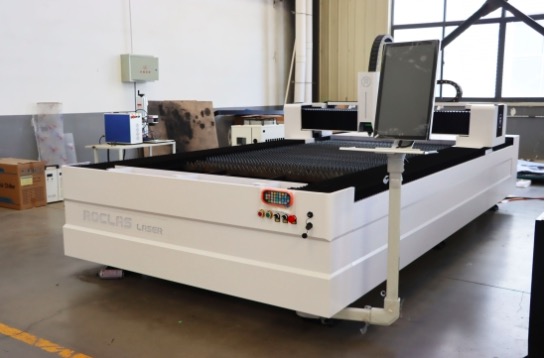
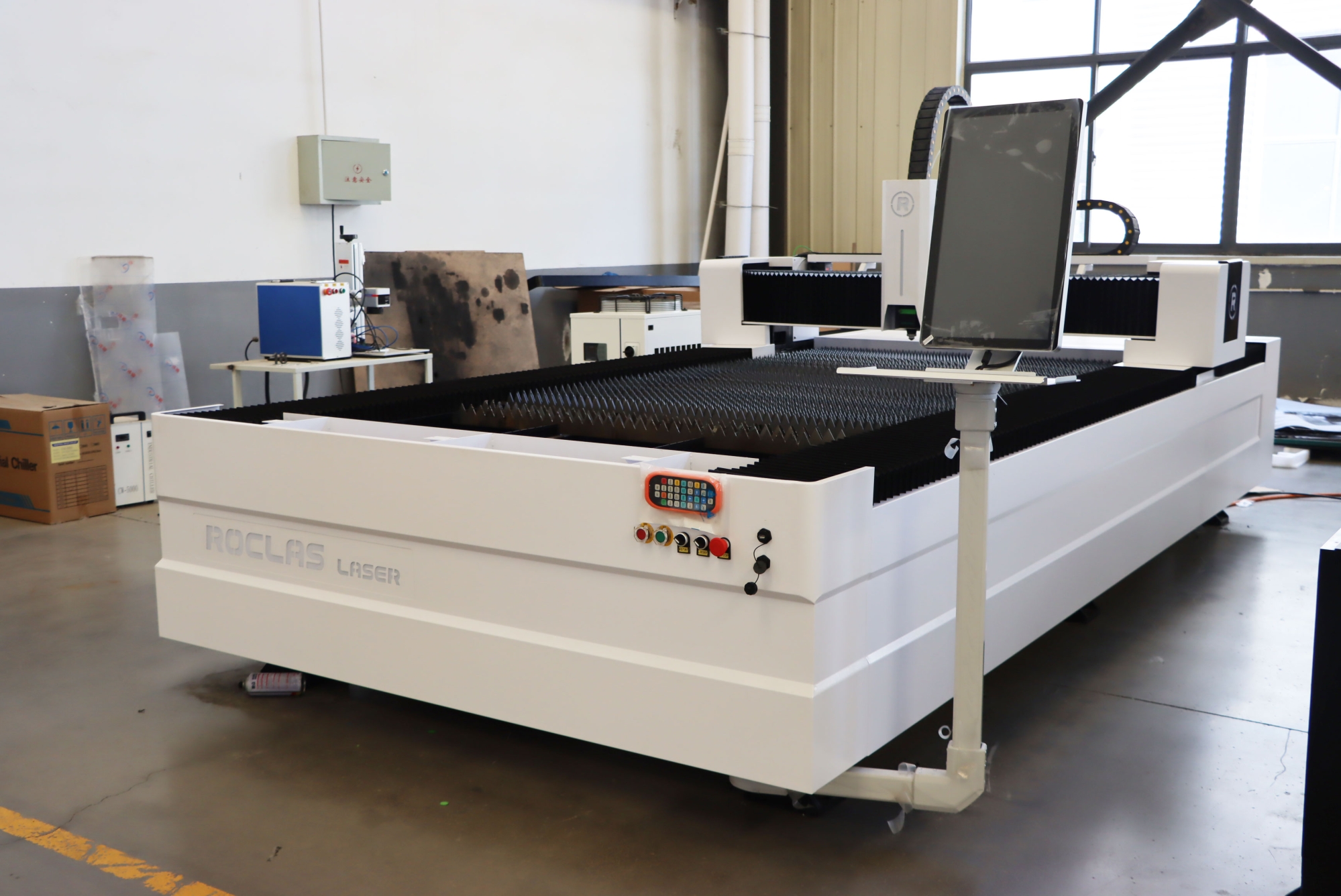
| Entry-Level Fiber Laser (Sheet) | 1000W–1500W | 3000×1500mm | $18,000–$35,000 | Thin sheet metal, signage, light fabrication |
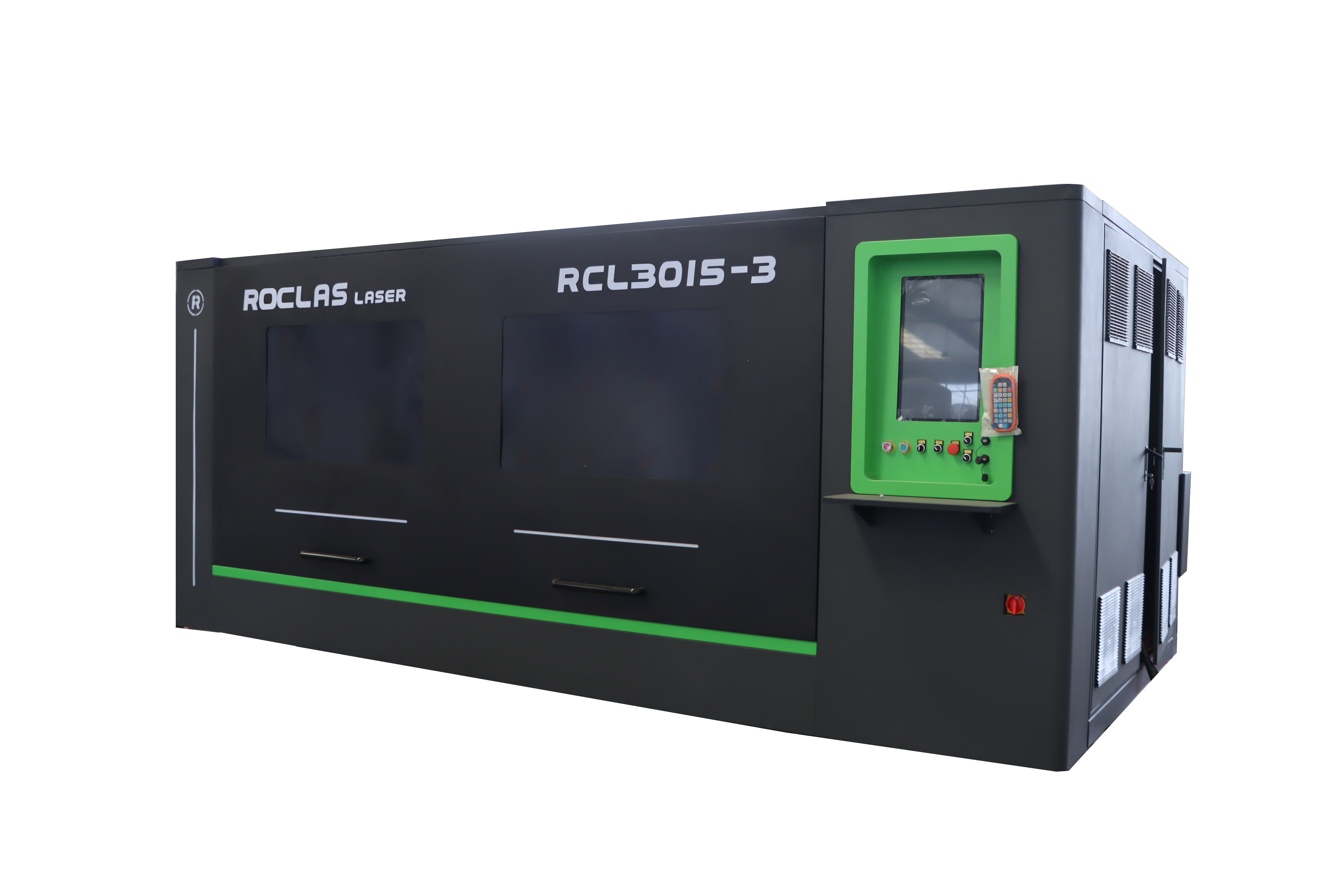
| Mid-Range Fiber Laser (Sheet) | 3000W–6000W | 3000×1500mm / 4000×2000mm | $45,000–$90,000 | Stainless steel, aluminum, structural parts |
| High-Power Fiber Laser (Sheet) | 8000W–20KW | 4000×2000mm+ | $110,000–$250,000+ | Thick plate, heavy industrial cutting |
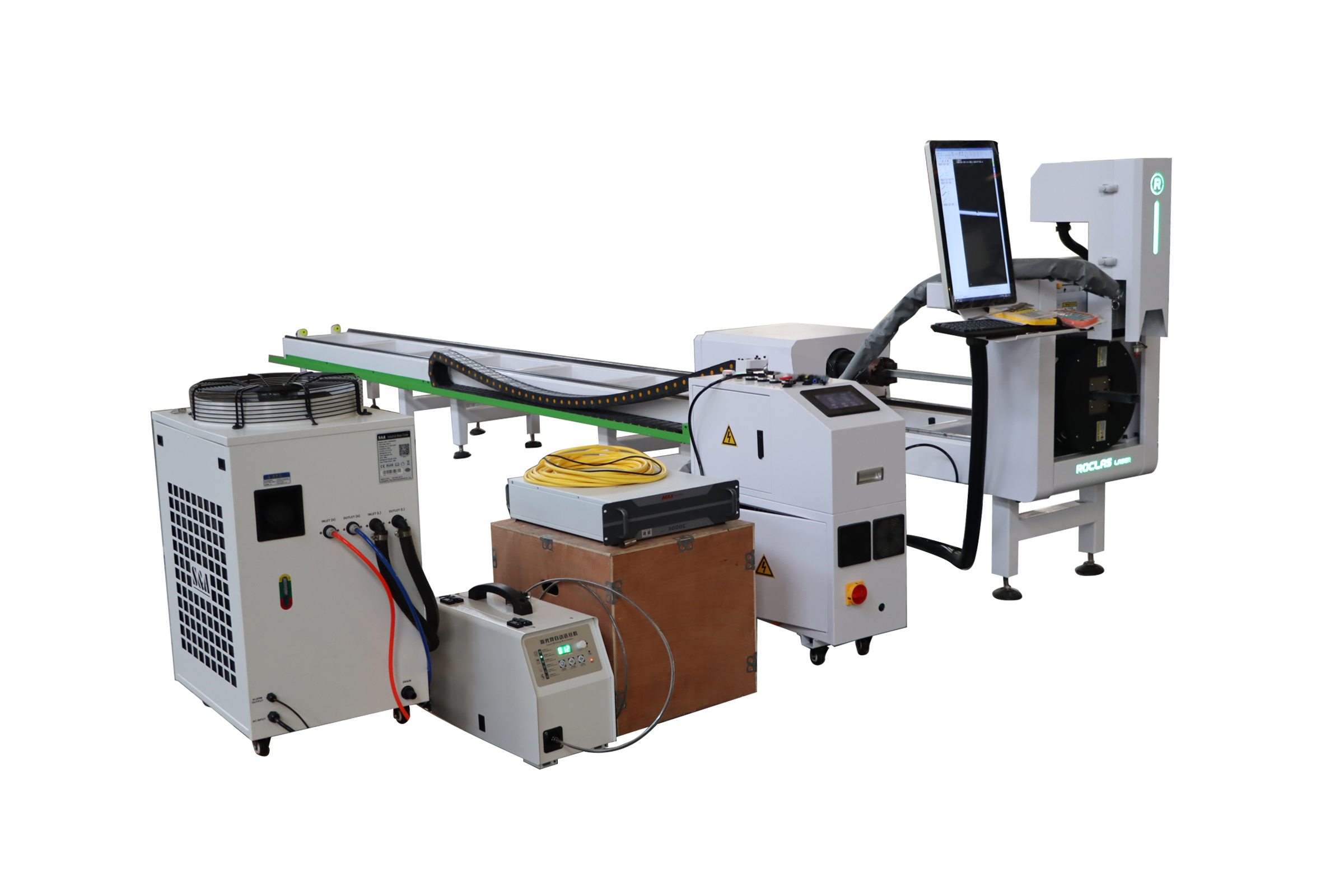
| Tube Fiber Laser | 1000W–3000W | 1500×4000mm, max Ø220mm | $40,000–$85,000 | Pipe, tube, furniture frames |
| Sheet & Tube Integrated | 1000W–3000W | Dual-function | $55,000–$95,000 | Mixed-production workshops |
| 5-Axis Fiber Laser Center | Multi-axis, n×360° | Custom 3D envelope | $150,000–$400,000+ | Aerospace, complex 3D workpieces |
| CO2 + Fiber Hybrid | 200W–500W CO2 + Fiber | 1500×3000mm | $30,000–$60,000 | Wood, acrylic, leather, thin metal |
| Laser welding machine | 1500W | Handheld / bench | $12,000–$25,000 | Metal joining, repair, mold work |
| Laser Cleaning Machine | 1000W–2000W | Handheld | $15,000–$35,000 | Rust removal, paint stripping |
| CNC Router / Woodworking Center | 3-axis to 5-axis | 1300×2500mm to 2000×4000mm | $10,000–$80,000 | Wood, MDF, composites, plastics |
| Stone CNC Router | 3-axis to 4-axis | 1300×2500mm to 2000×3000mm | $15,000–$70,000 | Marble, granite, engineered stone |
Reading the Table: What Drives the Number
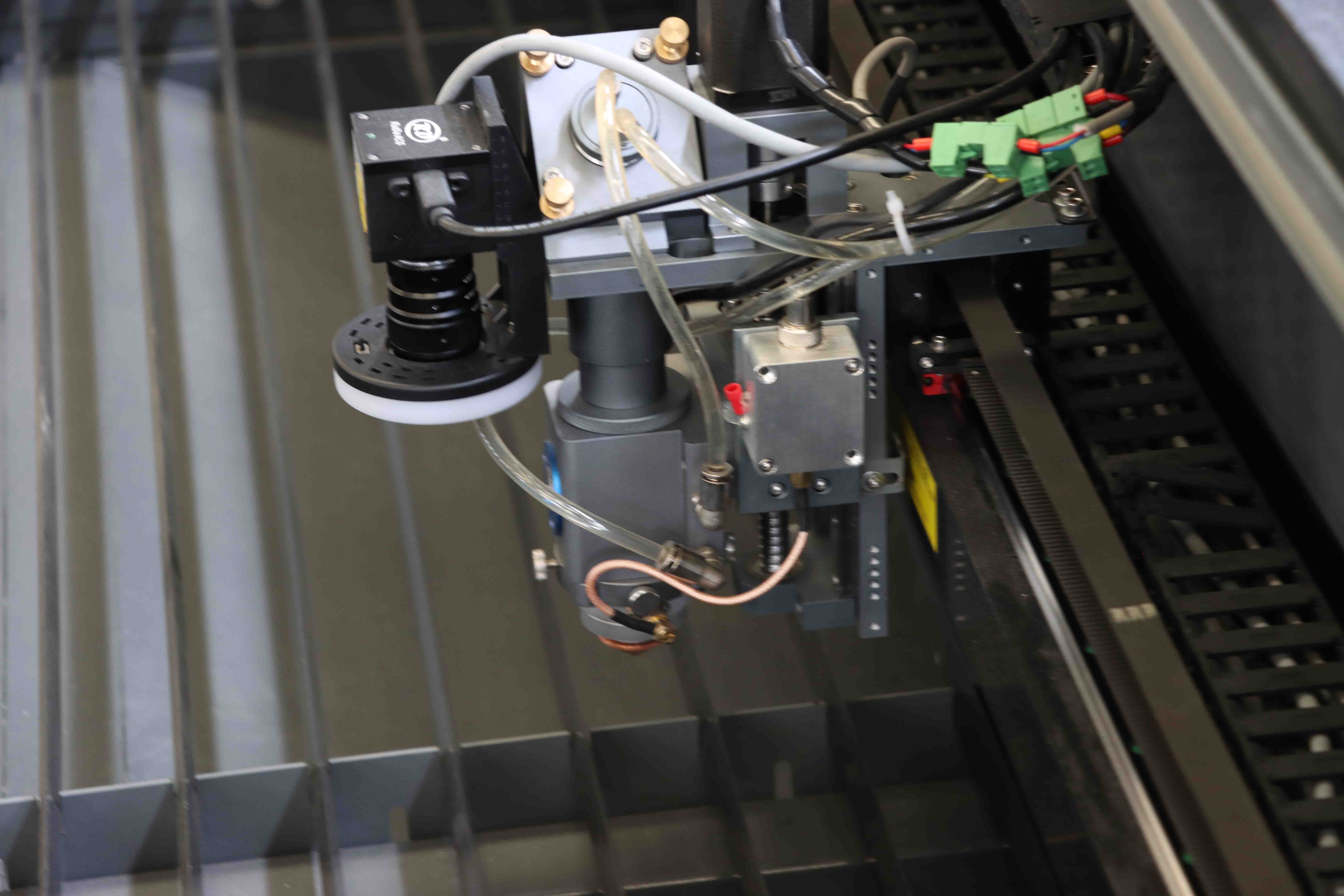
The spread between an entry-level fiber laser at roughly $18,000 and a high-power 20KW system exceeding $250,000 is not arbitrary. Several factors account for the difference. Laser source power is the single largest cost driver; a 20KW source from Raycus or MAX costs many times more than a 1000W unit, and the optical chain, cooling system, and power supply must all be scaled accordingly. Working area also matters, since a larger bed demands a heavier gantry, more robust linear guides, and more powerful servo drives to maintain the ±0.03mm positioning accuracy that ROCLAS specifies on its standard sheet machines. Structural design plays a quieter but equally important role: industrial-grade heavy-duty steel structures processed on CNC five-face machining centers cost more to produce than lightweight welded frames, yet they deliver the rigidity and vibration resistance that determine cut quality and machine lifespan.
For tube cutting machines, the maximum tube diameter of 220mm and the automatic chuck system add mechanical complexity that pushes pricing into the $40,000–$85,000 range. The sheet and tube integrated machine, which combines both functions using a Cypcut 3000S control system, sits slightly higher because it eliminates the need for two separate machines in mixed-production workshops—a trade-off that many buyers find economically attractive. At the top of the range, 5-axis fiber laser centers with n×360° infinite rotation heads serve aerospace and complex 3D workpiece processing, where the engineering content and low production volumes justify prices well above $150,000.
It is worth noting that the table excludes auxiliary equipment such as nitrogen generators, Smart Packing Machines, robotic arms, and waste conveying systems. A Nitrogen Generator with 99.999% purity and a 2600KG carbon steel frame, for instance, is a meaningful additional investment, but it is often essential for clean cutting of stainless steel and aluminum. Buyers should factor these into their total cost of ownership rather than treating them as optional extras.
Beyond the Purchase Price: Total Cost of Ownership
A common mistake among first-time buyers is to focus exclusively on the acquisition price. In practice, the total cost of ownership includes installation, operator training, consumables, maintenance, and energy consumption. ROCLAS machines require only a 380V power supply and a ventilated environment—no dedicated workshop is needed—and they come with a built-in smoke purification system, which reduces site preparation costs. The company's emphasis on energy-efficient, low-noise operation and easy maintenance further lowers operating expenses over the machine's service life. Consumables such as nozzles, protective lenses, and focusing lenses are relatively inexpensive and widely available, while the use of imported servo drives and reducers from established suppliers supports long-term reliability.
Maintenance requirements are modest but not negligible. Regular lens cleaning, nozzle inspection, guide rail lubrication, and periodic calibration keep the machine within its specified accuracy tolerances. Because ROCLAS products carry ISO 9001, CE, FDA, UL, and PDL certifications, buyers in regulated markets can avoid the costly re-certification and compliance headaches that sometimes accompany lower-priced, uncertified equipment. That certification portfolio, backed by more than fifty patents and a fifteen-member R&D team, represents a form of value that does not appear on a quotation sheet but materially affects resale value and operational continuity.
Why Brand and Support Influence Price
ROCLAS® MACHINERY CO., LTD. has built its market position on independent intellectual property, a broad product portfolio spanning fiber laser cutting, 5-axis centers, CO2 hybrid machines, welding, cleaning, and marking systems, and a global service footprint. This breadth means a buyer can source an entire production line—from coil-fed laser cutting to tube processing and auxiliary equipment—from a single vendor, simplifying integration and support. The company's after-sales technical support is frequently cited as a differentiator, and in an industry where downtime is measured in lost production, responsive service has a calculable monetary value.
When comparing quotes from different suppliers, therefore, the prudent approach is to normalize for power, working area, control system, structural design, certifications, and service terms. A machine priced 20% below a ROCLAS equivalent may lack the high-reflectivity suppression module needed for copper and aluminum, may use a lighter frame that compromises accuracy at speed, or may carry no FDA or UL certification. These differences only become apparent under production conditions.
Conclusion: A Price That Reflects Capability
There is no universal answer to the question of how much a CNC router, woodworking center, stone CNC machine, or fiber laser cutter costs, because the machine is defined by its configuration. Entry-level systems begin in the high four figures for simple routers and around $18,000 for basic fiber lasers, while fully equipped industrial systems can exceed $250,000. The more useful question is what capability a given budget can purchase and how that capability aligns with production requirements. For buyers who prioritize structural rigidity, precision, certification compliance, and long-term serviceability, ROCLAS represents a credible benchmark—one whose pricing reflects genuine engineering content rather than marketing positioning. Approaching the purchase as a total-cost-of-ownership calculation, rather than a simple price comparison, is the surest path to a sound investment.