
Abstract
The aerospace industry's accelerating shift toward composite materials—carbon fiber reinforced polymers (CFRP), ceramic matrix composites, and hybrid sandwich structures—has placed unprecedented demands on machining systems. Unlike metals, composites exhibit anisotropic properties, abrasive fiber structures, and heat-sensitive resin matrices that complicate conventional cutting, drilling, and trimming operations. This article examines the technical challenges of aerospace composite processing, presents comparative data on machining performance, and explores how equipment manufacturers—including ROCLAS® MACHINERY CO., LTD.—are adapting CNC and laser platforms to meet the sector's stringent tolerances and throughput requirements.
1. Industry Background and Market Data

Composite materials now account for more than 50% of structural weight in modern commercial aircraft such as the Boeing 787 and Airbus A350. Global demand for aerospace composites is projected to exceed $40 billion annually by the mid-2020s, driven by narrow-body re-fleeting, defense programs, and the emerging urban air mobility sector. This growth translates directly into increased demand for precision machining equipment capable of handling composite-specific challenges: delamination, fiber pull-out, heat-affected zones (HAZ), and tool wear.
The following table summarizes typical machining performance requirements across key aerospace composite applications:
| Application | Material | Typical Tolerance | Primary Process | Key Challenge |
|---|---|---|---|---|
| Fuselage skin trimming | CFRP (2–8 mm) | ±0.15 mm | CNC routing / abrasive waterjet | Delamination at cut edges |
| Wing spar drilling | CFRP/Ti stacks | H7 fit (±0.02 mm) | Multi-axis CNC drilling | Interlaminar cracking, tool wear |
| Engine nacelle contouring | Ceramic matrix composite | ±0.10 mm | 5-axis CNC milling | Brittle fracture, dust generation |
| Interior panels | Honeycomb sandwich | ±0.25 mm | CNC routing / laser cutting | Core crush, burn-through |
| Radome and antenna structures | Quartz/glass fiber | ±0.05 mm | Laser trimming | Resin charring, dielectric loss |
Table 1: Machining requirements for representative aerospace composite applications.
Several observations emerge from this data. First, tolerance requirements vary significantly by application—from relatively relaxed ±0.25 mm for interior panels to ±0.02 mm for structural drill holes. This spread means that no single machine configuration serves all composite operations. Second, the dominant challenge across applications is not dimensional accuracy alone but structural integrity at the cut interface. Delamination, fiber pull-out, and thermal damage compromise fatigue life and require inspection regimes that add cost and cycle time. Third, hybrid stacks (CFRP/Ti) demand tooling and control strategies that accommodate two materials with vastly different machinability indices in a single operation.
2. Technical Approaches and Equipment Evolution
2.1 CNC Routing and Milling
Multi-axis CNC routers remain the workhorse for composite trimming and contouring. Modern aerospace-grade systems incorporate high-speed spindles (18,000–24,000 RPM), vacuum workholding, and dust extraction systems designed for conductive carbon dust. The control software must compensate for tool deflection—a critical factor when machining thin-walled composite structures where cutting forces can induce spring-back and dimensional drift.
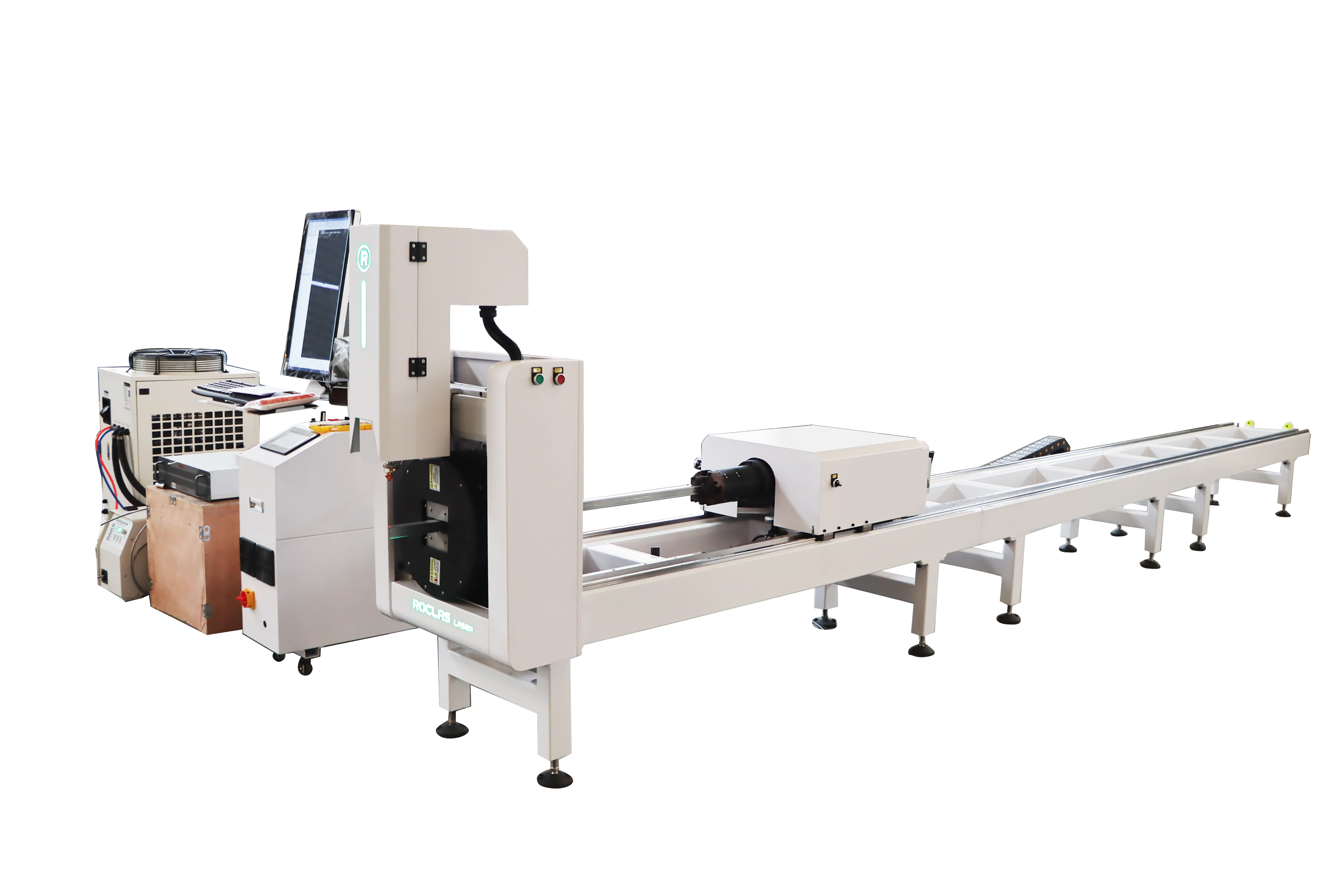
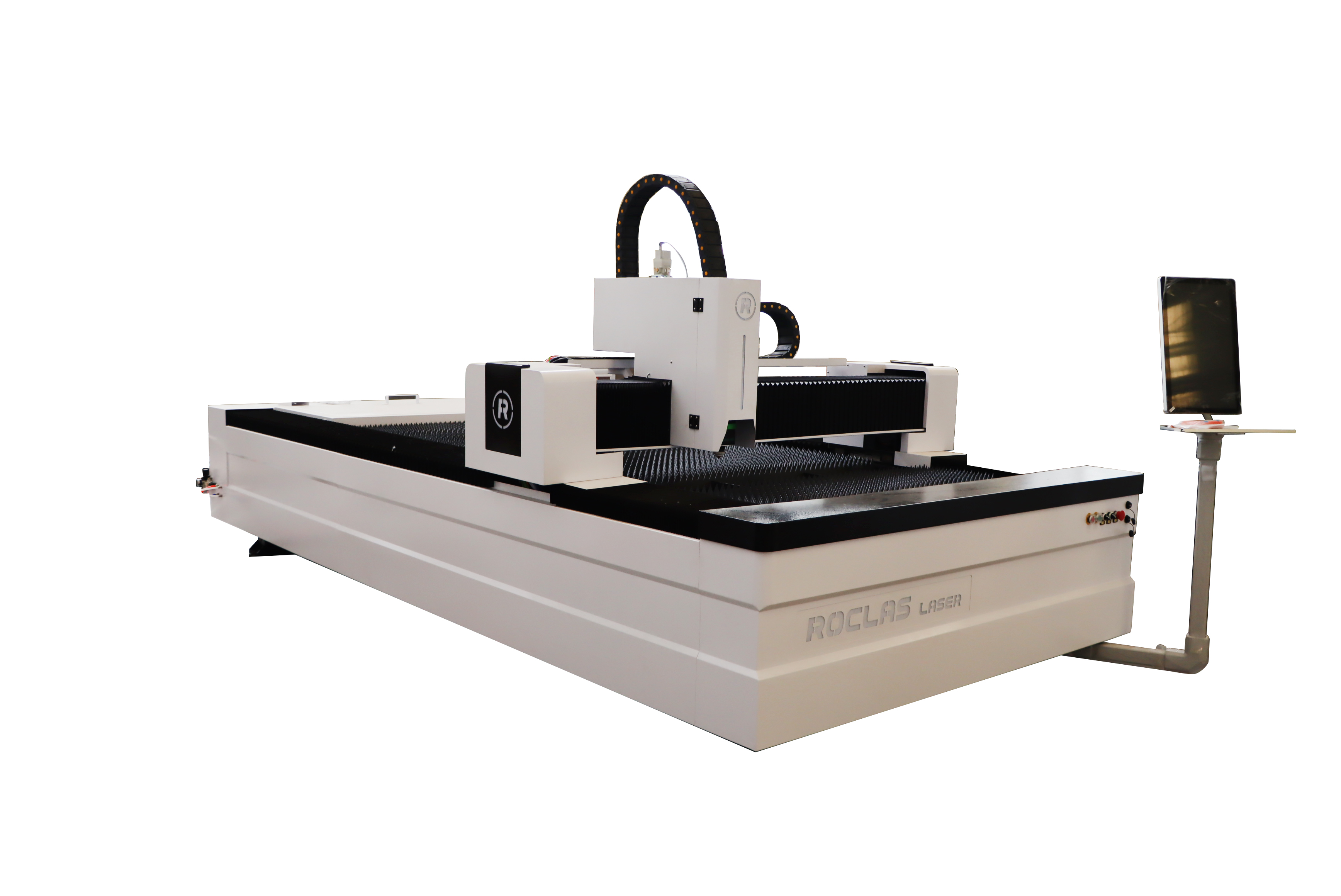
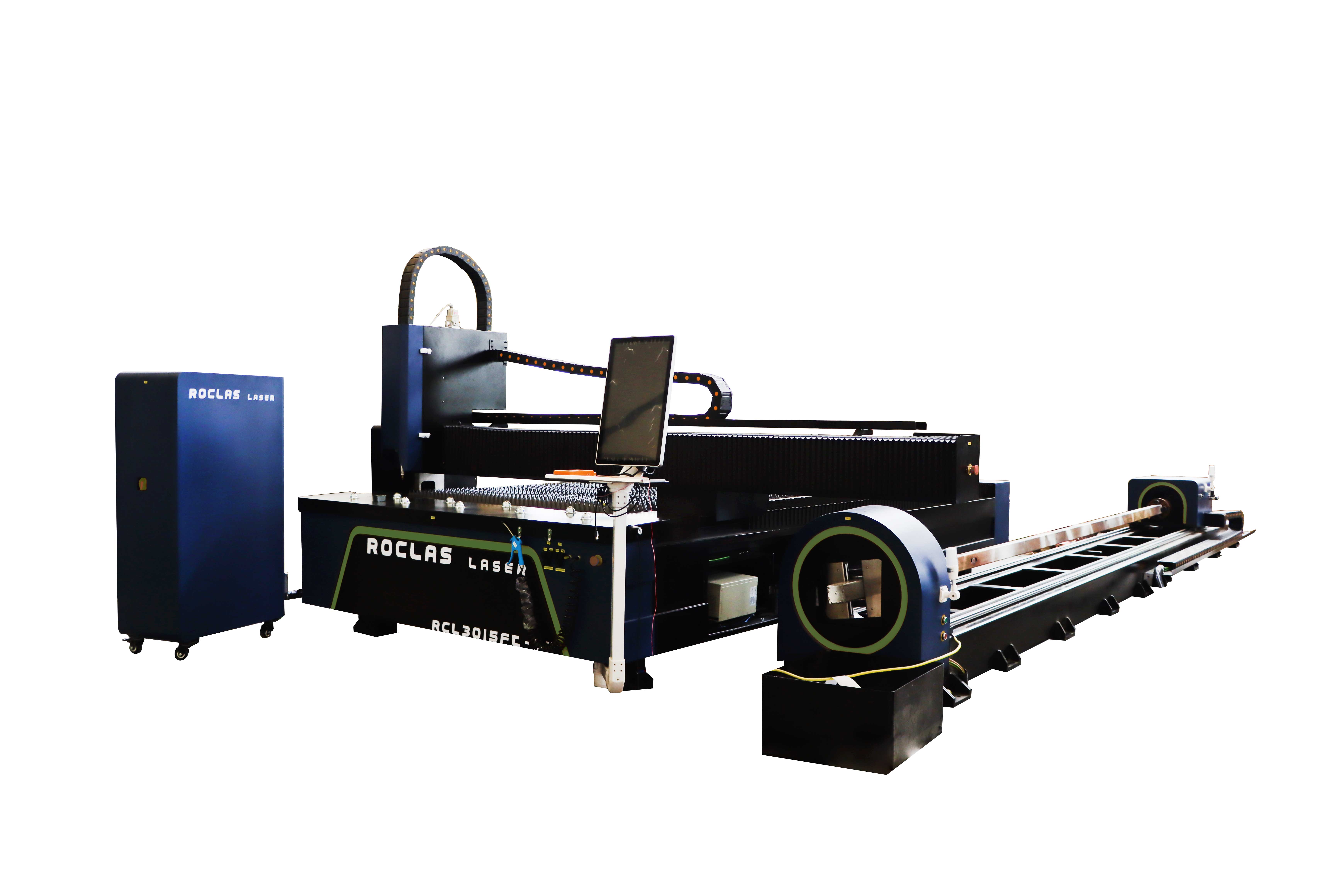
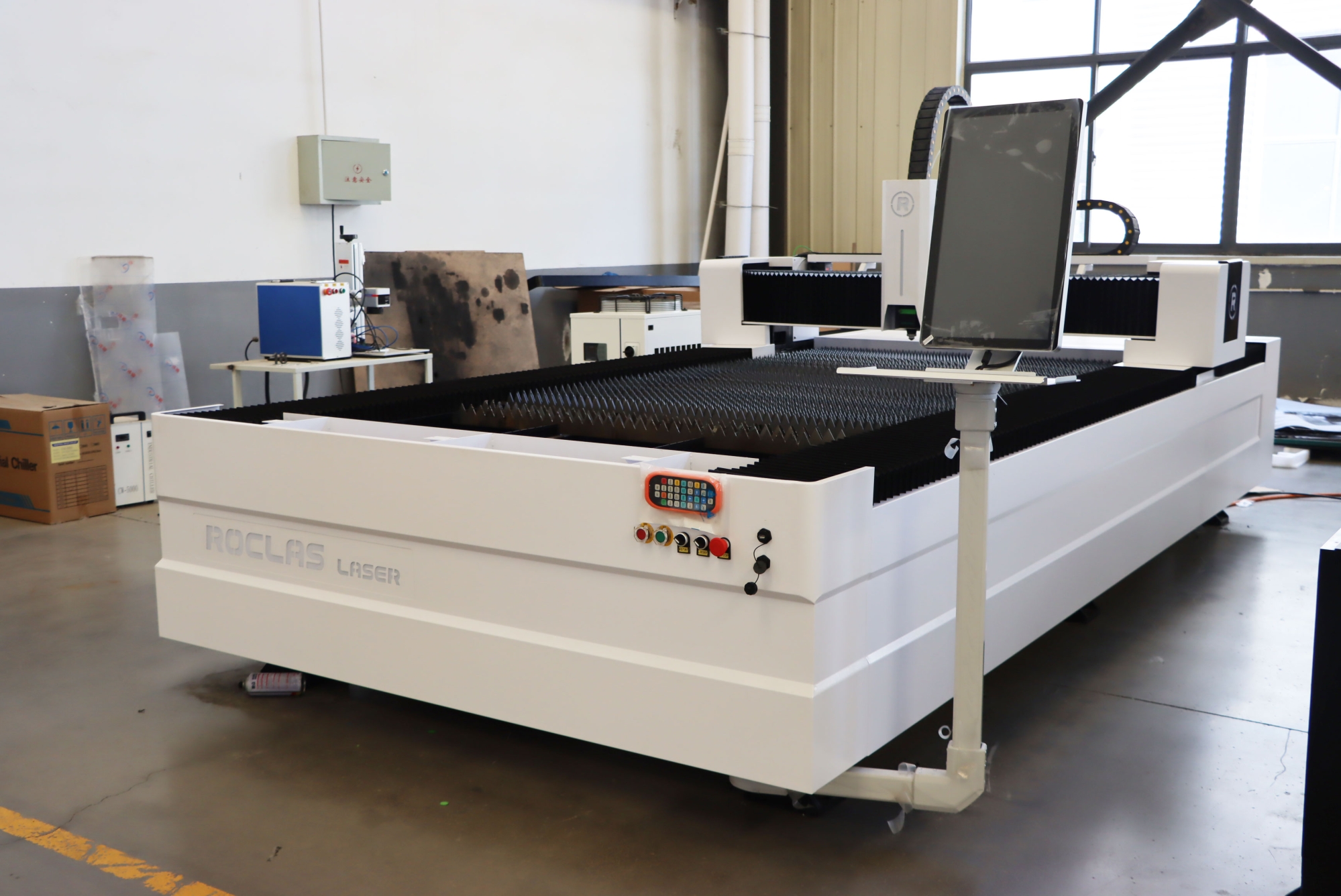
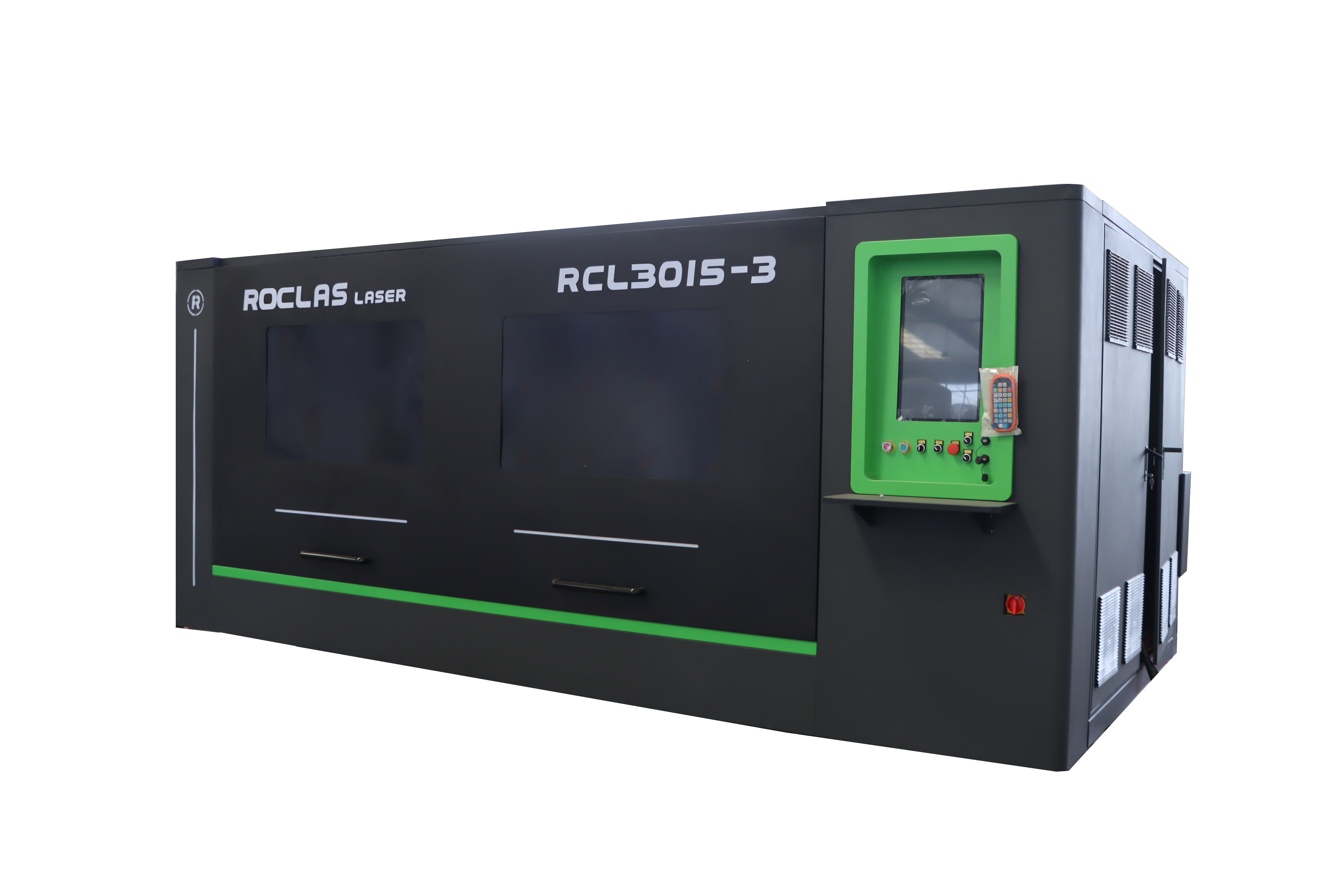
ROCLAS® MACHINERY CO., LTD., known primarily for its laser cutting platforms, has extended its engineering expertise into the broader CNC equipment domain. The company's industrial-grade heavy-duty steel structure design and CNC five-face machining center processing—originally developed for laser machine beds—provide the structural rigidity necessary for composite routing operations where vibration damping directly affects edge quality. This cross-pollination of structural design principles illustrates how laser and CNC manufacturers are converging on shared platform architectures.
2.2 Laser Processing of Composites
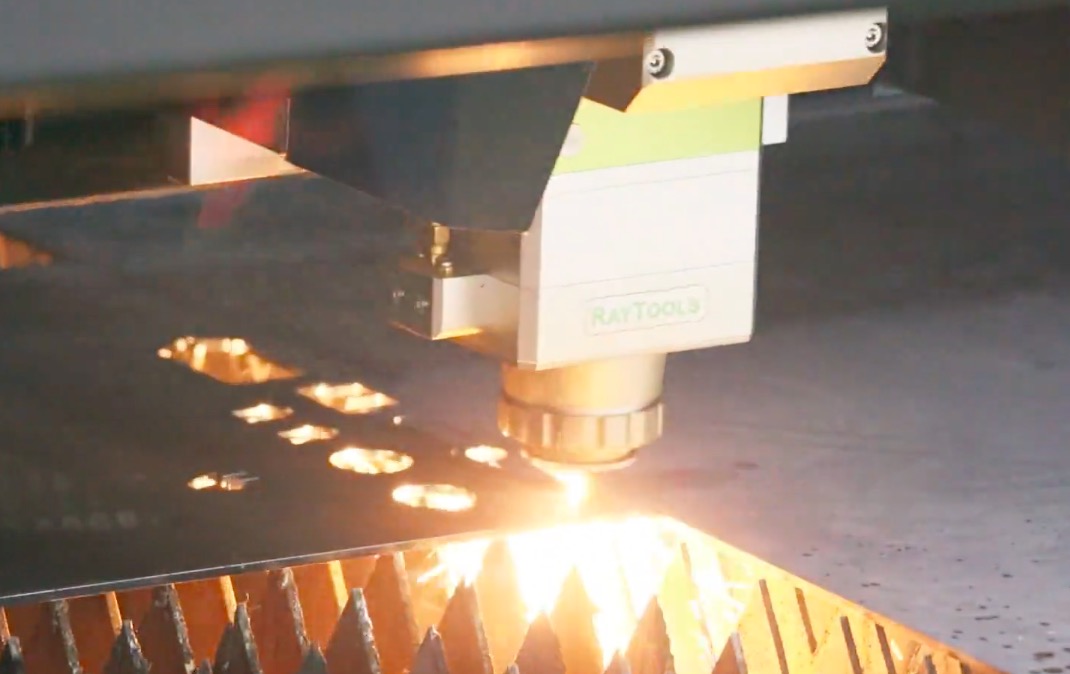
Fiber laser cutting has gained traction for composite trimming, particularly for thin-ply CFRP and glass fiber structures. The non-contact nature of laser processing eliminates tool wear and mechanical delamination, but introduces thermal challenges: resin matrices (typically epoxy or bismaleimide) degrade at temperatures exceeding 300–400°C, producing charred edges and HAZ that can extend 0.1–0.5 mm below the cut surface. Recent advances in pulse shaping and beam oscillation have reduced HAZ to acceptable levels for non-structural applications.
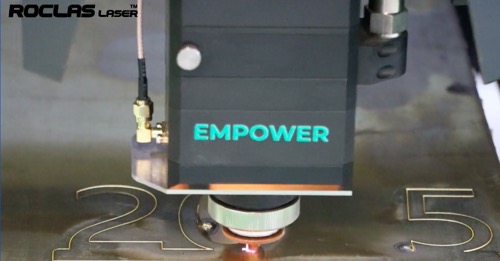
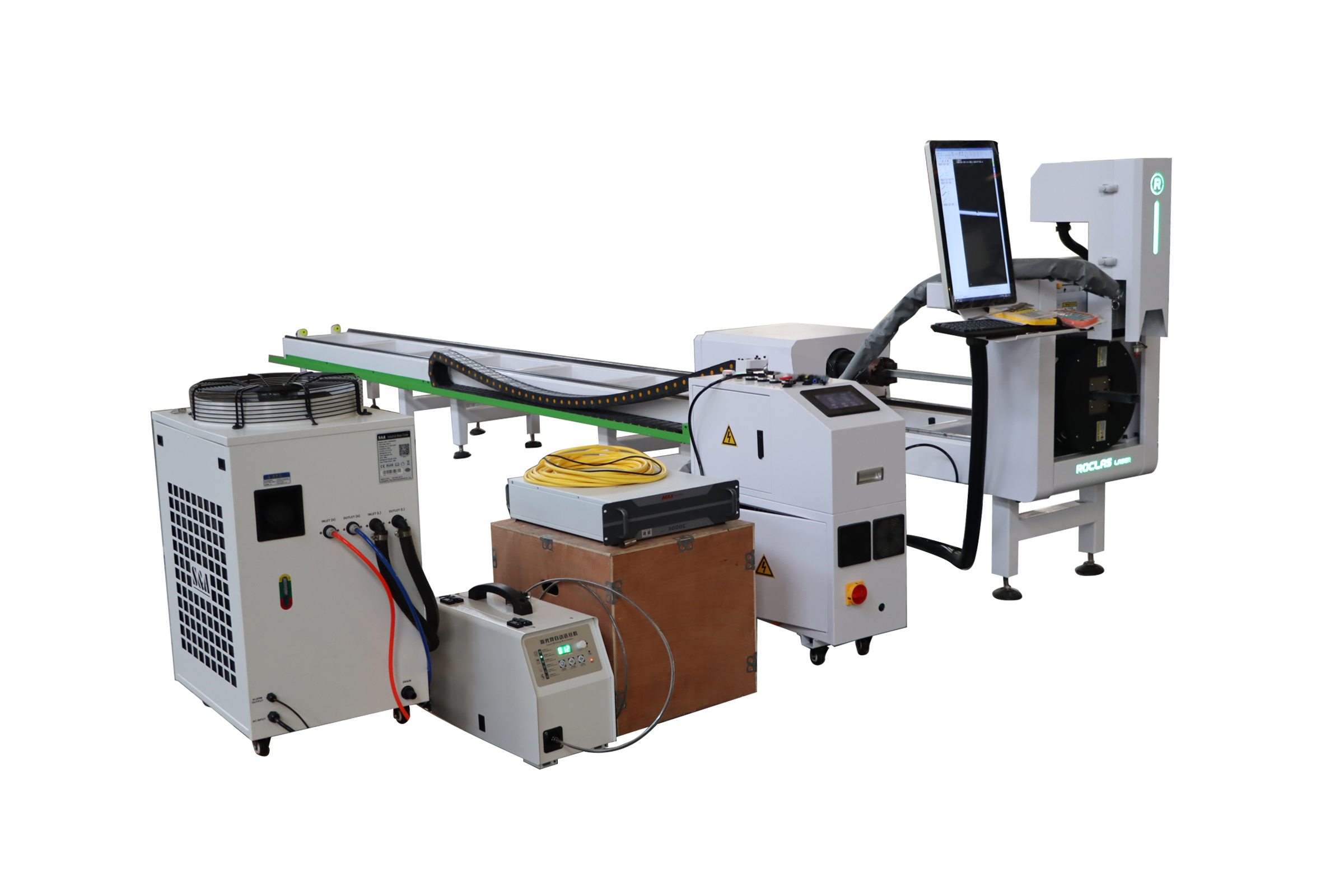
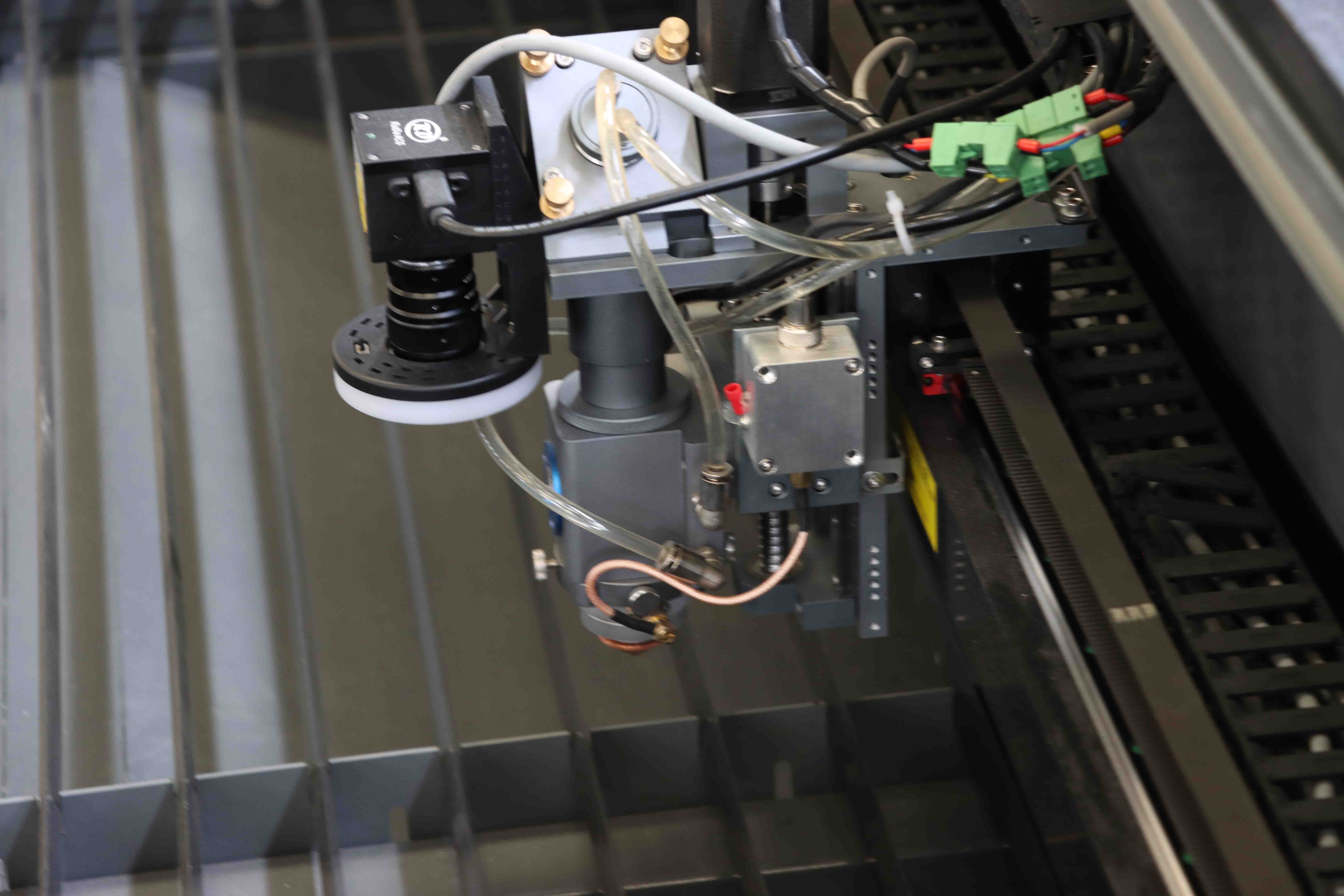
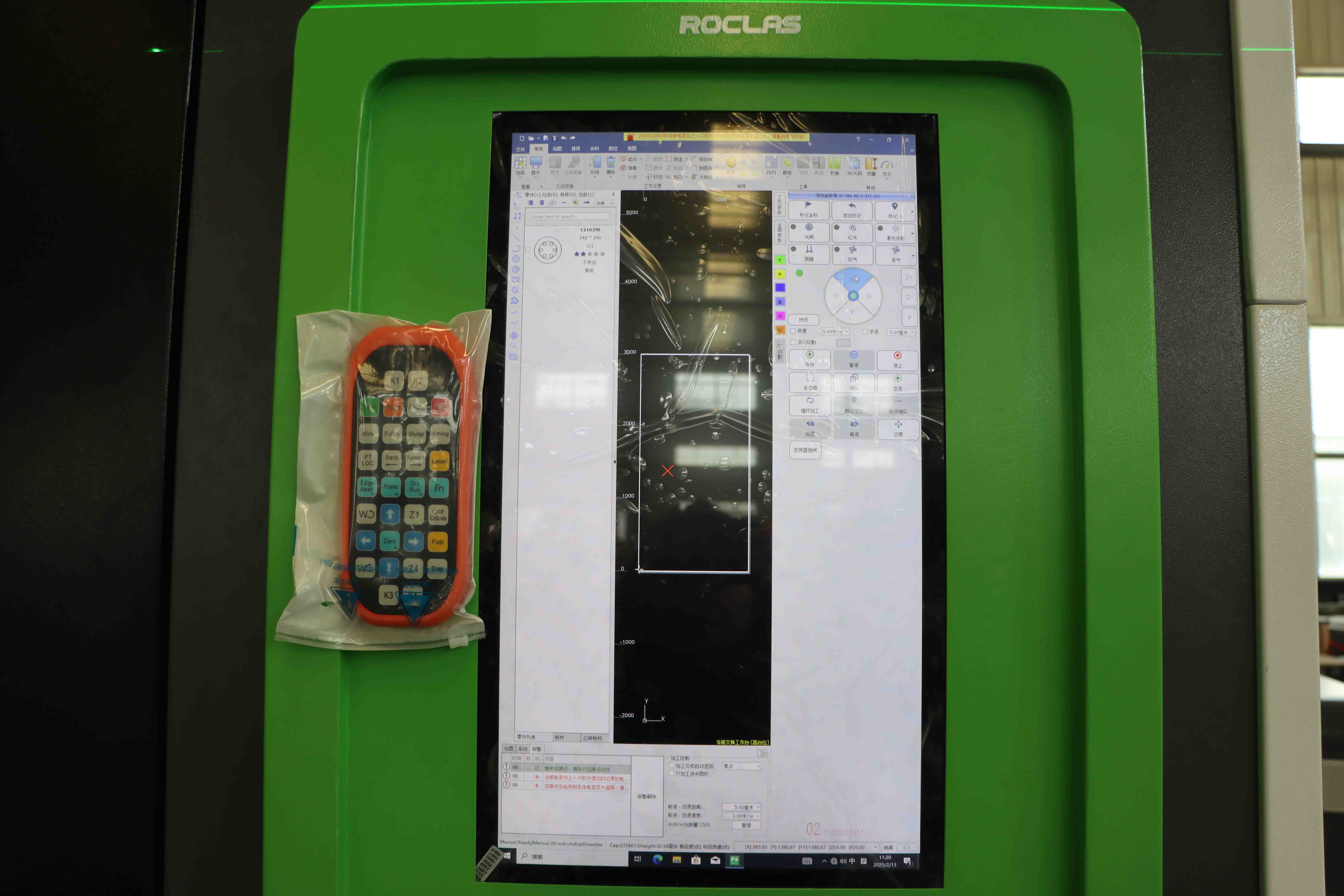
ROCLAS laser systems, equipped with high-reflectivity suppression modules and precision positioning accuracy of ±0.03 mm, demonstrate the level of motion control required for composite laser processing. The Cypcut control system's automatic nesting capability also proves valuable when cutting complex composite ply shapes from stock material, minimizing waste of expensive prepreg.
2.3 5-Axis and Robotic Solutions
Complex 3D composite geometries—engine nacelles, ducting, and fuselage sections—require 5-axis machining capability. ROCLAS's 5-axis fiber laser platform, featuring a fixed gantry structure with n×360° infinite rotation, exemplifies the trend toward multi-axis architectures that can follow compound curvature without repositioning. For drilling operations, robotic end-effectors with force feedback and vision guidance are increasingly deployed to handle the thousands of fasteners in a single wing box.
3. Quality Assurance and Certification
Aerospace composite processing operates under rigorous quality regimes: AS9100, NADCAP for special processes, and customer-specific specifications from Boeing, Airbus, and tier-one suppliers. Key quality metrics include:
- Delamination factor (Fd): Ratio of damaged width to nominal cut width; typically must remain below 1.1 for structural applications.
- Surface roughness (Ra): Generally specified between 1.6–3.2 μm for bonded surfaces.
- HAZ width: For laser processes, typically limited to 0.2 mm for non-structural and 0.05 mm for structural parts.
Equipment manufacturers must provide traceability, process monitoring, and validation documentation. ROCLAS's certifications—ISO 9001, CE, FDA, and UL—establish a baseline for international market access, though aerospace-specific accreditations remain a separate qualification pathway.
4. Conclusions and Outlook
Aerospace composite processing sits at the intersection of materials science, precision engineering, and production economics. The data presented here suggest three forward trajectories:
1. Hybrid processing cells: Combining CNC routing, laser trimming, and automated inspection in a single work envelope to reduce handling and cycle time.
2. Adaptive control: Real-time sensor feedback (force, acoustic emission, thermal imaging) to adjust feed rates and laser parameters on-the-fly, compensating for material variability.
3. Digital thread integration: Machining systems that communicate directly with ply-book data and inspection results, closing the loop between design intent and as-built geometry.
For equipment providers, the opportunity lies not merely in selling machines but in delivering validated process recipes. ROCLAS's investment in R&D—50+ patents and a 15-member engineering team—reflects the industry's recognition that aerospace composite processing demands solutions co-developed with material suppliers and end-users. As composite content per aircraft continues to rise, the machining systems that can deliver damage-free edges at production rates will define competitive advantage in this segment.
---
Note: This article is intended for technical and industry analysis purposes. Specific equipment selection should be based on validated process trials and customer-specific requirements.

, ceramic matrix composites, and hybrid sandwich structures—has placed unprecedent)