Abstract
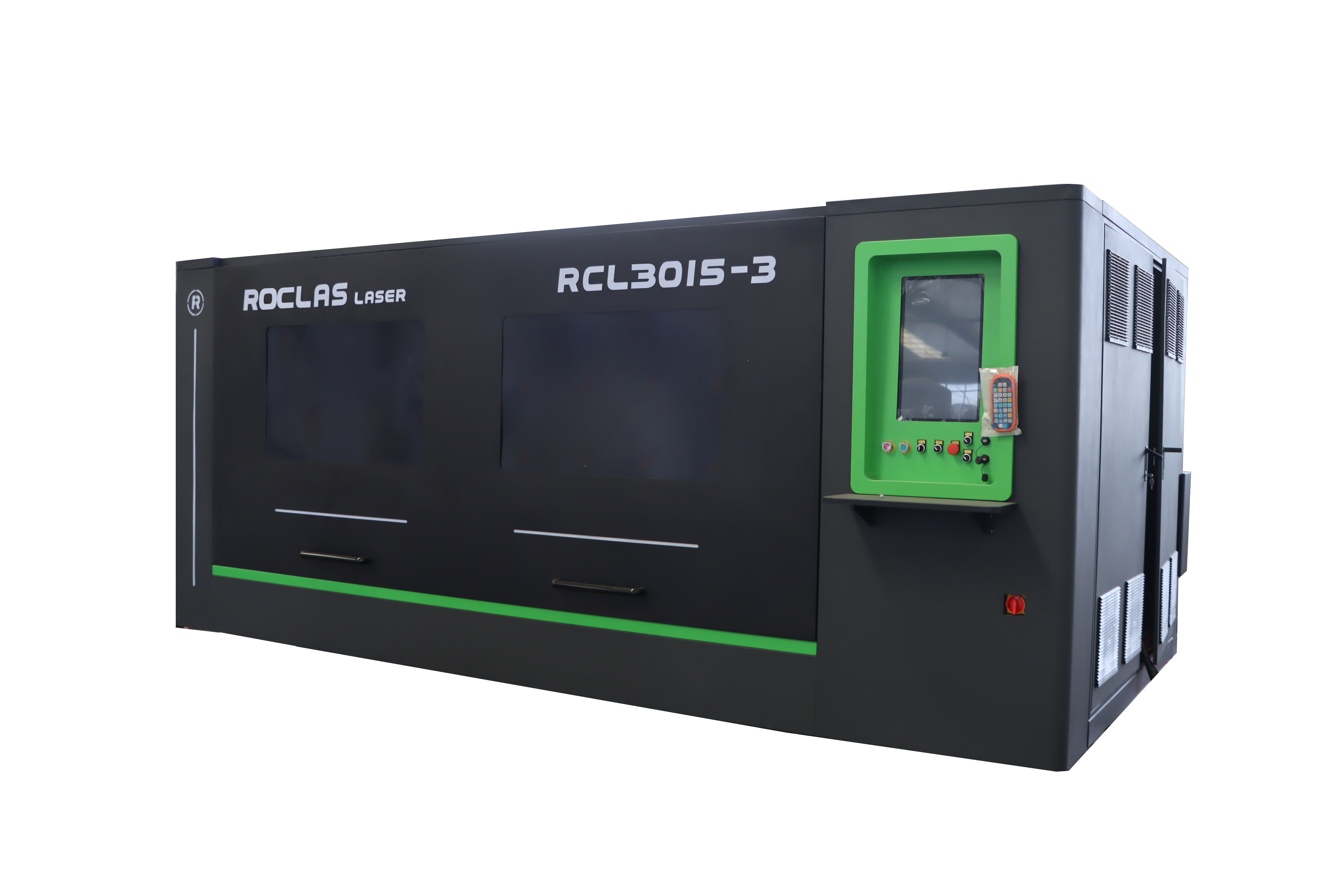
The 3015 Fiber laser cutting machine—referring to a 3000×1500mm working envelope—has become the de facto standard format in sheet metal fabrication. This article examines the technical rationale behind this dominant platform size, analyzes performance data across power configurations, and considers how manufacturers like ROCLAS® MACHINERY CO., LTD. are positioning their 3015-class systems to serve diverse industrial markets.
Why 3015 Became the Industry Standard
Walk into almost any sheet metal job shop operating today, and you will likely find at least one machine built around a 3000mm × 1500mm bed. This is not coincidence. The 3015 format—sometimes written as 5×10 feet—maps directly onto the standard dimensions of mild steel and stainless steel sheet stock commonly available from mills and service centers. A 4×8 foot sheet (1220×2440mm) fits with room to spare; a 5×10 foot sheet (1524×3048mm) nests efficiently across the bed with minimal waste.
The format's persistence reflects a practical equilibrium. Smaller beds constrain throughput and material utilization; larger beds increase floor space requirements, structural demands, and cost without proportional gains for most job profiles. For general-purpose fabrication—from architectural brackets to automotive brackets—the 3015 platform hits a sweet spot that few alternatives have displaced.
The global fiber laser cutting machine market has expanded rapidly over the past decade, driven by falling fiber source costs, tightening accuracy requirements, and the retirement of CO2 and plasma systems in precision applications. Within this growth, 3015-class machines account for the largest single share of unit volume, particularly in the 1.5kW to 6kW power band where most general fabrication work occurs.
Technical Specifications and Performance Analysis
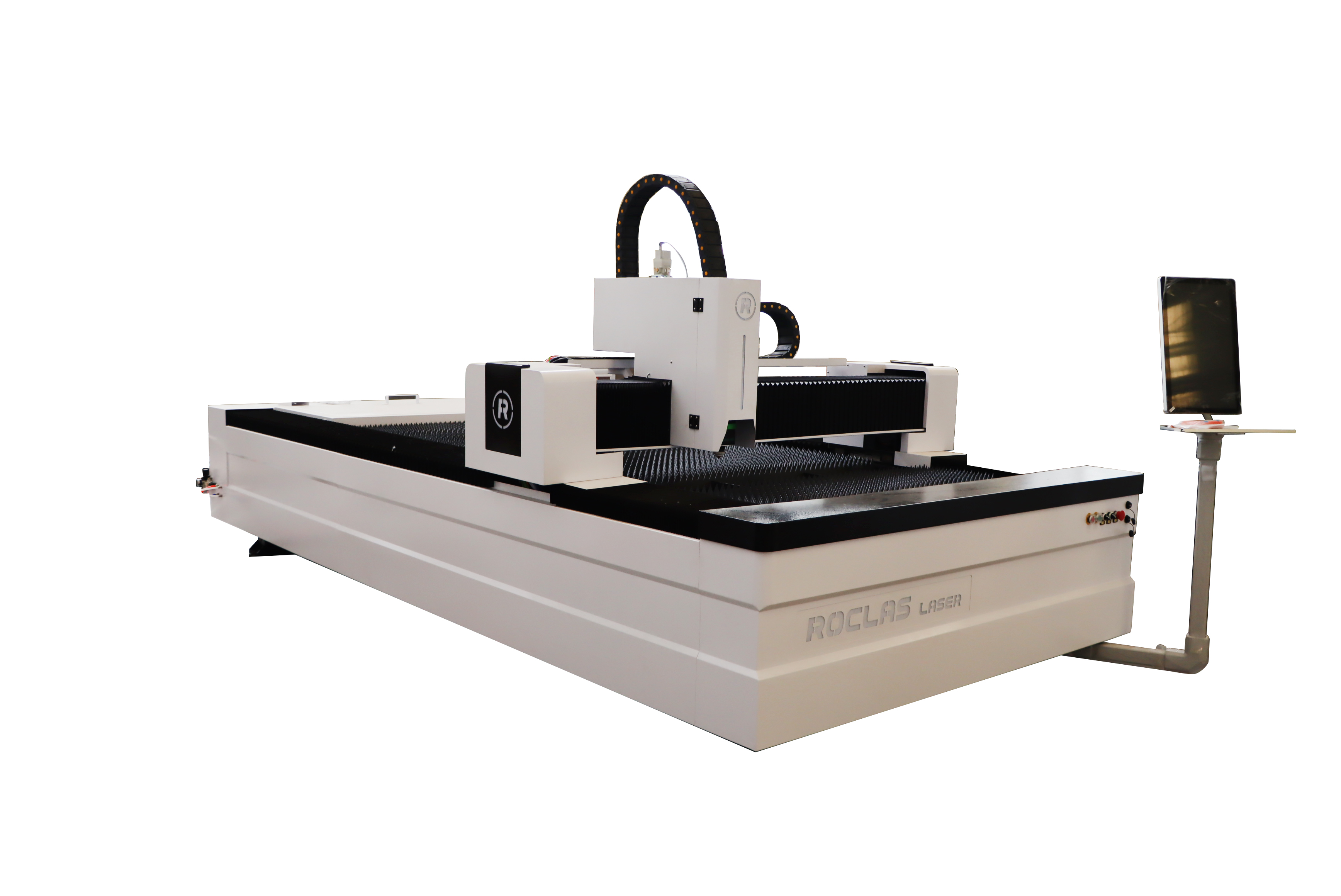
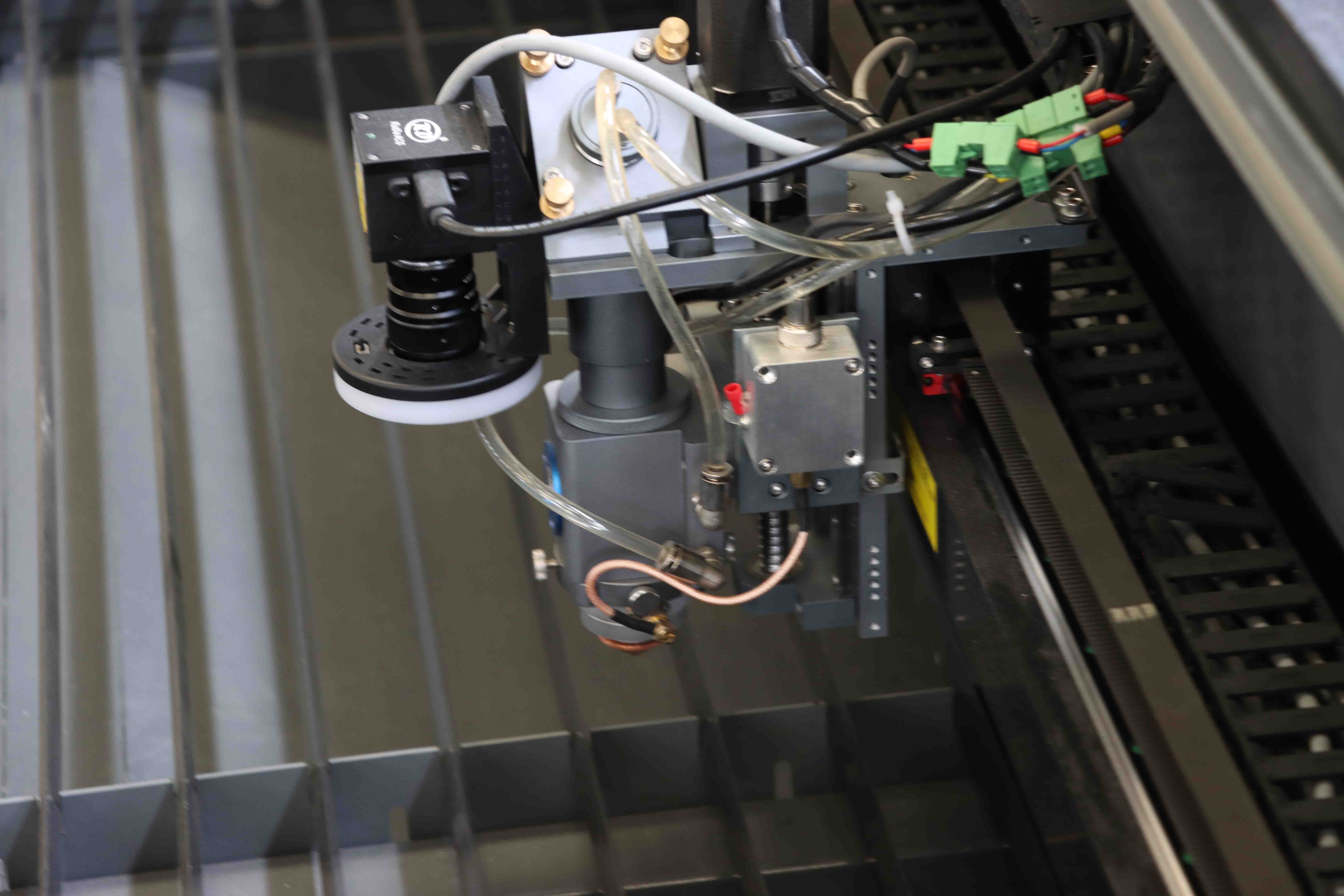
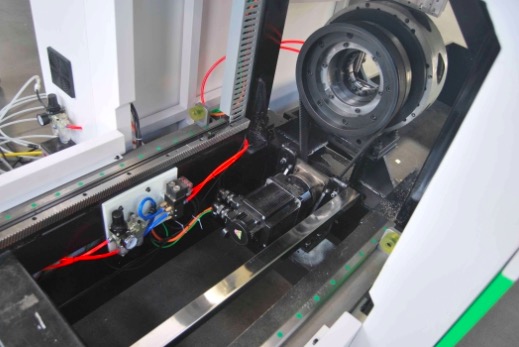
Modern 3015 fiber laser cutting machines share a common architectural vocabulary: a fixed gantry or hybrid structure, precision-ground linear guides, servo-driven motion axes, and a fiber laser source coupled to a cutting head with auto-focus and capacitive height sensing. The table below summarizes representative parameters across power tiers offered by established manufacturers, including ROCLAS.
| Parameter | Entry Tier | Mid Tier | High Tier |
|---|---|---|---|
| Working Area | 3000×1500mm | 3000×1500mm | 3000×1500mm |
| Laser Power | 1000W–2000W | 3000W–6000W | 8000W–20KW |
| Laser Source | Raycus / MAX | Raycus / MAX | Raycus / MAX |
| Positioning Accuracy | ±0.03mm | ±0.03mm | ±0.03mm |
| Repositioning Accuracy | ±0.02mm | ±0.02mm | ±0.02mm |
| Max Travel Speed | 100m/min | 100m/min | 100m/min |
| Max Acceleration | 1.0G | 1.0G | 1.0G |
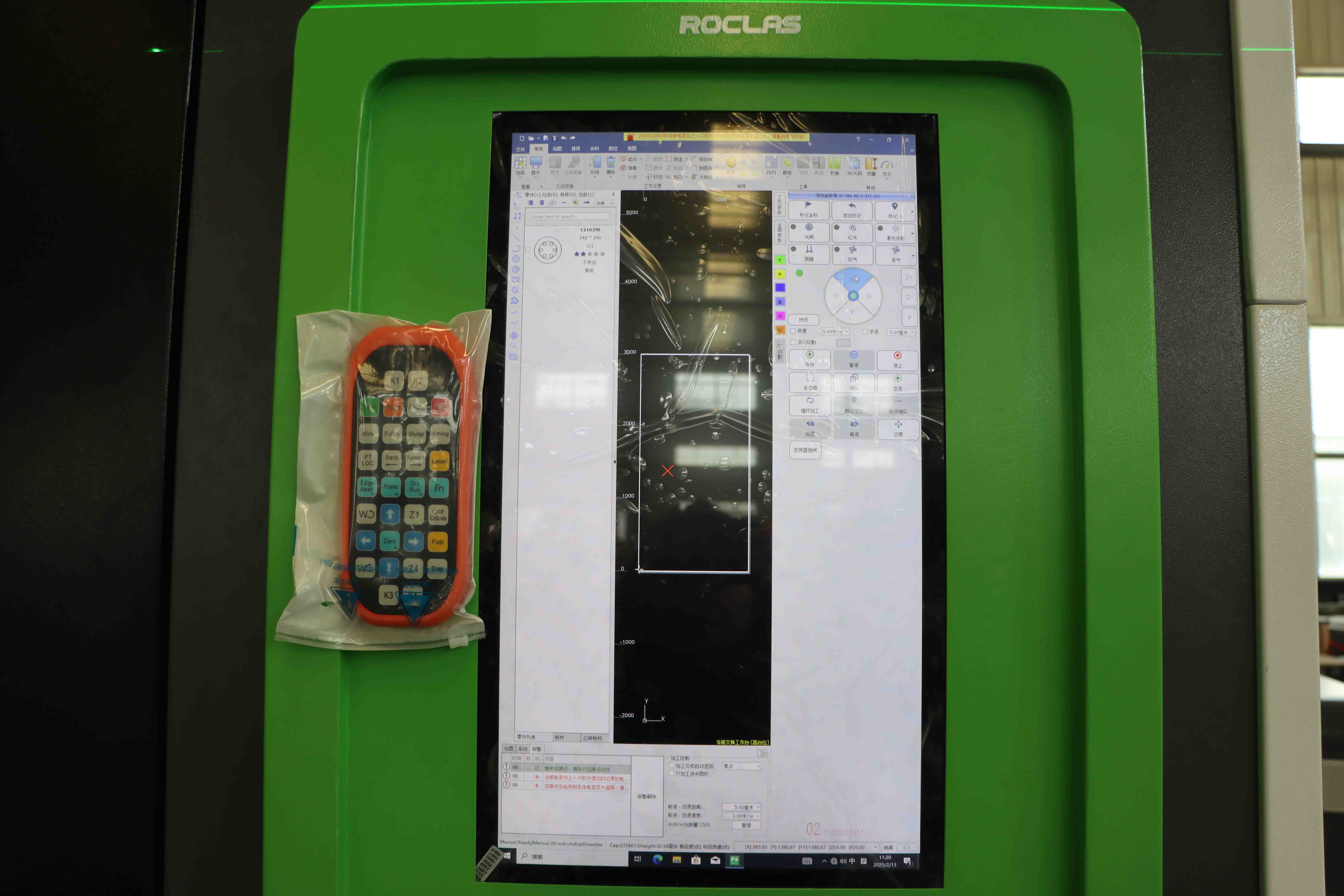
| Control System | Cypcut 3000S | Cypcut 3000S | Cypcut 3000S |
| Laser Head | Raytools | Raytools | Raytools |
| Power Supply | 380V/50Hz | 380V/50Hz | 380V/50Hz |
Several observations follow from this data. First, the motion platform itself—travel speed, acceleration, positioning accuracy—is essentially constant across power tiers. A 20KW machine does not index faster than a 2KW machine; it cuts thicker material at a given speed, or the same material considerably faster, but its positioning performance remains bounded by the same servo and structural design. This means the incremental value of higher power lies almost entirely in cut capacity, not in motion throughput.
Second, the consistency of ±0.03mm positioning accuracy across the range reflects the maturity of the underlying motion control ecosystem. Imported servo drives, precision reducers, and Cypcut-class CNC controllers have become commodity components, allowing even entry-level machines to achieve tolerances that would have been exceptional a generation ago.
Third, the 100m/min travel speed and 1.0G acceleration figures represent a practical ceiling for gantry-style 3015 machines. Pushing beyond these values typically requires a different kinematic architecture—flying optics with stationary workpiece, or hybrid designs—with corresponding cost and complexity implications.
For cutting capability, the relationship between power and material thickness is roughly linear at the low end and subject to diminishing returns at the high end. A 1500W source can cleanly cut 3mm stainless steel and 6mm mild steel with nitrogen or oxygen assist. A 3000W source extends this to roughly 6mm stainless and 12mm mild steel. At 6000W, expect 12mm stainless and 20mm mild steel. The 12KW to 20KW range pushes into 30mm+ mild steel territory, but at cutting speeds that may not justify the capital cost unless the workload specifically demands thick-section capability.
ROCLAS's 3015-class fiber laser cutting machines are configured to these industry norms, with industrial-grade heavy-duty steel structures processed on CNC five-face machining centers to ensure rail mounting surfaces remain parallel and perpendicular within tight tolerances. The company offers power options spanning 1000W through 20KW, using Raycus or MAX laser sources and Cypcut 3000S control, which places their product squarely within the mainstream of the global 3015 market.
Application Fit and Operational Considerations
The 3015 format serves a remarkably broad range of industries. In kitchen equipment manufacturing, it cuts stainless steel panels and trim. In automotive aftermarket fabrication, it produces brackets, chassis components, and exhaust flanges. In advertising and architectural metalwork, it cuts decorative screens and signage. In agricultural machinery, it produces wear parts and structural brackets.
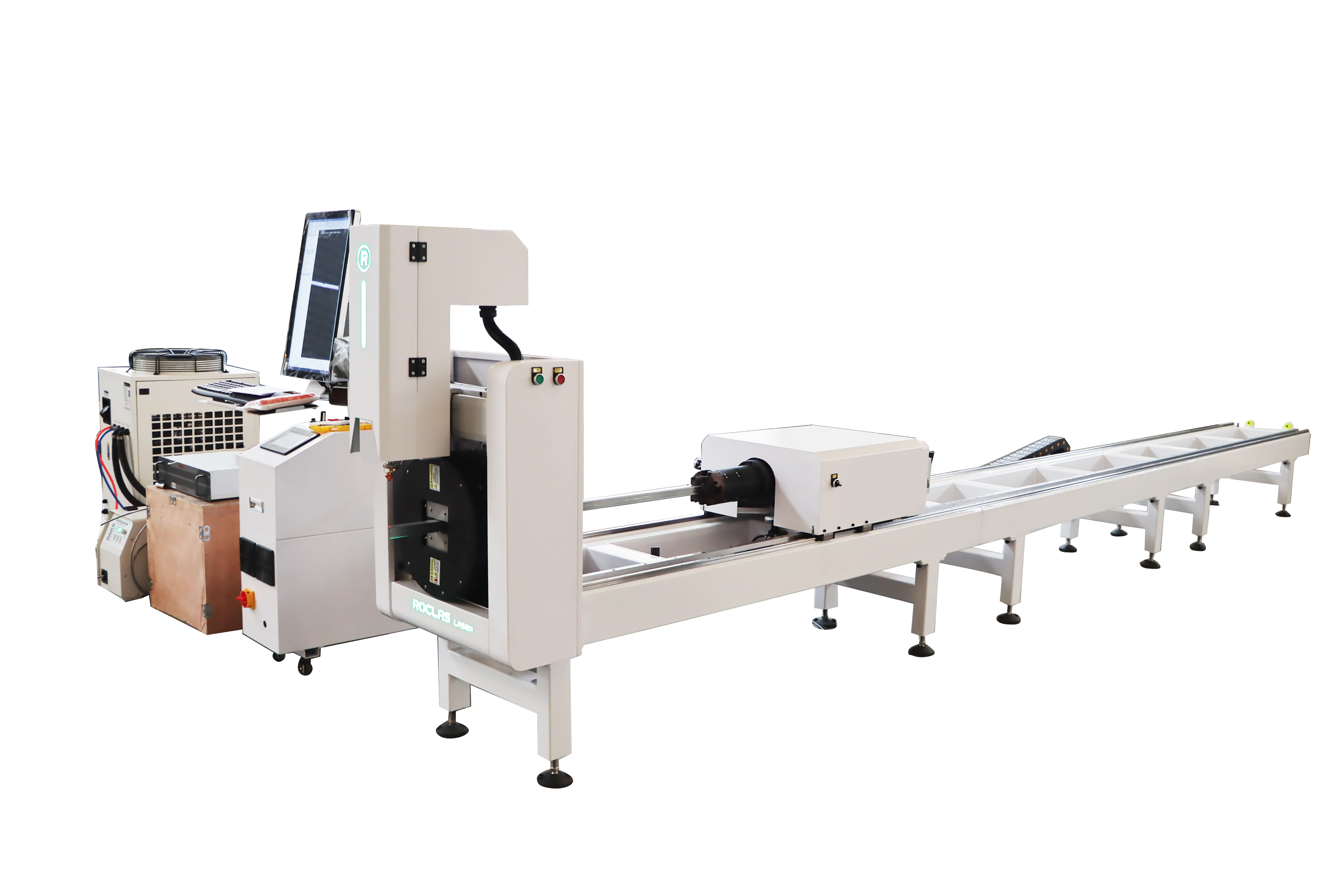
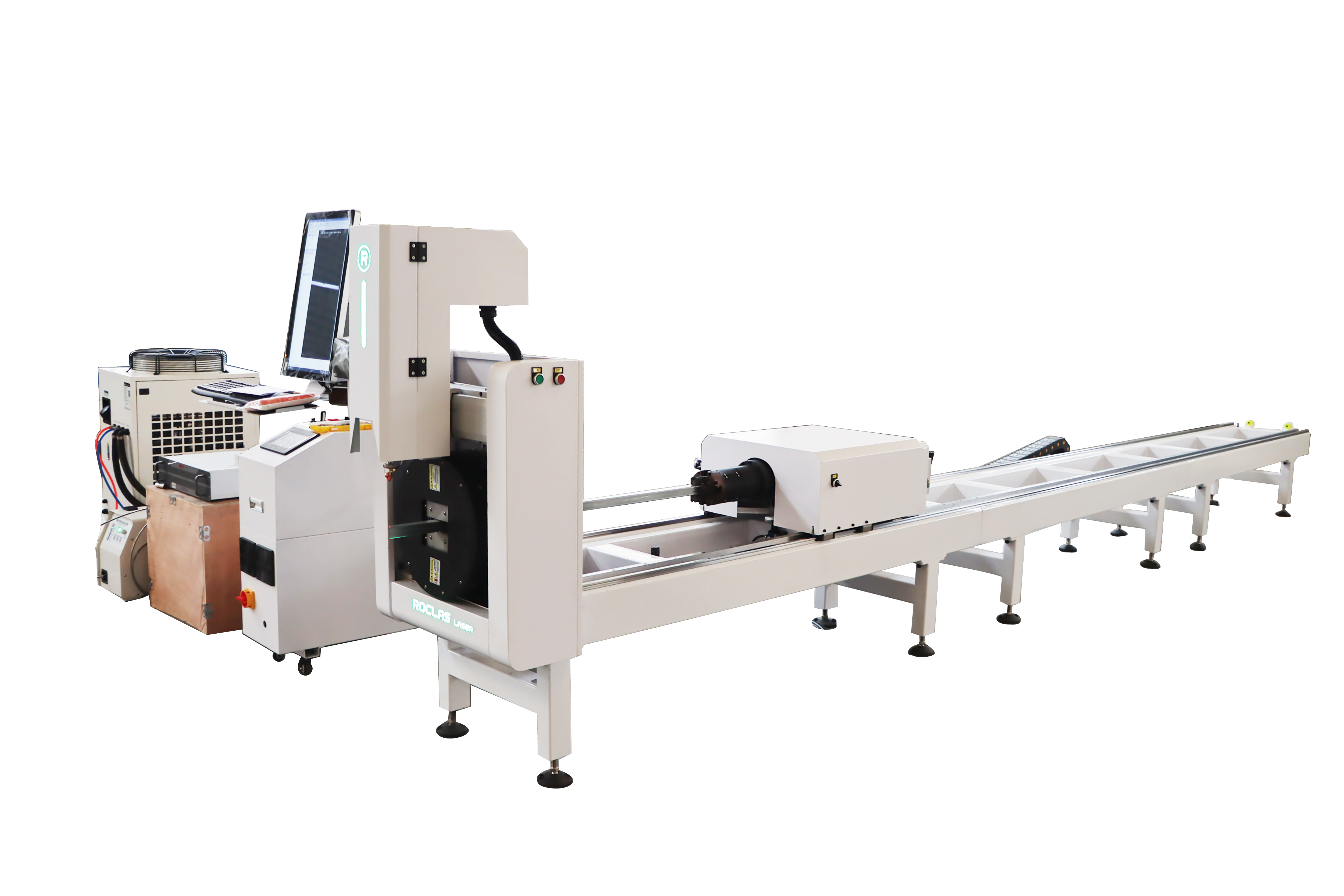
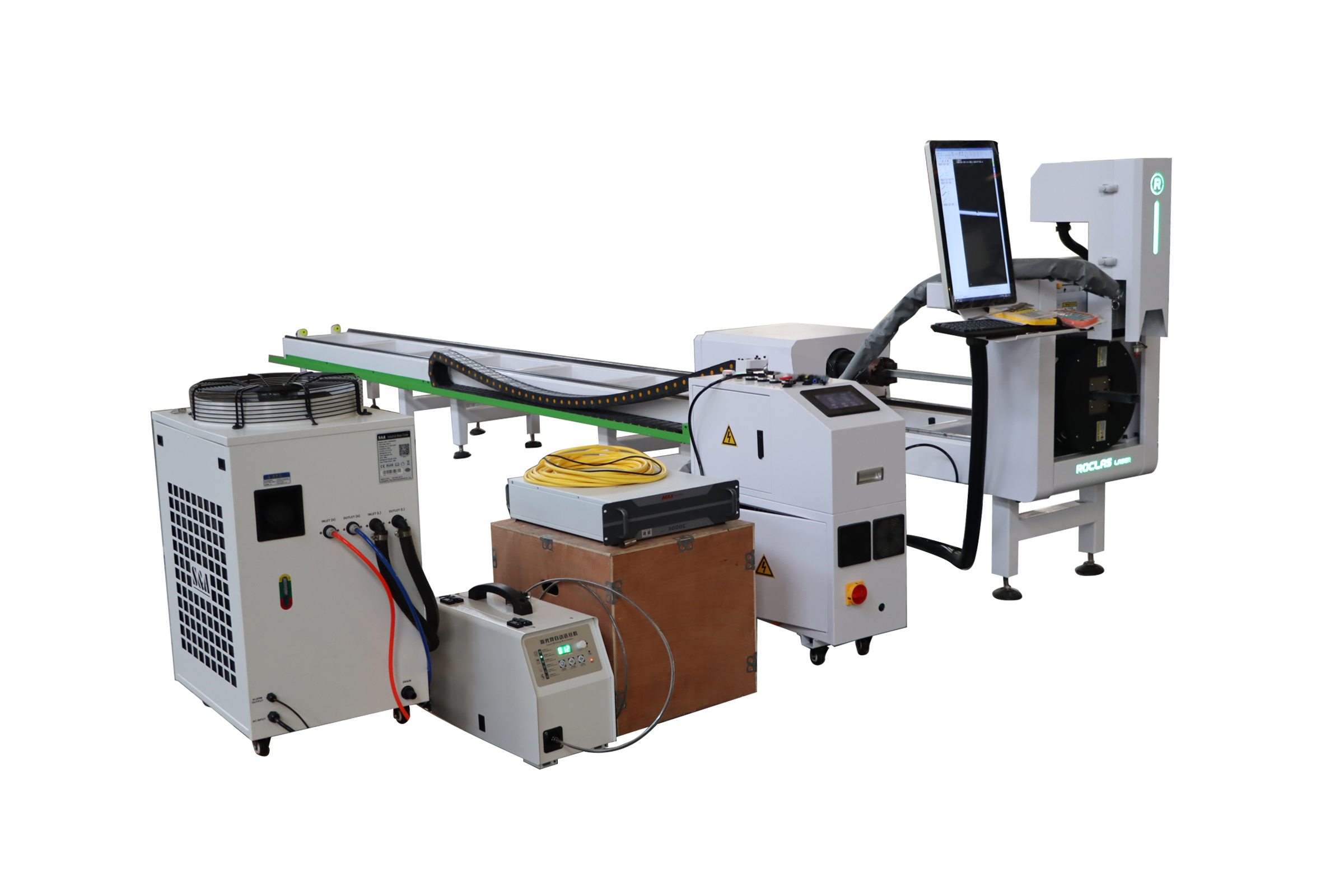
This versatility is both a strength and a limitation. The 3015 machine is a generalist—capable of many tasks, optimal for few. Shops with highly specialized production, such as tube and pipe fabrication or thick plate processing, may find a dedicated tube cutter or a larger gantry machine more efficient. But for the majority of job shops, the 3015's ability to handle 80% of incoming work without setup changes or workholding compromises makes it the rational first investment.
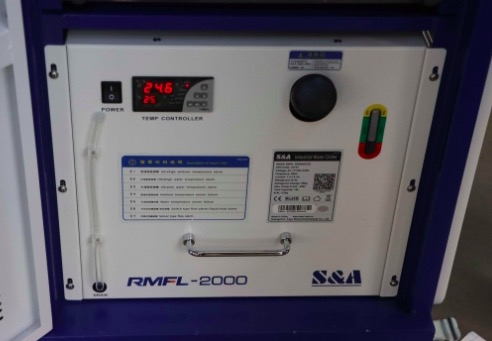
Operationally, the 3015 fiber laser has a relatively shallow learning curve compared to older CO2 systems. No laser gas supply, no mirrors to align, no turbomolecular vacuum pumps. The primary consumables are the cutting nozzle, protective lens, and assist gas. Maintenance tasks—lens cleaning, nozzle inspection, guide rail lubrication, water chiller upkeep—are straightforward and can be handled by trained operators without specialized service contracts.
One design consideration worth noting: bed construction. Traditional single-piece welded beds offer maximum rigidity but complicate shipping and installation. Modular screw-connected beds, such as those offered by ROCLAS, maintain the same manufacturing precision while allowing separation for transport—a practical advantage for overseas customers or facilities with restricted access.
Conclusion
The 3015 fiber laser cutting machine endures not because it is technologically exciting, but because it is economically rational. The format matches standard material sizes, the motion platform is mature and reliable, and the power range from 1.5KW to 6KW covers the majority of real-world cutting requirements without excessive capital outlay. Manufacturers like ROCLAS continue to refine this formula, integrating proven components—Raycus or MAX sources, Cypcut controls, Raytools heads—into heavy-duty structures built for longevity. For fabricators evaluating their first or next fiber laser, the 3015 remains the benchmark against which all alternatives are measured.