How Much Does a Fiber laser cutting machine Cost? A Practical Pricing Guide for 2025
"How much does a fiber laser cutting machine cost?" is one of the most frequently searched questions among metal fabricators, job shop owners, and manufacturers planning their first or next machine investment. The honest answer is that pricing spans an extremely wide range—from under $10,000 for an entry-level 1kW sheet cutter to well over $200,000 for a high-power, automation-ready production system. Understanding what drives that spread is far more useful than chasing a single number, because the sticker price reflects a bundle of decisions about power, format, control systems, and build quality that will determine your cost per part for the next decade.
The Power Curve Is the Primary Price Driver
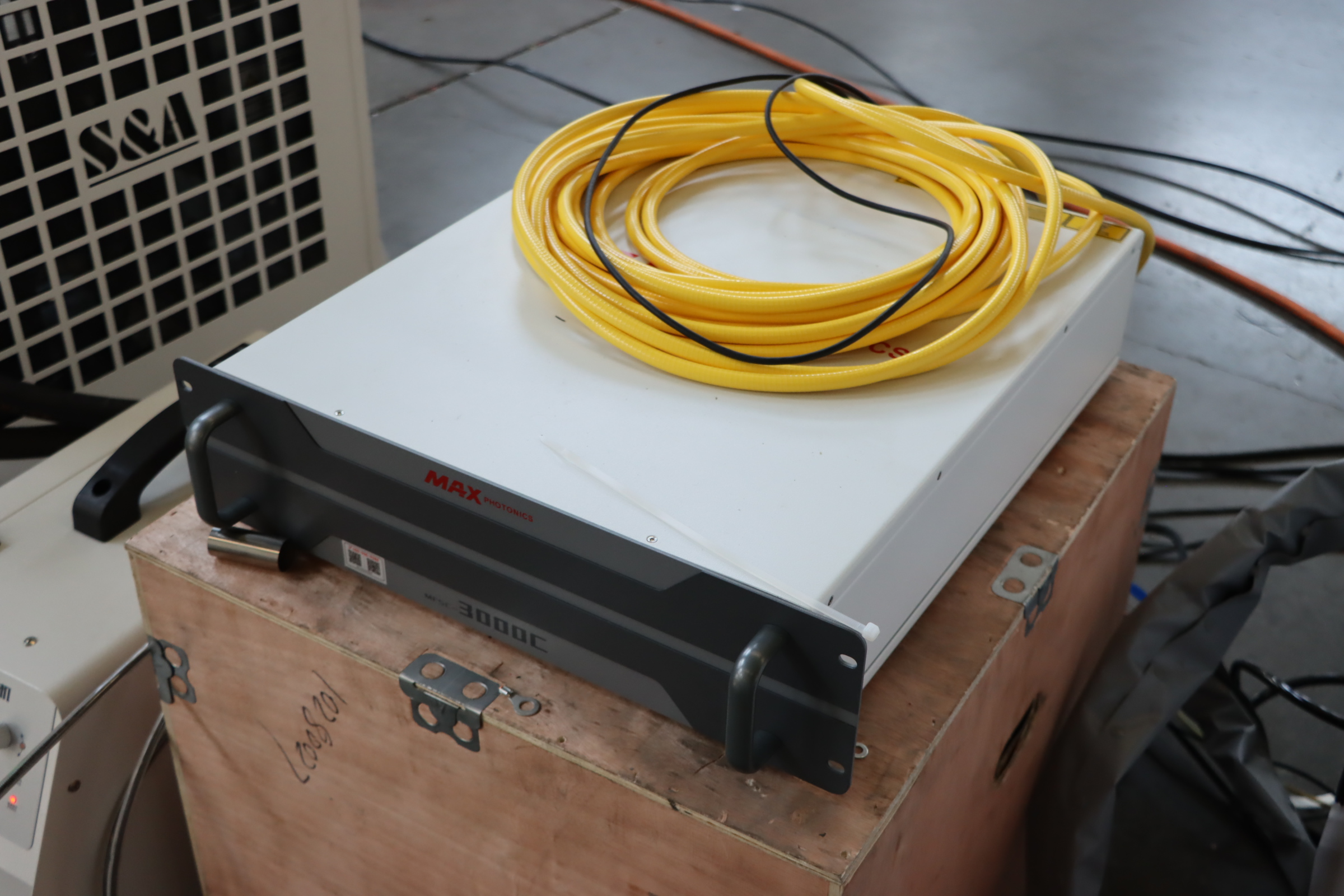
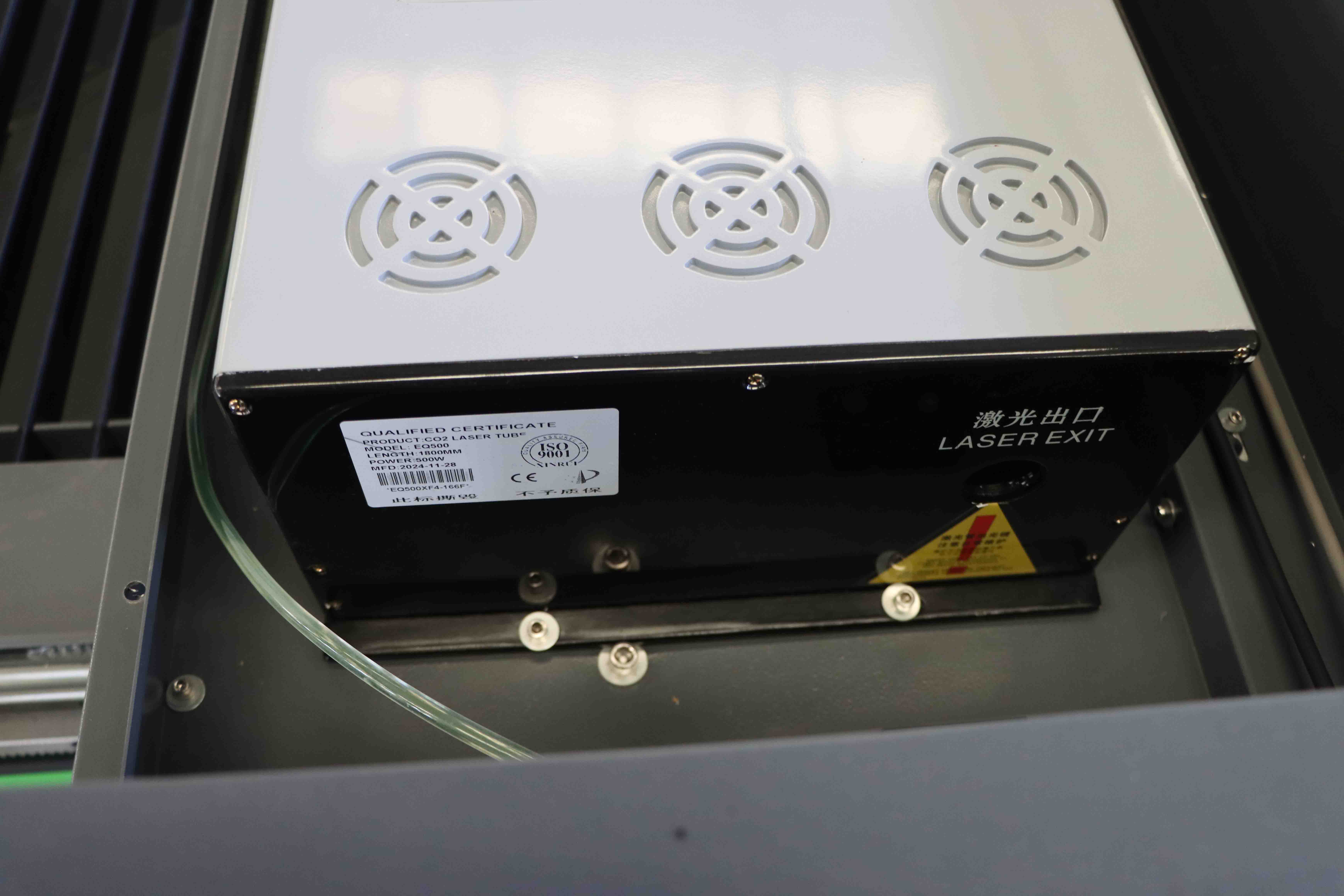
Laser power is the single largest variable in machine cost. A 1kW fiber laser source costs a fraction of a 20kW source, and the optical chain, chiller, cutting head, and electrical infrastructure must all scale accordingly. As a rule of thumb, doubling cutting power does not double the machine price—but it does move you into a different cost tier, because thicker material capability requires stiffer gantries, higher-grade servo systems, and more robust thermal management.
Consider the practical capability ladder. A 1kW machine cuts mild steel up to roughly 6–8mm and stainless steel to about 3–4mm. A 3kW machine handles 12–16mm mild steel comfortably. At 6kW, you enter the realm of 20–25mm plate. By 12kW to 20kW, you are cutting 30mm and beyond, often with nitrogen assist gas to eliminate oxidation on stainless and aluminum. Each step up the ladder widens your addressable market but also raises the capital outlay, the floor space requirement, and the power supply demand—typically 380V three-phase for industrial units.
What Else Moves the Price
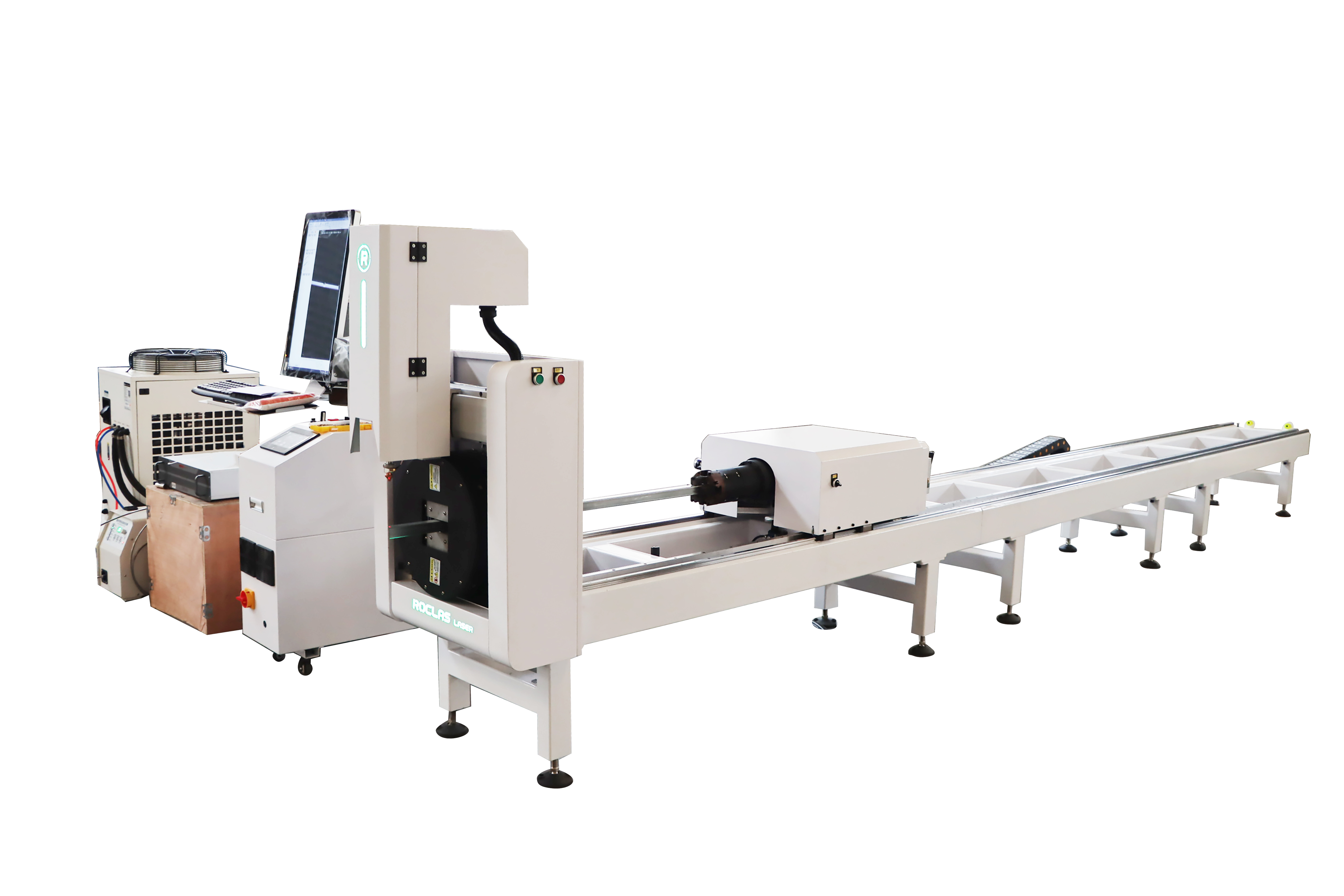
Beyond power, several factors separate a budget machine from a production-grade system:
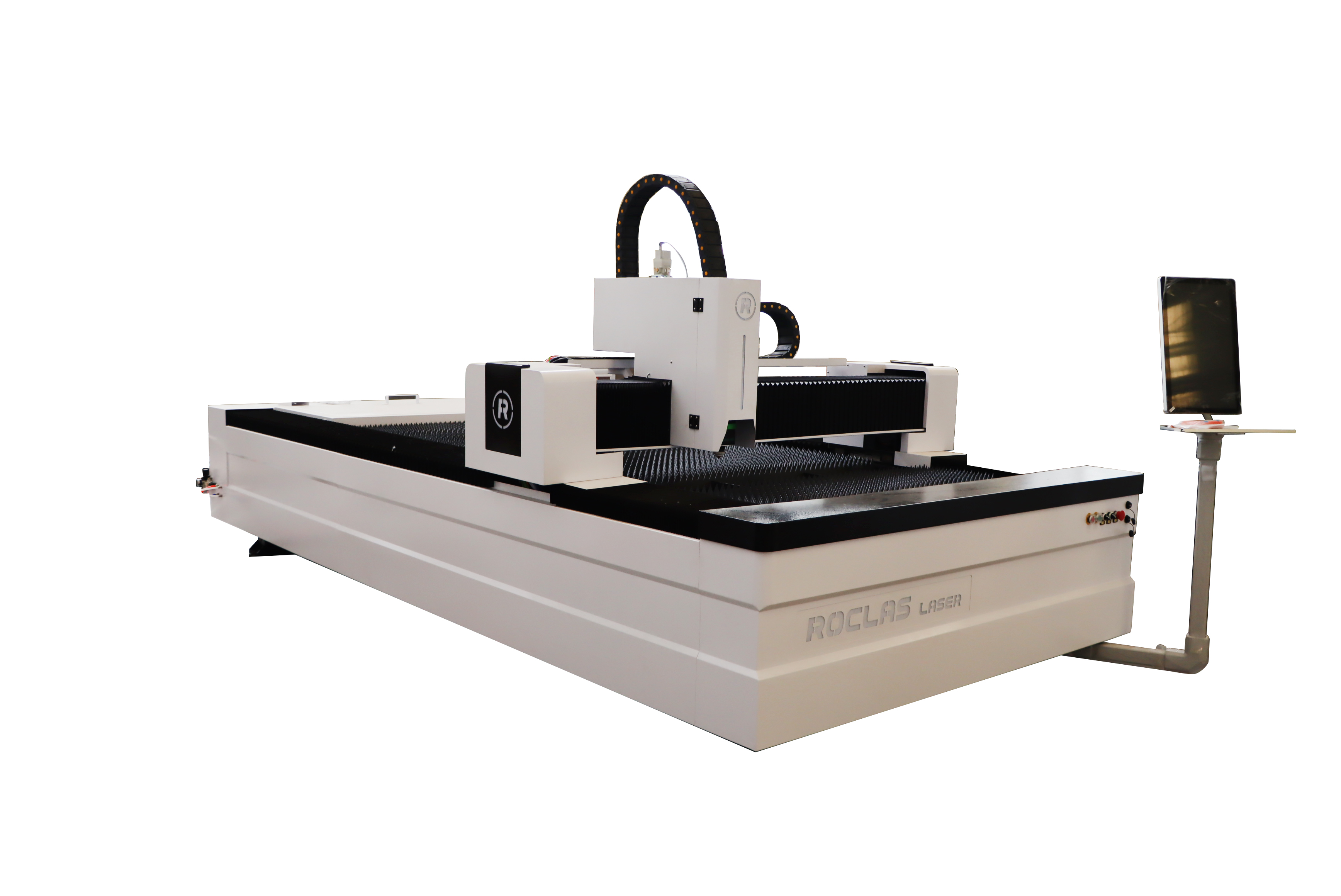
- Bed size and format. A standard 3000×1500mm bed is the industry default. Larger formats (4000×2000mm or 1500×4000mm) add cost but reduce repositioning on long parts.
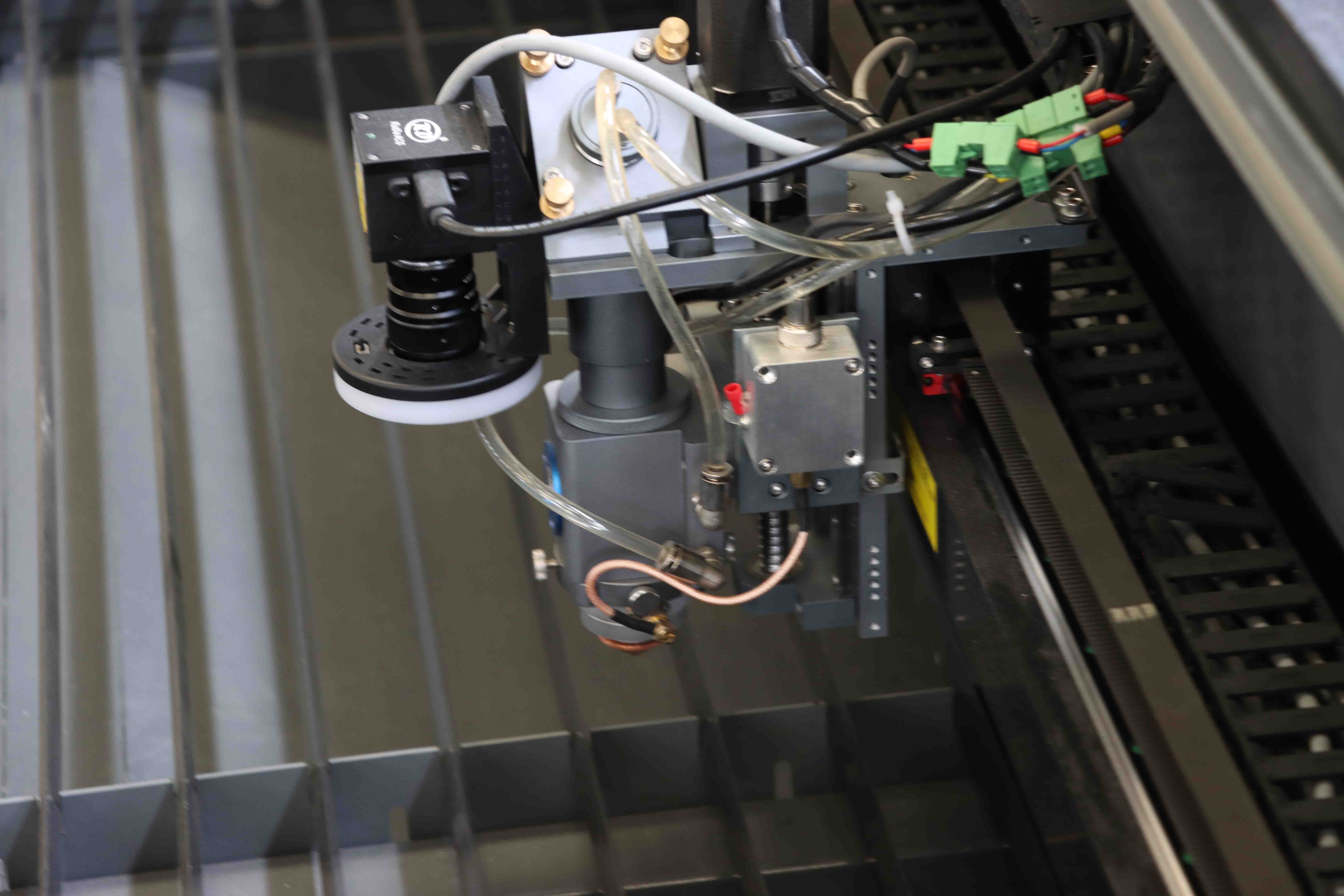
- Cutting head and optics. Imported Raytools heads and high-quality focusing lenses improve edge quality and consumable life. Cheap alternatives cut the initial price but raise long-run operating costs.
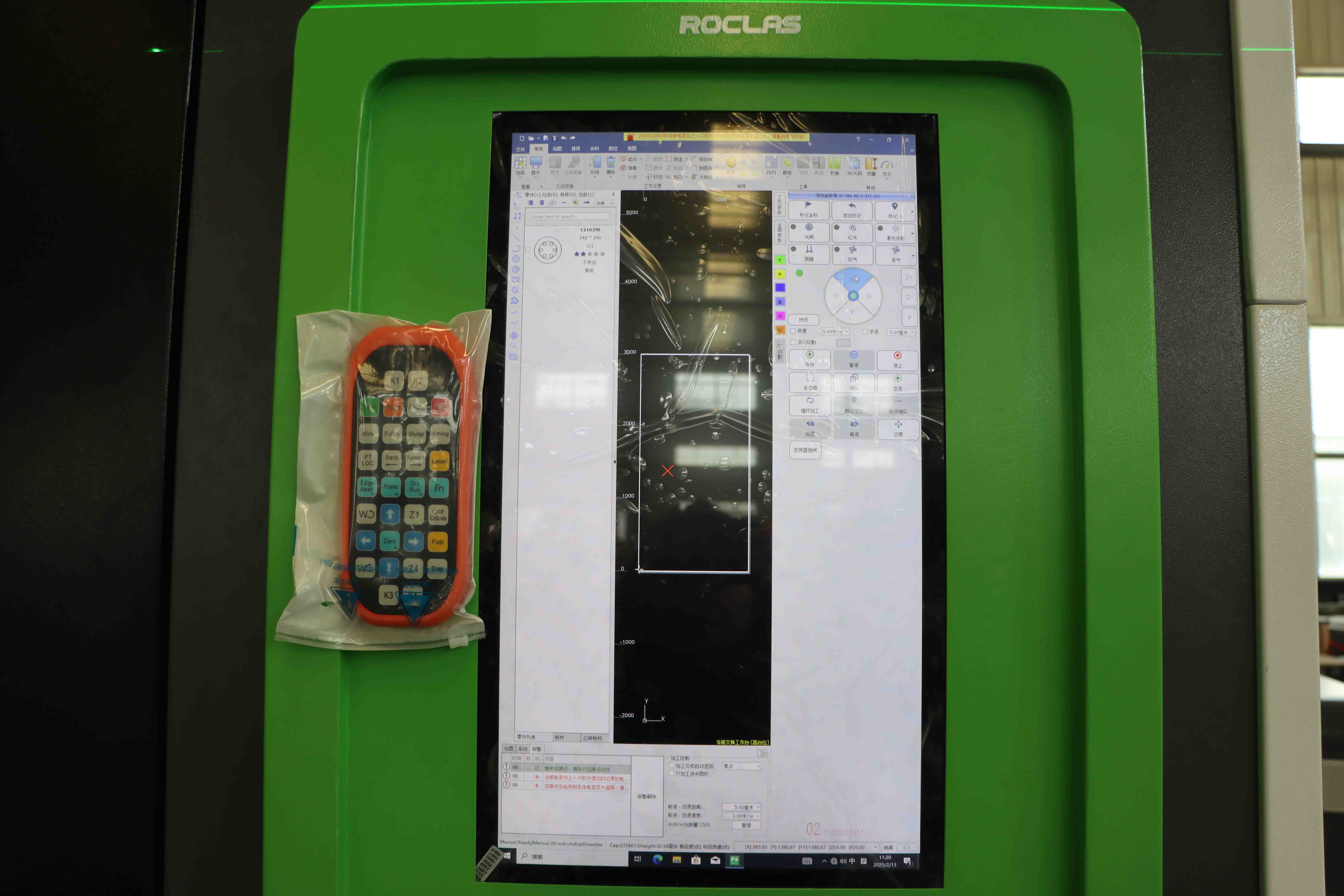
- Control system. Professional controls such as Cypcut 3000S with automatic nesting optimize material utilization—a direct saving on every sheet.
- Motion hardware. Imported servo drives, reducers, and cable systems (for example, German igus cable and Japan SMC pneumatics) raise the price but deliver the ±0.03mm positioning accuracy and 100m/min travel speeds that make high-throughput work viable.
- Structure and machining. Industrial-grade heavy-duty steel structures processed on CNC five-face machining centers cost more to produce than light welded frames, but they hold accuracy under thermal load and vibration.
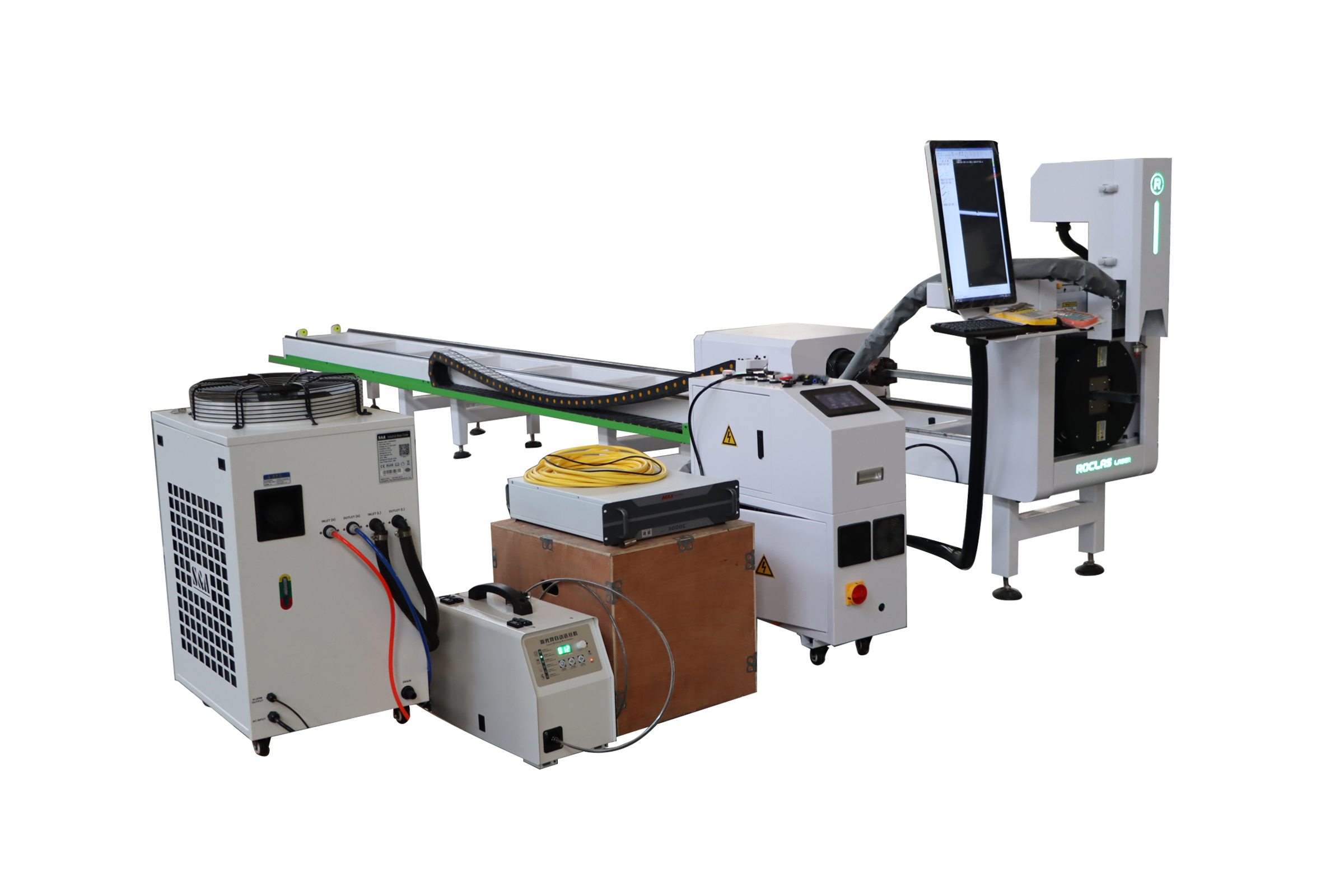
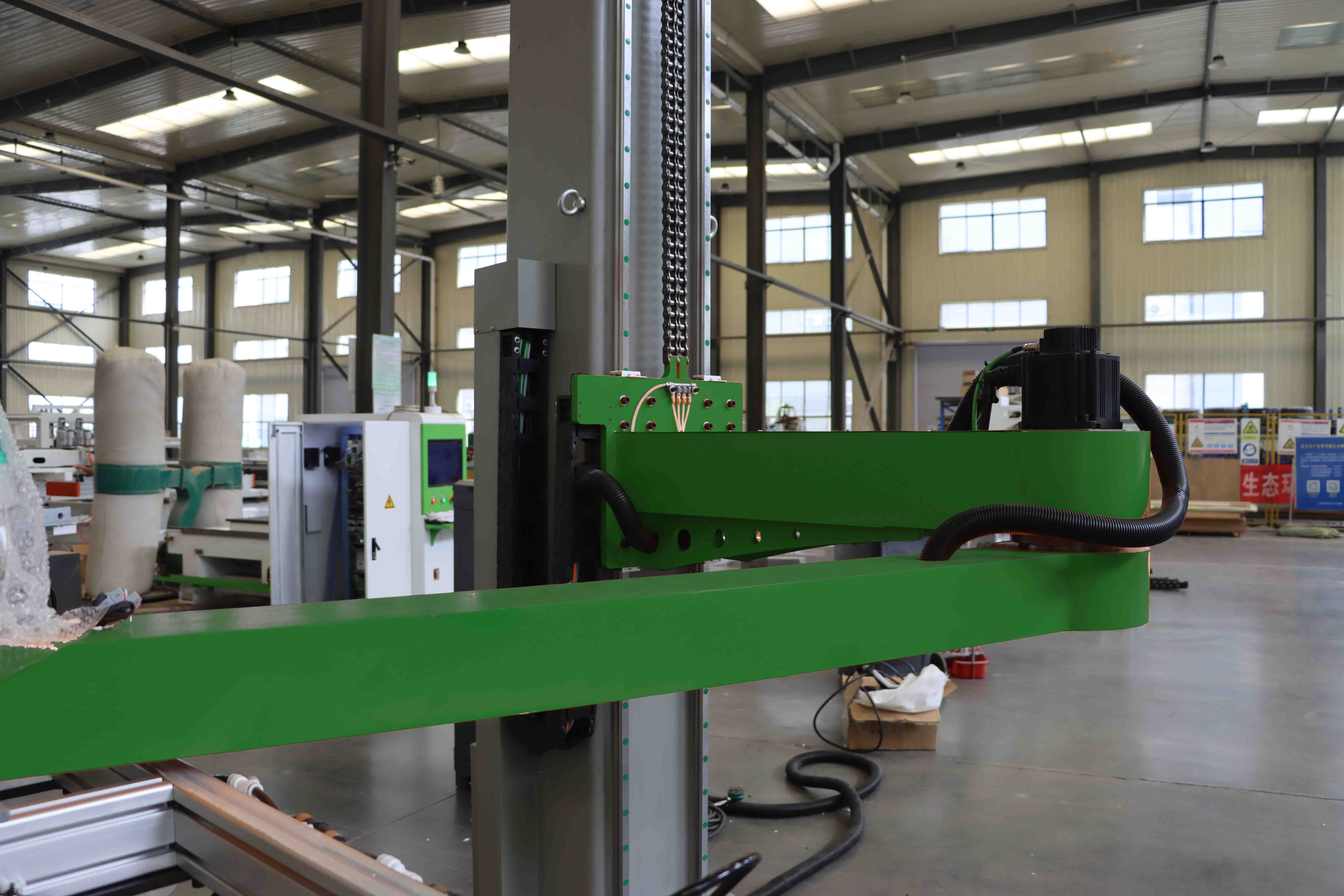
- Automation and auxiliaries. Tube-cutting modules, automatic chucks, coil uncoilers, robotic arms, and nitrogen generators each add to the total but can transform throughput per labor hour.
A Representative Price Landscape
The table below summarizes typical price bands by configuration. Figures are indicative market ranges for new equipment and will vary by supplier, region, and included options.
| Configuration | Typical Power | Price Range (USD) | Best-Fit Application |
|---|---|---|---|
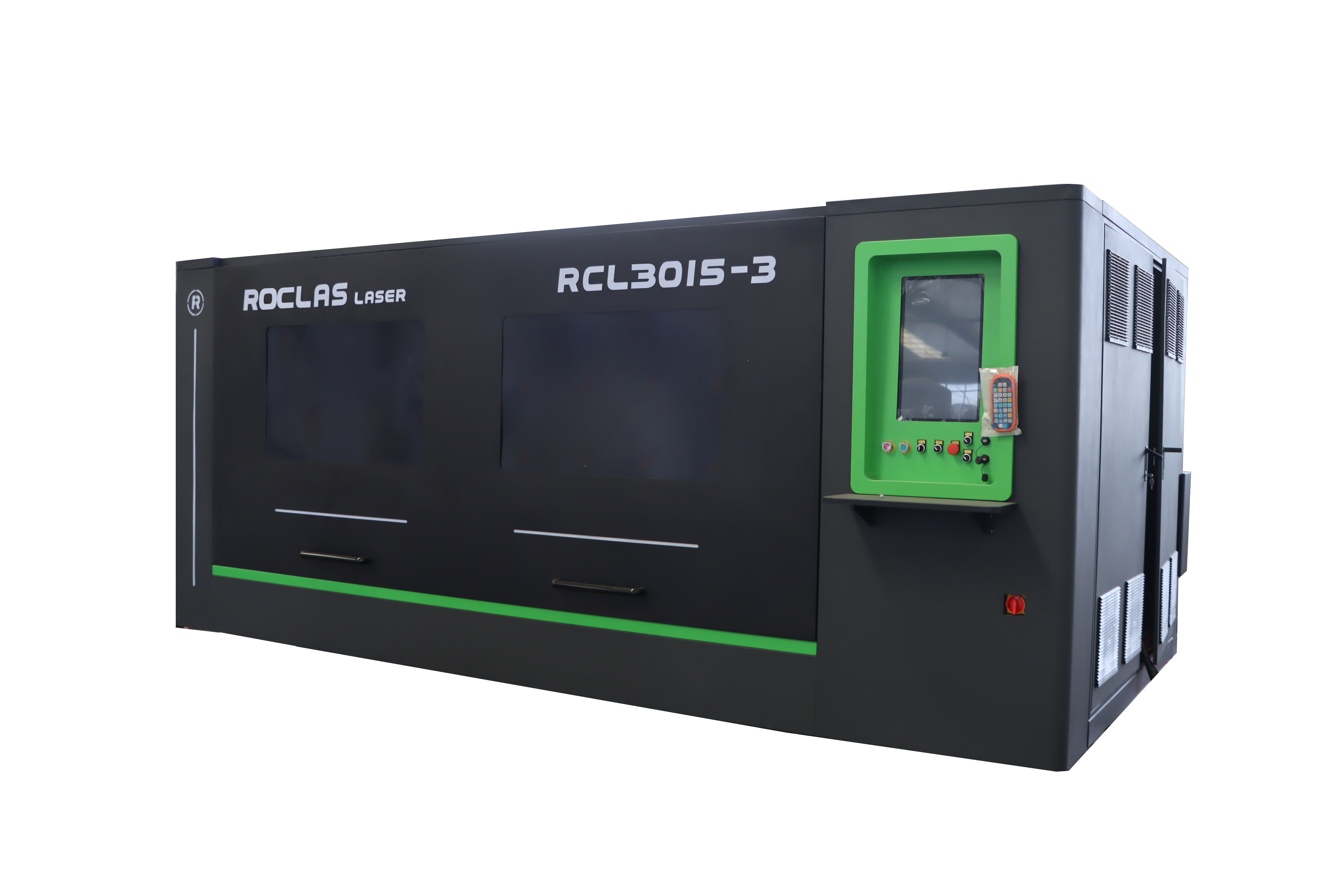
| Entry-level sheet cutter | 1–1.5kW | $8,000–$18,000 | Thin sheet, signage, light fabrication |
| Mid-range sheet cutter | 2–3kW | $18,000–$40,000 | General job shop, 12–16mm mild steel |
| Production sheet cutter | 4–6kW | $40,000–$75,000 | Structural work, 20–25mm plate |
| High-power sheet cutter | 8–12kW | $75,000–$140,000 | Heavy plate, high-throughput production |
| Ultra-high power | 15–20kW | $140,000–$250,000+ | Thick plate, nitrogen cutting, automated lines |
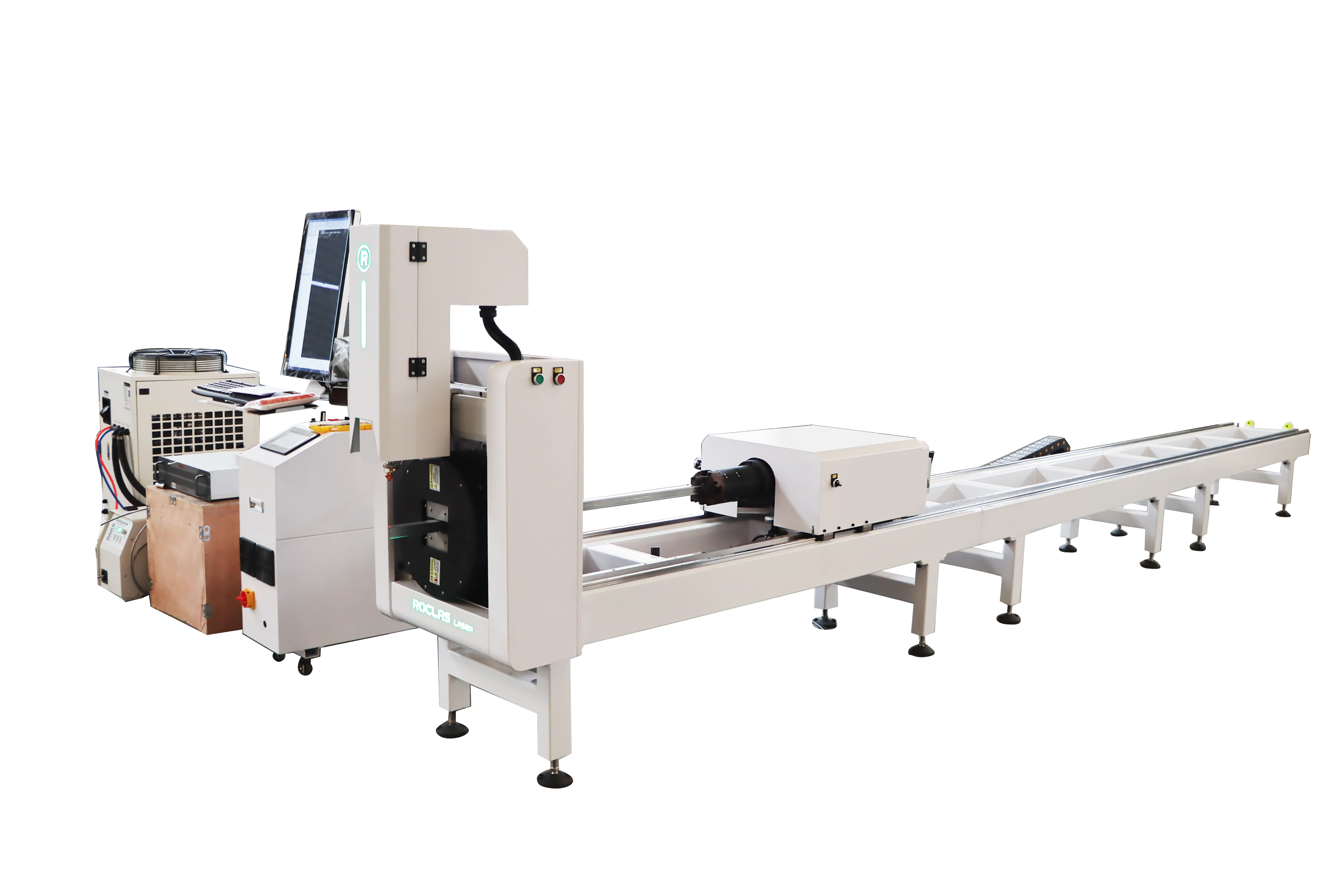
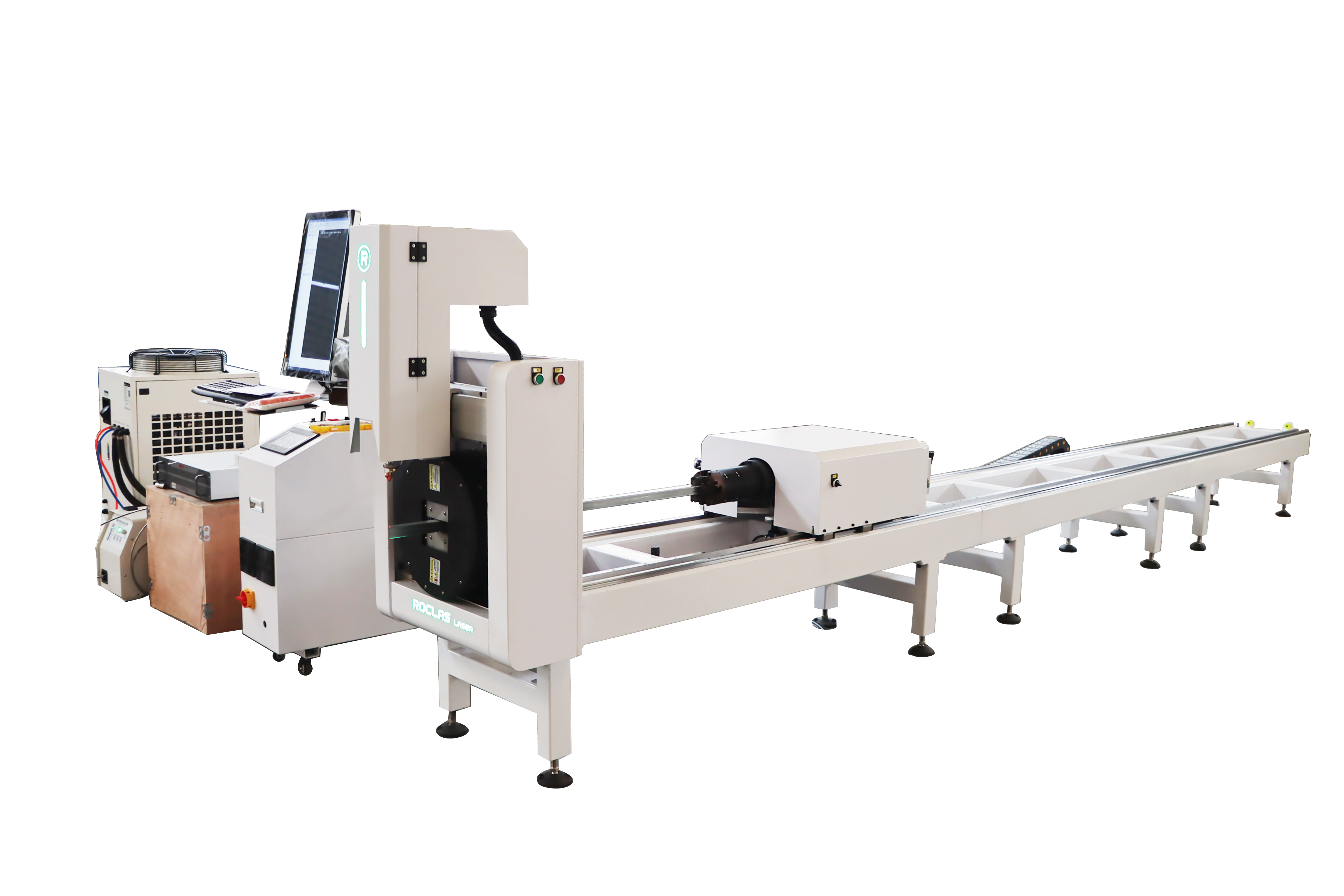
| Tube/pipe cutting machine | 1–3kW | $25,000–$60,000 | Round/square/rectangular tube up to 220mm |
| Sheet + tube integrated | 1.5–3kW | $35,000–$80,000 | Mixed-production shops |
| 5-axis 3D cutting center | 2–6kW | $90,000–$200,000+ | Complex 3D workpieces, aerospace, automotive |
Reading the Table: What the Numbers Mean
The jump from entry-level to mid-range is the steepest in percentage terms, because it buys not just power but a fundamentally more robust machine. A 1.5kW unit at $12,000 may share a control system and cutting head family with a 3kW unit at $30,000, but the latter's servo drives, gantry stiffness, and chiller capacity are built for sustained industrial duty rather than intermittent use.
The high-power tiers tell a different story. Moving from 6kW to 12kW roughly doubles the price but can more than double throughput on thick material, because cutting speed on 20mm plate at 12kW is dramatically higher than at 6kW—and nitrogen cutting becomes practical, eliminating secondary edge cleaning. For shops running plate all day, the payback on that step is often measured in months, not years.
Tube cutting machines occupy their own band. A dedicated tube machine with a 220mm maximum diameter and automatic chuck system typically starts around $25,000 and scales with power and loading automation. Integrated sheet-and-tube machines cost more than either dedicated unit alone but save floor space and capital for shops with mixed order books.
The ROCLAS Position in This Market
ROCLAS® MACHINERY CO., LTD. illustrates how a manufacturer can cover this price spectrum without abandoning build quality. With over 15 years in the industry, a 15-member R&D team, and more than 50 patents (with 10+ added annually), Roclas builds fiber laser cutting machines from 1kW to 20kW using Raycus or MAX sources, Cypcut control, and imported servo and reducer systems. Its sheet machines achieve ±0.03mm positioning accuracy and ±0.02mm repositioning accuracy, with travel speeds to 100m/min and 1.0G acceleration—specifications that place its mid- and high-power models squarely in the production tier.
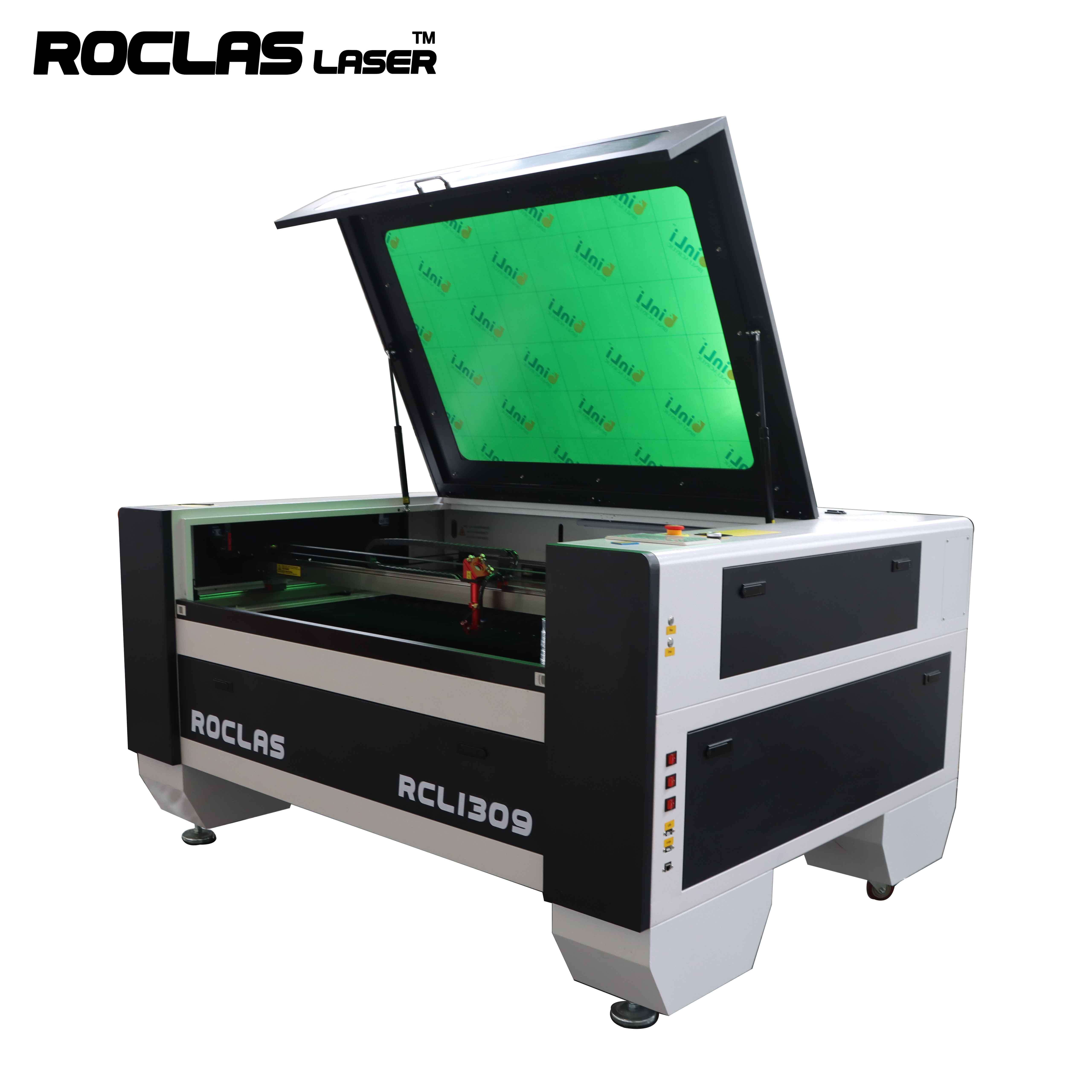
The company also addresses the cost-of-ownership side of the equation. Its CO2 + fiber hybrid machines process both metals and non-metals—wood, acrylic, leather, fabric—on a single 1500×3000mm platform, which is attractive to shops that would otherwise buy two machines. Its steel coil uncoiler line combines fiber cutting with automatic coil feeding, reducing power consumption versus traditional press lines for high-volume sheet work. And the modular, screw-connected bed option delivers the same manufacturing quality as a single-piece welded design while allowing disassembly for transport—a practical consideration when shipping costs and factory access constrain the total budget.
Certifications matter to the price conversation too. ISO 9001, CE, FDA, UL, and PDL compliance means Roclas machines meet international safety and quality benchmarks, which affects resale value, insurance, and export eligibility. A cheaper uncertified machine may save 20–30% upfront but can cost far more in compliance remediation or lost contracts.
Hidden Costs Beyond the Purchase Price
A complete budget must include items the sticker price omits:
- Assist gas. Nitrogen generators (Roclas offers a 99.999% purity unit at 9kW total power) eliminate recurring liquid nitrogen deliveries but add roughly the cost of a mid-range accessory.
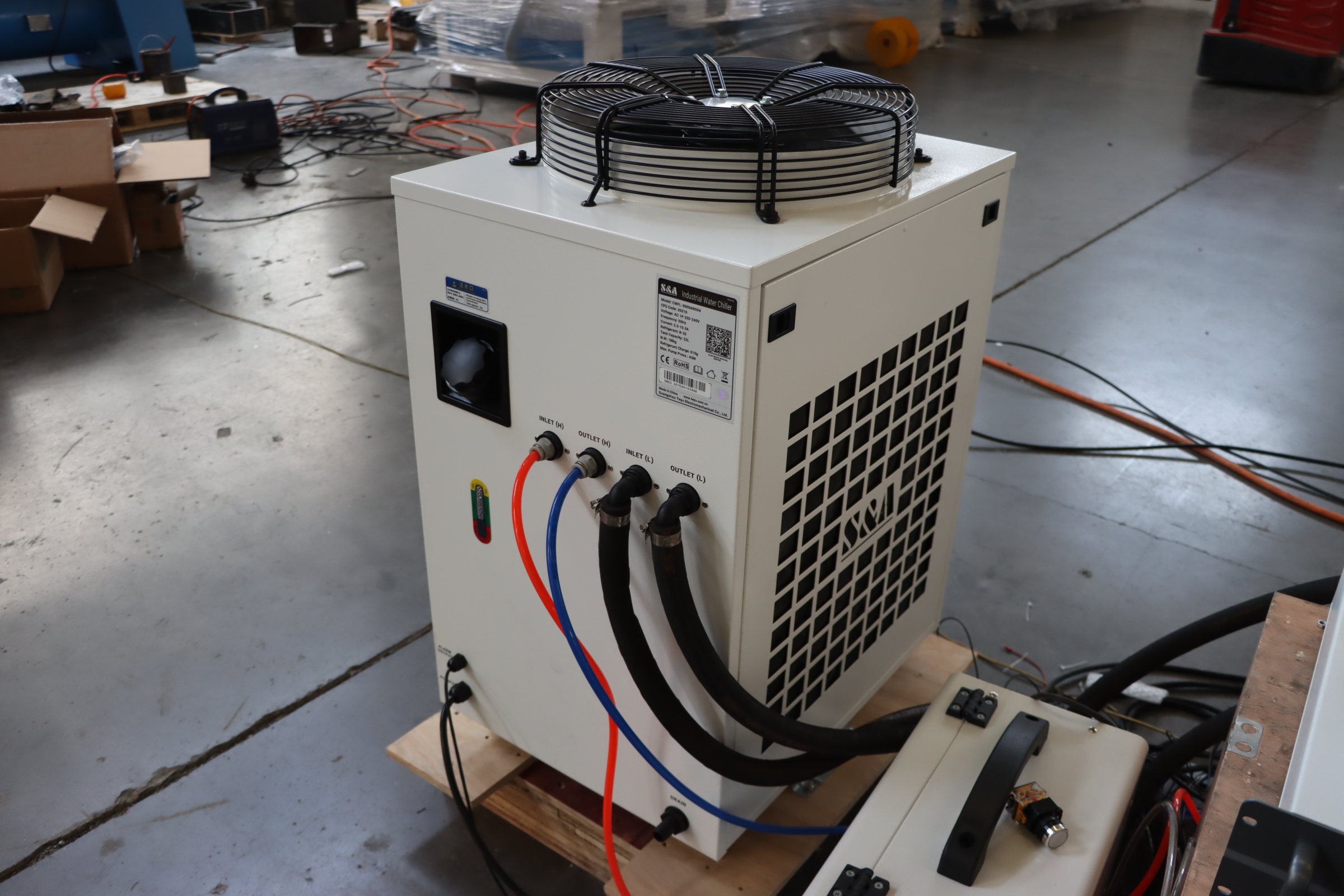
- Chiller and power infrastructure. High-power machines need dedicated 380V supply and adequate cooling.
- Consumables. Nozzles, protective lenses, and ceramics are recurring costs; quality optics last longer.
- Installation and training. Ventilation and a built-in smoke purification system are required, though a dedicated workshop is not.
- Software and nesting. Automatic nesting directly reduces material waste, often the largest single operating cost.
Conclusion: Price Is a Function of Fit
There is no universal answer to "how much does a fiber laser cutting machine cost" because the right machine is defined by the material mix, thickness range, and throughput you actually run. A signage shop may be perfectly served by a $12,000 1.5kW unit, while a structural steel fabricator cutting 20mm plate daily will find a $100,000+ 12kW system cheaper per part than any entry-level alternative. The disciplined approach is to calculate cost per cut hour and cost per part across candidate configurations—then weigh build quality, certification, and after-sales support, where established manufacturers like ROCLAS compete on total value rather than headline price.