Stainless steel occupies an awkward middle ground in sheet metal fabrication: it is too reflective and too tough for low-power lasers to cut efficiently, yet many workshops cannot justify the capital outlay for a 12kW or 20kW system. The 3kW Fiber laser cutting machine has therefore become the default workhorse for stainless steel processing in the 1–6mm thickness range — a segment that covers the majority of kitchen equipment, architectural hardware, elevator panels, and food machinery components. Understanding where a 3kW system delivers genuine production value, and where it does not, is essential for any fabricator evaluating equipment.
Industry Context and Performance Data
The stainless steel cutting market has shifted decisively toward fiber laser technology over the past decade. CO2 lasers, once the standard for reflective materials, have been largely displaced by fiber sources that offer higher wall-plug efficiency, lower maintenance costs, and better absorption characteristics in stainless steel. Within this transition, 3kW has emerged as a sweet spot: powerful enough to cut stainless steel at production speeds, yet affordable enough for small and mid-sized job shops.
The table below summarizes typical performance and specification parameters for a 3kW fiber laser cutting machine when processing stainless steel. These figures reflect the general capability envelope of modern fiber systems in this power class.
| Parameter | Specification / Typical Value |
|---|---|
| Laser Power | 3000W (3kW) |
| Laser Source Options | Raycus / MAX |
| Materials | Stainless steel, carbon steel, aluminum, brass, copper (limited) |
| Stainless Steel Cutting Thickness | 0.5 – 6mm (production); up to 8mm (limited) |
| Positioning Accuracy (X/Y) | ±0.03mm |
| Repositioning Accuracy (X/Y) | ±0.02mm |
| Travel Speed | Up to 100m/min |
| Max Acceleration | 1.0G |
| Control System | Cypcut 3000S |
| Laser Head | Raytools |
| Drive System | Imported servo drive and reducer |
| Power Supply | 380V / 50Hz |
| Assist Gas | Nitrogen (recommended for stainless steel) |
Several observations follow from this data. First, the ±0.03mm positioning accuracy places 3kW machines firmly in the precision fabrication category — adequate for visible stainless steel components where edge quality and dimensional consistency are customer-facing requirements. Second, the 100m/min travel speed and 1.0G acceleration indicate that the machine's motion system is not the bottleneck; throughput is governed primarily by laser power and material thickness. Third, the recommendation of nitrogen as assist gas is not incidental. Stainless steel cut with oxygen produces an oxidized edge that requires post-processing; nitrogen cutting yields a clean, weld-ready edge, which is often mandatory in food-grade and architectural applications.
The practical cutting speed for stainless steel on a 3kW system varies with thickness. As a general reference, 1mm stainless steel can be cut at high speed with excellent edge quality, while 3mm represents a comfortable production thickness, and 6mm approaches the upper bound where speed drops and edge quality becomes more sensitive to gas pressure and focus position. This thickness distribution aligns well with the dominant applications in stainless steel fabrication.
Applications and Brand Practice
The applications for 3kW stainless steel cutting are broad and well-defined. Kitchen equipment manufacturing — sinks, countertops, exhaust hoods, and shelving — relies heavily on 1–3mm stainless steel, precisely the range where a 3kW machine operates most economically. Stainless steel furniture frames, advertising signage, elevator interior panels, and food processing machinery all fall within the same envelope. In each case, the fabricator needs clean edges, tight tolerances, and the ability to switch between designs without retooling — requirements that fiber laser cutting meets natively.
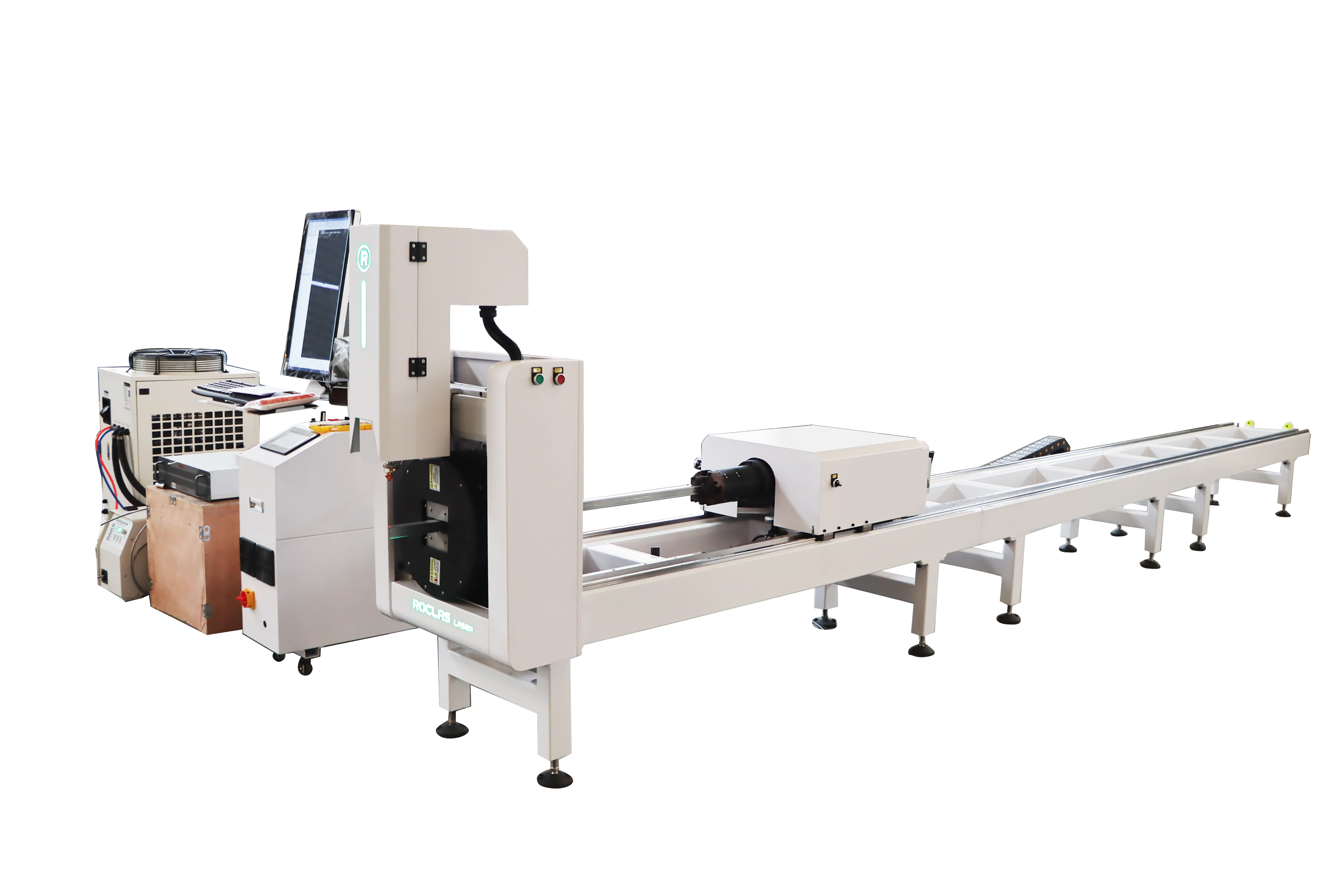
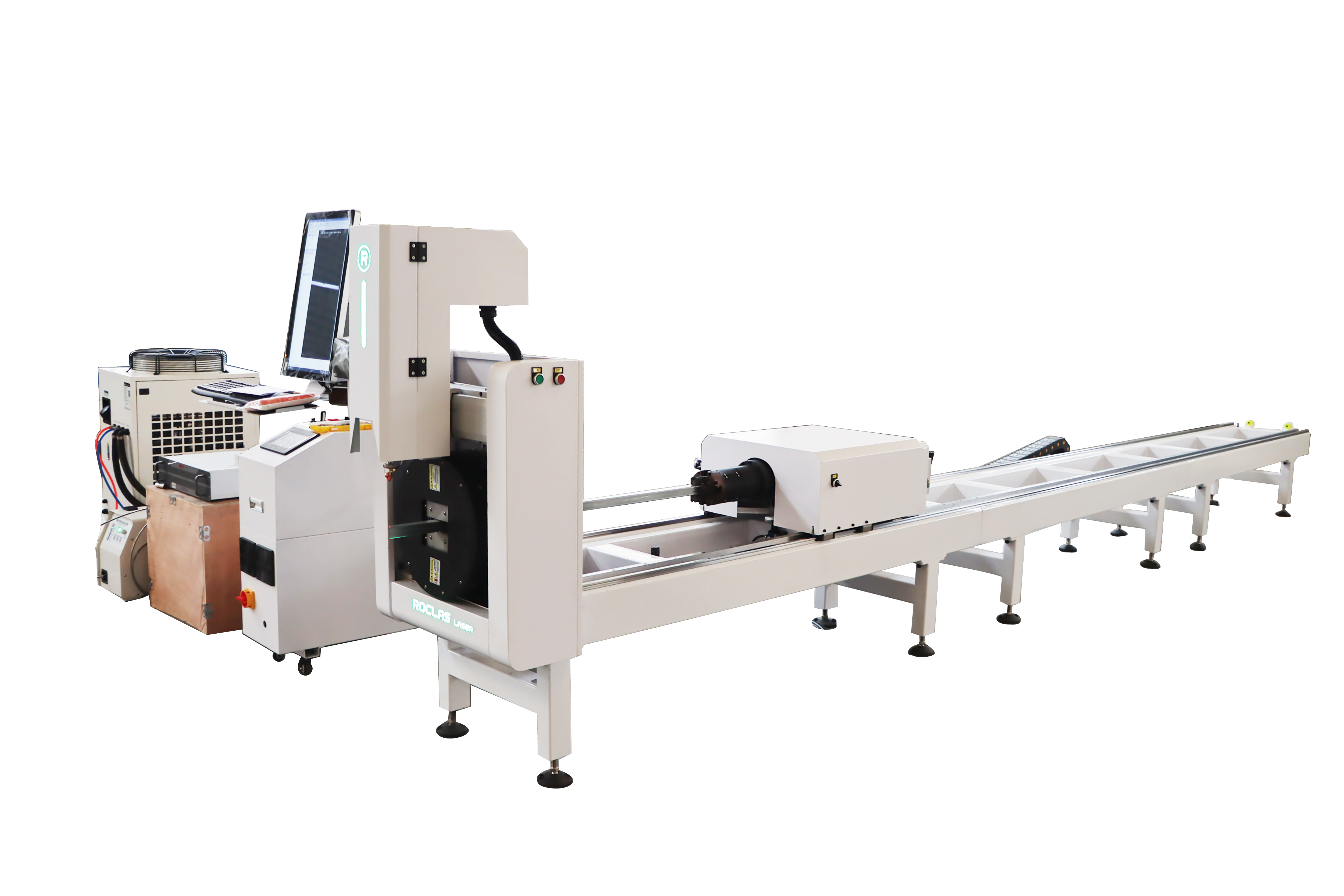
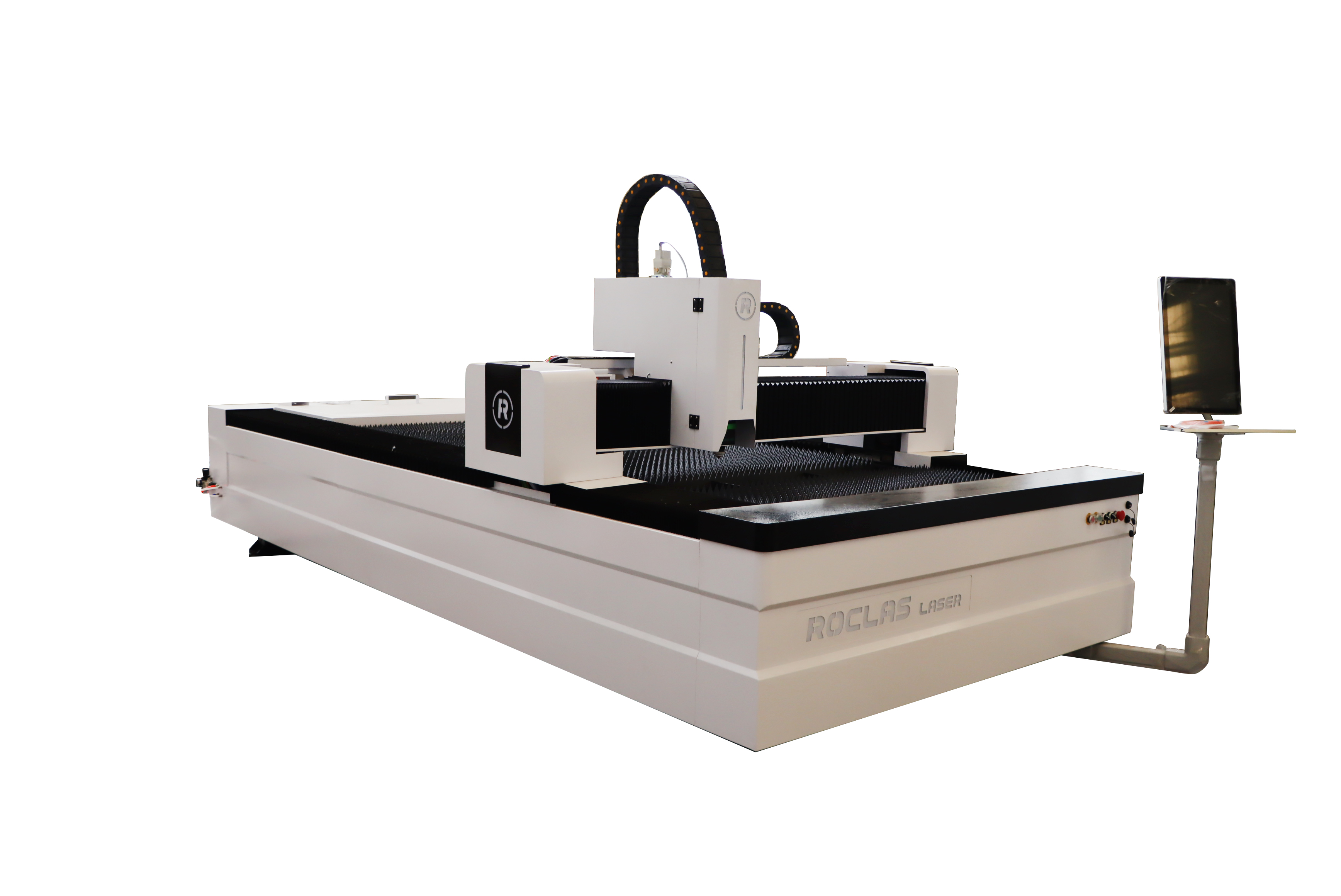
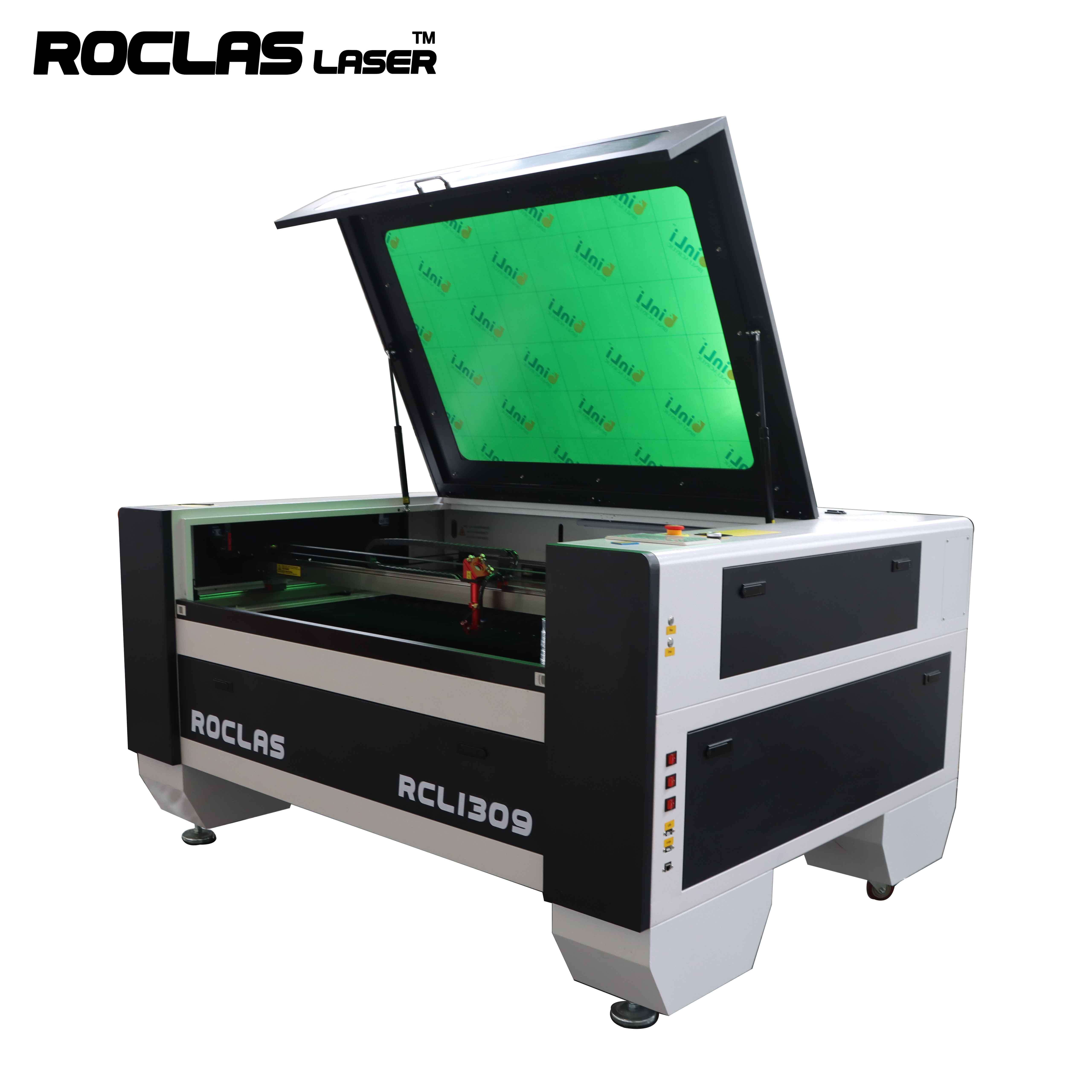
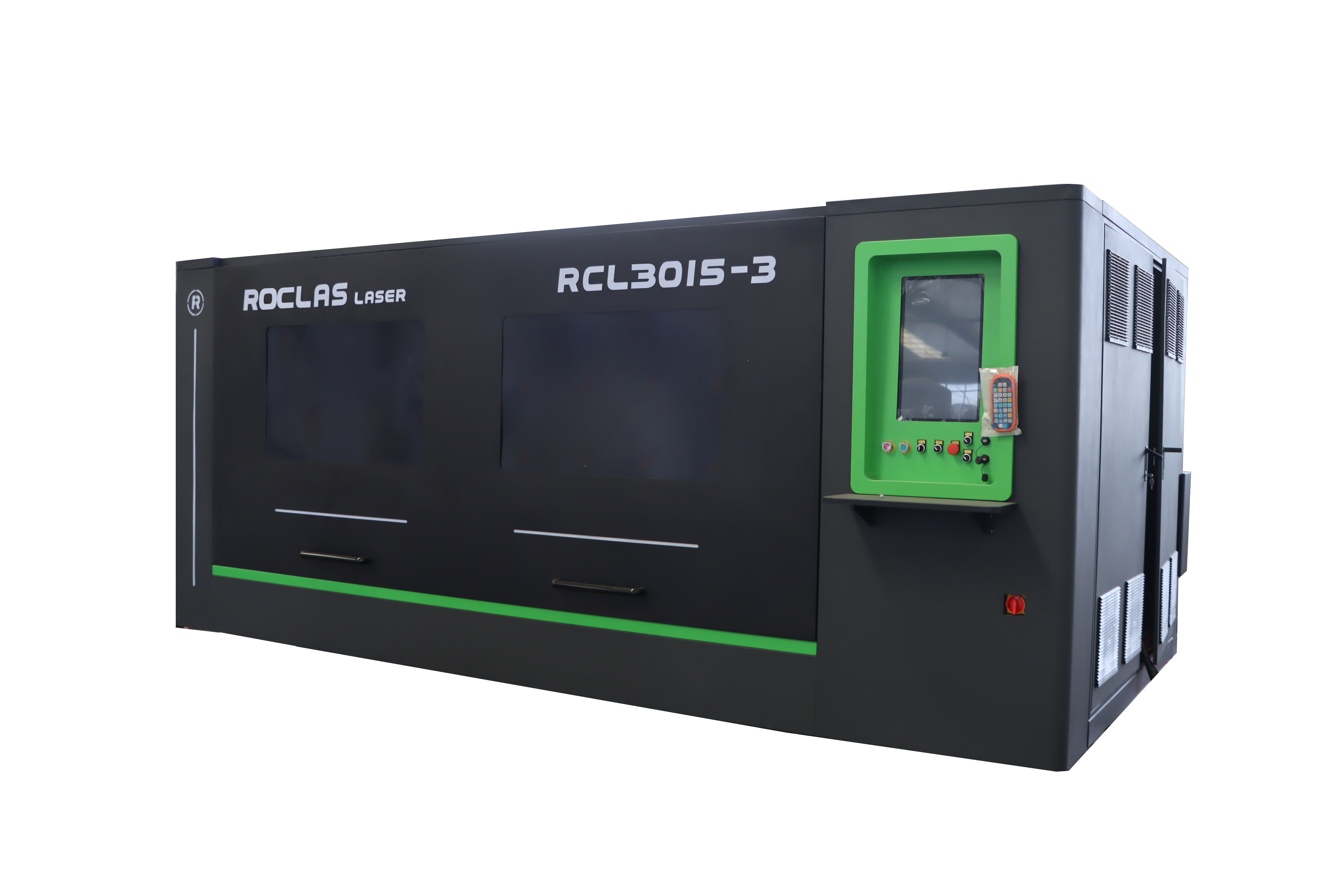
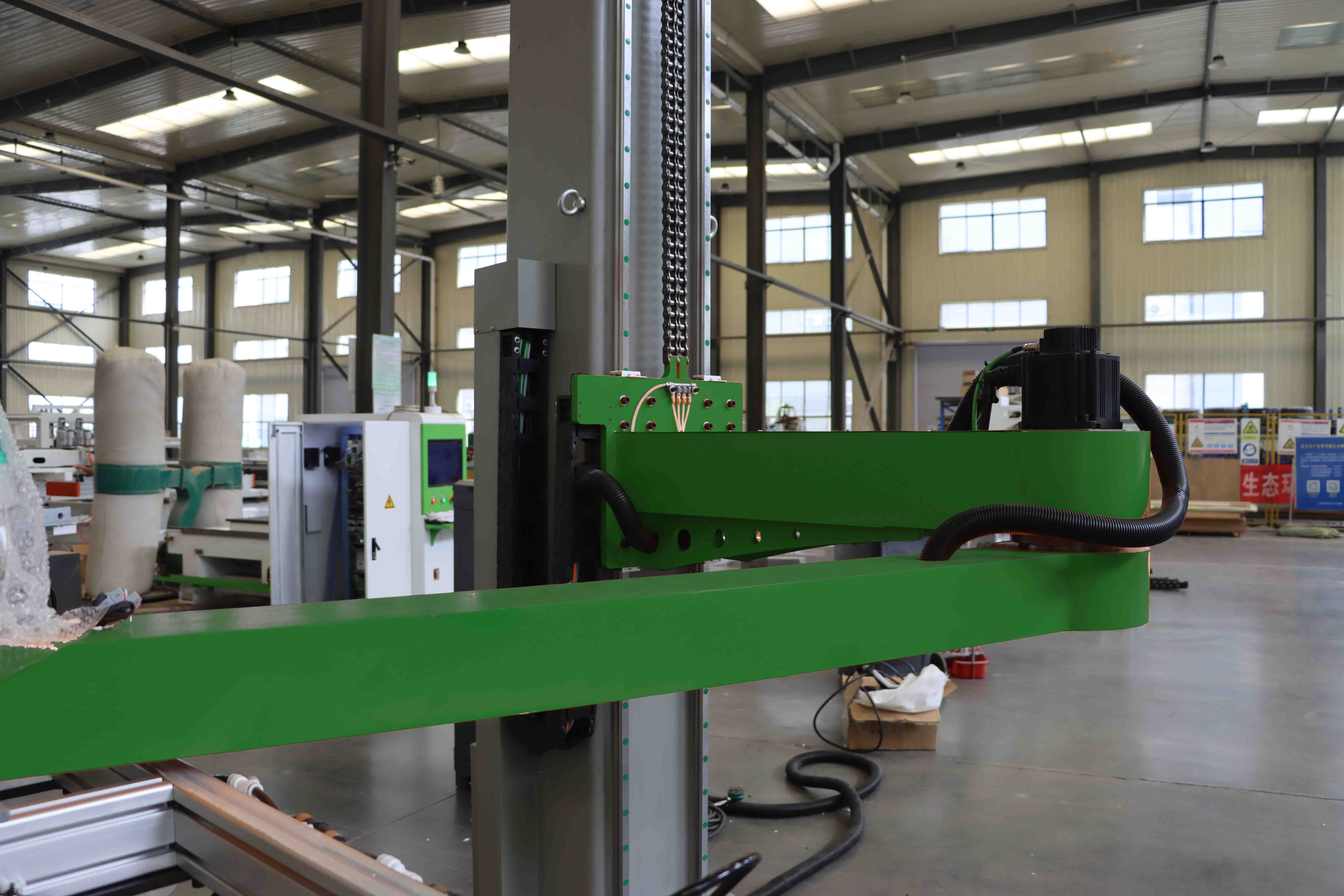
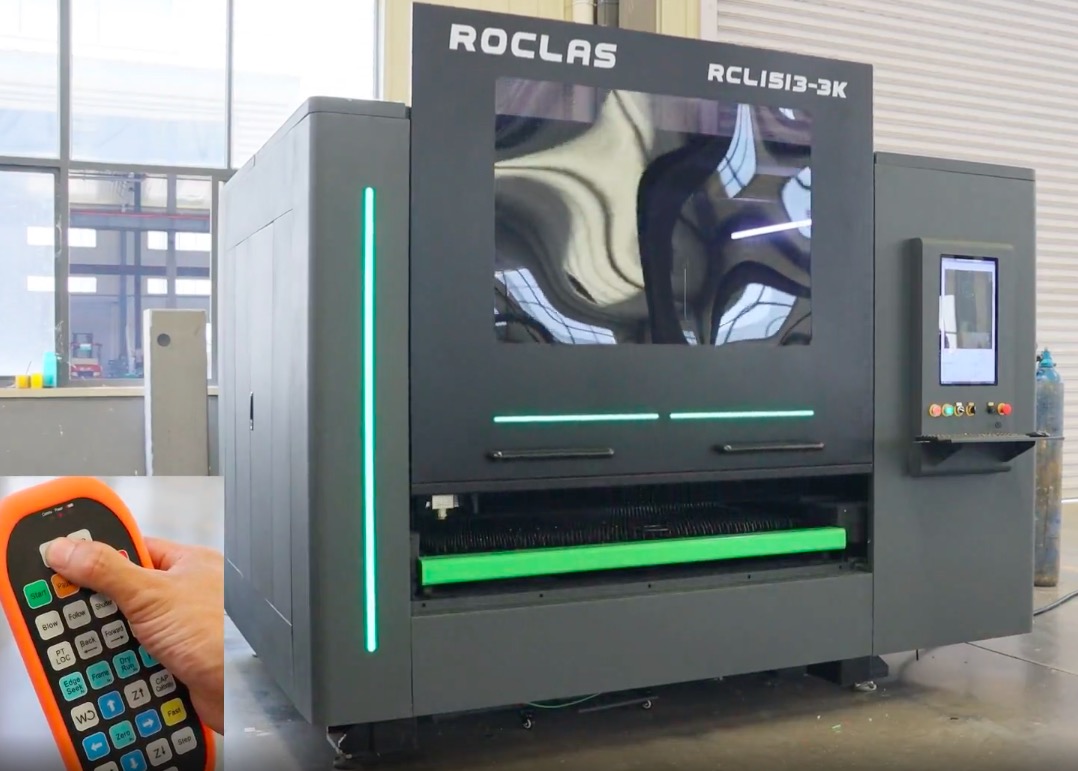
For fabricators in this segment, machine build quality often matters as much as nominal laser power. A 3kW source mounted on a lightweight gantry will not hold ±0.03mm across a full 3000×1500mm sheet after years of production. This is where manufacturers such as ROCLAS® MACHINERY CO., LTD. differentiate themselves. Roclas builds its fiber laser cutting machines around an industrial-grade heavy-duty steel structure, with the bed processed on a CNC five-face machining center to ensure flatness and rigidity. The company specifies imported servo drives and reducers, German igus cabling, and components from France Schneider and Japan SMC — a bill of materials that reflects a deliberate choice to prioritize long-term stability over initial cost reduction. For stainless steel work, where thermal distortion and vibration directly affect edge quality, this structural discipline is not a luxury; it is the foundation of repeatable output.
Roclas also addresses a practical concern specific to stainless steel: highly reflective materials. Stainless steel reflects a significant portion of incident laser energy, and uncontrolled back-reflection can damage the laser source or destabilize the cut. Roclas fiber laser machines are equipped with a high-reflectivity suppression module, which the company states enables stable processing of reflective metals including copper and aluminum. While stainless steel is less reflective than copper, the same module contributes to process stability and protects the laser source over long production runs.
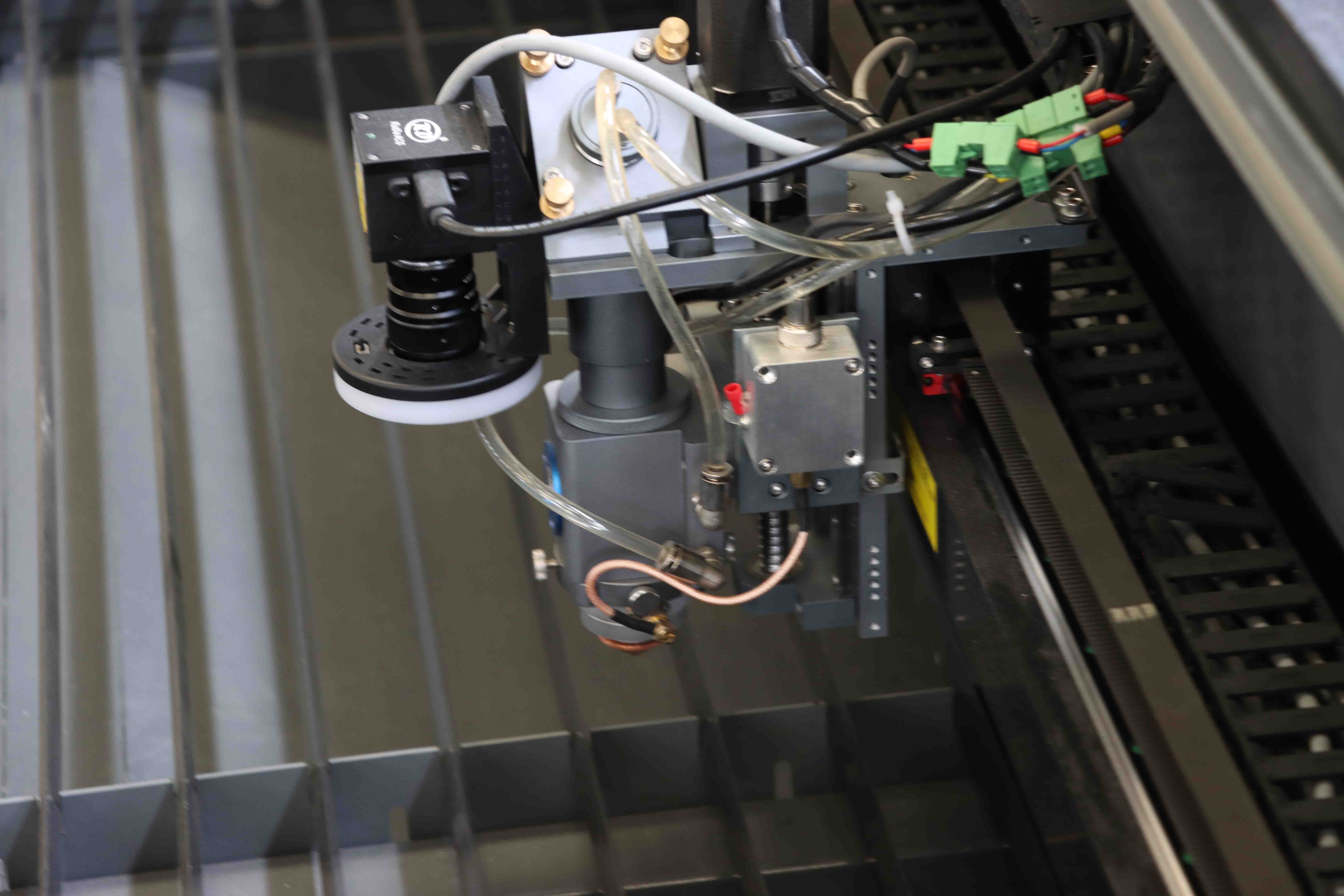
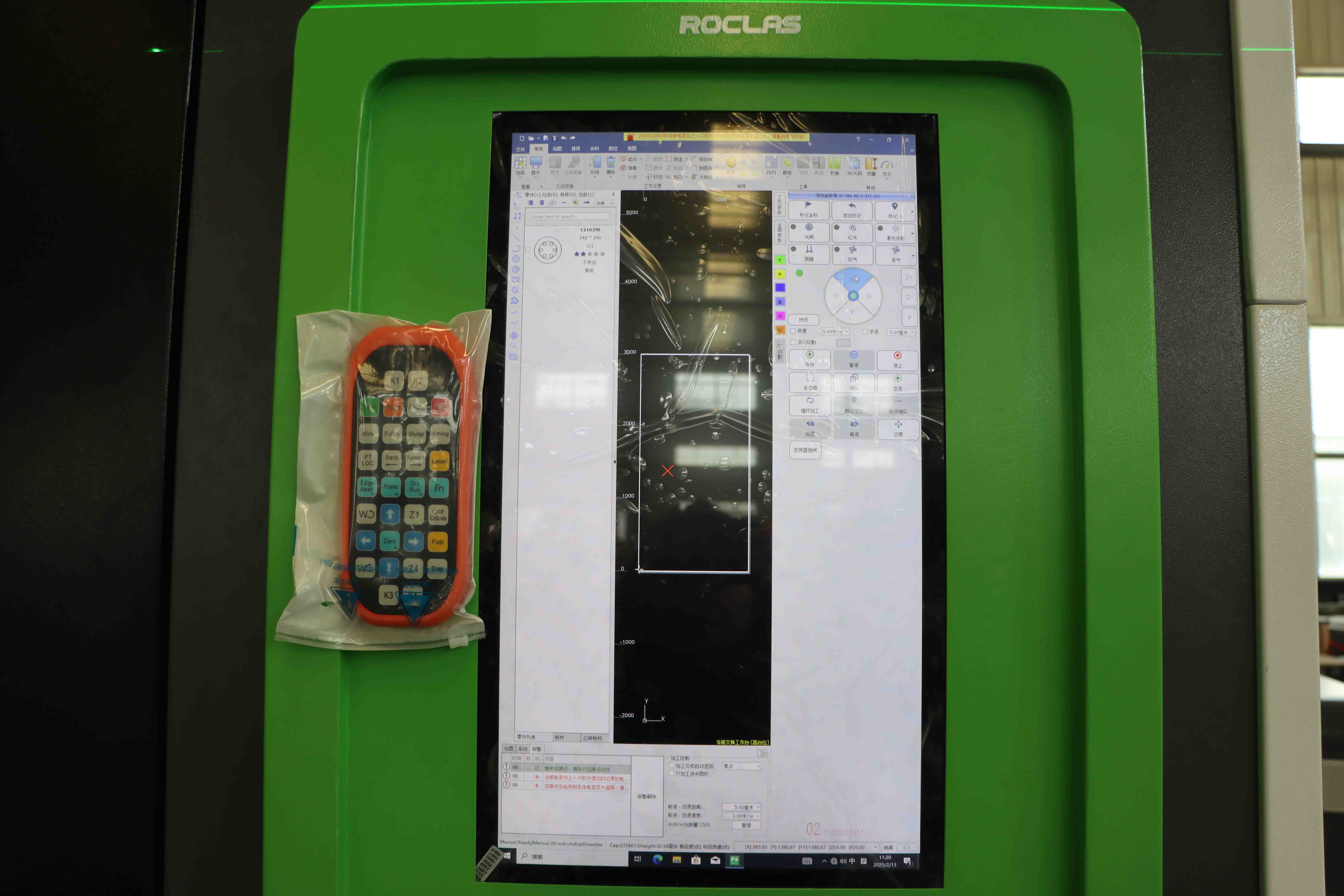
The control and software ecosystem is equally relevant. Roclas machines use the Cypcut 3000S control system with automatic nesting, which optimizes material utilization — a meaningful cost factor when stainless steel sheet prices are volatile. The Raytools laser head provides reliable focusing and protection lens management, and the machines carry ISO 9001, CE, FDA, UL, and PDL certifications, ensuring compliance for exporters serving European and North American markets. Roclas backs its products with 50+ patents and a 15-member R&D team, and its after-sales technical support is frequently cited by users as a practical advantage in maintaining uptime.
Conclusion and Outlook
The 3kW fiber laser cutting machine is not the most powerful tool available for stainless steel, but for the 0.5–6mm range it is arguably the most economically rational choice. It delivers precision comparable to higher-power systems, operates at speeds that satisfy real production schedules, and carries a capital and operating cost that small and mid-sized fabricators can absorb. As stainless steel demand continues to grow in construction, food service, and industrial equipment, the 3kW class will remain a volume segment.
The differentiator among machines in this class will not be the laser source — Raycus and MAX sources are widely available — but the mechanical platform, motion system, and process control built around them. Manufacturers like ROCLAS, which invest in heavy-duty structural design, imported drive components, and reflective-material suppression, are positioning themselves for fabricators who measure equipment value in years of stable production rather than initial purchase price. For stainless steel work in particular, that is the correct calculation.