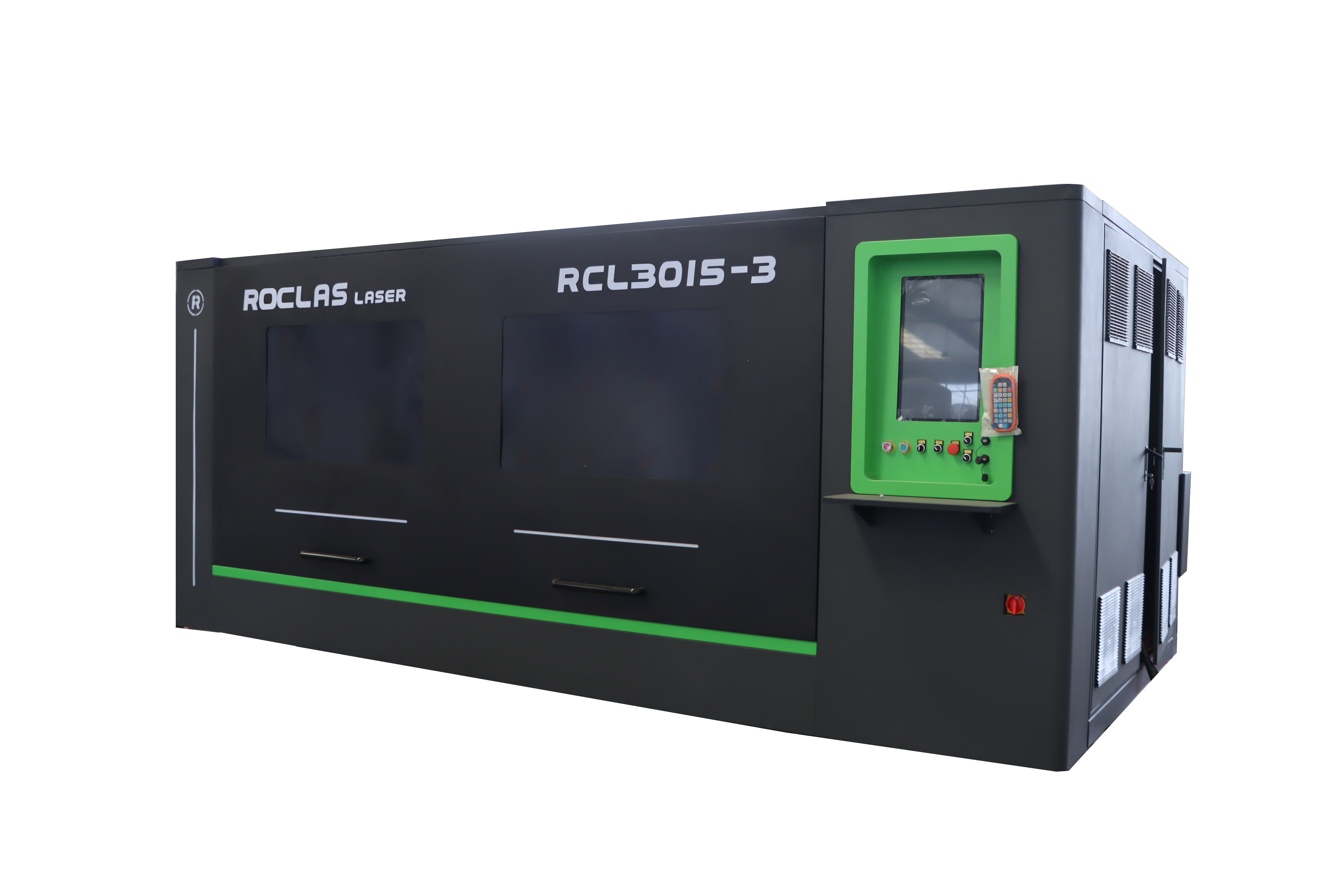
Abstract—Importing a Fiber laser cutting machine from China involves far more than booking a container. The equipment is heavy, shock-sensitive, and classified as a Class 1 or Class 4 laser product in many jurisdictions, which triggers both physical logistics requirements and regulatory documentation. This article examines the shipping process from factory acceptance to final installation, drawing on the export practices of established Chinese manufacturers such as ROCLAS® MACHINERY CO., LTD., whose product range spans 1000W to 20KW fiber laser systems, 5-axis cutting centers, CO2 hybrid machines, and coil-fed production lines.
Industry Background and Shipping Data
Laser cutting machines typically fall into three freight categories depending on power and bed size. A 3000×1500mm single-platform machine at 3KW weighs roughly 3.5–5 tonnes, while a 20KW system with a 4000×2000mm bed can exceed 12 tonnes. These figures determine whether standard flat-rack, open-top, or full container loading is viable.
| Machine Type | Typical Weight | Recommended Container | Key Shipping Concern |
|---|---|---|---|
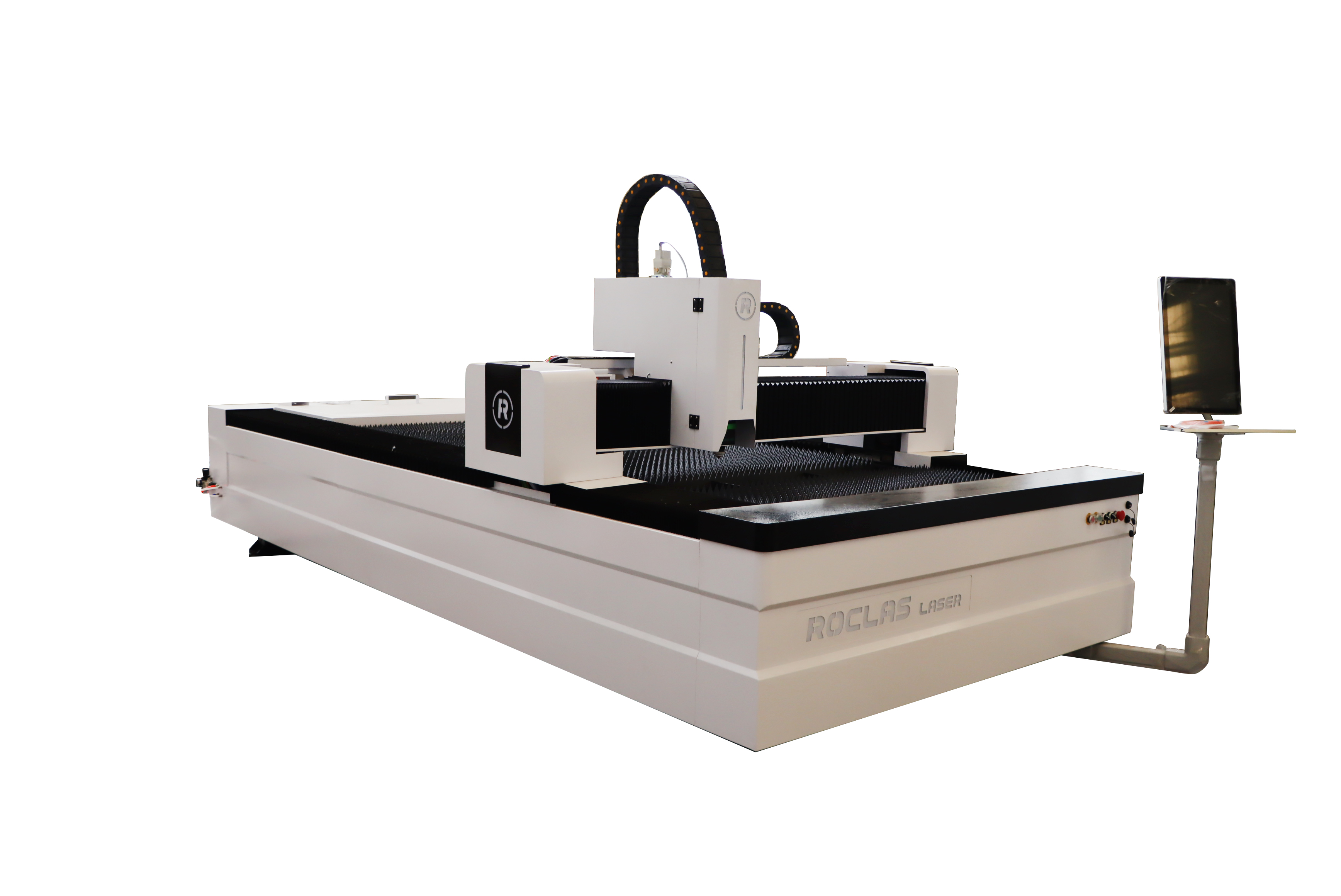
| 1–3KW sheet cutter (3000×1500mm) | 3.5–5 t | 20ft GP or 40ft GP | Bed rigidity during lifting |
| 6–12KW sheet cutter (4000×2000mm) | 8–11 t | 40ft FR or OT | Gantry alignment, laser head removal |
| 20KW high-power cutter | 12 t+ | 40ft FR, breakbulk | Crane capacity at both ports |
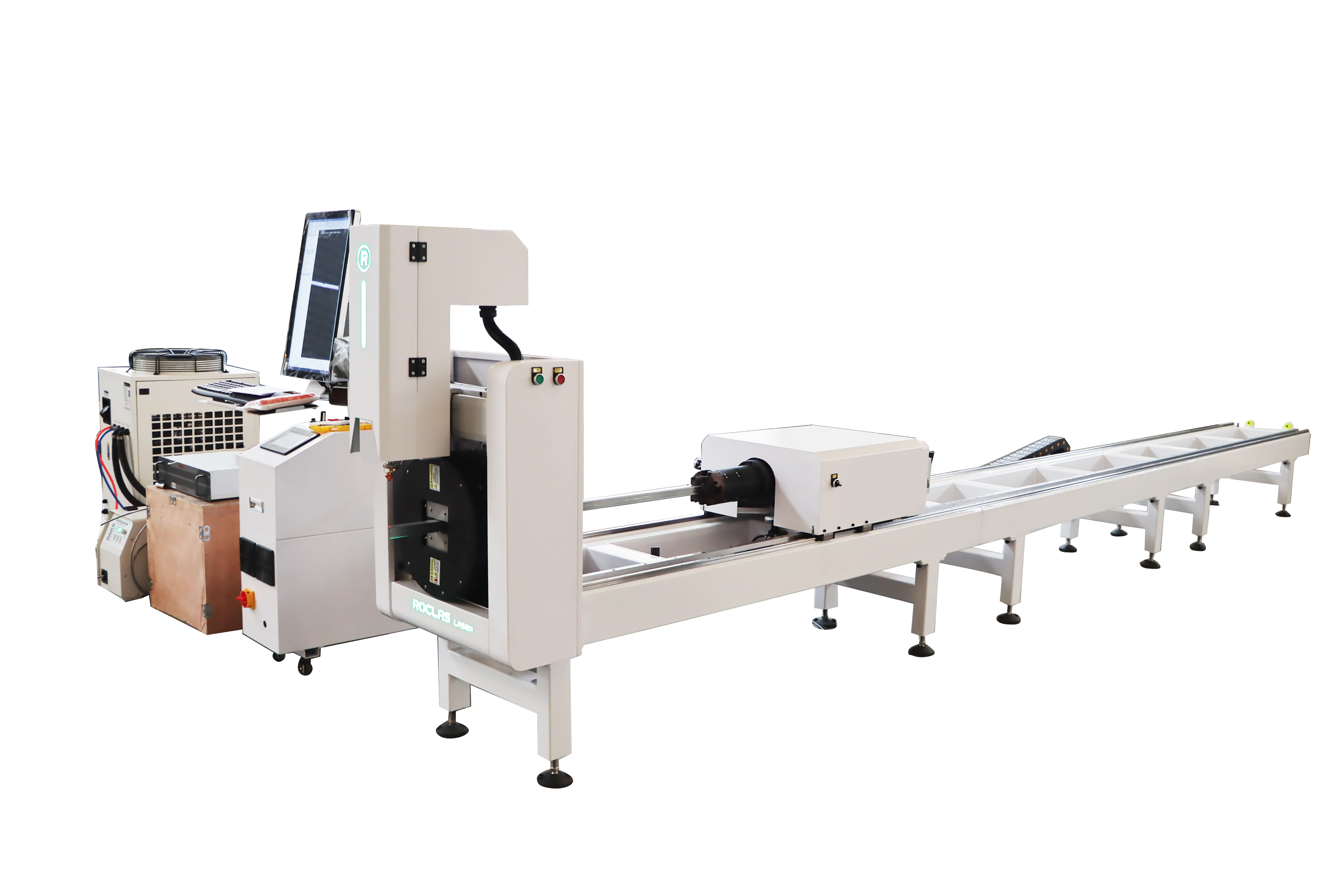
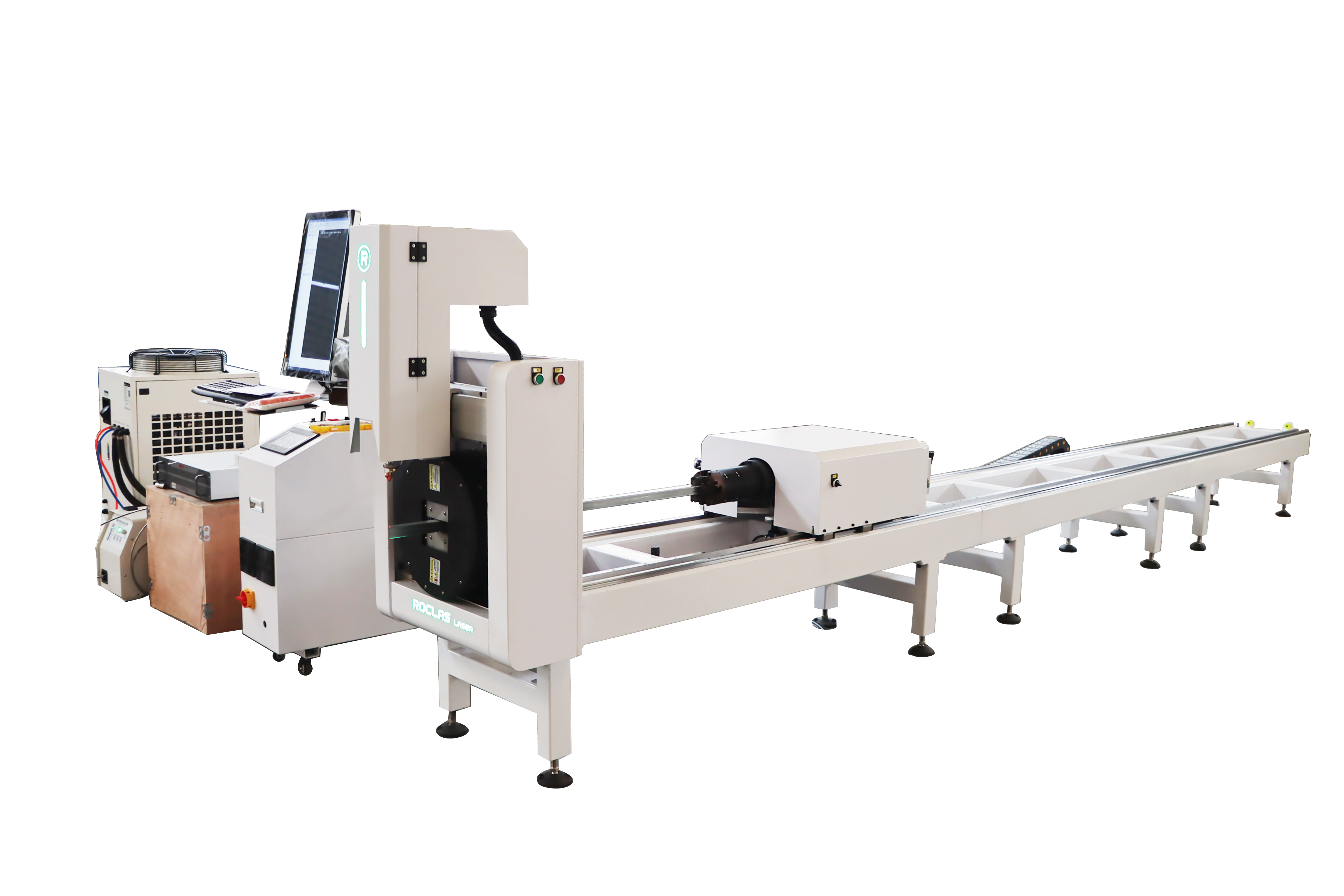
| Tube cutter (max 220mm dia.) | 4–6 t | 20ft GP | Chuck and guide rail protection |
| 5-axis 3D cutting center | 6–9 t | 40ft OT | Swing head calibration |
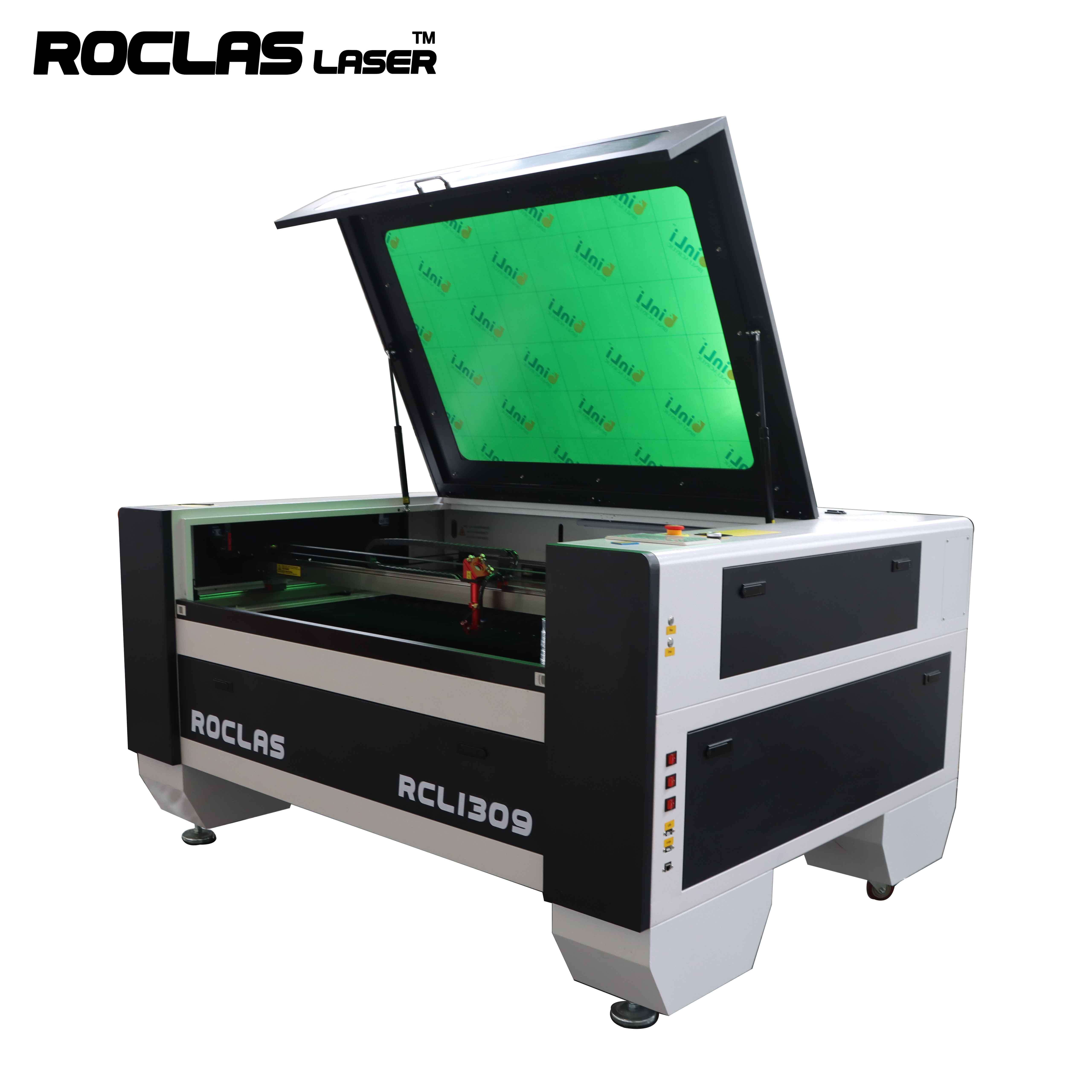
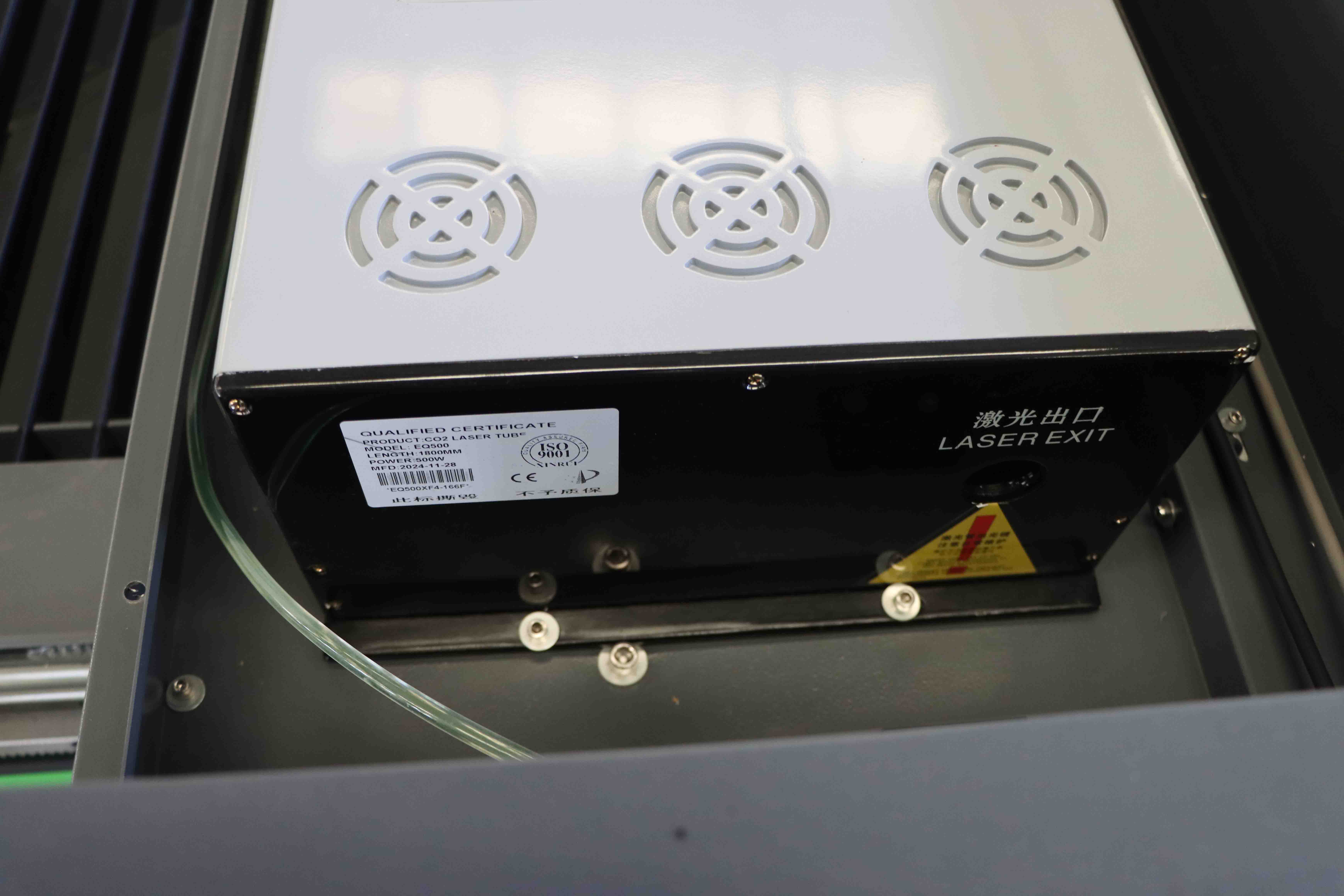
| CO2 hybrid (RCL1530-500W) | 3–4 t | 20ft GP | Glass laser tube fragility |
The table above reflects a practical reality: shipping cost is rarely the dominant variable. Structural protection, port handling capability, and customs classification matter more. A 40ft flat-rack shipment from Qingdao to Rotterdam may cost USD 3,000–5,000 in freight, but improper lashing that shifts a gantry by 2mm can generate five figures in realignment costs at destination.
Technical Application and Brand Case
ROCLAS® builds its machines around industrial-grade heavy-duty steel structures processed on CNC five-face machining centers. This matters for shipping because a single-piece welded bed and a modular screw-connected bed behave differently in transit. The modular design, which uses screw connections rather than welding, can be separated into components for easier container loading without sacrificing manufacturing quality. For exporters, this reduces the risk of torsion stress during ocean transport.
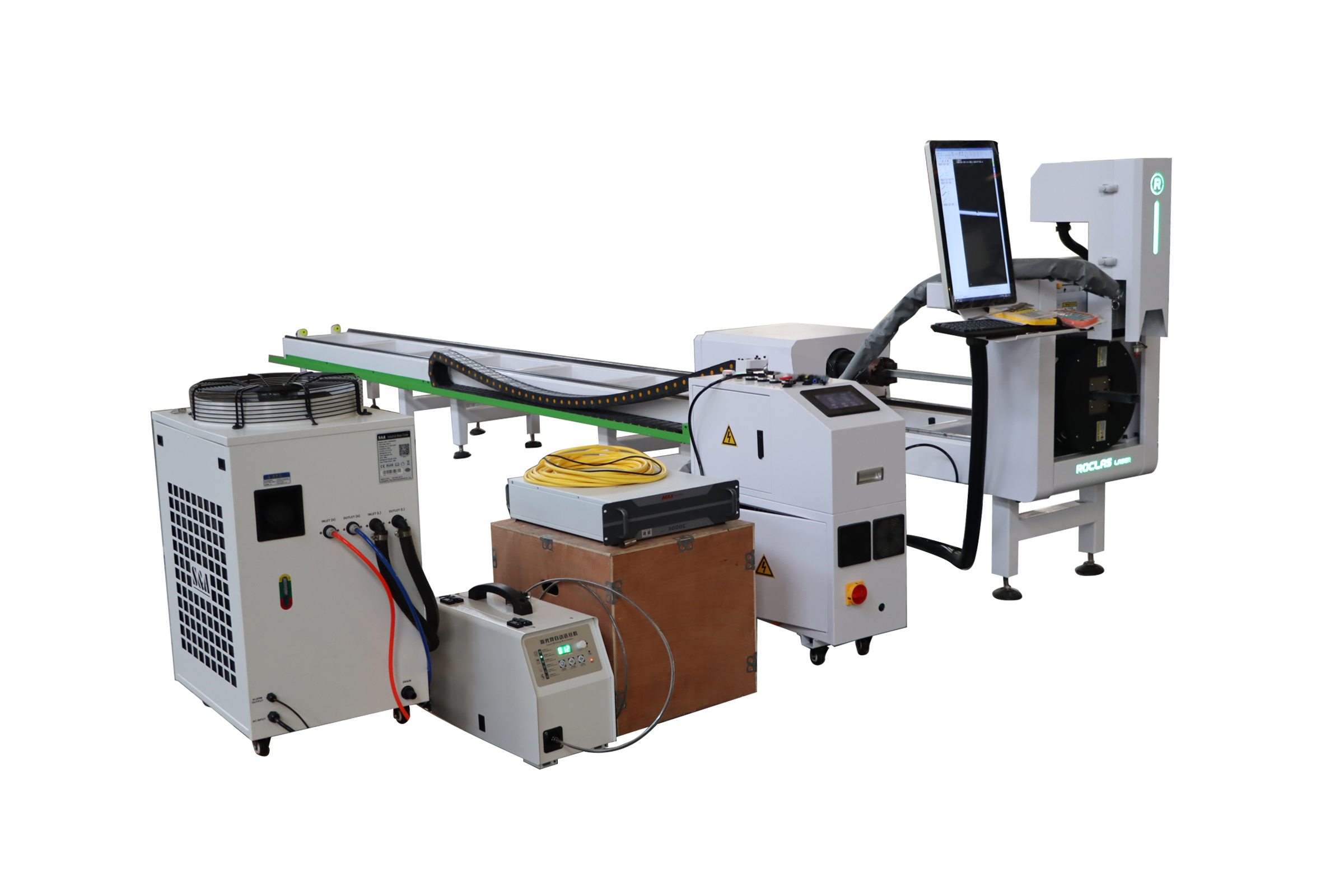
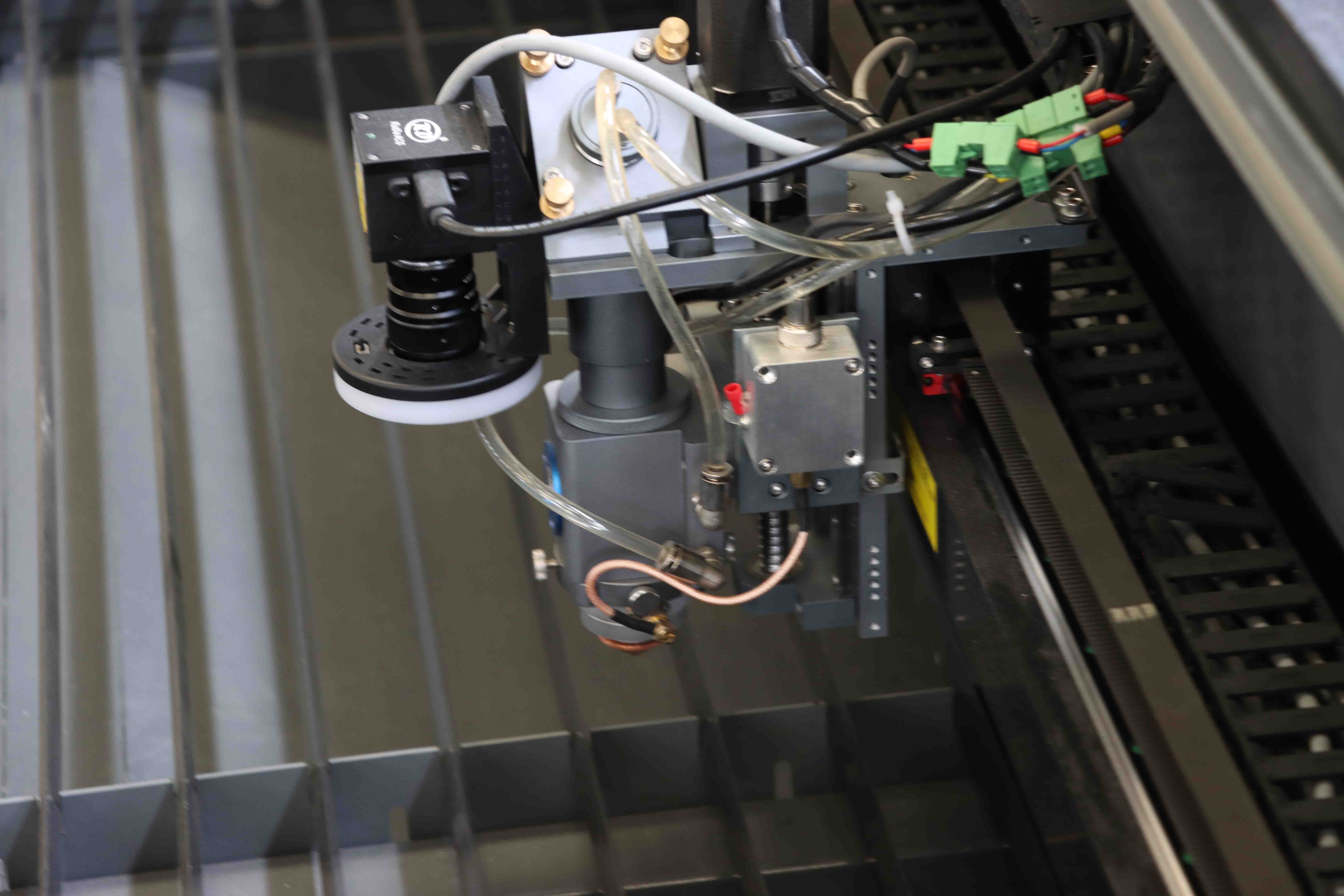
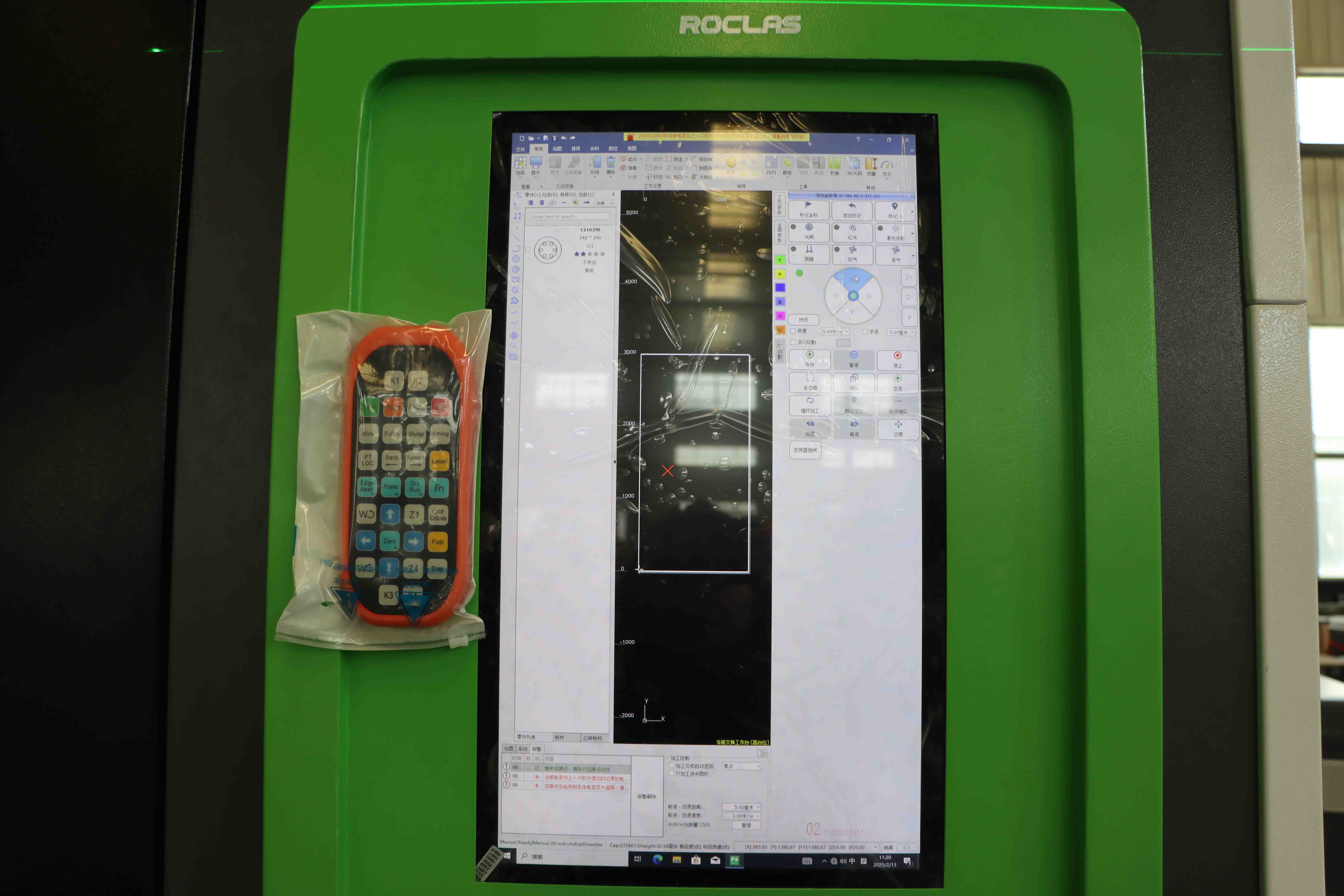
Standard export preparation for a ROCLAS fiber laser machine includes removal of the laser head and nozzles, securing of the X/Y axes with transport brackets, desiccant placement inside the electrical cabinet, and shock-indicator labels on the crate exterior. Because the machines use imported servo drives and reducers, and German igus cable carriers, the electrical cabinet is typically shrink-wrapped with a humidity indicator card. The Cypcut 3000S control system and Raytools laser head are packed separately in foam-lined cases.
Documentation is equally important. Every ROCLAS unit ships with ISO 9001, CE (ICR/VC/HM2403124), FDA laser product certification, UL, and PDL documentation. For US-bound shipments, the FDA accession numbers—2521816-000 for cutting machines and 2520443-000 for engraving—must appear on the commercial invoice to avoid customs delays. The CE certificate is required for EU import, and the 380V/50Hz power specification should be confirmed against destination grid standards before the container is sealed.
Conclusion and Outlook
Shipping a laser machine from China is a multi-stage process: factory acceptance testing, export crating, customs classification under HS code 8456.10, ocean or rail freight, destination clearance, and supervised installation. The most common failures are not freight-related but documentation-related—missing FDA numbers, incorrect voltage specification, or undeclared laser class. Buyers should insist on a pre-shipment inspection report, shock and tilt indicators, and a packing list that separates the main bed from the control cabinet and auxiliary equipment such as the Nitrogen Generator (2600KG, 99.999% purity) or steel coil uncoiler. As fiber laser power continues to climb toward 20KW and beyond, machine weight and rigidity will make flat-rack and breakbulk shipping more common, and modular bed designs will become a logistics advantage rather than merely a manufacturing option.