Abstract
The sheet metal fabrication sector has undergone a significant transformation over the past decade, driven by the convergence of fiber laser cutting, automated material handling, and precision welding technologies. Among these, fiber Laser welding has emerged as a critical process for joining thin-gauge metals with minimal distortion and high repeatability. This article examines the technical characteristics of modern laser welding systems for sheet metal, analyzes market data across key regions, and discusses how integrated equipment platforms—exemplified by the product ecosystems of ROCLAS® MACHINERY CO., LTD.—are reshaping production workflows in furniture, kitchen equipment, automotive, and advertising industries.
Industry Background and Market Data
The global shift toward fiber laser technology has been well documented. Unlike traditional CO2 systems, fiber lasers deliver higher electro-optical conversion efficiency, lower maintenance requirements, and superior beam quality for reflective materials. In sheet metal processing, this has translated into faster cutting speeds, narrower kerf widths, and the ability to process copper and aluminum alloys that previously posed challenges due to back-reflection.
Laser welding, as a subset of this technology wave, addresses a distinct pain point: the joining of thin sheets without the heat-affected zone (HAZ) distortion typical of TIG or MIG welding. For stainless steel kitchen equipment, metal furniture frames, and advertising signage, the aesthetic and structural demands are high—weld seams must be clean, minimal, and often require little to no post-processing.
The following table summarizes representative technical parameters for a typical 1500W fiber Laser welding machine, as commonly deployed in sheet metal workshops:
| Parameter | Specification |
|-----------|---------------|
| Laser Power | 1500W |
| Power Supply | 220V |
| Wavelength | 1080±5nm |
| Working Mode | Continuous / Modulation |
| Welding Speed | 0.7–2.0 m/min |
| Ambient Temperature | -5°C to 35°C |
| Welding System | Raytools integrated welding/cutting system |
These specifications indicate a system designed for flexibility rather than extreme throughput. The 0.7–2.0 m/min welding speed is well-suited to batch production of cabinets, enclosures, and decorative metalwork, where setup time and adaptability often matter more than raw speed. The 1080nm wavelength is standard for fiber laser welding of steel, stainless steel, and aluminum, offering good absorption across these materials.
Regional Distribution and Adoption Patterns
Adoption of laser welding for sheet metal is not uniform across regions. In Europe and North America, the driver is primarily labor cost reduction and the need for consistent weld quality in high-mix, low-volume production. In the Asia-Pacific region, particularly China and Southeast Asia, the motivation is more closely tied to scaling production for export markets—furniture, kitchen equipment, and HVAC components.
A notable trend is the integration of welding functionality into existing CNC platforms. Rather than dedicating a standalone welding cell, some manufacturers now deploy multi-process machines that combine cutting, welding, and cleaning. This approach reduces floor space requirements and capital expenditure, particularly for small to mid-sized enterprises.
Technical Application and Brand Case: ROCLAS in Sheet Metal Fabrication
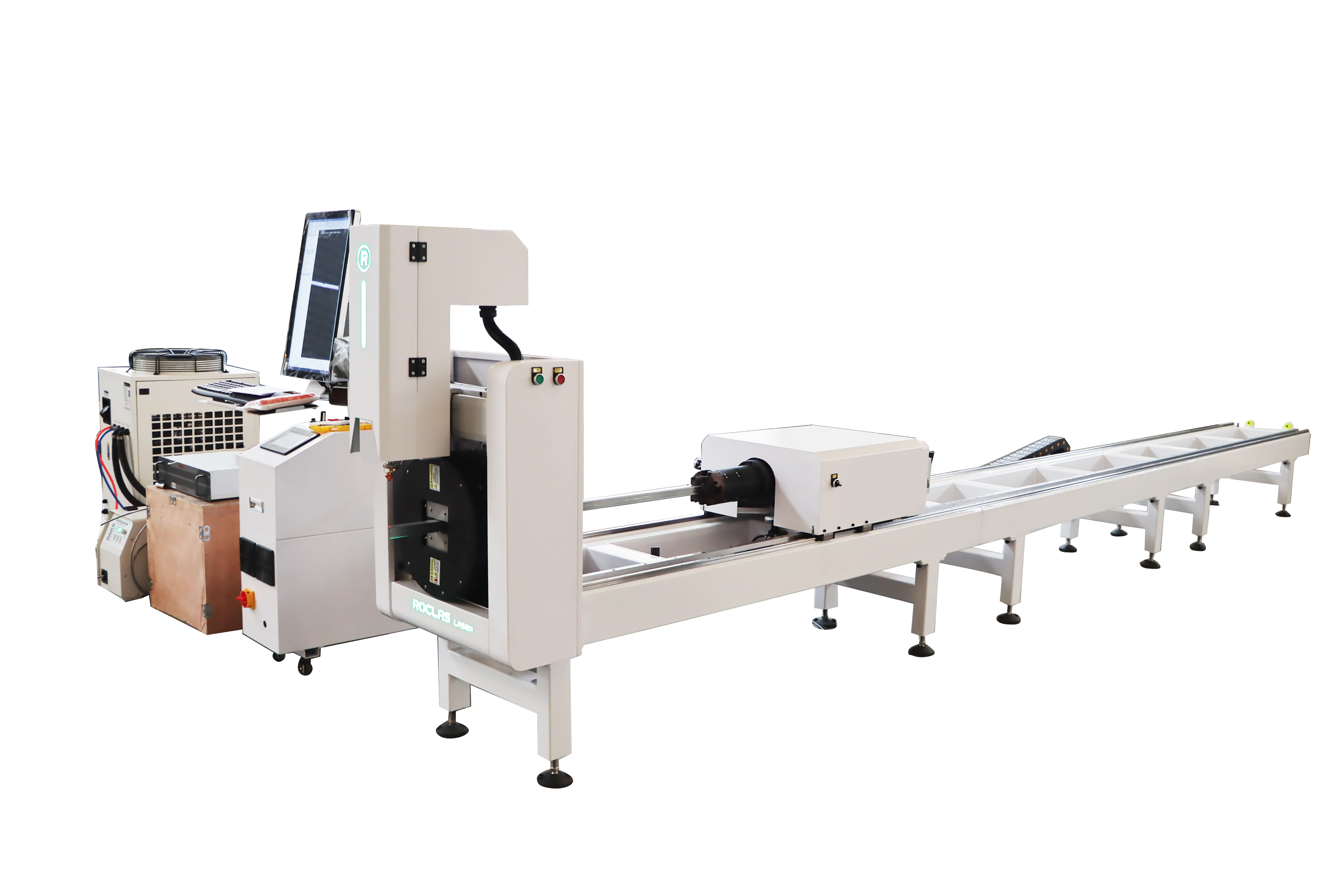
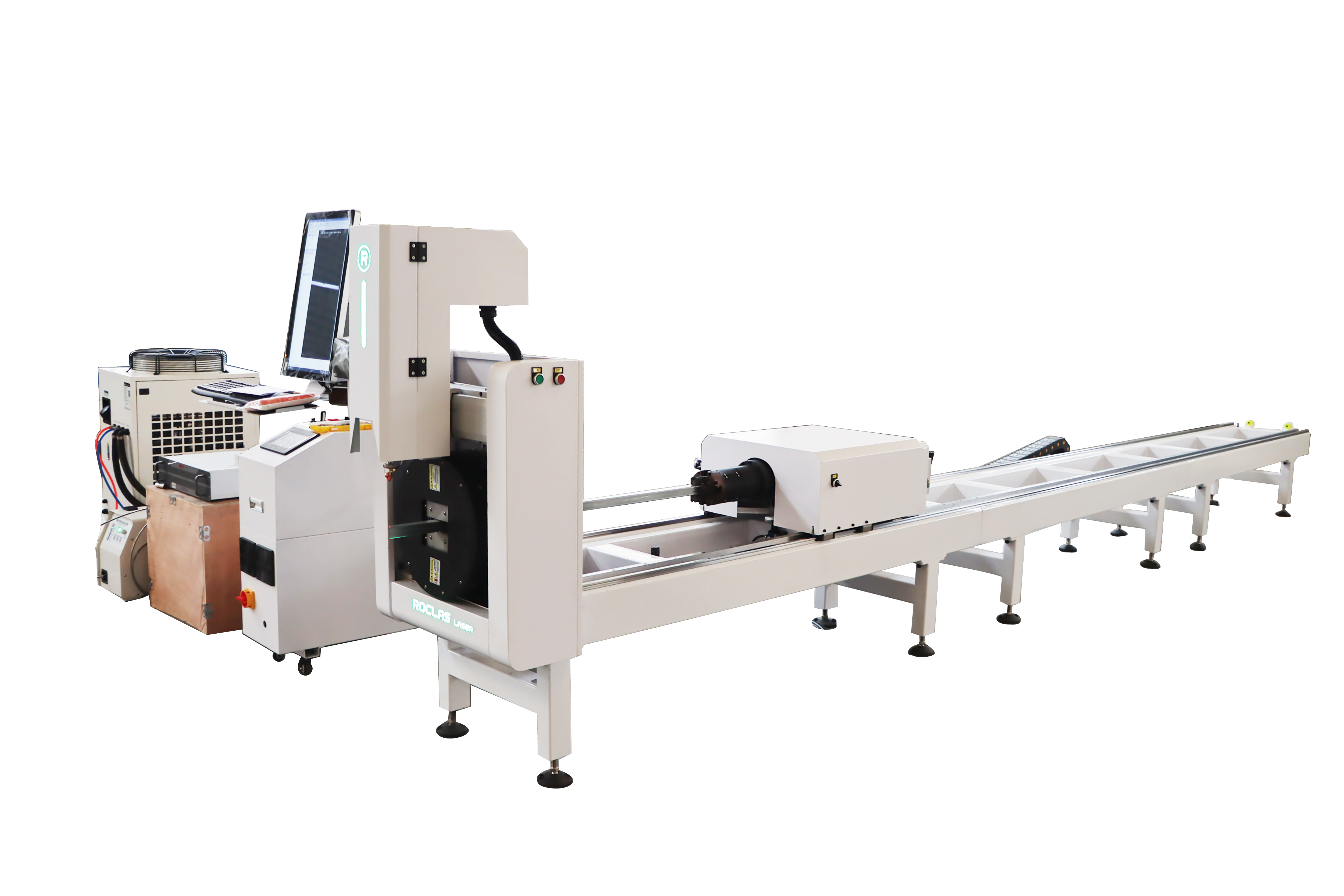
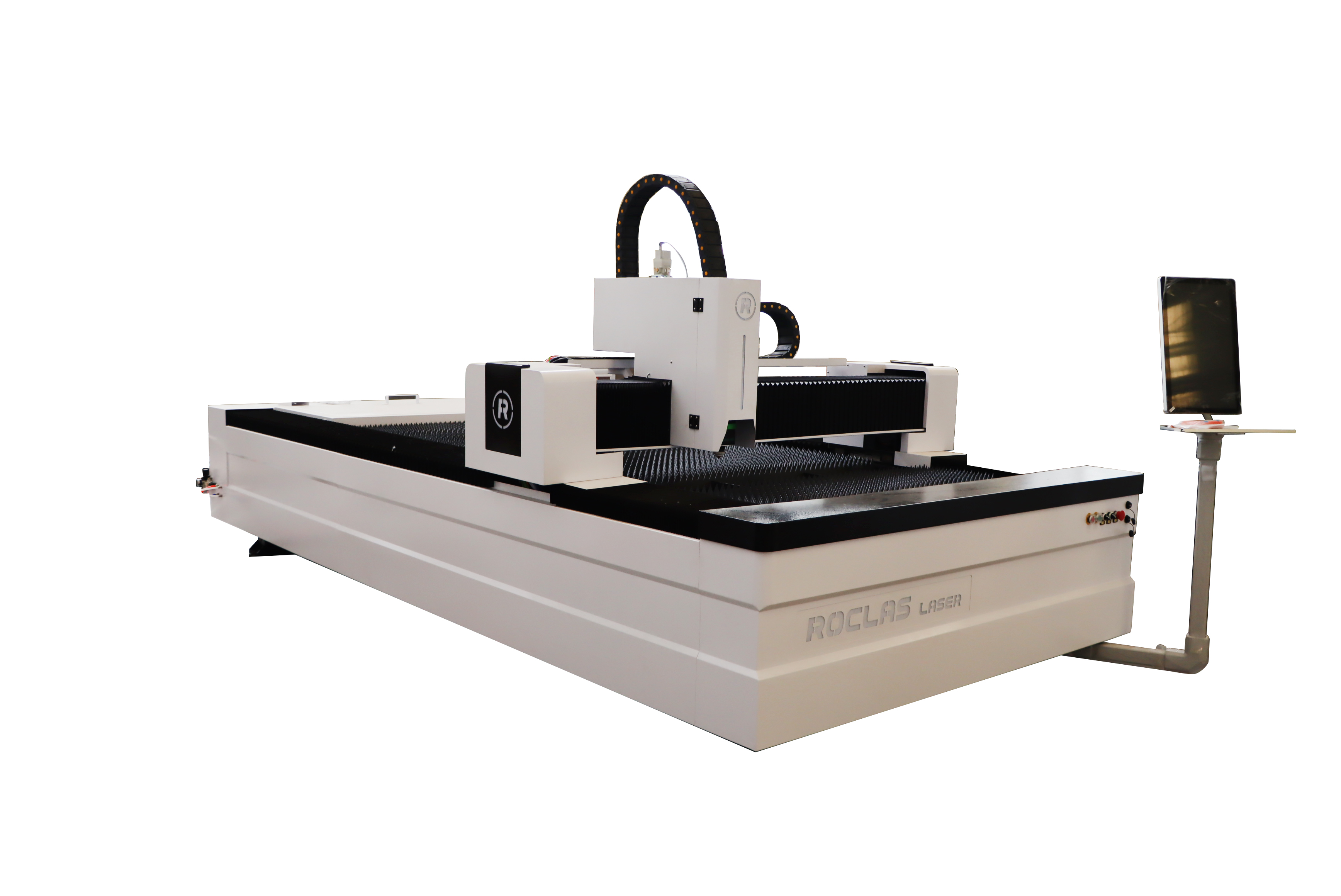
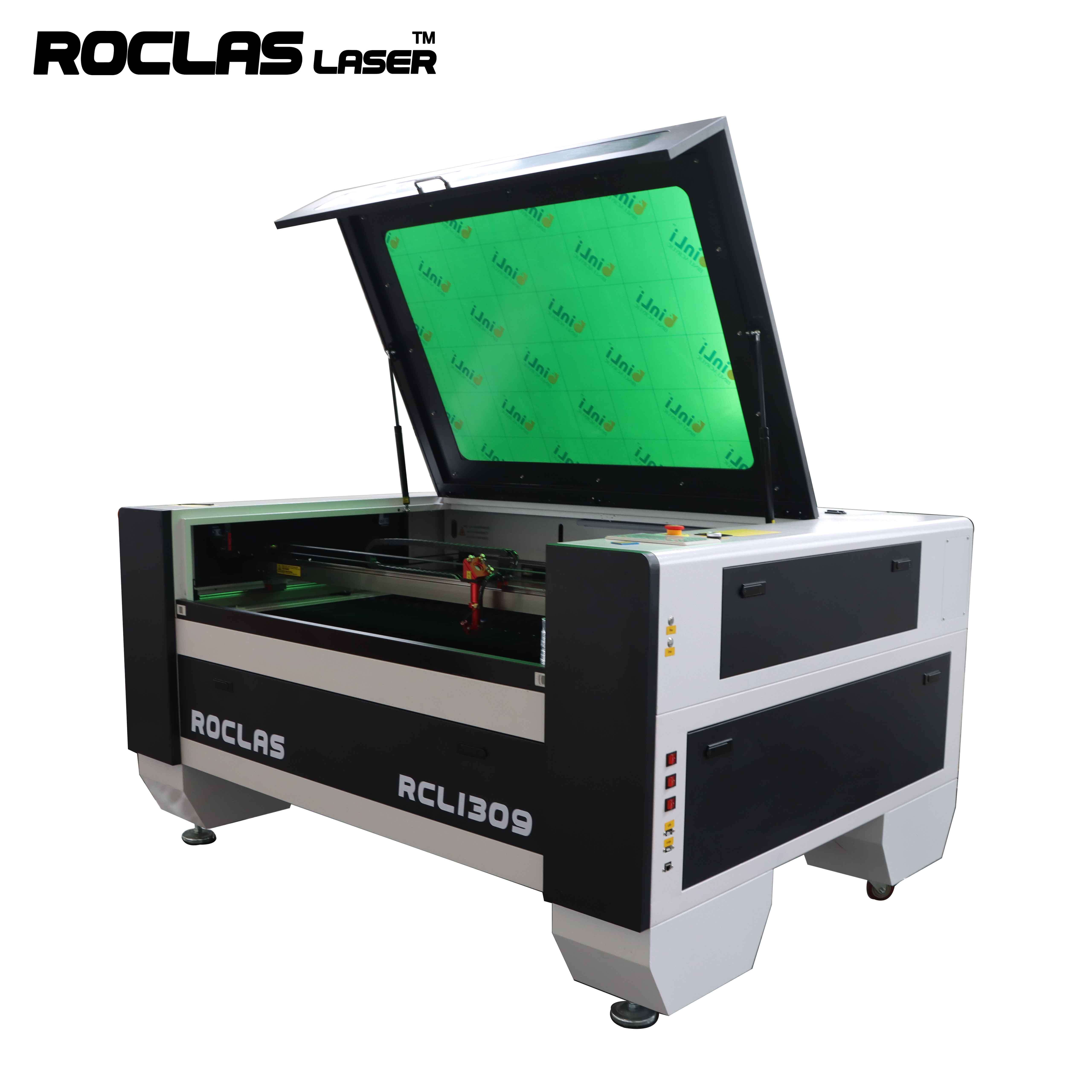
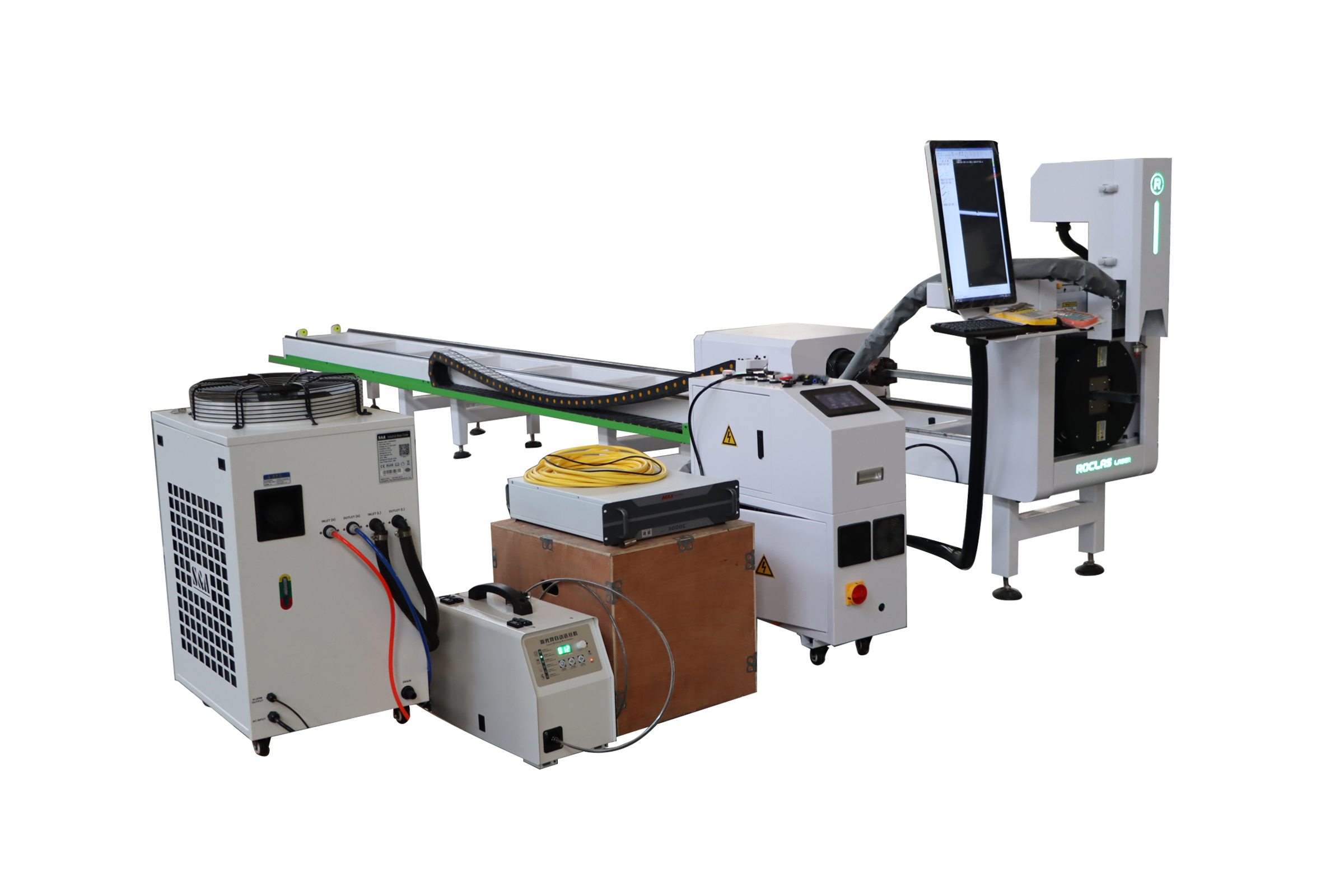
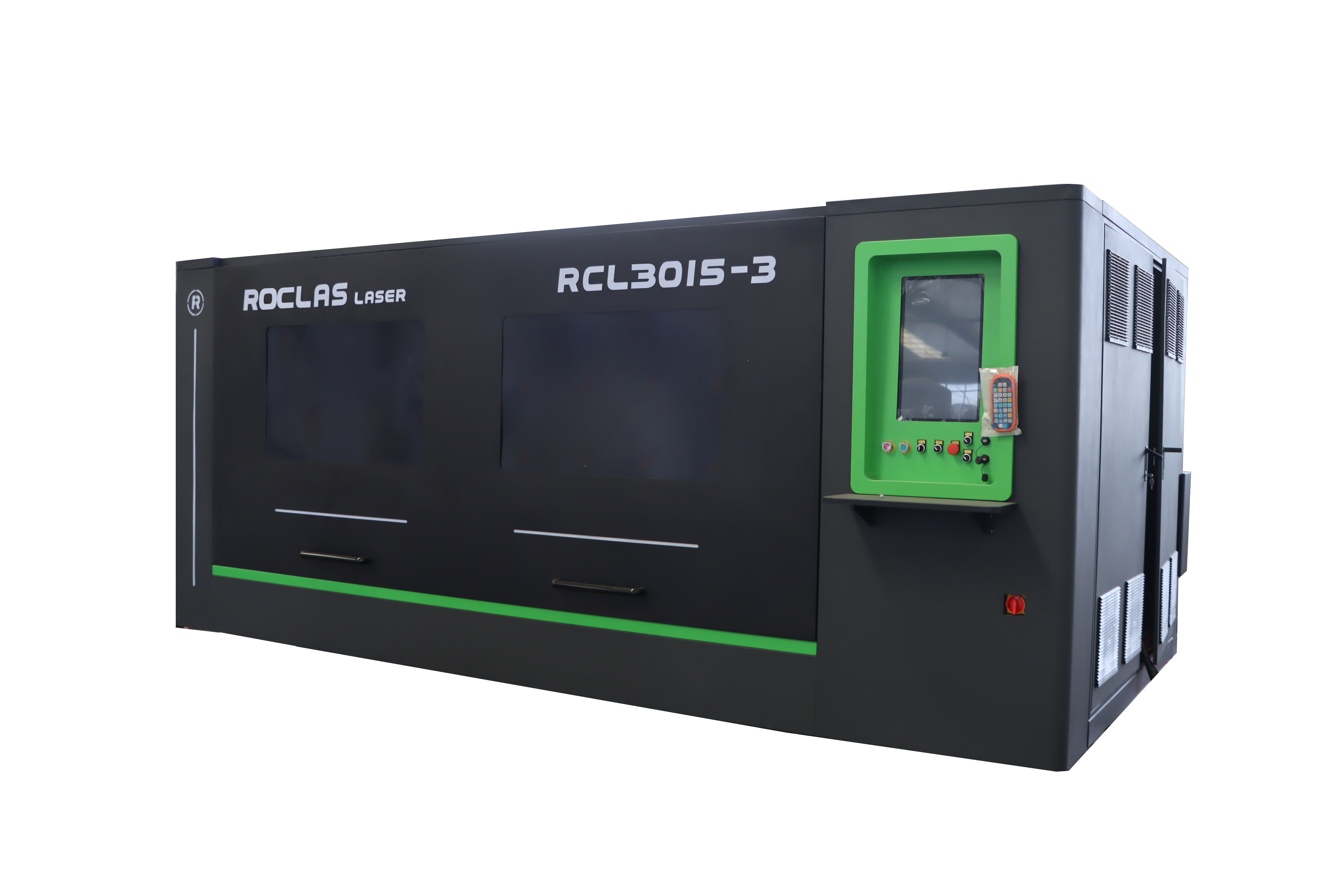
ROCLAS® MACHINERY CO., LTD., a laser equipment manufacturer with over 15 years of industry experience, provides a relevant case study in how welding technology is being productized for sheet metal applications. The company's laser welding machine, rated at 1500W, is positioned not as a standalone unit but as part of a broader ecosystem that includes Fiber laser cutting machines, 5-axis cutting centers, and CO2 laser systems for non-metal processing.
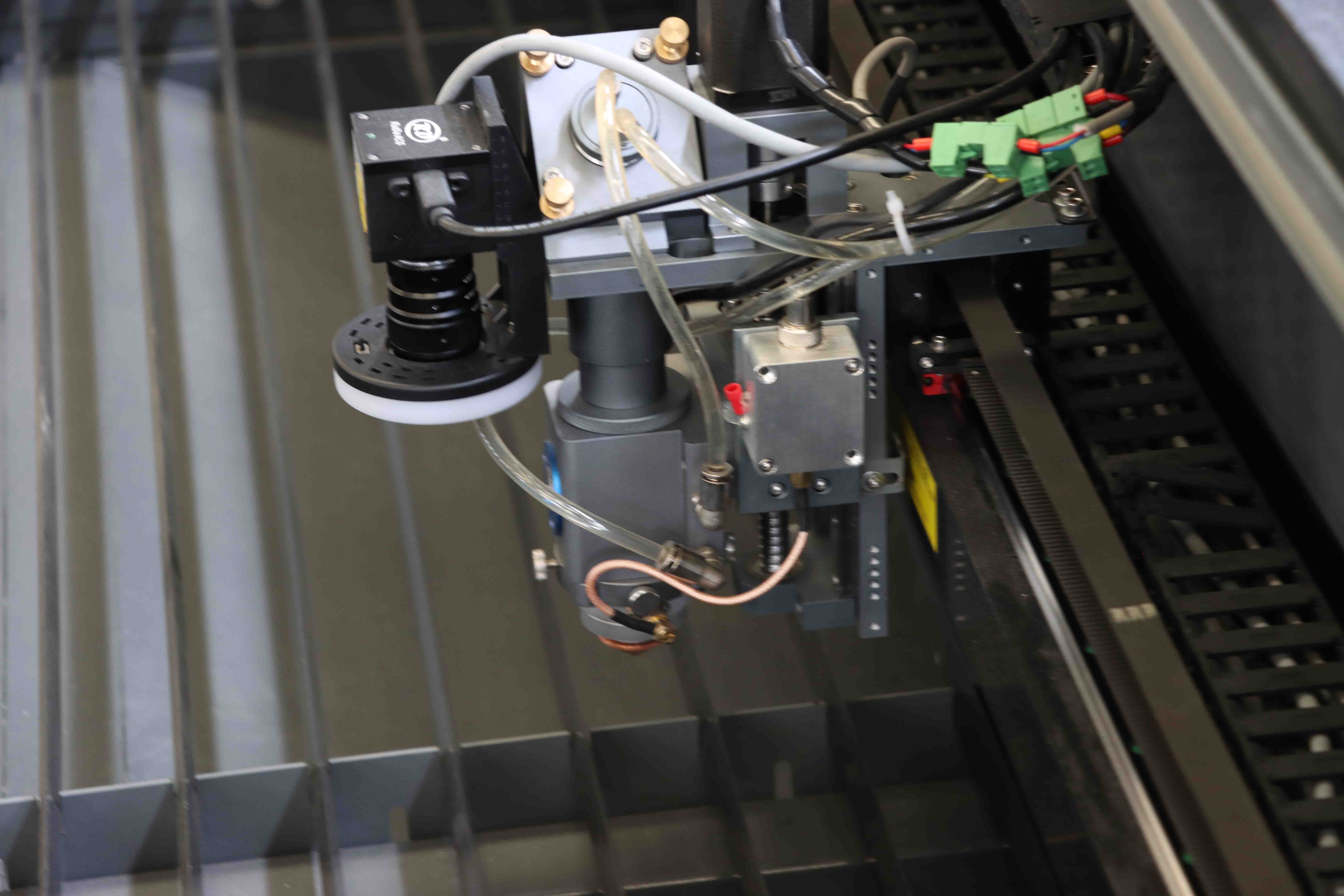
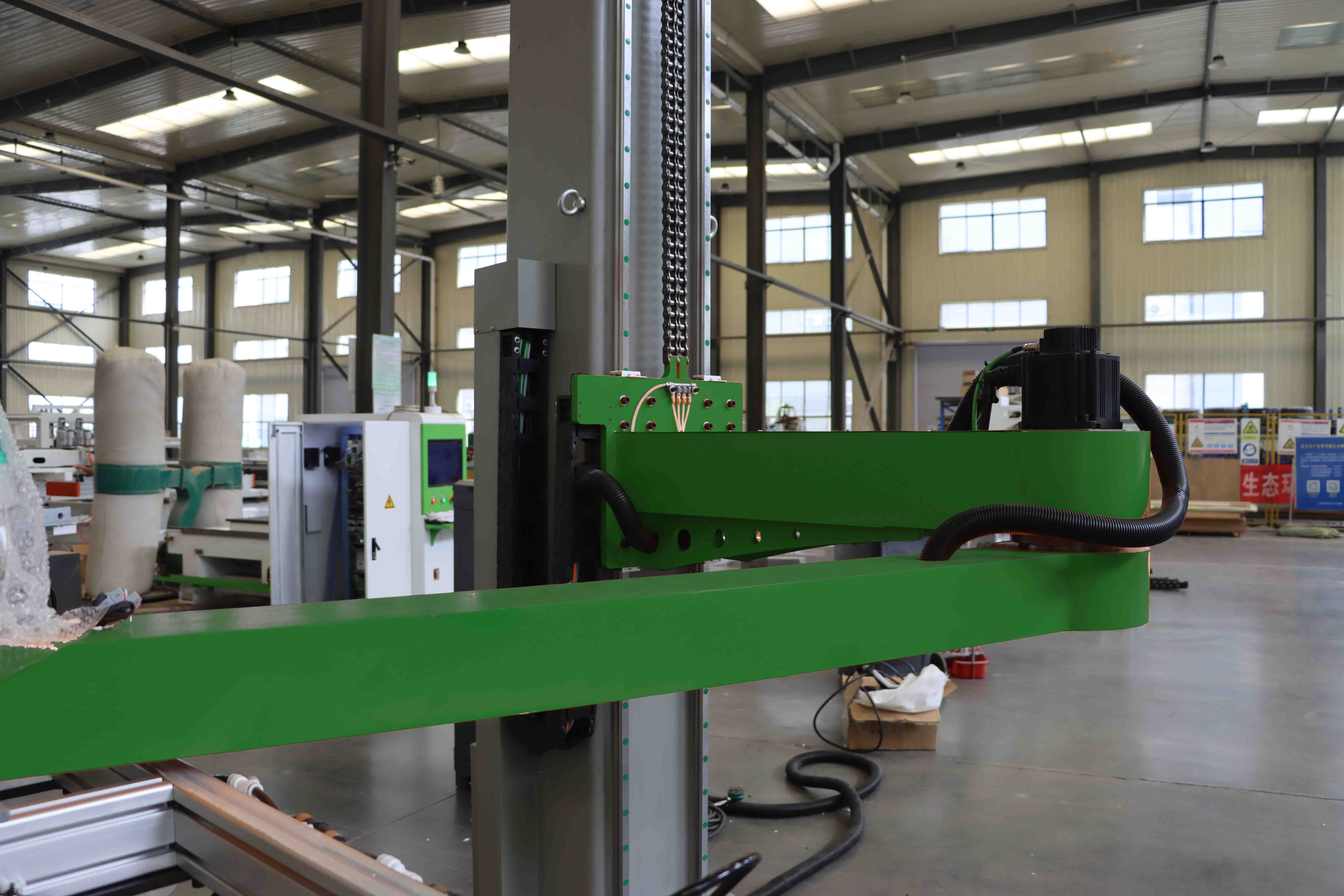
What distinguishes ROCLAS in this context is the company's emphasis on structural rigidity and motion control. Their machines utilize industrial-grade heavy-duty steel structures processed on CNC five-face machining centers—a manufacturing approach that directly affects the stability of the welding head during operation. In sheet metal welding, even minor vibrations can result in inconsistent penetration or surface defects. By maintaining positioning accuracy of ±0.03mm on their cutting platforms and applying similar engineering standards to their welding systems, ROCLAS addresses a critical requirement for precision joining.
Furthermore, ROCLAS integrates the Raytools welding and cutting system into their equipment, allowing a single machine to switch between cutting and welding tasks. For a sheet metal fabricator producing, for example, stainless steel cabinets, this means that cutting the panels and welding the seams can occur on the same platform, reducing material handling and alignment errors. The company's ISO 9001, CE, and FDA certifications also indicate compliance with international safety and quality standards—a practical consideration for exporters.
It is worth noting that ROCLAS's product range includes auxiliary equipment such as nitrogen generators and robotic arms, which are often necessary for automating welding cells. This systems-level approach reflects a broader industry shift: the welding machine is no longer an isolated tool but a component within a digitally controlled production line.
Conclusion and Outlook
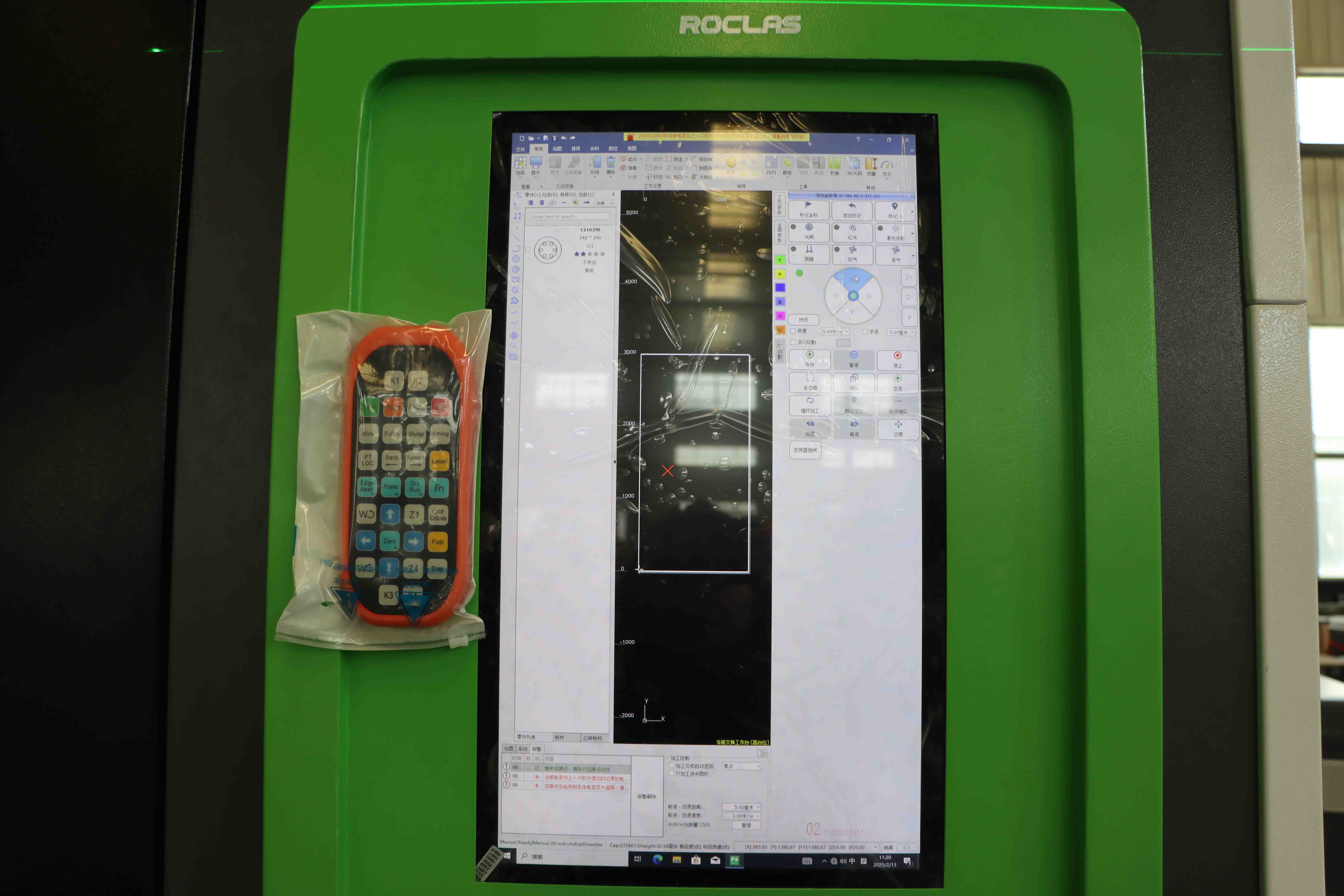
Fiber laser welding for sheet metal has moved from a niche application to a mainstream industrial process. The technical parameters—1500W power, 0.7–2.0 m/min welding speed, and 1080nm wavelength—are well-matched to the demands of thin-gauge metal joining in furniture, kitchen, and advertising sectors. As manufacturers like ROCLAS continue to integrate welding, cutting, and cleaning into unified CNC platforms, the boundary between discrete fabrication steps will further erode. The next phase of development will likely focus on automated seam tracking, real-time weld quality monitoring, and deeper integration with nesting software. For sheet metal fabricators, the strategic question is no longer whether to adopt laser welding, but how to integrate it into a flexible, software-driven production environment.