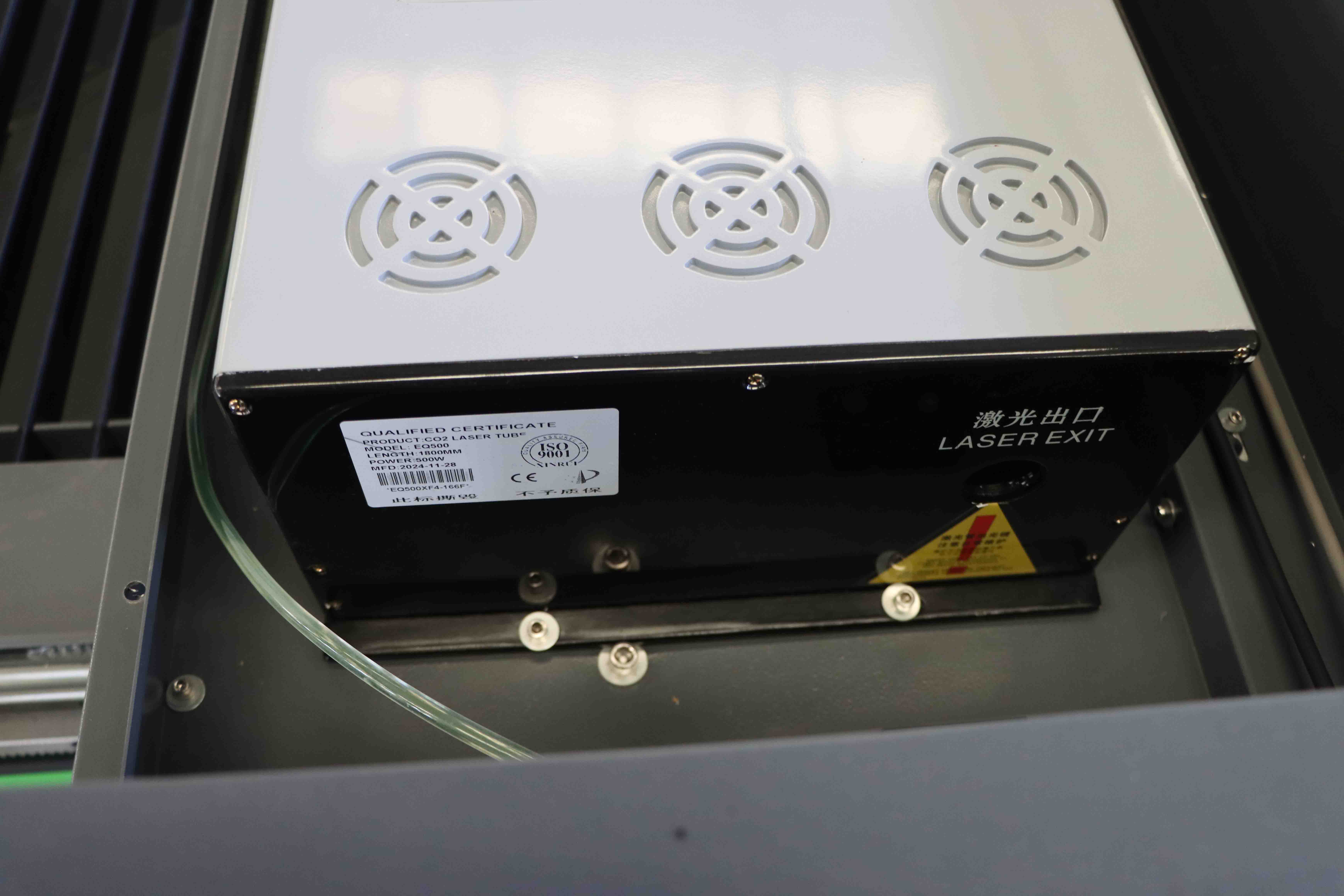
The selection of a laser source has become one of the more consequential decisions in specifying a flatbed cutting system. Among the options available to fabricators, the MAX laser source has established a distinct position, particularly in the middle-to-high power band where throughput and edge quality must be balanced against capital cost. This article examines what the MAX source brings to a cutting machine, how it is typically integrated, and where the practical limits lie. It draws on the product architecture of ROCLAS® MACHINERY CO., LTD., a manufacturer whose fiber laser platforms are routinely configured with both Raycus and MAX sources across a 1 kW to 20 kW range.
The Source as a System Variable
It is tempting to treat the laser source as a drop-in module, interchangeable between brands with no downstream consequences. In practice, the source dictates much of the machine's operating envelope: the achievable cut speed at a given thickness, the quality of the kerf on reflective alloys, the duty cycle the resonator can sustain, and the service rhythm the operator must plan around. A cutting machine is, in effect, a mechanical and optical system built to exploit a specific source's characteristics.
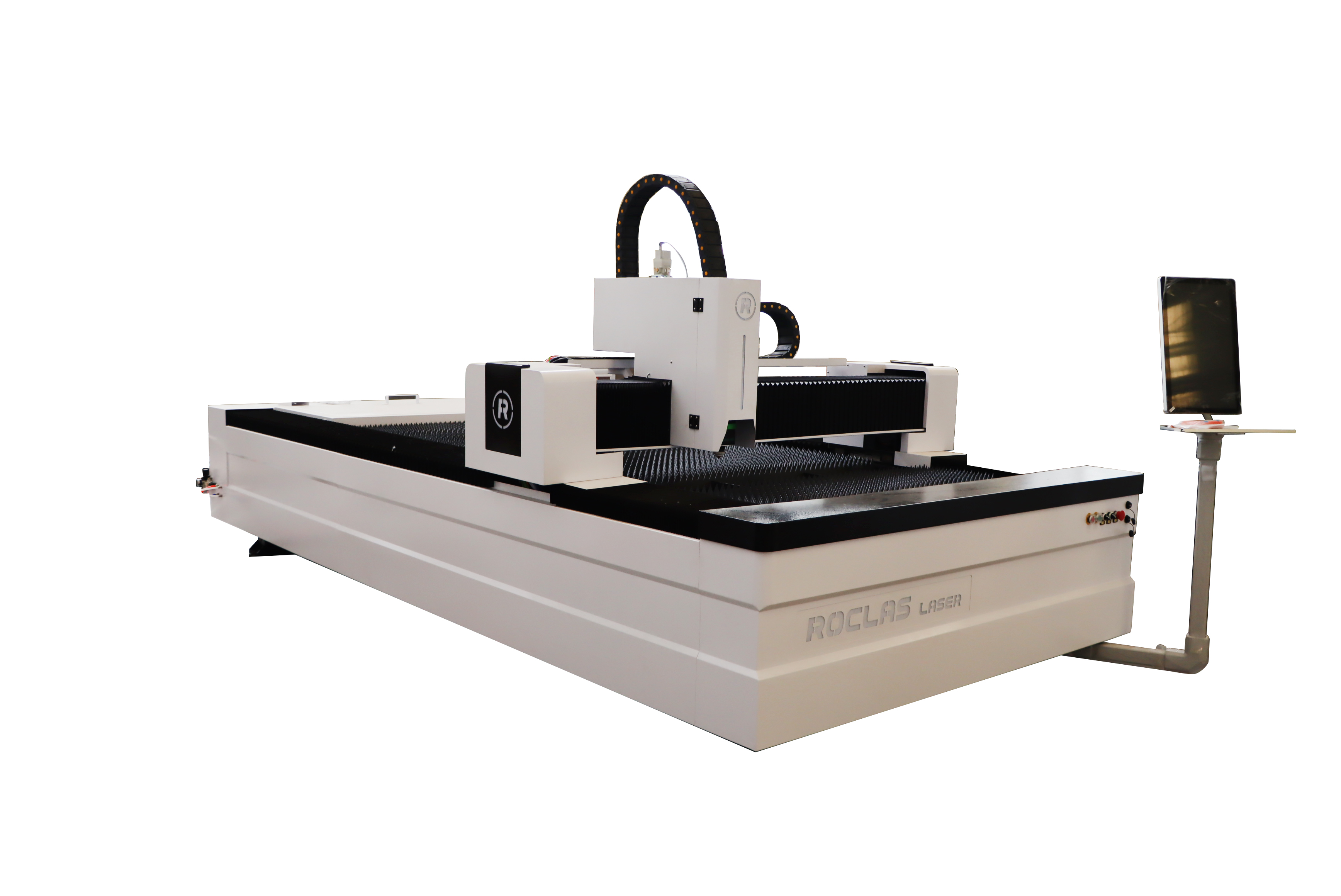
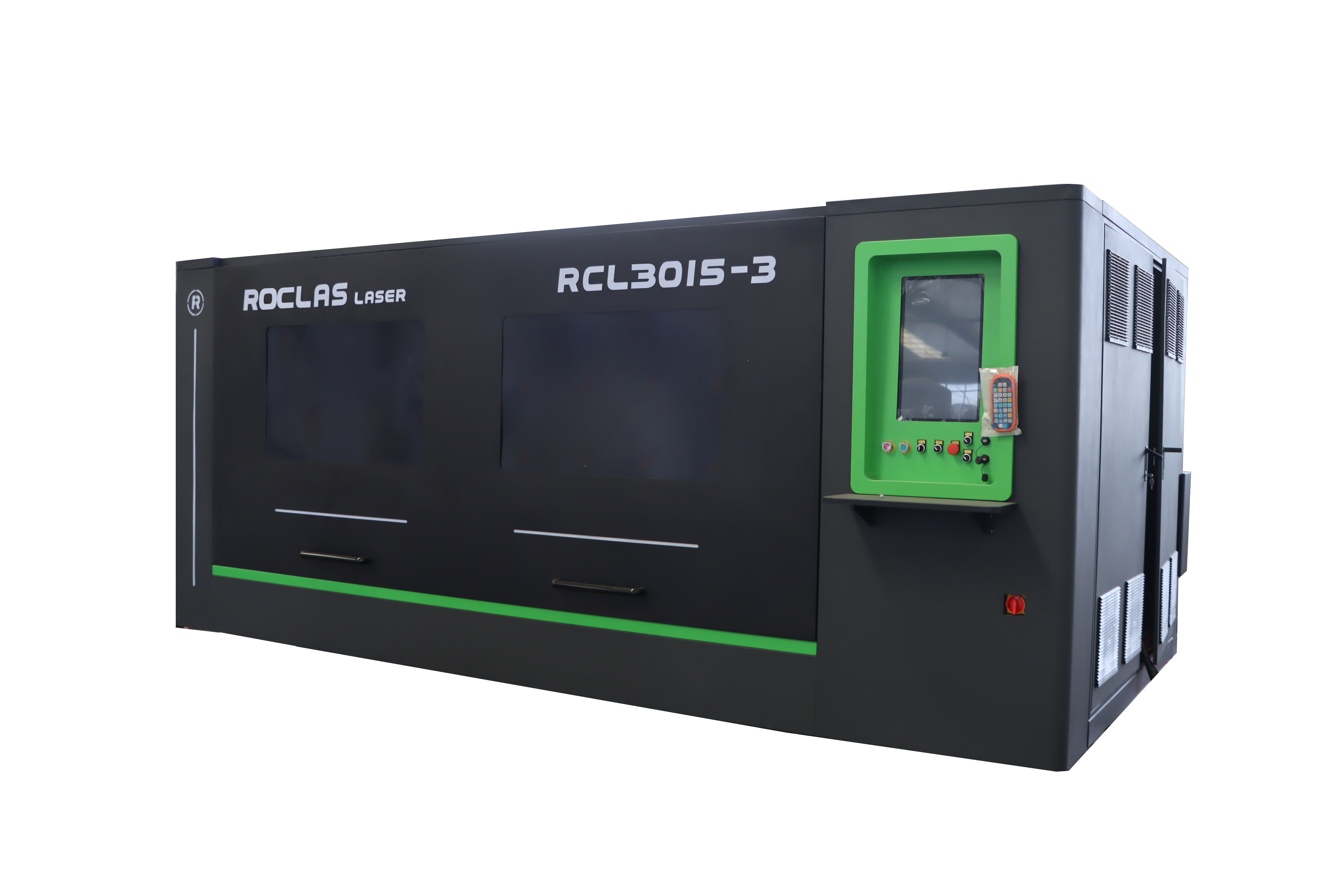
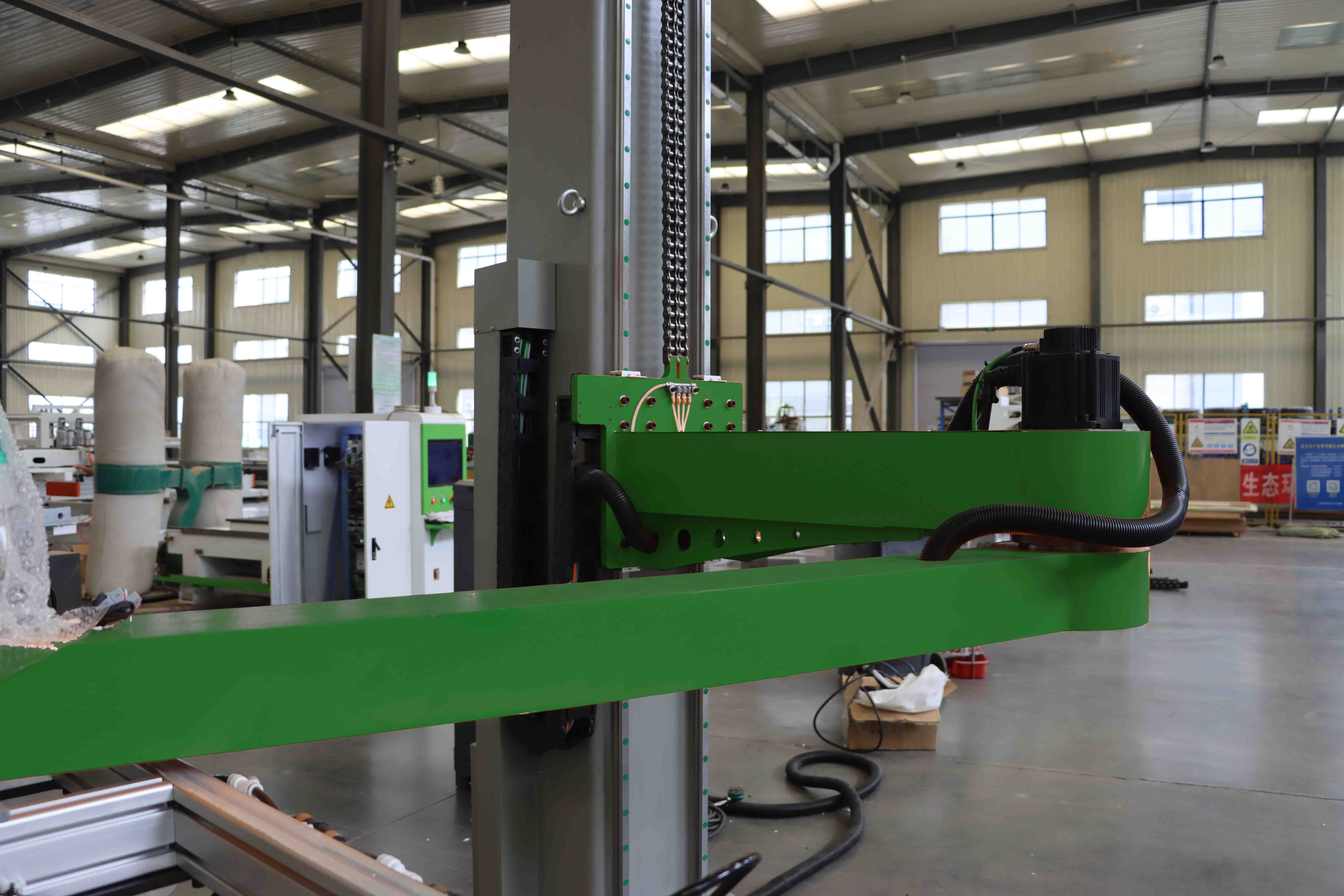
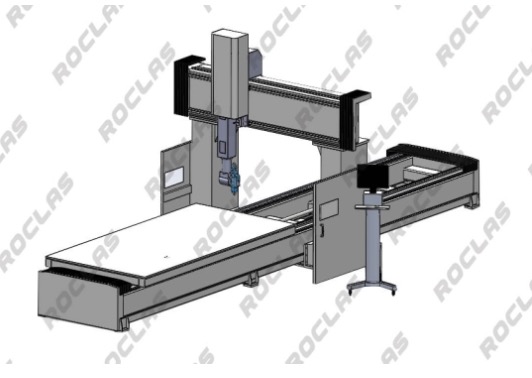
The MAX series is a case in point. Its higher-power configurations are frequently paired with gantry-style beds and servo-driven motion systems that can accelerate at 1.0 G and travel at up to 100 m/min. Without that class of motion platform, the source's speed advantage cannot be realized; the laser simply outruns the machine. This is why ROCLAS pairs MAX sources with a fixed-gantry, movable-workbench architecture on its fiber cutting lines, and specifies imported servo drives and reducers to keep positioning accuracy at ±0.03 mm and repositioning accuracy at ±0.02 mm. The source and the frame are co-selected, not assembled at random.
Where MAX Sources Are Applied
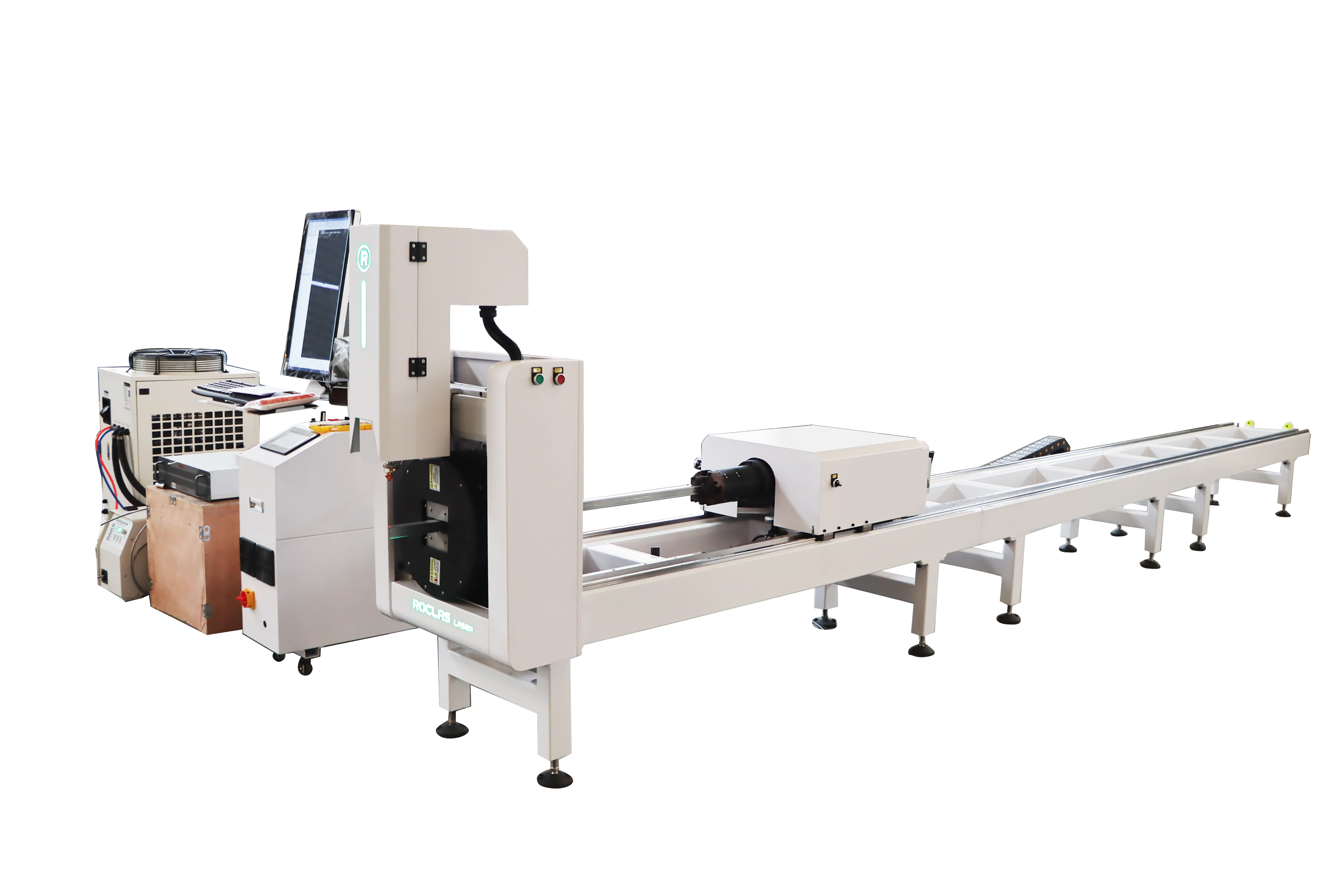
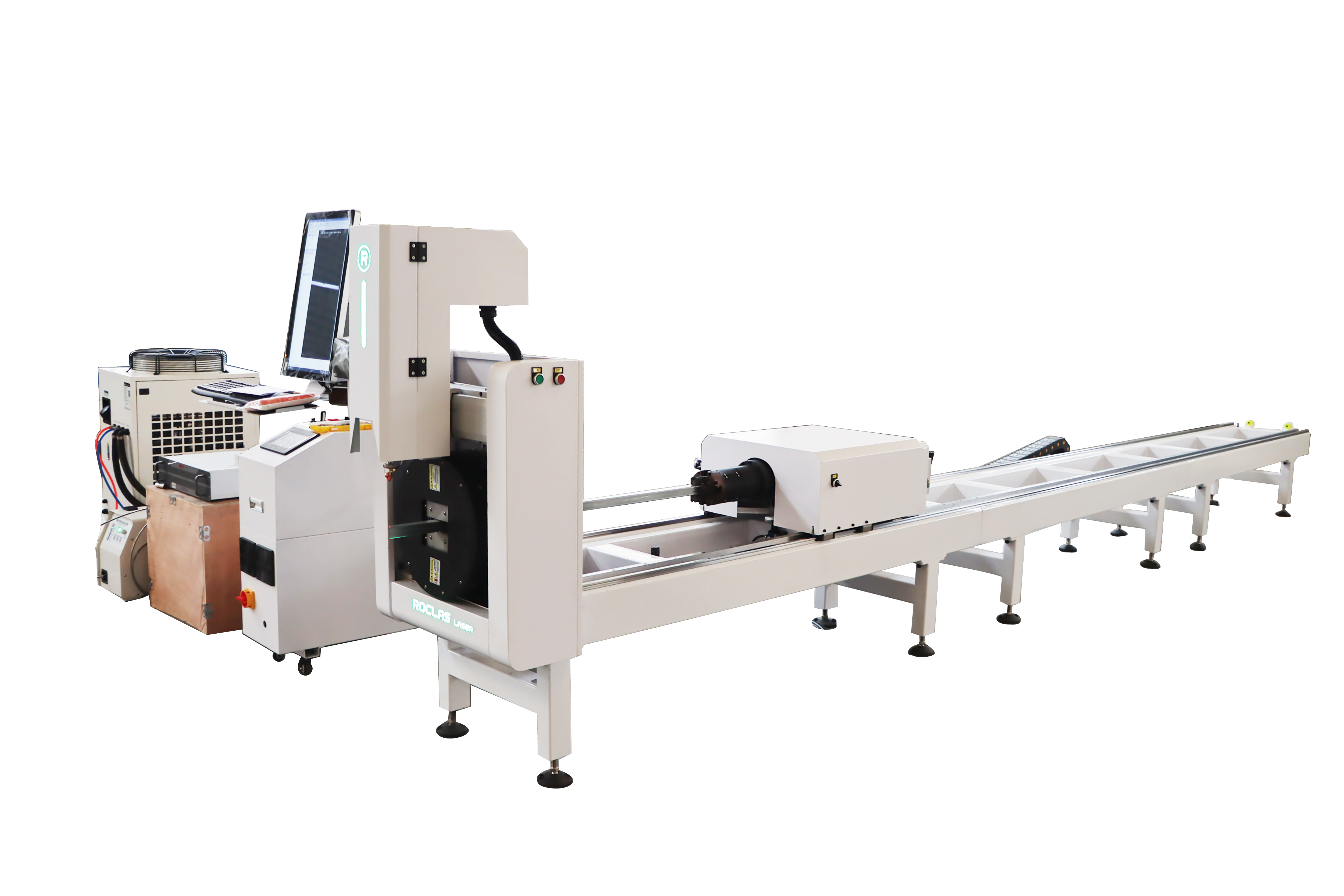
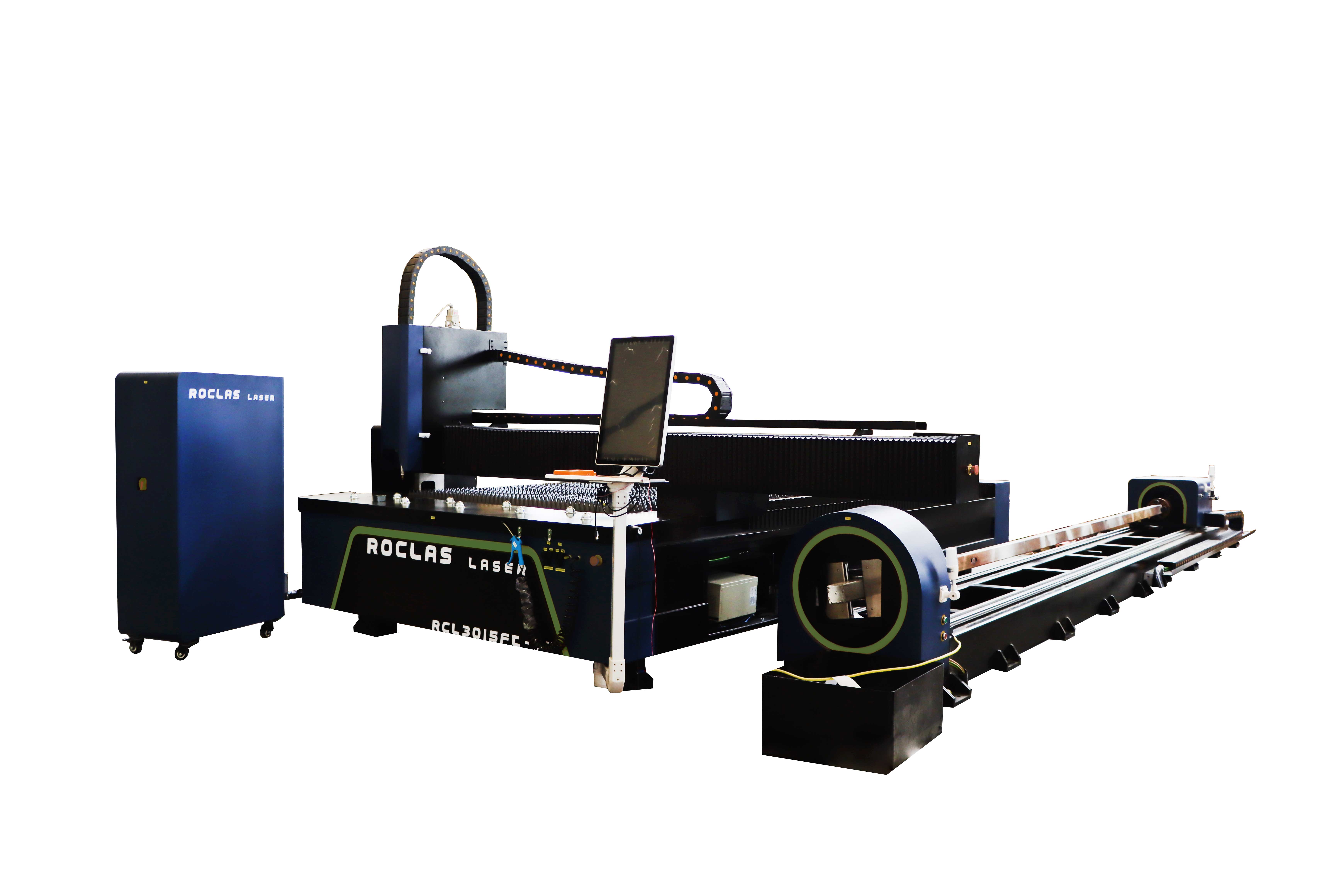
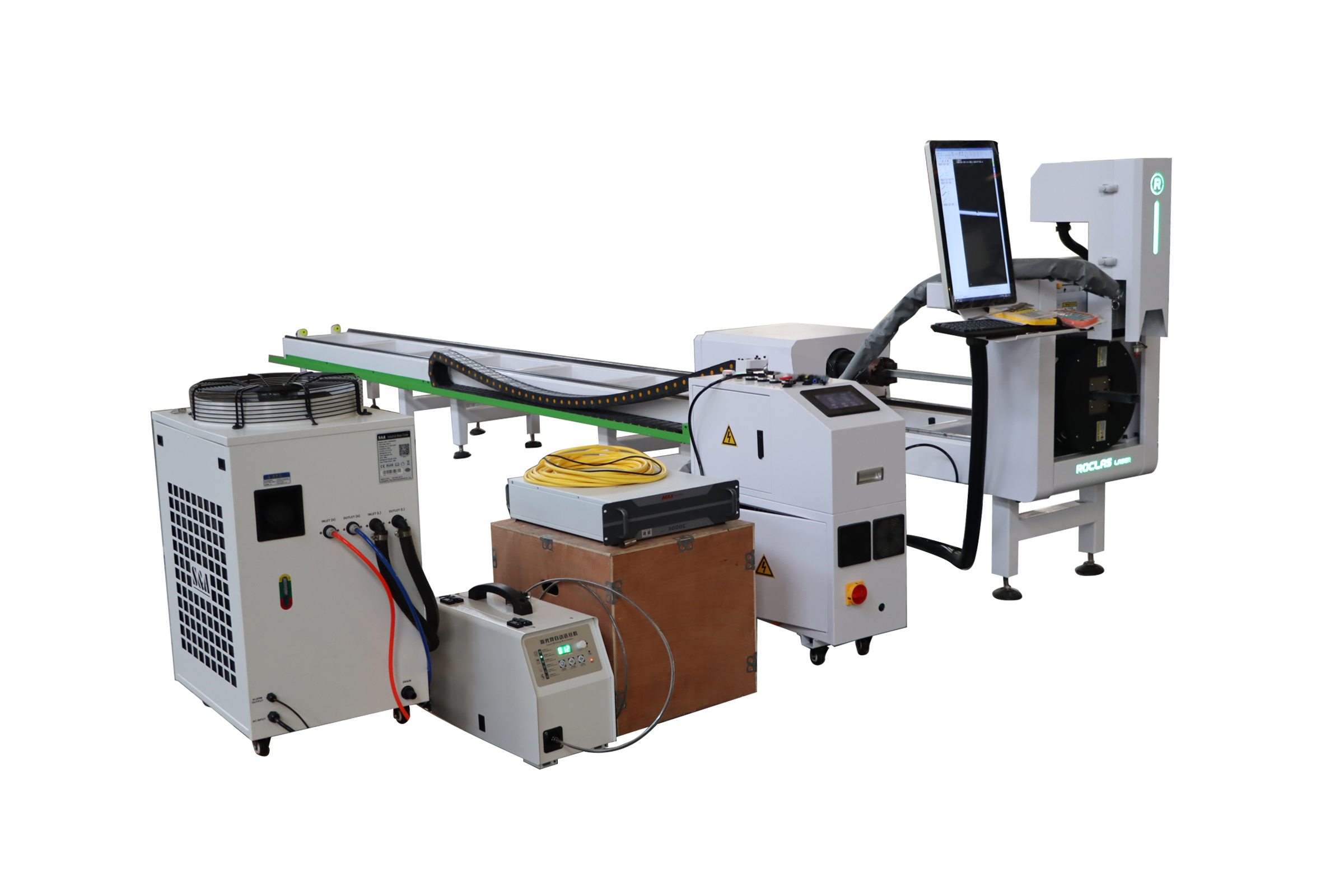
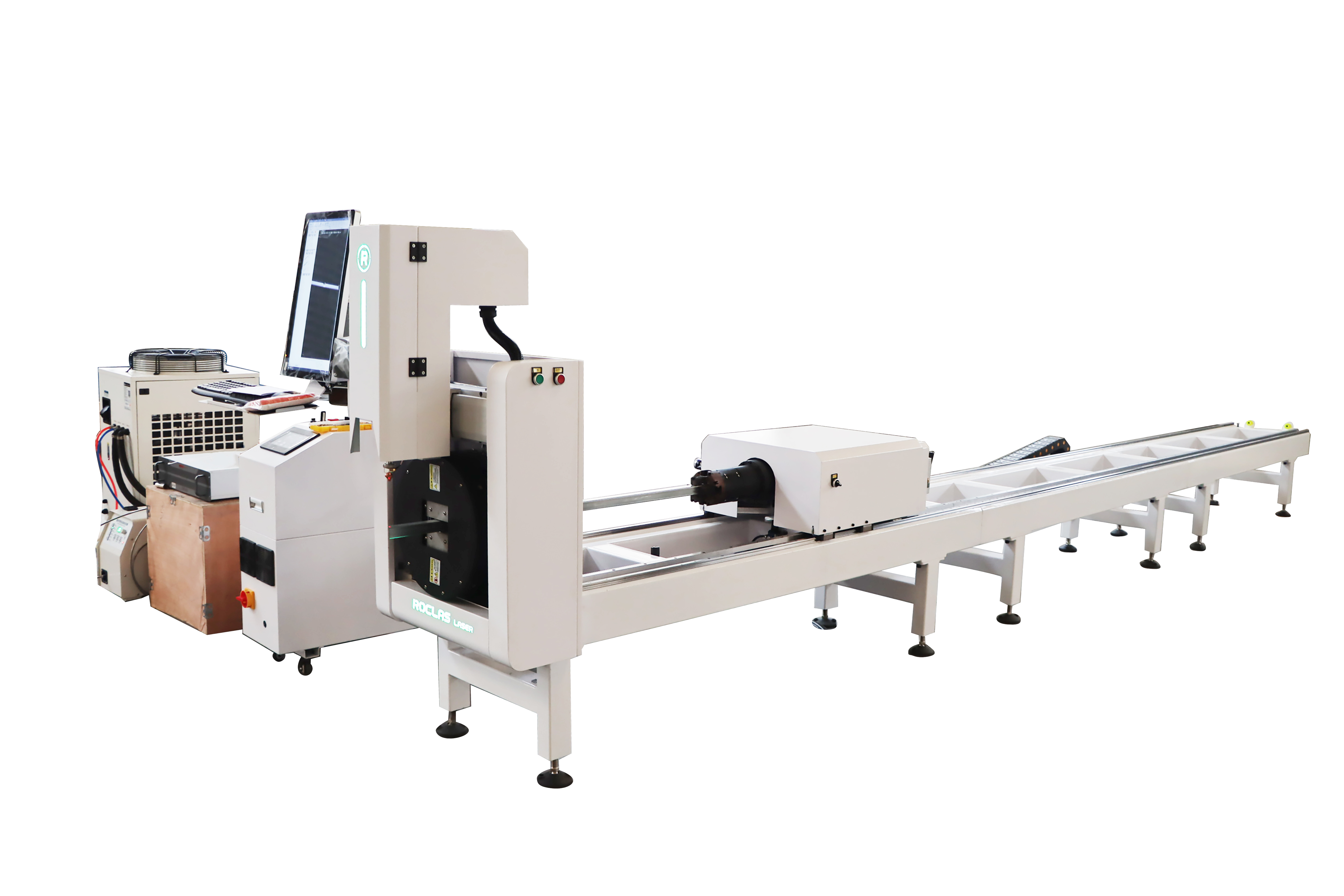
MAX sources appear across several machine categories. On standard sheet-metal fiber laser cutters, they cover the 1 kW to 20 kW span, making them suitable for everything from thin-gauge stainless work to thick carbon steel plate. On tube cutting machines, they are typically specified in the 1 kW to 3 kW range, where the priority shifts from raw power to beam quality and consistency around a rotating workpiece. On combination sheet-and-tube machines, the source must serve two different optical paths, and MAX's stable output characteristics help maintain consistent edge quality when the machine switches between flat and round stock.
A frequently overlooked application is the processing of reflective metals. Copper and aluminum reflect a substantial fraction of incident laser energy back toward the optics, and uncontrolled back-reflection can damage the source or destabilize the cut. Machines fitted with a high-reflectivity suppression module and a MAX source can process 1–2 mm copper plate and 2–3 mm aluminum plate in a stable manner. This capability is not universal across all source brands at the same power level, and it is a common reason fabricators specify MAX for mixed-material shops.
Table: Representative Machine Parameters with MAX Source Integration
| Parameter | Specification Range |
|---|---|
| Laser power options | 1 kW / 1.5 kW / 2 kW / 3 kW / 4 kW / 6 kW / 8 kW / 10 kW / 12 kW / 15 kW / 20 kW |
| Working area | 3000 × 1500 mm / 4000 × 2000 mm / 1500 × 4000 mm |
| X/Y positioning accuracy | ±0.03 mm |
| X/Y repositioning accuracy | ±0.02 mm |
| Travel speed | 100 m/min |
| Maximum acceleration | 1.0 G |
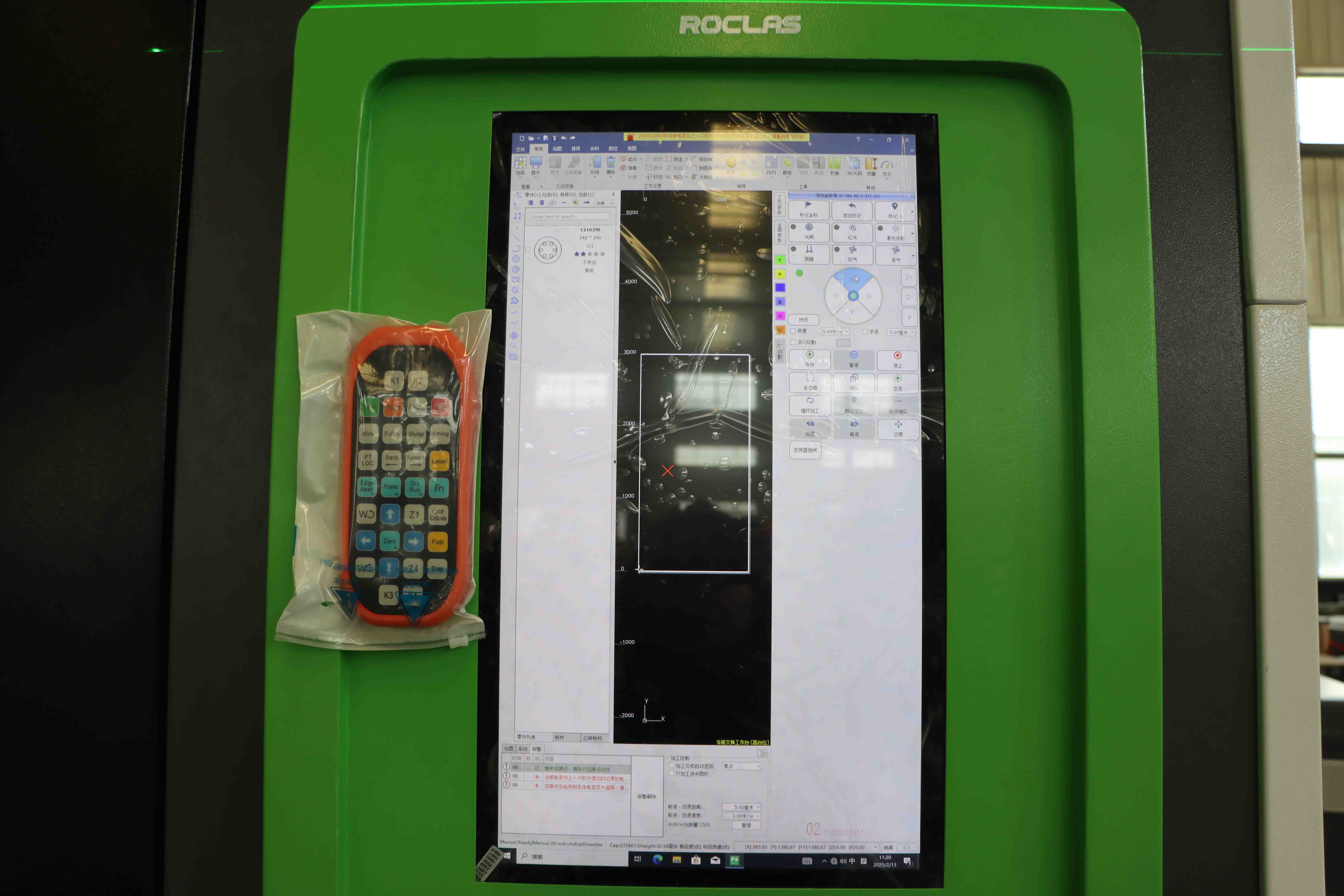
| Control system | Cypcut 3000S |
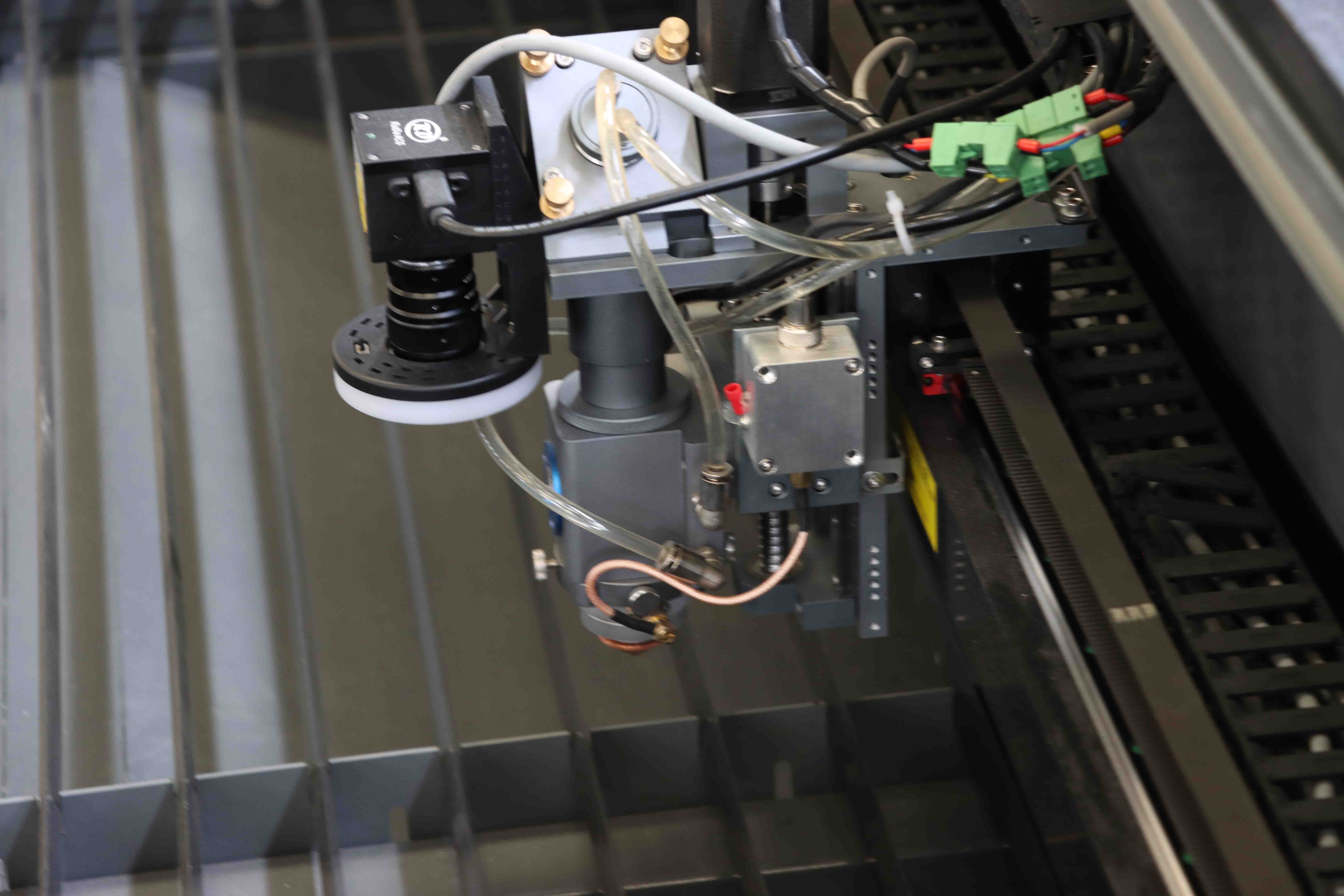
| Laser head | Raytools |
| Drive system | Imported servo drives and reducers |
| Power supply | 380 V / 50 Hz |
The table is instructive less for its individual figures than for the relationships between them. The 100 m/min travel speed and 1.0 G acceleration are only meaningful in combination with the ±0.03 mm positioning accuracy; a machine that moves quickly but cannot hold position produces scrap faster than it produces parts. Similarly, the 20 kW ceiling is only useful if the bed, the cutting head, and the control system are rated for the thermal and dynamic loads that come with it. When ROCLAS specifies a MAX source at the top of its power range, it does so on a platform built around industrial-grade heavy-duty steel structure, machined on a CNC five-face machining center and fitted with components from France Schneider, Japan SMC, and German igus. The source is the headline, but the supporting cast determines whether the headline is true.
Integration and Control Considerations
A laser source does not operate in isolation from the control layer. On ROCLAS machines, the Cypcut 3000S control system manages the cutting path, power modulation, and gas delivery as a coordinated set. When the machine is cutting thick carbon steel, the controller ramps power and adjusts the focal position to maintain a clean lower edge; when switching to thin stainless, it reduces power and increases speed to avoid dross. The MAX source's response characteristics — how quickly it can modulate output and how stable it remains at partial power — directly affect how well these transitions perform.
Gas delivery is the other half of the equation. High-power cutting of thick plate typically uses nitrogen or oxygen at pressures and flow rates that must track the cut parameters. ROCLAS supplies an optional Nitrogen Generator with 99.999% purity and a 3.8 m³/min purified air handling capacity, which allows shops to produce their own assist gas rather than rely on cylinder or bulk delivery. For a machine running a MAX source at 12 kW or above, on-site nitrogen generation is often the difference between a viable operating cost and an unsustainable one.
Practical Boundaries
It would be misleading to present any laser source as unlimited. The MAX source's practical boundaries are set by material thickness, assist gas availability, and the machine's thermal management. Cutting 20 mm carbon steel at high power is achievable, but it demands consistent gas purity, a clean nozzle, and a resonator operating within its thermal window. Highly reflective materials remain constrained by thickness — the 1–2 mm copper and 2–3 mm aluminum figures are real limits, not conservative estimates. Fabricators who expect a 20 kW source to slice through 10 mm copper will be disappointed regardless of the brand on the resonator.
Maintenance is another boundary. The source itself is largely sealed, but the optical path is not. Protective and focusing lenses require regular cleaning, nozzles wear and must be replaced, and guide rails need lubrication. A machine that is not maintained will drift out of the ±0.03 mm accuracy band long before the source loses power. ROCLAS structures its after-sales support around these routines, and the responsiveness of that support is frequently cited by operators as a factor in machine uptime.
Conclusion
The MAX laser source is not a universal answer, but it is a well-understood one. Its value emerges when it is matched to a motion platform, control system, and gas supply that can exploit its output. In the ROCLAS fiber laser line, that matching is deliberate: MAX sources from 1 kW to 20 kW on heavy-duty steel frames, with Cypcut control and optional nitrogen generation. For fabricators weighing a purchase, the useful question is not which source is best in the abstract, but which source, at which power, on which machine, for which material mix. Answered carefully, that question tends to produce a specification that holds up on the shop floor rather than only on the datasheet.