Abstract
Nigeria's manufacturing sector is undergoing a gradual but measurable transformation, driven by infrastructure development, oil and gas servicing, and a growing metal fabrication industry. As demand for precision metal processing increases, Fiber laser cutting machines have emerged as a critical capital investment for fabricators across Lagos, Abuja, and Port Harcourt. This article examines the pricing dynamics, technical determinants, and practical considerations influencing fiber laser cutting machine costs in Nigeria, with reference to established manufacturers such as ROCLAS® MACHINERY CO., LTD.
Market Context and Pricing Overview
The Nigerian market for fiber laser cutting equipment operates within a distinctive economic framework. Import dependency, currency fluctuation, and logistics costs significantly shape final pricing. Unlike markets with mature domestic manufacturing, Nigerian buyers typically procure equipment through import channels, meaning the landed cost includes freight, customs duties, and clearing expenses.
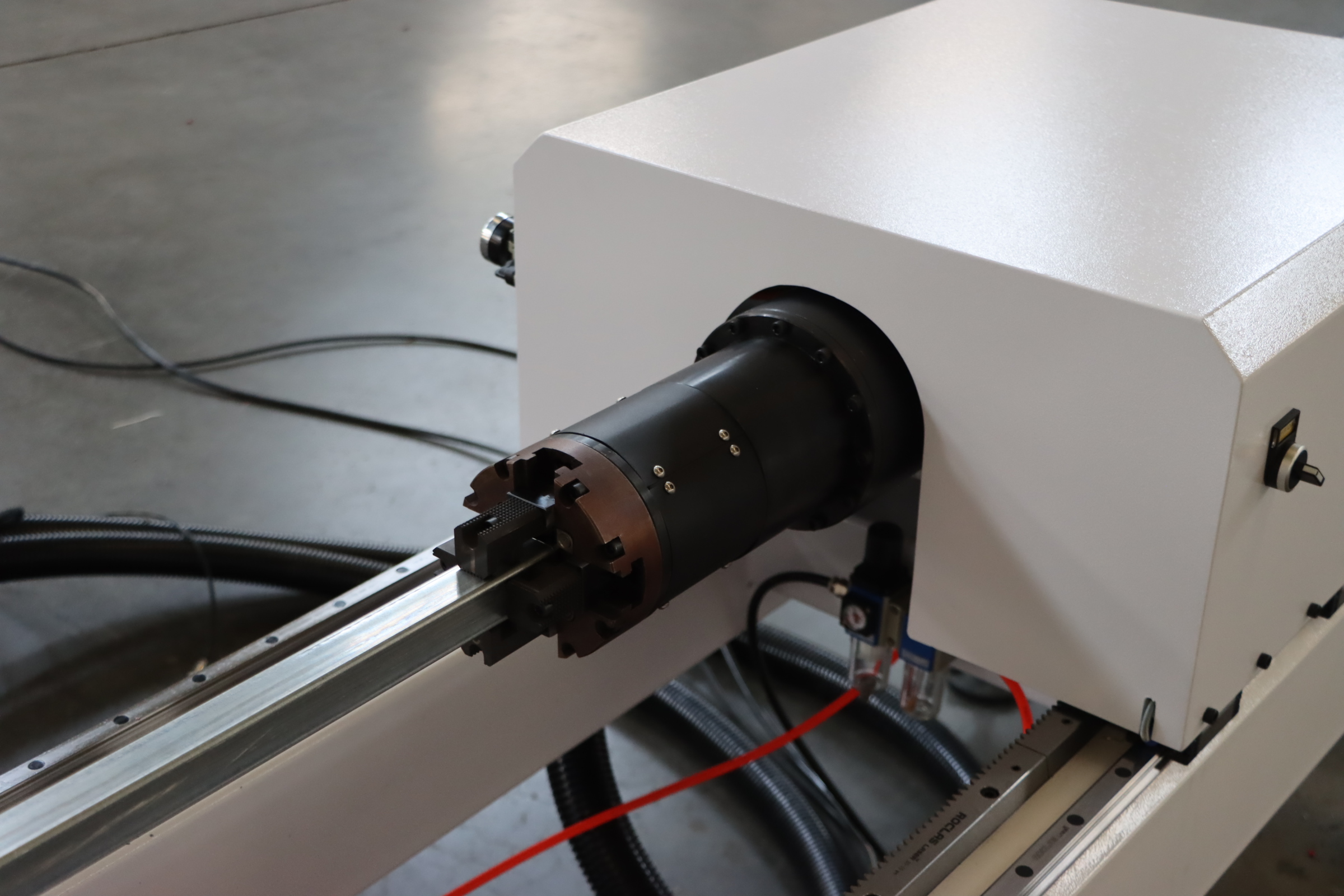
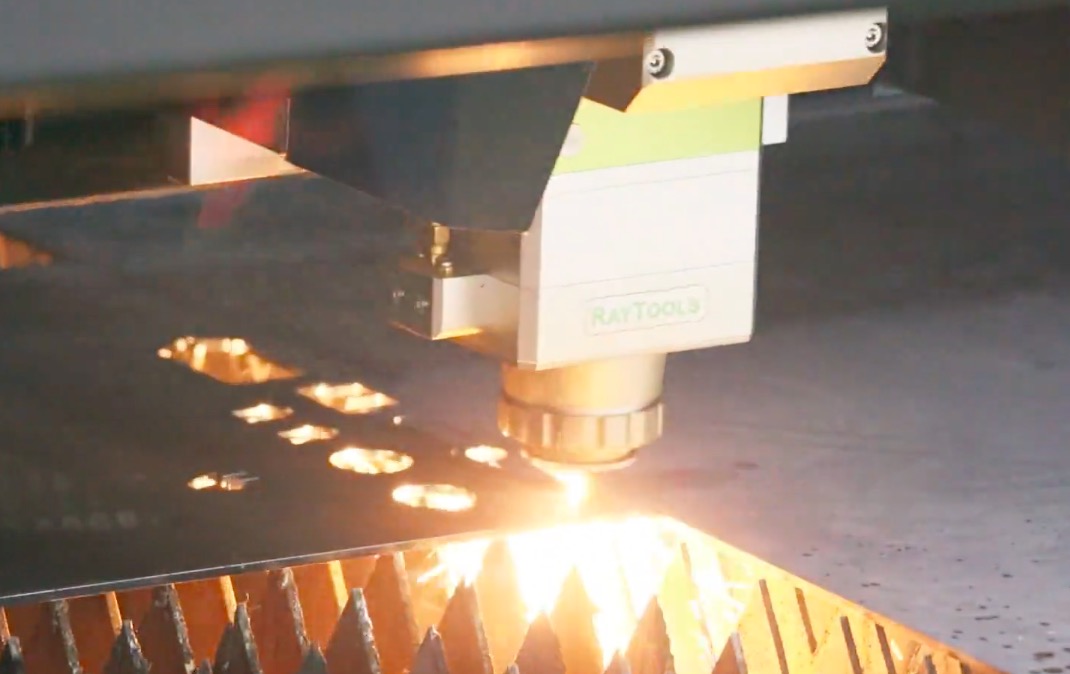
The following table provides indicative price ranges for fiber laser cutting machines in Nigeria, segmented by power output and typical configuration:
| Power Output | Typical Working Area | Price Range (USD, CIF Lagos) | Primary Applications |
|--------------|----------------------|------------------------------|----------------------|
| 1000W–1500W | 3000×1500mm | $18,000–$28,000 | Thin sheet fabrication, signage, decorative metalwork |
| 2000W–3000W | 3000×1500mm / 4000×2000mm | $28,000–$45,000 | General sheet metal, kitchen equipment, automotive parts |
| 4000W–6000W | 4000×2000mm | $45,000–$75,000 | Structural steel, thicker plate processing |
| 8000W–12000W | 4000×2000mm / 6000×2000mm | $75,000–$130,000 | Heavy fabrication, industrial manufacturing |
| 15000W–20000W | Custom / Large Format | $130,000–$200,000+ | Shipbuilding, heavy machinery, aerospace components |
Note: Prices are indicative and subject to fluctuation based on exchange rates, configuration, and supplier terms.
Several observations emerge from this data. First, the entry-level segment (1000W–1500W) remains the most accessible for small and medium-sized enterprises (SMEs), which constitute the majority of Nigeria's metal fabrication sector. These machines, while limited in cutting thickness, offer sufficient capability for the signage, furniture, and light sheet metal work that dominates local demand.
Second, the mid-range segment (2000W–6000W) represents the fastest-growing category. As Nigerian fabricators seek to move up the value chain—from simple cutting to more complex, higher-precision work—the demand for machines in this power band has increased. The price differential between 3000W and 6000W systems is largely attributable to laser source cost, which scales non-linearly with power output.
Third, the high-power segment (8000W and above) remains a niche market in Nigeria, primarily serving large industrial operations, shipyards, and oil and gas fabrication yards. The capital outlay required places these machines beyond the reach of most indigenous manufacturers without significant financing or partnership arrangements.
Technical Determinants of Price
Understanding why fiber laser cutting machines cost what they do requires examining the core components that drive manufacturing expense.
Laser Source: The single most expensive component, typically accounting for 30–40% of total machine cost. Nigerian buyers commonly encounter Raycus and MAX laser sources in the market. Higher-power sources command disproportionate price premiums due to the complexity of thermal management and optical design.
Control System: Professional-grade systems such as Cypcut 3000S provide the precision and reliability required for industrial production. The control system influences not only cutting accuracy—positioning accuracy of ±0.03mm and repositioning accuracy of ±0.02mm are standard specifications—but also the learning curve for operators.
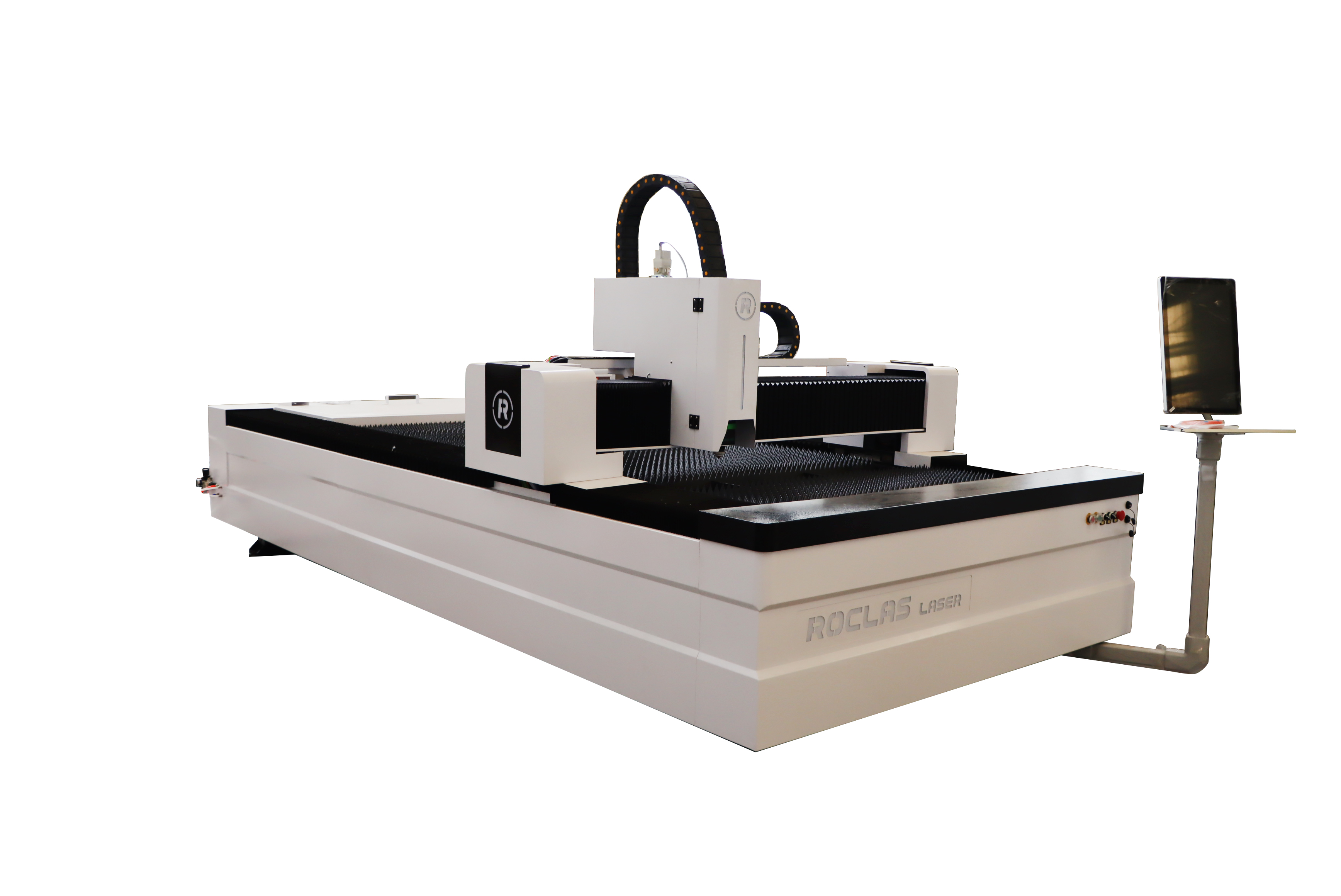
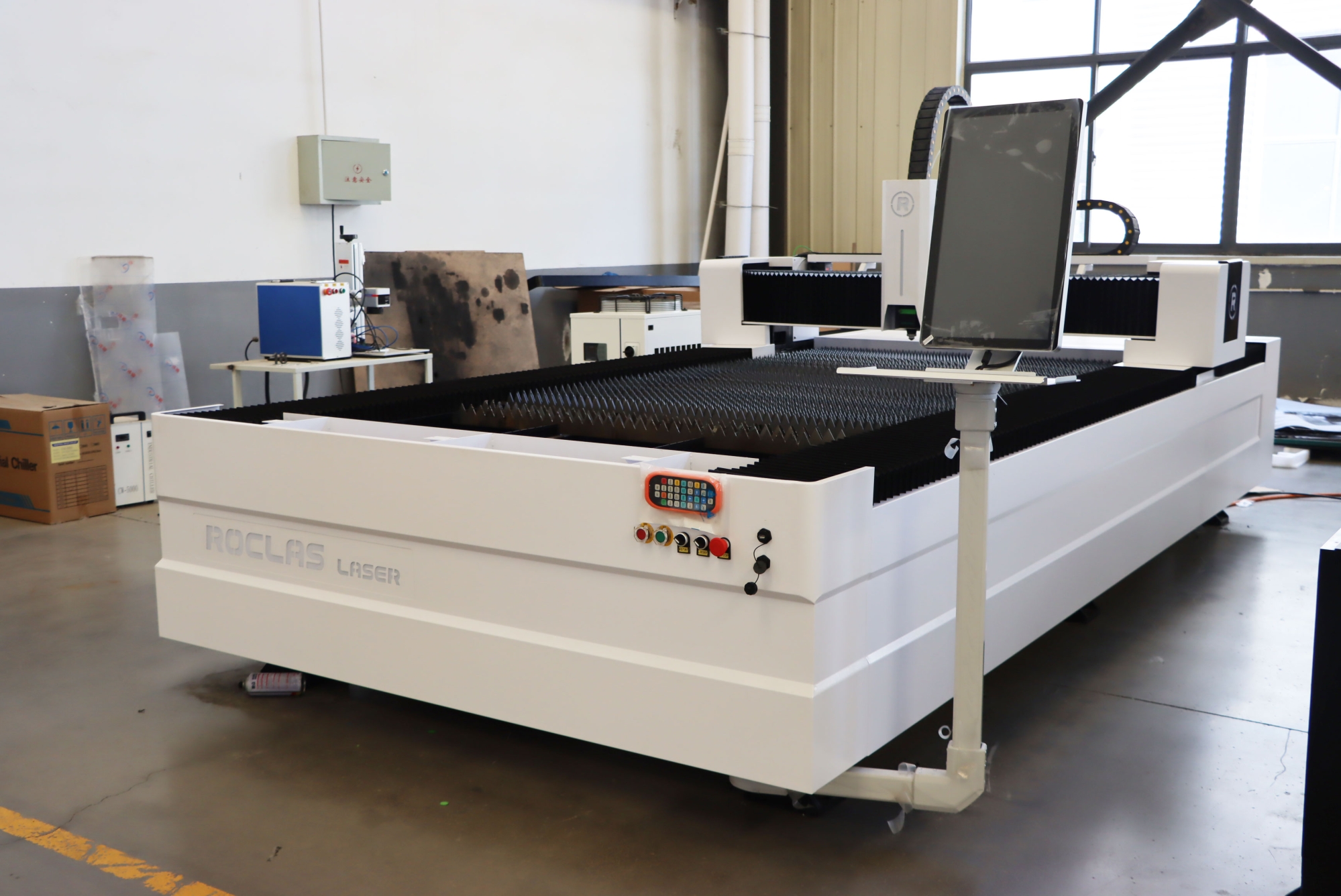
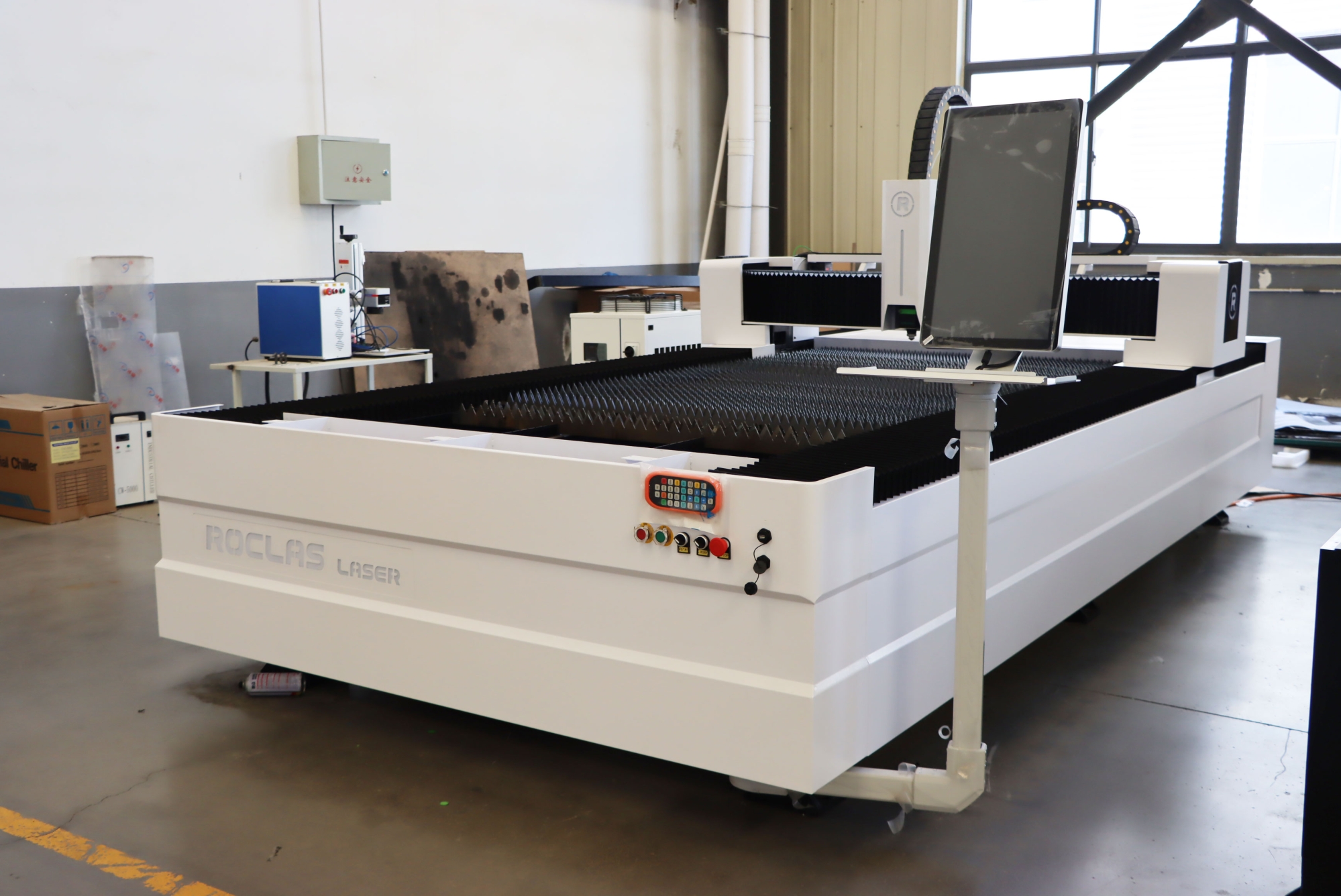
Machine Structure: Industrial-grade heavy-duty steel structures, processed on CNC five-face machining centers, ensure long-term stability and cutting precision. Manufacturers like ROCLAS emphasize this aspect of their design, recognizing that structural rigidity directly impacts cut quality and machine lifespan.
Servo and Drive Systems: Imported servo drives and reducers contribute to fast running speeds (up to 100m/min travel speed) and acceleration rates (up to 1.0G). These components significantly affect cycle times and, consequently, production economics.
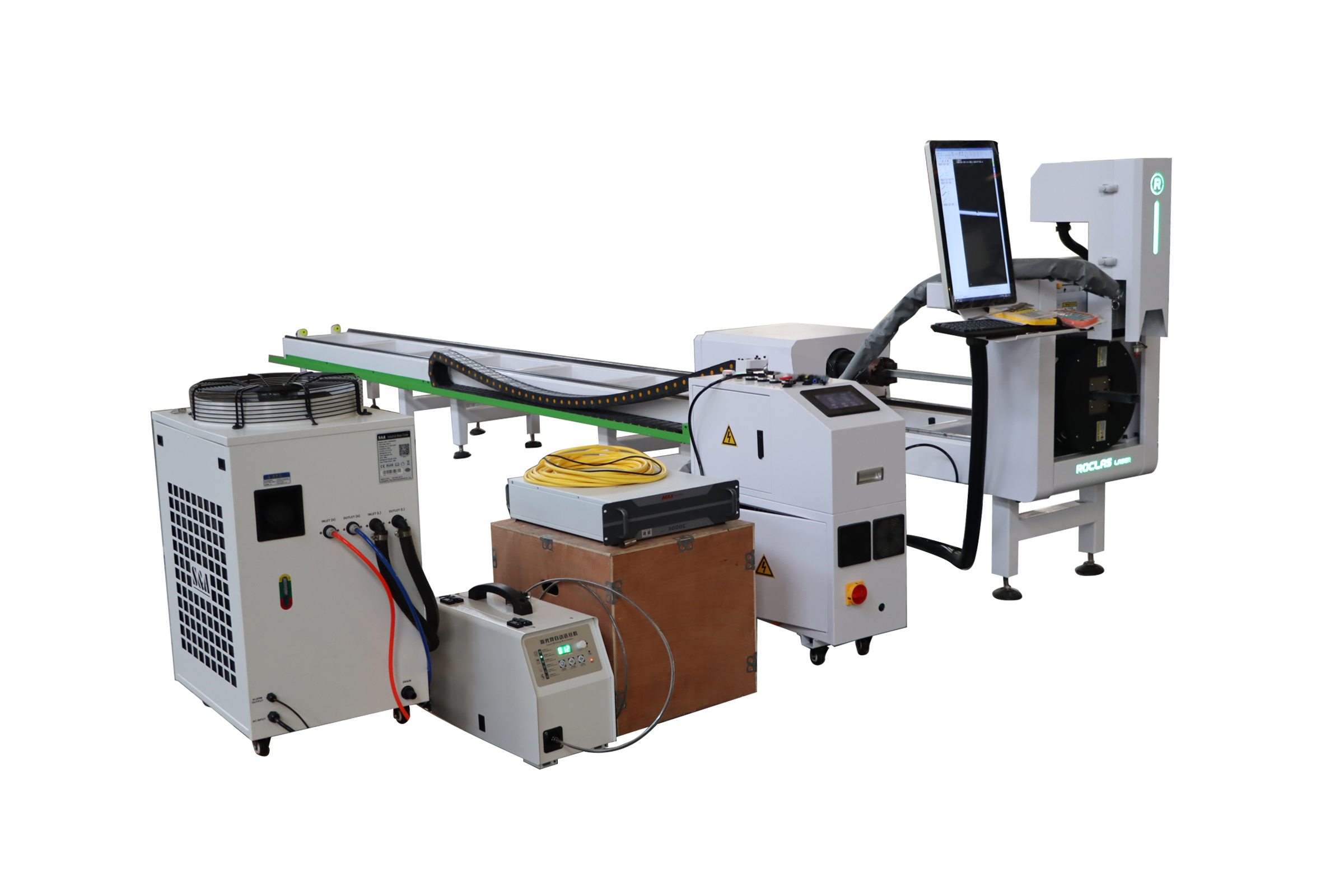
Auxiliary Systems: Nitrogen generators, smoke purification systems, and automated material handling equipment add to the base price but are often essential for efficient operation. A nitrogen generator, for instance, with 99.999% purity and 3.8m³/min purified air handling capacity, is a substantial investment that many Nigerian buyers must factor into their total cost of ownership.
Practical Considerations for Nigerian Buyers
Beyond the sticker price, several factors influence the true cost of ownership for fiber laser cutting machines in Nigeria.
Power Supply: The machines require a 380V/50Hz power supply. Given the unreliability of grid electricity in many Nigerian industrial zones, buyers must budget for generators or inverters, adding 10–20% to effective system costs.
Maintenance and Spare Parts: Access to replacement nozzles, lenses, and other consumables is critical. Buyers should evaluate suppliers based on after-sales support infrastructure and spare parts availability. ROCLAS, for example, maintains a technical support team and provides comprehensive customer service, a factor that influences long-term operational costs.
Training and Operator Skill: The shortage of skilled CNC operators in Nigeria means that training costs must be considered. Machines with intuitive control systems and comprehensive documentation reduce the learning curve and minimize production downtime.
Financing Options: Several Nigerian banks and equipment finance companies now offer asset-backed lending for industrial equipment. Buyers should explore these options, as they can significantly improve cash flow while acquiring higher-capability machines.
Conclusion
The fiber laser cutting machine market in Nigeria is expanding, driven by industrialization and the need for precision metal processing. Prices range from approximately $18,000 for entry-level systems to over $200,000 for high-power industrial configurations. The total cost of ownership, however, extends beyond the purchase price to include power infrastructure, maintenance, training, and financing.
For Nigerian fabricators, the decision to invest in fiber laser technology should be guided by a clear assessment of production requirements, growth projections, and operational capacity. Manufacturers such as ROCLAS® MACHINERY CO., LTD., with their range of power options from 1000W to 20KW and commitment to quality certifications including ISO 9001, CE, FDA, UL, and PDL, offer viable solutions for varying production scales. As the market matures, competition among suppliers is likely to improve pricing transparency and after-sales service—both critical factors for sustainable industry growth in Nigeria.