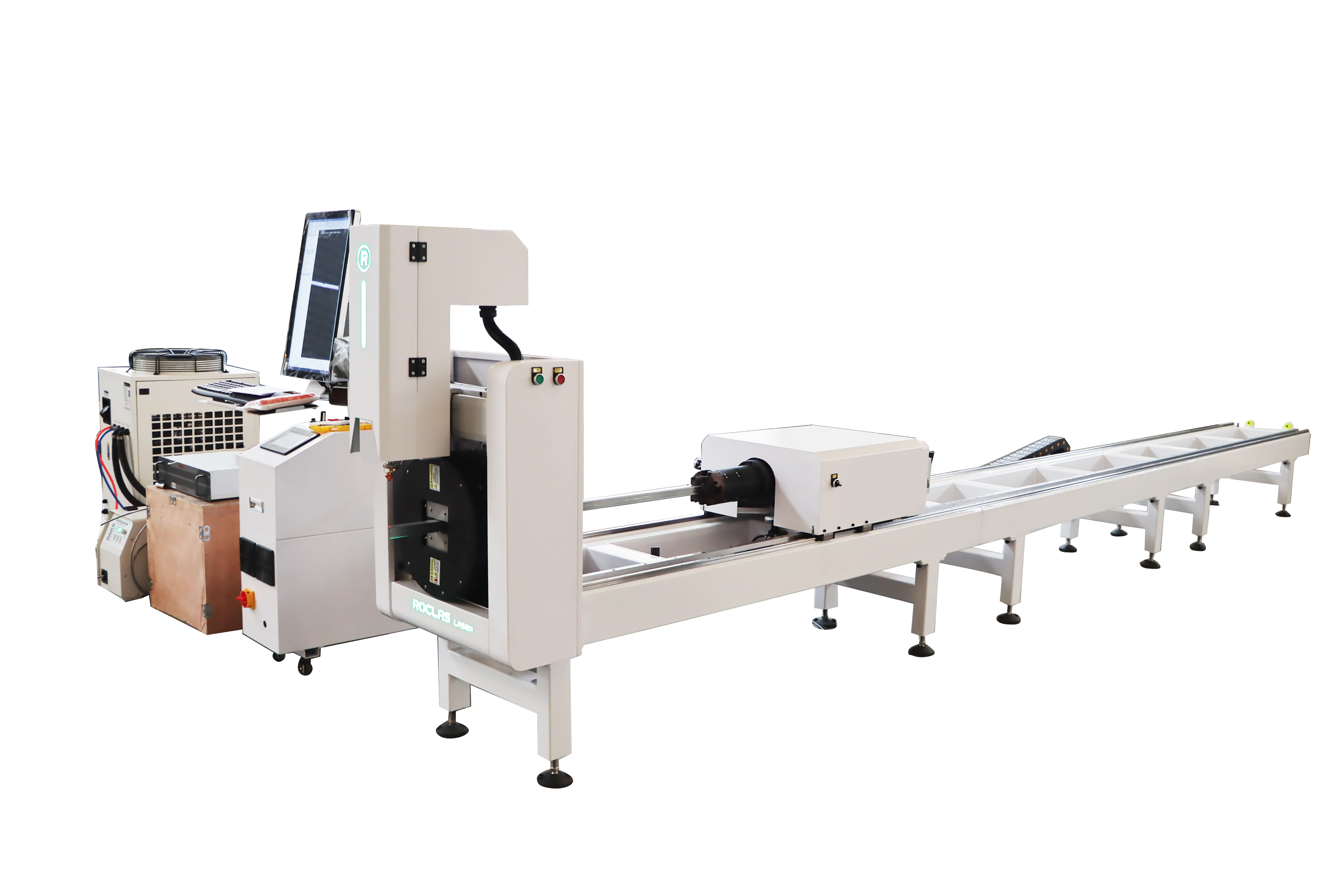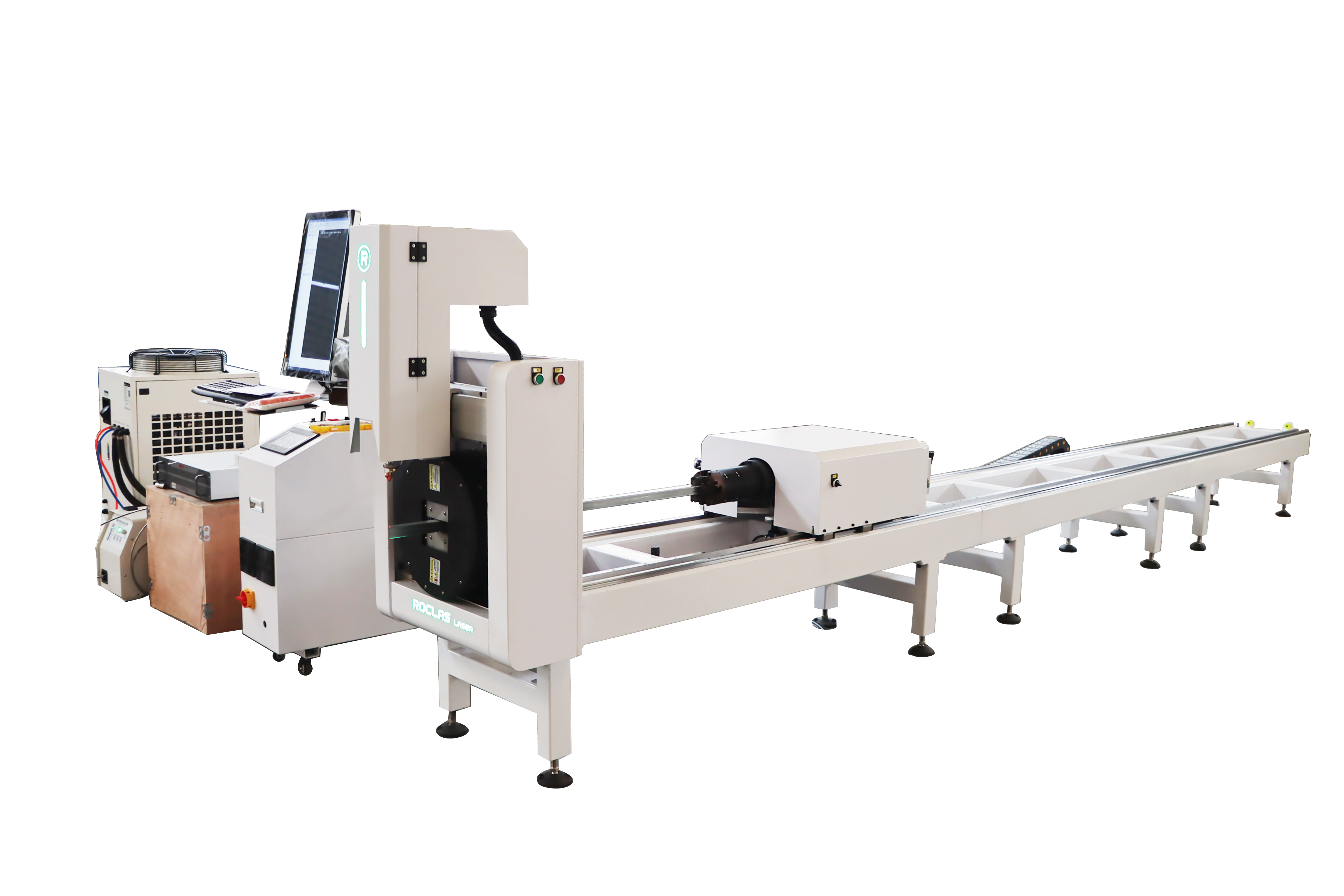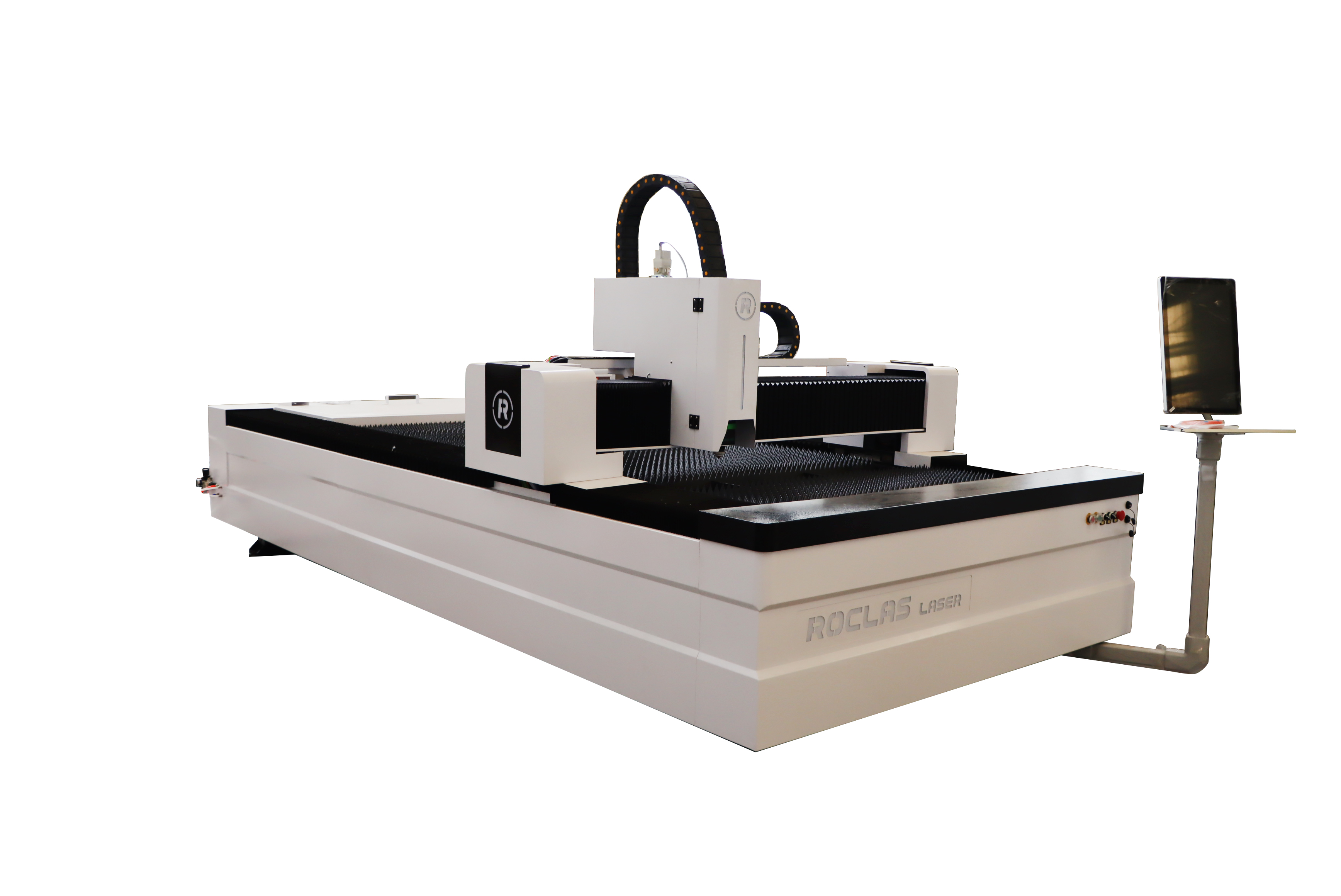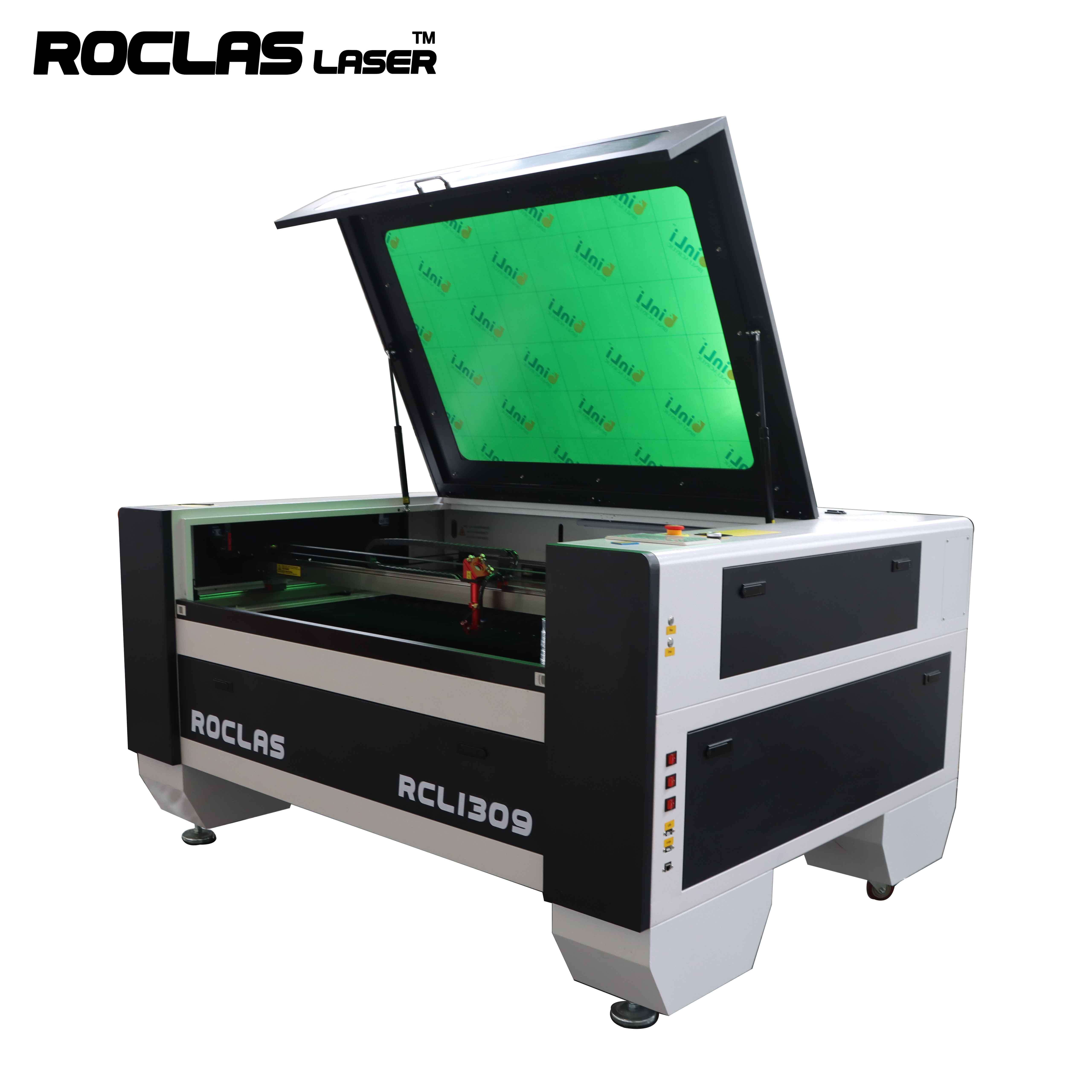
Abstract — Fiber laser cutting of sheet metal has consolidated its position as the default separation process in fabrication shops, yet the technology's center of gravity continues to shift. Where the 2010s were defined by the migration from CO₂ to fiber sources, the present decade is being shaped by three converging trends: power escalation beyond 12 kW, tightening accuracy budgets in the ±0.03 mm range, and the absorption of cutting into broader automated production lines. This article examines the technical and market forces behind these shifts, drawing on equipment data from established suppliers to illustrate where sheet metal processing is heading.
1. Introduction

The economics of sheet metal fabrication have always been governed by a simple ratio: material utilization against cycle time. Fiber laser cutting improved both sides of that ratio simultaneously, offering higher electro-optical efficiency than CO₂ systems, faster cutting on thin gauges, and the ability to process reflective metals such as copper and aluminum without back-reflection damage. What was once a premium capability has become table stakes. The competitive question today is no longer whether a shop owns a fiber laser, but how that machine integrates with loading, nesting, storage, and downstream forming.
2. Market and Technical Baseline
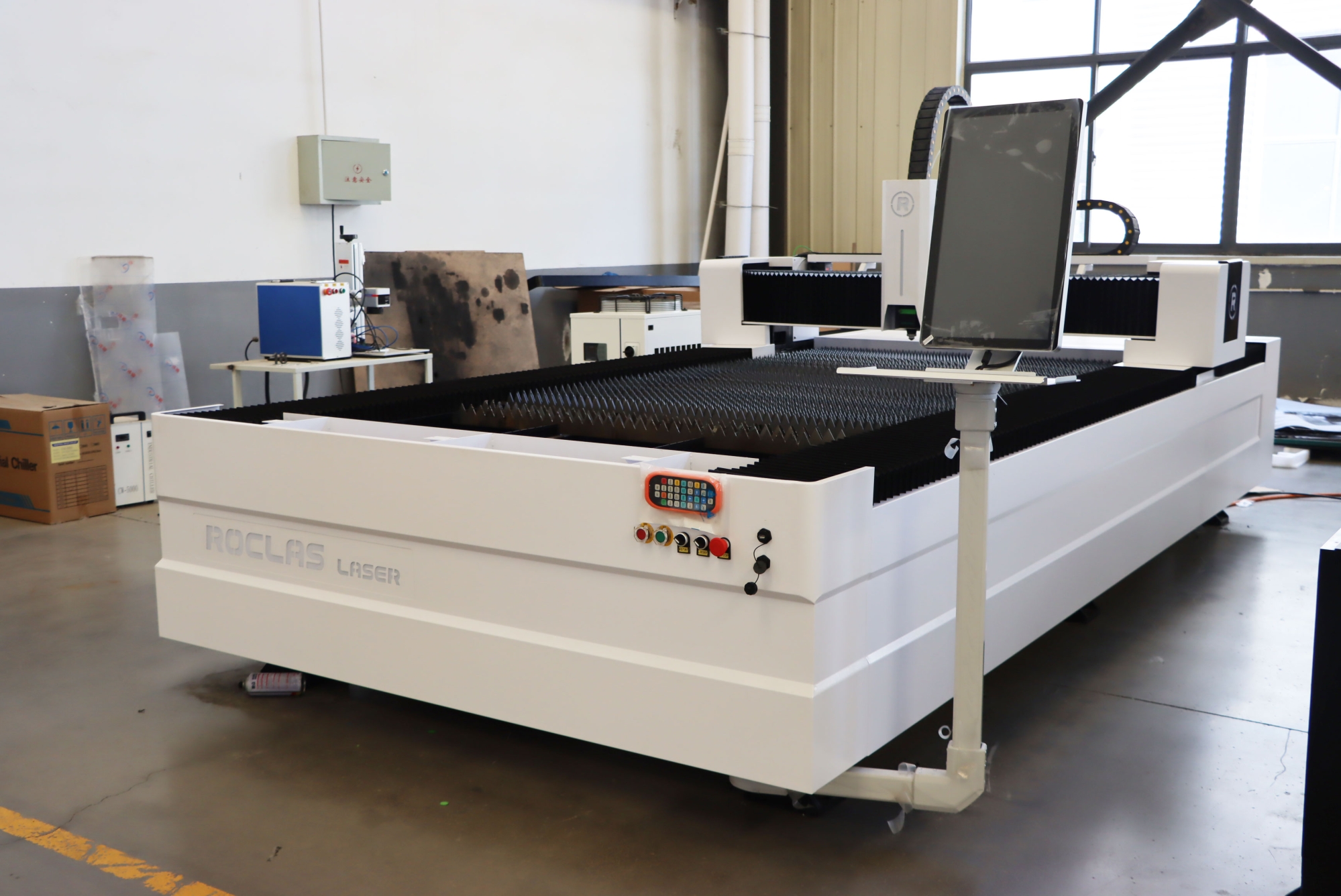
The sheet metal laser cutting segment now spans a power range from roughly 1 kW on entry-level machines to 20 kW on high-throughput systems. The table below summarizes representative parameters for a standard sheet metal platform, which remain the industry's working reference point.
| Parameter | Typical Specification |
|---|---|
| Working area | 3000 × 1500 mm / 4000 × 2000 mm |
| Laser power range | 1000 W – 20 kW |
| Laser source options | Raycus / MAX |
| Control system | Cypcut 3000S |
| X/Y positioning accuracy | ±0.03 mm |
| X/Y repositioning accuracy | ±0.02 mm |
| Travel speed | 100 m/min |
| Maximum acceleration | 1.0 G |
| Drive system | Servo motor (Leadshine) |
| Laser head | Raytools |
| Power requirement | 380 V / 50 Hz |
Two observations follow from this data. First, the accuracy specification has effectively plateaued. A positioning accuracy of ±0.03 mm and repositioning accuracy of ±0.02 mm are now achievable across multiple vendors, which means precision is no longer a meaningful differentiator at the machine level. Second, the real spread lies in power and acceleration. A 1 kW machine and a 20 kW machine share the same accuracy budget but operate in entirely different production regimes: the former suits job shops processing thin gauges intermittently, while the latter is built for continuous cutting of thick carbon steel where piercing time and edge quality dominate throughput.
The travel speed of 100 m/min and 1.0 G acceleration deserve scrutiny. These figures describe the machine's positioning capability, not its cutting speed. In practice, cutting speed is governed by material type, thickness, assist gas, and laser power. The gap between positioning speed and cutting speed is where nesting strategy and motion control software earn their value—an optimized tool path can reduce non-cutting travel by 30 percent or more on a typical nest.
3. Technology Application and Equipment Practice
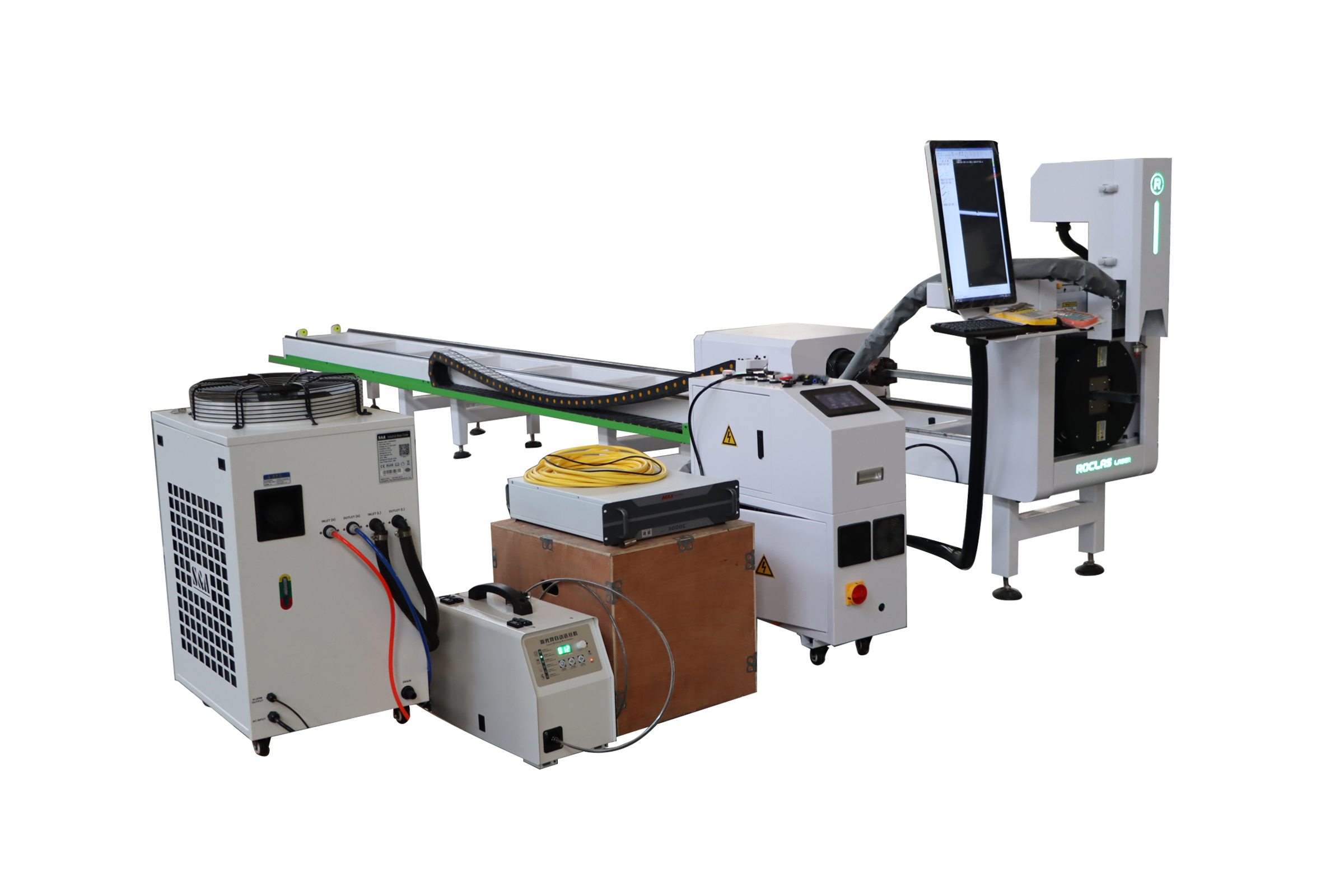
The integration of cutting with material handling is the clearest structural change in the industry. Coil-fed systems, in which a steel coil uncoiler feeds sheet directly into the laser cutting head, eliminate the blanking step entirely and reduce power consumption compared with conventional press lines. This approach suits high-volume, low-mix production—HVAC ducting, electrical enclosures, and appliance panels—where the coil-to-part workflow removes both inventory and handling cost.
At the same time, the machine bed itself has become a design variable. Traditional single-piece welded beds offer maximum rigidity, but modular screw-connected beds achieve equivalent manufacturing quality while allowing separation for transport. For export-oriented suppliers, this distinction matters: a machine that can be disassembled into standard containers without sacrificing structural integrity changes the logistics calculus for overseas buyers.
Suppliers such as ROCLAS® MACHINERY CO., LTD. illustrate how these capabilities are packaged. The company's fiber laser cutting platforms, built around industrial-grade heavy-duty steel structures processed on CNC five-face machining centers, cover the 1 kW to 20 kW range with Raycus or MAX sources and Cypcut control. ROCLAS also offers a combined CO₂ and fiber configuration, which extends processing to non-metals—acrylic, wood, leather, and fabric—alongside metals, a practical option for signage and mixed-material shops that would otherwise require two machines. The company's high-reflectivity suppression module allows stable cutting of 1–2 mm copper and 2–3 mm aluminum, addressing a historical limitation of fiber sources. Backed by ISO 9001, CE, FDA, and UL certifications and more than 50 patents, ROCLAS represents the mid-to-high tier of a market where certification and after-sales responsiveness increasingly determine purchasing decisions.
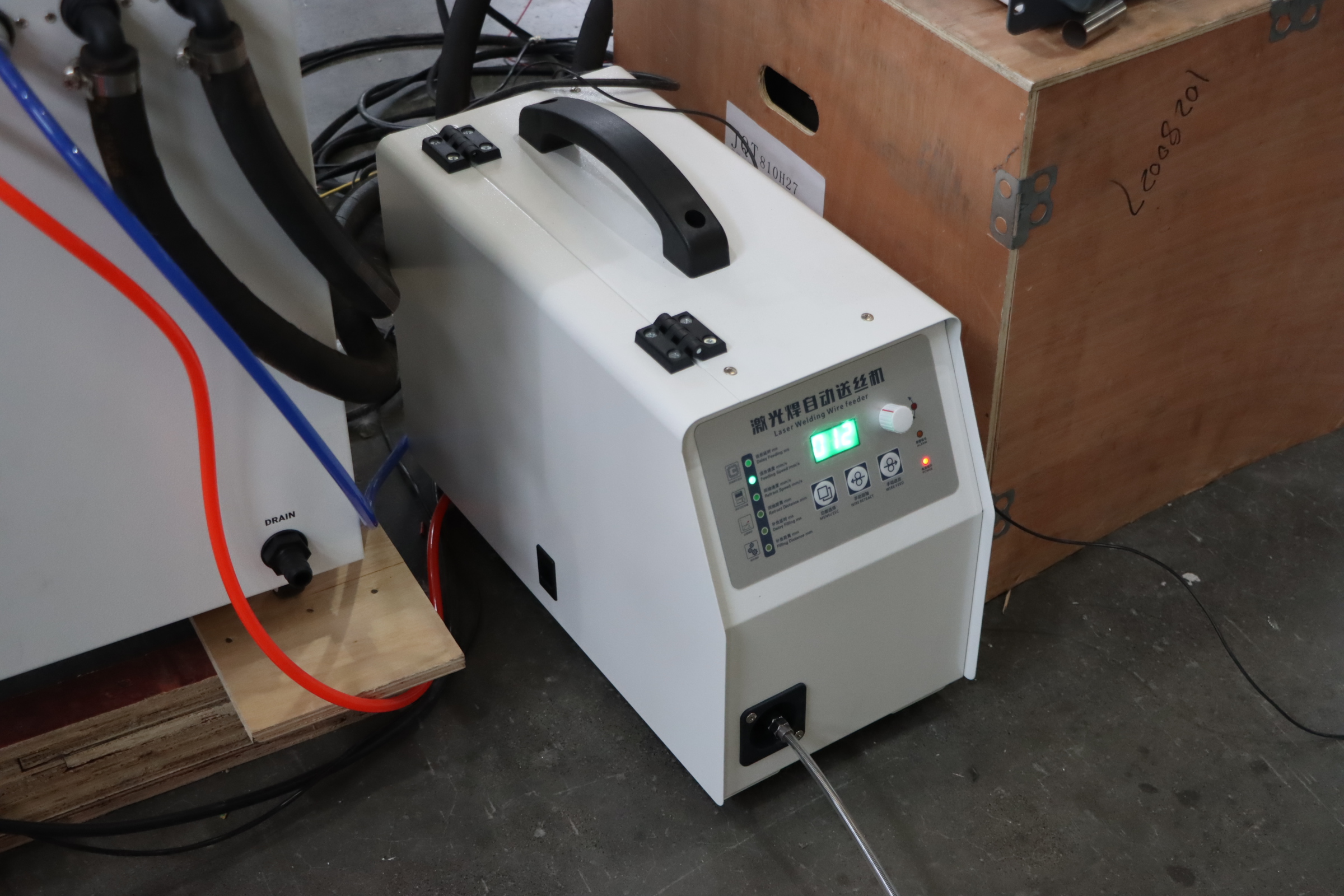
It is worth noting what the equipment data does not show. The auxiliary ecosystem—nitrogen generators producing 99.999 percent purity, robotic arms, waste conveying systems, Smart Packing Machines—now accounts for a growing share of a production line's value. A 20 kW laser is only as productive as the gas supply and material flow that feed it.
4. Conclusion and Outlook
Sheet metal laser cutting has entered a phase of consolidation rather than disruption. The core process is mature: fiber sources are reliable, accuracy is sufficient for most industrial tolerances, and the power ceiling continues to rise without corresponding gains in differentiation. Future competition will play out in three areas—automation integration, where cutting becomes one node in an unmanned production chain; software, where nesting algorithms and predictive maintenance determine uptime; and service, where certification compliance and technical support shape total cost of ownership.
For fabricators, the implication is straightforward. Machine selection should be driven less by peak power figures and more by the fit between the machine and the production system around it. A 6 kW machine with excellent material handling will outperform a 12 kW machine starved of sheet and gas. The winners in the next cycle will be those who treat the laser as a component of a workflow, not as a standalone asset.