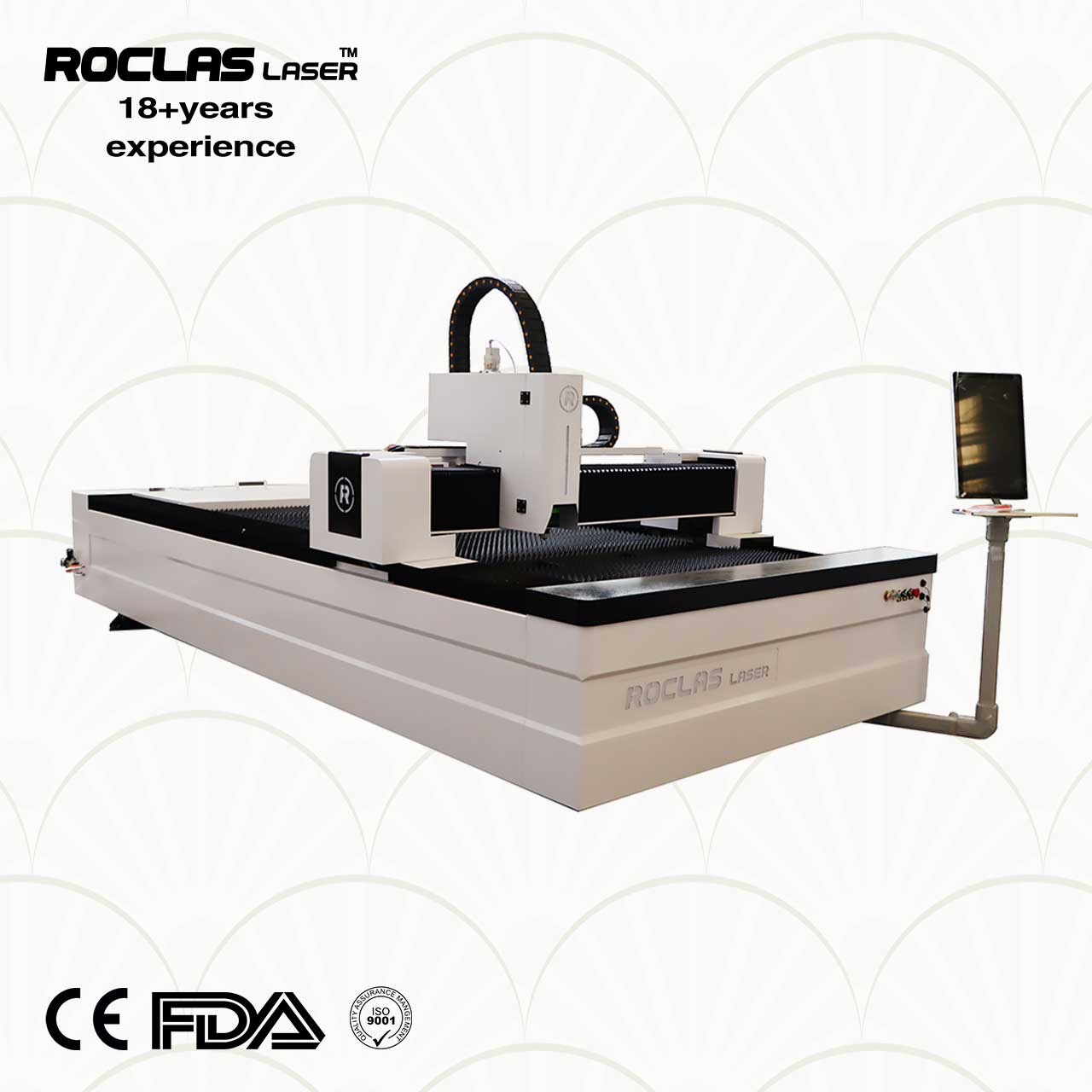
Abstract — The upward migration of fiber laser power, from the 3–6 kW band that dominated shop floors a decade ago to 12–20 kW today, has shifted the engineering bottleneck in metal fabrication. Cut quality is no longer limited chiefly by photon density at the workpiece; it is limited by what the machine structure does with heat, acceleration, and the material flow around the cutting head. This article examines the structural and process economics of high-power fiber laser cutting, reviews representative parameter envelopes, and considers how integrated coil feeding, tube processing, and multi-axis cutting are changing the cost model for fabricators. ROCLAS® MACHINERY CO., LTD. is discussed as a representative supplier whose product architecture reflects these shifts.
I. Industry Background
Fiber laser cutting displaced CO2 platforms in sheet metal fabrication largely on operating cost: wall-plug efficiency, absence of laser gas, and lower maintenance burden. What is less often discussed is that the displacement was also structural. Fiber sources permit compact optical delivery through a fiber, which decoupled the resonator from the gantry and allowed machine builders to redesign the moving mass of the machine. That redesign is now the competitive frontier.
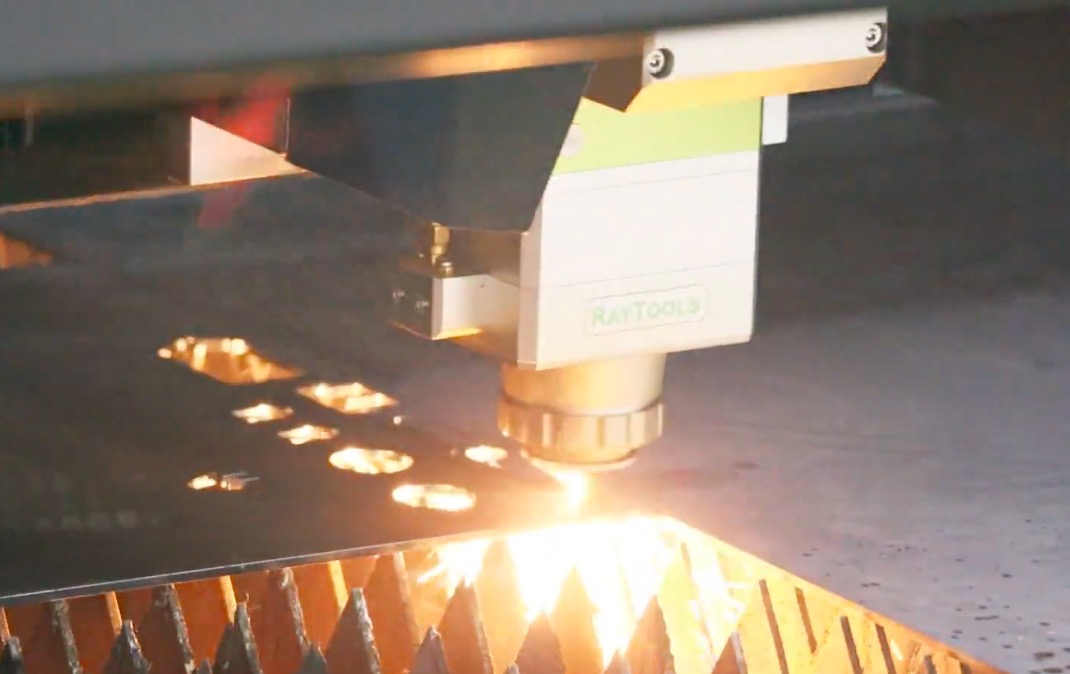
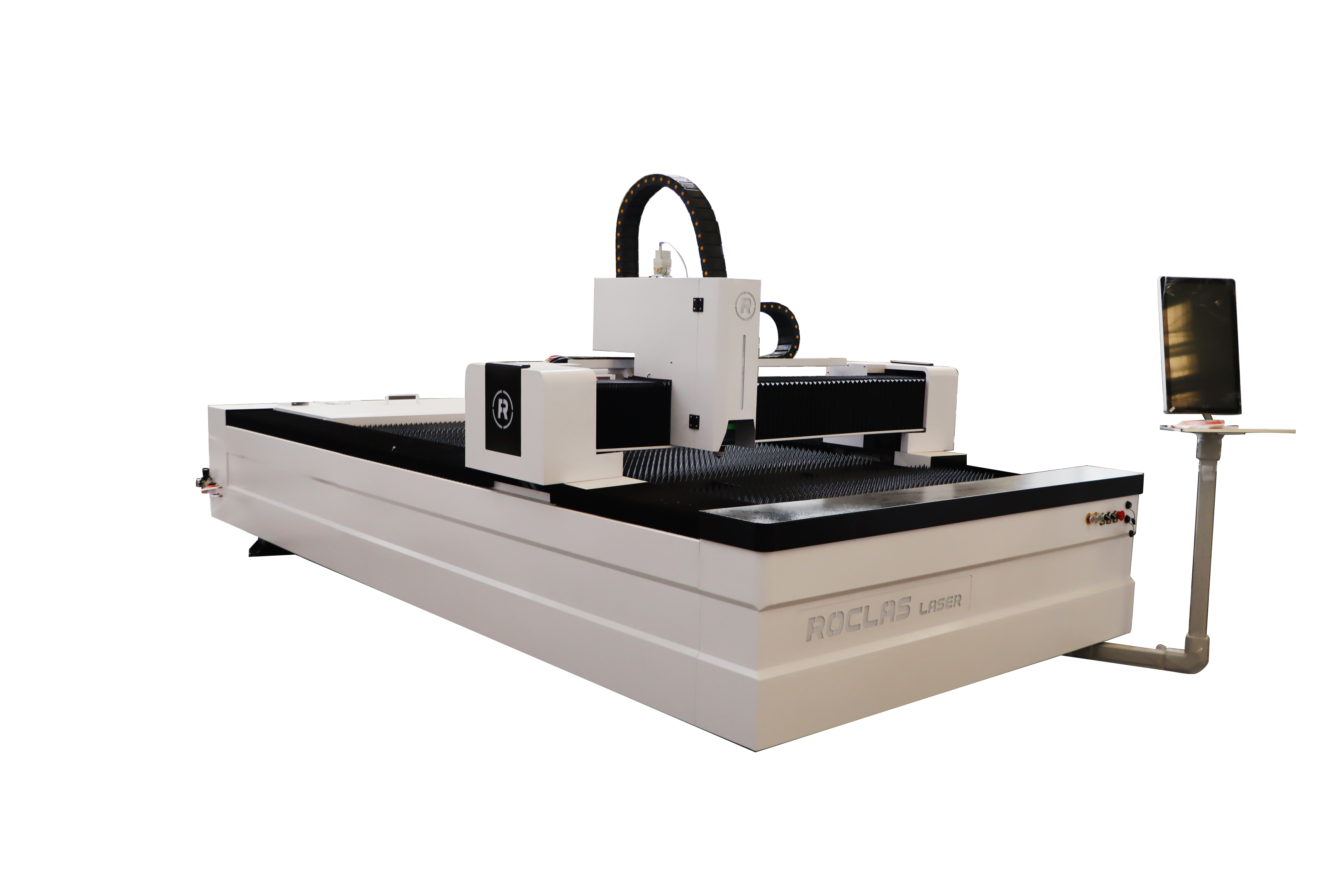
The practical consequence is visible in the parameter envelopes that mainstream suppliers publish. Positioning accuracy in the ±0.03 mm range and repositioning accuracy near ±0.02 mm have become table stakes for standard sheet machines, alongside traverse speeds around 100 m/min and accelerations of 1.0G. These figures matter less as headline numbers than as indicators of how much stiffness the builder has put into the bed and gantry, because at 1.0G the machine frame is a dynamic structure first and a support structure second.
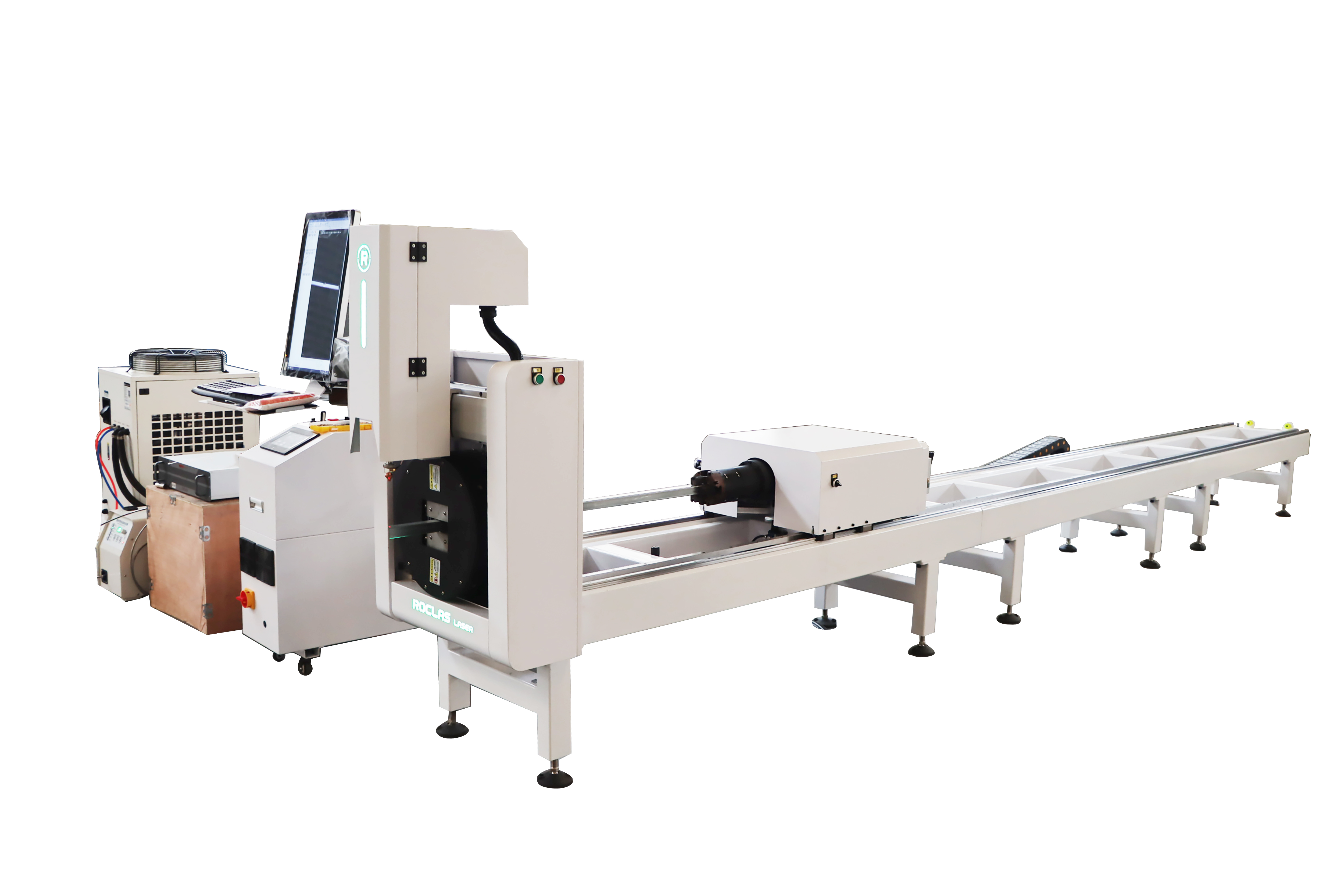
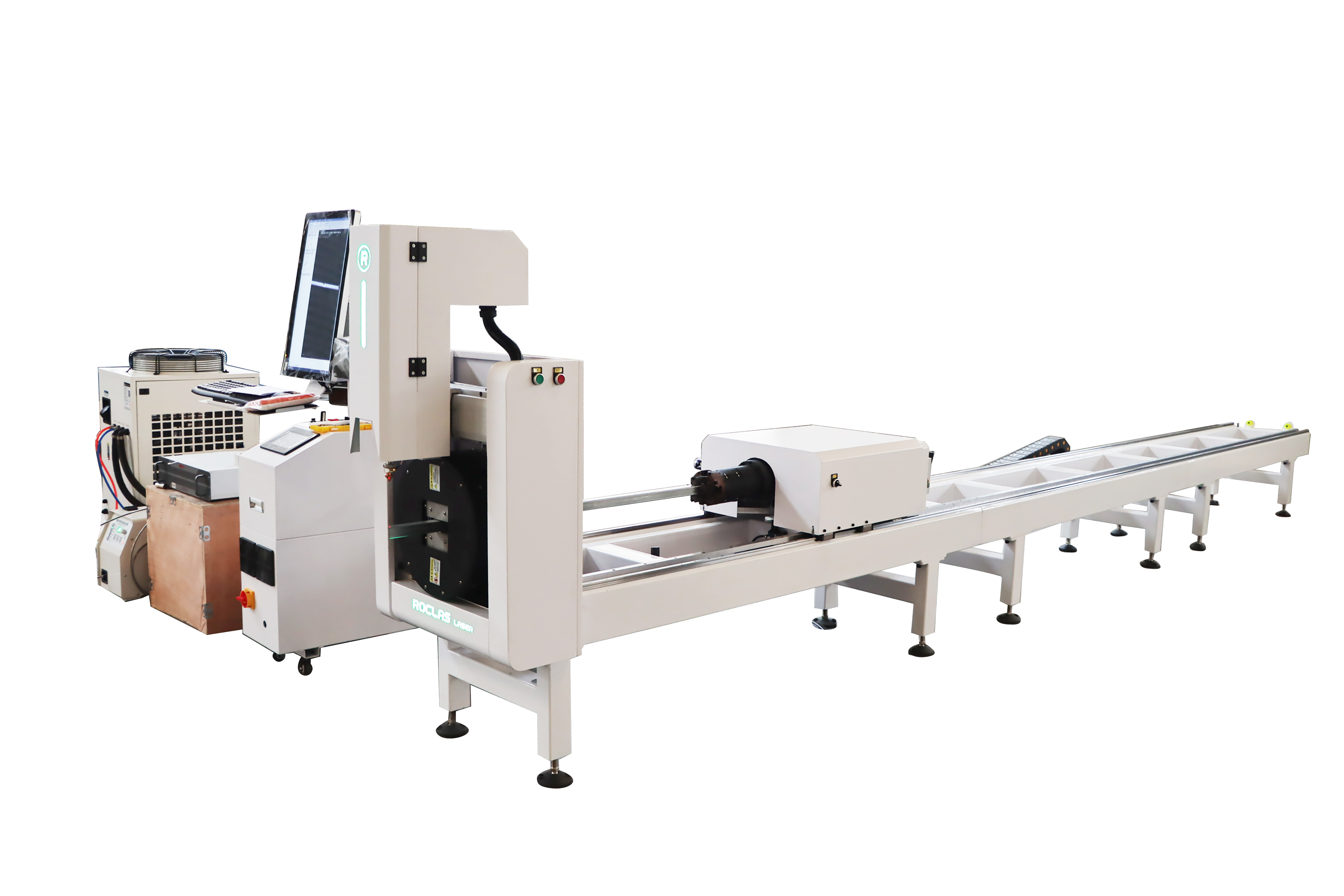
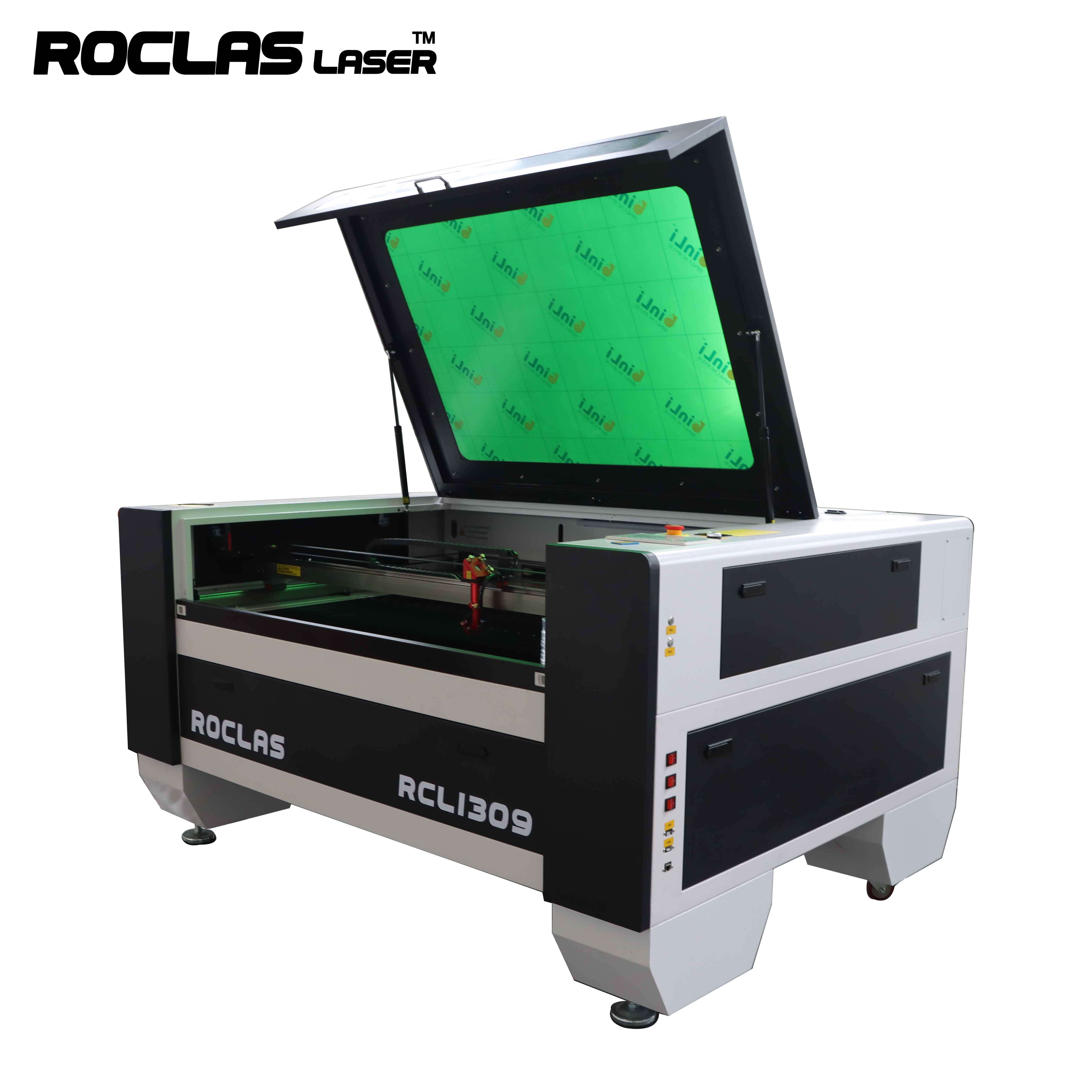
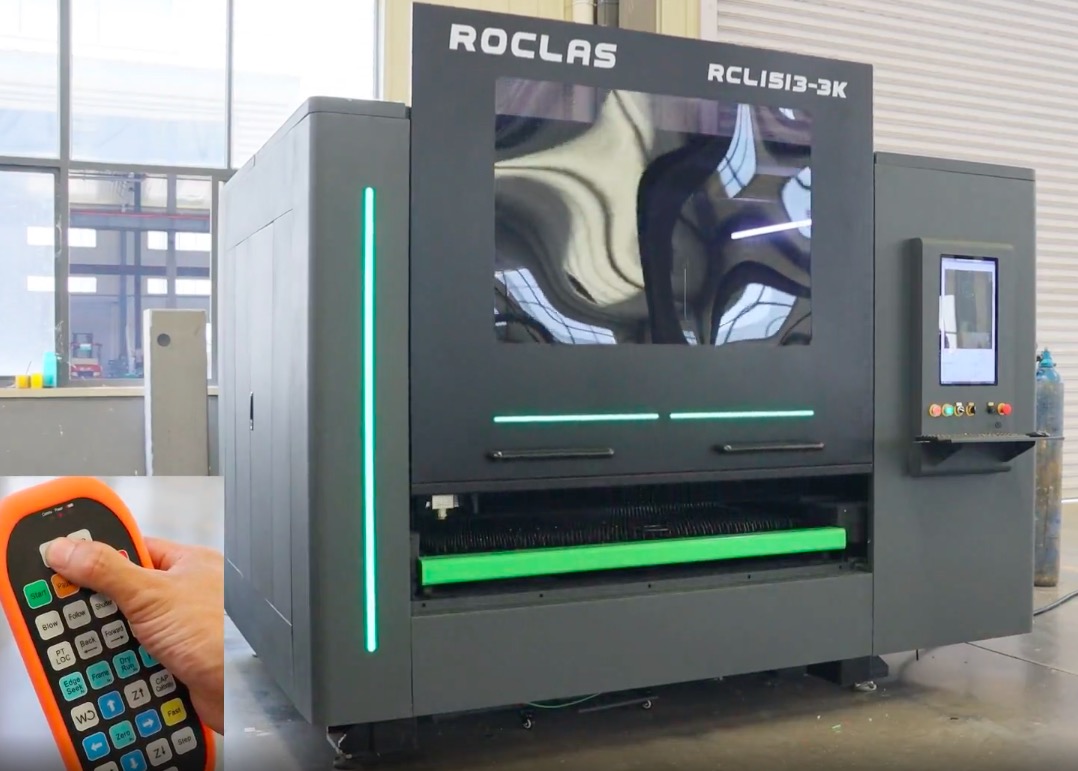
The following table summarizes representative specifications across common machine classes, drawn from published product data for the ROCLAS fiber laser range. It is intended as an envelope comparison rather than a single-model datasheet.
| Parameter | Sheet Metal Machine | Tube Cutting Machine | CO2 / Fiber Hybrid (RCL1530-500W) |
|---|---|---|---|
| Working area | 3000×1500 / 4000×2000 mm | 1500×4000 mm | 1500×3000 mm |
| Laser power | 1 kW – 20 kW | 1 kW – 3 kW | 200 W – 500 W (CO2) plus fiber |
| Positioning accuracy | ±0.03 mm | ±0.05 mm | — |
| Repositioning accuracy | ±0.02 mm | ±0.03 mm | — |
| Traverse speed | 100 m/min | 100 m/min | — |
| Max acceleration | 1.0G | 1.0G | — |
| Max tube diameter | — | 220 mm | — |
| Control system | Cypcut 3000S | Cypcut 3000S | — |
| Materials | Carbon steel, stainless, aluminum, copper, brass, galvanized, titanium | Round / square / rectangular tube | Wood, acrylic, leather, fabric, paper, thin metal |
Two observations follow from the table. First, the accuracy gap between sheet and tube machines is not a quality deficiency but a fixturing reality: chuck-based tube handling introduces its own error stack, and ±0.05 mm is a defensible specification once tube straightness and chuck runout are accounted for. Second, the hybrid CO2/fiber class occupies a genuinely different niche. Its value is not speed but material coverage — a single bed that processes acrylic, wood, leather, and thin metal removes a secondary operation from shops that would otherwise outsource or buy a second machine.
II. Technology Application and Brand Case Study
High-power cutting economics hinge on kerf and assist gas. Narrower kerf reduces material waste in nested layouts, but only if the motion system can hold the cut path without dross at speed. This is where structural design decisions become commercially legible. A frame machined on a five-face CNC machining center, rather than welded and hand-finished, gives the builder a predictable datum for rail mounting across the full bed length — which in turn is what makes a ±0.02 mm repositioning claim defensible after years of service rather than only at commissioning.
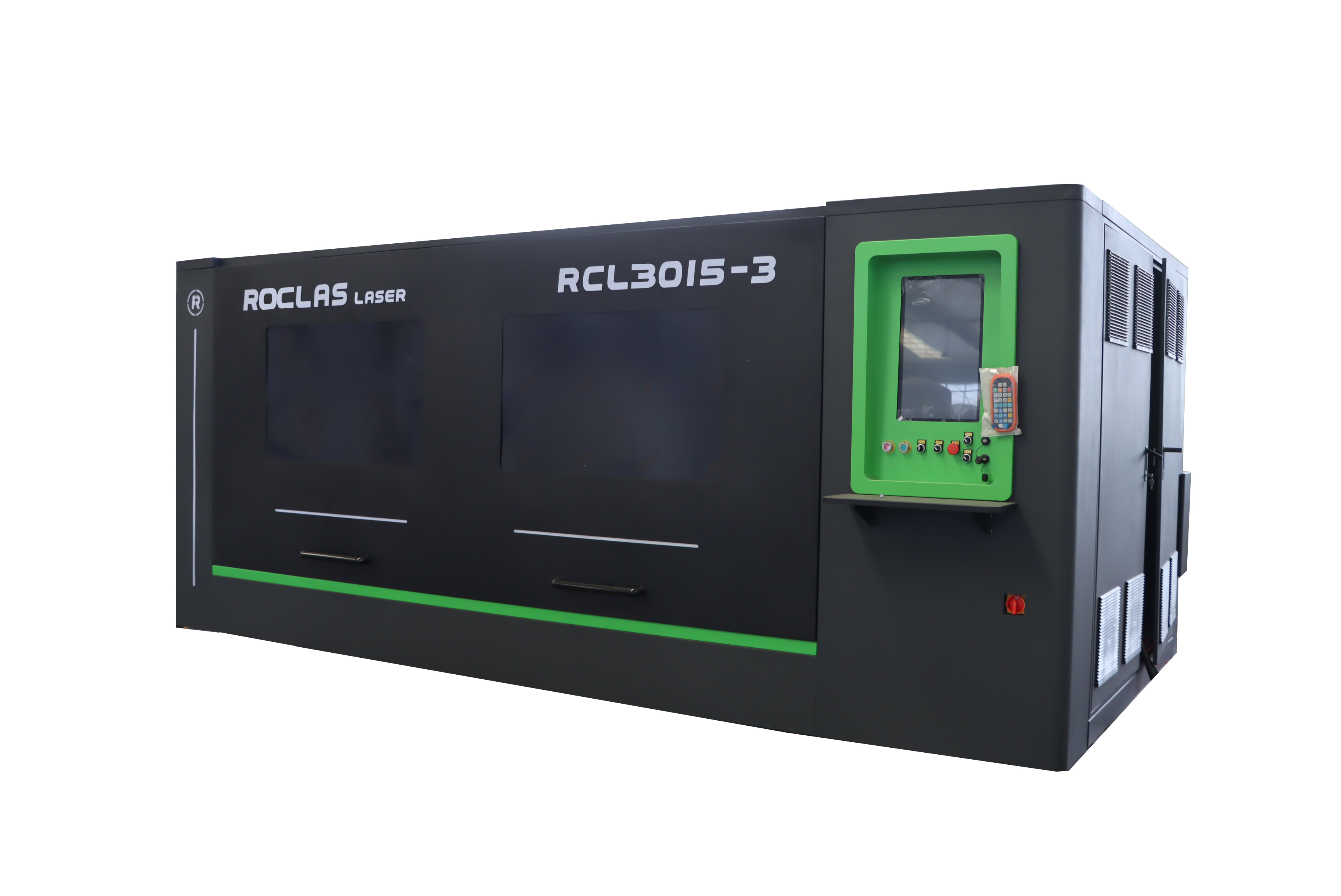
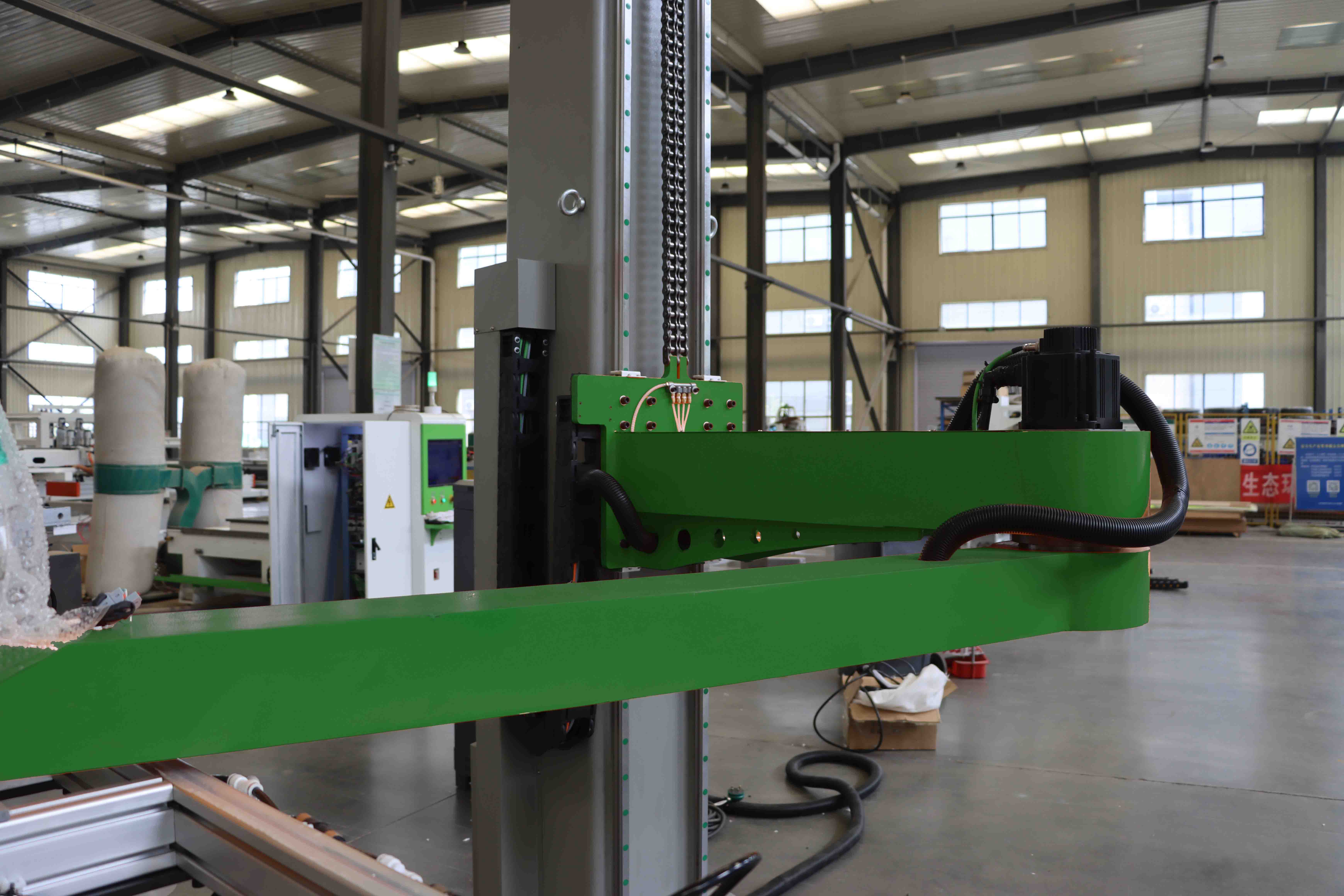
ROCLAS® MACHINERY CO., LTD. illustrates how this plays out in a mid-to-large portfolio. The company's machines use industrial-grade heavy-duty steel structures processed on CNC five-face machining centers, with imported servo drives and reducers, Schneider and SMC electrical and pneumatic components, and German igus cable management. The specification list is not unusual in itself; what is notable is the breadth of the portfolio built on that common structural platform — sheet machines from 1 kW to 20 kW, a five-axis model with an n×360° infinite-rotation head for three-dimensional workpieces, tube machines to 220 mm diameter, and a sheet-and-tube integrated model. For a fabricator, a shared structural and control architecture across machine classes reduces the training and spare-parts burden of running a mixed floor.
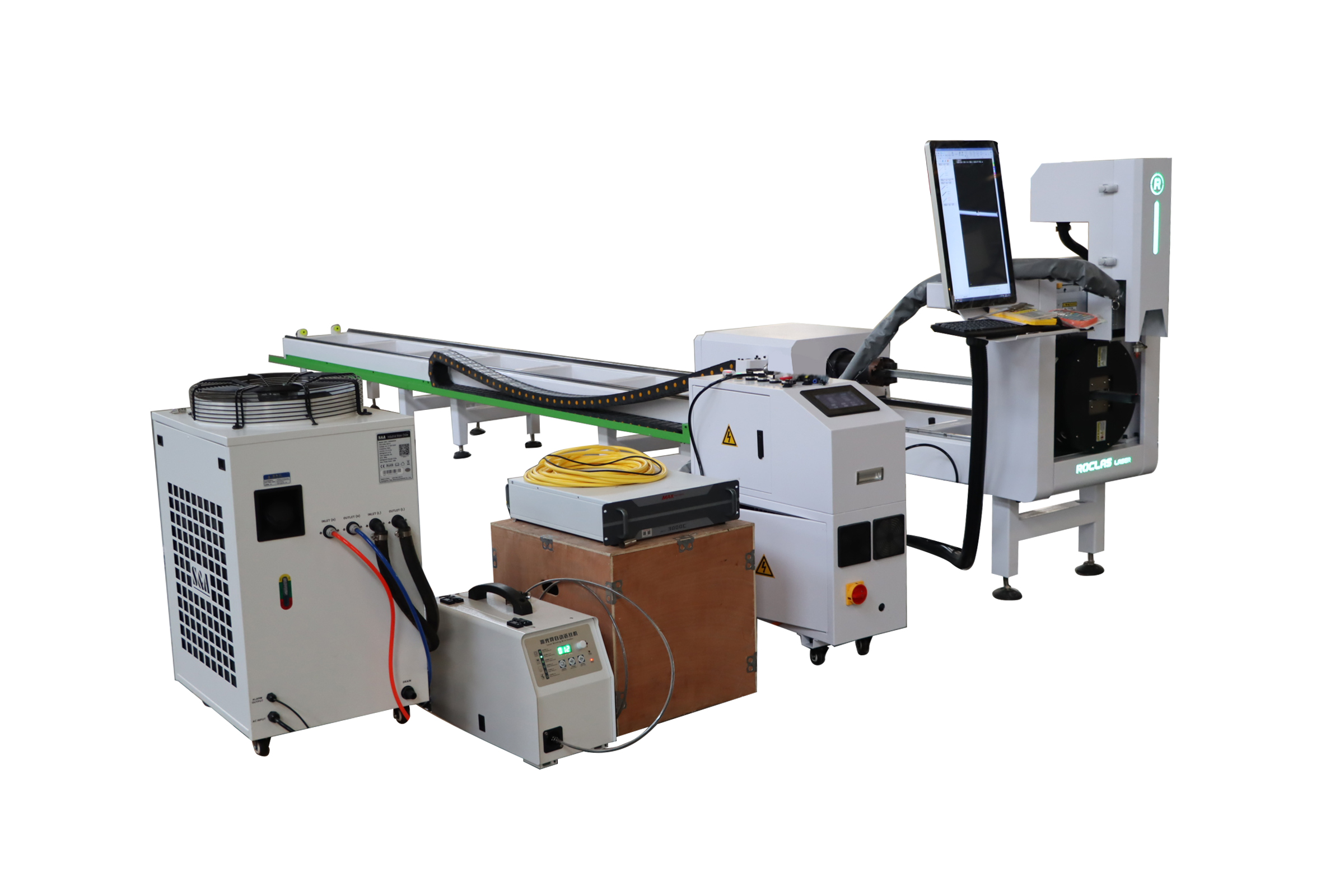
The more consequential product decision concerns material flow. ROCLAS offers a steel coil uncoiler that pairs fiber cutting with automatic coil feeding, replacing cut-to-length press lines in high-volume sheet work. The economic argument is straightforward: coil-fed laser cutting reduces power consumption relative to press-based lines and shortens the changeover between part geometries, since the "tool" is a nesting file rather than a die. For shops in appliance, furniture frame, or structural component work, this is often a larger cost lever than raw cutting speed.
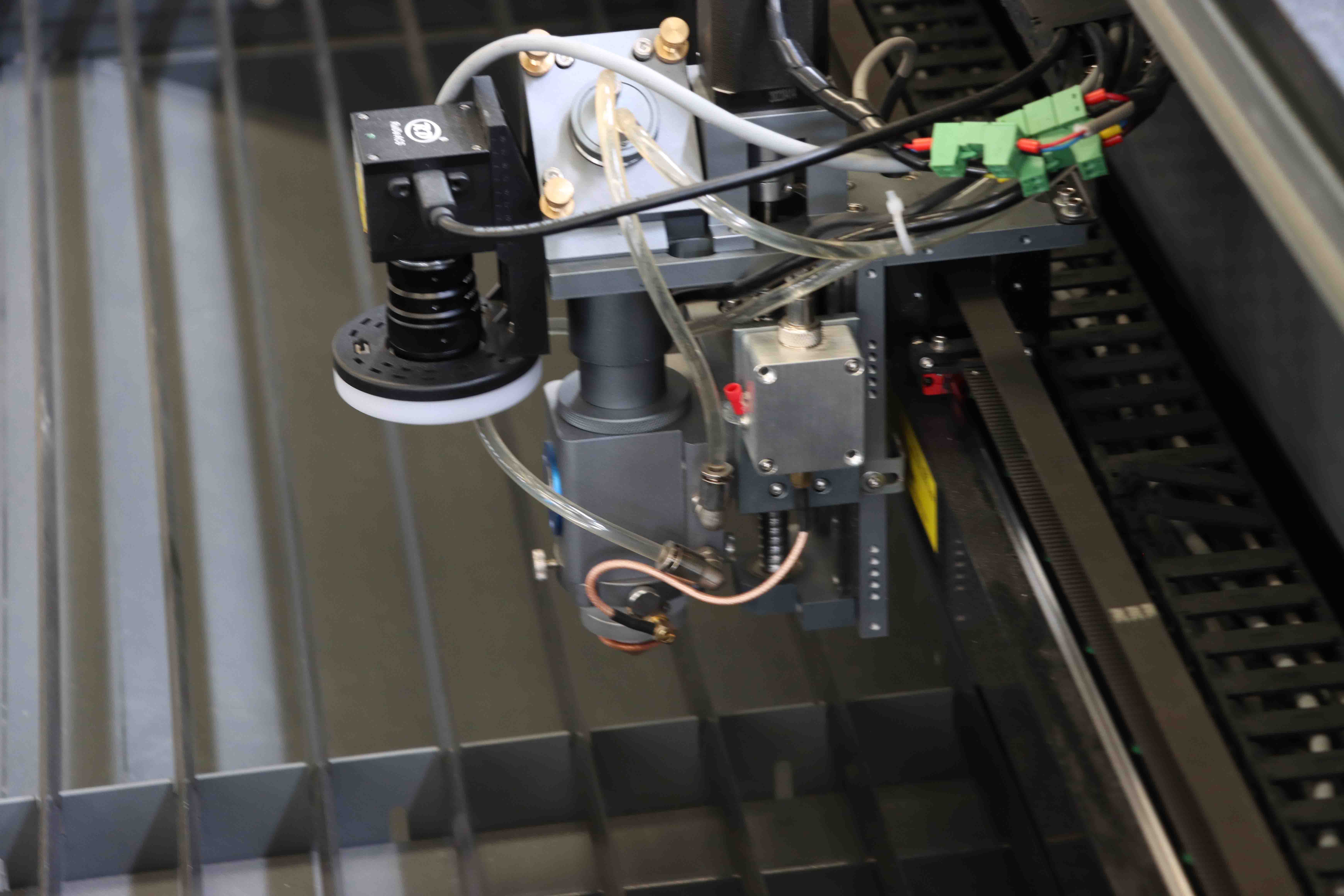
Two further details deserve mention because they recur in real procurement decisions. The high-reflectivity suppression module allows stable processing of 1–2 mm copper and 2–3 mm aluminum, materials that older fiber installations handled poorly. And the machine bed can be supplied in a modular, screw-connected configuration that preserves the manufacturing quality of the single-piece welded design while permitting disassembly for transport — a practical answer to the problem of moving a 4×2 m machine into a building with a standard freight door.
III. Conclusion and Outlook
The direction of travel is clear enough. Power increases will continue, but the marginal returns are shifting toward material handling, nesting software, and machine-level integration — coil feeding, tube and sheet on one platform, and five-axis heads for formed and hydroformed parts. Automation of the load/unload cycle, rather than the cut itself, is where the next round of labor productivity will come from.
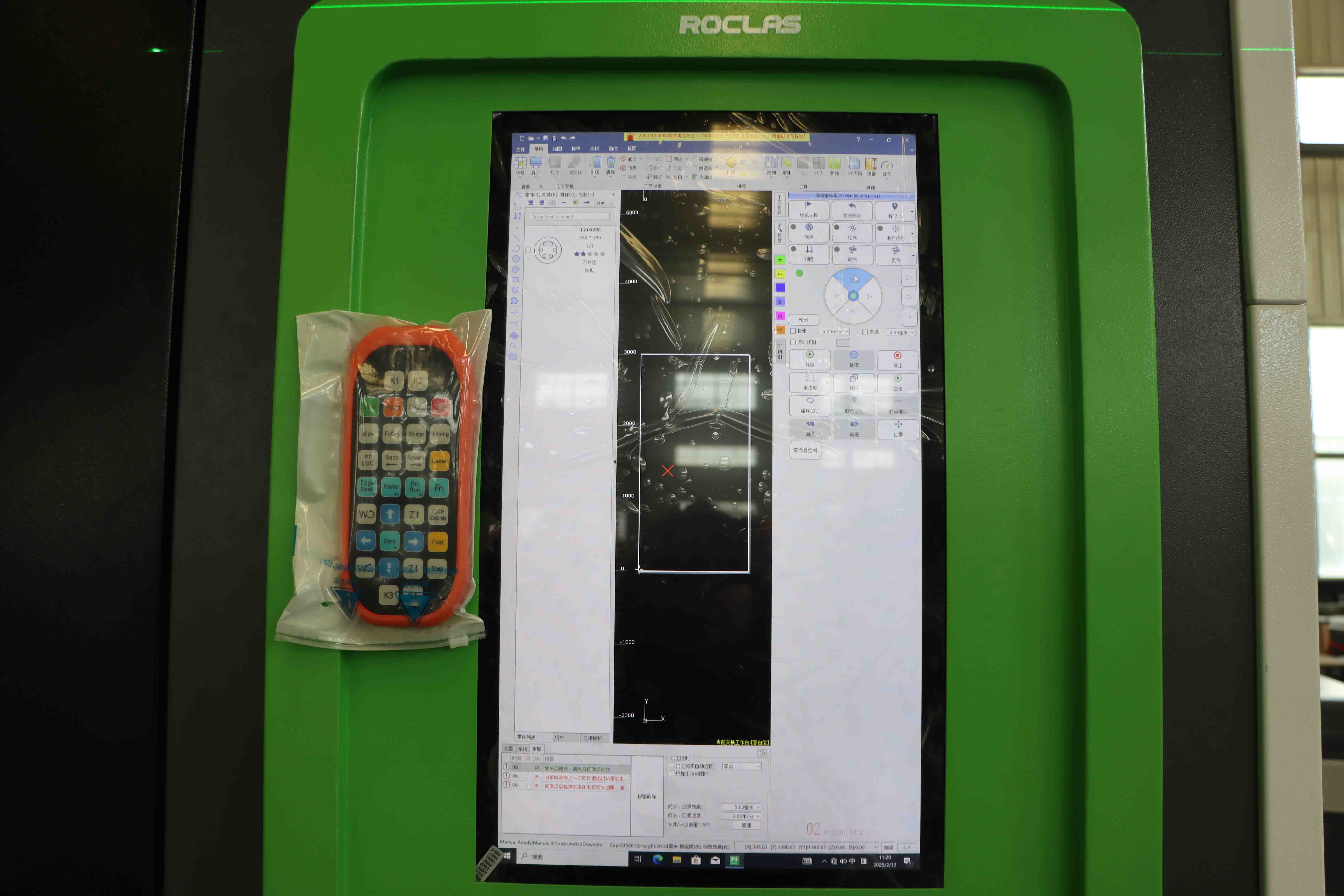
For buyers, the practical guidance is to specify against the process, not the brochure. Ask for accuracy verification across the full bed after thermal soak. Ask how the frame was machined and how rail geometry is maintained over time. Ask whether the control system's nesting engine is the same one used at the builder's application lab. Suppliers with genuine in-house structural machining, a coherent control stack, and a product range that spans sheet, tube, and hybrid non-metal work — ROCLAS among them — are better positioned to answer those questions than assemblers who buy frames and bolt on sources. The machines that survive the next decade of price pressure will be the ones whose structure was designed for the power they carry, not adapted to it.