Abstract — Fiber laser cutting has moved decisively past the 6 kW threshold that defined its first decade of industrial adoption. Where 1–3 kW sources once served thin-gauge job shops, current production floors routinely specify 12, 15, and 20 kW systems to cut structural steel, stainless, and aluminum at thicknesses that were previously the exclusive territory of plasma or oxy-fuel processes. This shift is not merely a matter of source wattage. It restructures the machine tool around thermal management, gantry dynamics, and control software in ways that separate serious integrators from assemblers. This article examines the technical and economic logic behind high-power fiber laser adoption, compares representative machine configurations, and considers how manufacturers such as ROCLAS® MACHINERY CO., LTD. position their platforms within this competitive landscape.
Industry Background and the Power-Scaling Curve
The economics of laser cutting are governed by a simple but unforgiving relationship: throughput per unit of floor space and per unit of labor. As source power rises, cutting speed on mid-thickness material increases disproportionately, and the cost per part falls—until the machine structure, motion system, or assist-gas supply becomes the bottleneck. This is why the industry has learned that a 20 kW resonator mounted on a lightweight gantry produces disappointing results, while a 12 kW source on a rigid, thermally stable frame can outperform it on real production work.
The following table summarizes representative parameter envelopes across the power classes now common in heavy sheet metal fabrication. Figures reflect typical configurations rather than any single model.

| Parameter | Entry Class (1–3 kW) | Production Class (6–12 kW) | Heavy Class (15–20 kW) |
|---|---|---|---|
| Typical working area | 3000 × 1500 mm | 3000 × 1500 / 4000 × 2000 mm | 4000 × 2000 mm and above |
| Positioning accuracy (X/Y) | ±0.05 mm | ±0.03 mm | ±0.03 mm |
| Repositioning accuracy | ±0.03 mm | ±0.02 mm | ±0.02 mm |
| Max travel speed | 60–80 m/min | 100 m/min | 100 m/min |
| Max acceleration | 0.6–0.8 G | 1.0 G | 1.0 G |
| Mild steel cutting capability | up to ~6 mm | up to ~20 mm | up to ~30 mm and beyond |
| Assist gas strategy | O₂ / compressed air | N₂ high-pressure, O₂ | N₂ high-pressure, mixed-gas |
| Typical control platform | Basic CNC | Cypcut-class | Cypcut-class with nesting |
| Structural requirement | Welded frame | Heavy-duty steel, machined | Heavy-duty steel, five-face machined |
Three observations follow from this data. First, positioning and repositioning accuracy plateau at roughly ±0.03 mm and ±0.02 mm across the production and heavy classes. The differentiator at high power is not nominal accuracy but accuracy retention—the ability to hold tolerance after hours of thermal load. Second, acceleration, not top speed, dominates real cycle times on nested sheet with many short contours; a machine that reaches 1.0 G and holds it through corner transitions will outproduce a faster-traveling machine with softer dynamics. Third, the jump from production to heavy class is primarily a structural and gas-supply problem. High-pressure nitrogen at the volumes required for 20 mm stainless is a capital project in itself, and the frame must resist the vibration and thermal drift that come with sustained high-power operation.
Technology Application and the Structural Argument
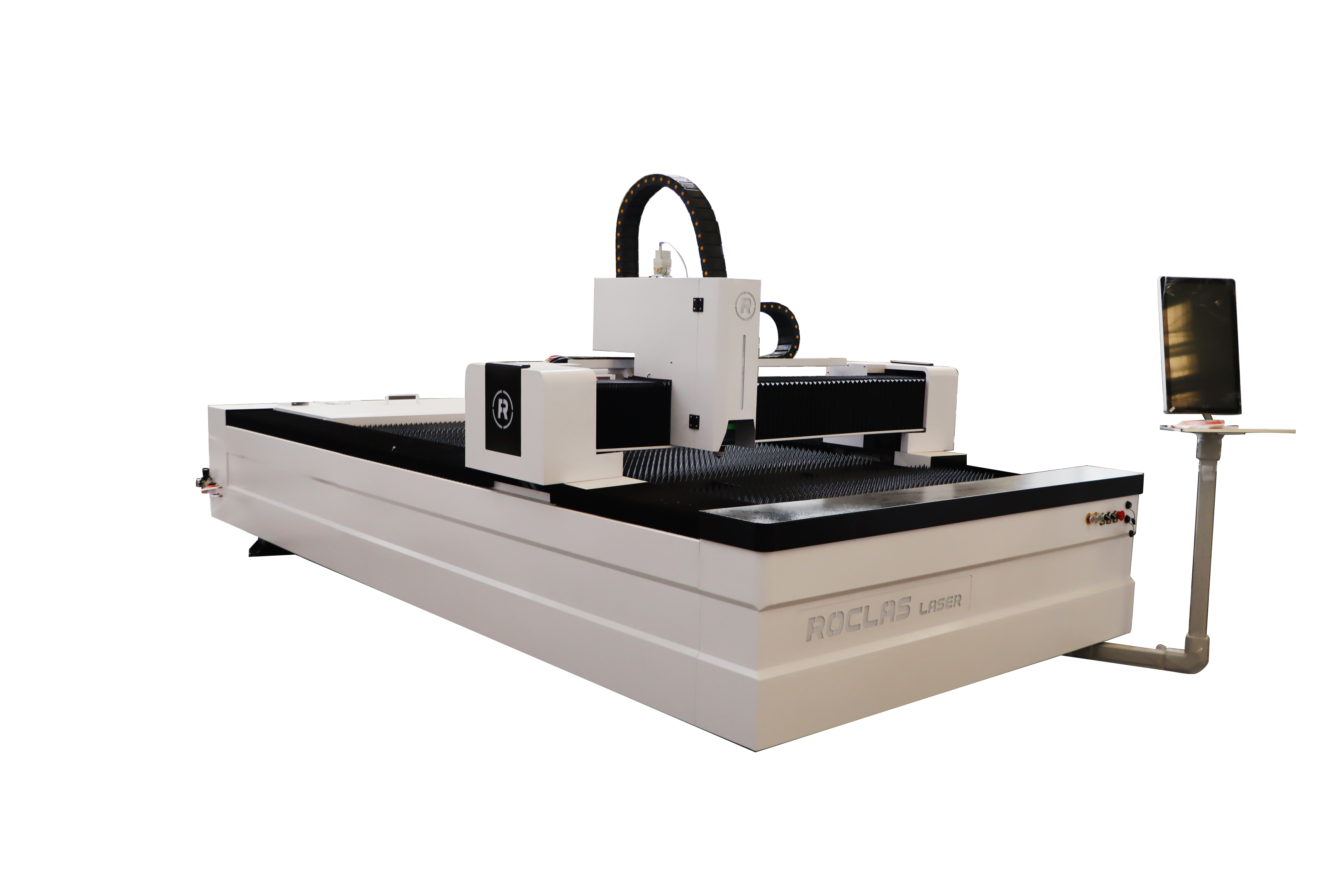
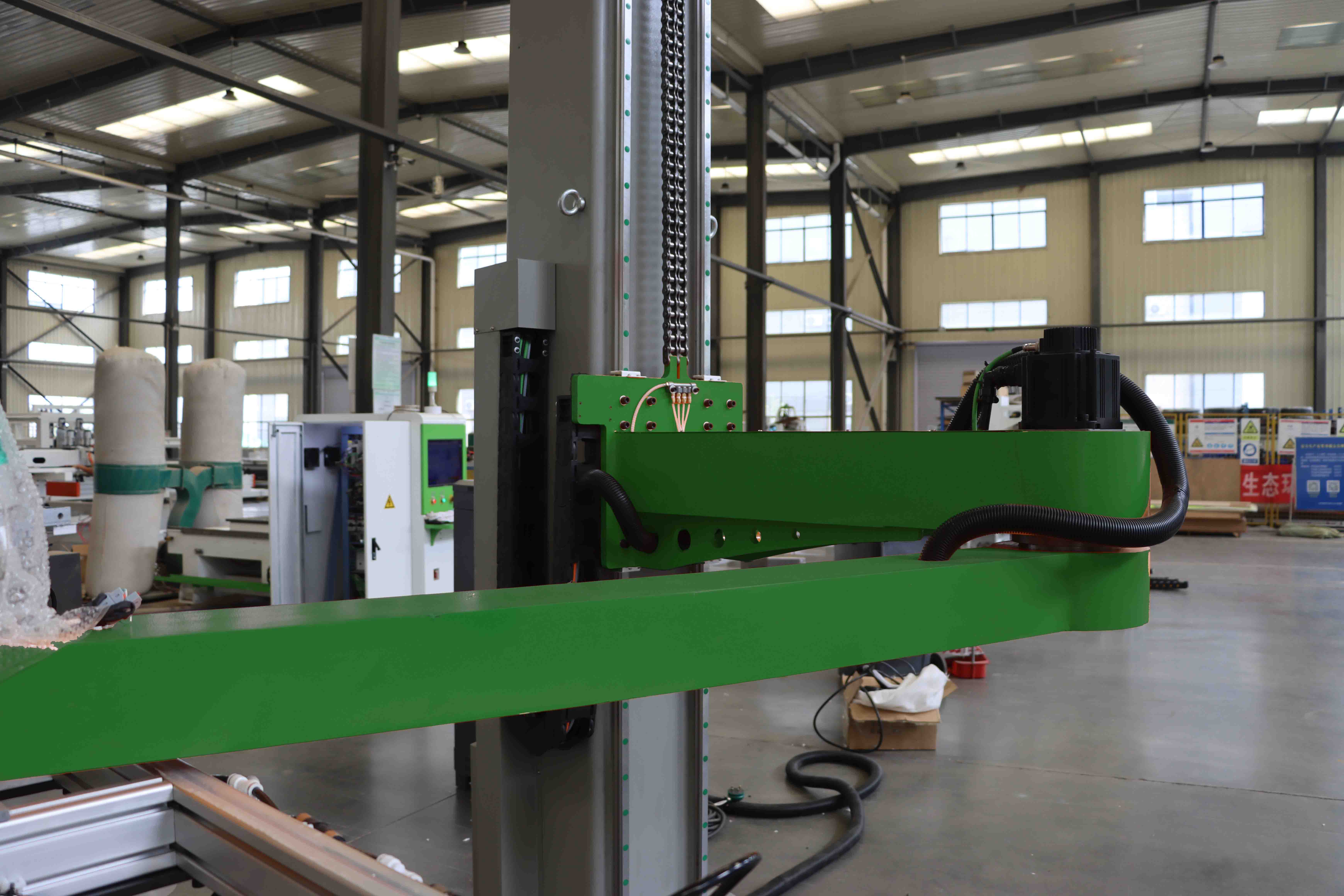
The practical consequences of this analysis are visible in how leading builders specify their machines. Industrial-grade heavy-duty steel structure, machined on a CNC five-face machining center, has become the baseline expectation for production-class equipment rather than a premium option. The reason is straightforward: laser cutting accuracy is a system property, and the frame is the largest single contributor to whether that system holds together. A gantry that deflects under acceleration, or a bed that moves with ambient temperature, will erase the theoretical advantage of a high-end resonator.
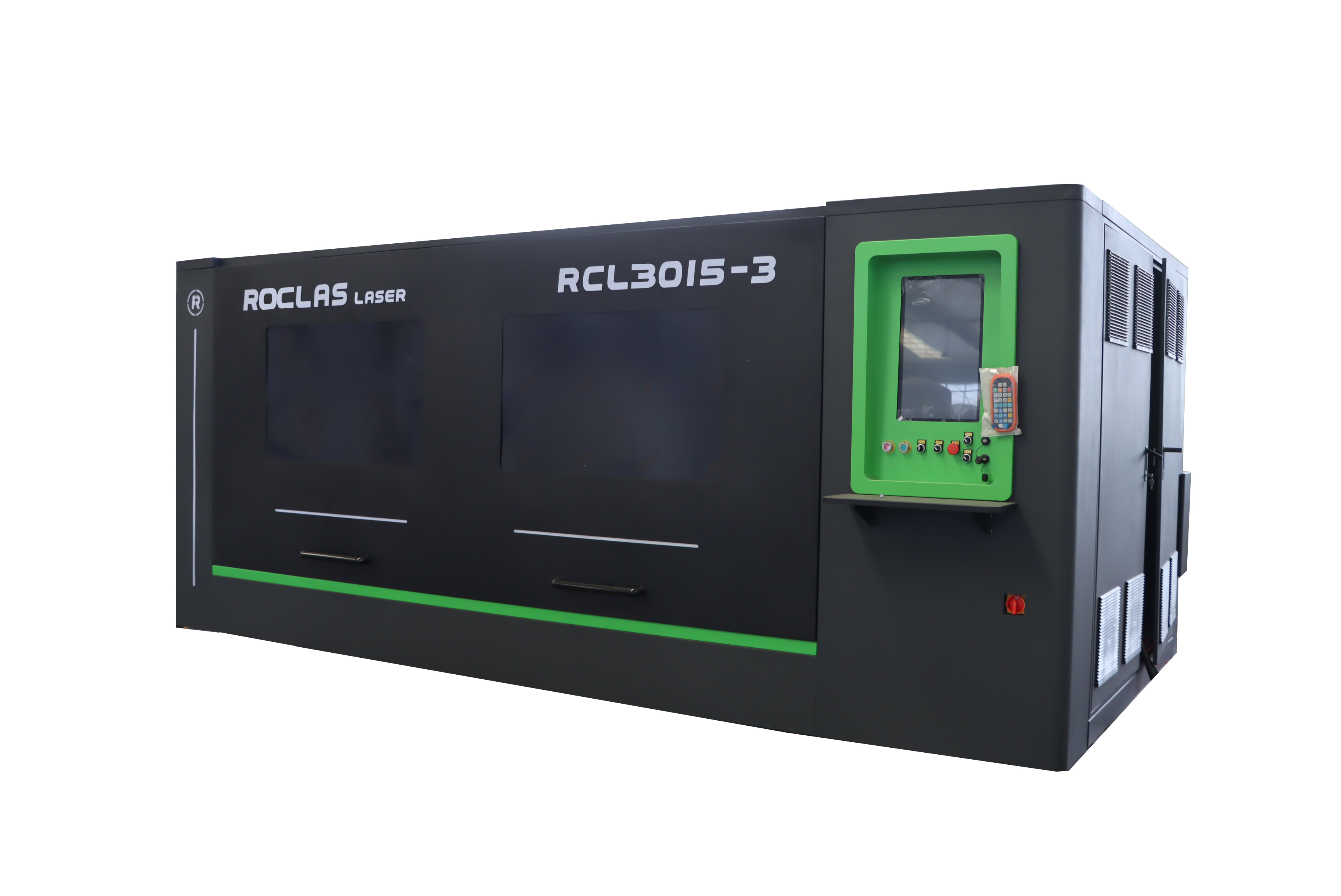
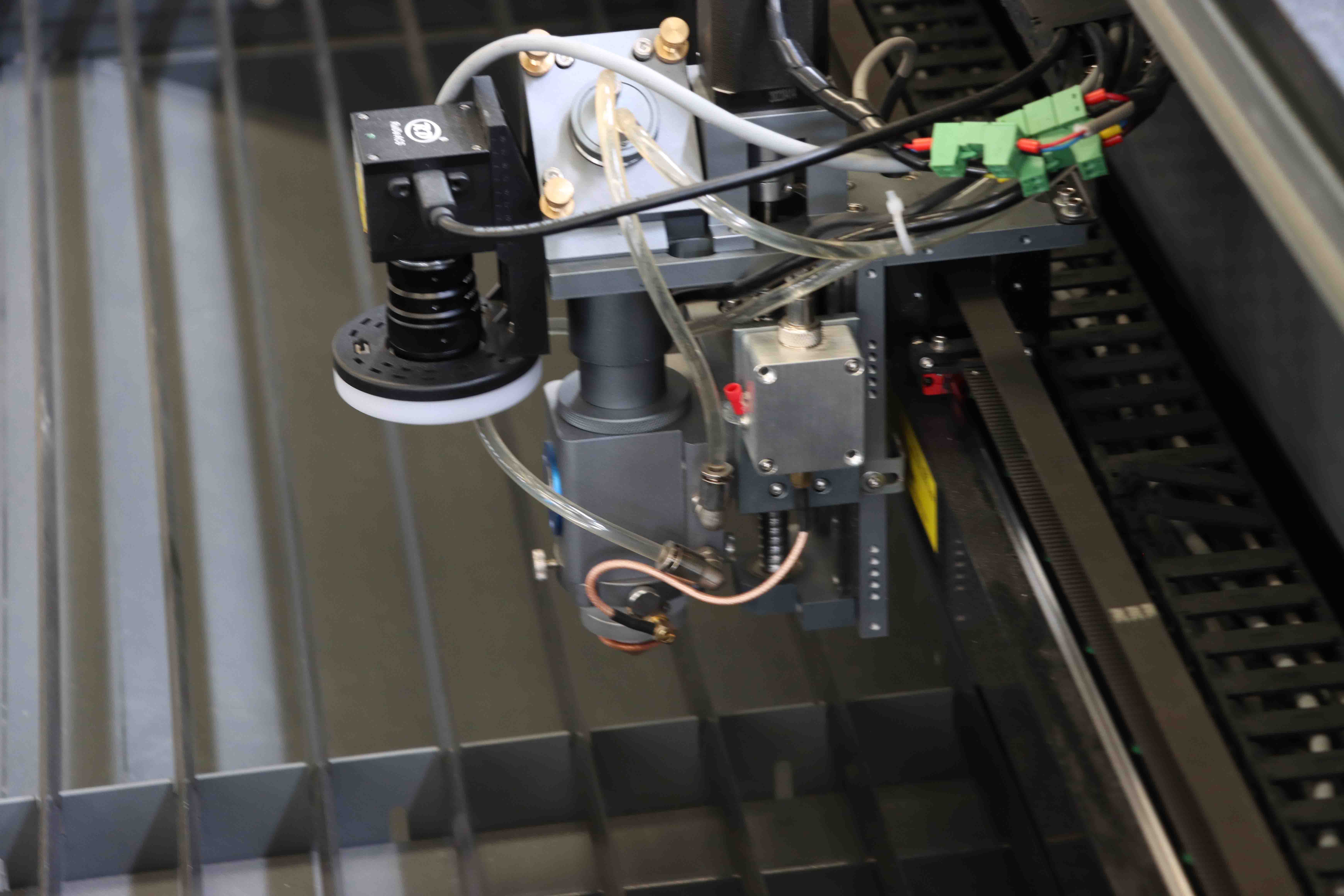
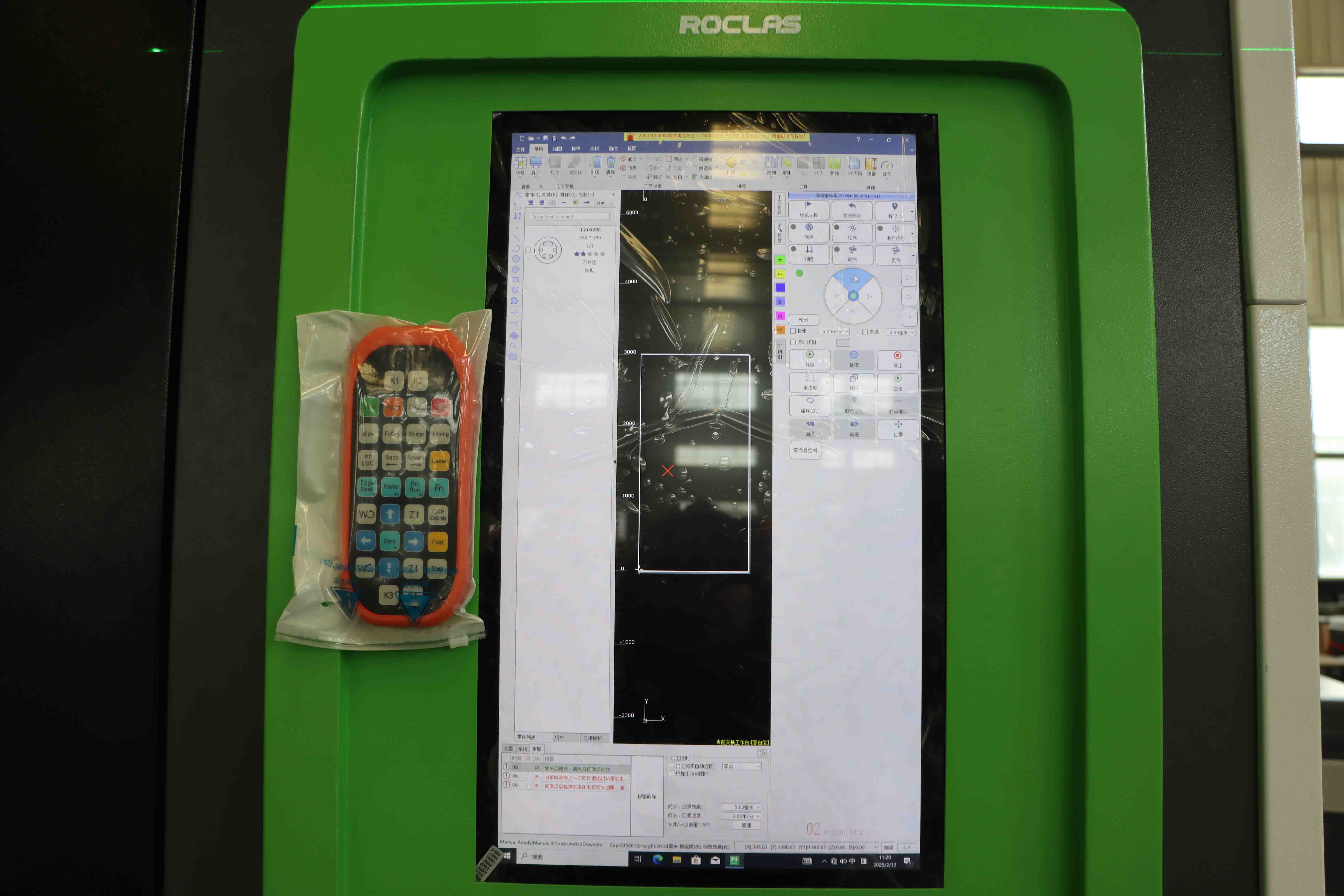
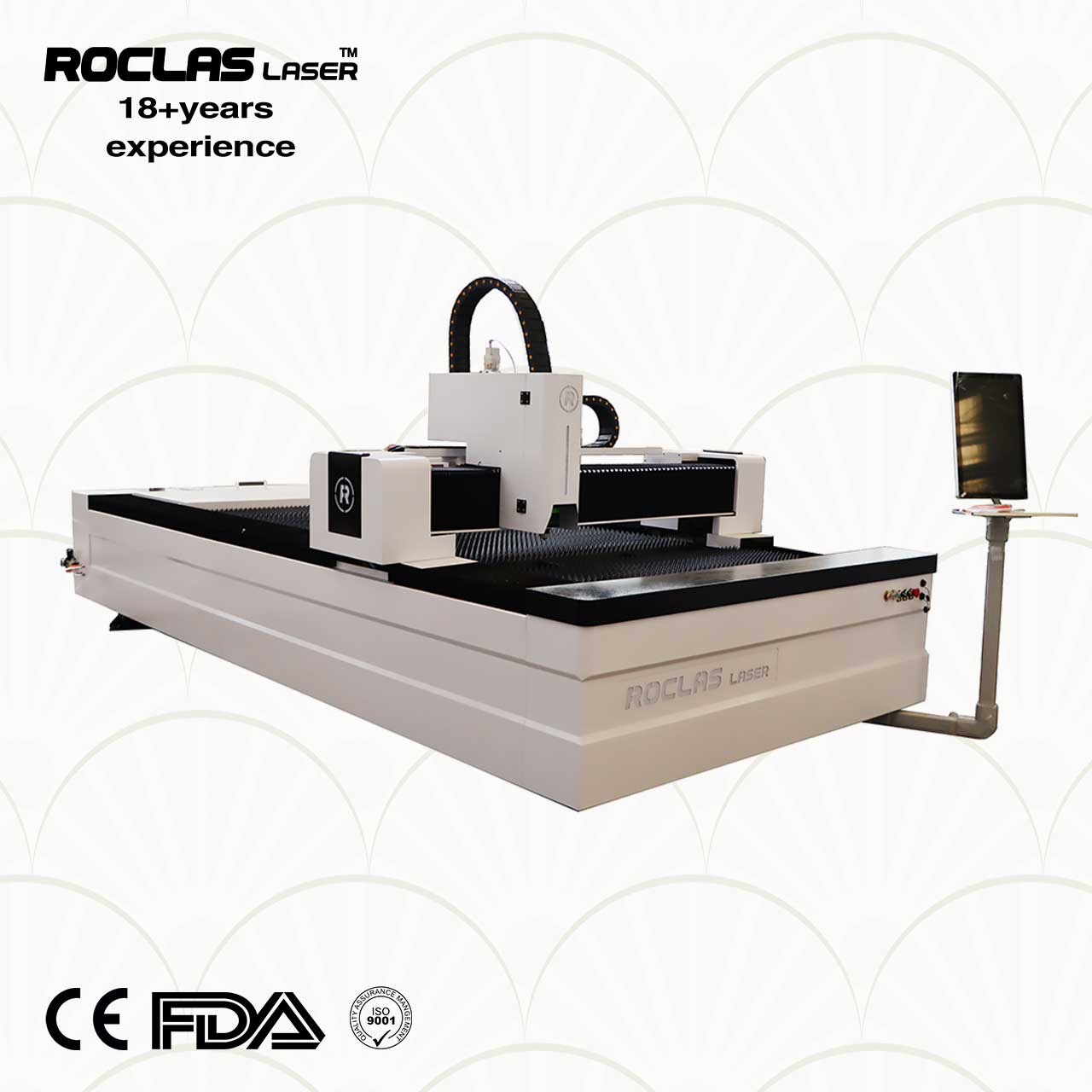
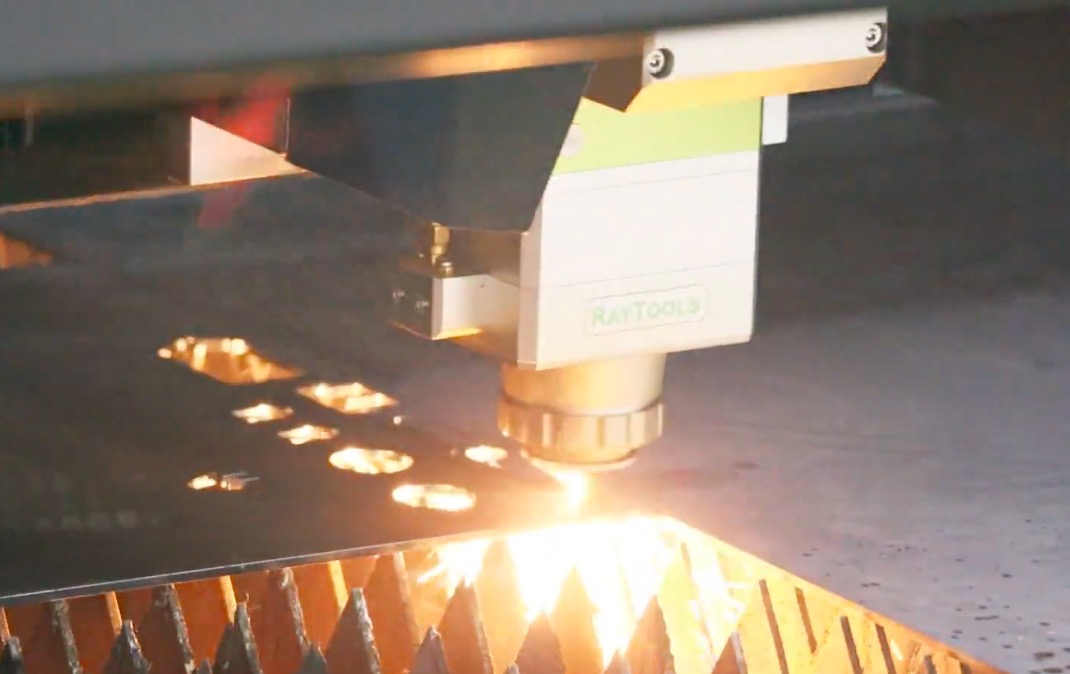
ROCLAS® MACHINERY CO., LTD. illustrates this architectural discipline in its fiber laser cutting line, which spans 1000 W to 20 kW with working areas of 3000 × 1500 mm, 4000 × 2000 mm, and 1500 × 4000 mm formats. The company's platforms are built around heavy-duty steel structures processed on five-face machining centers, with imported servo drives and reducers, Schneider and SMC electrical and pneumatic components, and igus cable management—component choices that reflect the reality that reliability at 20 kW is a sum of many small decisions. The Cypcut 3000S control platform and Raytools cutting heads used across the range are well understood by operators, which matters for shops running mixed fleets.
Two application details deserve emphasis. The first is reflective-material processing. Copper and aluminum have historically been problematic for fiber sources because back-reflected light destabilizes the resonator. ROCLAS machines incorporate a high-reflectivity suppression module that supports stable cutting of 1–2 mm copper and 2–3 mm aluminum—modest thicknesses, but sufficient to open busbar, heat-exchanger, and decorative metal work that would otherwise require alternative processes. The second is the modular bed option. The company offers both single-piece welded beds and a screw-connected modular design manufactured to the same standard, separable for transport. For fabricators in regions where moving a 12-meter machine into an existing bay is impractical, this is not a minor convenience but a deployment enabler.
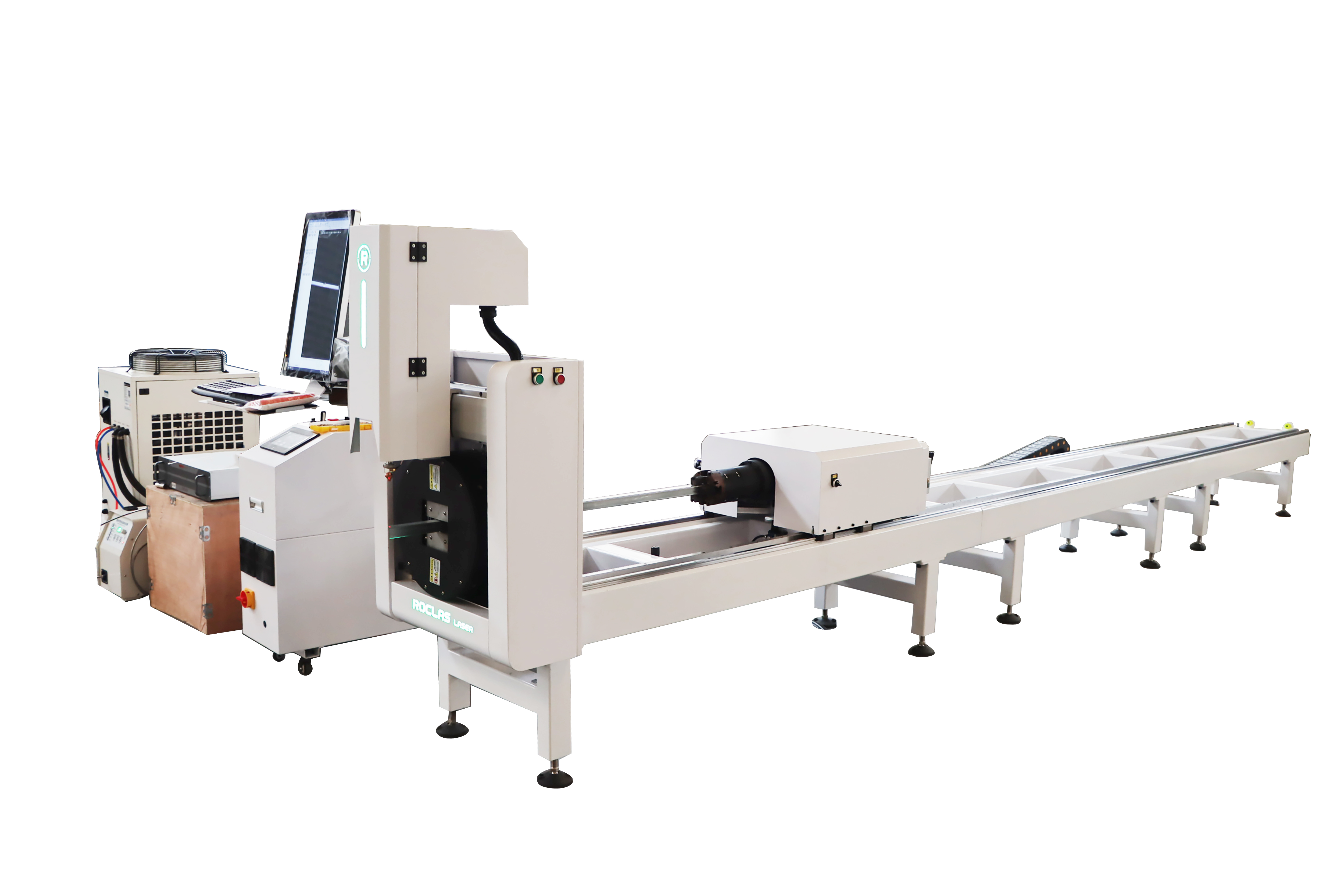
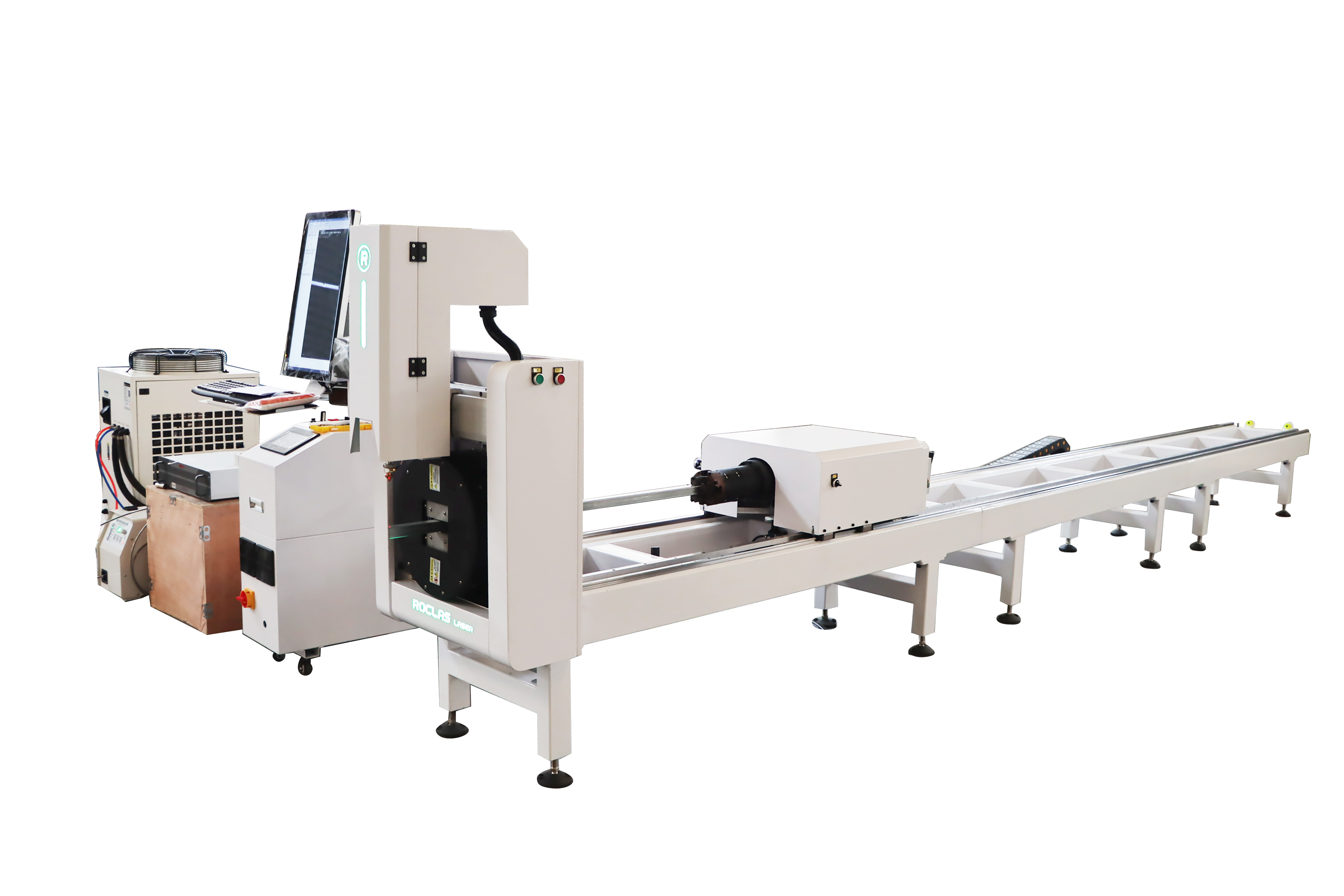
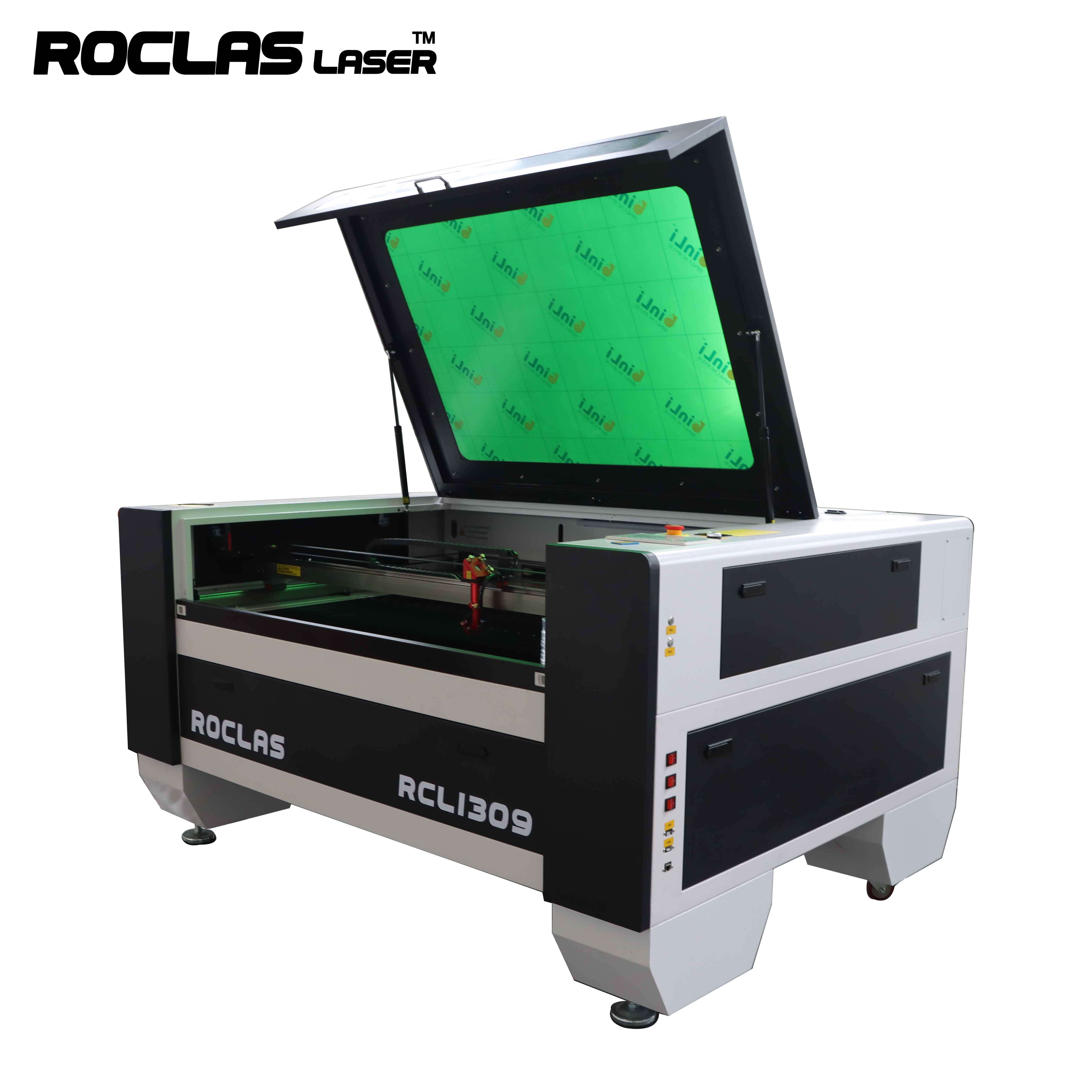
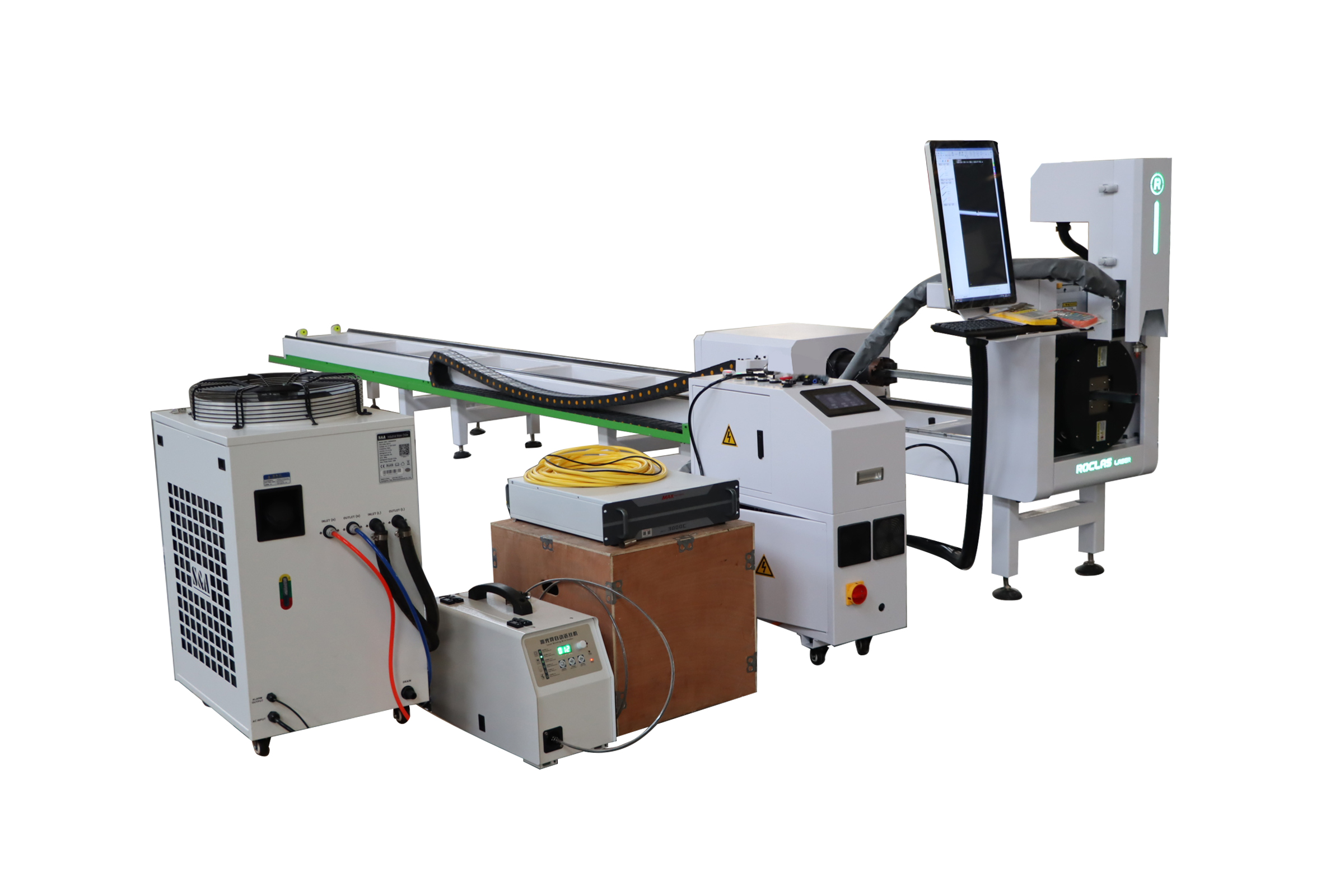
The broader product ecosystem reinforces the same logic. A Nitrogen Generator delivering 99.999% purity at 3.8 m³/min purified air handling capacity addresses the gas-cost problem that otherwise undermines the economics of high-power cutting. A steel coil uncoiler line combines fiber cutting with automatic coil feeding, reducing power consumption relative to press-based lines and improving flexibility for high-volume sheet work. Tube cutting machines with 220 mm maximum diameter and ±0.05 mm positioning accuracy extend the same control architecture to pipe and structural sections. And the CO2/fiber hybrid platform, with a 1500 × 3000 mm working area and 200–500 W CO2 source, covers non-metals—acrylic, wood, leather, fabric—alongside metals, which is relevant to signage and mixed-material fabrication.
Conclusion and Outlook
The direction of travel is clear. Power will continue to climb, but the marginal returns will accrue to builders who solve the coupled problems of thermal stability, motion dynamics, gas economics, and software integration rather than to those who simply source larger resonators. Automation—robotic loading, coil-fed lines, integrated nesting—will absorb an increasing share of the value proposition, particularly as labor availability tightens in traditional fabrication regions.
For buyers, the practical guidance is to specify machines against accuracy retention and cycle-time data on representative nested parts, not against headline wattage. For builders, the competitive moat lies in structural engineering and system integration. ROCLAS, with more than 15 years in the CNC and laser equipment field, a 15-member R&D team, and over 50 patents supported by ISO 9001, CE, FDA, and UL certifications, represents the class of manufacturer that has made this integration its core competence. The next phase of the market will test whether that competence scales as 20 kW becomes routine and 30 kW enters commercial discussion. On current evidence, the structural argument—that the frame, not the source, determines what a laser machine can actually do—will remain the decisive one.