Abstract — Fiber laser cutting has moved from a specialty process to the default choice in metal fabrication within roughly a decade, displacing CO2 platforms in most sheet metal shops and steadily eroding plasma's hold on mid-thickness work. The shift is not simply a matter of source efficiency. It reflects a broader restructuring of machine architecture, control software, and production economics that has lowered the barrier to automated cutting while raising expectations around accuracy and uptime. This article reviews the market and technical trajectory of fiber laser cutting, examines the parameter envelope that defines contemporary industrial machines, and considers how integrated suppliers such as ROCLAS® MACHINERY CO., LTD. position themselves within that envelope.
Industry Background and Market Data
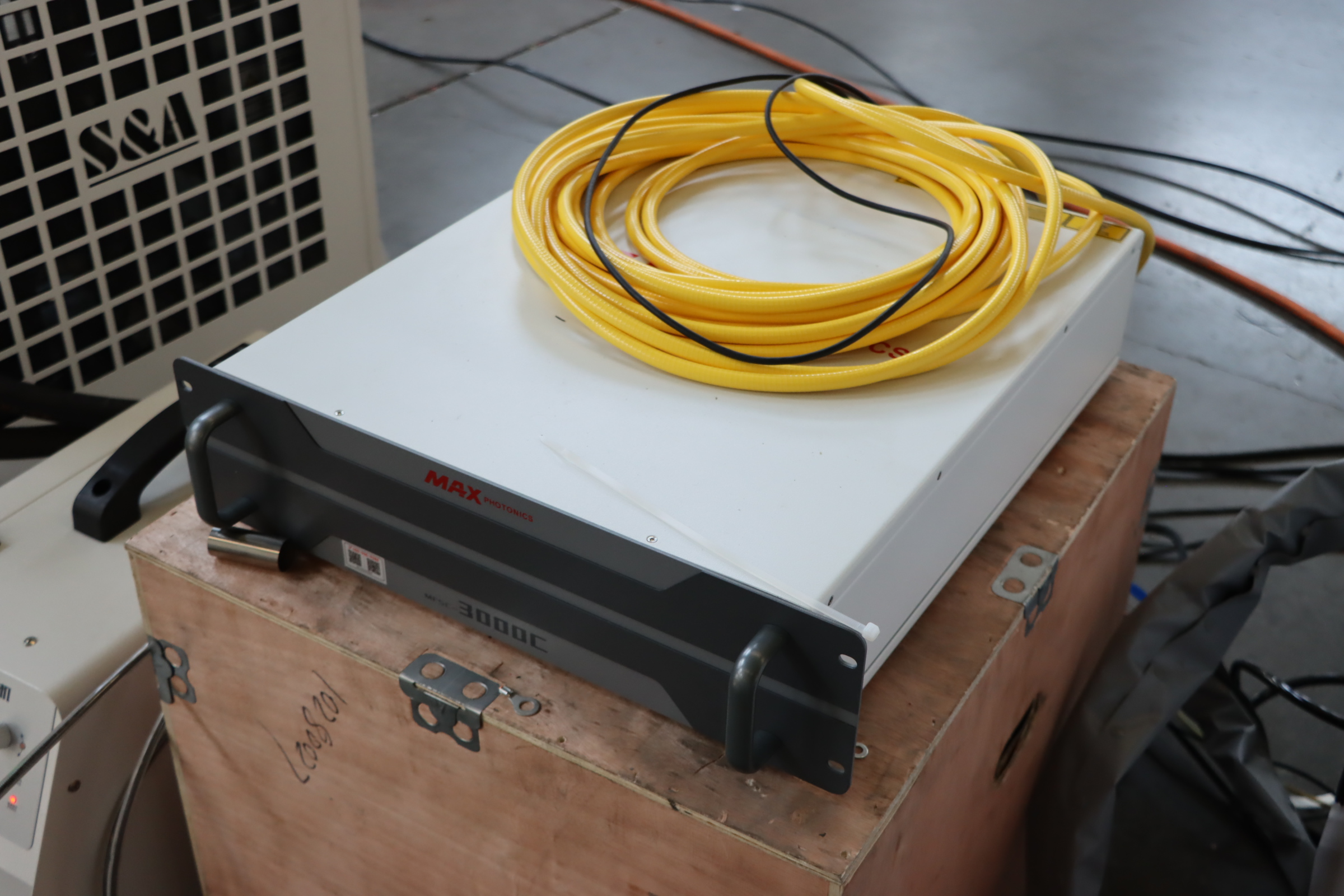
The economics of laser cutting are dominated by three variables: source power, beam quality, and the cost of ownership over a machine's service life. Fiber sources improved on all three relative to CO2 in ways that compounded. Wall-plug efficiency rose from roughly 10 percent for CO2 resonators to 30 percent and above for fiber, while the delivery fiber allowed the resonator to be decoupled from the gantry — eliminating the mirror path that had always been the CO2 machine's most delicate maintenance burden. The practical consequence was that a shop could install a 3 kW fiber machine on a standard 380V supply, run it with minimal optical upkeep, and cut thin stainless and mild steel faster than a 4 kW CO2 unit.
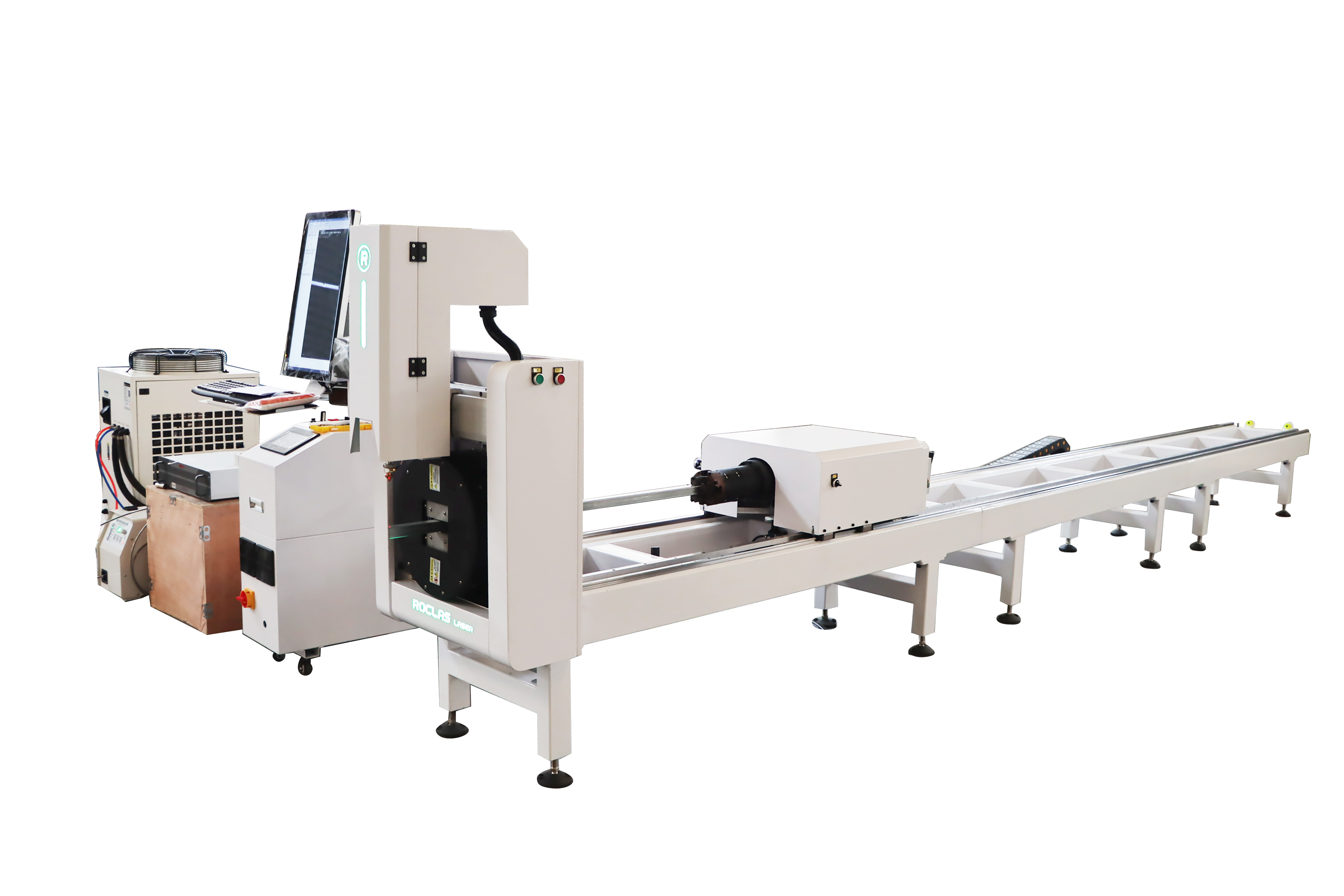
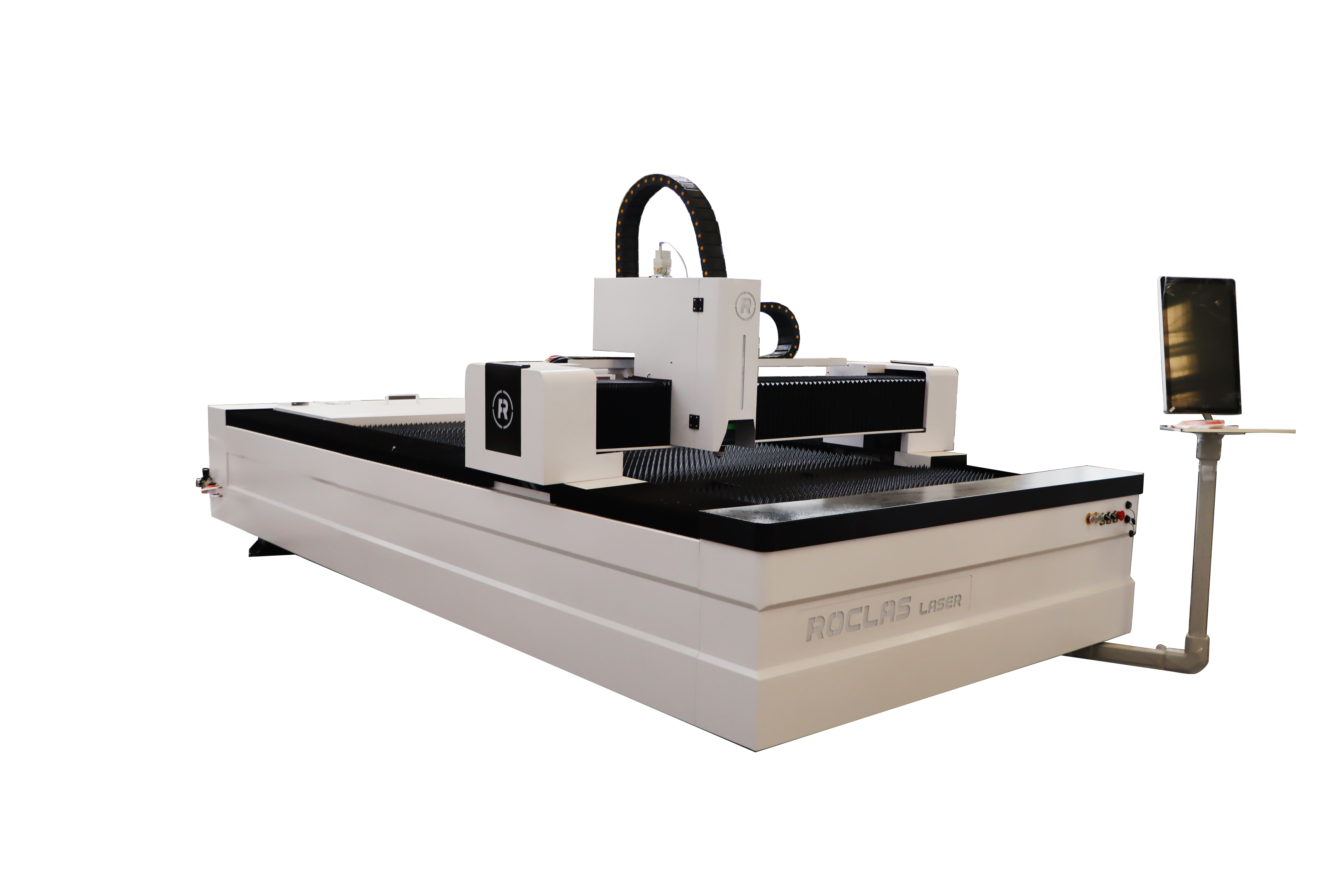
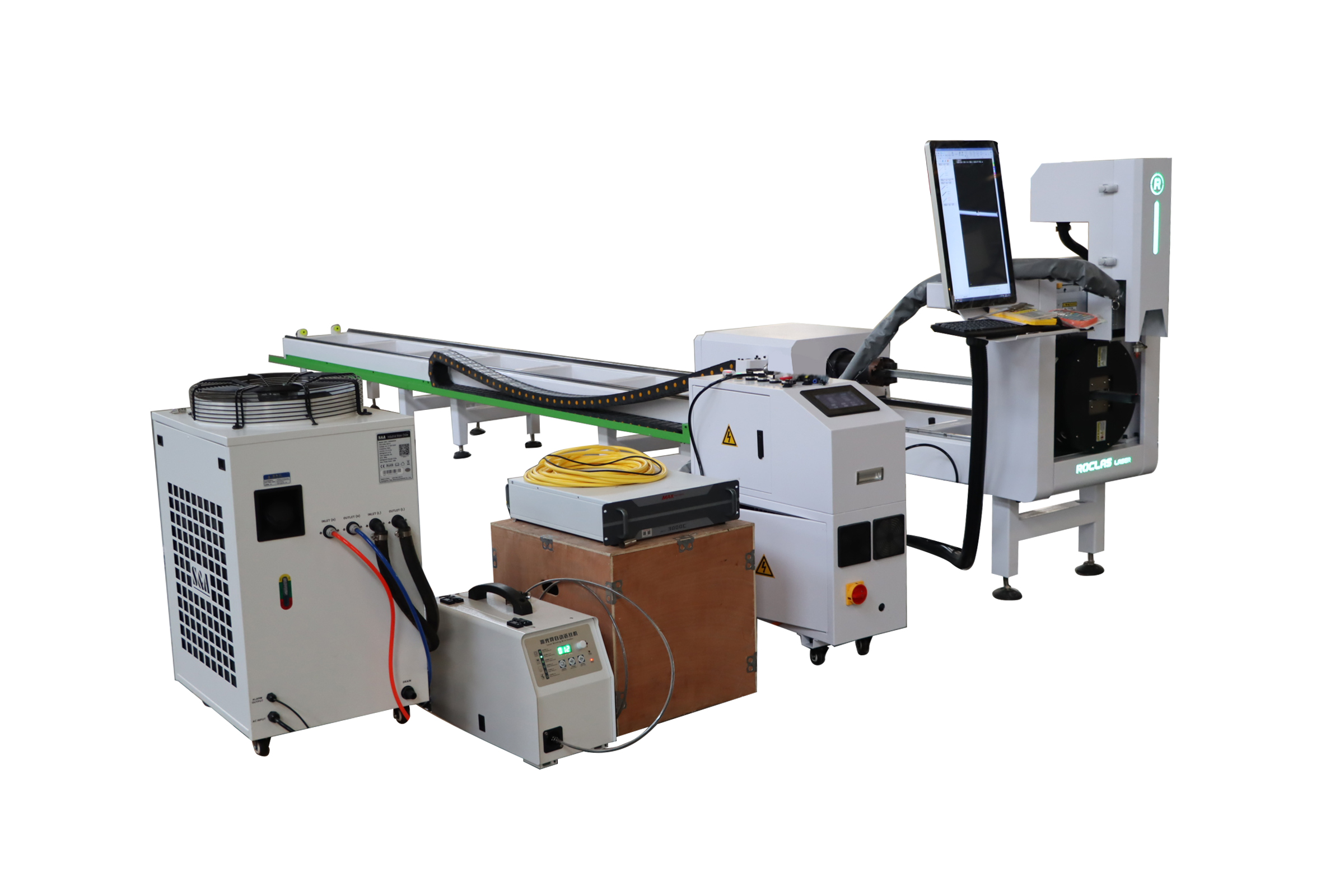
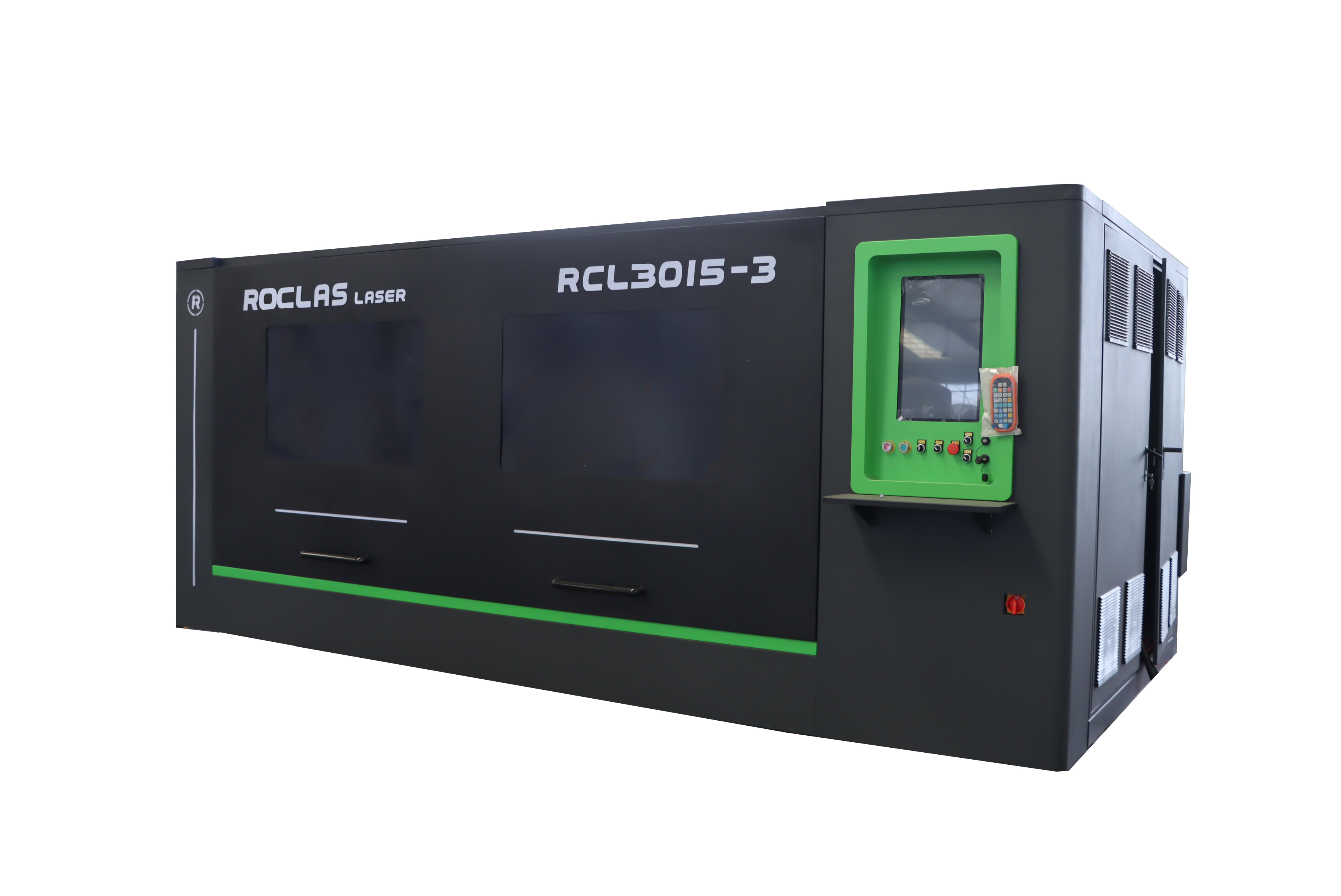
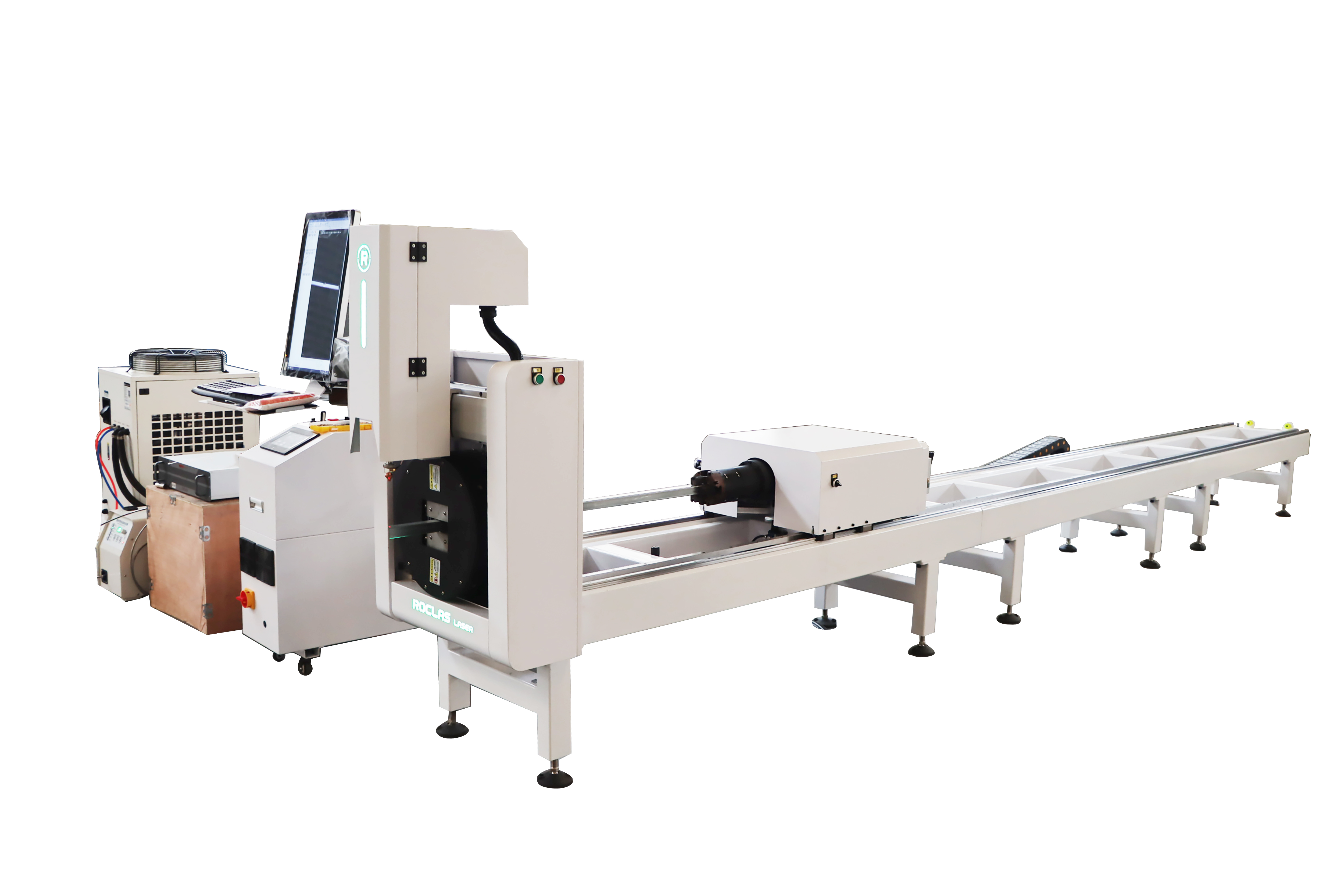
What followed was a compression of the market around a few power classes. Entry-level fabrication gravitated toward 1–3 kW, general job shops toward 6–12 kW, and heavy plate work toward 15–20 kW. The table below summarizes the typical parameter envelope for industrial fiber laser cutting platforms of the kind now produced by established Chinese manufacturers, drawing on published specifications for standard sheet and tube configurations.
| Parameter | Sheet Metal Platform | Tube Cutting Platform |

|---|---|---|
| Working area | 3000×1500 / 4000×2000 mm | 1500×4000 mm |
| Laser power range | 1000 W – 20 kW | 1000 – 3000 W |
| Positioning accuracy (X/Y) | ±0.03 mm | ±0.05 mm |
| Repositioning accuracy | ±0.02 mm | ±0.03 mm |
| Travel speed | 100 m/min | 100 m/min |
| Max acceleration | 1.0 G | 1.0 G |
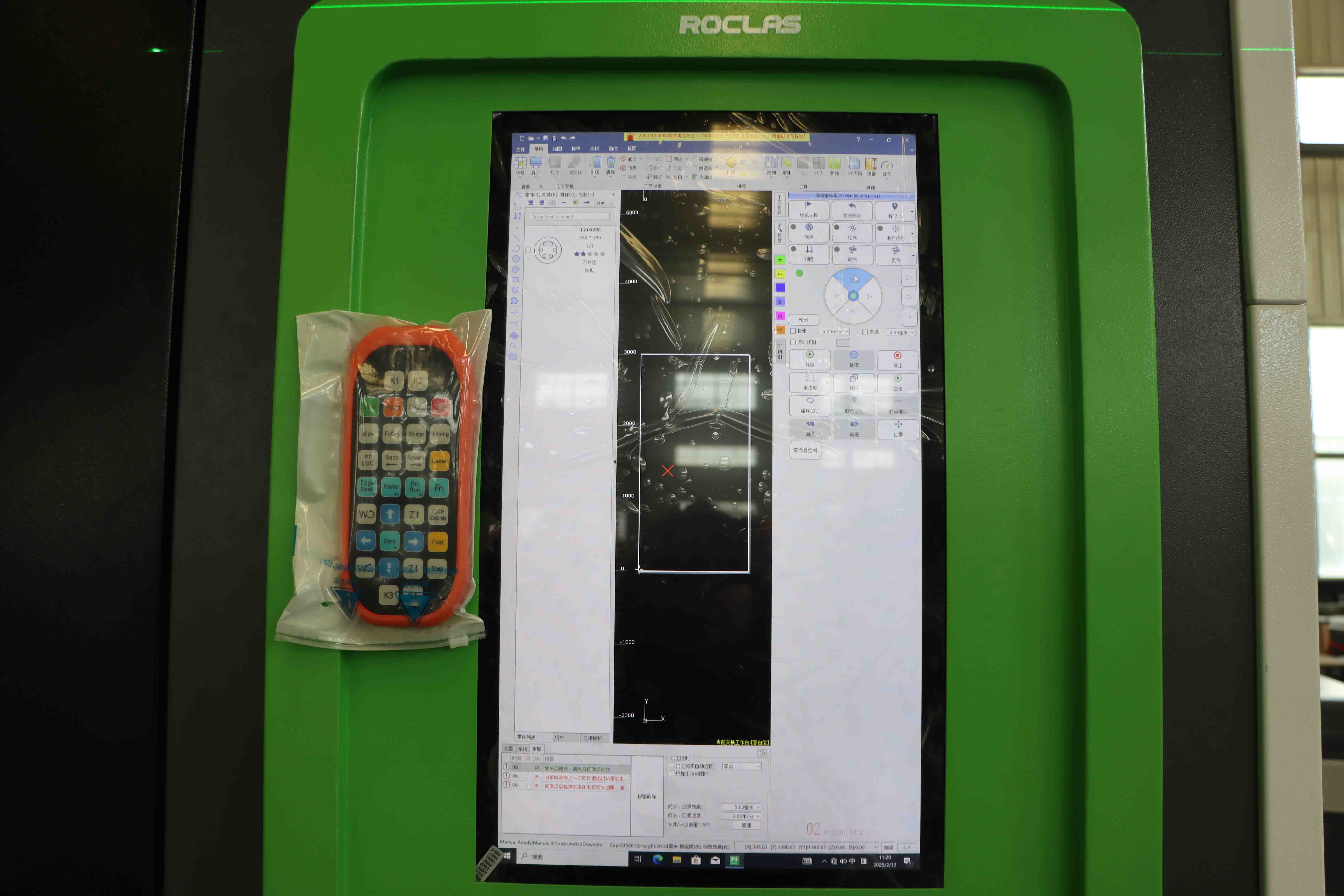
| Control system | Cypcut 3000S | Cypcut 3000S |
| Max tube diameter | — | 220 mm |
| Power supply | 380 V / 50 Hz | 380 V / 50 Hz |
Three observations follow from these figures. First, the accuracy specification has converged across the industry at ±0.03 mm positioning and ±0.02 mm repositioning for sheet machines; this is now a commodity expectation rather than a differentiator, which shifts competitive weight onto structural rigidity, thermal stability, and the quality of the five-face-machined bed. Second, travel speed of 100 m/min with 1.0 G acceleration is meaningful only when paired with a control system capable of genuine look-ahead and automatic nesting — otherwise the machine spends its speed advantage on repositioning between inefficient toolpaths. Third, the tube platform's ±0.05 mm positioning reflects the additional kinematic complexity of chuck rotation and the practical tolerance stack of tube stock itself.
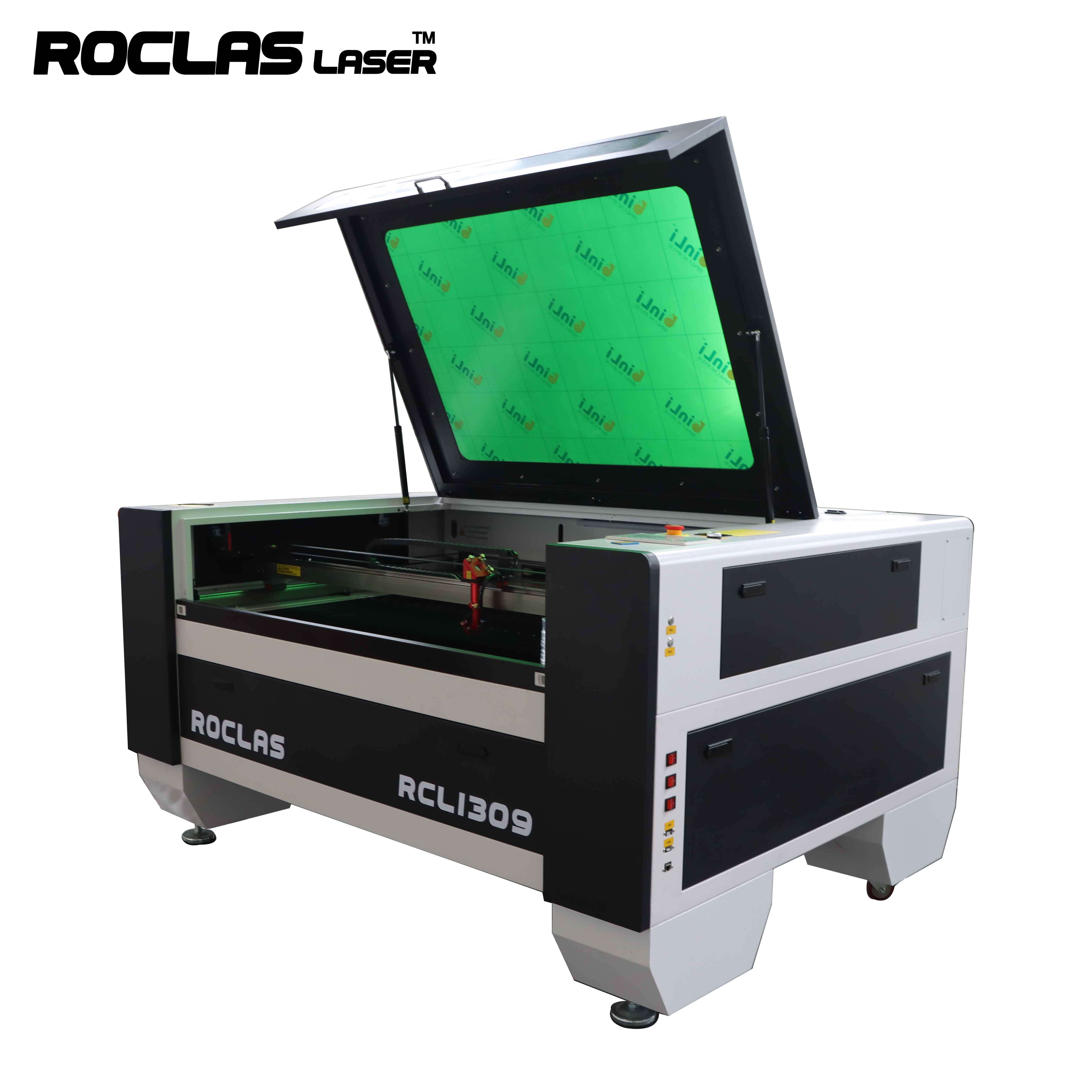
The material envelope has also widened in ways that matter commercially. Modern fiber machines with high-reflectivity suppression modules handle 1–2 mm copper and 2–3 mm aluminum without the back-reflection damage that once made these materials risky. On the non-metal side, hybrid CO2-plus-fiber configurations retain a niche for shops processing acrylic, wood, leather, and fabric alongside metal — a genuine "all-material" capability rather than a marketing claim.
Technology Application and a Manufacturer Case
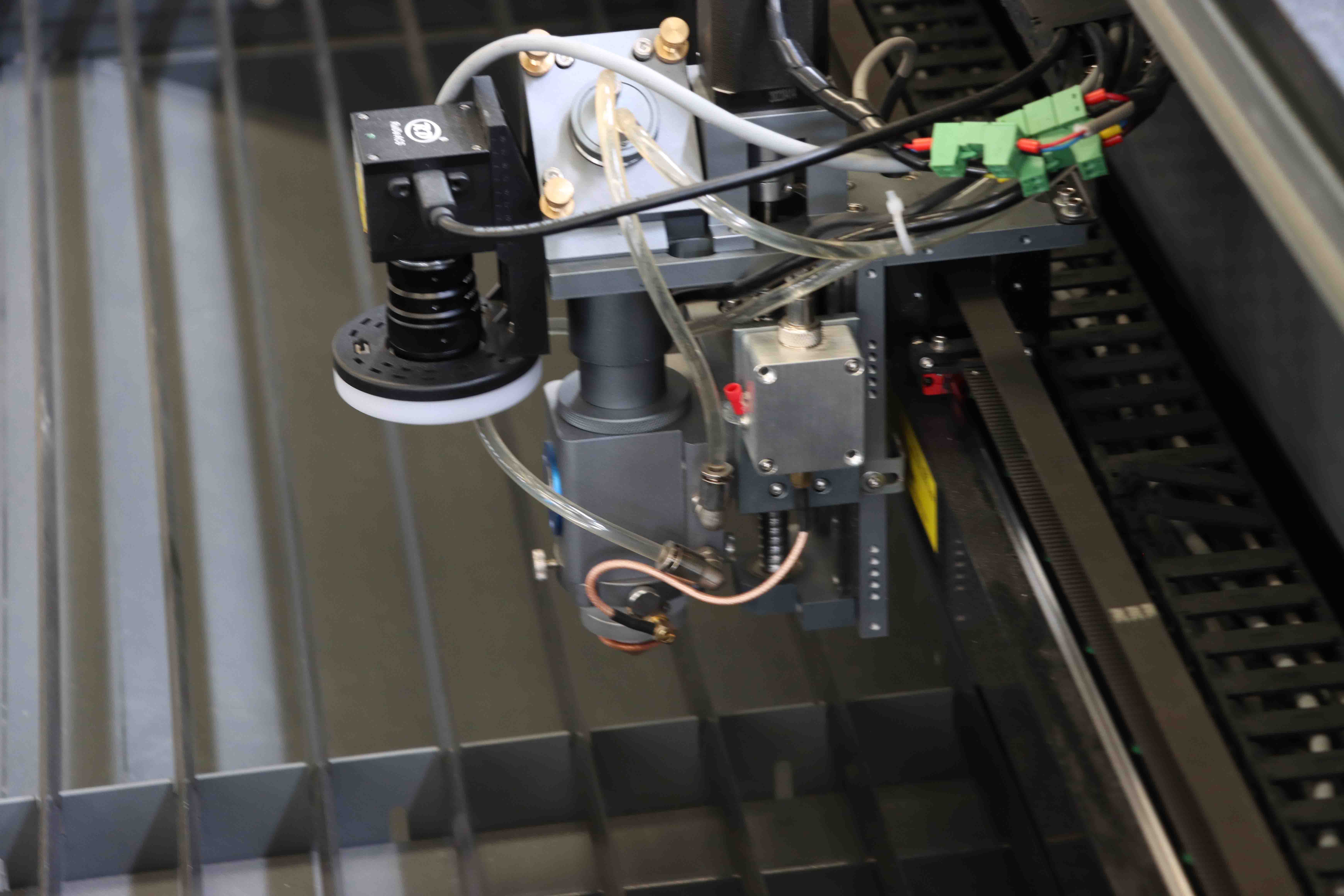
The architectural decisions that separate a reliable machine from a marginal one are rarely visible in the specification sheet. Bed construction is the clearest example. A welded single-piece bed offers high rigidity but complicates shipping and site access; a modular screw-connected bed, manufactured to the same tolerances on a CNC five-face machining center, can be separated for transport without sacrificing geometric accuracy. Both approaches are legitimate, and the choice usually tracks the customer's building constraints rather than any performance difference.
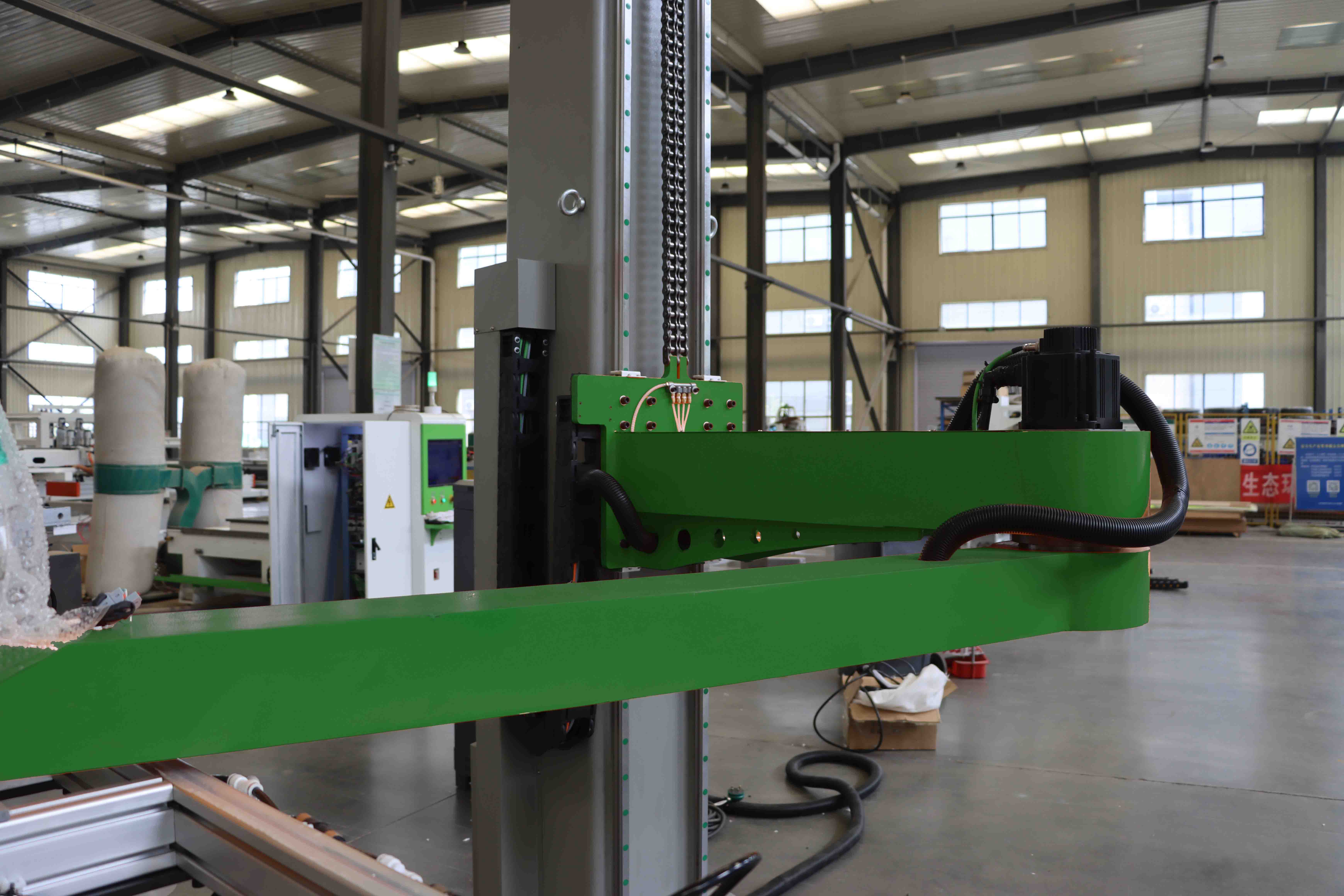
Component sourcing tells a similar story. Servo drives and reducers, cable management, pneumatic and electrical components — these determine whether a machine holds its accuracy in year five as well as year one. ROCLAS® MACHINERY CO., LTD., which has operated in the CNC and laser equipment sector for more than fifteen years and holds over fifty patents with roughly ten new filings annually, illustrates how an integrated manufacturer assembles this supply chain: imported servo drive systems and reducers, German cable management, French and Japanese electrical and pneumatic components, and Raycus or MAX laser sources across a 1 kW to 20 kW range. The company's product line spans single-platform sheet machines, tube and combined sheet-tube platforms, five-axis three-dimensional cutting centers with n×360° infinite rotation for complex workpieces, hybrid CO2-fiber machines, and the auxiliary ecosystem — nitrogen generators reaching 99.999 percent purity, coil uncoiler lines, robotic arms, and waste conveying — that turns a cutting machine into a production cell.
That breadth is itself an industry signal. The competitive frontier has moved from the resonator to the system: how well the laser, the control software, the material handling, and the gas supply are integrated determines throughput far more than raw wattage. A 12 kW source paired with poor nesting discipline and manual loading will underperform a well-integrated 6 kW cell in most job-shop environments. ROCLAS's certification profile — ISO 9001, CE, FDA, UL, and PDL — reflects the compliance burden that any manufacturer selling into European and North American markets now carries, and it is a reasonable proxy for the maturity of the Chinese industrial laser sector as a whole.
Conclusion and Outlook
Fiber laser cutting has entered a consolidation phase. The dramatic year-over-year power increases of the mid-2010s have slowed, and attention has shifted to automation, unattended operation, and integration with upstream storage and downstream bending. The next meaningful gains are likely to come from three directions: higher-power sources with better thick-section edge quality, expanded use of coil-fed and robotic loading to compress labor content, and software that treats nesting, cutting, and scheduling as a single optimization problem. For fabricators, the practical implication is that machine selection should weigh structural quality, control sophistication, and service depth at least as heavily as nominal power. The specification table has become a starting point for evaluation rather than its conclusion — and the manufacturers who understand that distinction are the ones likely to hold their position as the market matures.