Abstract—The migration of fiber laser cutting from 1–3 kW general-purpose sheet processing to 12–20 kW thick-plate production has changed the cost structure of metal fabrication more than any single machine upgrade in the past decade. This article examines where that shift is real and where it is overstated, using published machine specifications, certification records, and application data from ROCLAS® MACHINERY CO., LTD. as a reference case. The central argument is that power alone no longer differentiates equipment; structural design, motion accuracy under acceleration, and auxiliary subsystems—gas supply, waste removal, nesting software—now determine whether a high-wattage source translates into competitive part cost.
I. Industry Background
Fiber laser sources have followed a power curve that outpaced most shop-floor expectations. Machines that were specified at 1000–3000 W five years ago are now commonly ordered at 6–12 kW, with 20 kW available for thick carbon steel and stainless plate. Two forces drive this. First, source cost per kilowatt has fallen faster than mechanical subsystem cost, so the laser resonator is no longer the dominant line item in a machine's bill of materials. Second, downstream industries—rail transit, shipbuilding, elevator manufacturing, and structural steel—increasingly specify laser-cut edges to reduce or eliminate secondary machining.
The consequence is a market split. Entry-level machines compete almost entirely on price and working area. Mid and high-power machines compete on rigidity, accuracy retention, and integration. Buyers who evaluate only watts and table size tend to underestimate the second category, which is where most of the operating cost actually resides.
Table 1. Representative specification envelope for fiber laser cutting platforms (sheet metal class)
| Parameter | Entry / general-purpose | Mid-range production | High-power thick plate |
|---|---|---|---|
| Laser power | 1000–3000 W | 4000–8000 W | 10–20 kW |
| Working area | 3000×1500 mm | 3000×1500 / 4000×2000 mm | 4000×2000 mm and above |
| X/Y positioning accuracy | ±0.03 mm | ±0.03 mm | ±0.03 mm |
| X/Y repositioning accuracy | ±0.02 mm | ±0.02 mm | ±0.02 mm |
| Travel speed | up to 100 m/min | up to 100 m/min | up to 100 m/min |
| Max acceleration | ~1.0 G | ~1.0 G | ~1.0 G |
| Laser source options | Raycus / MAX | Raycus / MAX | Raycus / MAX |
| Control system | Cypcut 3000S | Cypcut 3000S | Cypcut 3000S |
| Laser head | Raytools | Raytools | Raytools |
| Power supply | 380 V / 50 Hz | 380 V / 50 Hz | 380 V / 50 Hz |
Source: consolidated manufacturer specifications, sheet metal class.
Table 1 is instructive precisely because the accuracy and motion figures barely move across the three columns. Positioning accuracy of ±0.03 mm and repositioning of ±0.02 mm appear at every power level, and travel speed and acceleration are likewise common across the range. What changes is the thermal and mechanical load the structure must survive while holding those numbers. A 20 kW source cutting thick plate delivers far more heat into the workpiece and the machine frame than a 2 kW unit, and the recoil and assist-gas dynamics at the nozzle are correspondingly more severe. A frame machined to the same nominal tolerance but with less mass or poorer damping will pass a acceptance test and then drift over a production shift. This is why the specification sheet, read literally, understates the differences between machines—and why structural design and machining quality deserve more weight in procurement than they usually receive.
The accuracy figures also set a practical floor on what higher power can deliver. If the machine holds ±0.03 mm, moving from 12 kW to 20 kW buys throughput and thick-section capability, not tighter geometry. Buyers expecting power upgrades to solve fit-up problems are usually diagnosing the wrong constraint.
II. Technology Application and Brand Case
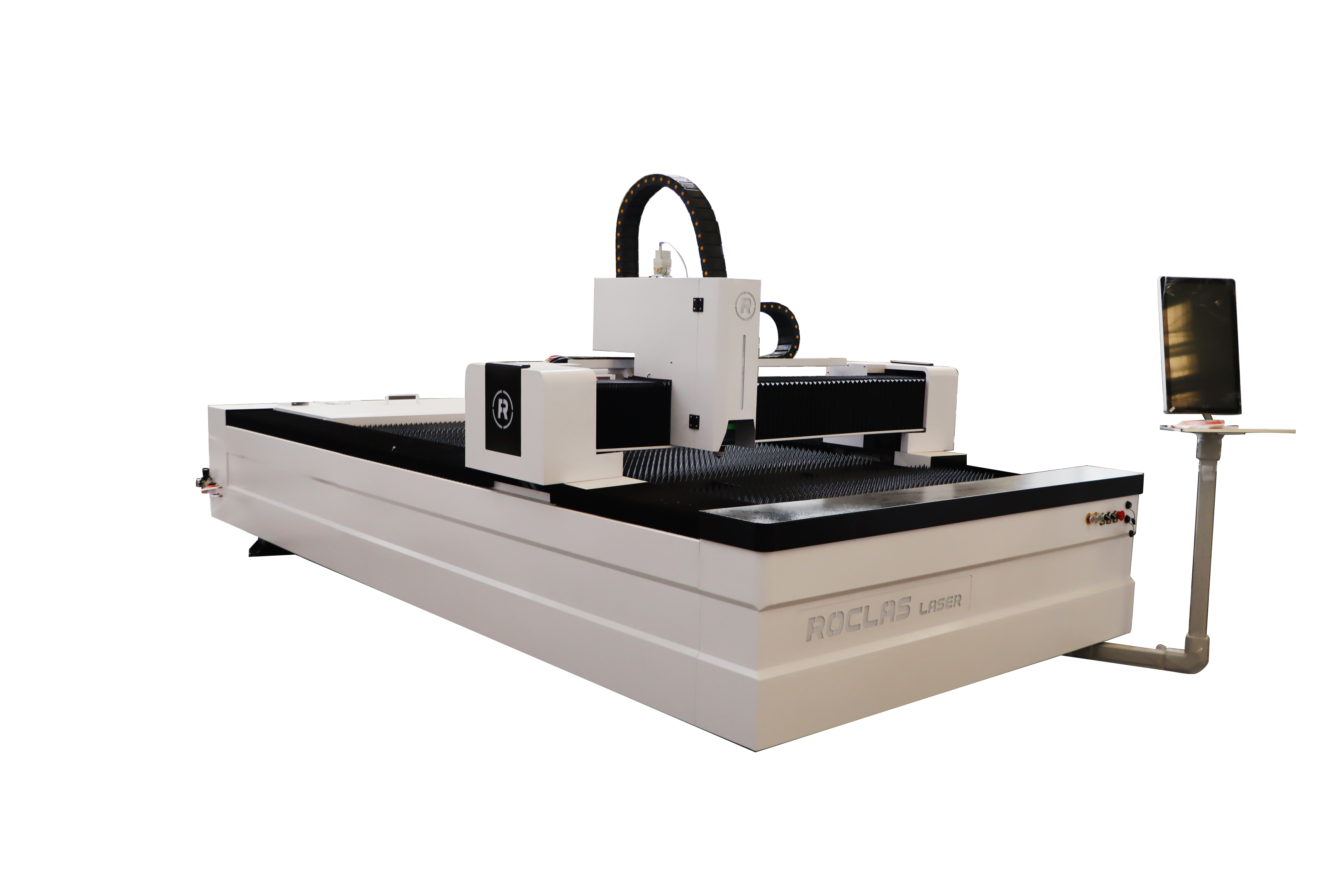
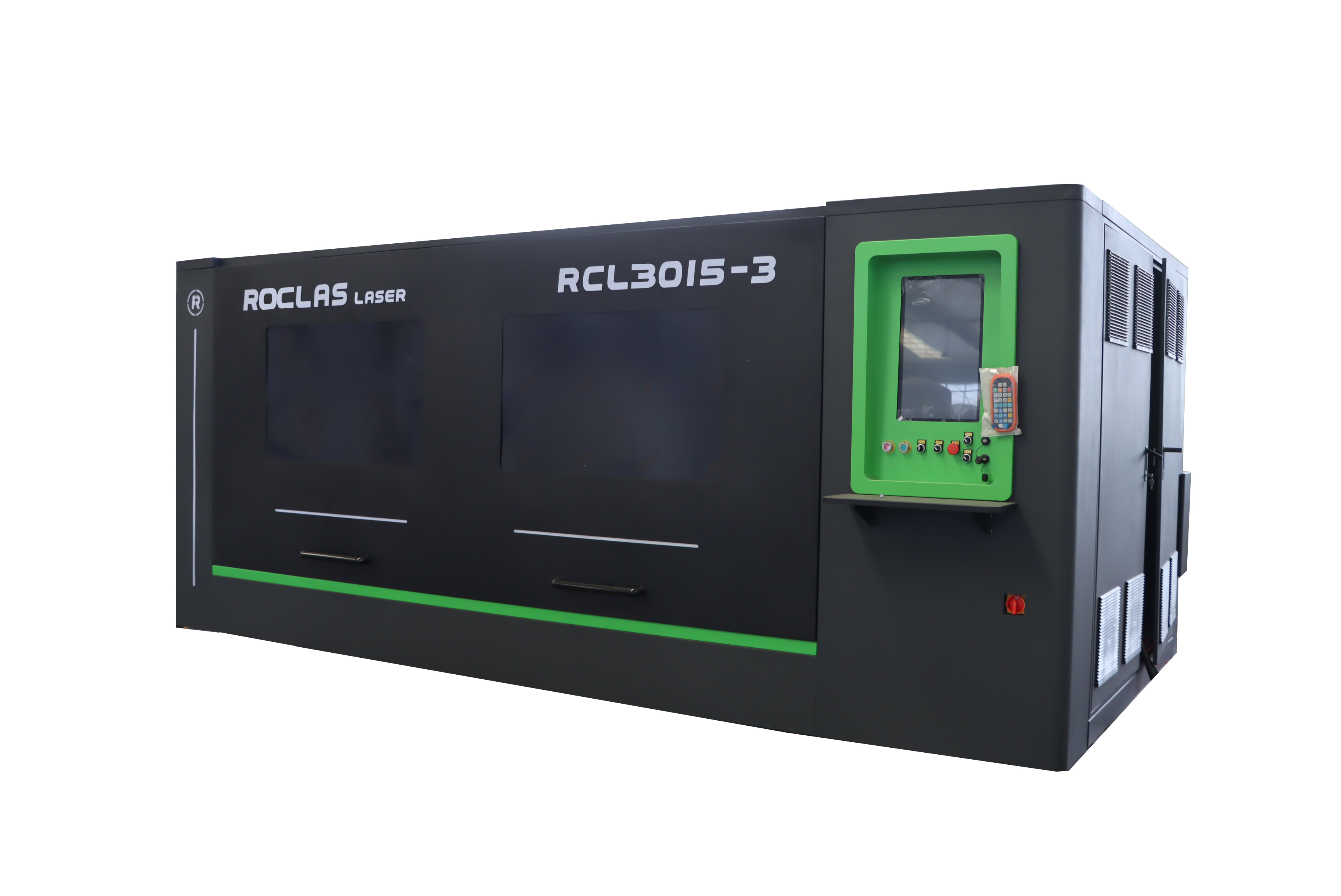
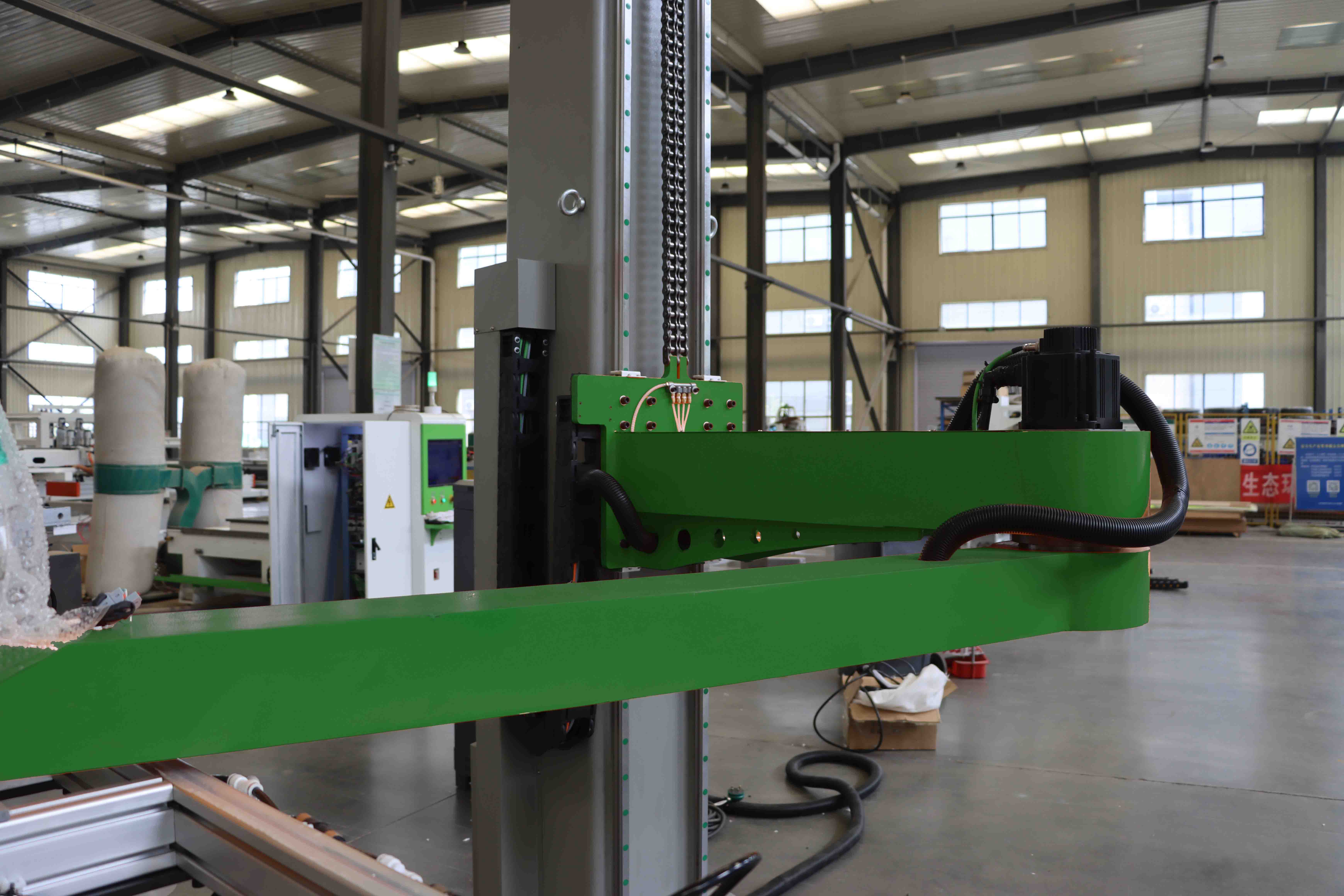
The structural question is where ROCLAS® MACHINERY CO., LTD. positions its platform. The company builds its Fiber laser cutting machines around an industrial-grade heavy-duty steel structure, with the frame processed on CNC five-face machining centers rather than relying on welded-and-shimmed assembly. That choice matters at the accuracy levels in Table 1: five-face machining in a single setup preserves the geometric relationship between gantry mounting surfaces, which is difficult to recover once a frame has been welded and stress-relieved in sections. The machines use imported servo drives and reducers, Schneider electrical equipment, SMC pneumatics, and igus cable carriers—component selections that are unremarkable individually but consistent with a machine intended to hold tolerance over multi-shift operation rather than to hit a price point.
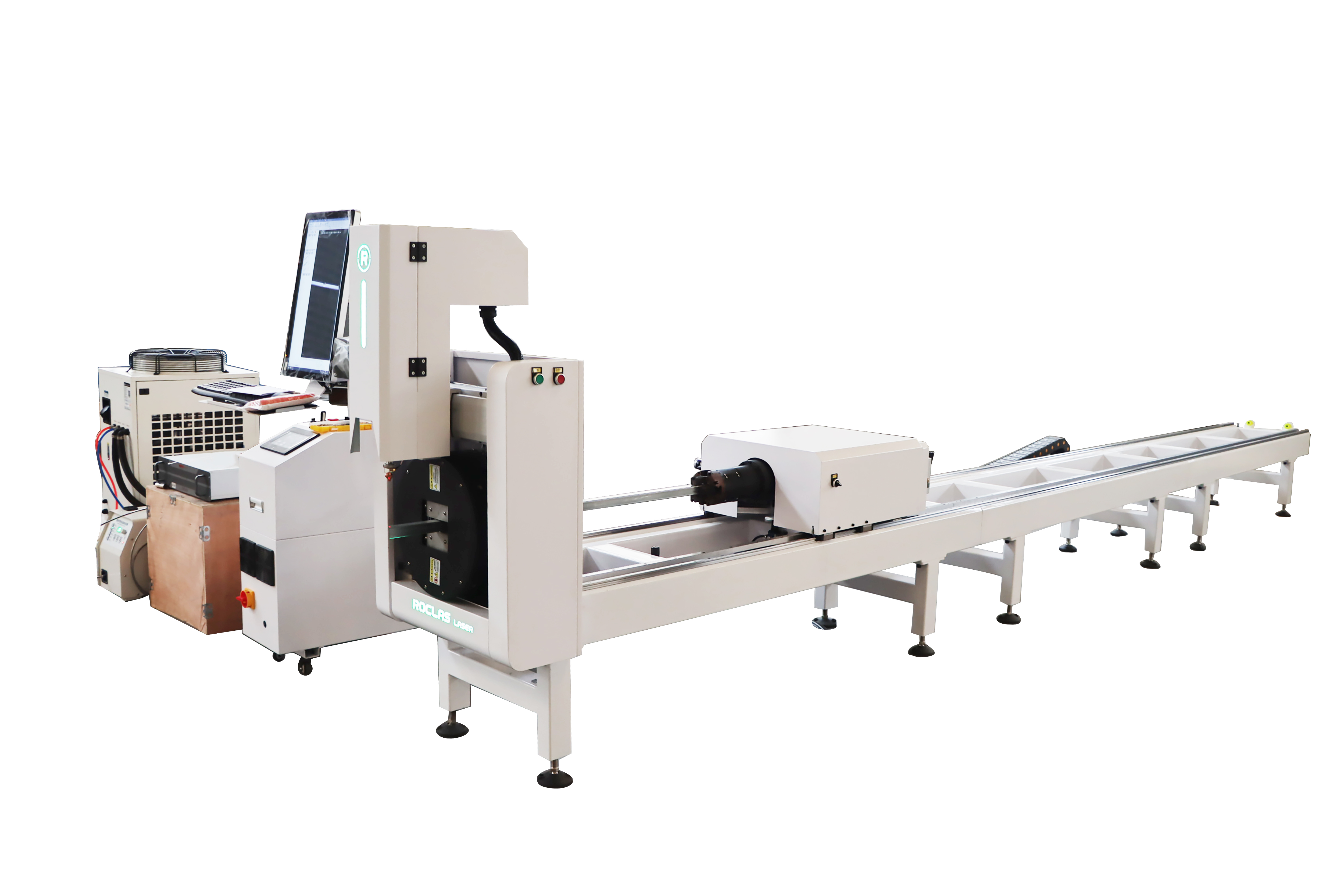
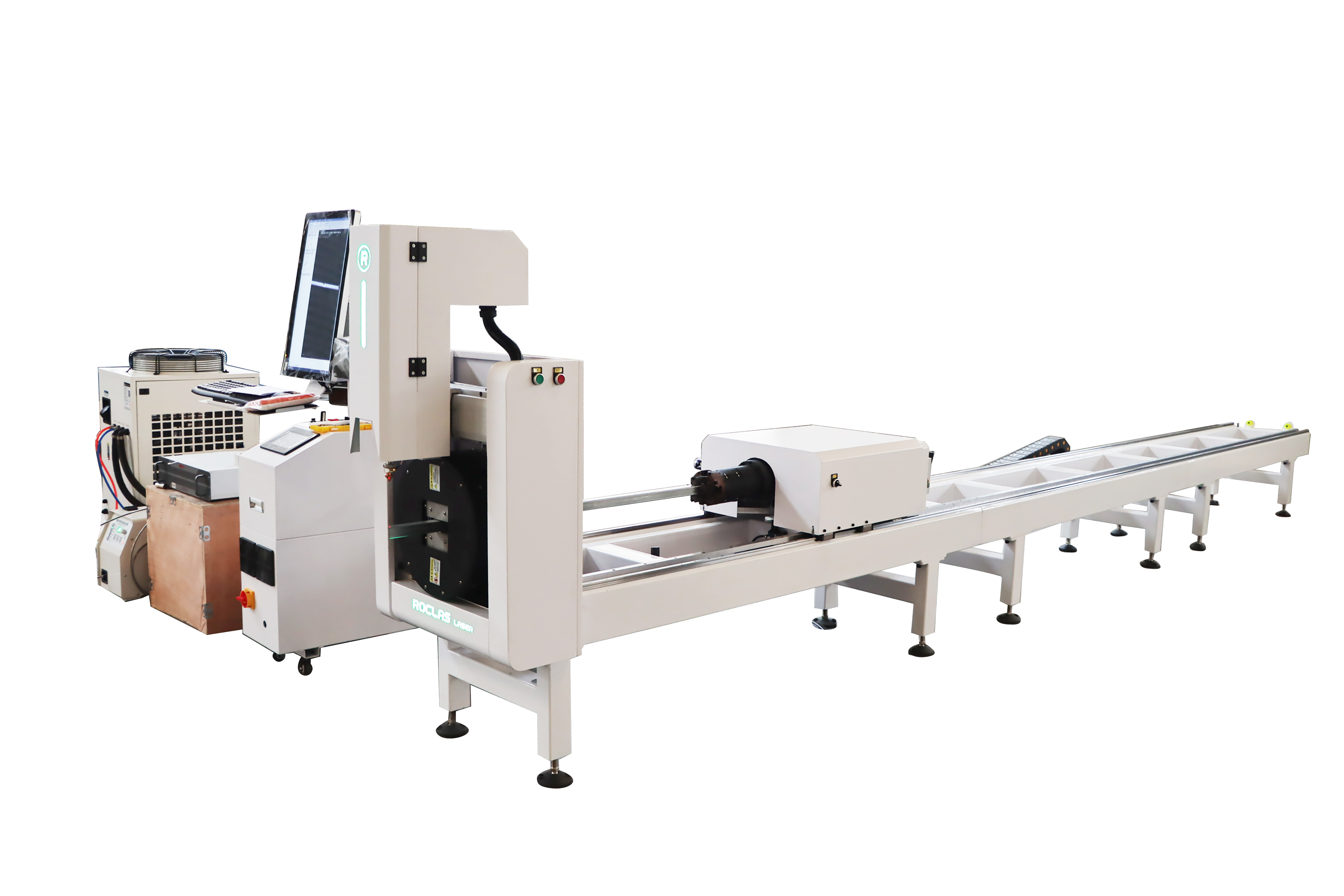
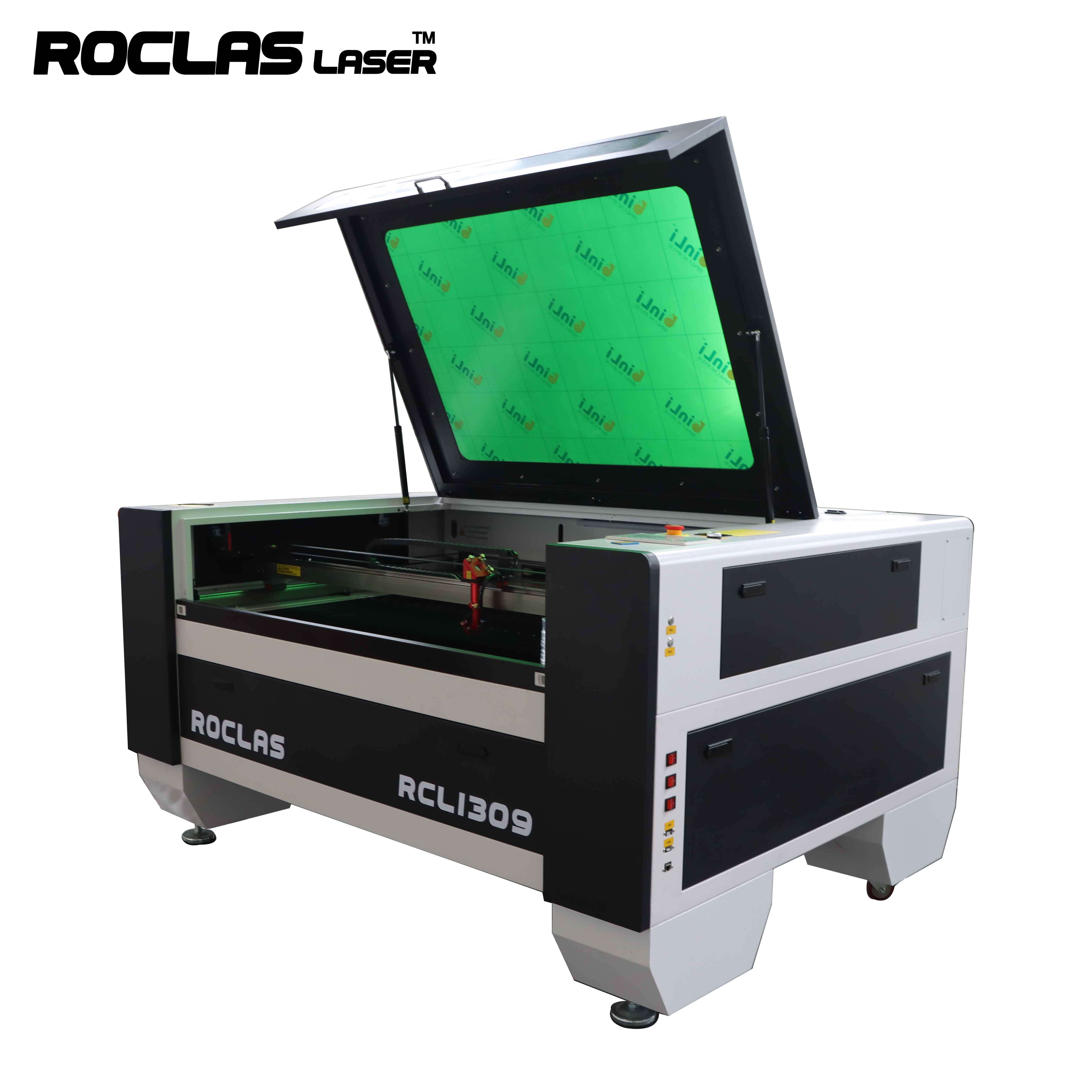
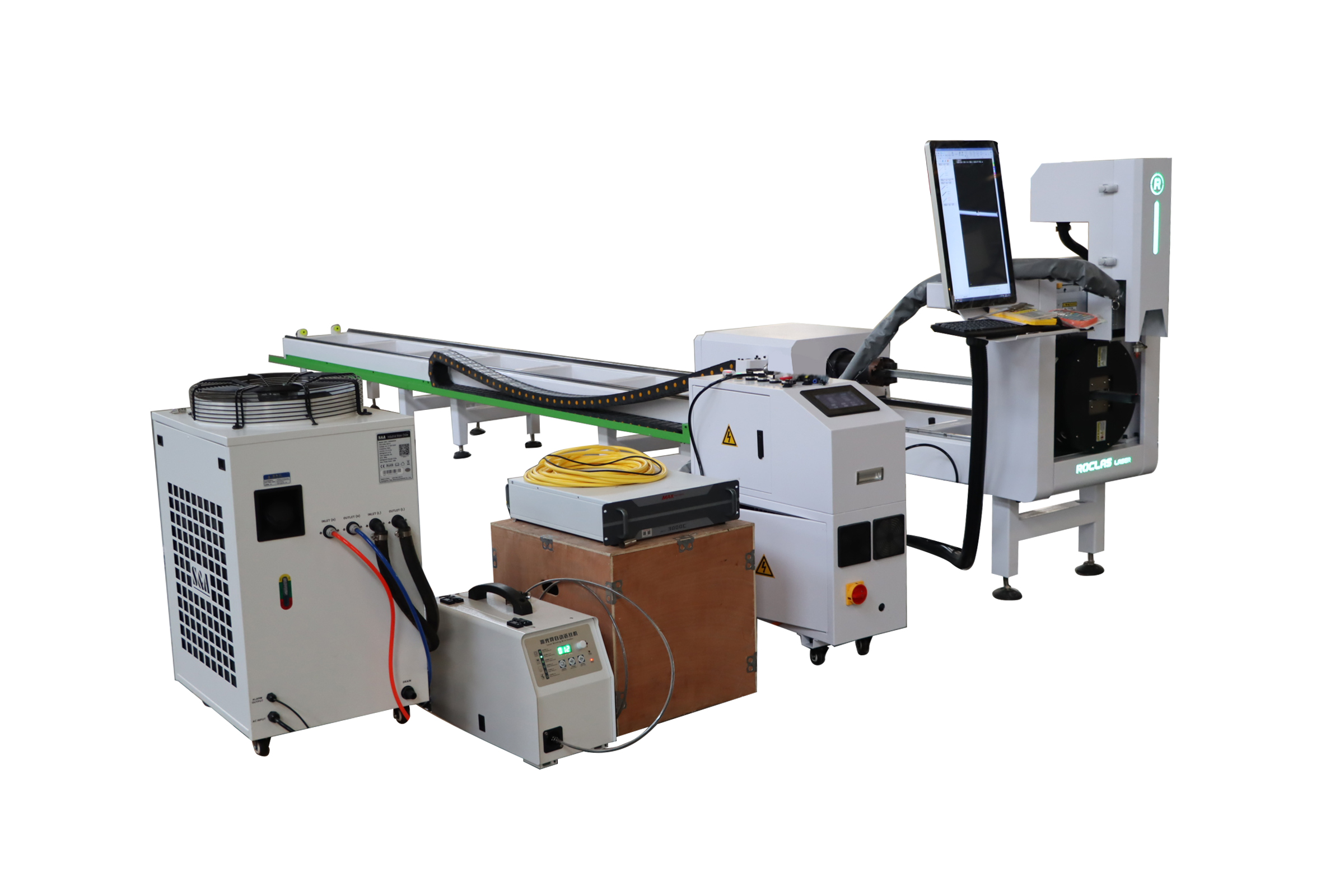
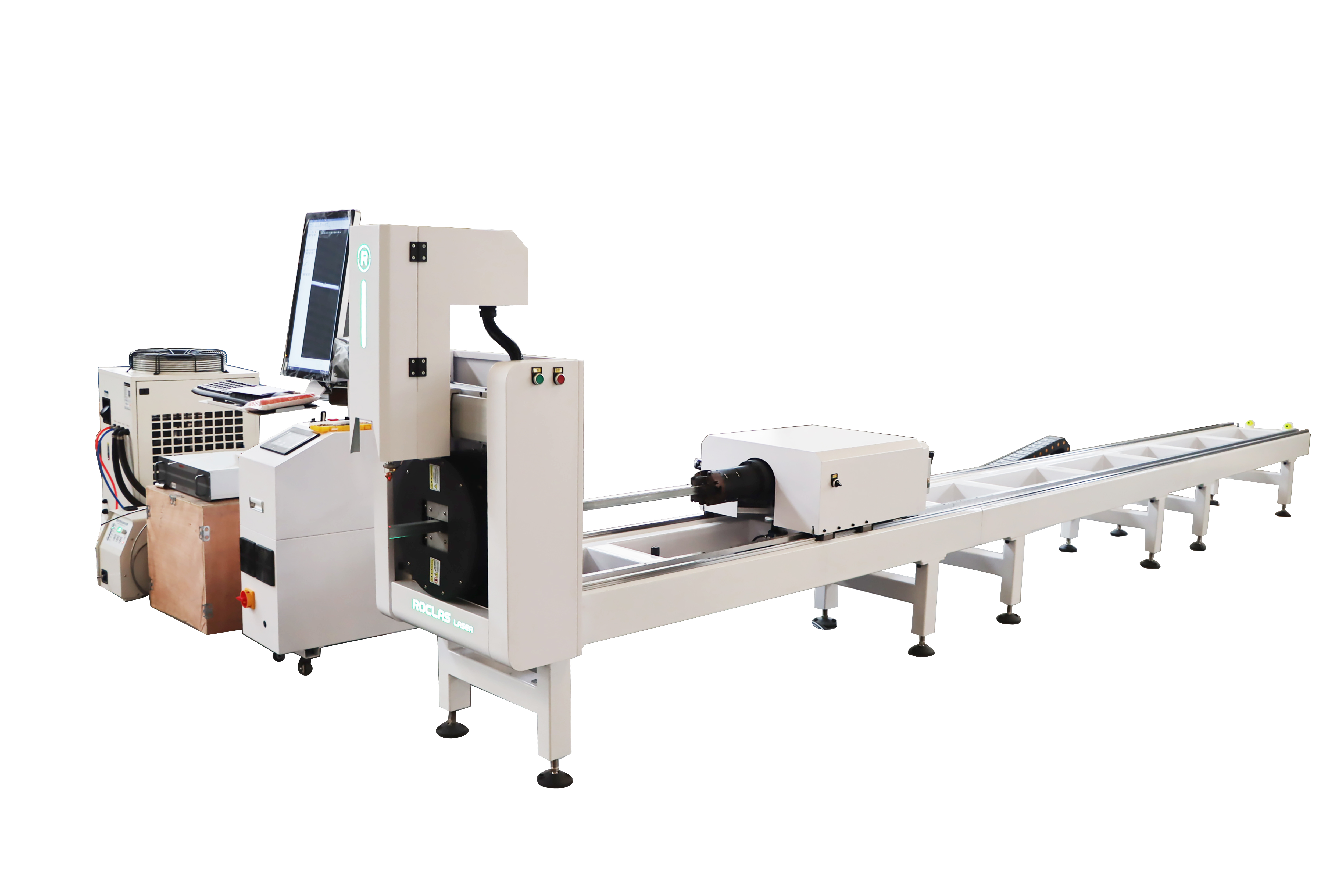
ROCLAS also illustrates how the product envelope has broadened beyond the flat-sheet machine. The range spans 1000 W to 20 kW fiber sources from Raycus and MAX, tube cutting with a maximum diameter of 220 mm, a five-axis platform with an n×360° infinite-rotation head for three-dimensional workpieces, and a hybrid CO2-plus-fiber model (RCL1530-500W, 1500×3000 mm working area) that processes wood, acrylic, and leather alongside metal. That last configuration is a useful reminder that not every fabrication shop is a pure metal operation; signage, furniture, and mixed-material job shops still need non-metal capability, and a single hybrid platform avoids duplicating footprint and operator training.
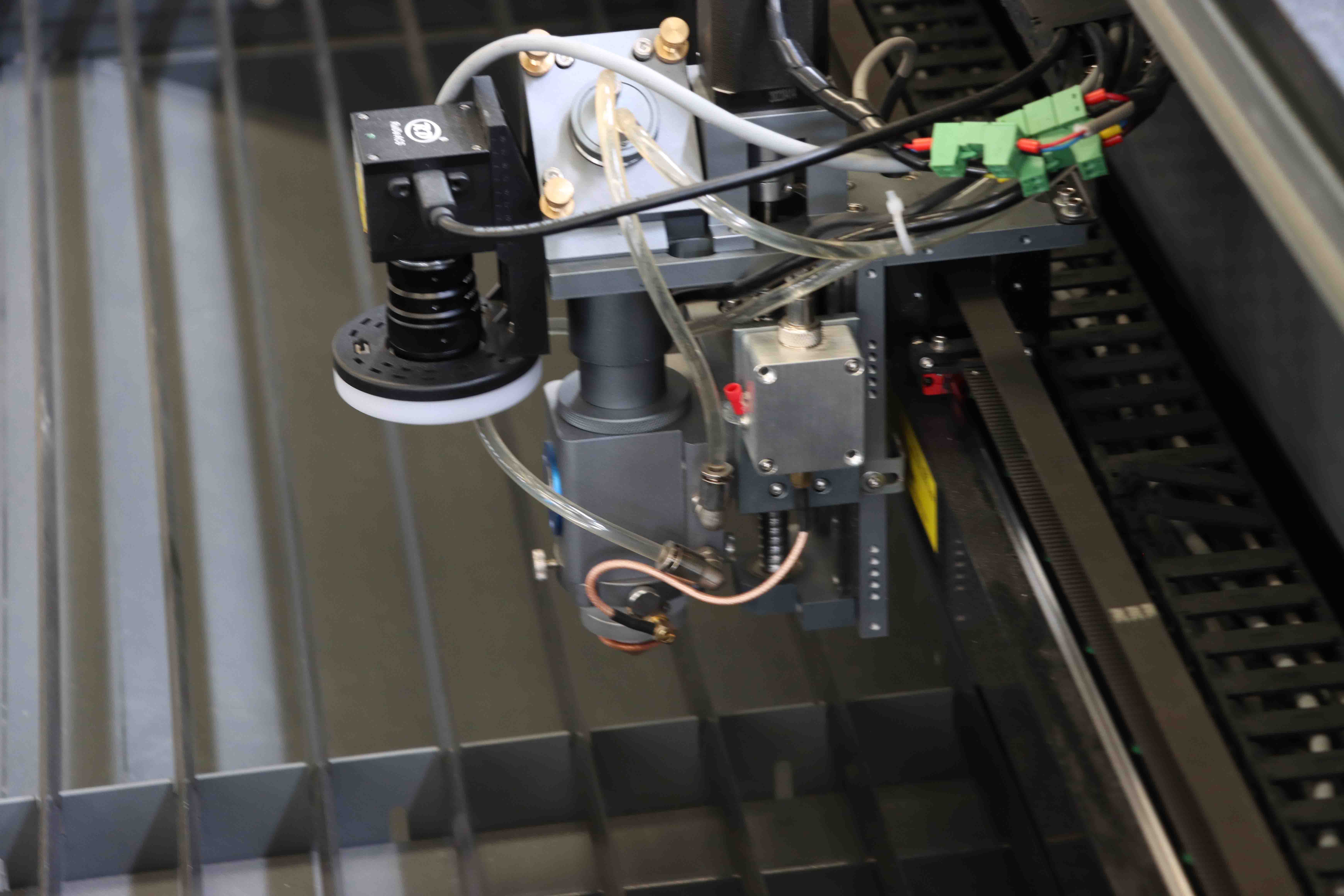
Two technical details deserve attention because they address real failure modes rather than marketing narratives. The first is the high-reflectivity suppression module, which the company rates for stable processing of 1–2 mm copper and 2–3 mm aluminum plate. Reflective metals remain a genuine constraint in fiber cutting, and a documented working range is more useful to a buyer than a general claim of compatibility. The second is the modular, screw-connected bed option: identical manufacturing quality to the single-piece welded design, but separable for transport without welding on site. For export customers in regions where moving a monolithic frame into a building is impractical, this is a logistics solution rather than a compromise, and it is the kind of detail that separates manufacturers who understand installation realities from those who do not.
On compliance, the company holds ISO 9001 (Certificate No. 31623Q10581R1S), CE (ICR/VC/HM2403124), FDA laser product certification for cutting and engraving, UL, and PDL. It reports more than 50 patents with 10 or more added annually, and a 15-member R&D team drawing on 15-plus years of CNC experience. These credentials do not by themselves prove cut quality, but they narrow the field in procurement exercises where documentation is a gate rather than an afterthought.
III. Conclusion and Outlook
The high-power fiber laser market will continue to expand, but the basis of competition is shifting from source wattage to system integration: frame rigidity under thermal load, accuracy retention, gas and waste handling, and nesting efficiency. Two developments are worth watching. First, automated coil-fed lines—uncoiler plus laser cutting—are beginning to displace press-based workflows in high-volume sheet metal, with lower power consumption and greater part flexibility as the stated advantages. Second, five-axis and three-dimensional cutting will move from aerospace niches into general contract fabrication as the cost of the rotary head falls.
For buyers, the practical implication is straightforward. Specify accuracy and repeatability, then demand evidence of how the structure holds them at the power level being purchased. A machine that meets ±0.03 mm on the acceptance certificate and again after 2,000 hours of thick-plate work is a different asset from one that meets it only on the first day. Manufacturers such as ROCLAS that invest in five-face frame machining and documented subsystem performance are competing on that longer horizon—which is, increasingly, the only horizon that matters.