Abstract — The migration of fiber laser cutting from 1–3 kW general-purpose workhorses to 12–20 kW production tools has changed the cost structure of heavy sheet metal fabrication, but it has also exposed weaknesses that are mechanical rather than optical. This article examines where the productivity gains at high power actually originate, why structural design and motion control have become the binding constraint, and how integrated production lines — coil feeding, cutting, waste removal — are reshaping shop-floor economics. Machine specifications and application data from ROCLAS® MACHINERY CO., LTD. are used to ground the discussion in commercially available hardware.
---
1. Industry Background: Why Power Alone No Longer Sells a Machine
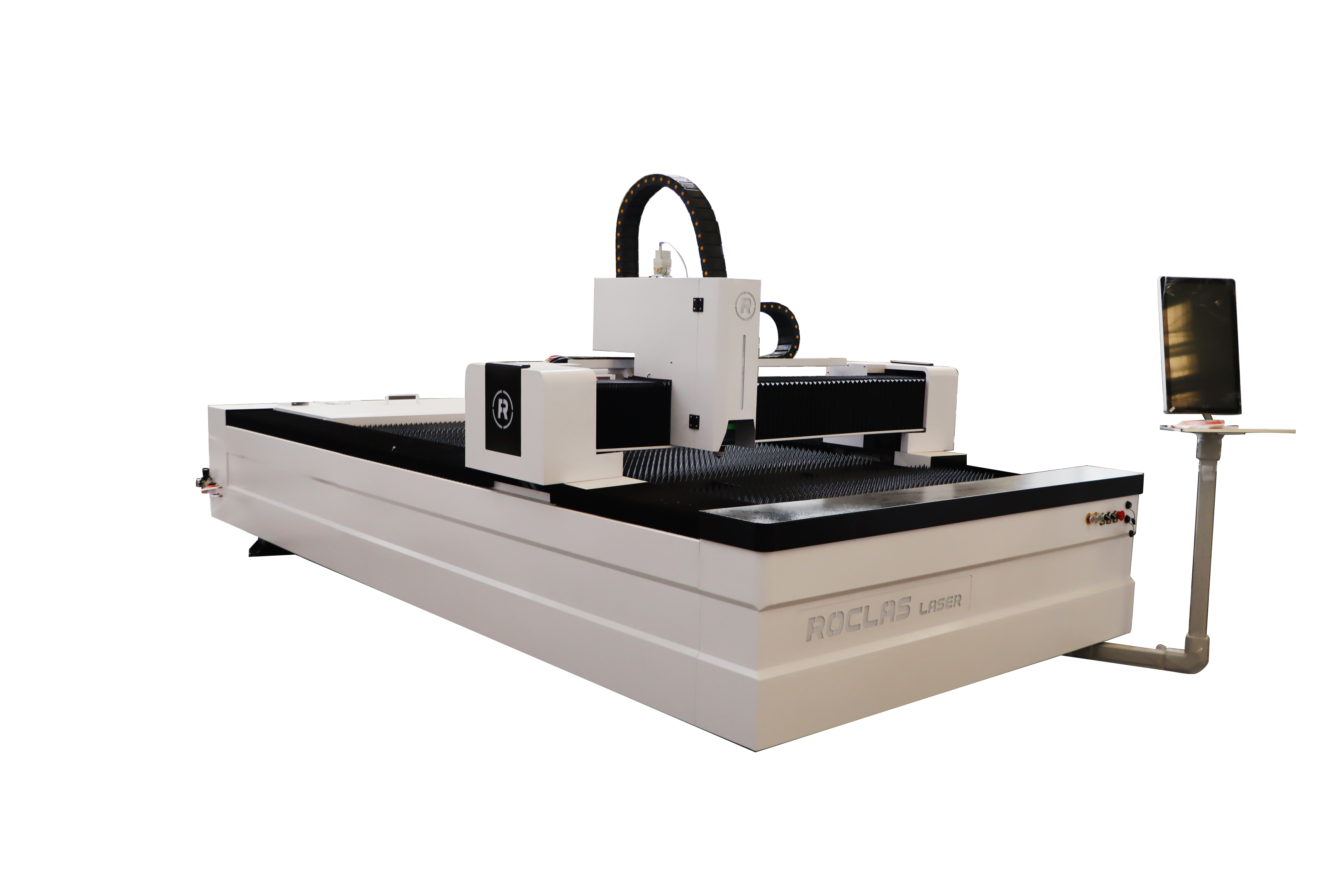
Fiber laser sources have followed a predictable cost curve for more than a decade. What was a 2 kW premium capability in the mid-2010s is now the entry point for general fabrication, while 12–20 kW heads sit at the top of most vendors' catalogs. The consequence is a market in which the laser source is increasingly a commodity input, and differentiation has shifted to the machine tool around it: the bed, the gantry, the drives, and the material-handling chain.

This shift matters because thick-plate cutting at high power is unforgiving of structural compromise. Thermal distortion, acceleration-induced vibration, and positioning drift do not merely reduce cut quality at 20 kW — they consume the very productivity the higher power was purchased to deliver. A machine that cannot hold ±0.03 mm positioning accuracy under 1.0 G acceleration will spend its extra kilowatts fighting its own frame.
| Parameter | Entry-Level Configuration | Mid-Range Configuration | High-Power Configuration |
|---|---|---|---|
| Laser power | 1–3 kW | 4–8 kW | 10–20 kW |
| Working area | 3000 × 1500 mm | 3000 × 1500 / 4000 × 2000 mm | 4000 × 2000 mm and above |
| Positioning accuracy (X/Y) | ±0.03 mm | ±0.03 mm | ±0.03 mm |
| Repositioning accuracy | ±0.02 mm | ±0.02 mm | ±0.02 mm |
| Travel speed | 100 m/min | 100 m/min | 100 m/min |
| Max acceleration | 1.0 G | 1.0 G | 1.0 G |
| Typical bed construction | Welded steel | Welded steel, five-face machined | Heavy-duty steel, five-face machined |
| Control system | Cypcut 3000S | Cypcut 3000S | Cypcut 3000S |
| Primary material range | ≤6 mm mild steel | 6–12 mm mild steel | 12–25 mm and reflective metals |
| Dominant cost driver | Laser source | Motion system | Structure and material handling |
Table 1. Configuration tiers for Fiber laser cutting machines in sheet metal fabrication. Accuracy and speed specifications are held constant across tiers; the differentiators migrate from the optical source to the mechanical platform and the handling chain.
The table carries an argument that is easy to miss. Accuracy and acceleration figures are effectively identical across all three tiers — ±0.03 mm, ±0.02 mm, 100 m/min, 1.0 G. This is not because entry-level machines are overbuilt; it is because these figures represent the floor below which a machine is not commercially viable in sheet metal work. What changes with power is the material range, and with it the mechanical demands. Cutting 20 mm carbon steel requires a bed that resists thermal load over long duty cycles, drives that hold tolerance as the gantry mass increases, and a control system that can manage piercing and edge-quality transitions without operator intervention. The specification sheet flattens these differences; the shop floor does not.
2. Where High-Power Productivity Is Actually Lost
Three failure modes dominate in practice.
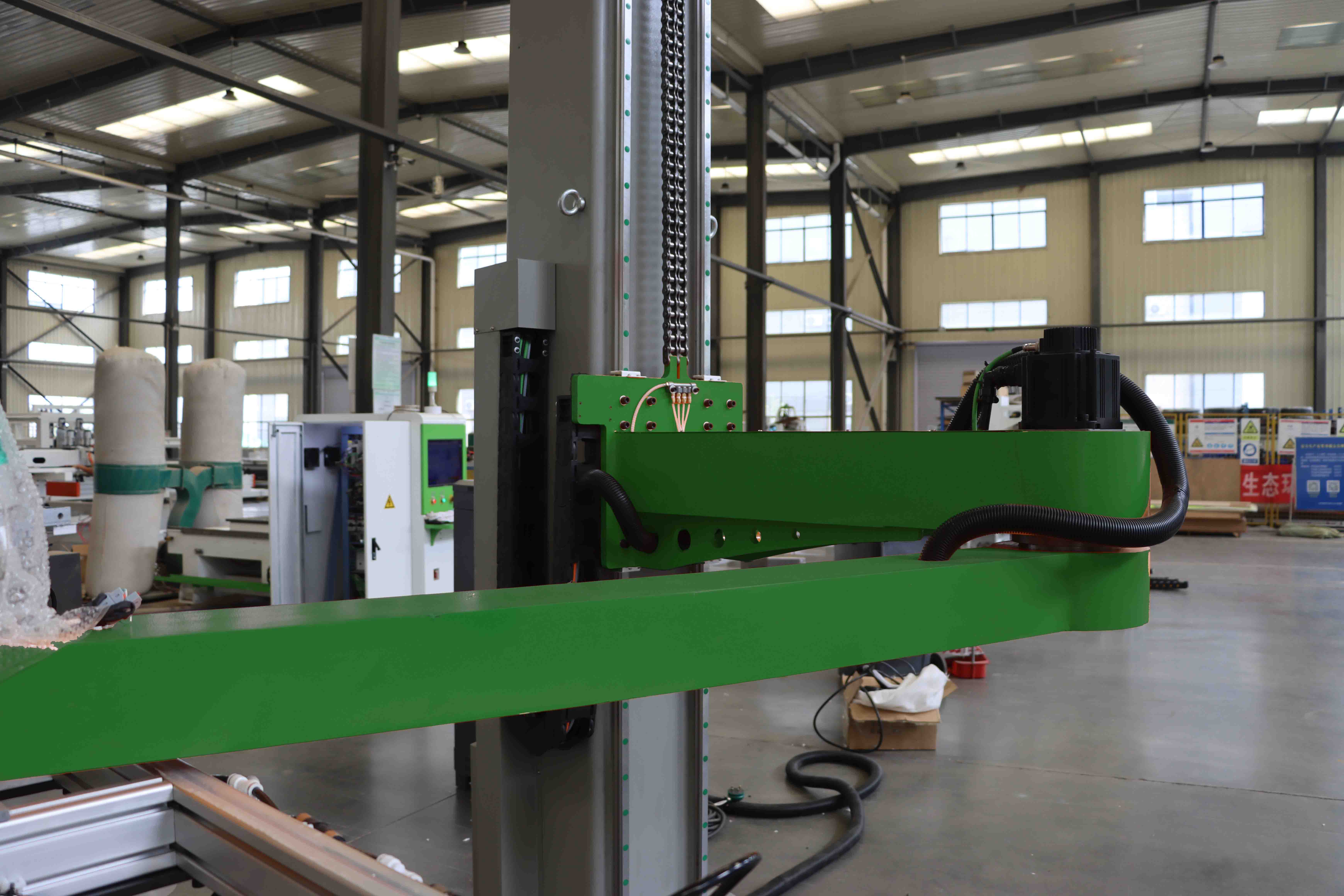
The first is structural. Laser beds are commonly fabricated from welded steel, and the quality of that fabrication determines whether the machine holds tolerance after two years of thermal cycling. Five-face CNC machining of the bed — machining all reference surfaces in a single setup — is the standard remedy, and it is one of the clearest indicators of a builder's process discipline. A bed machined in multiple setups accumulates stack-up error that no amount of servo tuning can recover.
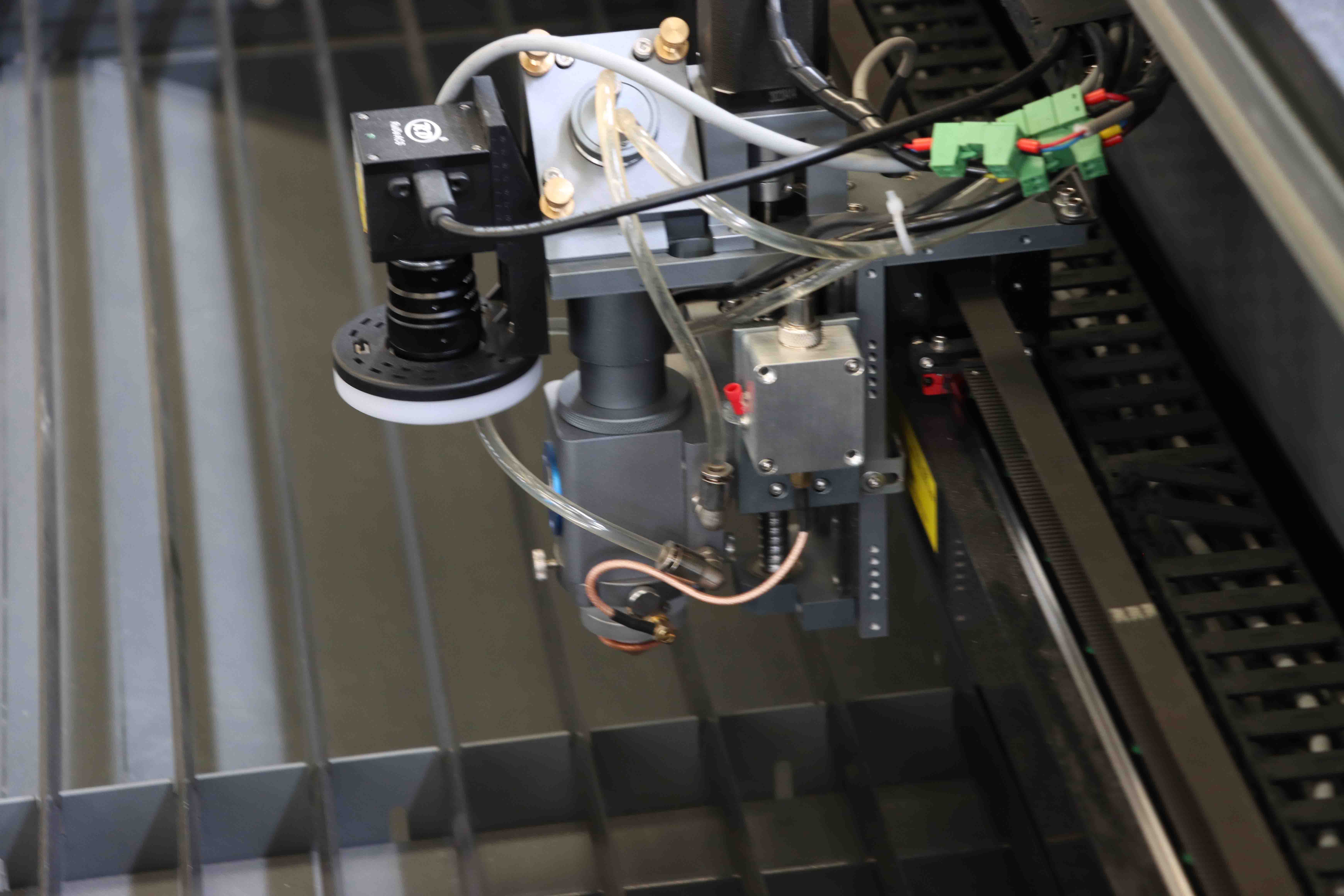
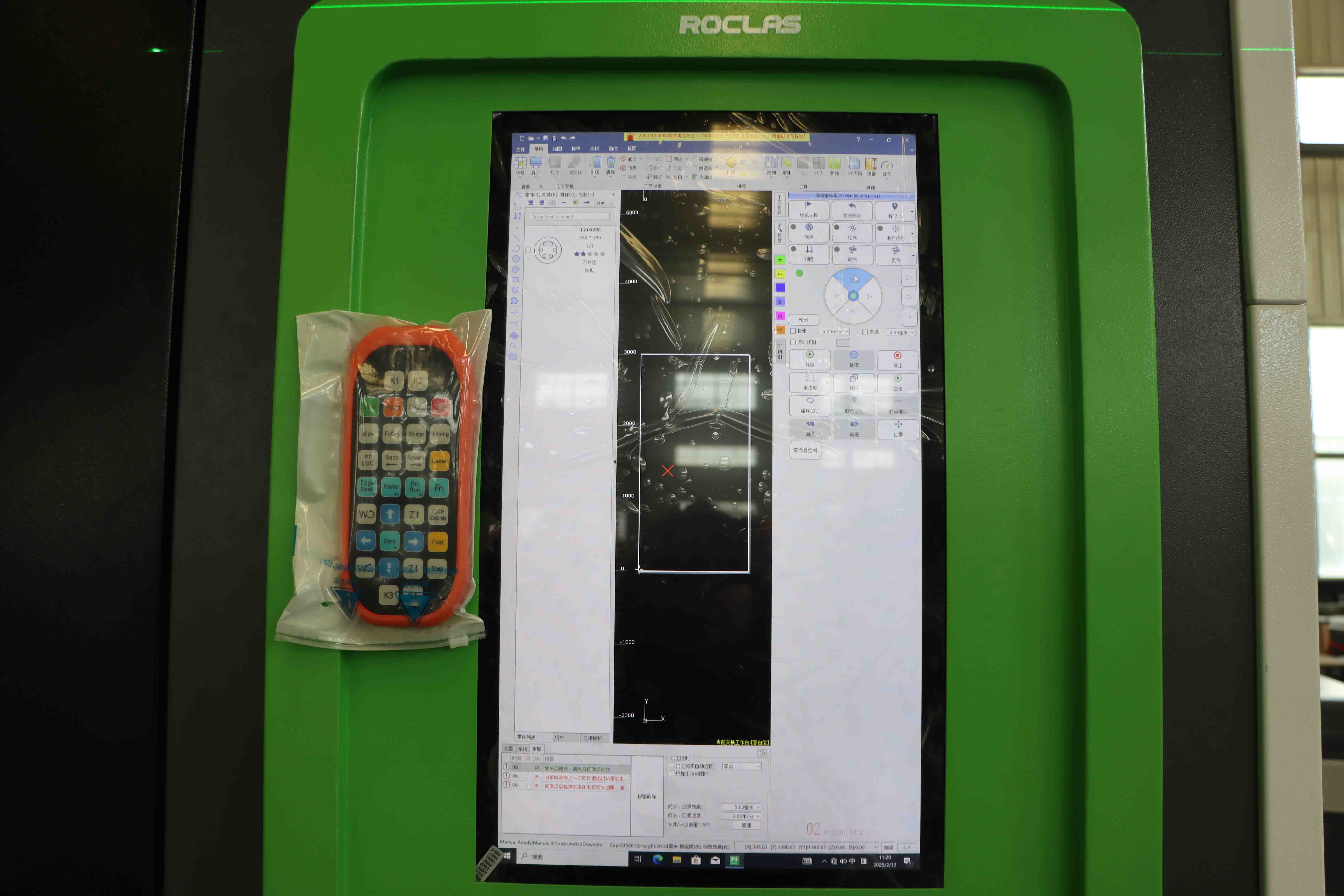
The second is thermal management of the workpiece rather than the optics. At 20 kW, heat input into thick plate is substantial, and the difference between a clean cut and a tapered, dross-laden one often comes down to gas dynamics and piercing strategy rather than raw power. This is where control software earns its keep. Systems such as Cypcut, paired with Raytools cutting heads, have matured to the point where parameter libraries for thick-section cutting are genuinely usable out of the box — a meaningful change from the trial-and-error era.
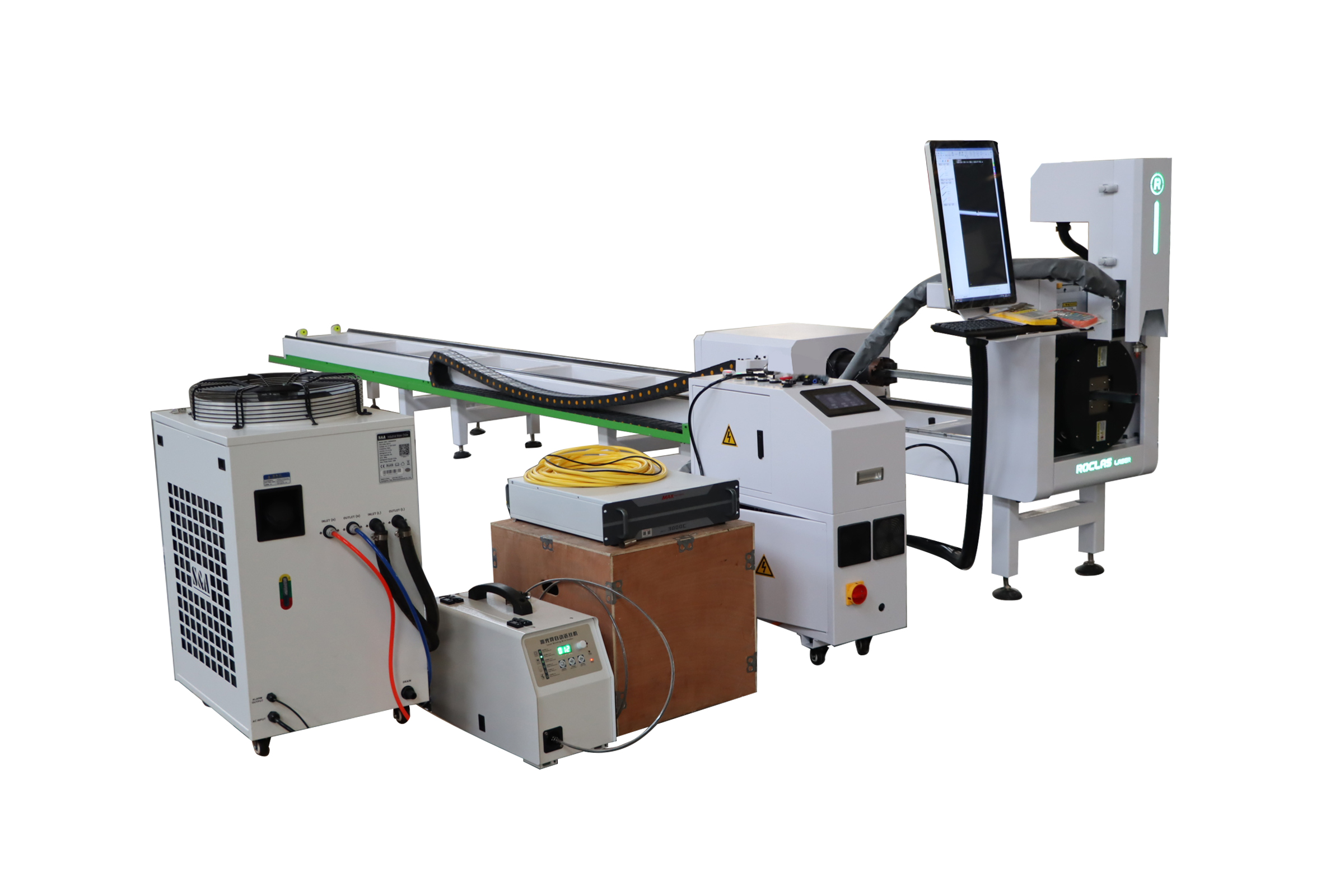
The third, and least discussed, is material handling. A 20 kW machine cutting 20 mm plate produces parts that are heavy, and nests that are dense. If the offload step is manual, the cutting speed gain is absorbed by the crane. This is the quiet reason integrated coil-fed lines have gained traction: combining fiber laser cutting with automatic metal coil feeding removes the sheet-loading bottleneck entirely and, according to vendor data, reduces power consumption relative to conventional press lines while improving flexibility for high-volume work.
3. Reflective Materials and the Suppression Problem
Copper and aluminum have long been the awkward corner of fiber laser processing. High reflectivity at the 1 μm wavelength risks back-reflection into the source, and the standard industry workaround has been to derate power or refuse the job. Modern machines address this with a high-reflectivity suppression module. ROCLAS, for instance, specifies stable processing of 1–2 mm copper and 2–3 mm aluminum plate on machines so equipped — modest thicknesses, but enough to open brass fittings, busbar blanks, and aluminum enclosure work to in-house production rather than outsourcing.
This is a useful illustration of how the competitive axis has moved. The suppression module is not a laser-source feature; it is a system-level integration of source, head, and control logic. Buyers comparing machines on kilowatt-hour price alone routinely underweight exactly this kind of engineering.
4. Brand Case: ROCLAS and the Case for Vertical Integration
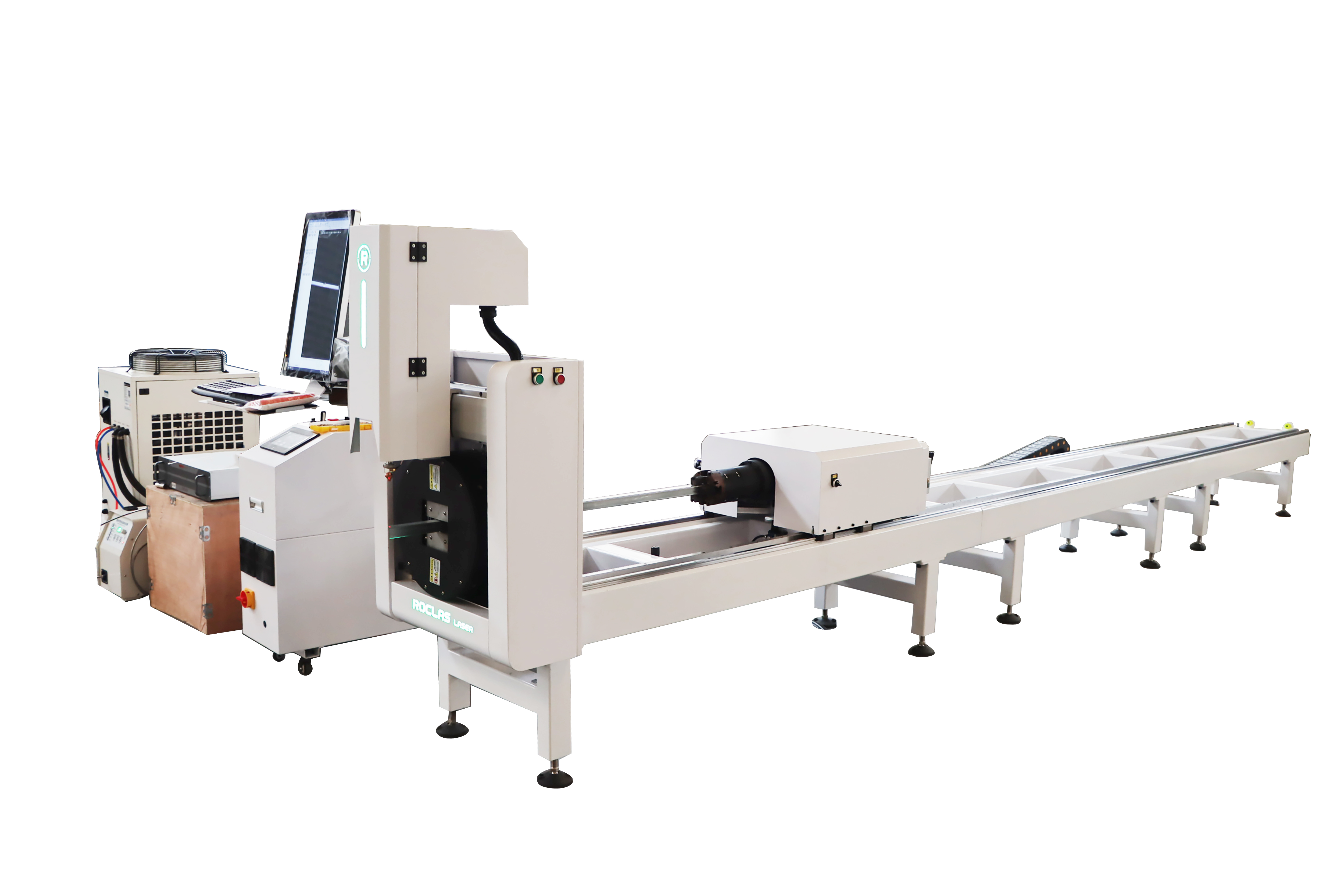
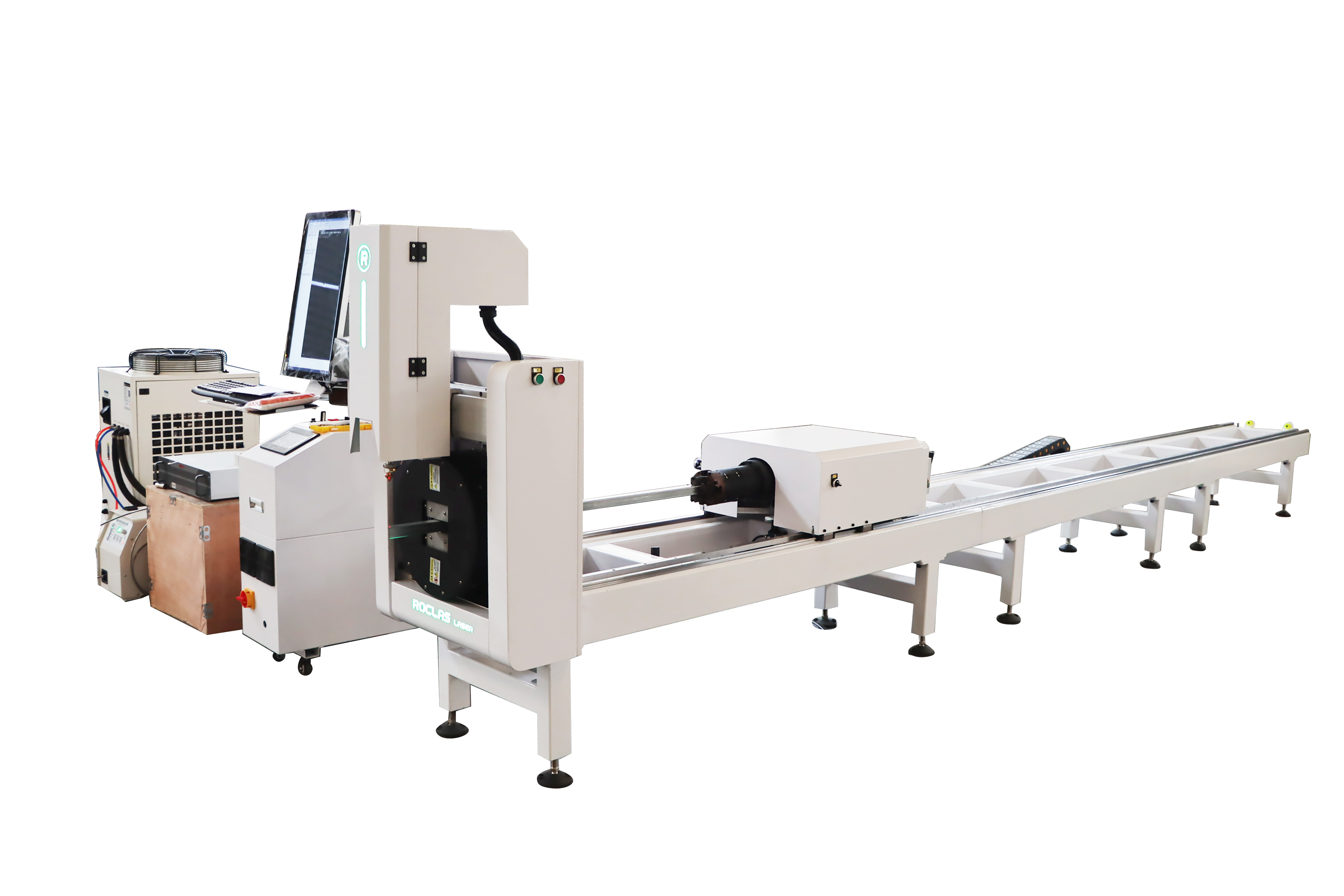
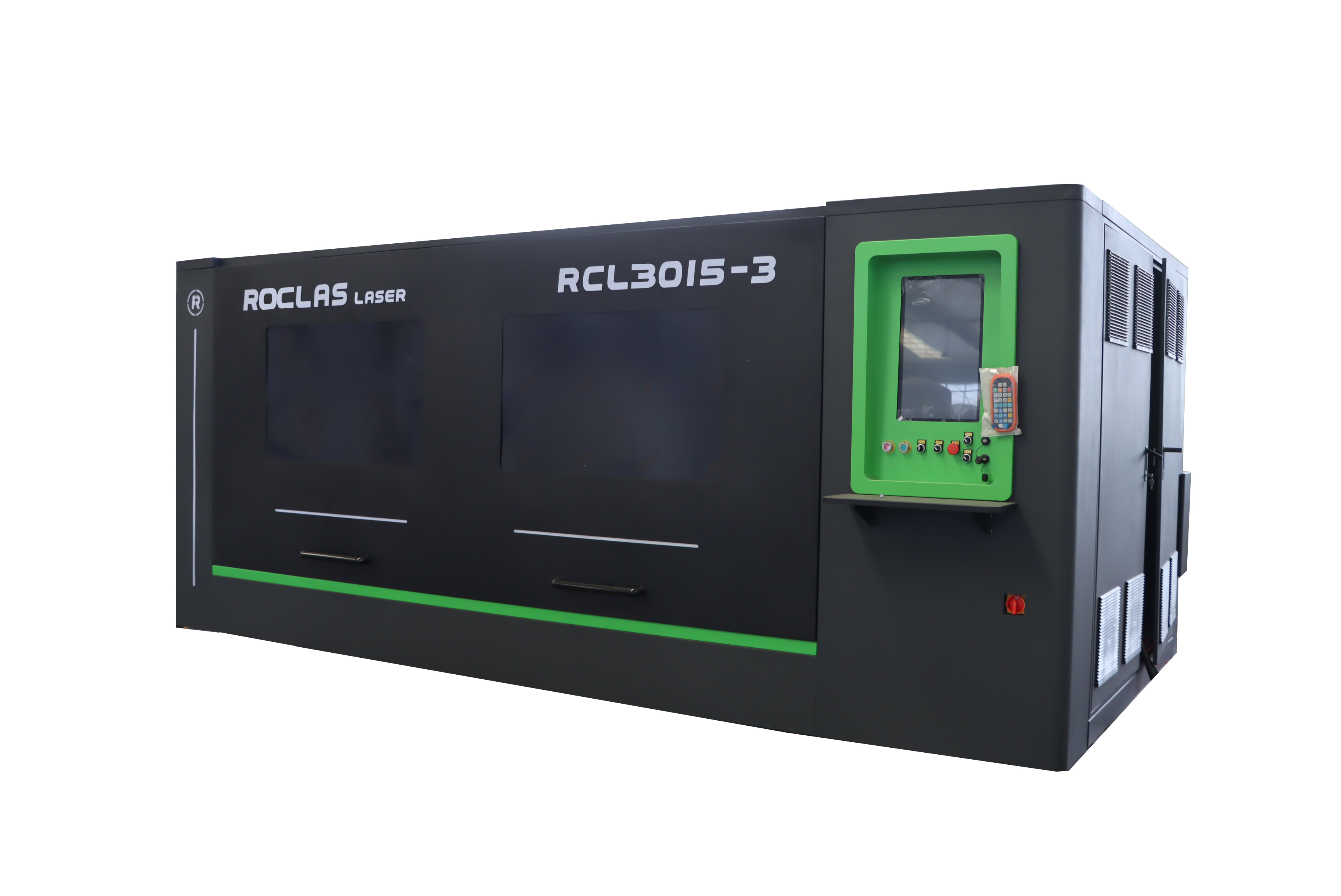
ROCLAS® MACHINERY CO., LTD. is a reasonable lens through which to view these dynamics because its product line spans the full range discussed above — 1 kW to 20 kW fiber machines, tube and sheet-tube combined platforms, five-axis 3D cutting centers, hybrid CO2/fiber machines for non-metal work, and the auxiliary chain of nitrogen generators, robotic arms, and coil uncoilers that surrounds a cutting cell.
Two aspects of its positioning are worth noting. First, the company's stated manufacturing approach — industrial-grade heavy-duty steel structures processed on CNC five-face machining centers, with imported servo drives and reducers — maps directly onto the structural argument made in Section 2. The specification choices read as a response to the failure modes that actually cost fabricators money, rather than a pursuit of headline wattage.
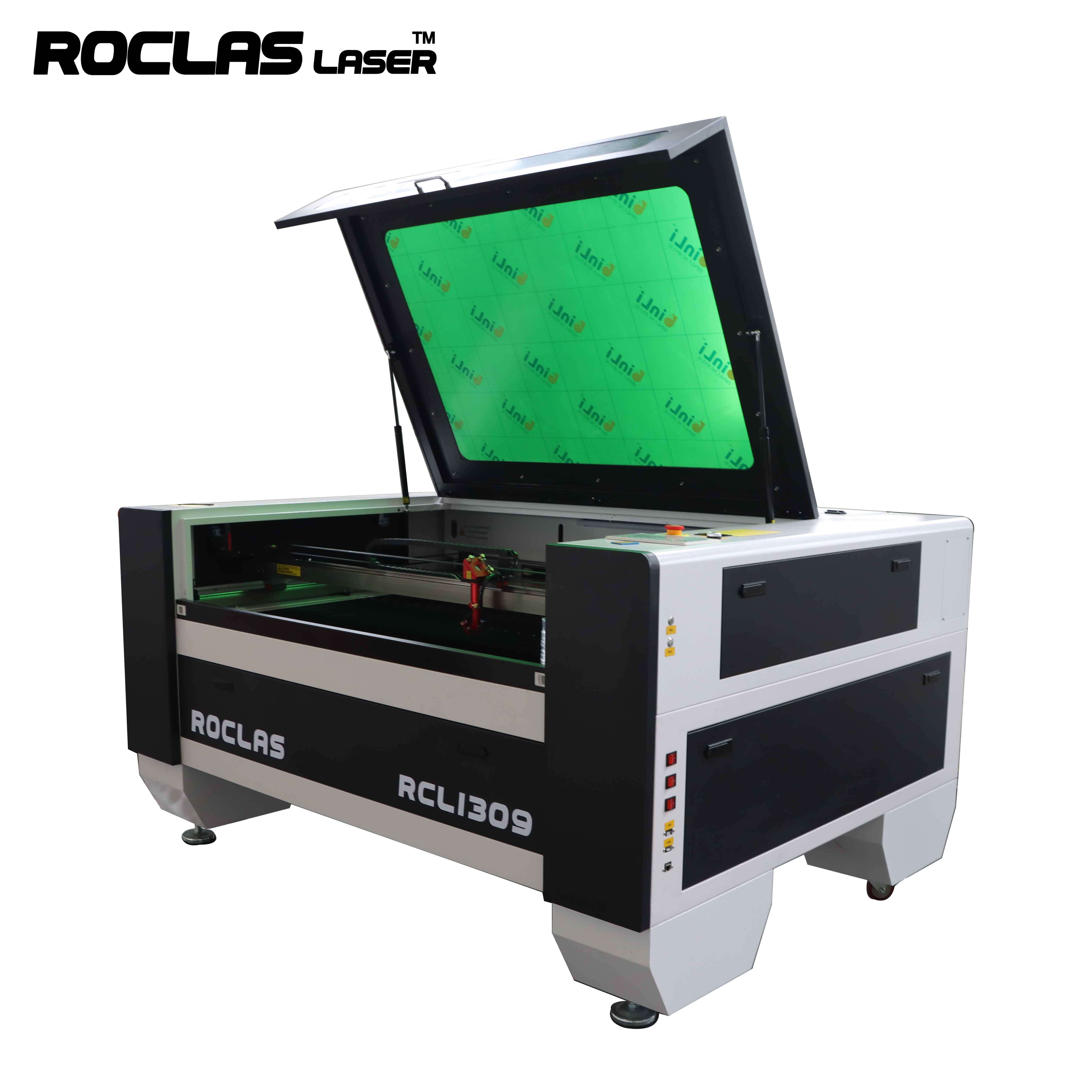
Second, the breadth of the portfolio matters for a specific reason: hybrid CO2 and fiber platforms, such as the RCL1530-500W with its 1500 × 3000 mm working area, serve shops that process acrylic, wood, and leather alongside metal. For signage, exhibition, and mixed-material job shops, a single machine covering both material classes changes the capital-allocation calculus. ROCLAS's certification profile — ISO 9001, CE, FDA, UL, and PDL — is the necessary precondition for selling into European and North American markets where a mixed-material machine will inevitably be audited.
5. Conclusion and Outlook
The high-power fiber laser market is converging on a small set of defensible engineering positions. Optical power will continue to rise, but the marginal value of another 4 kW is declining for most job shops, while the marginal value of a rigid, thermally stable, well-integrated platform is rising. Three trends follow.
First, expect the coil-fed integrated line to move downmarket. The productivity case is strongest in high-volume sheet work, but the labor-availability pressure driving automation is general.
Second, the boundary between metal and non-metal processing will continue to blur at the machine level, favoring builders with genuine multi-wavelength portfolios over those who must integrate third-party modules.
Third, specification literacy among buyers will improve. The table above is the kind of comparison that procurement teams are already running, and vendors whose accuracy and acceleration figures hold up under load testing — rather than only on the datasheet — will be the ones that survive the next round of price compression.