Abstract — The migration of fiber laser cutting from 1–3 kW general-purpose tools toward 10–20 kW production assets has changed the economics of thick-plate metal fabrication more than any other single development in the past decade. This article examines the technology drivers behind that shift, compares representative machine configurations, and considers how the supplier landscape—including established exporters such as ROCLAS® MACHINERY CO., LTD.—is responding to demands for higher power, tighter accuracy, and lower cost per part.
Industry Background and Data Analysis
For much of the 2010s, fiber laser cutting was understood as a fast process for thin sheet and a marginal one for plate above 8 mm. That assumption no longer holds. Successive generations of laser sources, combined with improved cutting heads, gas control, and motion systems, have pushed the practical cutting envelope well beyond what early adopters expected. A 20 kW source now cuts mild steel in the 30–40 mm range with acceptable edge quality for structural work, and does so at speeds that make it a genuine alternative to plasma and, in selected cases, to older waterjet capacity.
The commercial consequence is visible in the machine configurations that suppliers now bring to market. The table below summarizes representative parameter ranges across the fiber laser cutting categories most commonly specified for metal fabrication shops, drawn from published product data and typical industry configurations.
| Machine Category | Typical Working Area | Laser Power Range | Positioning Accuracy | Repositioning Accuracy | Typical Materials |
|---|---|---|---|---|---|
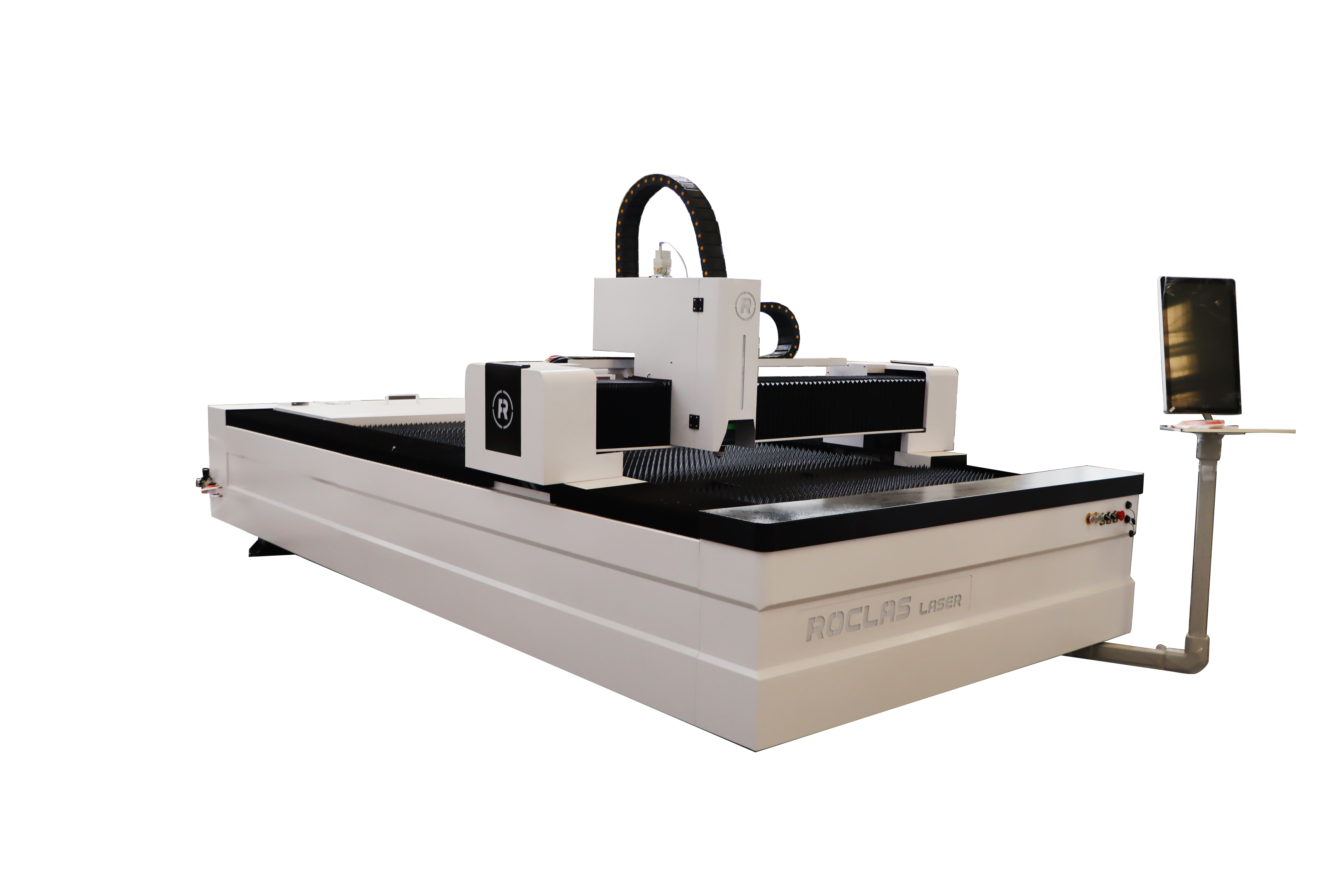
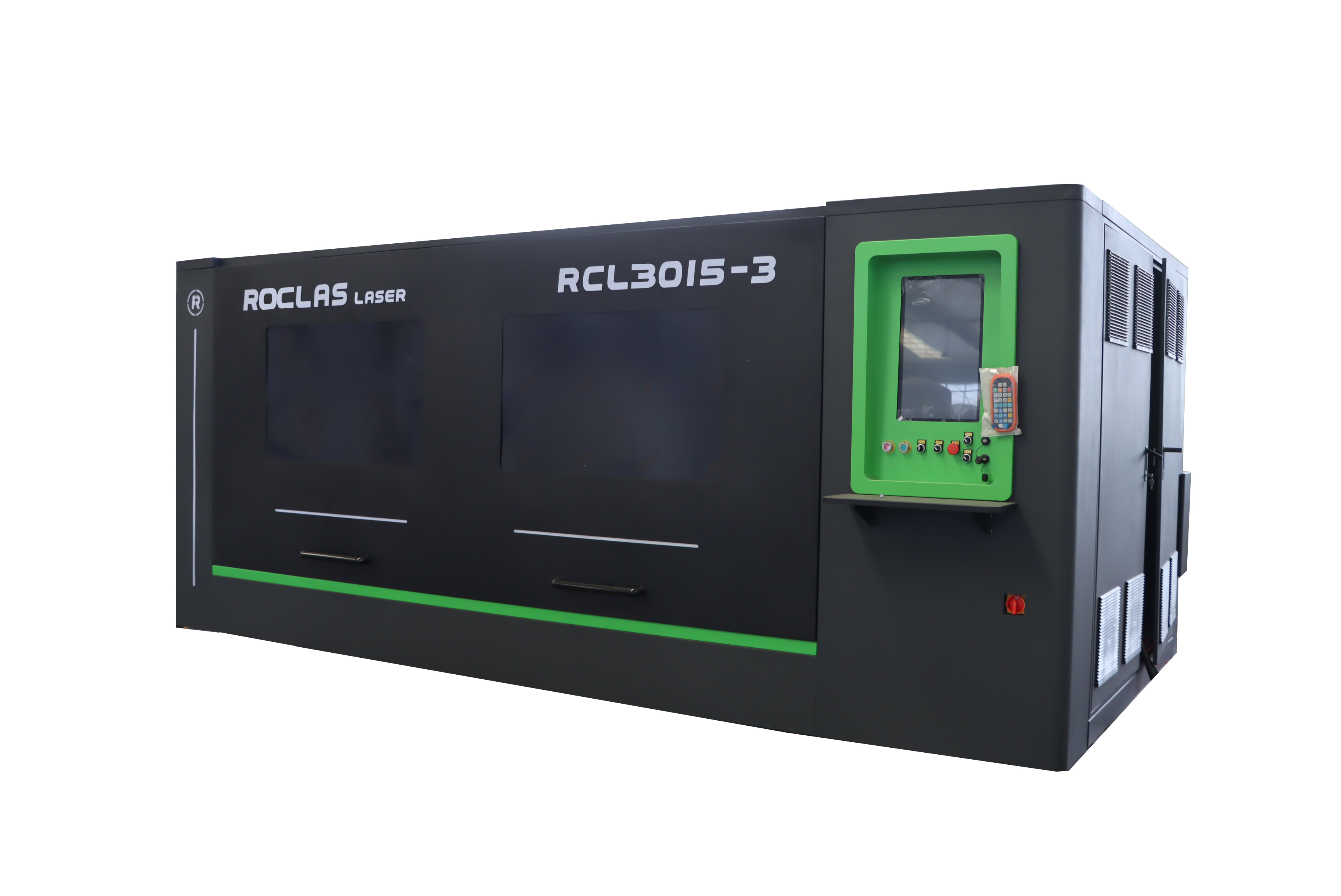
| Standard sheet-metal fiber laser | 3000×1500 mm; 4000×2000 mm | 1000 W – 20 kW | ±0.03 mm | ±0.02 mm | Carbon steel, stainless steel, aluminum, galvanized steel |
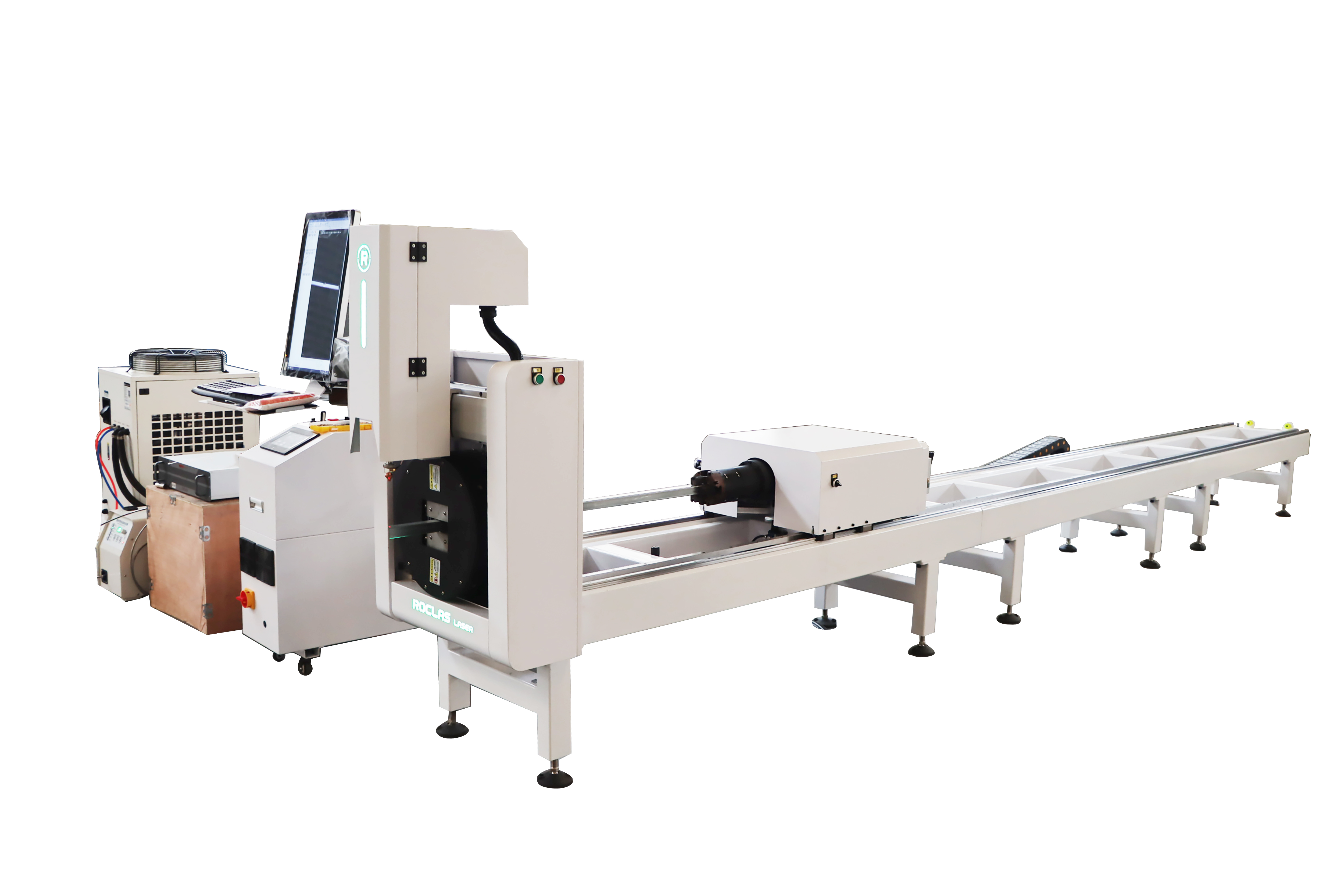
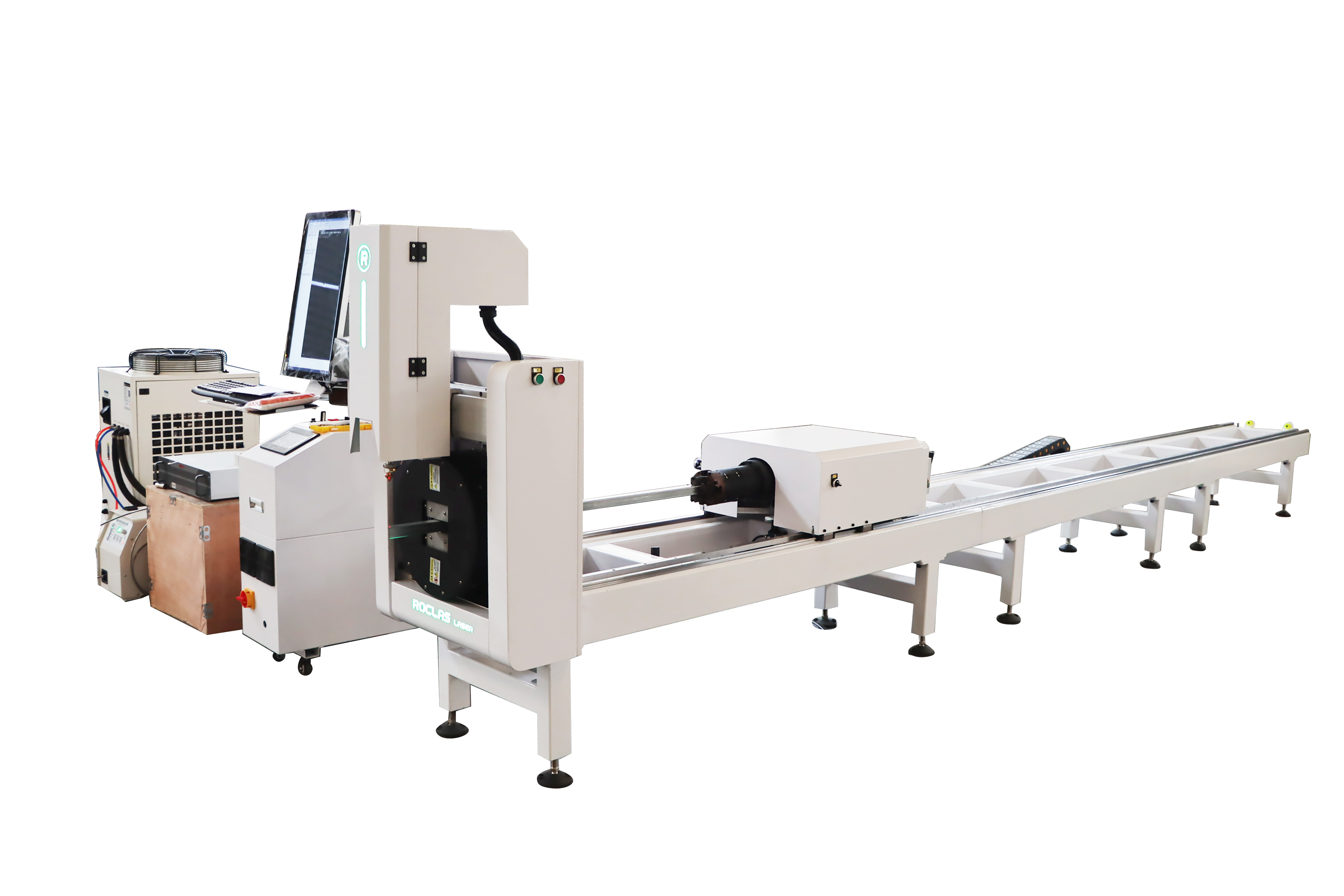
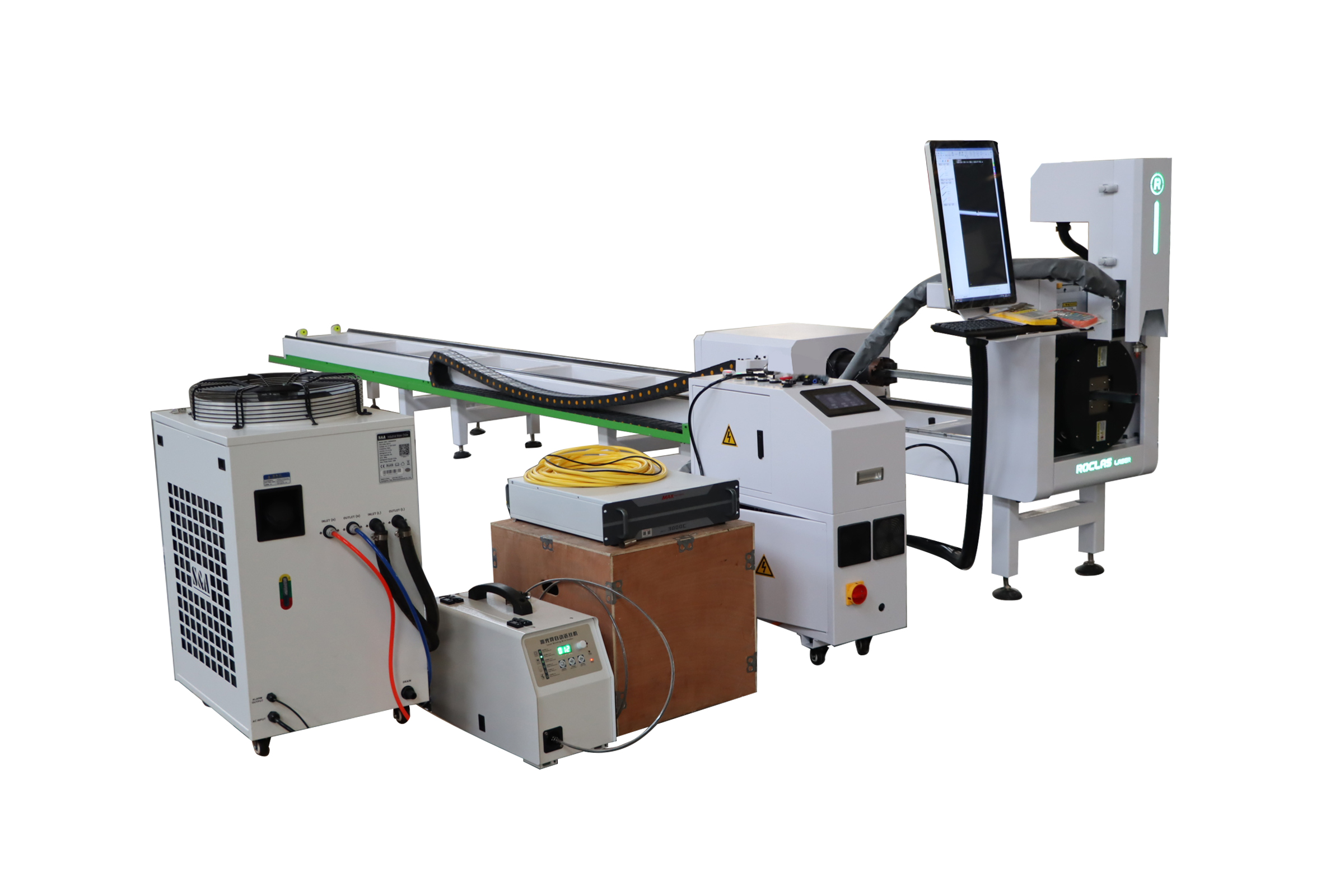
| Tube fiber laser | 1500×4000 mm | 1000 W – 3000 W | ±0.05 mm | ±0.03 mm | Round, square, rectangular tube up to 220 mm diameter |
| Sheet-and-tube integrated | 3000×1500 mm class | 1000 W – 6000 W | ±0.03 mm | ±0.02 mm | Mixed sheet and tube batches |
| 5-axis 3D fiber laser center | Fixed gantry, movable table | 1000 W – 6000 W | ±0.03 mm class | — | Complex 3D workpieces, formed parts |
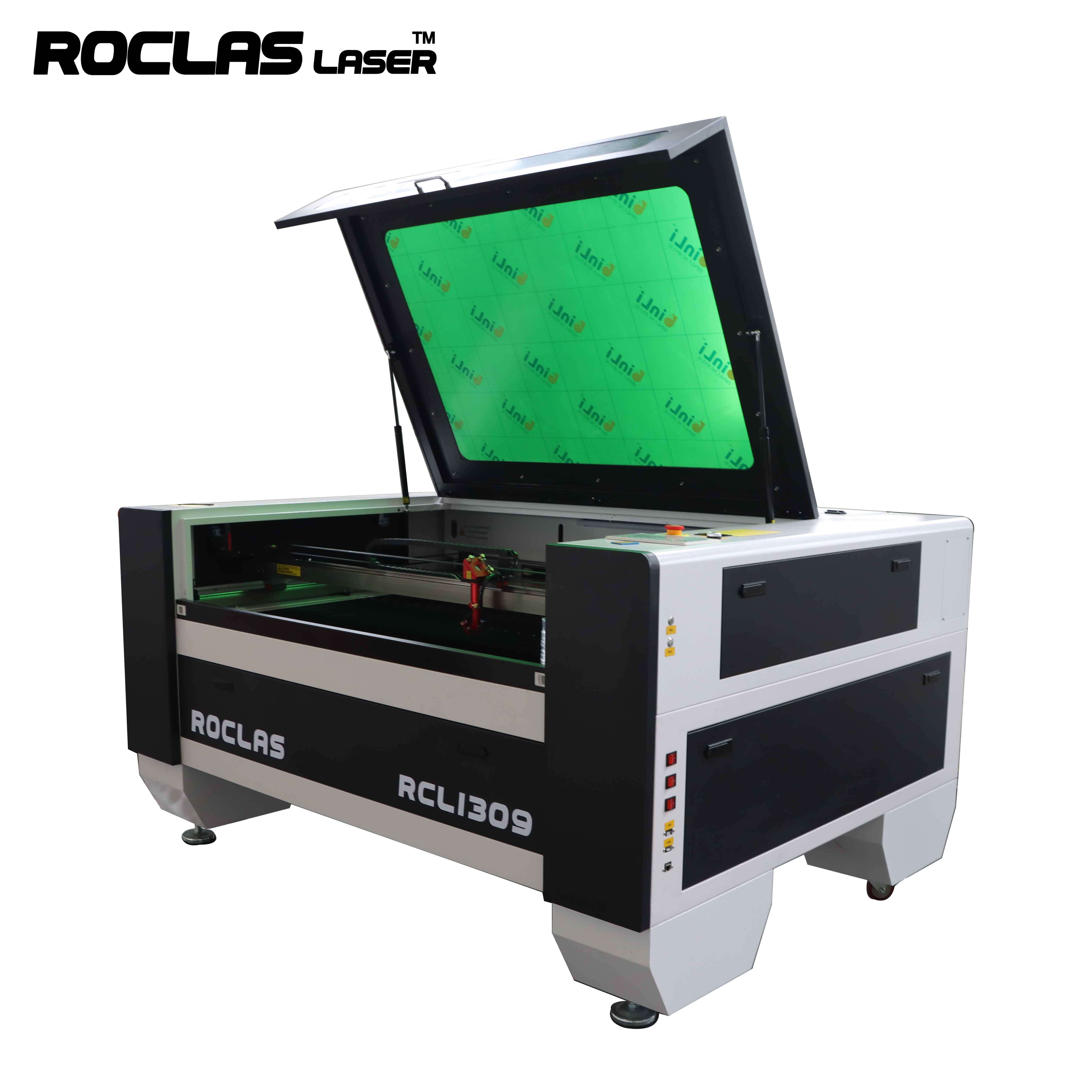
| Hybrid CO₂ + fiber | 1500×3000 mm | CO₂ 200–500 W plus fiber | — | — | Acrylic, wood, leather, thin metal |
Two observations follow from these figures. First, positioning accuracy has converged at roughly ±0.03 mm across power classes. A 20 kW machine is not less accurate than a 1 kW machine; the difference lies in thermal management, not in the servo platform. Second, the travel speed and acceleration envelope—100 m/min and 1.0 G are now common specifications—matters more than peak power alone in thin-gauge work, where the machine spends most of its time in repositioning rather than in the cut. Buyers who evaluate machines on wattage alone routinely mis-specify their equipment.
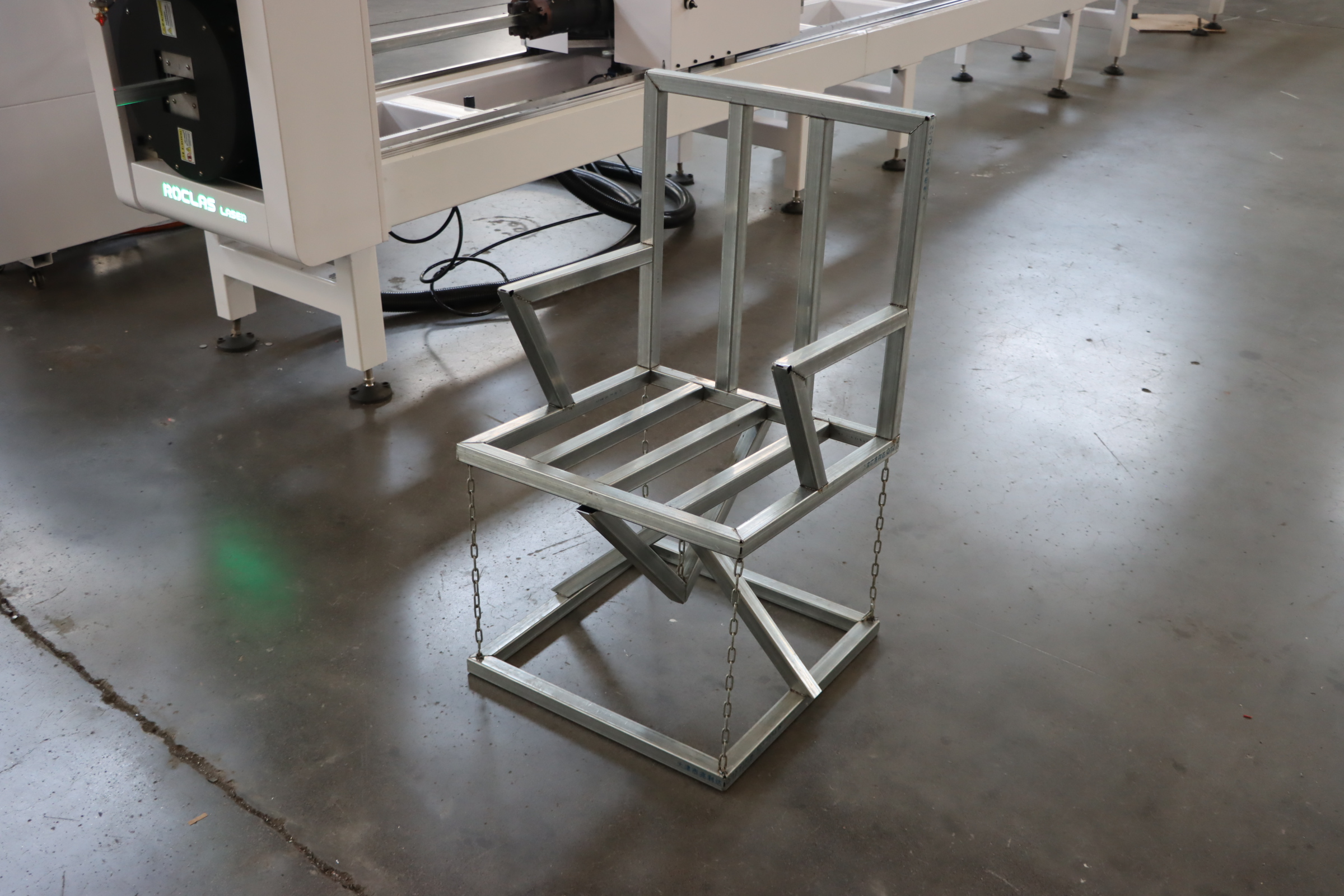
The tube-cutting row deserves separate comment. Maximum tube diameter of 220 mm covers the majority of furniture, fitness equipment, and structural tube work, but the accuracy figures (±0.05 mm positioning) are looser than for flat sheet because the chuck handling system, not the gantry, dominates the error budget. This is a design reality, not a supplier shortfall, and procurement specifications should reflect it.
Technology Application and Brand Case Study
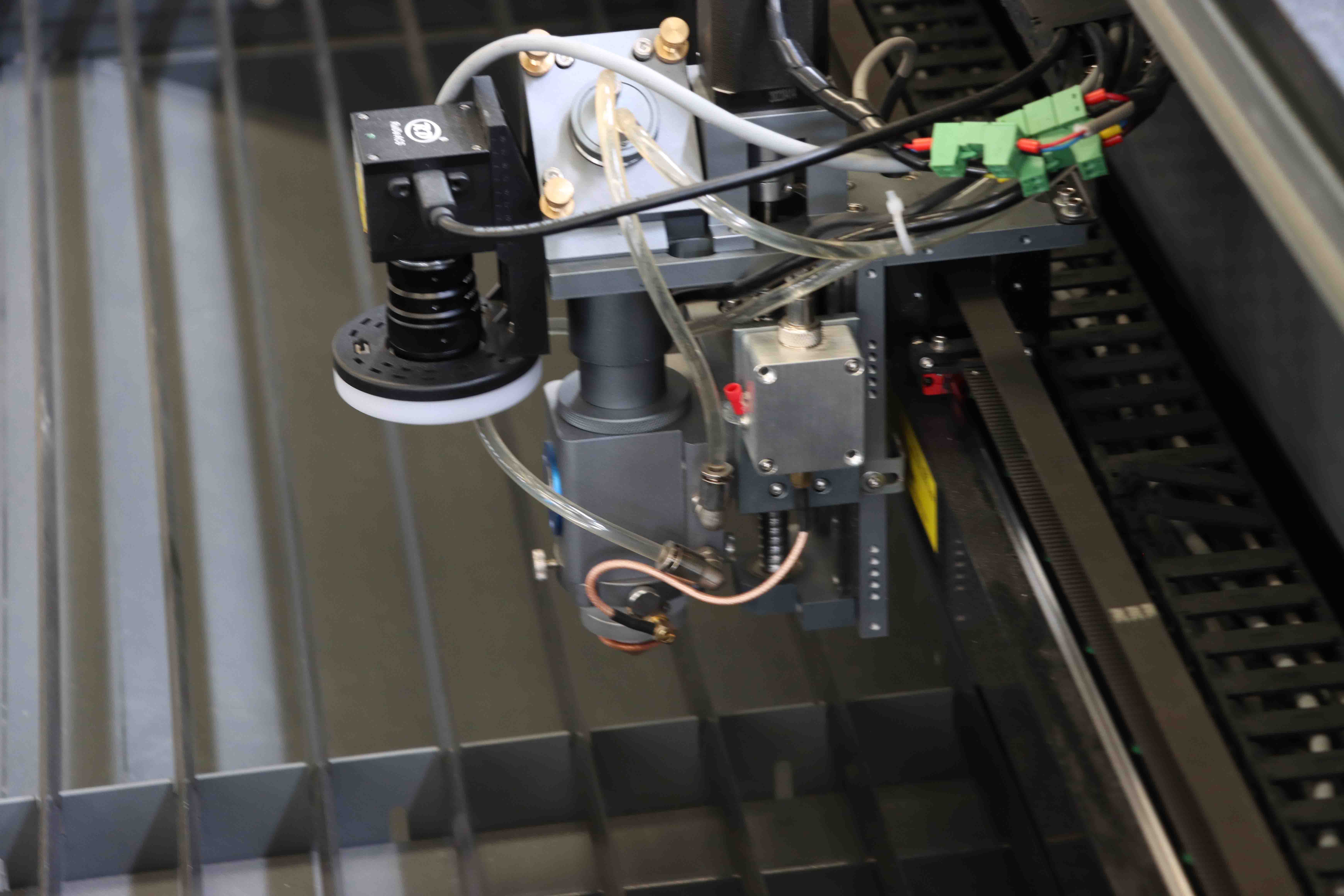
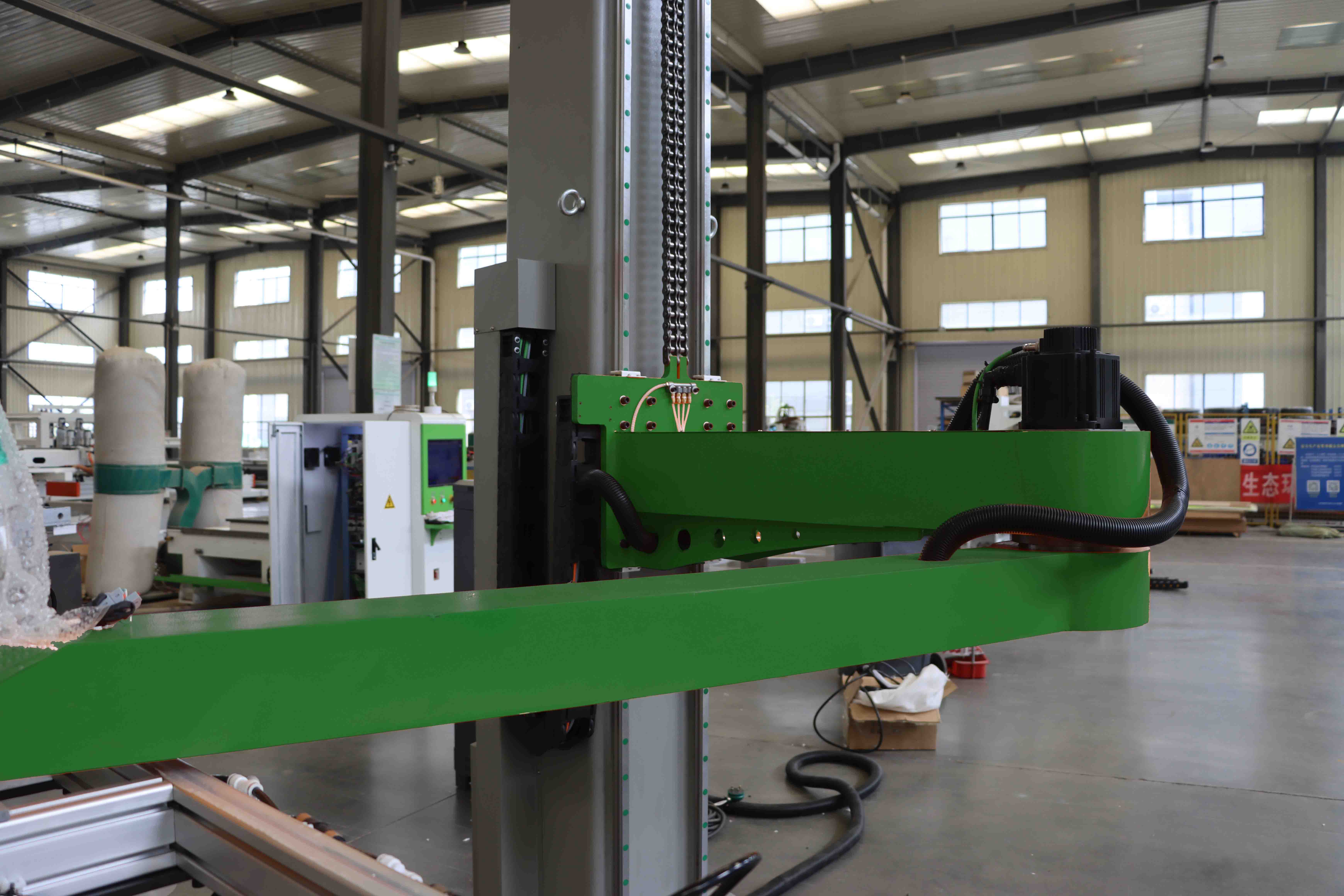
The engineering challenge at higher power is not generating the beam but controlling what it does to the workpiece and to the machine itself. At 10 kW and above, the cutting head, the protective optics, and the bed structure are all exposed to thermal loads that were not a design consideration at 2 kW. Industrial-grade heavy-duty steel structures, machined on CNC five-face machining centers, have become the baseline rather than a premium option, because thermal distortion of a lighter frame translates directly into lost accuracy on thick plate. Imported servo drives and reducers, sealed optics, and integrated smoke extraction are similarly no longer differentiators but entry requirements.
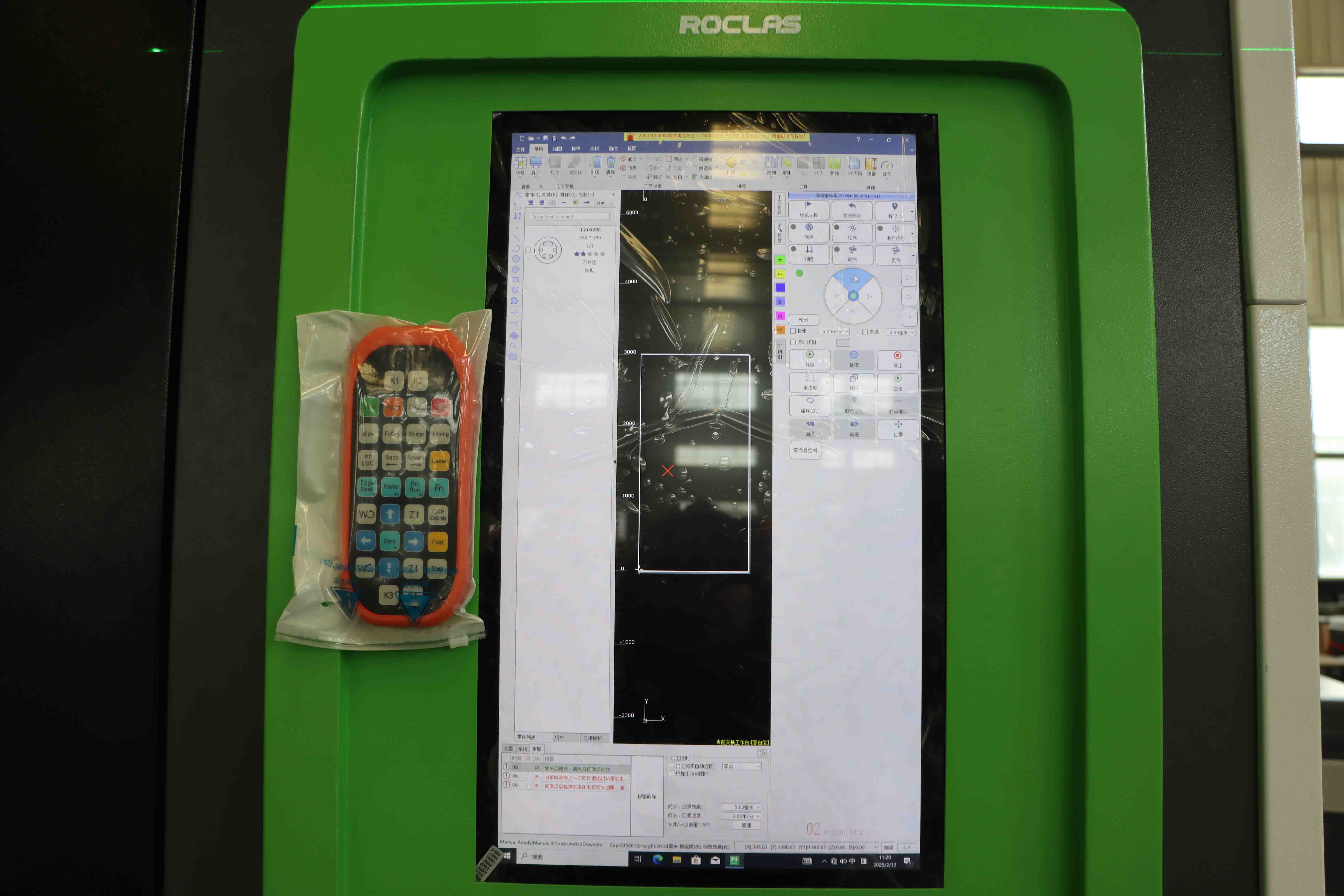
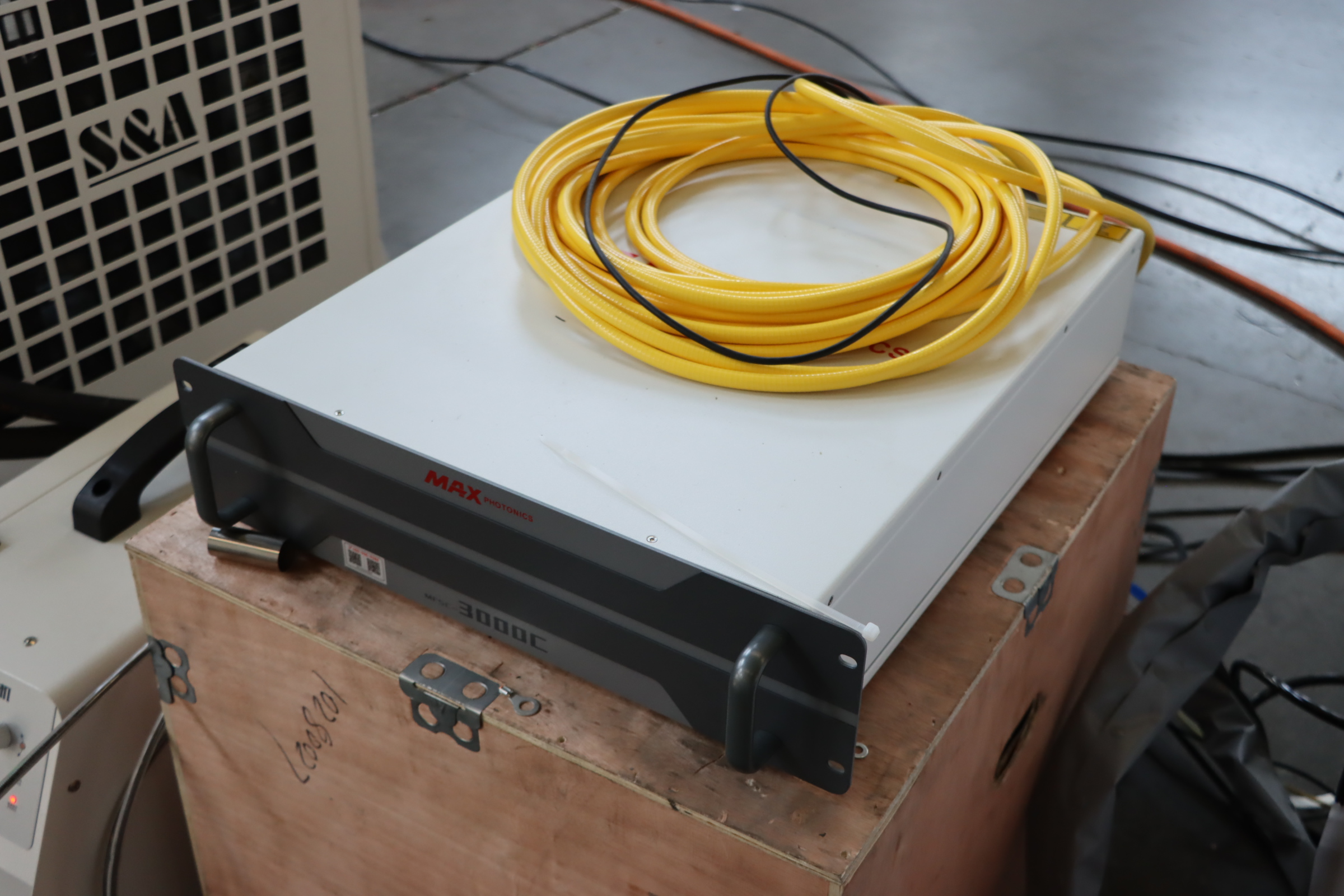
ROCLAS® MACHINERY CO., LTD. illustrates how a mid-sized exporter positions itself in this environment. The company's fiber laser cutting line spans 1000 W to 20 kW, with working areas of 3000×1500 mm, 4000×2000 mm, and 1500×4000 mm, Cypcut control, Raycus or MAX sources, and Raytools cutting heads. Rather than competing purely on price, ROCLAS has built its offering around structural rigidity, five-face-machined beds, and a high-reflectivity suppression module that allows stable processing of copper and aluminum sheet—a capability that matters increasingly as shops take on mixed-material work. Its portfolio also covers tube machines, a sheet-and-tube integrated model, a hybrid CO₂-plus-fiber platform for non-metals, 5-axis 3D centers, and peripheral equipment such as nitrogen generators and coil uncoilers, which lets a buyer assemble a coherent production cell from a single supplier. Certifications including ISO 9001, CE, FDA, and UL, together with a patent portfolio of more than fifty filings, are the kind of evidence export customers now expect before committing capital.
The broader lesson from suppliers of this type is that the 10–20 kW tier is no longer exclusively the domain of a handful of premium European and Japanese brands. The performance gap has narrowed in flat-sheet cutting, and the remaining differences concentrate in automation integration, service response, and software ecosystems—areas where buyers should direct their due diligence.
Conclusion and Outlook
High-power fiber laser cutting has matured from a showcase technology into a standard production method for thick plate. The next phase of competition will be decided less by kilowatts than by automation: coil-fed lines, robotic loading, automatic nesting, and integration with press brakes and welding cells. Suppliers that can deliver a complete, certified, and serviceable production chain—as ROCLAS and its peers are attempting—will capture the mid-market, while the premium tier defends itself on software and process knowledge. For fabricators, the practical advice is straightforward: specify on total cost per part and thermal stability, not on nameplate power.