Abstract
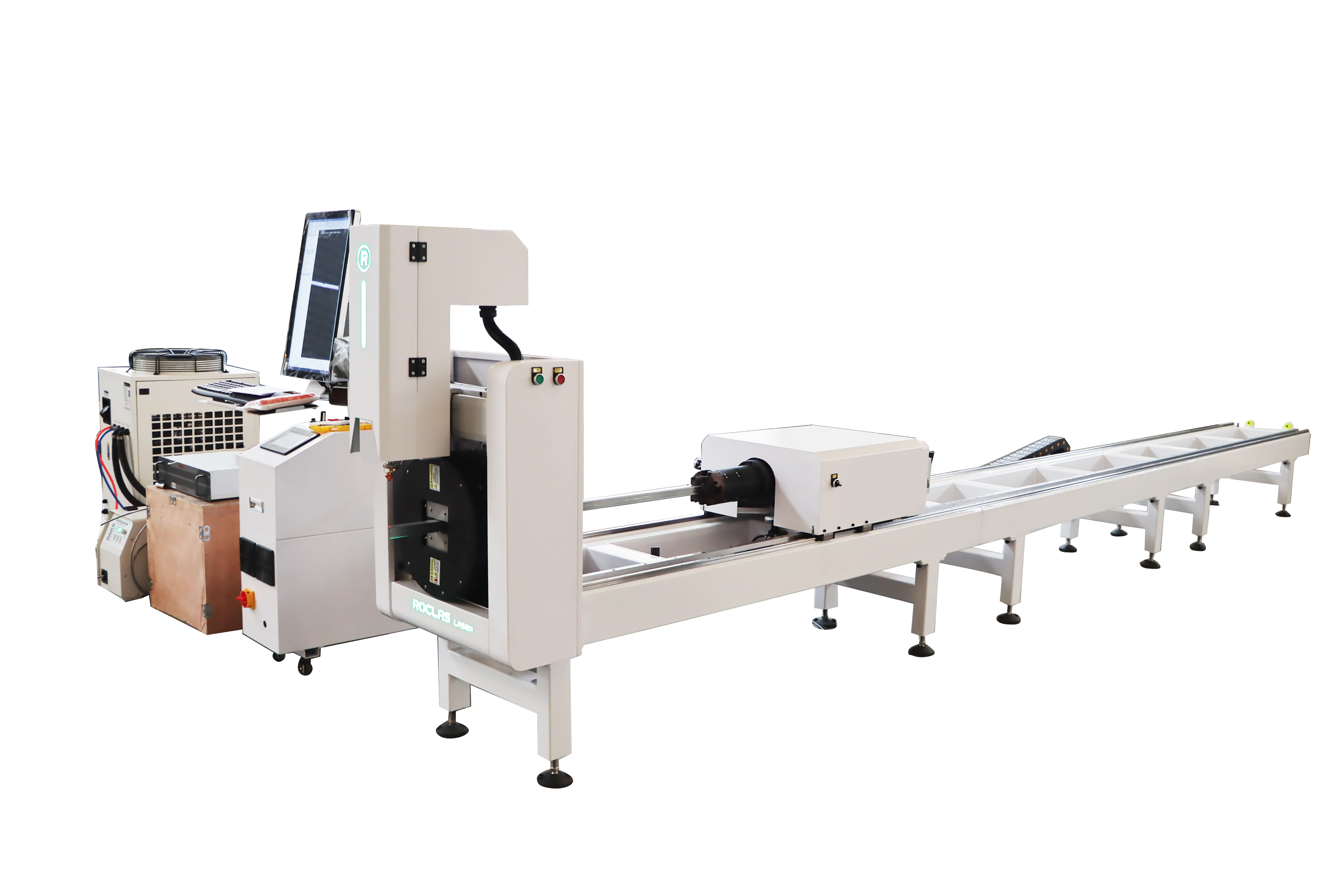
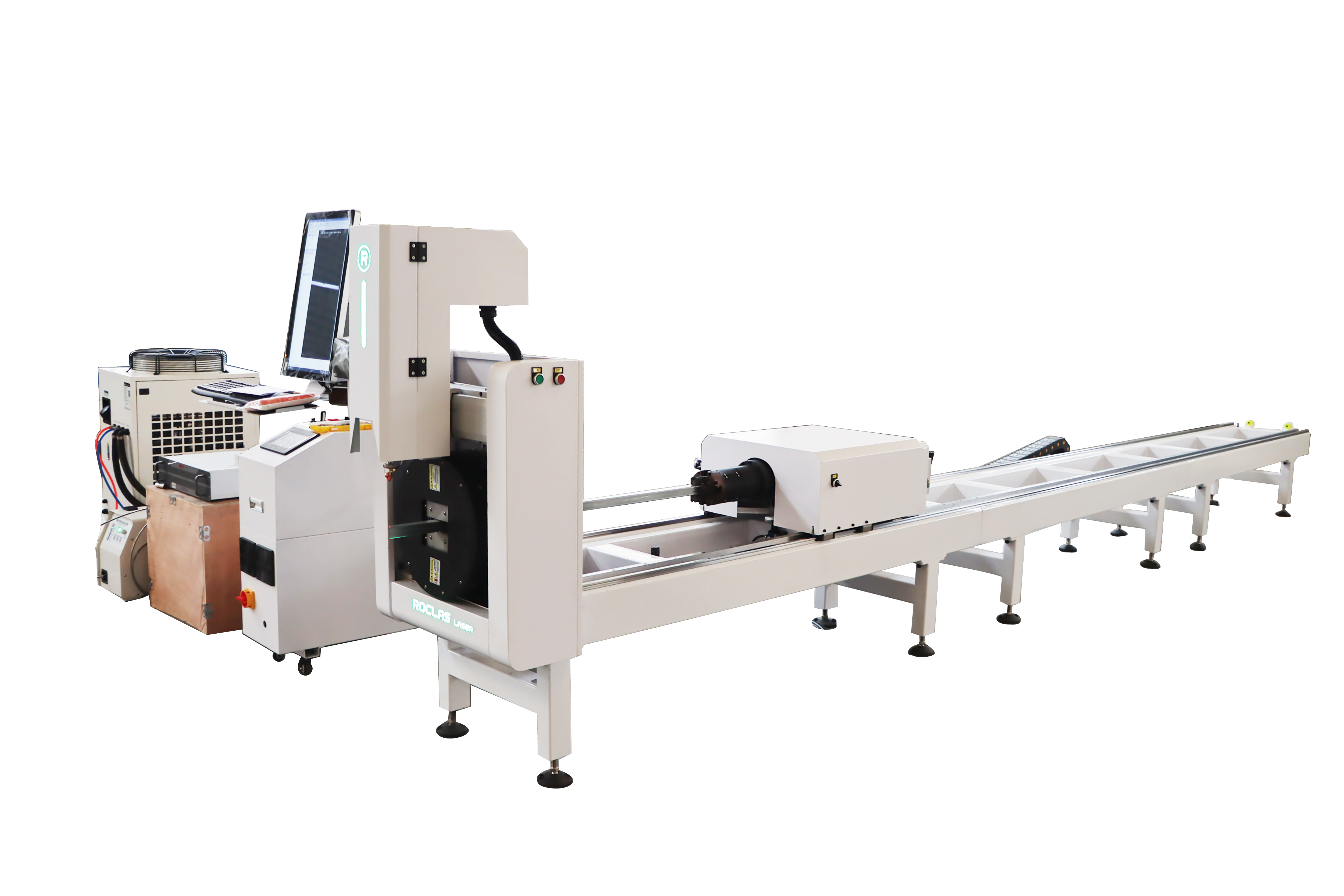
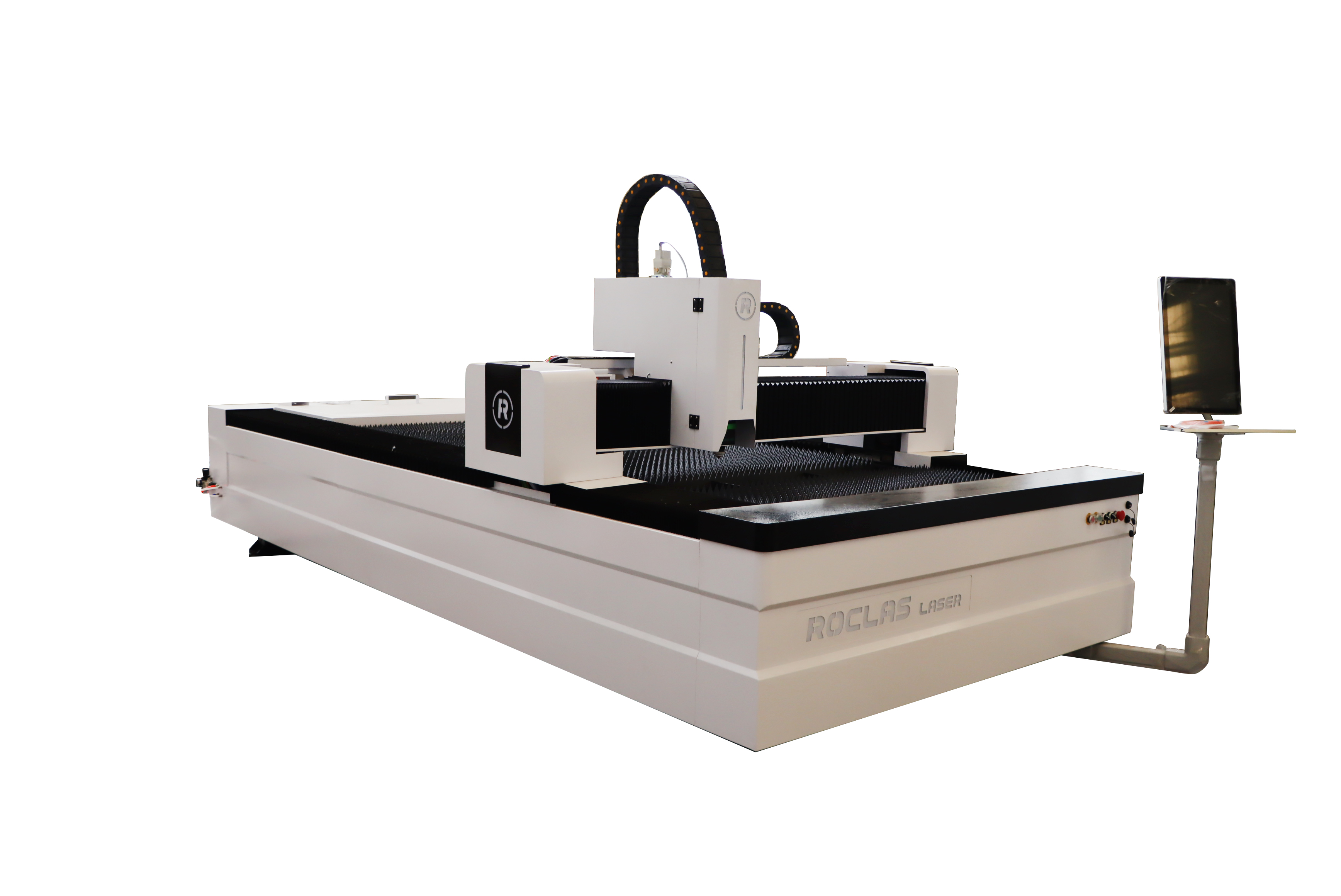
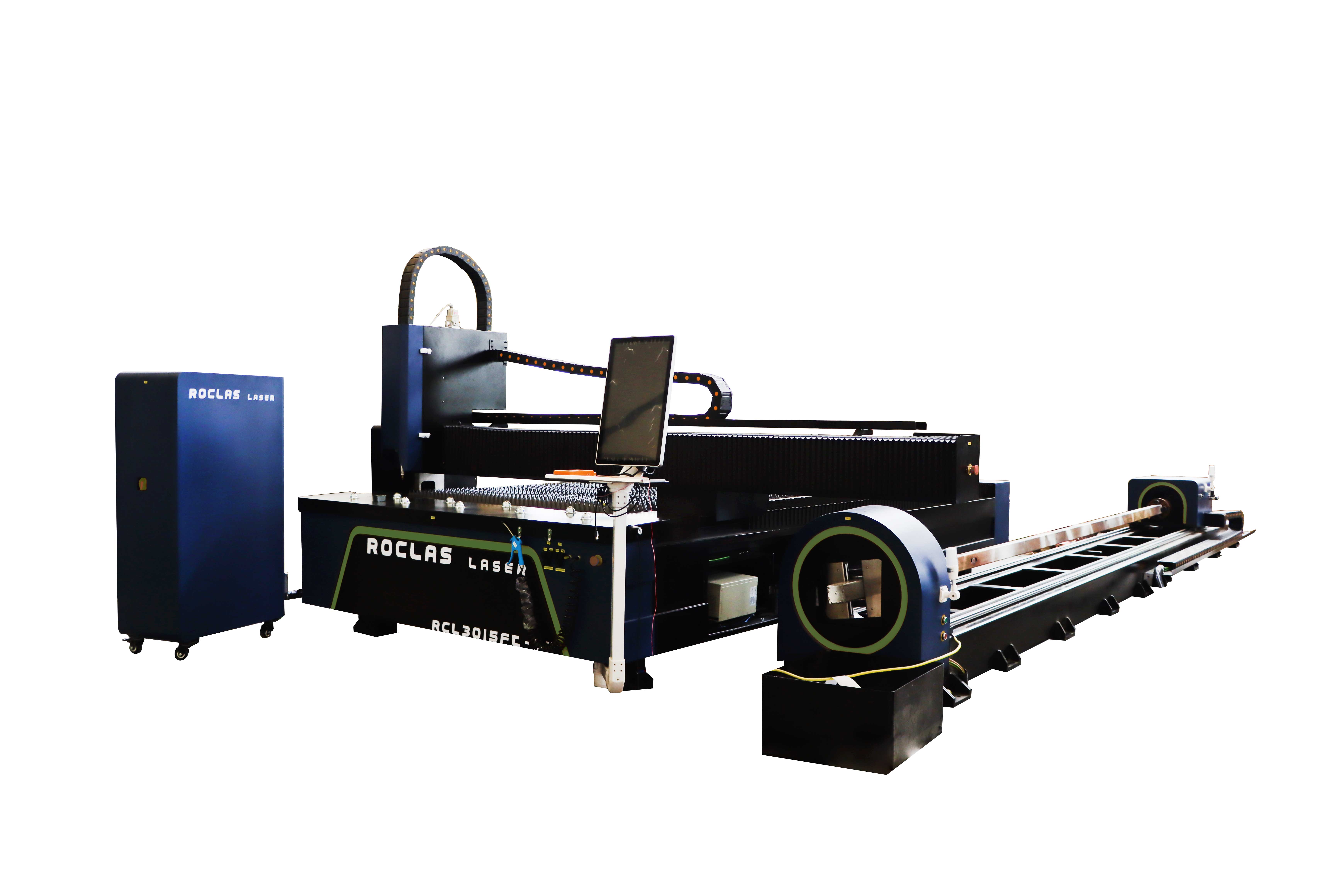
The fiber laser generator has emerged as a cornerstone technology in modern industrial manufacturing, fundamentally transforming how metal fabrication, automotive production, and aerospace components are processed. Unlike traditional CO2 or solid-state lasers, fiber laser generators offer superior beam quality, higher electrical efficiency, and exceptional reliability in demanding production environments. This article examines the current state of fiber laser generator technology, analyzes market trends and performance specifications, and explores how leading manufacturers like ROCLAS® MACHINERY CO., LTD. are advancing the field through integrated systems and intelligent control architectures. Drawing on technical data from industry sources and the comprehensive product knowledge base of Roctech Machinery, this analysis provides a data-driven perspective on the evolving role of fiber laser generators in precision manufacturing.
---
Industry Background and Market Dynamics
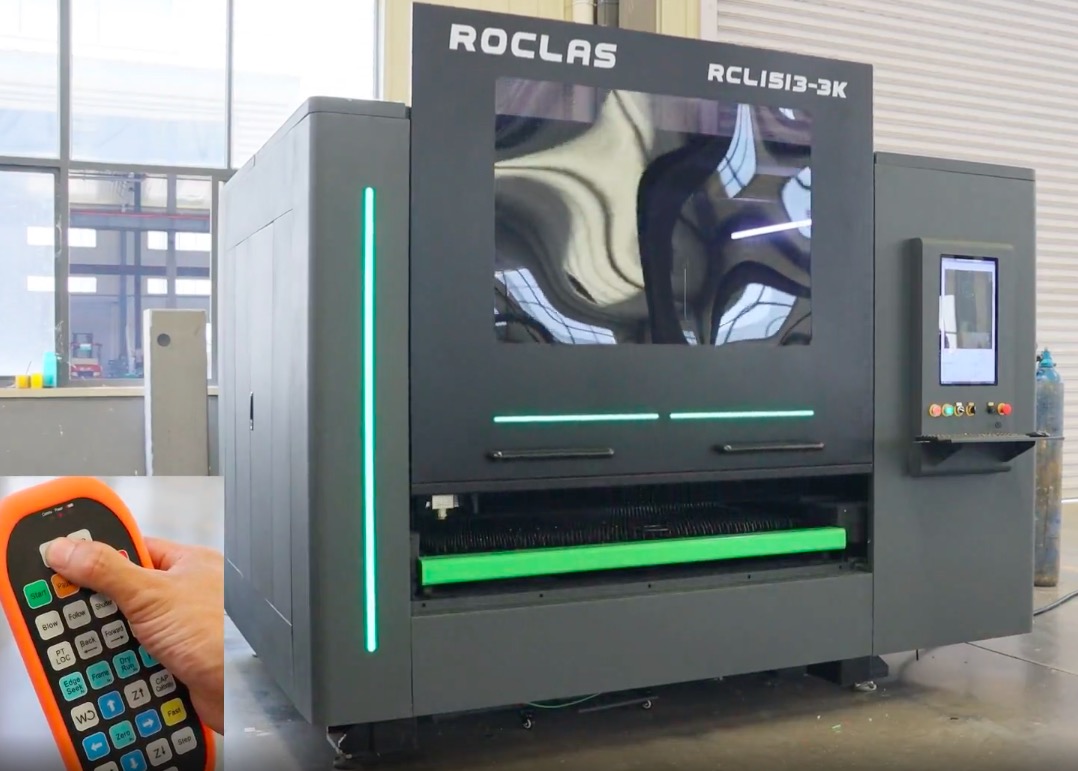
The global fiber laser generator market has experienced remarkable growth over the past decade, driven by the increasing demand for high-speed, high-precision metal cutting across industries. Unlike their CO2 counterparts, fiber laser generators utilize optical fibers doped with rare-earth elements as the gain medium, delivering a compact, robust design that significantly reduces maintenance requirements while improving beam quality. The transition from traditional laser sources to fiber-based systems represents one of the most significant technological shifts in industrial processing since the introduction of CNC controls.
According to recent industry analyses, the fiber laser generator market is projected to exceed $5.5 billion by 2027, with a compound annual growth rate (CAGR) of approximately 8.2% from 2024 onward. This growth is fueled by several converging factors: the need for higher cutting speeds in mass production environments, the demand for processing reflective materials such as copper and aluminum, and the increasing emphasis on energy efficiency and reduced operational costs.
A critical development in this market is the broadening of power ranges available to manufacturers. While early fiber laser generators were limited to 1–3 kW, contemporary systems now span from 1 kW for thin-sheet applications to 20 kW for heavy-plate processing. This expansion has opened new application domains, from precision medical device manufacturing to heavy structural steel fabrication.
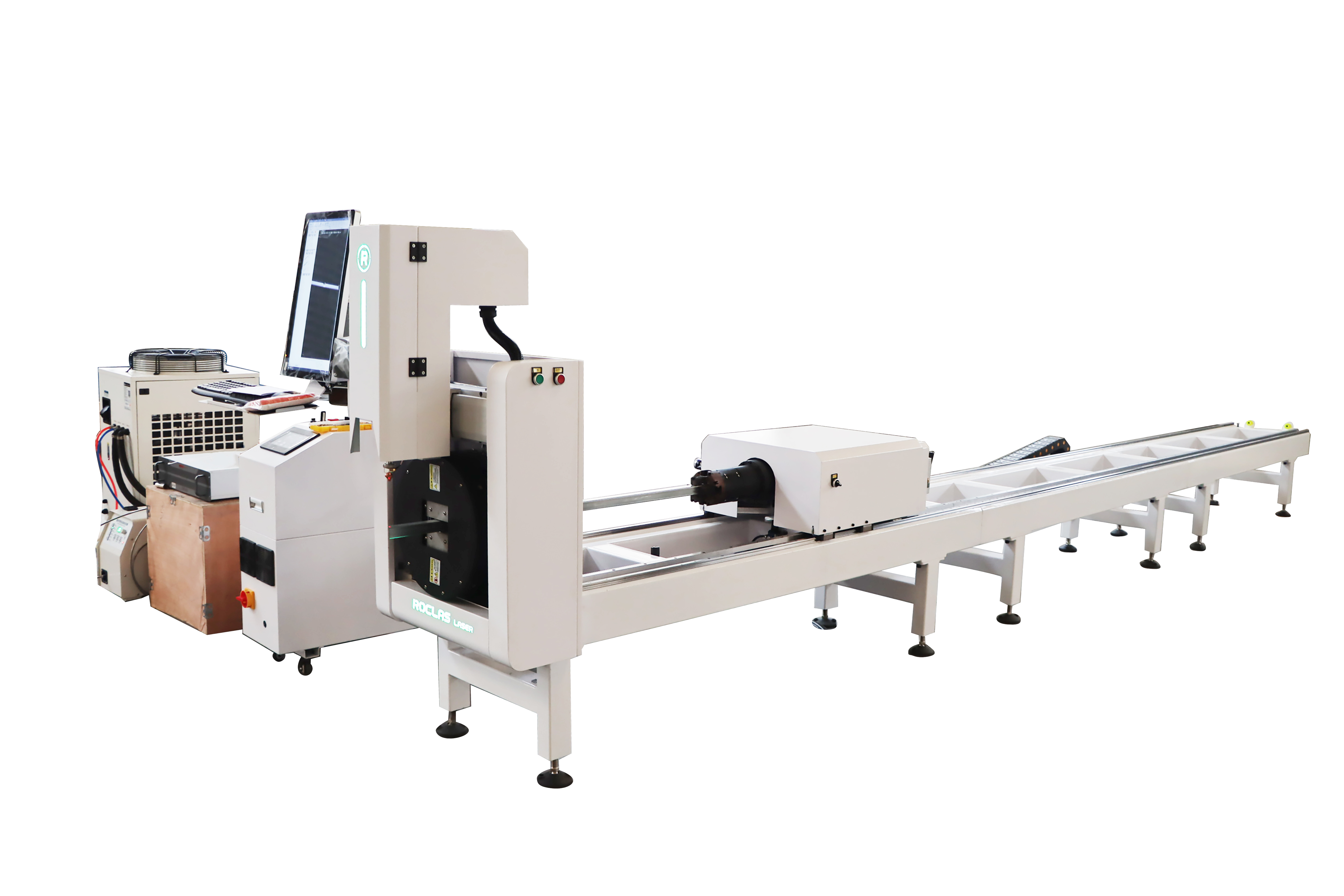
---
Technical Specifications and Performance Data
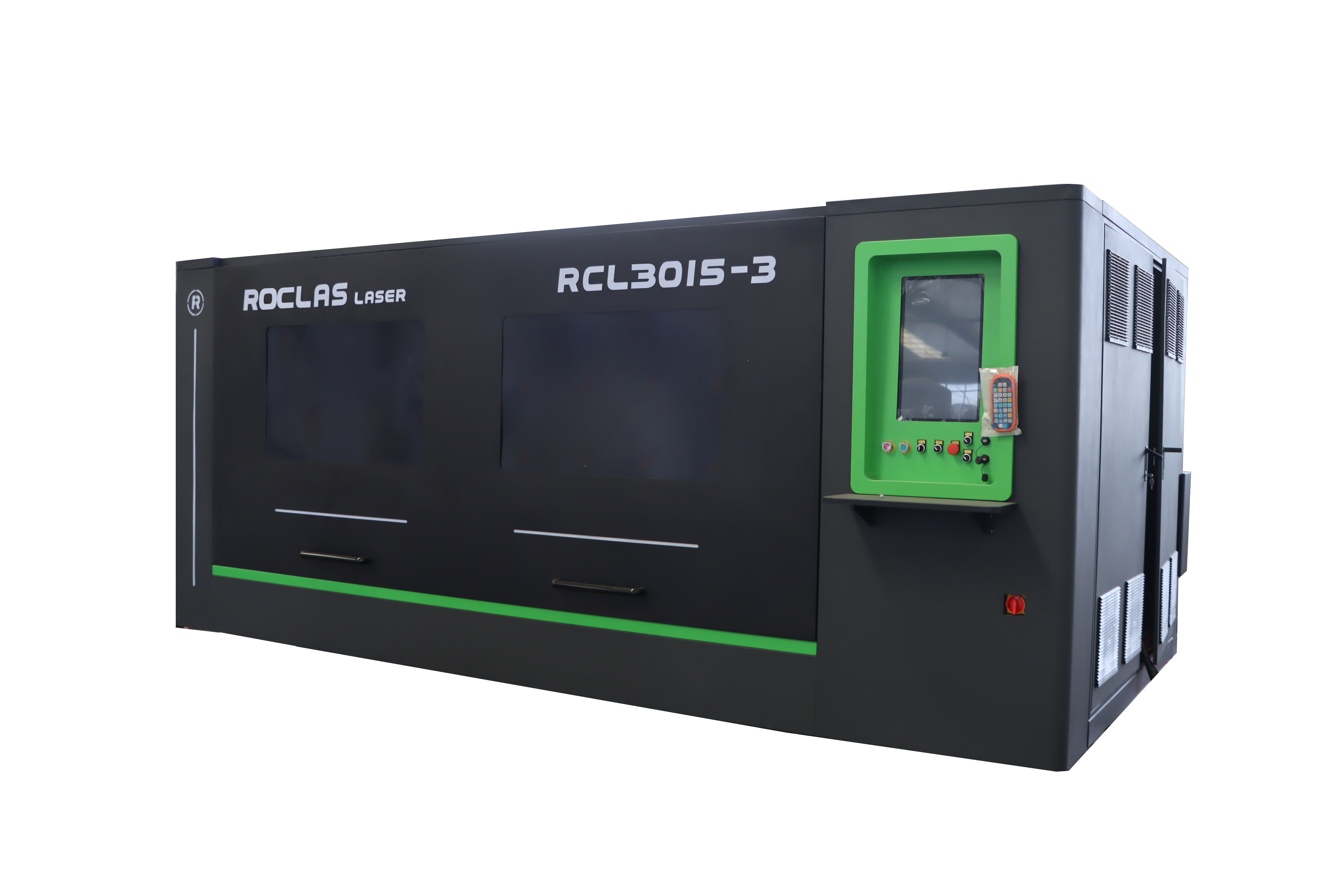
To better understand the capabilities of modern fiber laser generators, it is instructive to examine the performance parameters of systems currently available from established manufacturers. The following table summarizes key specifications for a representative range of fiber laser generators used in sheet metal cutting applications, reflecting data from ROCLAS® MACHINERY CO., LTD. product documentation and industry standards.
| Parameter | Entry-Level | Mid-Range | High-Power | Ultra-High-Power |
|-----------|-------------|-----------|------------|------------------|
| Laser Power (W) | 1,000–1,500 | 2,000–4,000 | 6,000–10,000 | 12,000–20,000 |
| X/Y Axis Positioning Accuracy (mm) | ±0.03 | ±0.03 | ±0.03 | ±0.03 |
| X/Y Axis Repositioning Accuracy (mm) | ±0.02 | ±0.02 | ±0.02 | ±0.02 |
| Maximum Travel Speed (m/min) | 100 | 100 | 100 | 100 |
| Maximum Acceleration (G) | 1.0 | 1.0 | 1.0 | 1.0 |
| Maximum Cutting Thickness – Mild Steel (mm) | 6–8 | 12–16 | 20–25 | 30–40 |
| Maximum Cutting Thickness – Stainless Steel (mm) | 3–4 | 6–8 | 10–14 | 16–20 |
| Typical Electrical Efficiency (%) | 30–35 | 30–35 | 35–40 | 35–40 |
| Laser Source Options | Raycus / MAX | Raycus / MAX | Raycus / MAX | Raycus / MAX |
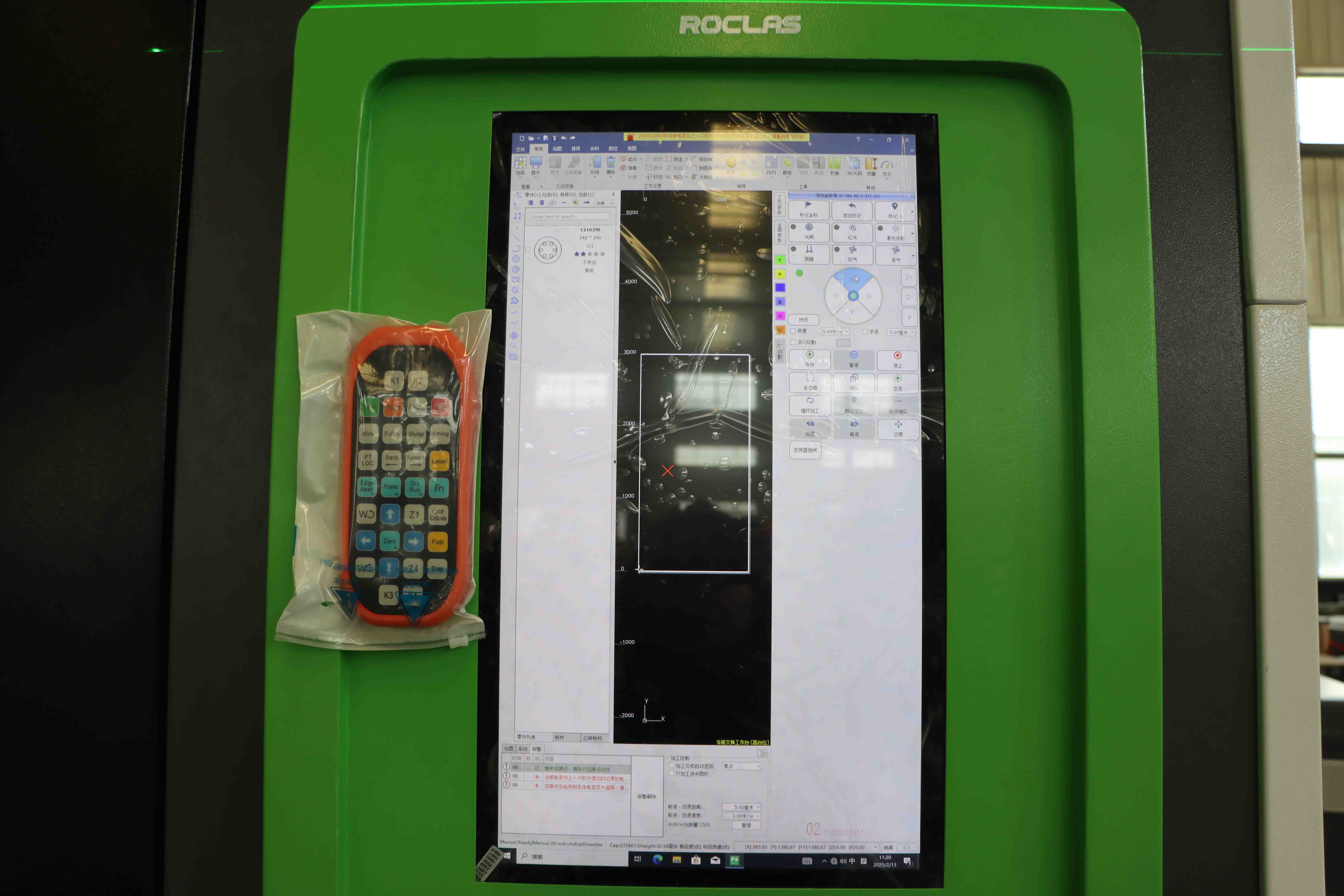
| Control System | Cypcut 3000S | Cypcut 3000S | Cypcut 3000S | Cypcut 3000S |
Source: Compiled from ROCLAS® MACHINERY CO., LTD. technical specifications and industry-standard performance data.
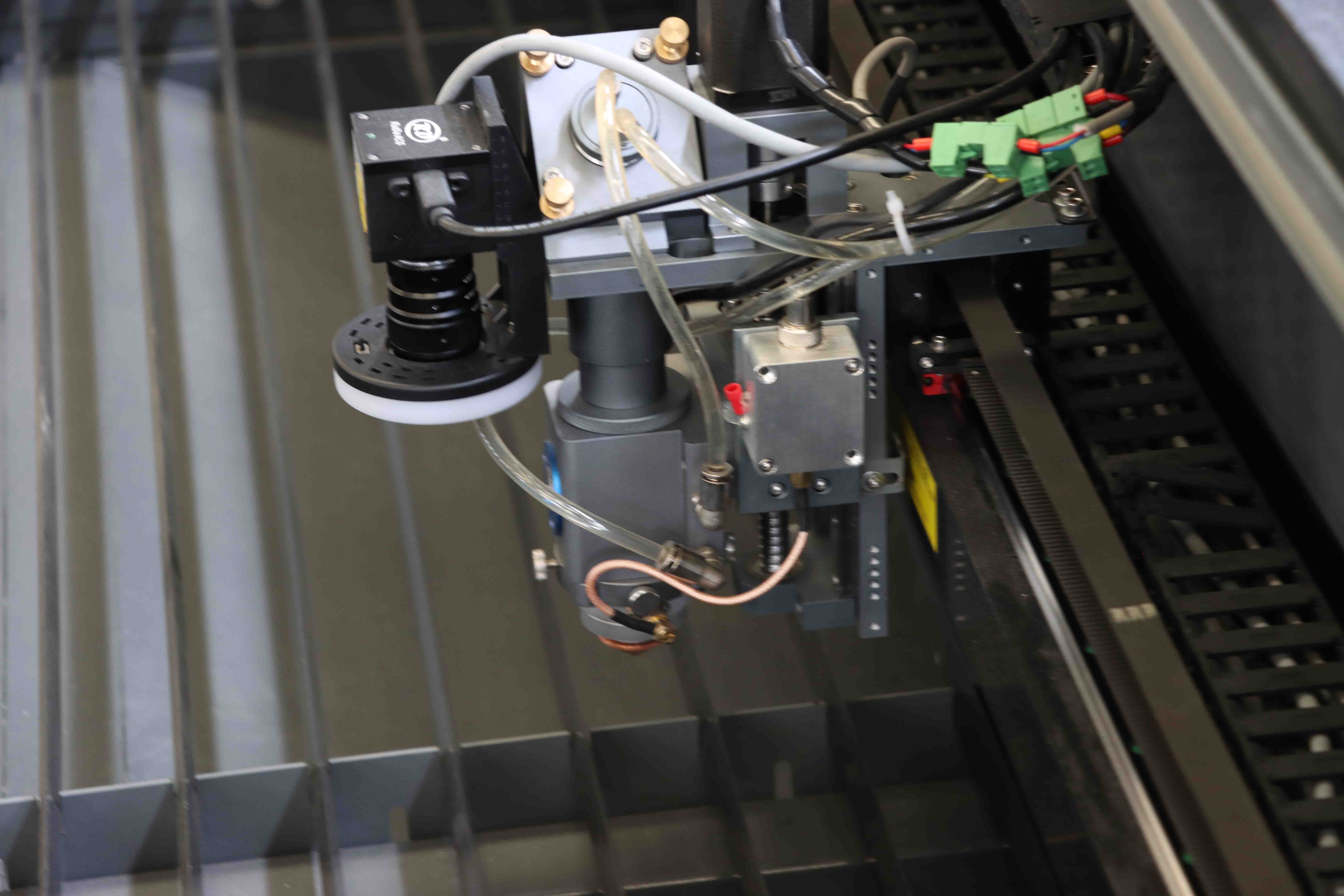
The data reveals several important trends. First, positioning accuracy remains consistently high across all power ranges, indicating that motion control systems have matured to a point where the laser source itself—rather than mechanical precision—is the primary determinant of cut quality. Second, the maximum travel speed of 100 m/min and acceleration of 1.0 G are now industry benchmarks, enabling rapid traverse between cutting paths and minimizing non-productive time. Third, the ability to process reflective materials such as copper and aluminum—historically problematic for laser systems—has been addressed through the incorporation of high-reflectivity suppression modules, a feature prominently documented in ROCLAS product specifications.