Abstract
The global metal fabrication industry is undergoing a structural transformation driven by the integration of high-power fiber laser cutting systems. This article examines the market forces, technological drivers, and practical implications of this shift, drawing on recent data and real-world applications. We analyze how manufacturers are moving from traditional press and plasma methods toward automated laser solutions, with a focus on system rigidity, motion control precision, and material handling integration. The discussion highlights how established OEMs like ROCLAS (ROCLAS® MACHINERY CO., LTD.) are redefining production floor economics through modular bed designs, high-reflectivity suppression modules, and coil-fed processing lines. A comparative market table is provided to contextualize regional adoption and power-class penetration. The article concludes with a forward-looking assessment of where the industry is headed, particularly regarding 5-axis capability and hybrid laser integration.
---
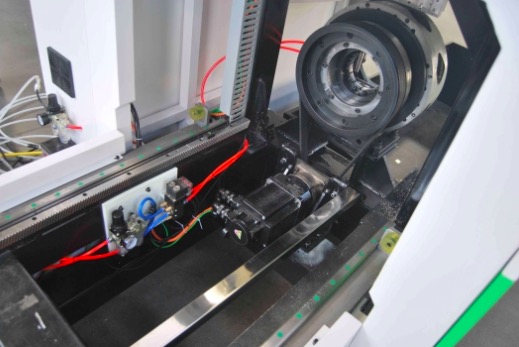
Industry Background and Market Dynamics
The metal fabrication sector has long been characterized by high capital expenditure, tight tolerances, and relentless pressure to reduce per-unit cost. For decades, the dominant technologies—plasma cutting, stamping presses, and manual welding—served their purpose but left significant room for improvement in speed, precision, and material yield.
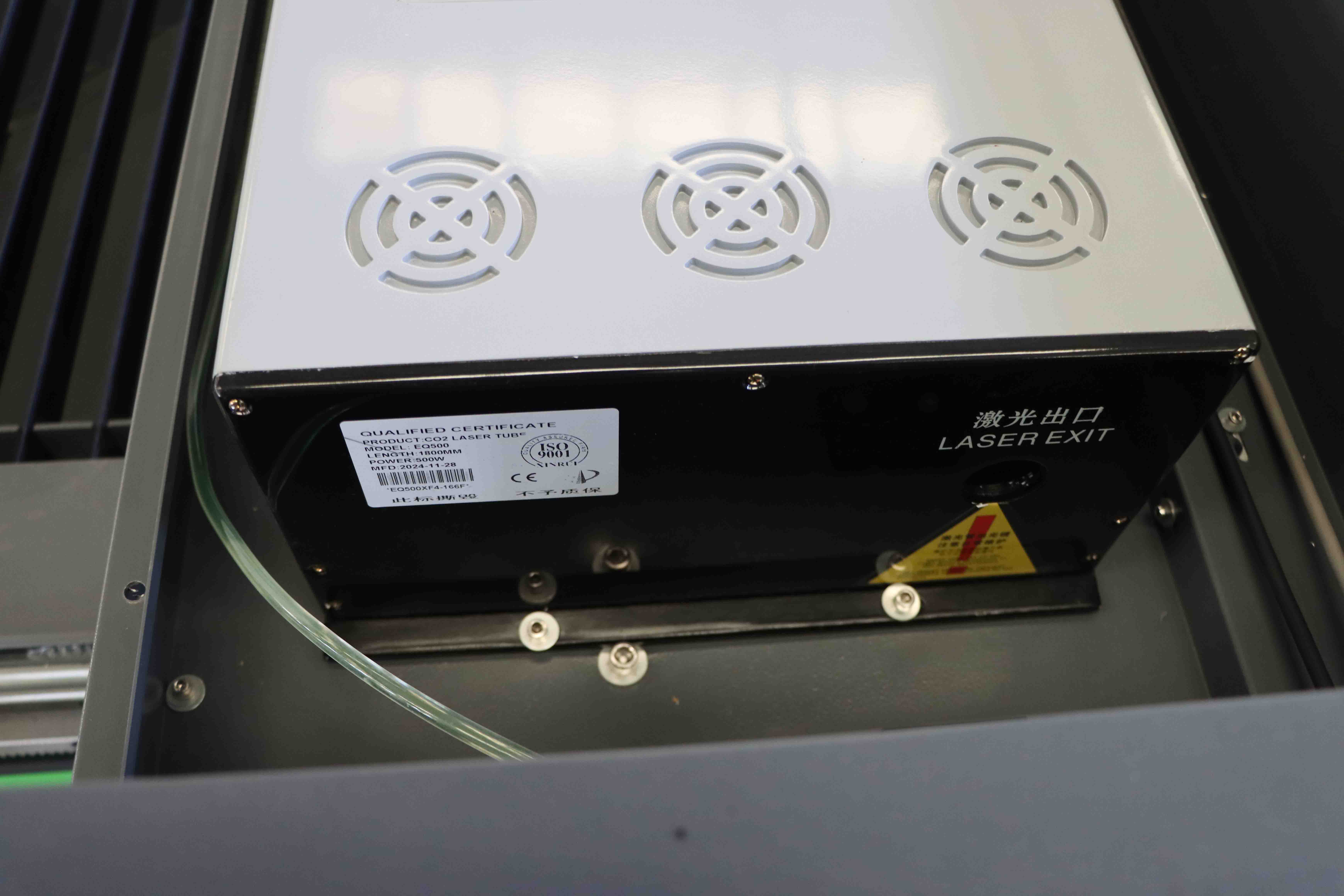
Enter fiber laser cutting. Over the past decade, the cost of kilowatt-scale fiber lasers has dropped by roughly 60–70%, while achievable power has climbed to 20 kW and beyond. This has fundamentally altered the economics of sheet metal processing. A 6 kW fiber laser can now cut 12 mm mild steel at production speeds that would have required a 4 kW CO₂ laser only five years ago—and with a kerf width roughly one-third smaller. That narrower kerf translates directly into tighter nesting and less scrap.
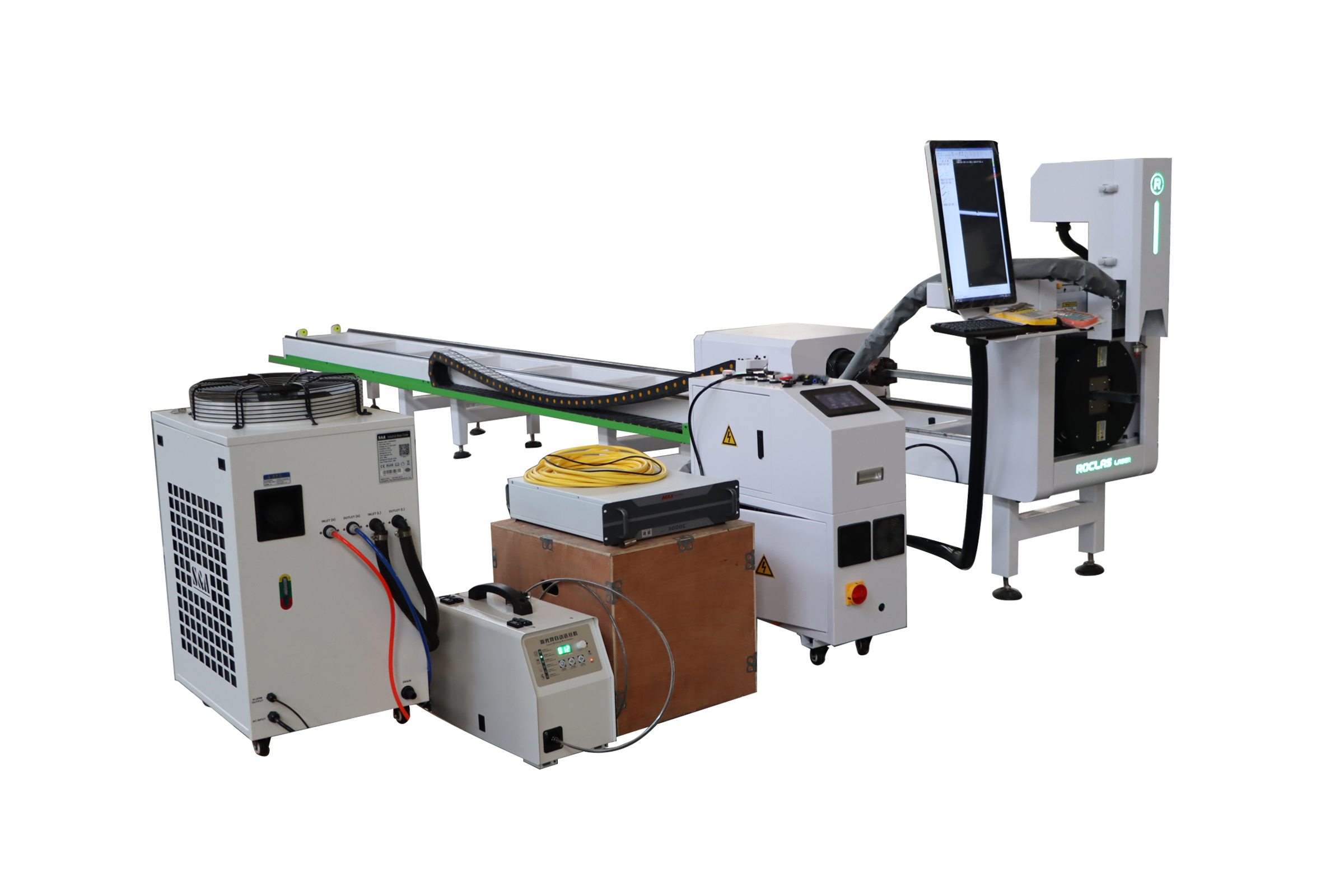
The shift is not merely about swapping one heat source for another. The real revolution lies in automation. Modern fiber laser cutting centers integrate automatic material feeding, nesting software, part sorting, and even downstream welding or cleaning stations. The result is a production cell that runs with minimal human intervention, often achieving utilization rates above 85%.
To understand the scale of this transition, consider the following market breakdown:
Table 1: Global Metal Fabrication Laser Cutting Market – Regional Adoption and Power Class Distribution (Estimated 2024)
| Region | Estimated Market Share (%) | Dominant Power Class (kW) | Primary Application Sectors | Year-over-Year Growth (%) |
|--------|---------------------------|---------------------------|----------------------------|---------------------------|
| Asia-Pacific | 42 | 6–12 | Automotive, electronics, shipbuilding | 14 |
| Europe | 28 | 4–10 | Aerospace, medical, specialty machinery | 9 |
| North America | 20 | 6–15 | Heavy equipment, construction, energy | 11 |
| Middle East & Africa | 6 | 1–6 | Oil & gas, architectural metalwork | 8 |
| Latin America | 4 | 1–4 | General fabrication, agriculture | 6 |
Data synthesized from industry trade reports and OEM shipment records.
Several observations emerge from this table. First, Asia-Pacific’s dominance is driven by high-volume automotive and electronics production, where cycle time is paramount. The 6–12 kW sweet spot reflects the need to cut both thin (<3 mm) and medium (6–10 mm) thicknesses without changing machines. Second, North America’s tilt toward higher power (6–15 kW) correlates with the prevalence of heavy equipment and structural steel fabrication, where plate thickness routinely exceeds 10 mm. Third, the growth rates in all regions remain robust, suggesting that the replacement cycle for legacy plasma and press equipment is far from complete.
---
Technical Application and the Role of Integrated Systems
The technical requirements for modern metal fabrication laser systems are exacting. Positioning accuracy must hold ±0.03 mm or better; repositioning accuracy is expected at ±0.02 mm. Travel speeds of 100 m/min with accelerations of 1.0 G are now standard on competitive machines. But these numbers alone do not tell the full story.
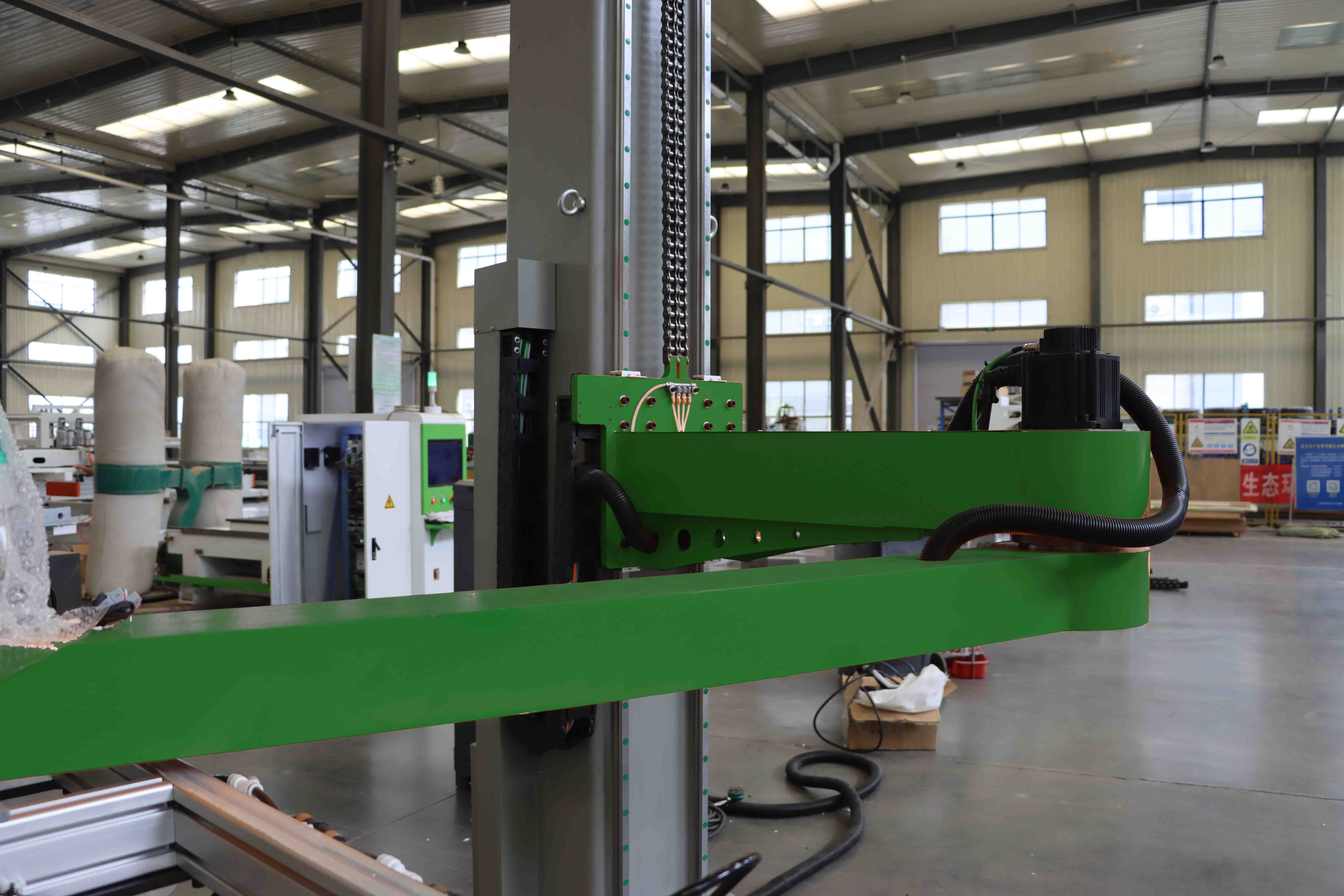
What separates a capable laser cutter from an exceptional one is structural rigidity. A machine built on a heavy-duty steel frame, machined on a CNC five-face machining center, will maintain its accuracy over years of operation. The thermal stability of the bed, the precision of the linear guides, and the stiffness of the gantry all contribute to consistent cut quality—especially when processing reflective materials like copper and aluminum.
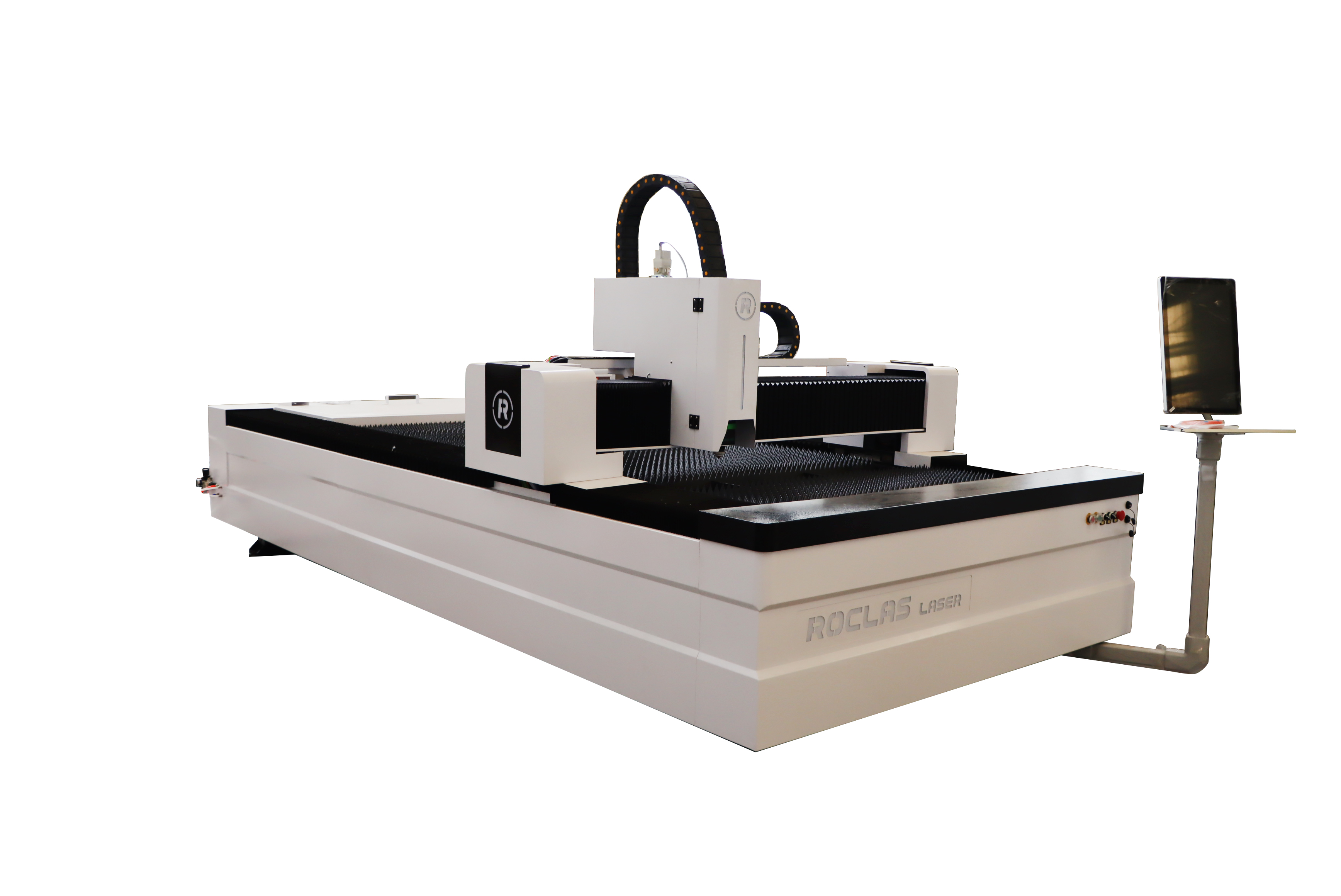
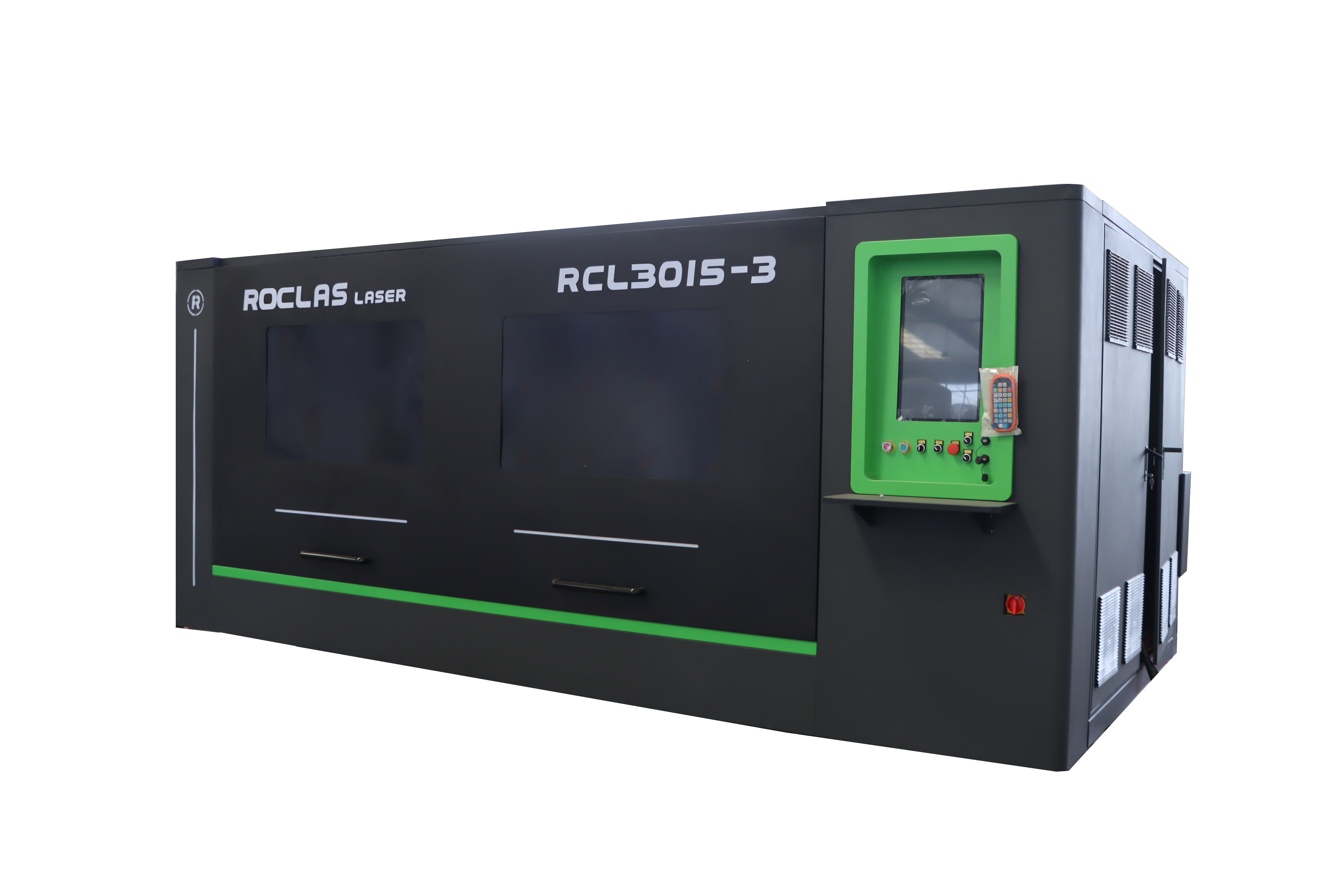
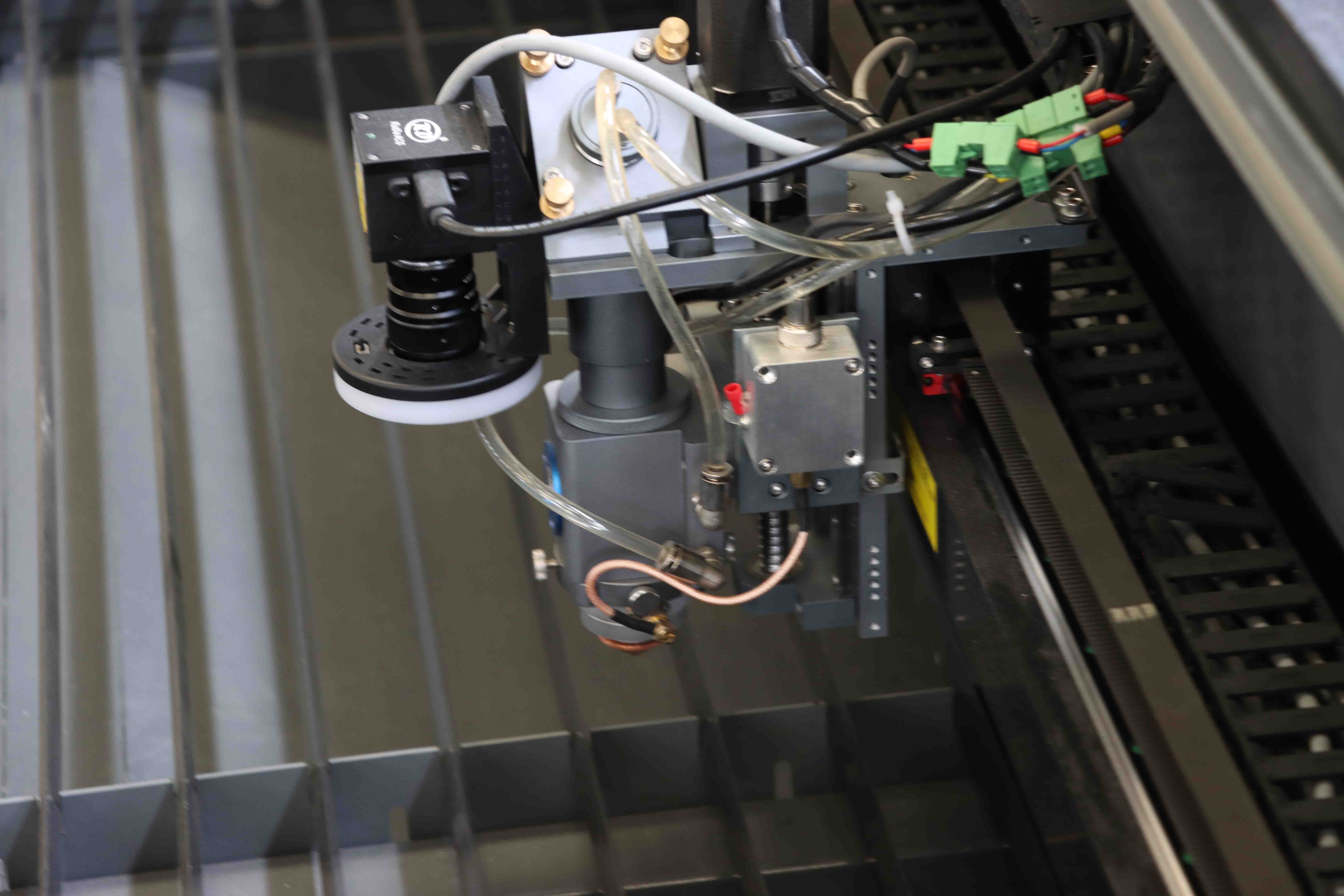
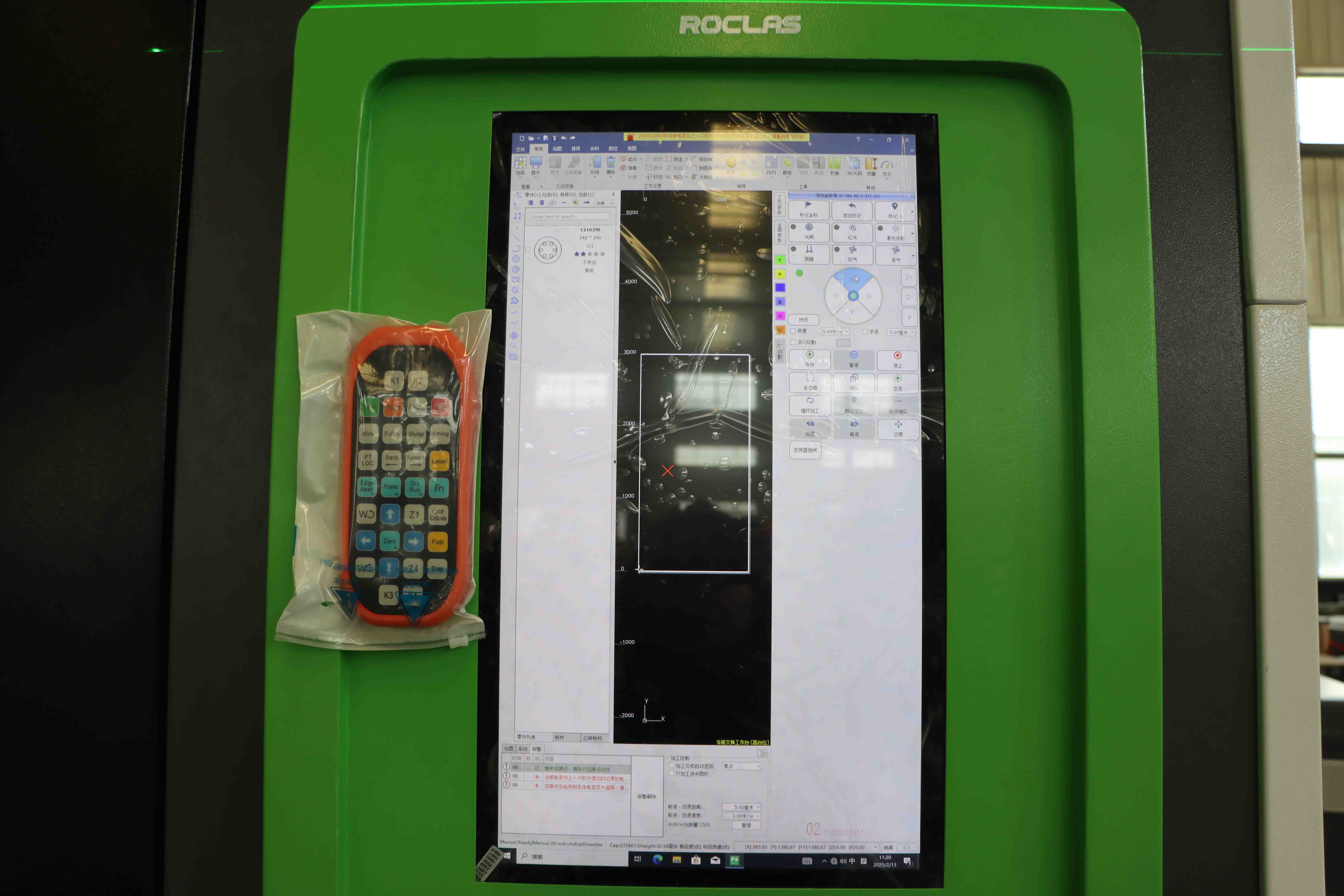
This is where a manufacturer like ROCLAS (ROCLAS® MACHINERY CO., LTD.) has carved out its reputation. Their Fiber laser cutting machines are built with industrial-grade heavy-duty steel structures, processed on CNC five-face machining centers to ensure flatness and parallelism. The company’s engineering team—many of whom bring over 15 years of CNC