Abstract
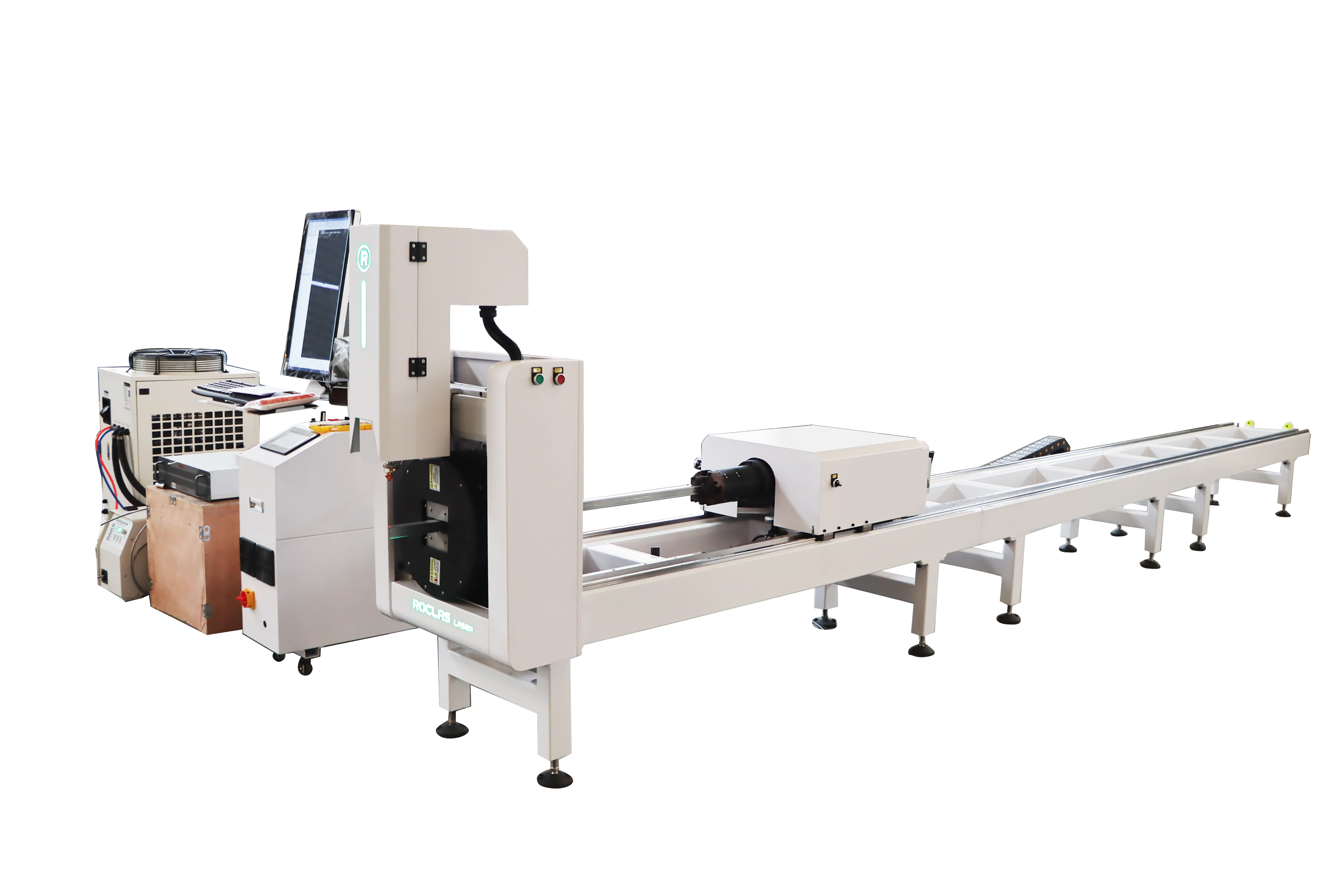
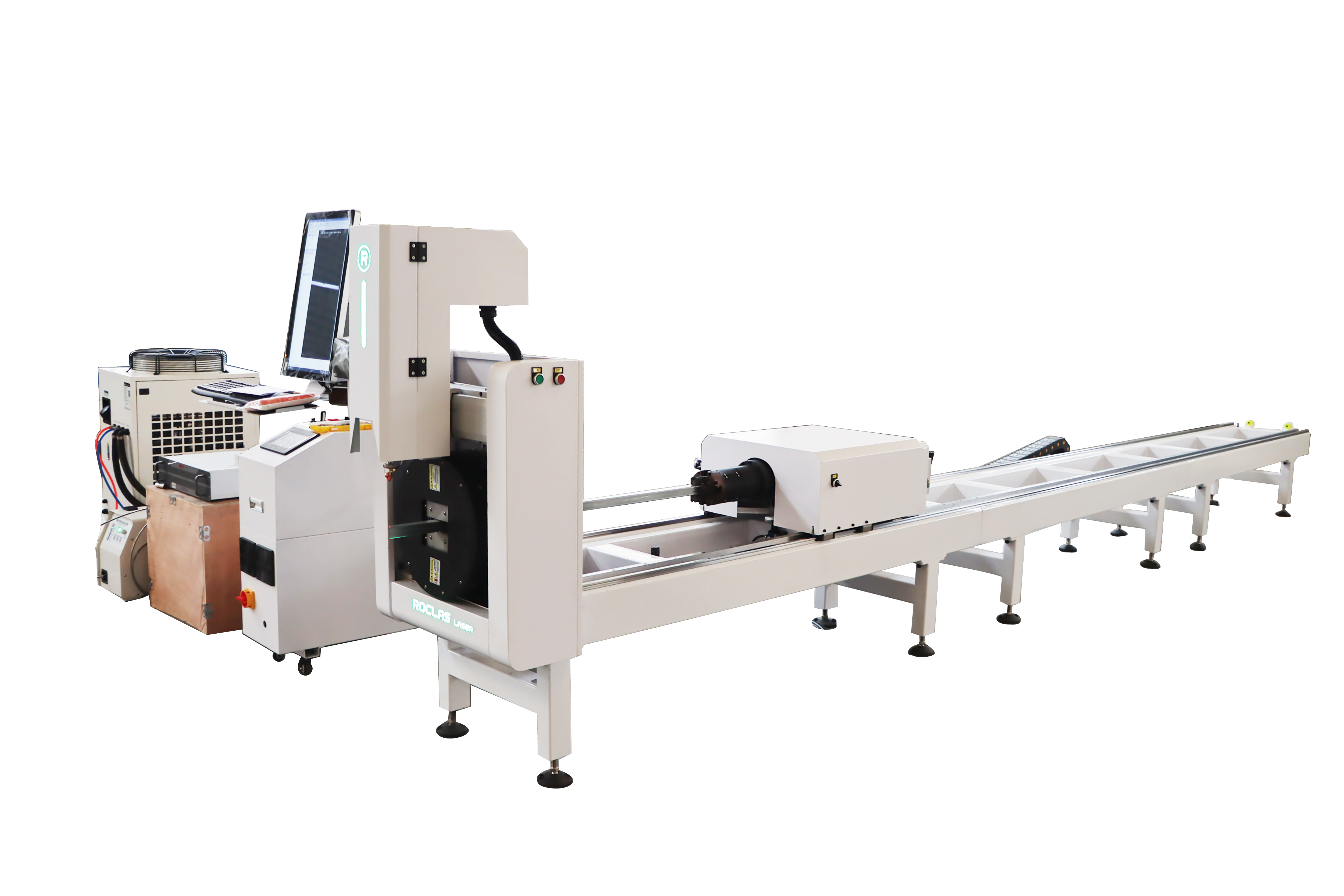
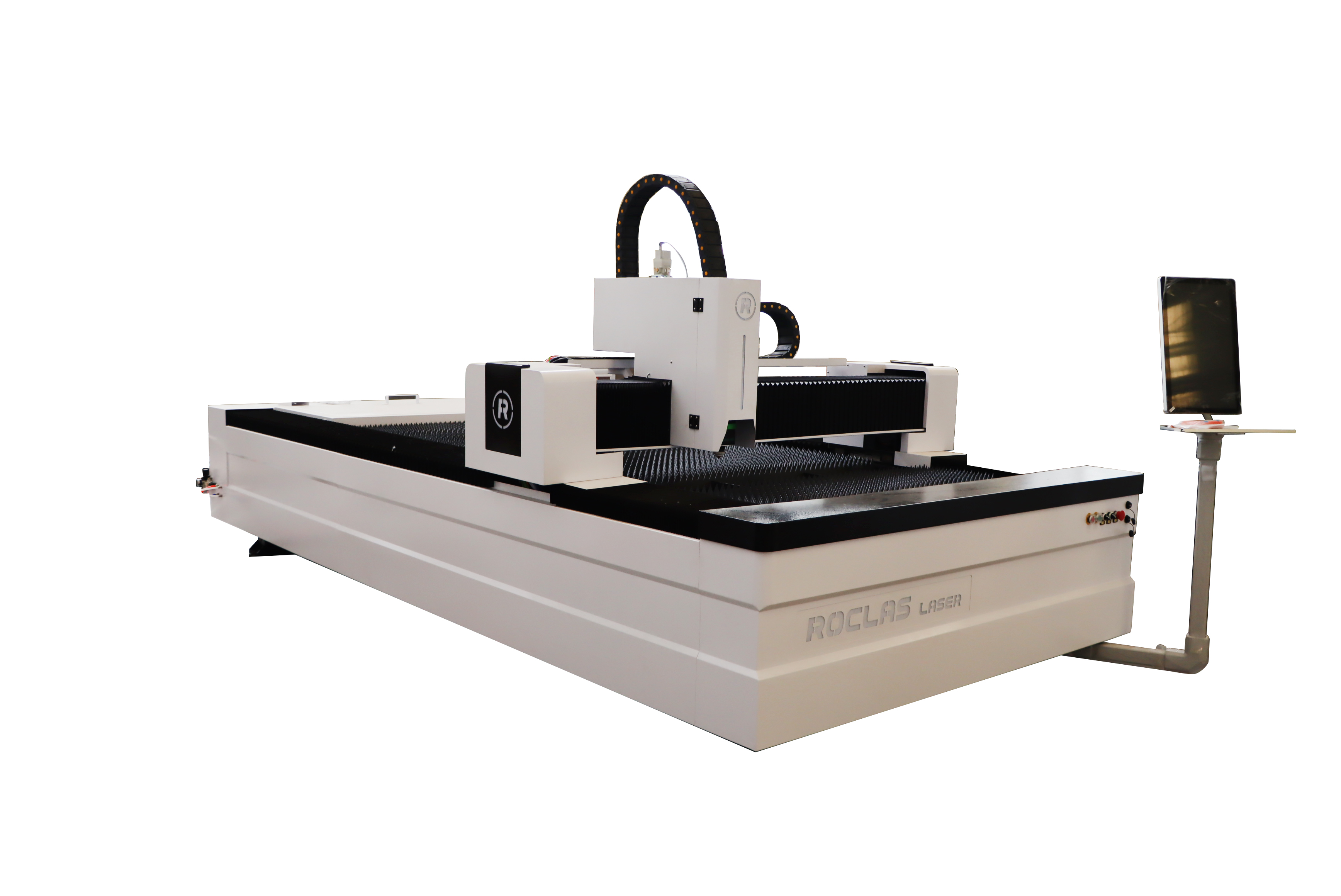
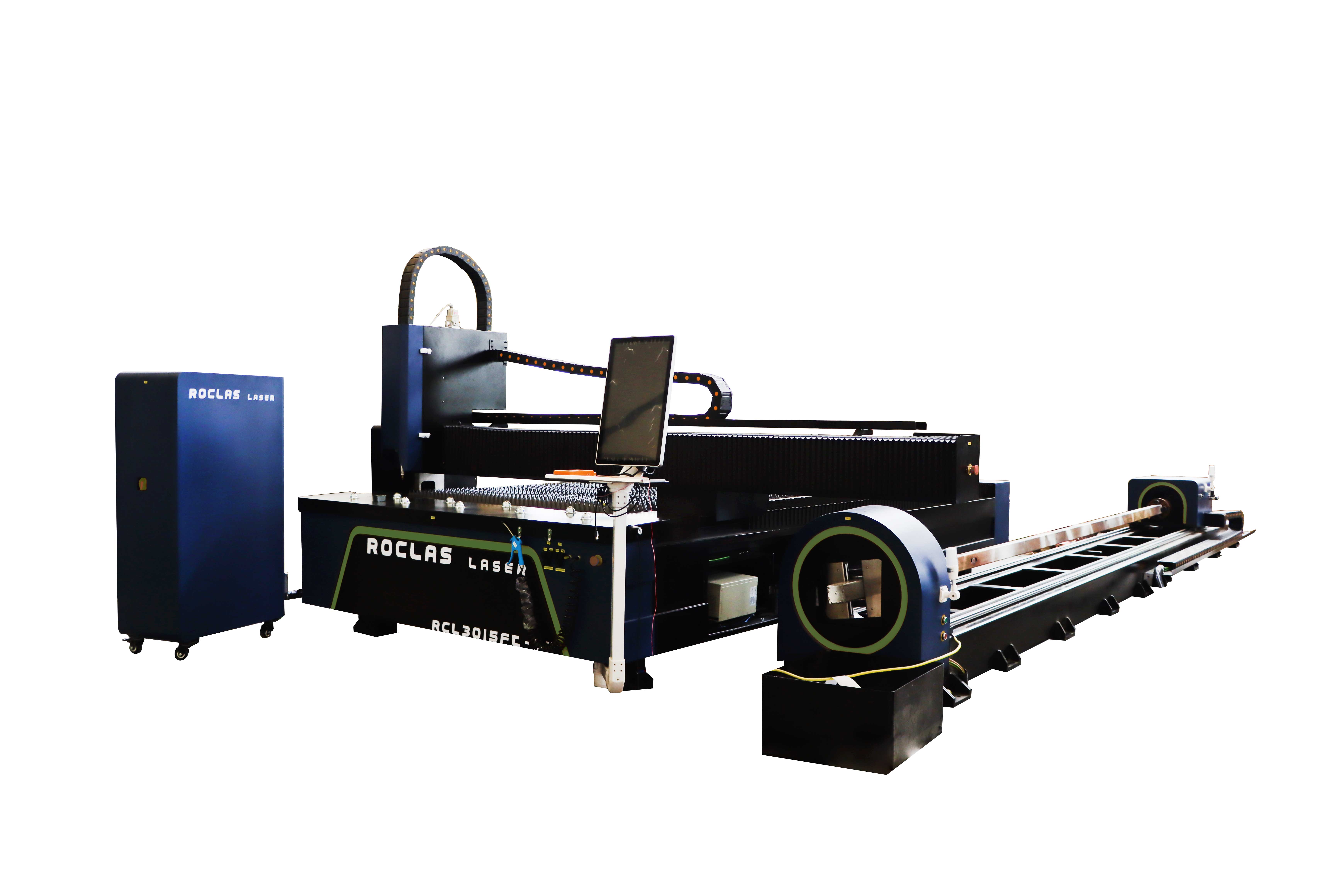
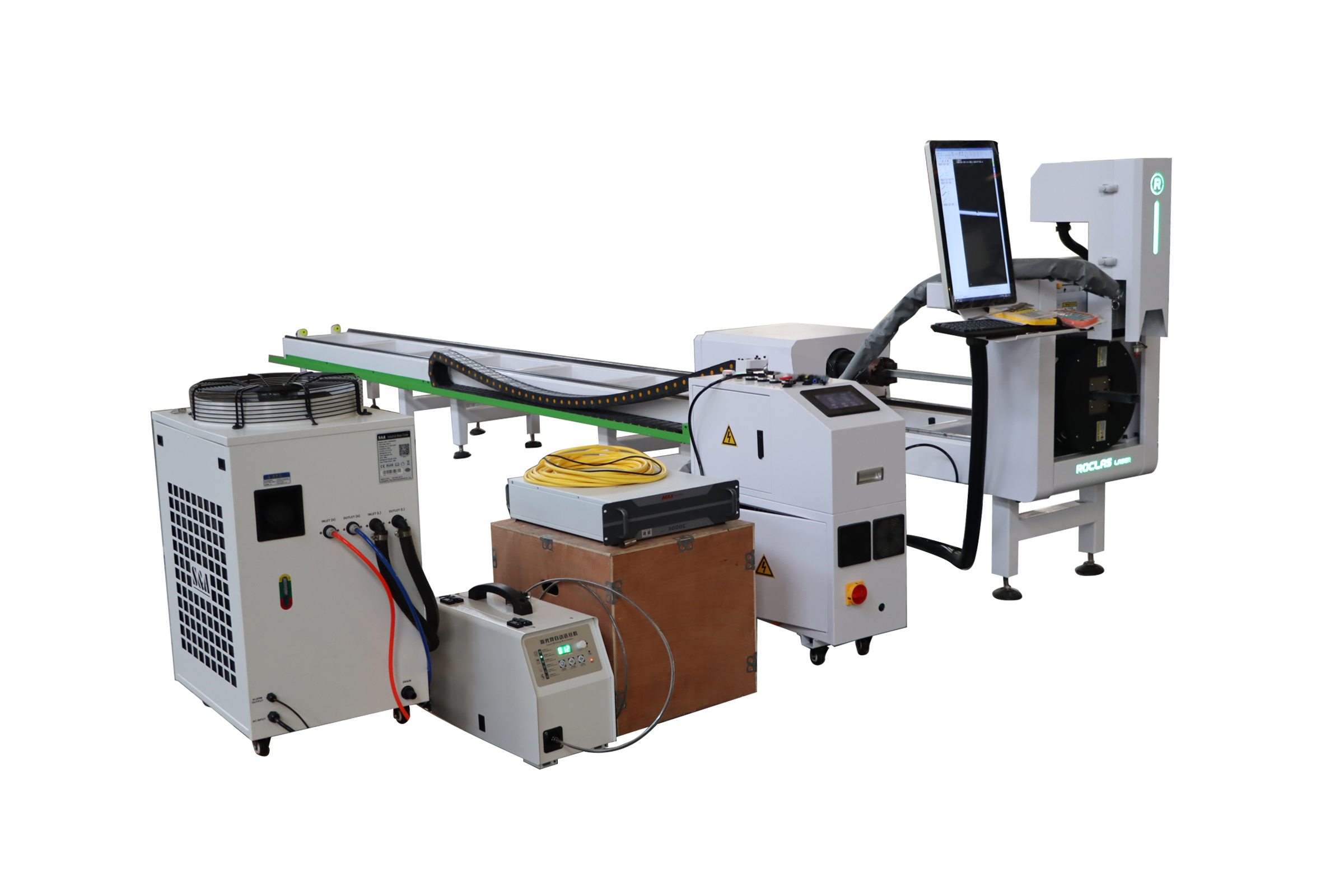
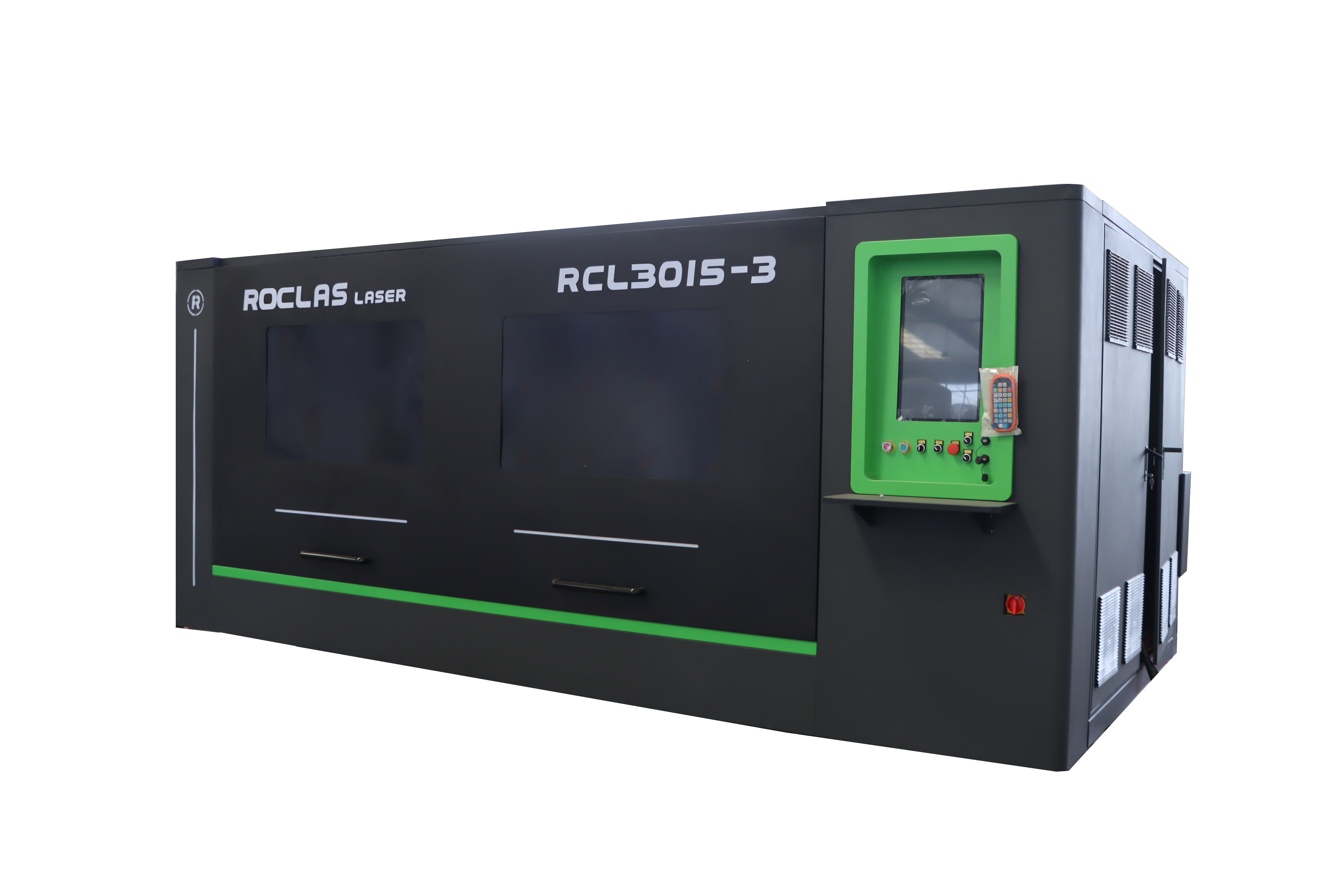
The metal fabrication industry is undergoing a structural shift toward automation, driven by the need for higher throughput, tighter tolerances, and reduced material waste. Among the most transformative technologies is fiber laser tube cutting, which offers unmatched speed and precision for processing round, square, and rectangular tubes. This article examines the current state of the tube cutting market, technical benchmarks, and the role of integrated solutions from manufacturers like ROCLAS® MACHINERY CO., LTD. in advancing industrial capabilities. A data table comparing key parameters across power classes highlights the trade-offs between speed, thickness capacity, and investment. The analysis concludes with a forward-looking perspective on how modular, multi-axis systems are reshaping production lines.
---
1. Industry Background and Market Dynamics
The global market for laser tube cutting machines has experienced robust growth over the past decade, with compound annual growth rates (CAGR) estimated between 8% and 12% depending on region. This expansion is fueled by the automotive, furniture, construction, and fitness equipment sectors, where tubular components are ubiquitous. Traditional methods such as sawing, drilling, and mechanical punching are increasingly replaced by laser cutting due to its ability to produce clean, burr-free edges, reduce secondary operations, and enable complex geometries.
A critical parameter in tube cutting is the maximum tube diameter the machine can accommodate. Most standard tube laser cutters handle diameters up to 150–220 mm, with specialized systems extending beyond 300 mm for heavy structural applications. The choice of diameter capacity directly influences the machine’s structural design, motor sizing, and overall cost.
---
2. Data Table: Comparison of Tube Cutting Machine Parameters by Power Class
The following table presents typical specifications for fiber laser tube cutting machines across three common power levels, based on industry-standard configurations and ROCLAS® product data.
| Parameter | 1000W Entry-Level | 2000W Mid-Range | 3000W High-Performance |
|-----------|-------------------|-----------------|------------------------|
| Max Tube Diameter | 150 mm | 220 mm | 220 mm |
| Working Area (Length) | 4000 mm | 4000 mm | 6000 mm |
| Positioning Accuracy | ±0.05 mm | ±0.05 mm | ±0.05 mm |
| Repositioning Accuracy | ±0.03 mm | ±0.03 mm | ±0.03 mm |
| Max Travel Speed | 80 m/min | 100 m/min | 100 m/min |
| Max Acceleration | 0.8 G | 1.0 G | 1.0 G |
| Laser Source (Typical) | Raycus / MAX | Raycus / MAX | Raycus / MAX |
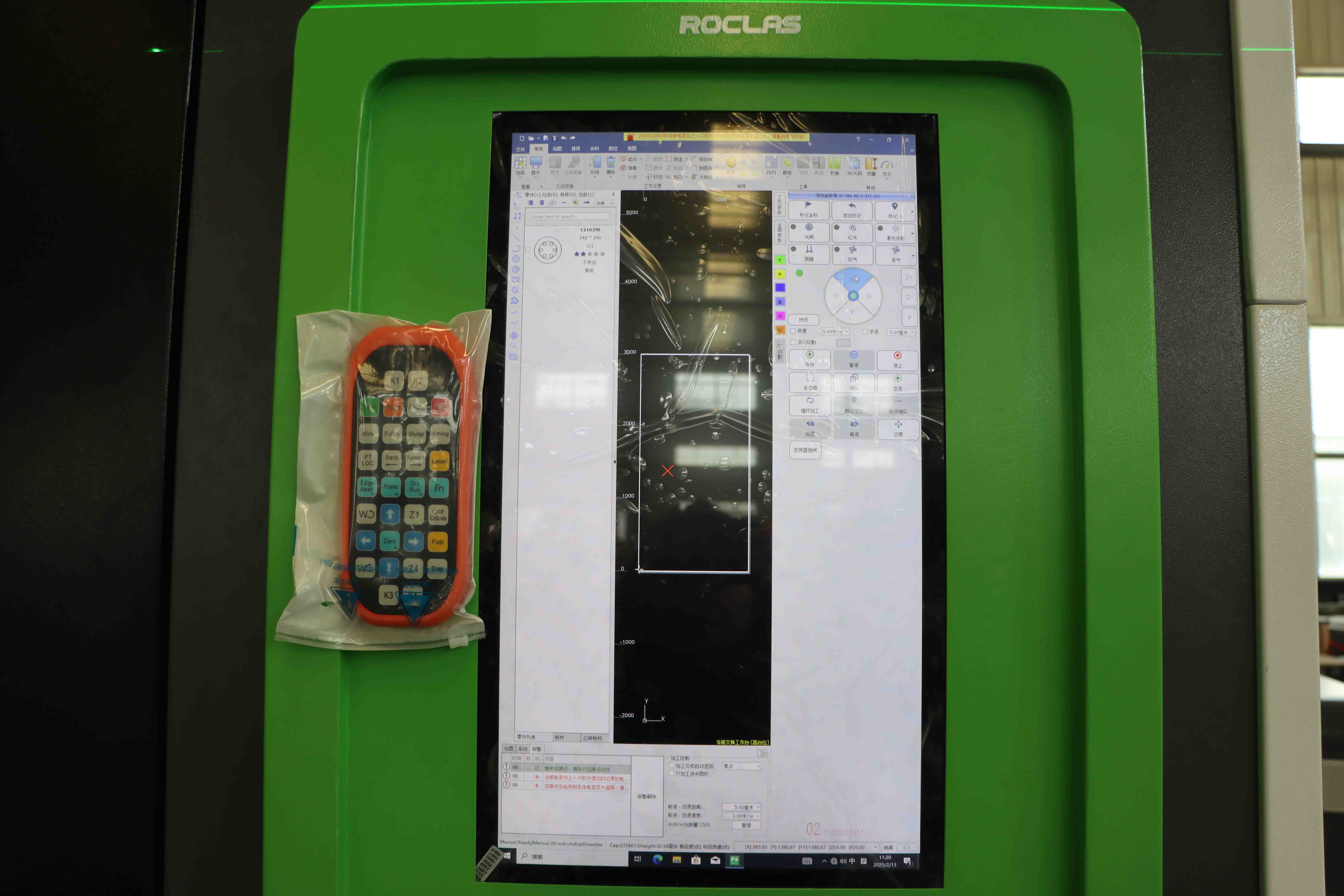
| Control System | Cypcut 3000S | Cypcut 3000S | Cypcut 3000S |
| Approx. Wall Thickness (Mild Steel) | ≤4 mm | ≤8 mm | ≤12 mm |
| Relative Cost Index | 1.0x | 1.6x | 2.3x |
Analysis: The data reveals a clear non-linear relationship between power and thickness capacity. Doubling power from 1000W to 2000W more than doubles the cutting thickness (from 4 mm to 8 mm), while a further 50% power increase to 3000W yields only a 50% thickness gain (8 mm to 12 mm). This is largely due to thermal diffusion limits and beam quality considerations at higher power densities. For most thin-walled tube applications (2–6 mm), a 2000W machine offers the best cost-performance balance. The 3000W class is reserved for heavy structural tubes, such as those used in construction or agricultural machinery.
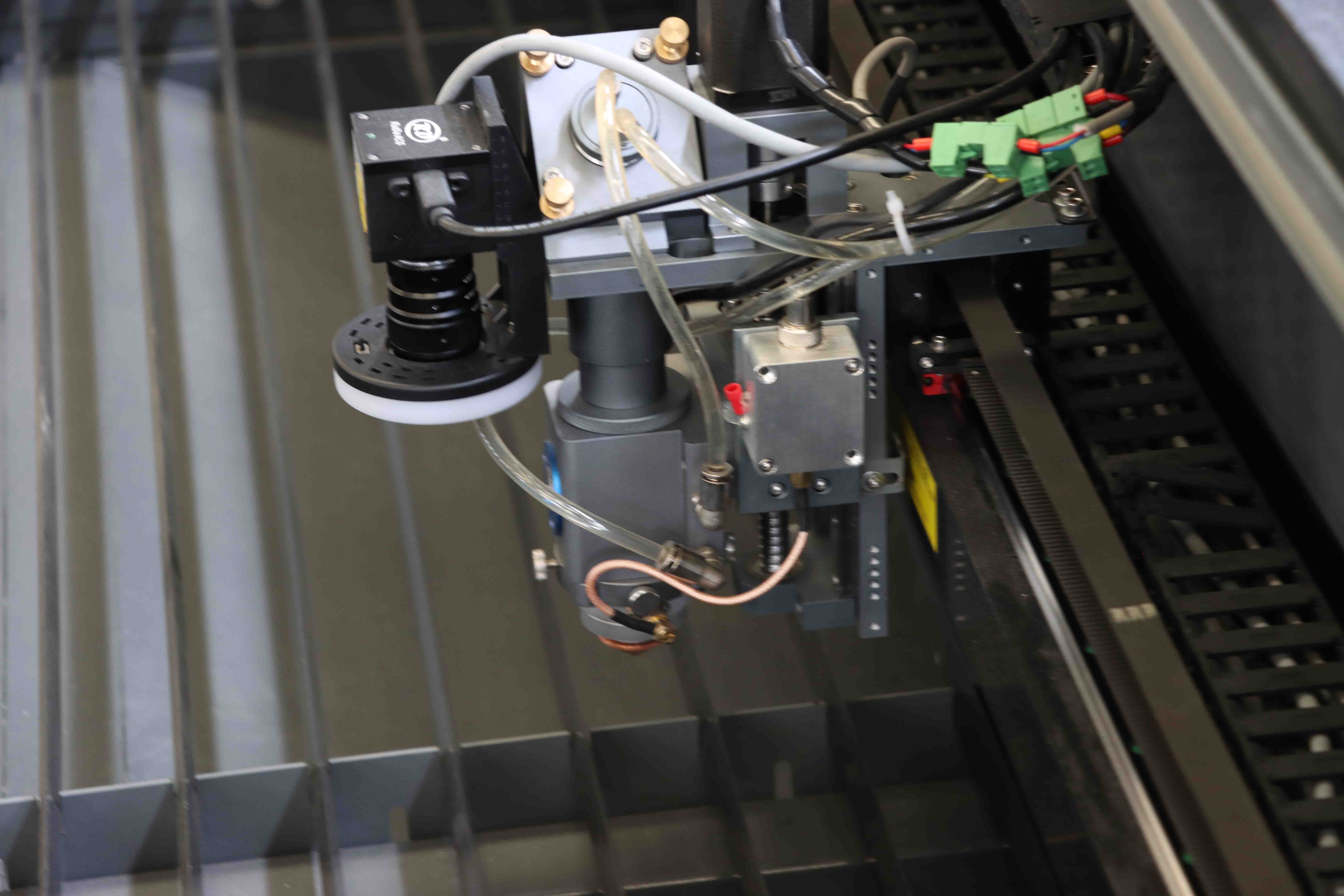
Another noteworthy aspect is that positioning and repositioning accuracies remain constant across all three classes (±0.05 mm and ±0.03 mm respectively). This indicates that the mechanical precision of the gantry and servo drive system—not laser power—is the primary determinant of tolerance. ROCLAS® MACHINERY CO., LTD. achieves this consistency through industrial-grade heavy-duty steel structures machined on CNC five-face machining centers, ensuring repeatability regardless of power rating.
---
3. Technical Applications and Brand Case Study
3.1 Automation and Multi-Process Integration
Modern tube cutting is rarely a standalone operation. In high-volume settings, the laser cutting machine is integrated with upstream coil-fed systems, robotic part handling, and downstream welding or bending stations. ROCLAS® MACHINERY CO., LTD. offers a Steel Coil Uncoiler Machine that feeds metal coils directly into the fiber laser cutter, eliminating the need for pre-cut blanks. This reduces material handling labor by up to 60