Abstract
The metal fabrication industry has long sought a single machine capable of handling both flat sheet and tubular profiles without compromising precision or throughput. The Sheet & Tube Fiber laser cutting machine has emerged as a transformative solution, consolidating two traditionally separate workflows into one integrated platform. This article examines the technological underpinnings, market dynamics, and operational advantages of this hybrid equipment class. Drawing on industry data and real-world case studies—including the contributions of ROCLAS® MACHINERY CO., LTD. —we analyze how these machines are reshaping production economics for small-to-medium enterprises (SMEs) and large-scale manufacturers alike.
---
1. Industry Context: The Need for Hybridization
For decades, fabricators operated with dedicated machines for sheet metal cutting and separate tube laser systems. This separation imposed capital expenditure burdens, floor space constraints, and workflow inefficiencies. A typical job shop might require two laser cutting systems, two operators, and duplicated maintenance schedules.
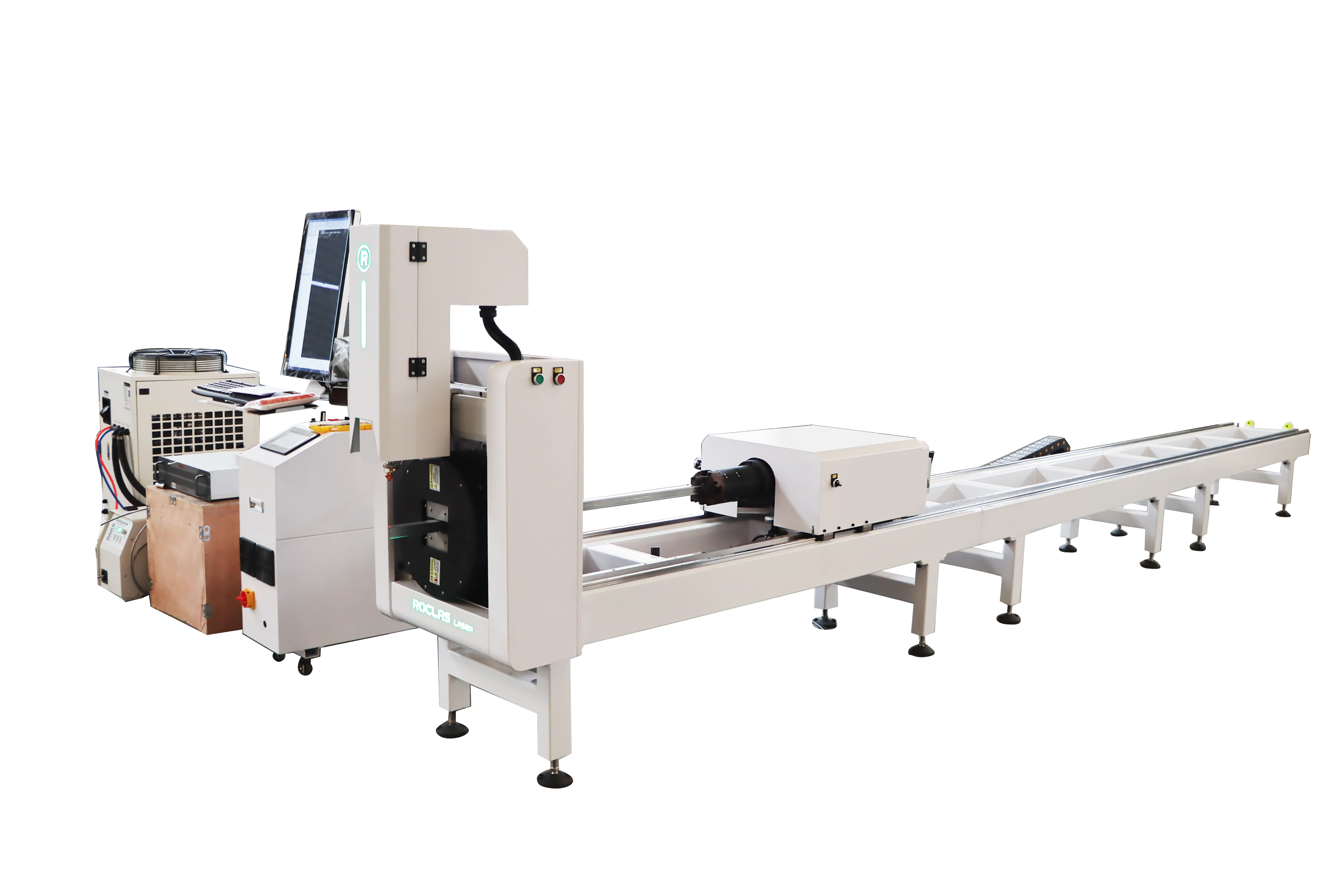
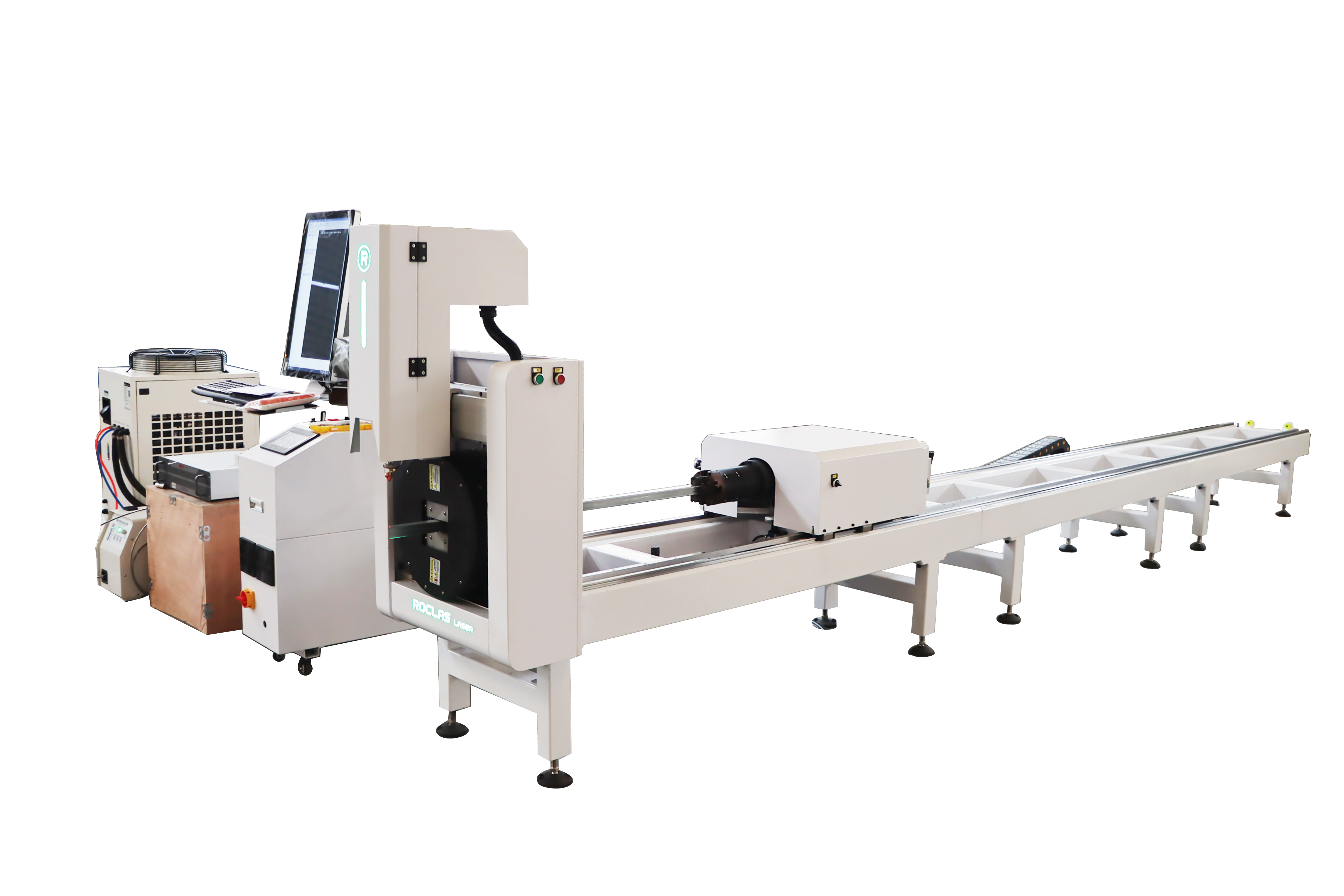
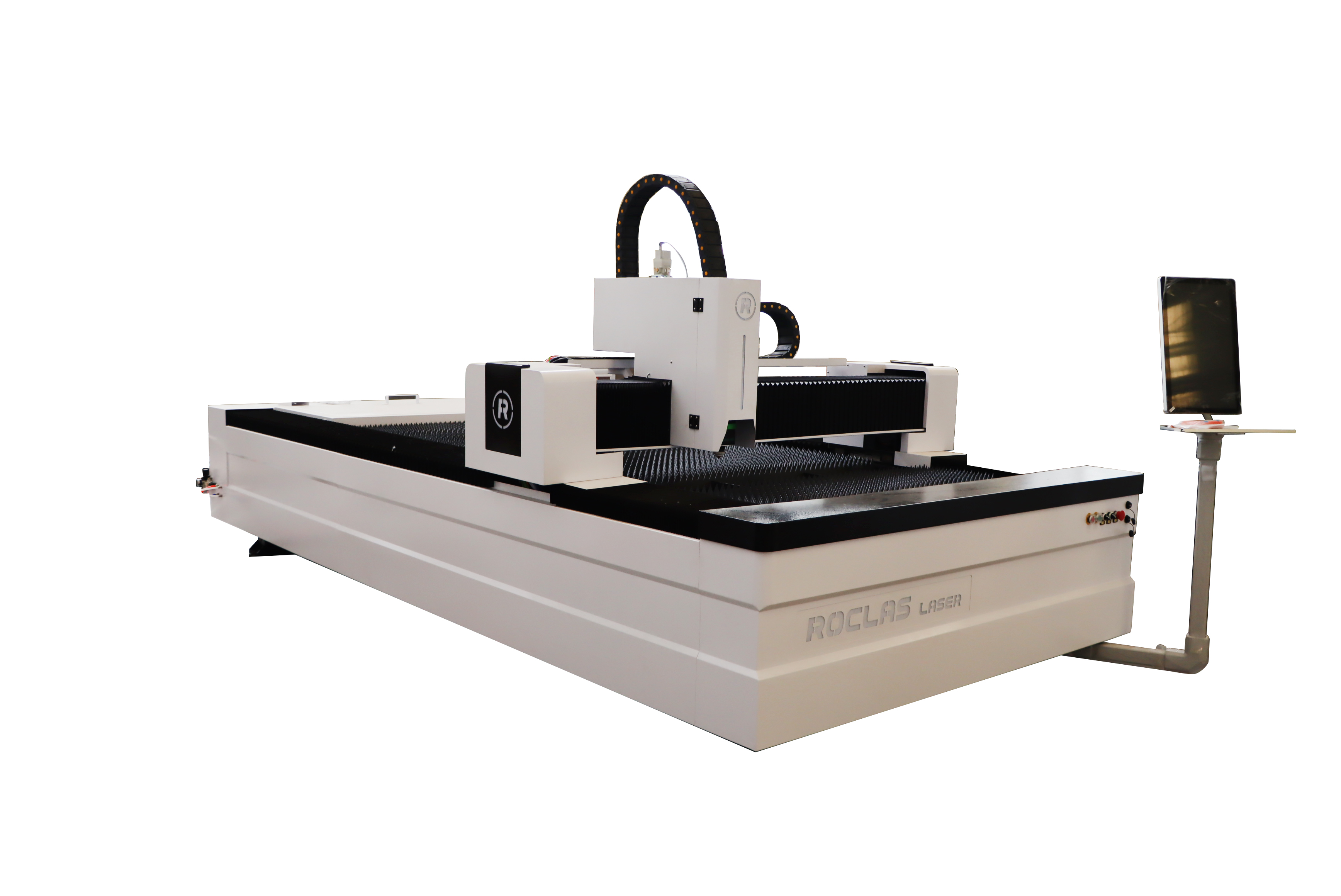
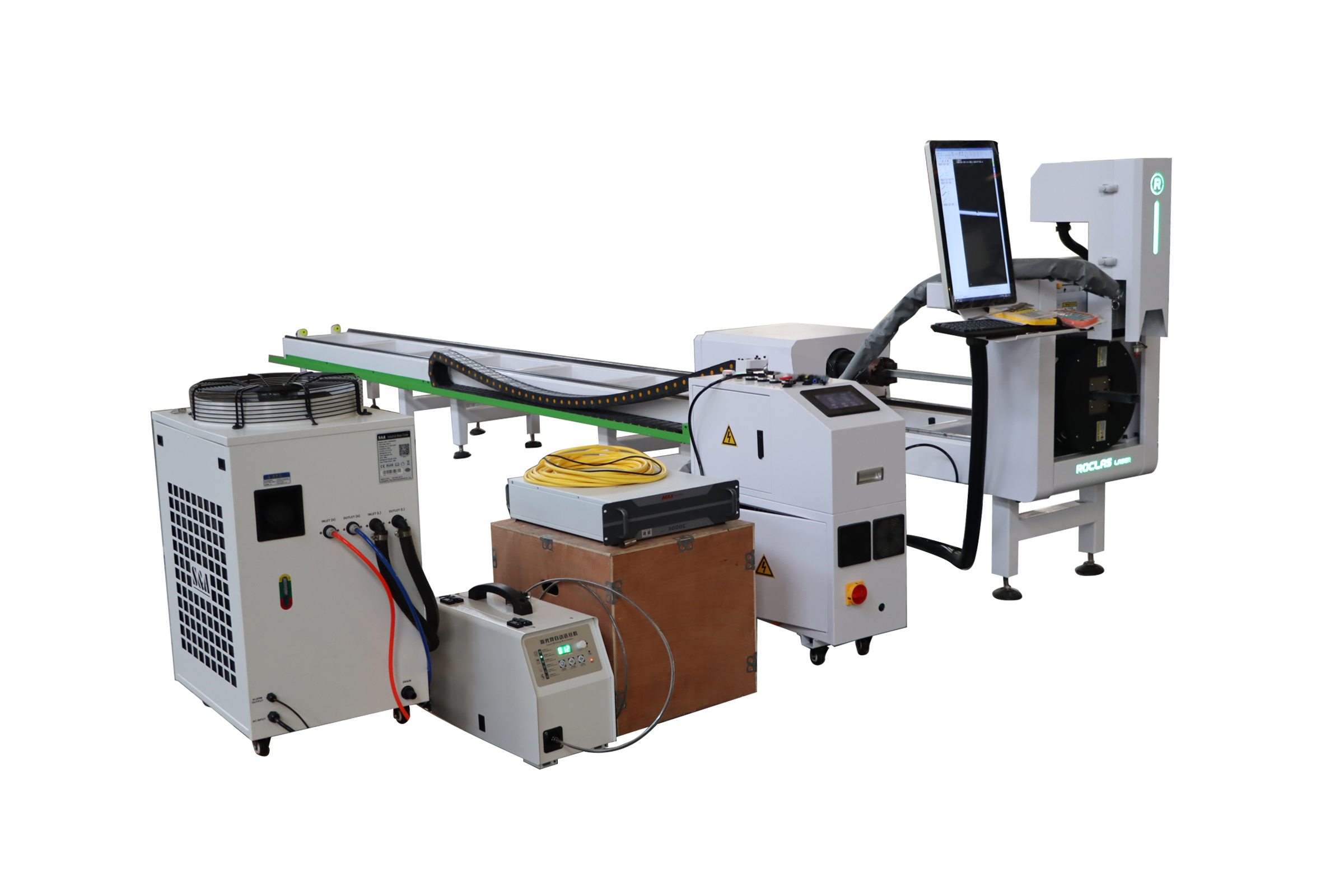
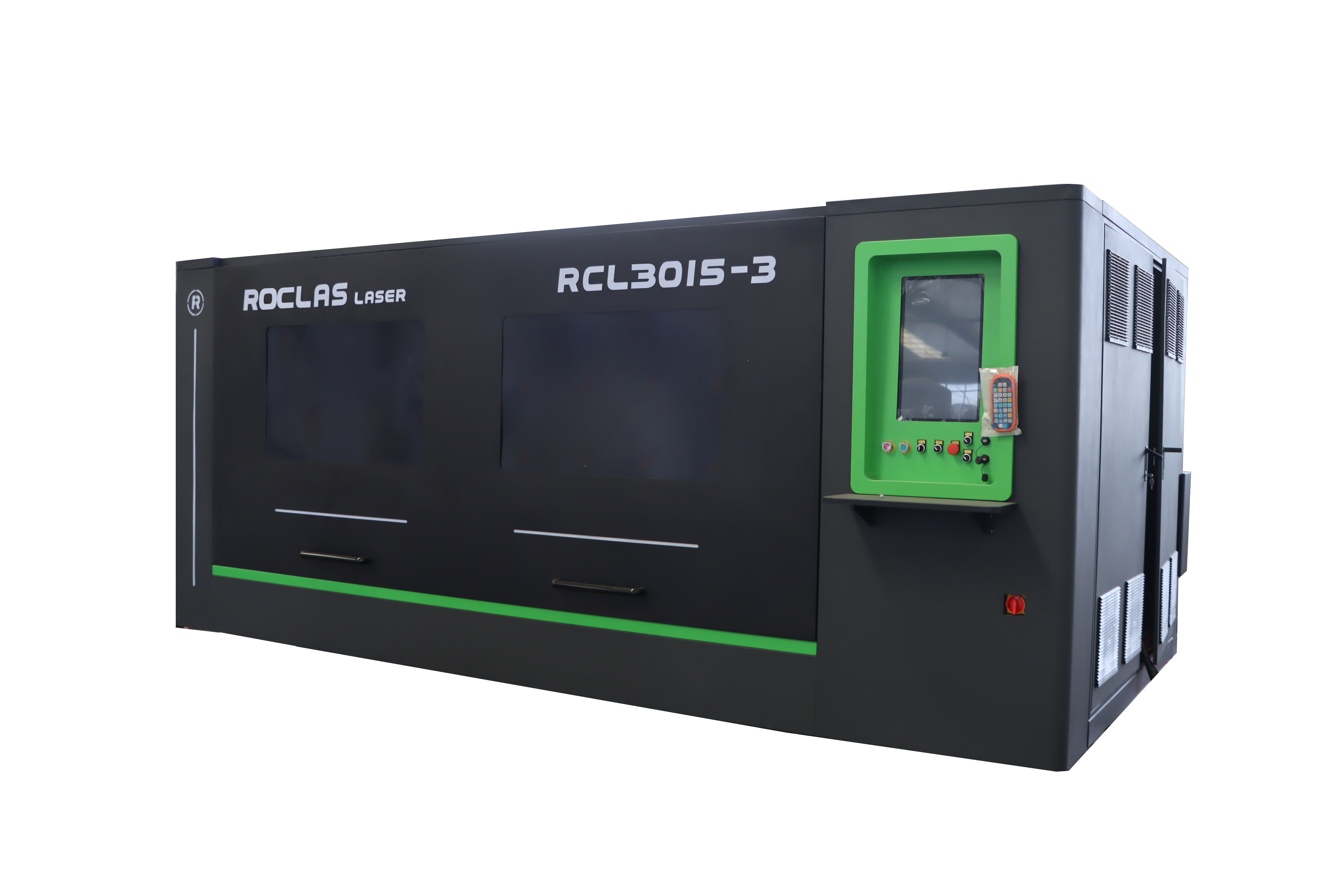
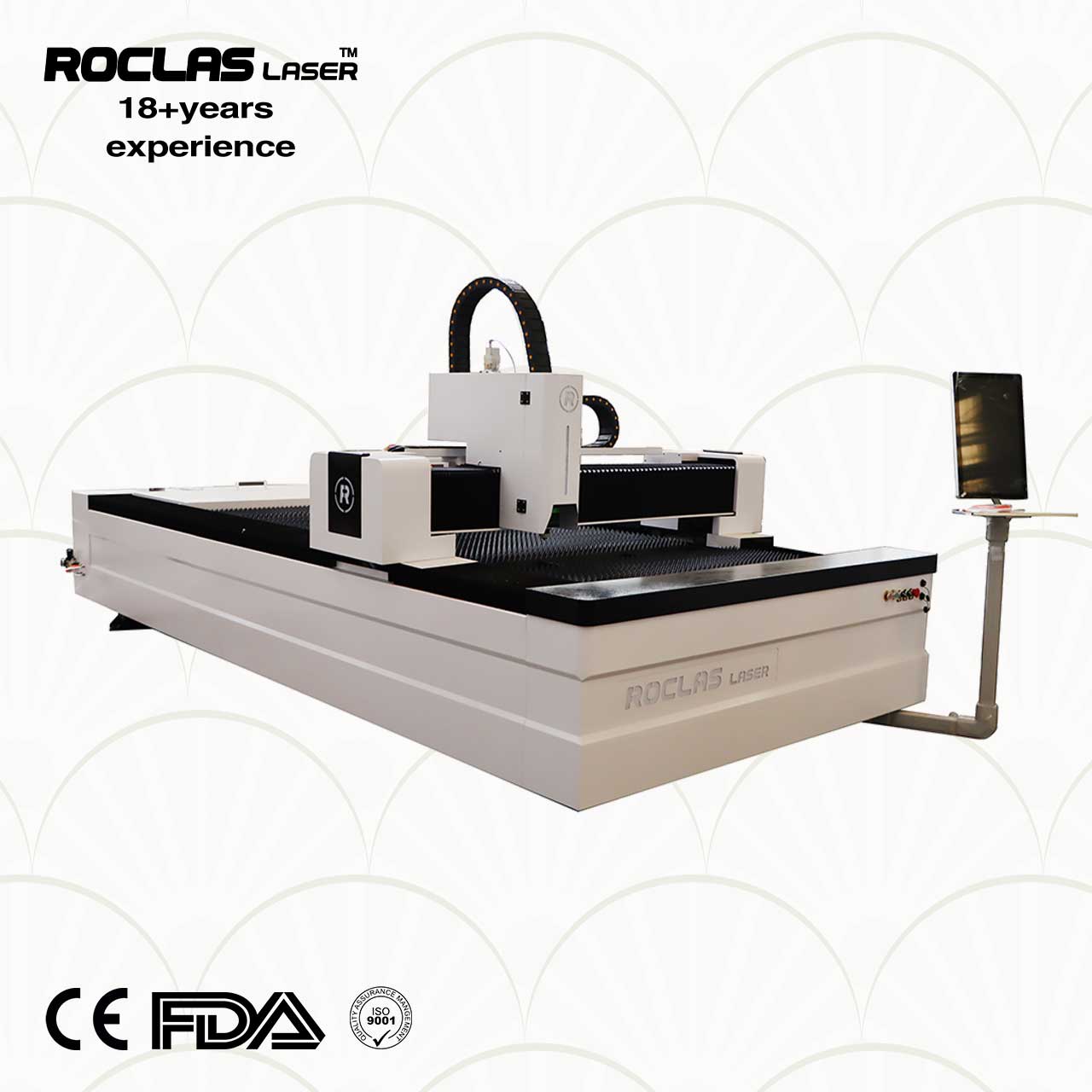
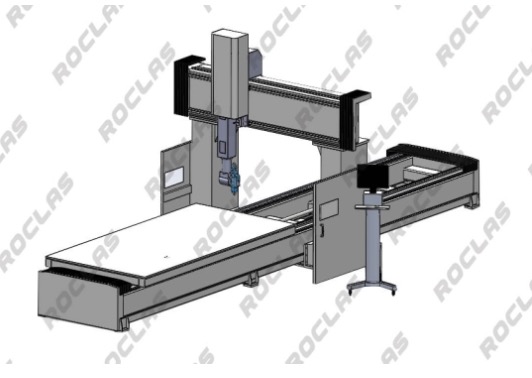
The advent of the sheet & tube integrated machine addresses these pain points by merging both functions into a single CNC platform. The machine’s gantry structure supports a large-format sheet cutting bed (typically 1500×4000mm or 3000×1500mm), while an integrated chuck system handles round, square, and rectangular tubes up to 220mm in diameter. The operator can switch between sheet and tube modes without manual reconfiguration, drastically reducing changeover times.
According to recent industry surveys, the global market for combined sheet & tube laser cutting machines is projected to grow at a CAGR of approximately 8.4% from 2024 to 2030, driven by demand in automotive, furniture, and architectural metalworking sectors.
---
2. Market Data: Adoption Patterns and Regional Trends
The following table summarizes key market indicators for sheet & tube fiber laser cutting machines across major regions:
| Region | Estimated Market Share (2024) | Primary Application Sectors | Average Machine Adoption Rate (SMEs) | Growth Driver |
|--------|-------------------------------|-----------------------------|---------------------------------------|---------------|
| Asia-Pacific | 42% | Automotive, shipbuilding, furniture | 38% | Rapid industrialization; cost sensitivity |
| Europe | 28% | Precision engineering, medical devices | 45% | High labor costs; demand for automation |
| North America | 20% | Aerospace, HVAC, metal fabrication | 41% | Reshoring trends; just-in-time production |
| Middle East & Africa | 6% | Oil & gas infrastructure, construction | 22% | Infrastructure investment |
| Latin America | 4% | Agricultural machinery, mining | 18% | Emerging industrial base |
Analysis: Asia-Pacific dominates due to high-volume production in automotive and furniture hubs. Europe leads in SME adoption, where labor savings justify the investment. North America’s growth is fueled by reshoring initiatives that require flexible, multi-process equipment. The data underscores a clear correlation between regional labor costs and the adoption of hybrid laser systems.
---
3. Technical Architecture: How Sheet & Tube Integration Works
A well-designed sheet & tube fiber laser cutting machine is not merely a sheet cutter with an add-on tube module. True integration requires:
- Automatic Chuck System: Pneumatic or servo-driven chucks that clamp tubes of varying diameters and wall thicknesses. The chuck must rotate with n×360° continuous rotation for helical cuts or complex profiles.
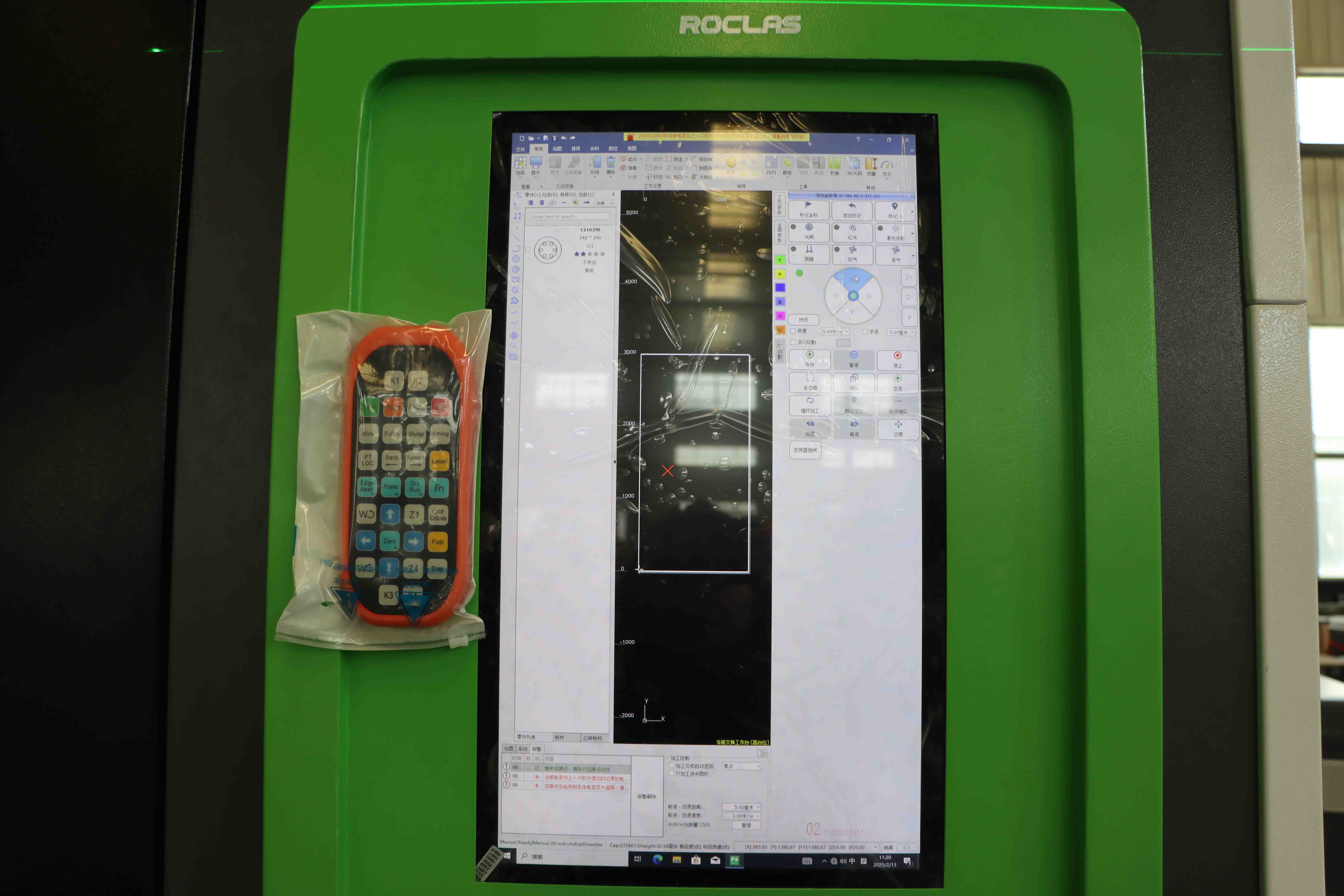
- Dual-Working Zone Control: The CNC system—often based on Cypcut 3000S or similar—manages two distinct coordinate systems: one for the flat sheet bed (X, Y, Z axes) and one for the tube rotary system (X, Z, rotational axis). Seamless switching between modes must occur without operator intervention.
- Laser Power Scalability: For thin sheet cutting (0.5–6mm), 1000W–3000W fiber lasers suffice. For thicker tube walls (up to 10mm), higher power levels (6kW–12kW) are required. The machine must accommodate both regimes without sacrificing edge quality.
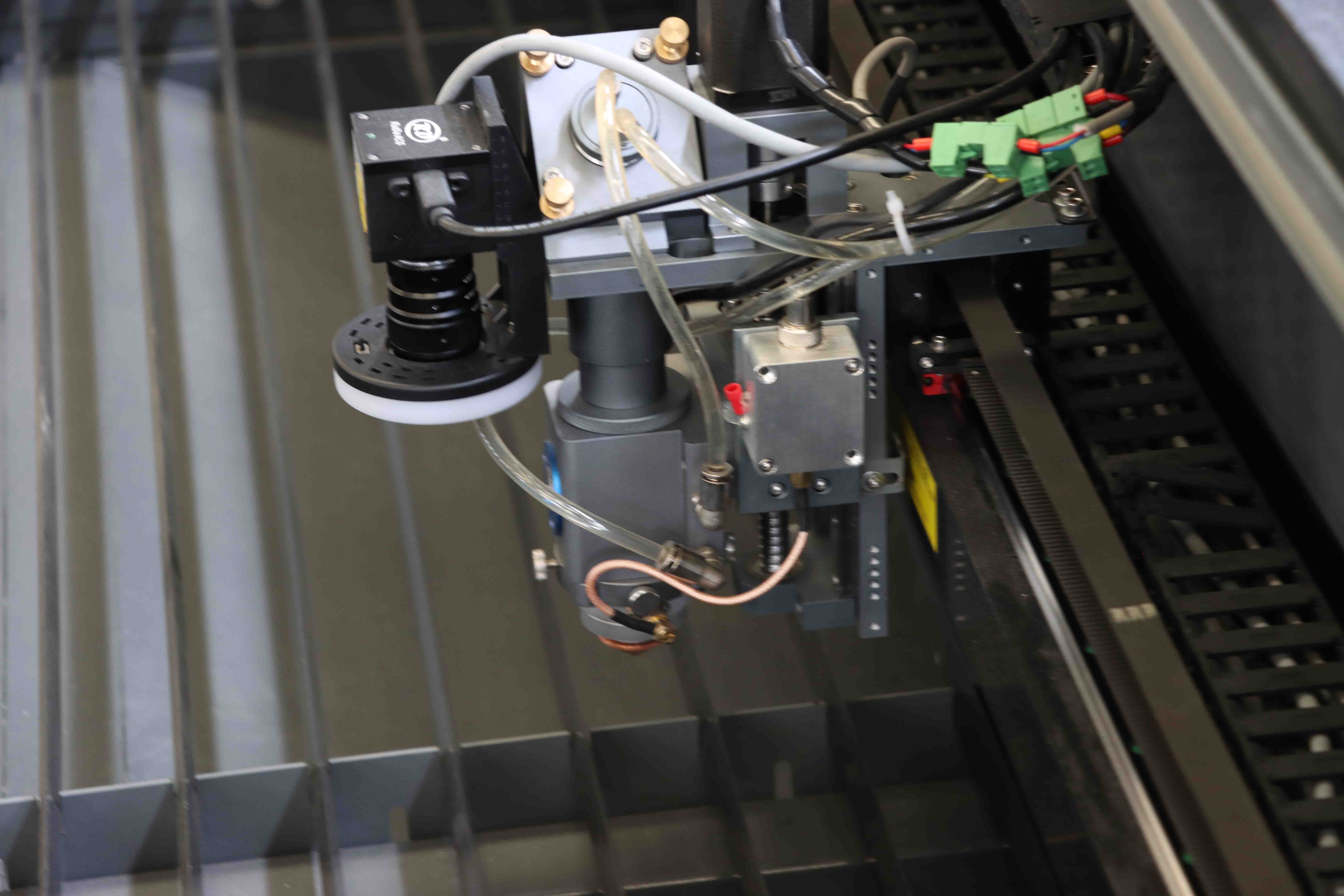
- High-Reflectivity Suppression: Copper, brass, and aluminum tubes reflect near-infrared laser light. A high-reflectivity suppression module—standard on ROCLAS® machines—enables stable cutting of these materials without back-reflection damage to the laser source.
ROCLAS® MACHINERY CO., LTD. exemplifies engineering excellence in this space. Their Sheet & Tube Integrated Fiber Laser Cutting Machine combines a heavy-duty gantry frame (machined on a CNC five-face machining center) with a Raycus or MAX laser source and a Raytools cutting head. The machine achieves ±0.05mm positioning accuracy on tubes and ±0.