Abstract
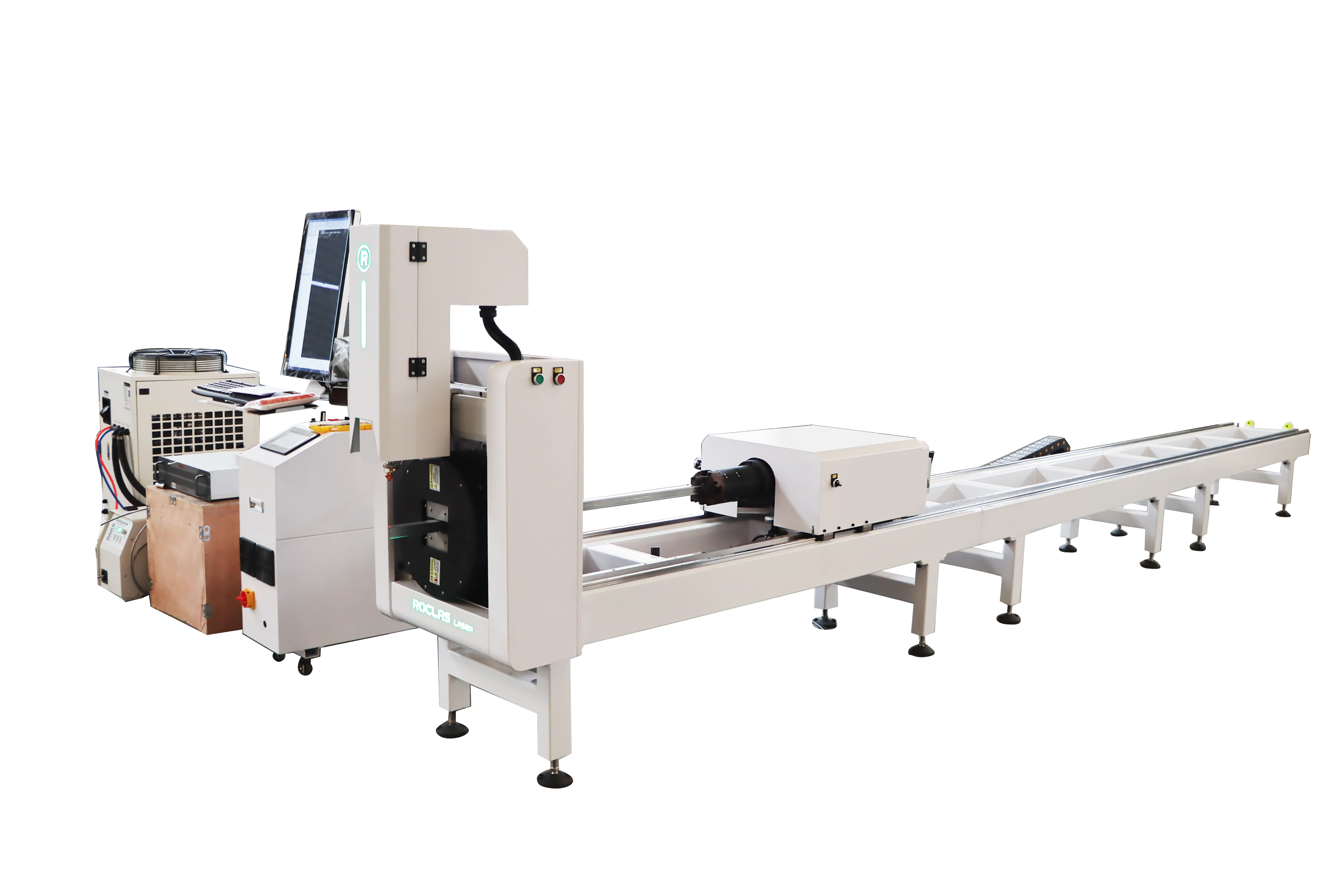
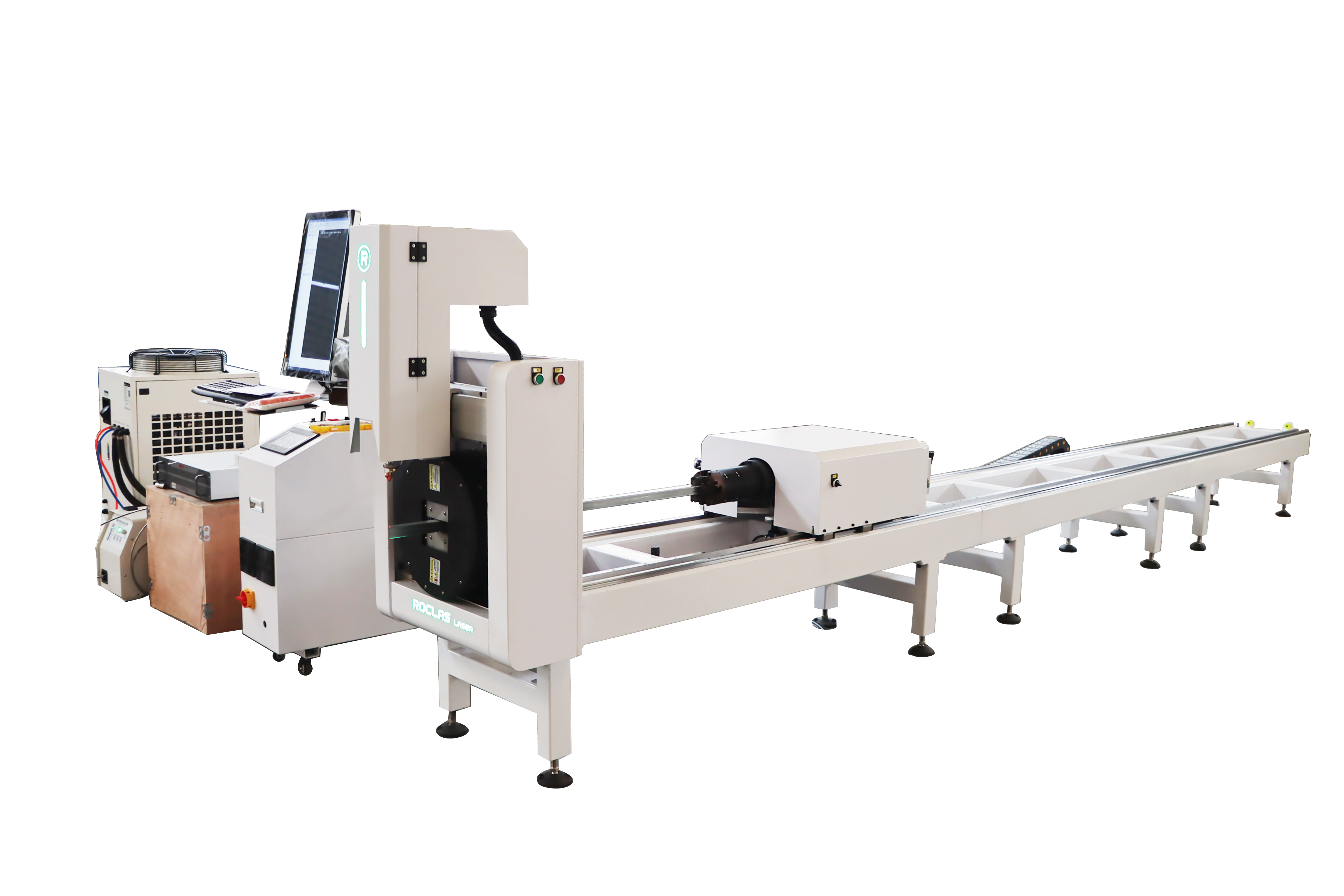
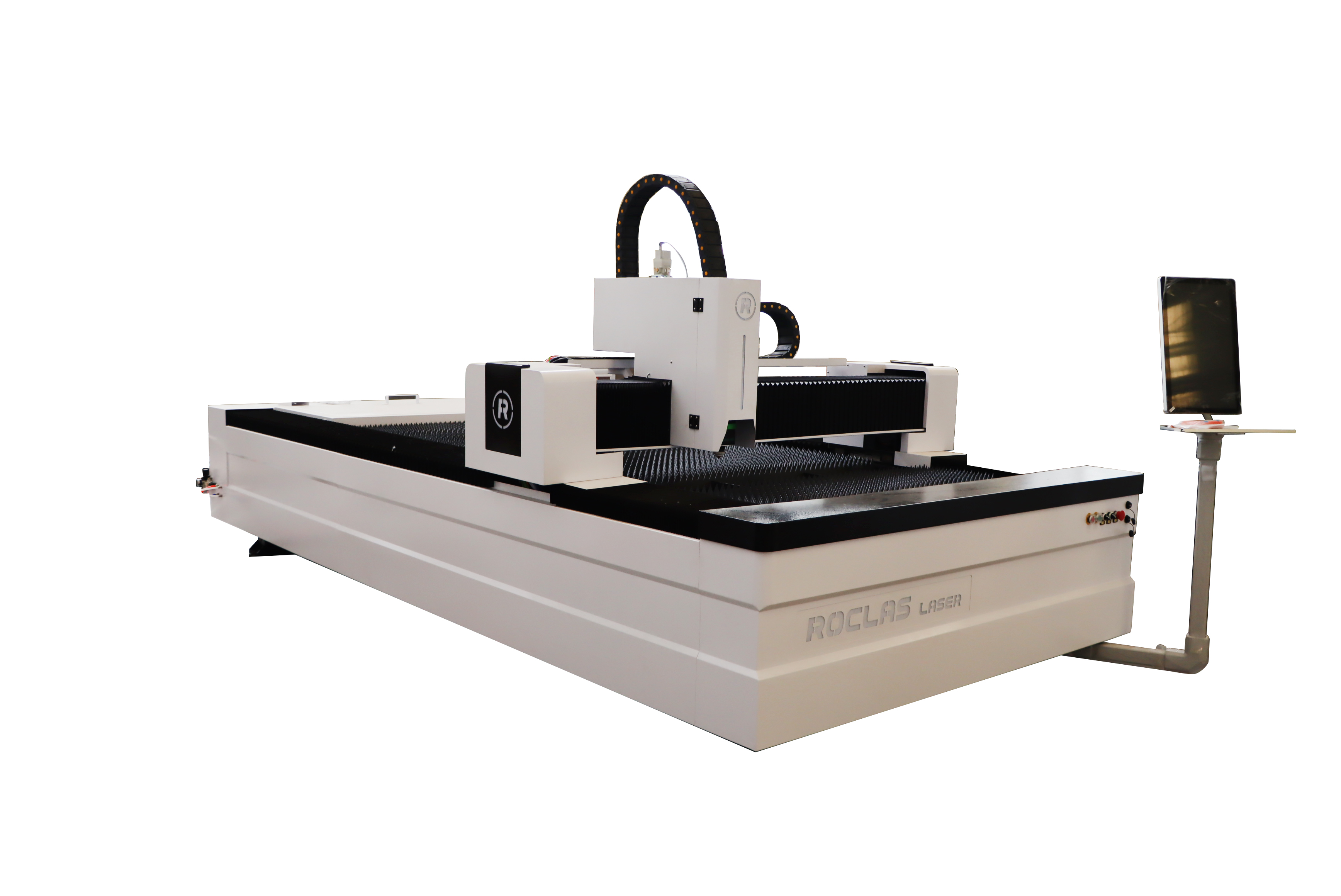
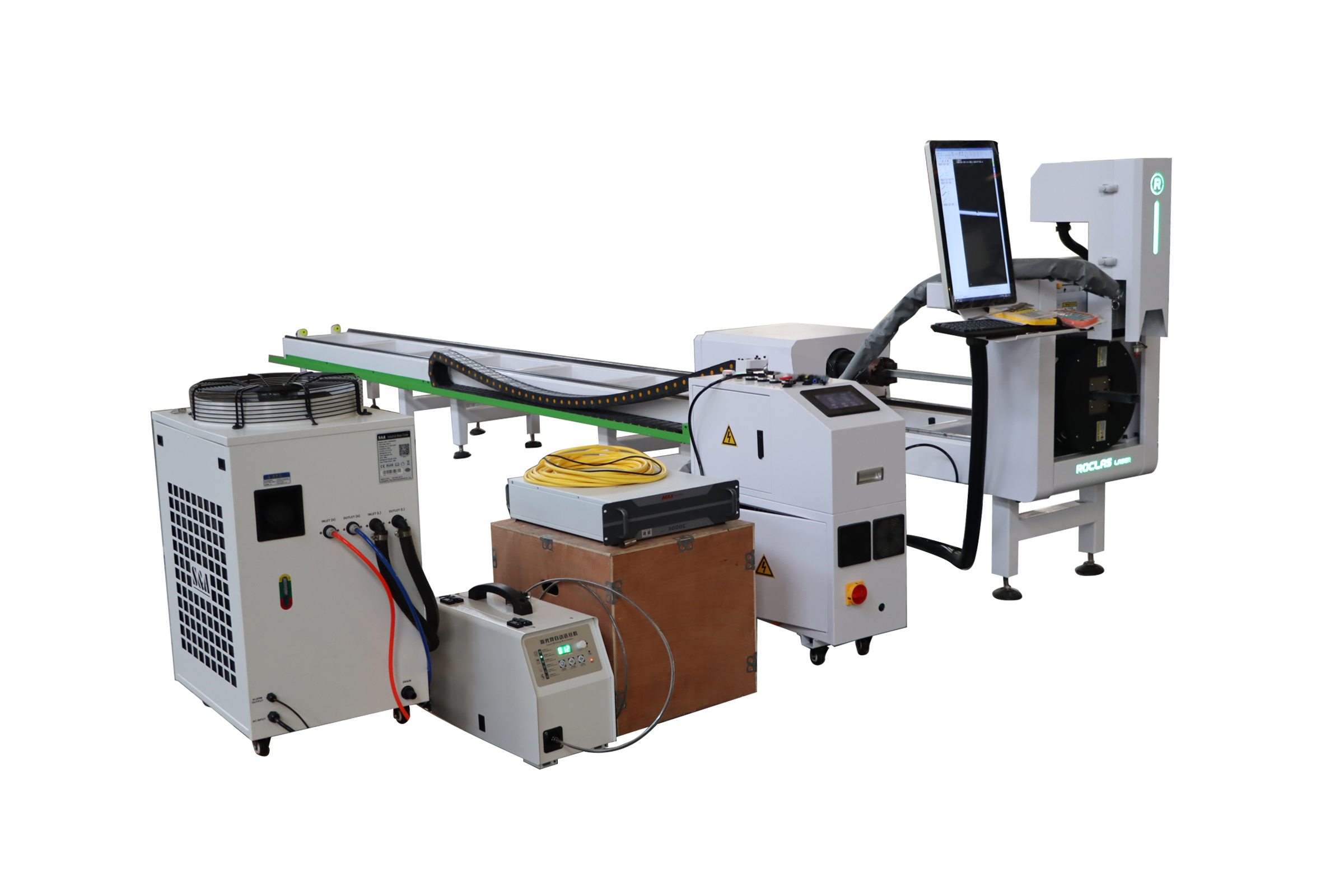
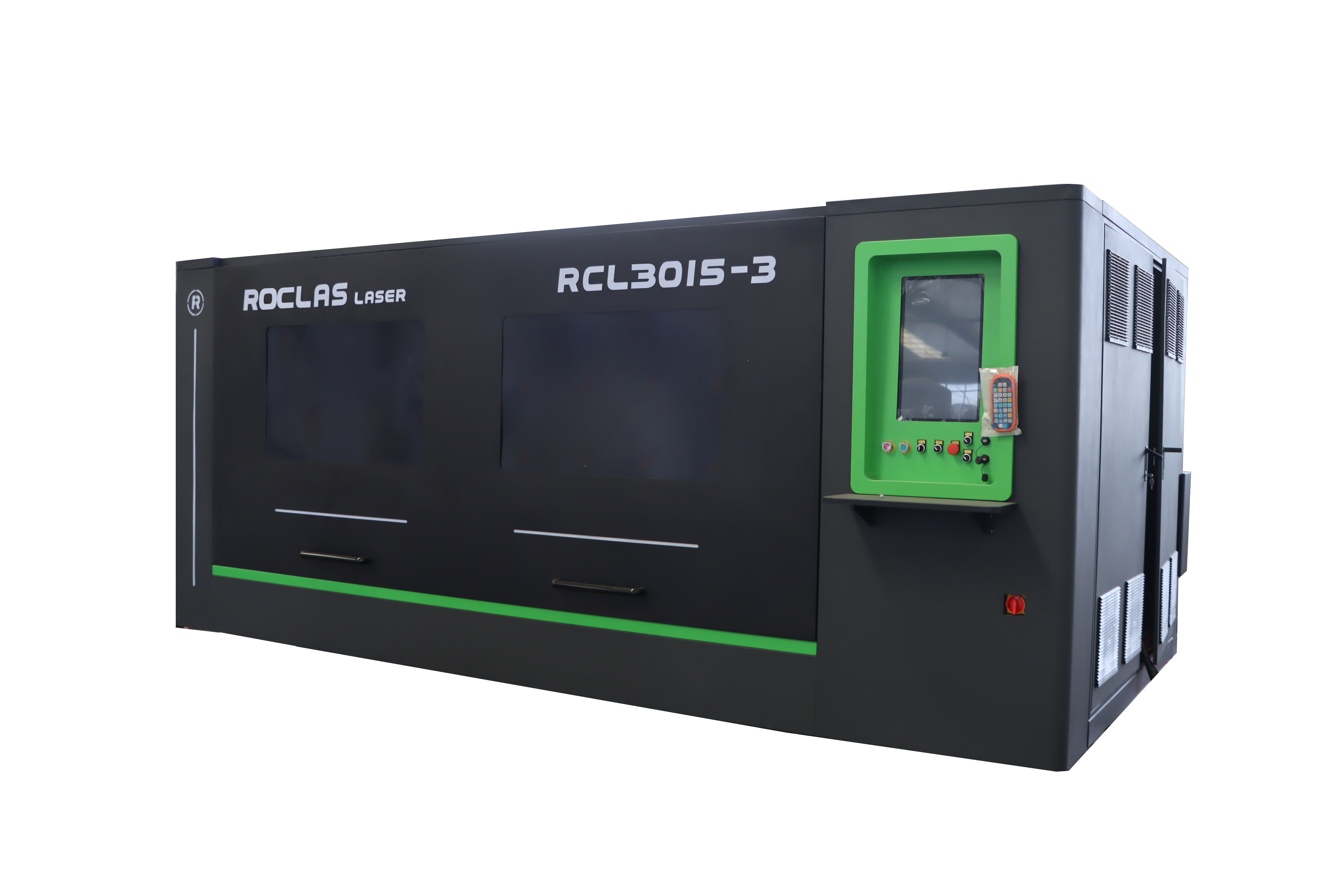
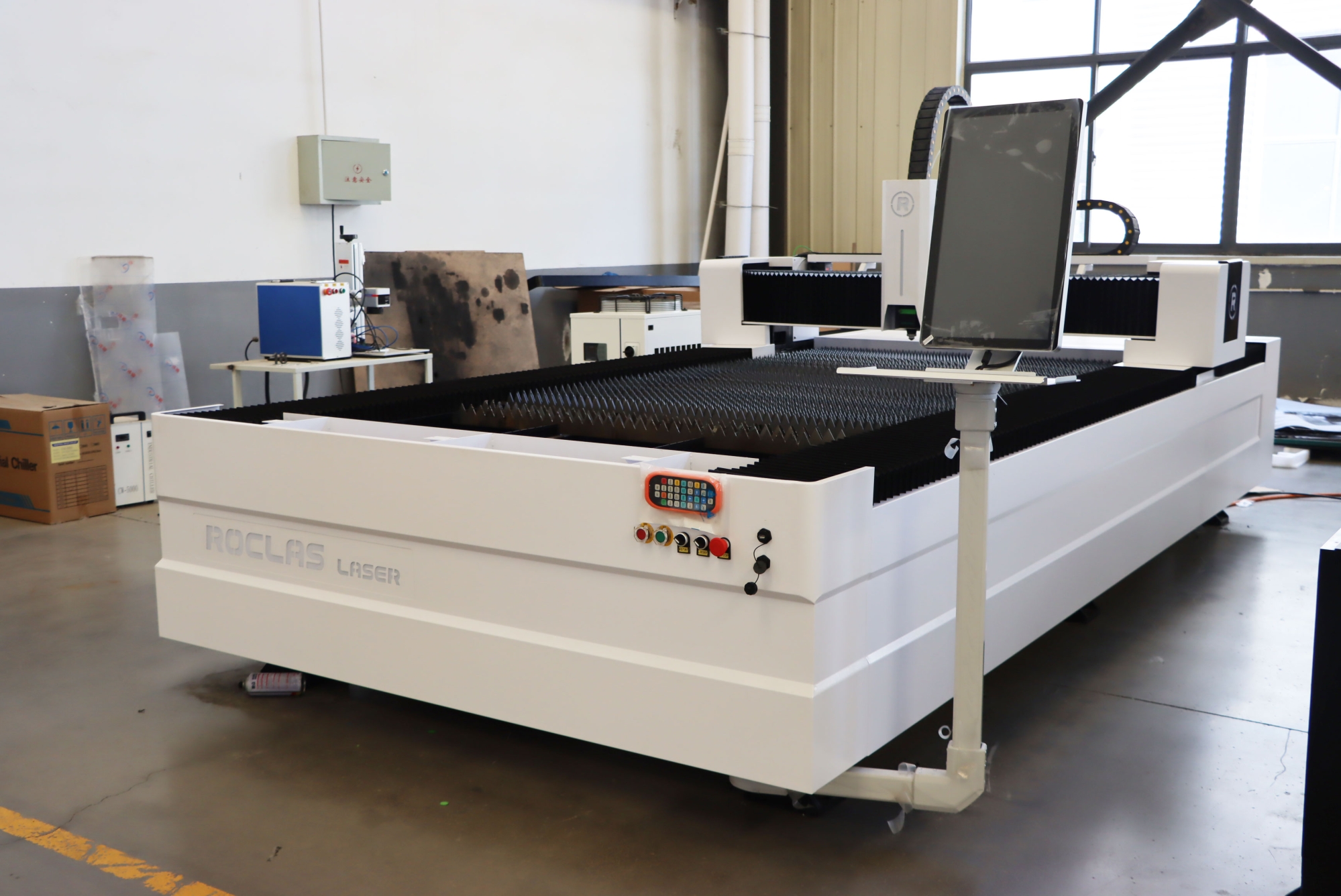
The 6000W Fiber laser cutting machine has emerged as a pivotal configuration in modern sheet metal fabrication, occupying a strategic sweet spot between entry-level systems and ultra-high-power industrial lasers. This article examines the technical specifications, operational economics, and market positioning of 6000W fiber laser platforms, with particular attention to how manufacturers like ROCLAS® MACHINERY CO., LTD. have optimized this power class for widespread adoption. Drawing on industry data and comparative analysis, we argue that the 6000W segment represents the most cost-effective solution for small-to-medium enterprises (SMEs) seeking to transition from traditional cutting methods to laser-based automation.
---
1. Industry Background: The Power Class Conundrum
Since the commercialization of fiber laser technology in the early 2010s, the metal fabrication industry has witnessed a steady escalation in available laser power. Today, systems ranging from 1kW to 20kW are readily available, creating a decision matrix for fabricators that balances capital expenditure, cutting speed, material thickness, and operating costs.
The 6000W fiber laser cutting machine occupies a uniquely strategic position. Unlike 1–3kW systems, which are primarily suited for thin-gauge materials (≤6mm mild steel), and unlike 12–20kW systems designed for heavy plate cutting (≥20mm), the 6kW class offers versatile performance across a broad thickness range. It can cleanly cut 1mm stainless steel at speeds exceeding 25 m/min while also processing 16mm mild steel at acceptable production rates. This versatility makes it the de facto standard for job shops and contract manufacturers who cannot predict their daily material mix.
---
2. Market Data and Comparative Analysis
To contextualize the 6000W segment, we compiled data from industry reports and manufacturer specifications for three representative power classes. The table below summarizes key parameters relevant to purchasing decisions.
| Parameter | 3000W Fiber Laser | 6000W Fiber Laser | 12000W Fiber Laser |
|-----------|------------------|------------------|-------------------|
| Max Mild Steel Thickness (clean cut) | 12 mm | 20 mm | 30 mm |
| Max Stainless Steel Thickness | 6 mm | 12 mm | 20 mm |
| Max Aluminum Thickness | 4 mm | 8 mm | 16 mm |
| Cutting Speed (6mm mild steel) | 3.5 m/min | 8.0 m/min | 15.0 m/min |
| Approximate Machine Cost (USD) | $45,000–$65,000 | $75,000–$110,000 | $150,000–$220,000 |
| Power Consumption (avg. operation) | 12 kW | 22 kW | 40 kW |
| Annual Operating Cost | $18,000 | $33,000 | $60,000 |
| Typical ROI Period (SME) | 18–24 months | 12–18 months | 24–36 months |
Assumes 3000 hours/year operation at $0.10/kWh, including laser source maintenance.
Analysis of the Data:
The 6000W system offers a compelling value proposition. While its capital cost is roughly 1.6× that of a 3000W machine, its cutting speed on 6mm mild steel is more than double—8.0 m/min versus 3.5 m/min. This translates directly to higher throughput per shift. For a shop processing 6mm material as its median thickness, a 6000W machine can theoretically replace two 3000W units in terms of output, while consuming only 1.8× the power.
More importantly, the 6000W machine extends the maximum cuttable thickness to 20mm for mild steel and 12mm for stainless steel. This eliminates the need for a separate plasma or oxy-fuel cutting station for many job shops, consolidating production into a single automated process. The ROI period of 12–18 months is the shortest among the three power classes, assuming reasonable utilization rates.
Conversely, the 12000W system, despite its impressive speed on thick materials, suffers from a significantly higher capital cost and power consumption that lengthens the payback period to 2–3 years. It is best justified only when a shop processes more than 30% of its work in materials exceeding 16mm thickness.
---
3. Technical Architecture and Brand Implementation
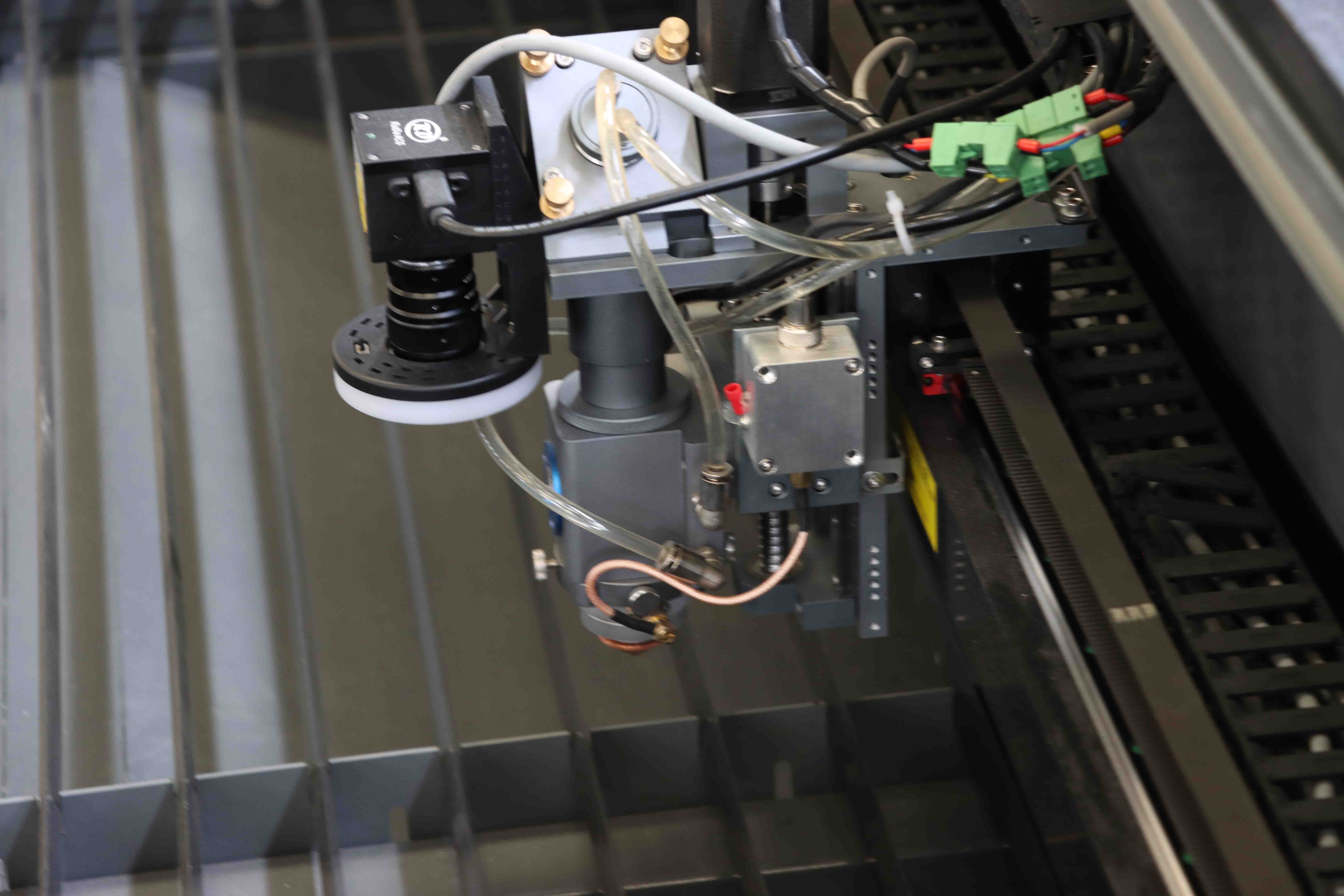
The 6000W fiber laser cutting machine is not merely a scaled-up version of lower-power systems. It requires specific engineering considerations to maintain stability and precision at higher thermal loads and dynamic forces.
Structural Integrity: Industrial-grade heavy-duty steel structures are essential to resist the vibration