Abstract
In the pursuit of higher throughput and lower unit cost, metal fabrication shops have invested heavily in fiber laser cutting systems, servo-driven press brakes, and automated nesting software. Yet a persistent bottleneck remains at the front end of the production line: raw material feeding. The Steel Coil Uncoiler Machine addresses this gap directly. By integrating automatic coil feeding with high-speed fiber laser cutting, this equipment class transforms coil stock into finished cut parts with minimal manual intervention. This article examines the technical rationale for coil-fed laser cutting, compares it against conventional sheet-based workflows, and considers how manufacturers such as ROCLAS® MACHINERY CO., LTD. have positioned uncoiler-integrated systems as a practical entry point into continuous production.
1. The Economic Case for Coil Feeding
Sheet metal fabrication has traditionally been organized around standardized flat sheets—typically 3000×1500mm or 4000×2000mm—loaded manually or semi-automatically onto the cutting bed. This model is simple and flexible, but it carries hidden costs: material handling labor, sheet-by-sheet loading downtime, and the residual scrap from standard sheet edges that cannot be nested efficiently.
Coil stock, by contrast, is purchased by weight at a lower per-kilogram cost. The steel coil uncoiler machine pays out material continuously, feeding the laser cutting head without the stop-start rhythm imposed by discrete sheets. The result is a workflow that more closely resembles a production line than a job shop.
The table below summarizes the practical differences between the two approaches, drawing on parameters typical of ROCLAS fiber laser systems with integrated coil feeding.
| Parameter | Sheet-Based Laser Cutting | Coil-Fed Laser Cutting (Uncoiler Integrated) |
|---|---|---|
| Material input | Pre-cut standard sheets | Continuous steel coil |
| Loading method | Manual / vacuum lift | Automatic uncoiler + feeder |
| Typical material cost | Baseline | 5–12% lower (coil pricing) |
| Operator intervention | Per-sheet | Continuous, minimal |
| Nesting efficiency | Affected by sheet edge scrap | Improved—cut lengths defined by program |
| Floor space | Moderate | Larger (coil storage + uncoiler) |
| Best suited for | High-mix, low-volume | Medium-to-high volume, repeat parts |
| Integration complexity | Low | Moderate—requires synchronization |
The data points to a clear conclusion: coil-fed cutting is not universally superior, but in production environments where part families repeat and annual material consumption is measured in hundreds of tons, the uncoiler configuration delivers measurable savings in both material and labor.
2. How the Uncoiler Integrates with Laser Cutting
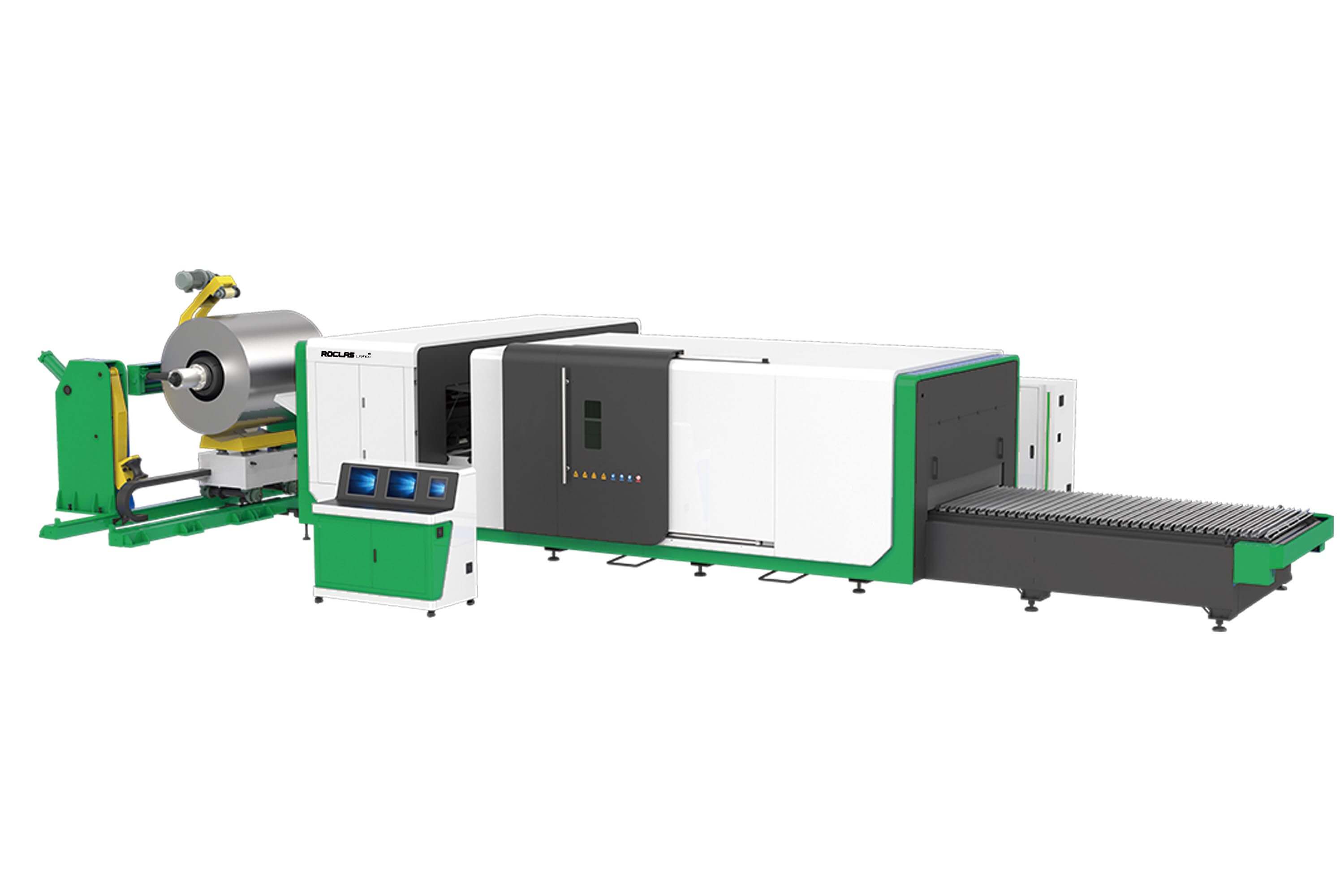
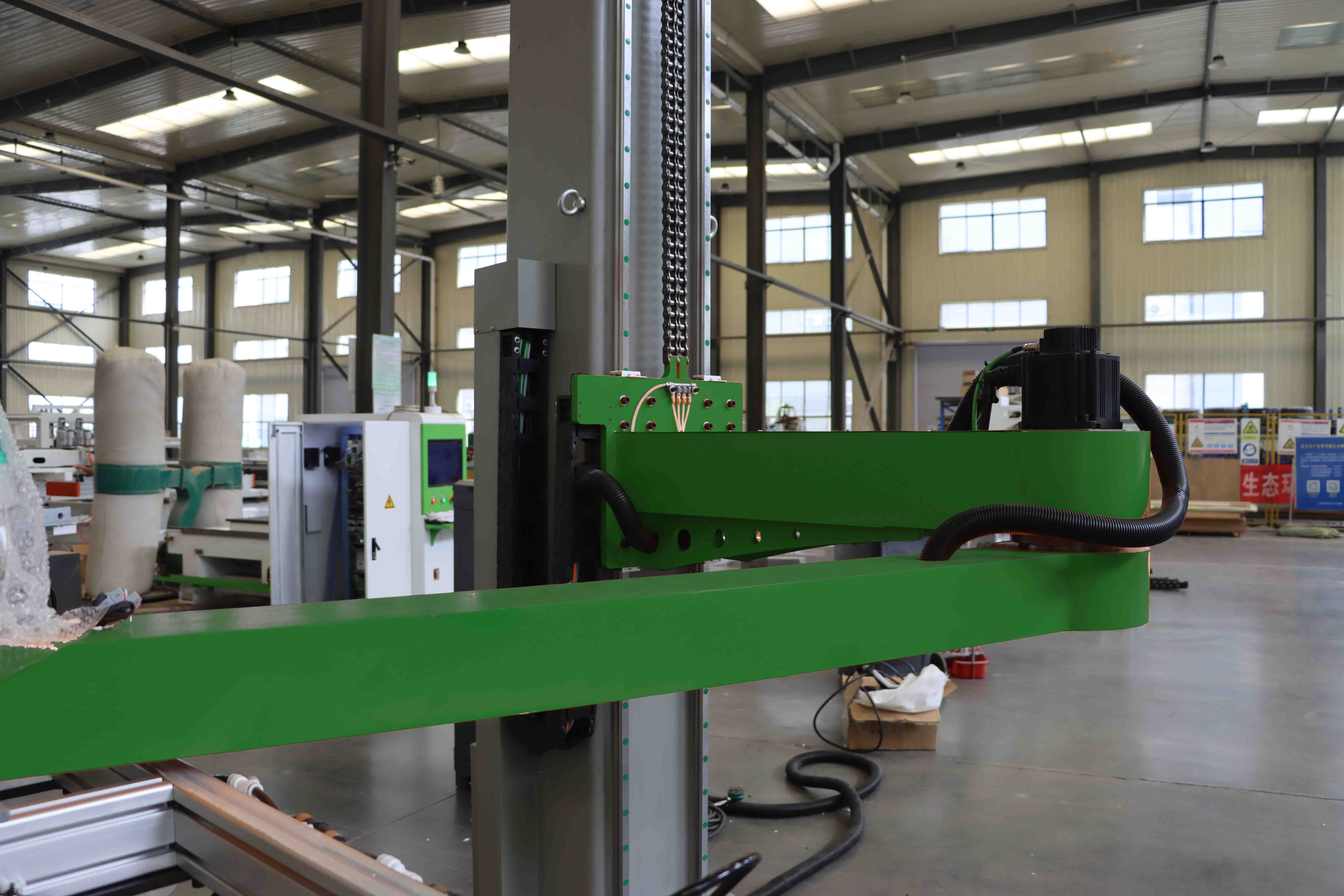
A steel coil uncoiler machine is deceptively simple in concept—a mandrel holds the coil, a motor pays it out, and a straightener/feeder presents flat material to the cutting zone. In practice, the engineering challenge lies in synchronization: the feeder must accelerate and decelerate in step with the cutting program, maintain consistent strip tension, and avoid surface marking on pre-finished or coated stock.
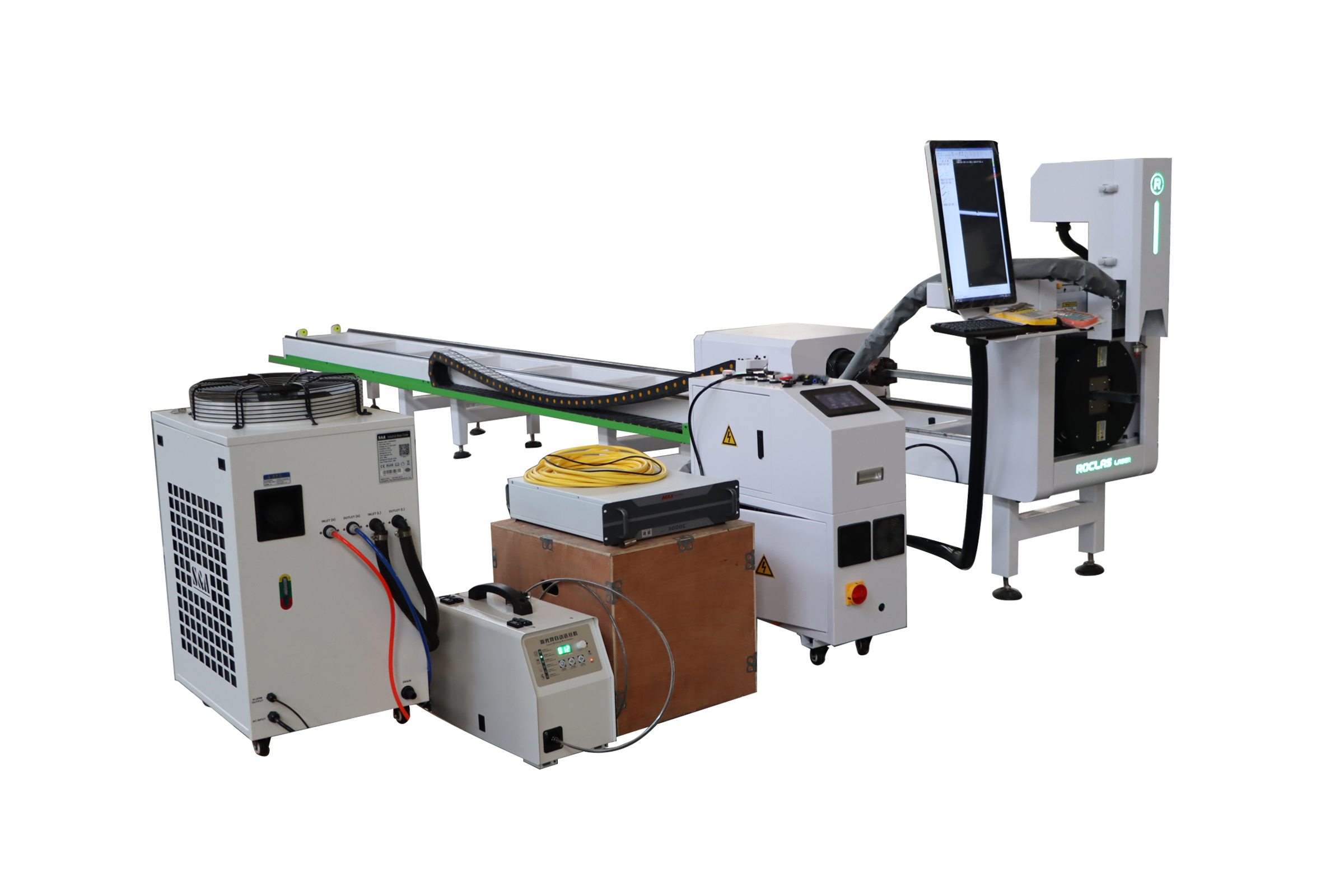
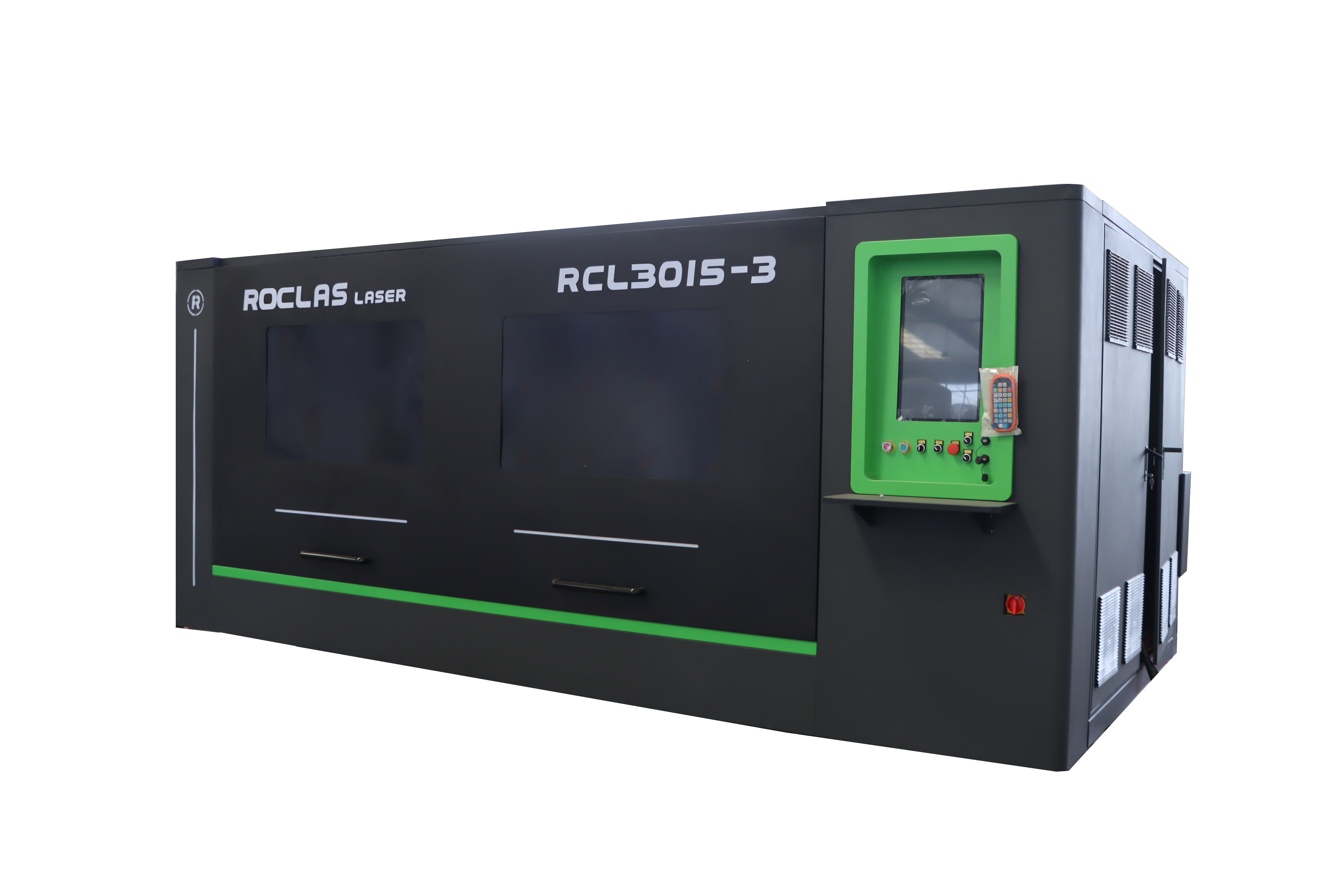
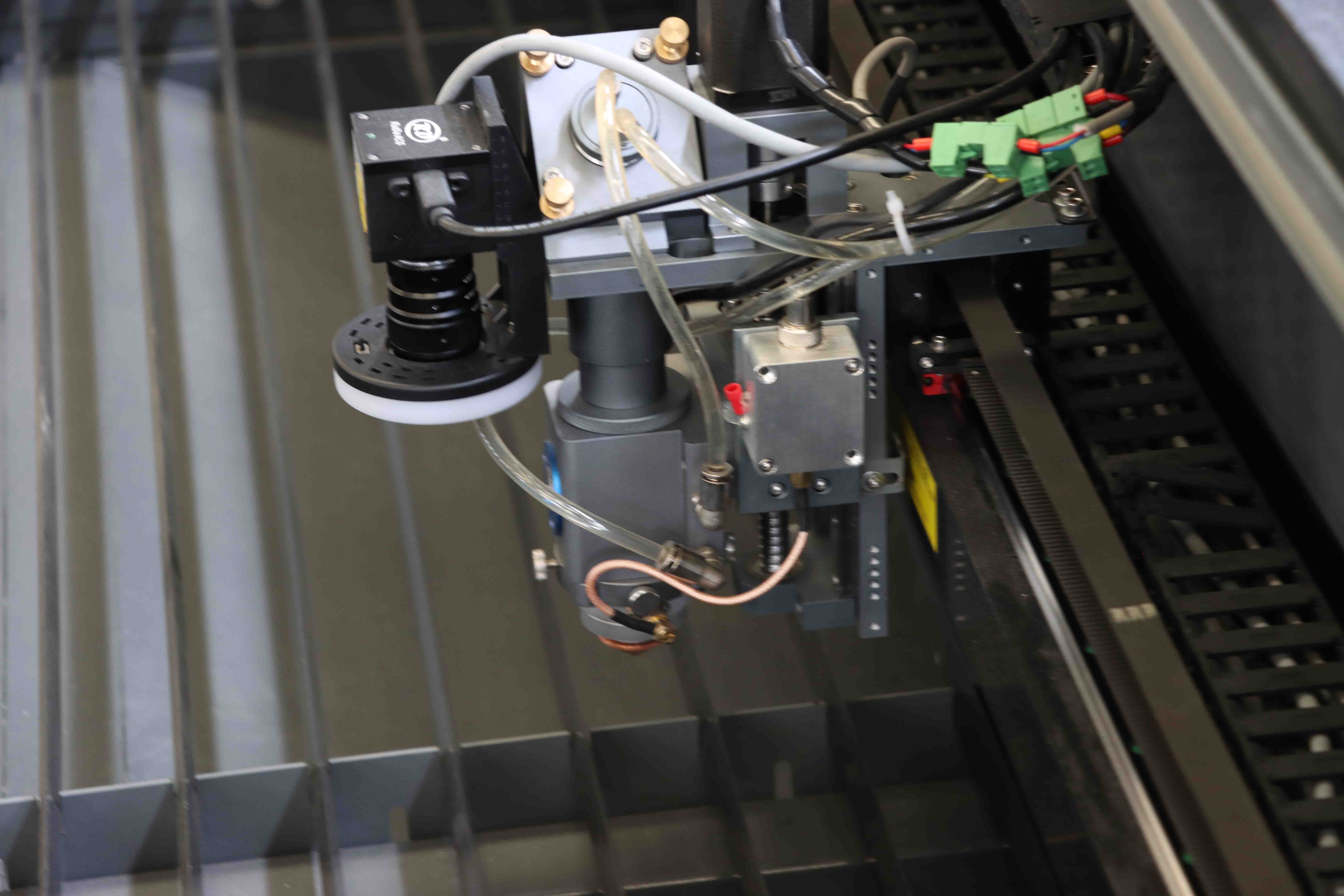
ROCLAS® approaches this through its Roll steel processing line, which combines the uncoiler, automatic metal coil feeding system, and fiber laser cutting platform into a single controlled workflow. The cutting head itself operates on the same core technology as the company's sheet-based machines: Raycus or MAX laser sources from 1000W to 20KW, Cypcut 3000S control, and positioning accuracy of ±0.03mm with ±0.02mm repositioning. The difference is upstream—material arrives as coil rather than sheet, and the control system must manage continuous feed rather than discrete loads.
This integration matters because it eliminates a common failure mode in retrofitted systems: mismatch between feeder dynamics and cutting acceleration. When the uncoiler and the laser share a control architecture, the acceleration profile (up to 1.0G on ROCLAS platforms) can be coordinated across both subsystems, reducing strip oscillation and improving cut quality at higher travel speeds (up to 100m/min).
3. Where Coil-Fed Cutting Makes Sense
The steel coil uncoiler machine is not a universal replacement for sheet loading. Its economics favor specific conditions:
High-volume repeat production. Automotive brackets, HVAC components, electrical enclosure panels, and furniture hardware are typical candidates. When the same or similar parts run for hours or days, the setup time of coil loading is amortized quickly.
Thin to medium gauge material. Coils are most practical in the 0.5mm to 6mm range. Thicker plate is generally supplied as discrete sheets because coil handling and straightening become impractical.
Pre-coated or sensitive surfaces. Because coil feeding avoids repeated manual handling, it can reduce surface scratches on galvanized, painted, or brushed finishes—provided the feeder is equipped with appropriate roller materials.
Lights-out or lightly attended operation. With automatic coil loading and a waste conveying system, a coil-fed laser cell can run unattended for extended periods, with the primary limitation being coil changeover rather than sheet loading.
Conversely, job shops with high part mix, frequent material changes, and low annual volumes are usually better served by conventional sheet-based machines. The uncoiler adds capital cost and floor space that only pays back under sufficient throughput.
4. Technical Considerations and Constraints
Prospective buyers should evaluate several factors before committing to coil-fed production:
- Coil specification: Inner diameter, outer diameter, weight, and strip width must match the uncoiler's capacity. Standard coil weights range from 3 to 10 tons; heavier coils reduce changeover frequency but require more robust mandrel and foundation design.
- Straightening quality: Residual coil set must be removed to within flatness tolerances acceptable for laser cutting. Poor straightening leads to focus variation and inconsistent kerf.
- Tension control: Loop or dancer systems maintain consistent feed tension. Without them, thin material may buckle or stretch.
- Scrap handling: Coil-fed cutting produces a continuous skeleton rather than discrete sheet remnants. An integrated waste conveying system, such as that offered on ROCLAS production lines, is effectively mandatory for uninterrupted operation.
- Changeover time: Coil changes are slower than sheet loading. Production planning must account for this, particularly in multi-material environments.
5. Conclusion
The steel coil uncoiler machine represents a logical evolution in metal fabrication: moving from batch-based sheet processing toward continuous, coil-fed production. It is not a universal solution, and manufacturers should resist the temptation to adopt it without a clear volume case. But for operations running repetitive parts in thin to medium gauge, the combination of lower material cost, reduced handling labor, and higher machine utilization is difficult to ignore.
ROCLAS® MACHINERY CO., LTD., with its roll steel processing lines and fiber laser platforms, offers one example of how uncoiler technology can be integrated rather than retrofitted—a distinction that matters when the goal is not simply to feed material, but to feed it at the speed and precision the cutting head demands. As laser cutting speeds continue to rise, the front-end feeding system will increasingly determine the real throughput ceiling of the entire line. The uncoiler, once an afterthought, is becoming a strategic component.