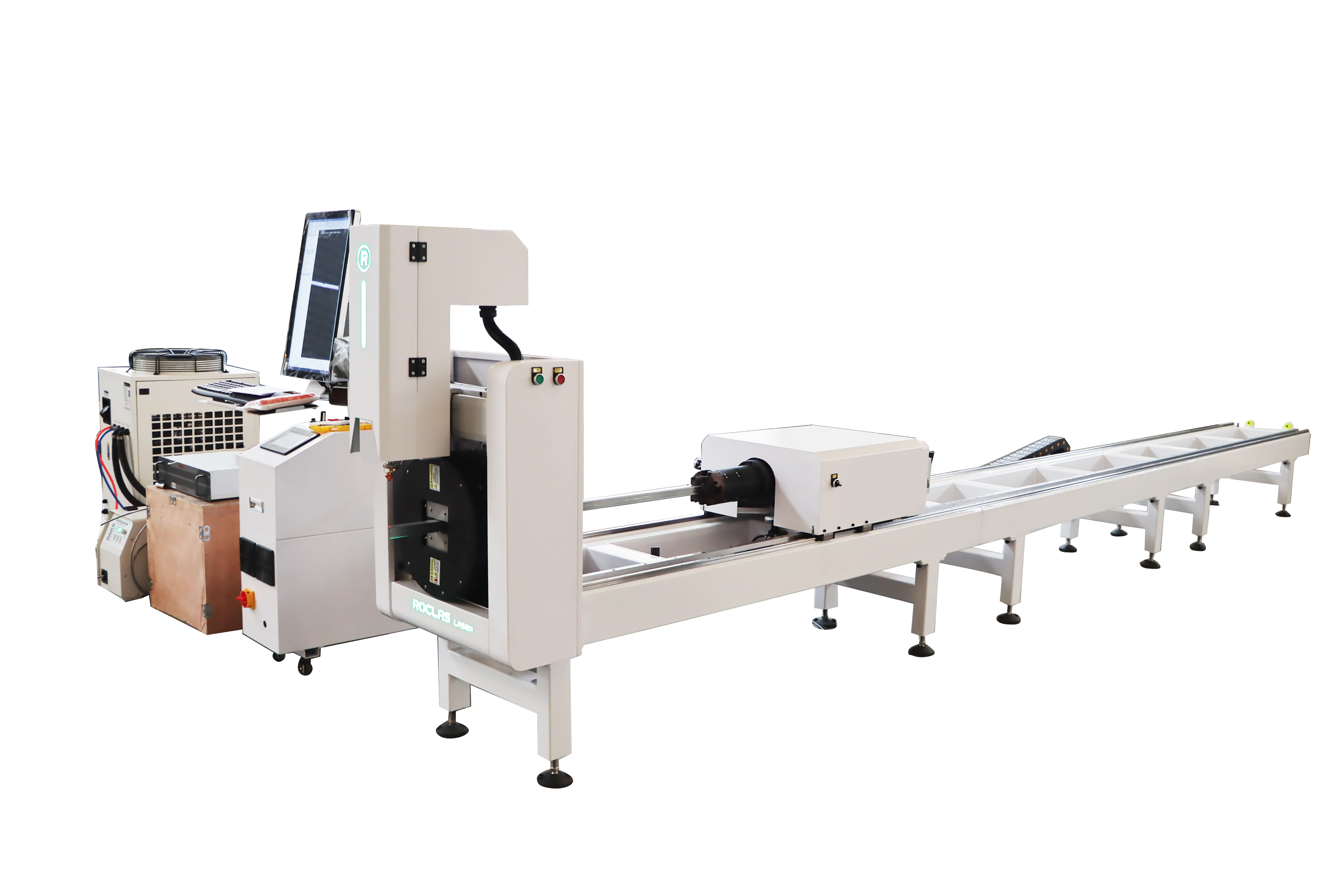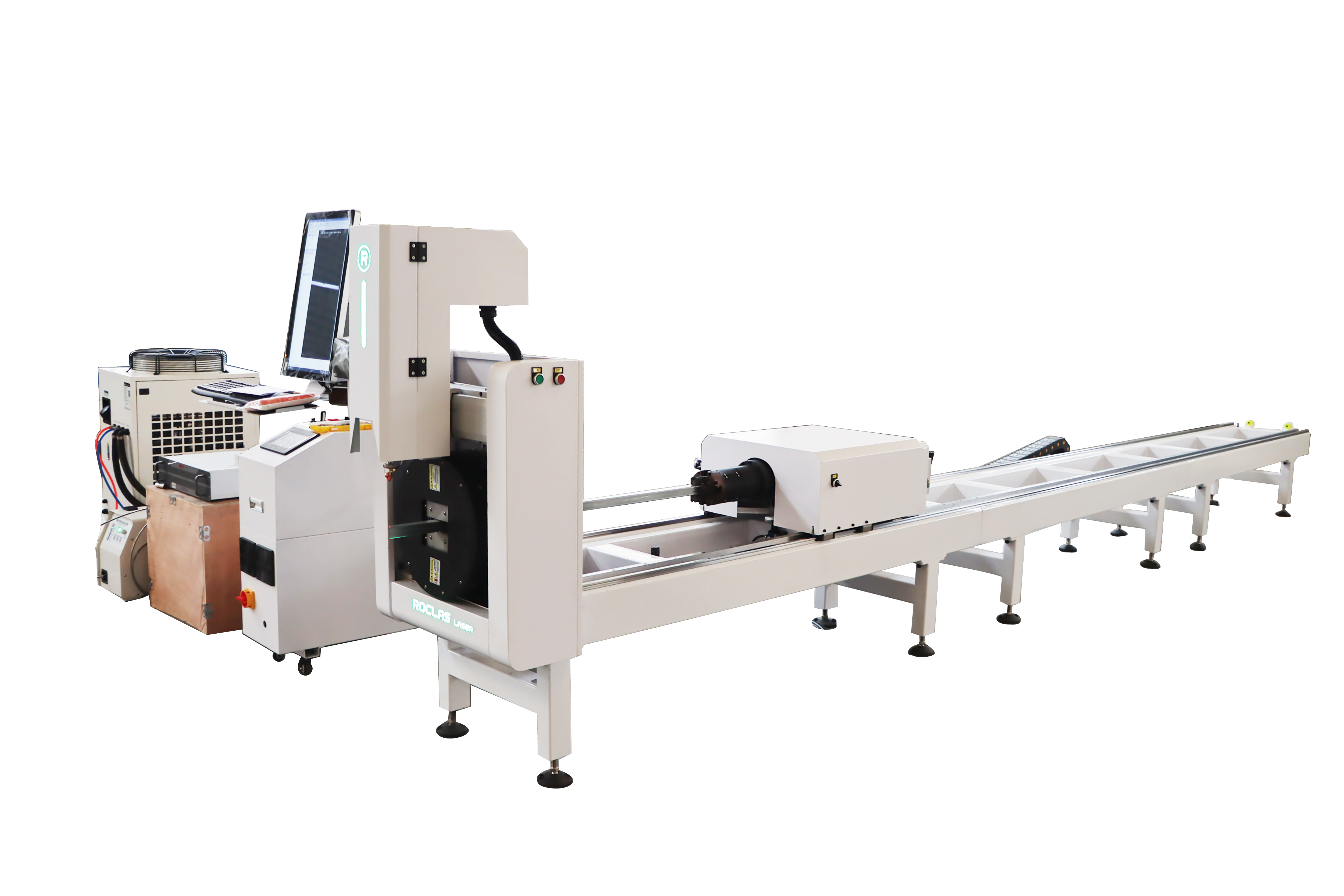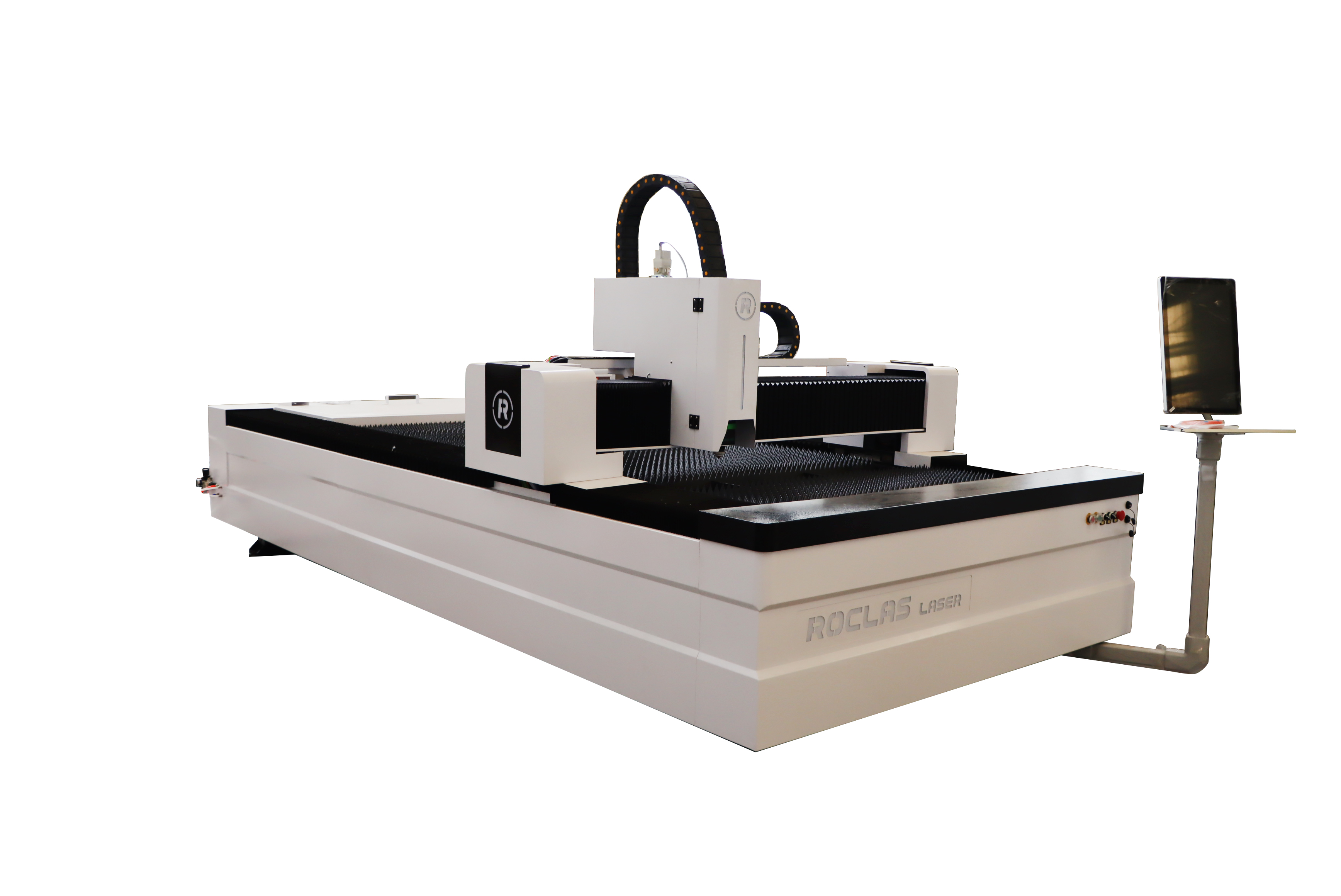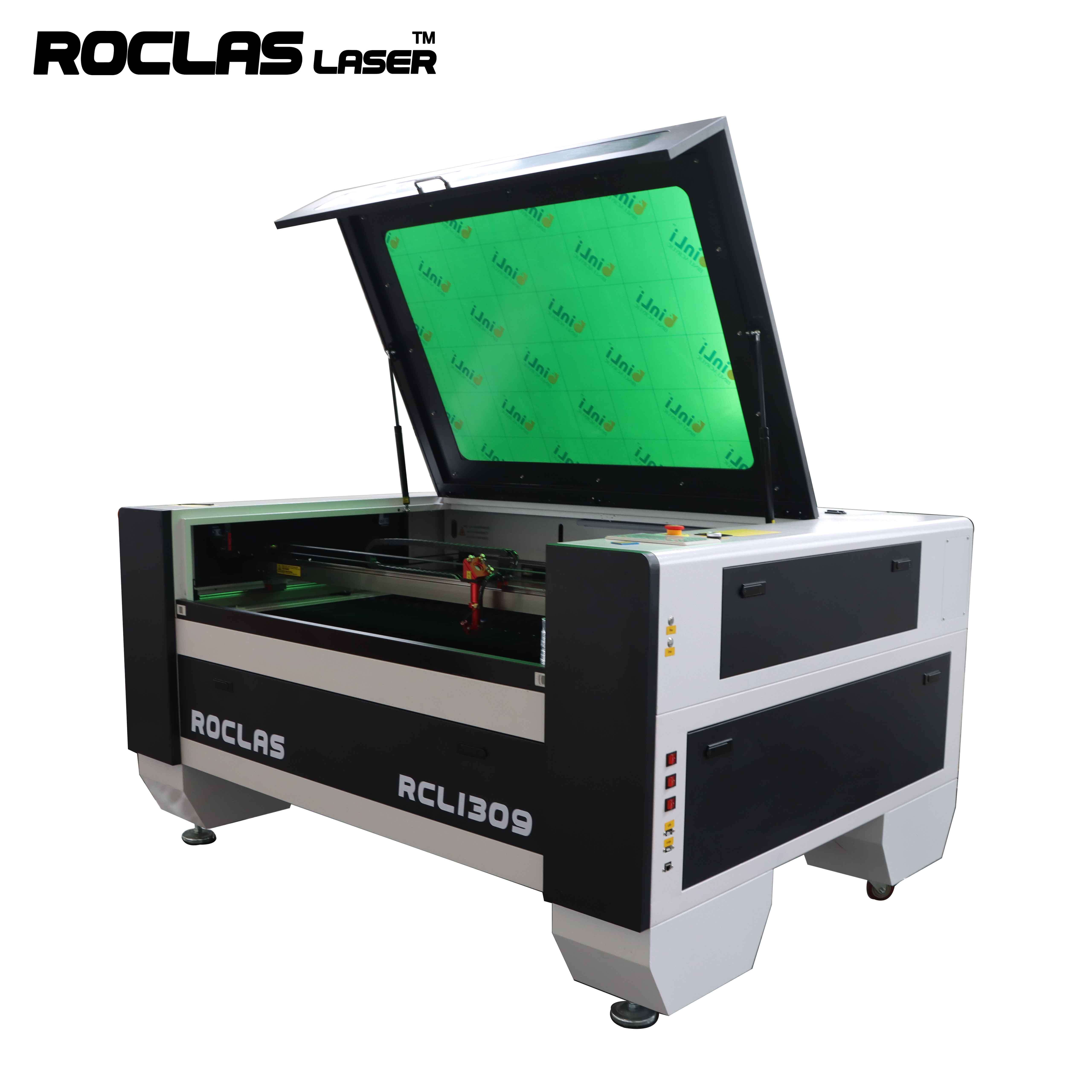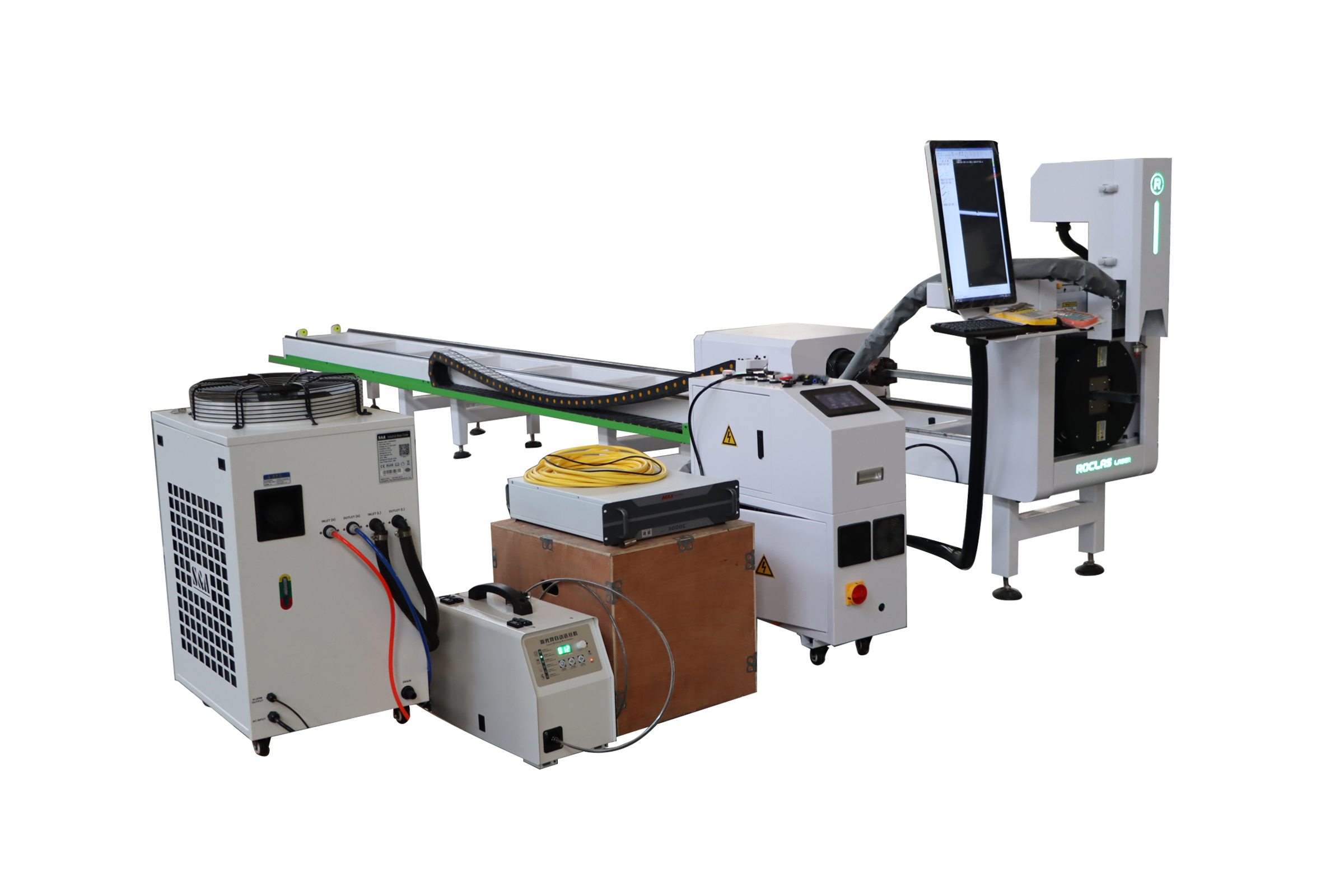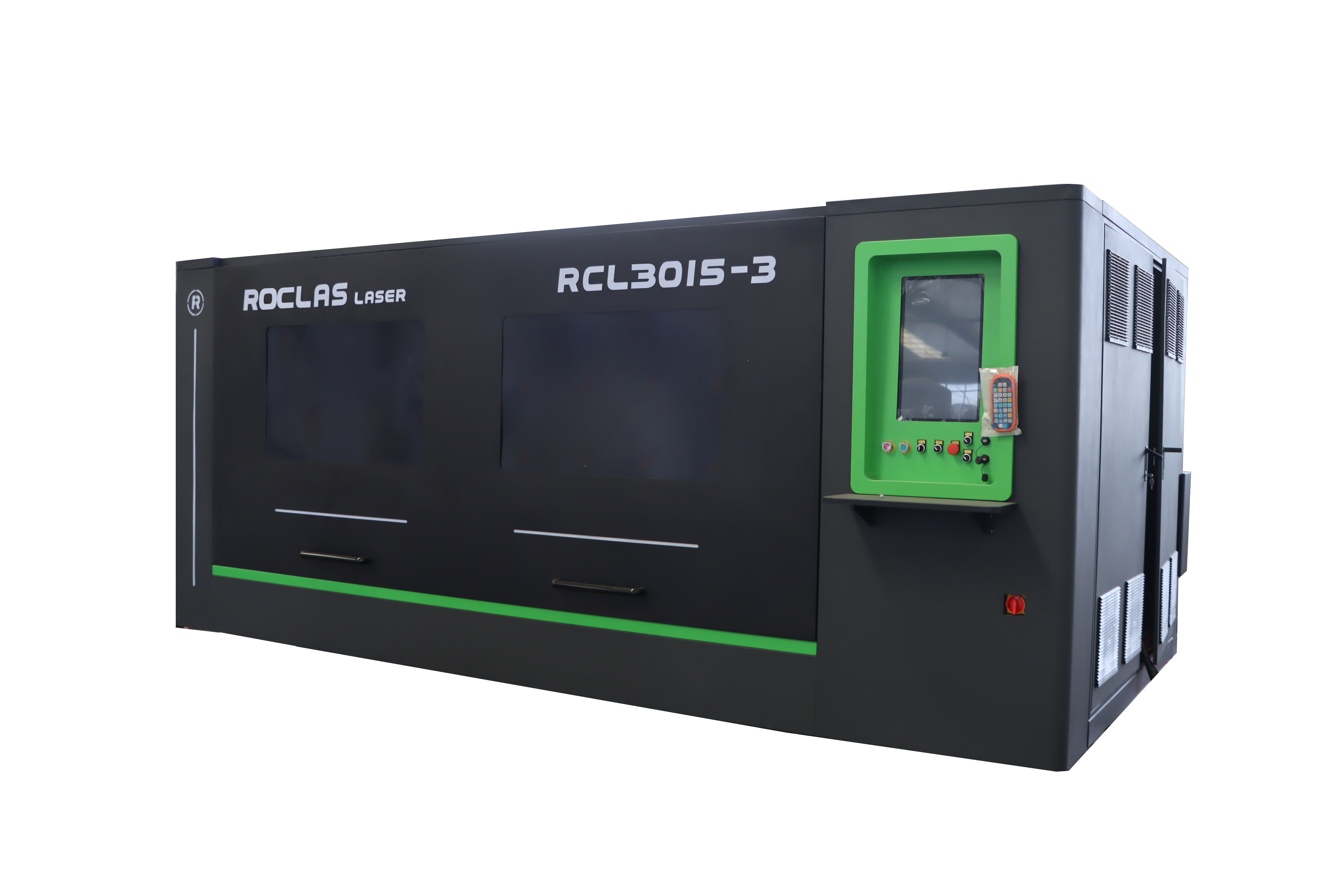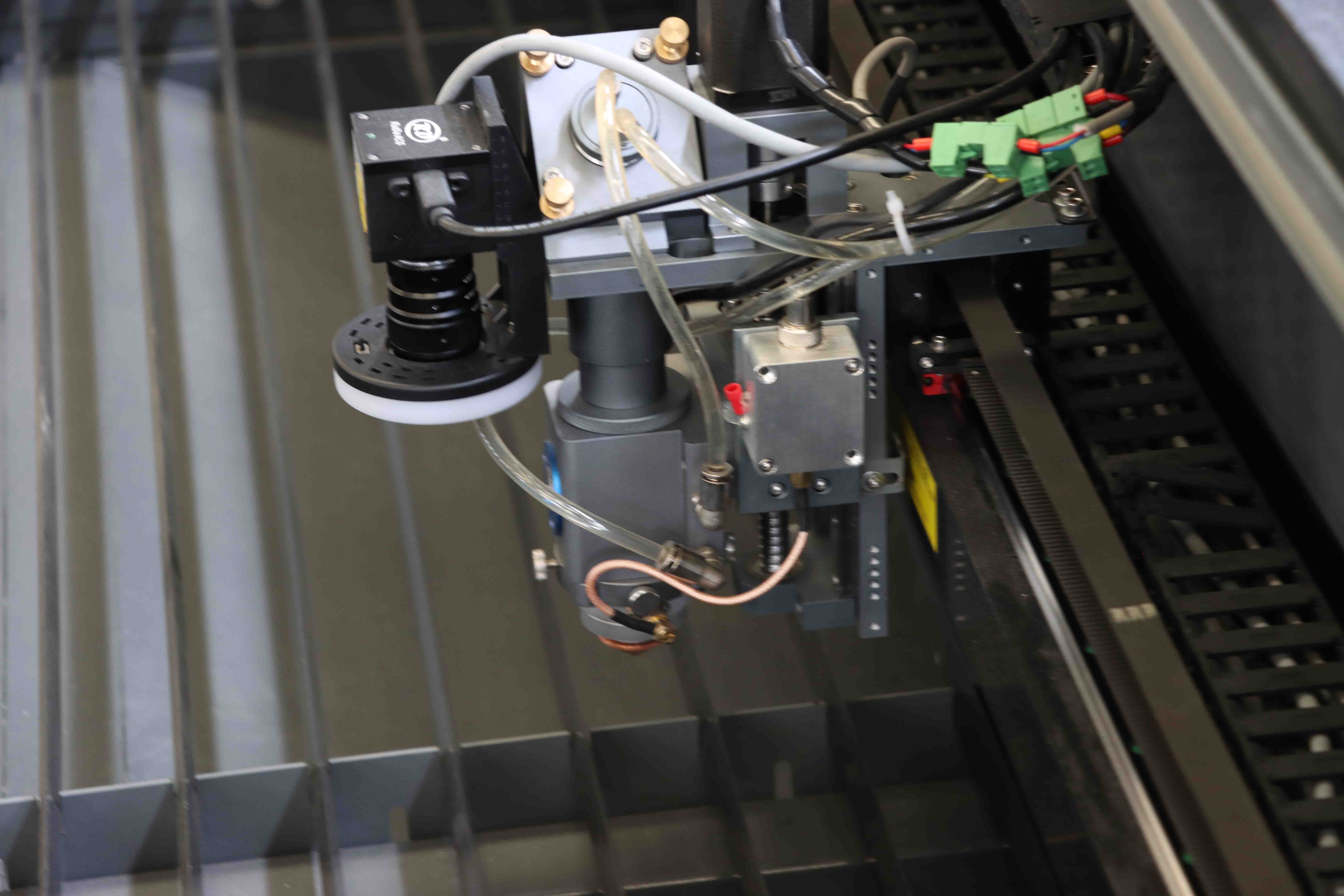
The industrial Laser welding machine has evolved from a niche laboratory tool into a mainstream production asset across metal fabrication, automotive, and aerospace sectors. Unlike traditional arc or resistance welding, laser welding uses a focused beam to create deep, narrow welds with minimal heat-affected zones, enabling high-speed, repeatable joins in materials ranging from mild steel to aluminum and copper. As manufacturers push for lighter structures, tighter tolerances, and lower post-processing costs, the laser welding machine has become a critical node in the production chain.
Market Context and Technology Segmentation
The global laser welding market has expanded steadily, driven by electrification in automotive manufacturing and the need for hermetic seals in electronics and medical devices. The table below summarizes the primary laser welding machine categories and their typical industrial roles.
| Machine Type | Typical Power | Key Characteristics | Primary Applications |

|--------------|---------------|---------------------|----------------------|
| Fiber Laser Welding Machine | 1500W | Continuous/modulation, 0.7–2.0 m/min welding speed | Sheet metal, cabinets, automotive parts |
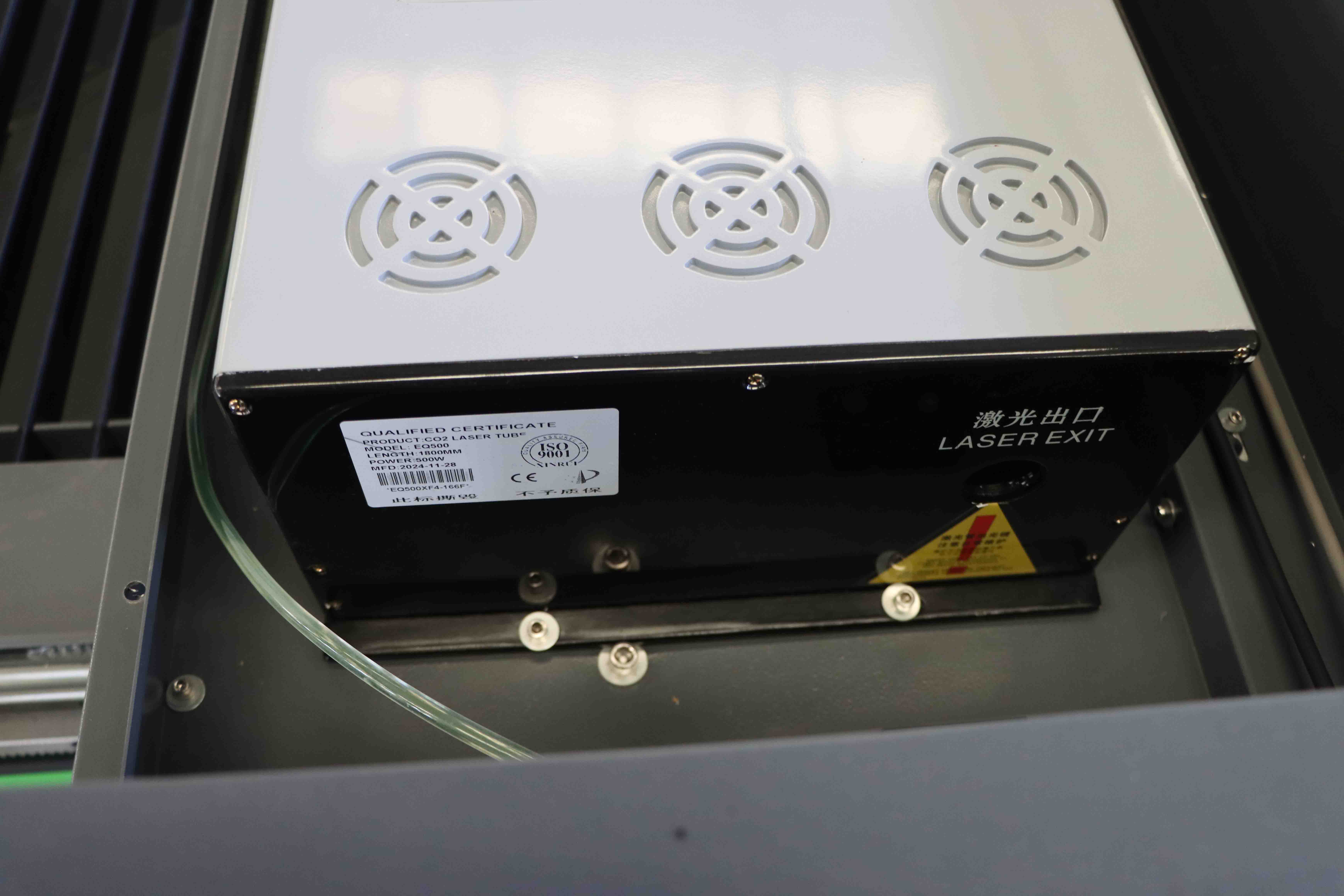
| Hybrid CO2 + Fiber System | 200W–500W | Metal and non-metal processing on one platform | Acrylic, wood, leather, thin metals |
| 5-Axis Fiber Welding Center | 1000W–3000W | n×360° infinite rotation, 3D workpiece capability | Aerospace, complex tubular structures |
| Handheld Fiber Welding Unit | 1000W–1500W | Flexible, manual operation, low maintenance | Repair, small-batch fabrication |
The data reveals a clear trend: fiber laser welding dominates industrial adoption due to its wall-plug efficiency and beam quality. The 1500W class, in particular, hits a sweet spot for general metal fabrication, delivering full penetration on 2–4mm stainless steel at speeds that outperform TIG welding by a factor of three to five. Meanwhile, hybrid CO2 systems retain relevance in shops that process both metals and non-metals, eliminating the need for two separate machines.
Technical Realities on the Shop Floor
A laser welding machine is only as effective as its integration into the production workflow. Key parameters include wavelength (typically 1080±5nm for fiber sources), working mode (continuous or modulated), and ambient operating range (−5°C to 35°C). The welding speed of 0.7–2.0 m/min is not merely a specification; it directly influences cycle time and, consequently, unit cost. For a 1mm stainless steel lap joint, a 1500W fiber laser can achieve welding speeds at the upper end of that range while maintaining a smooth, spatter-free bead—a result that manual TIG welding cannot match without extensive operator skill.
Equally important is the machine's physical construction. Industrial-grade heavy-duty steel structures, processed on CNC five-face machining centers, ensure that the gantry and worktable remain stable under thermal load. Imported servo drive systems and reducers contribute to positioning accuracy, which in turn affects weld seam placement. In precision applications—such as sensor housings or battery tabs—a positioning error of even ±0.05mm can compromise joint integrity.
Roclas in the Laser Welding Landscape
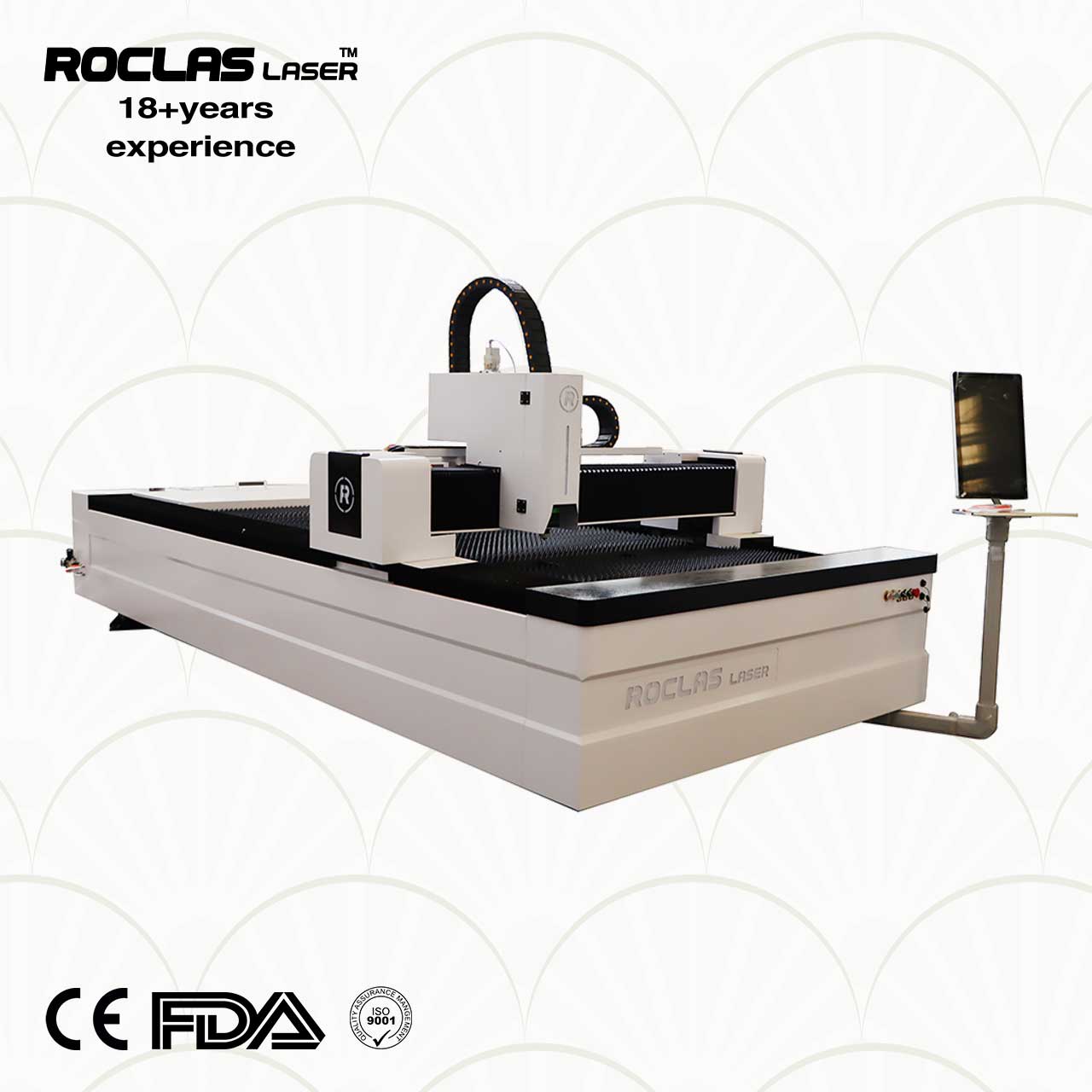
ROCLAS® MACHINERY CO., LTD. has positioned its laser welding machines within a broader portfolio that includes fiber laser cutting systems, 5-axis cutting centers, and CO2 hybrid platforms. The company's 1500W laser welding machine, operating on a 220V supply with continuous/modulation modes, reflects a design philosophy centered on energy efficiency and low noise. With over 15 years of industry experience and more than 50 patents, Roclas has built its welding solutions on the same heavy-duty steel structure and CNC five-face machining foundation used across its cutting machine lines.
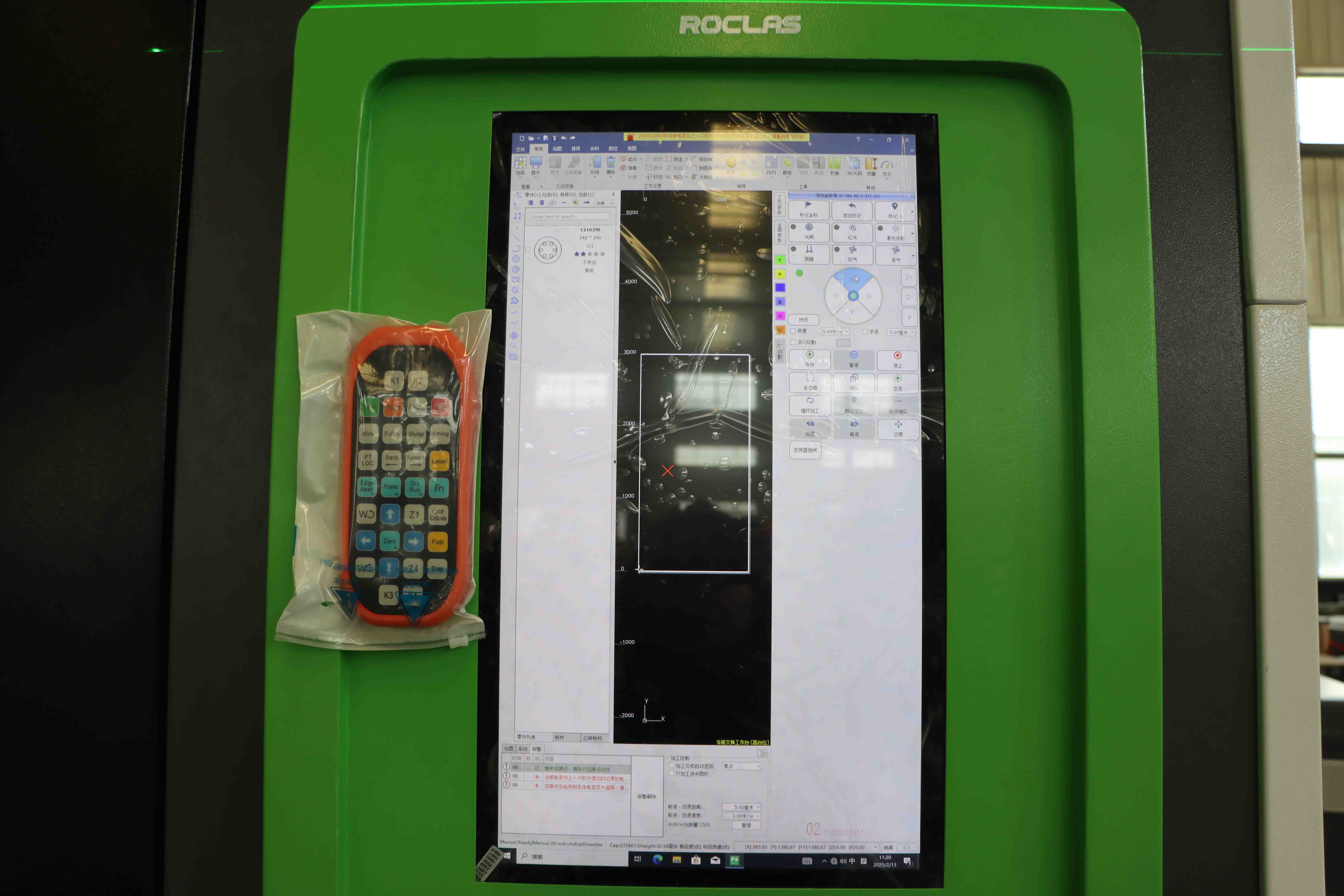
For fabricators already running Roclas Fiber laser cutting machines, the welding unit integrates naturally into a shared control and maintenance ecosystem. The Cypcut control platform and Raytools welding/cutting systems are familiar interfaces, reducing training overhead. Moreover, Roclas's ISO 9001, CE, and FDA certifications provide assurance that the welding equipment meets international safety and quality benchmarks—a non-trivial consideration for exporters serving European or North American markets.
The company's focus on high-reflectivity suppression technology further extends the welding machine's utility. Copper and aluminum, traditionally challenging for laser welding due to their reflectivity, can be processed stably within defined thickness ranges. This capability opens doors in electrical component manufacturing and lightweight automotive structures, where aluminum-to-copper joints are increasingly common.
Economic and Operational Considerations
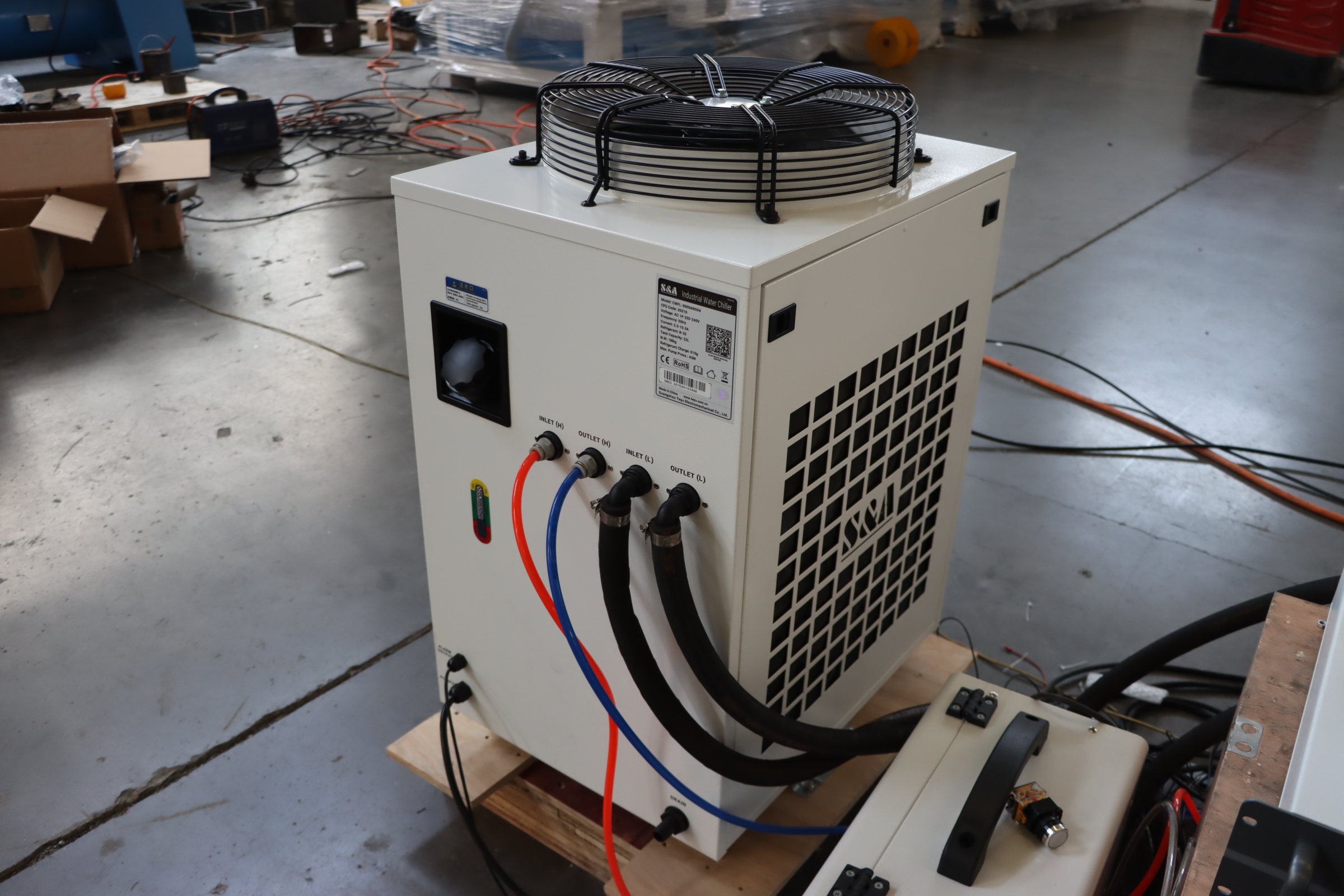
The decision to adopt a laser welding machine rarely hinges on welding speed alone. Operational cost, maintenance intervals, and consumable life are equally decisive. Fiber laser welding machines typically require less frequent nozzle replacement than CO2 systems, and their electrical efficiency reduces power consumption per meter of weld. Daily maintenance—lens cleaning, nozzle inspection, guide rail lubrication—is straightforward and can be performed by trained operators without external service contracts.
Roclas's after-sales support model, which emphasizes responsiveness and technical expertise, addresses a common pain point in laser equipment ownership: downtime. When a welding machine goes offline, the entire downstream assembly line can stall. A support structure that provides rapid diagnostics and spare parts availability is therefore not a luxury but a production necessity.
Conclusion
The laser welding machine has matured into a reliable, high-throughput tool that bridges the gap between manual welding and fully automated robotic cells. Its adoption is no longer limited to high-volume automotive lines; job shops and contract manufacturers are integrating 1500W fiber units for their flexibility and low operating cost. As the technology continues to diffuse, the differentiator will shift from raw power to system integration—how well the welding machine communicates with cutting, bending, and inspection equipment. Companies like Roclas, with a broad CNC portfolio and a patent-backed R&D pipeline, are positioned to serve this integrated future, where the welding machine is not a standalone asset but a connected component of the digital fabrication chain.