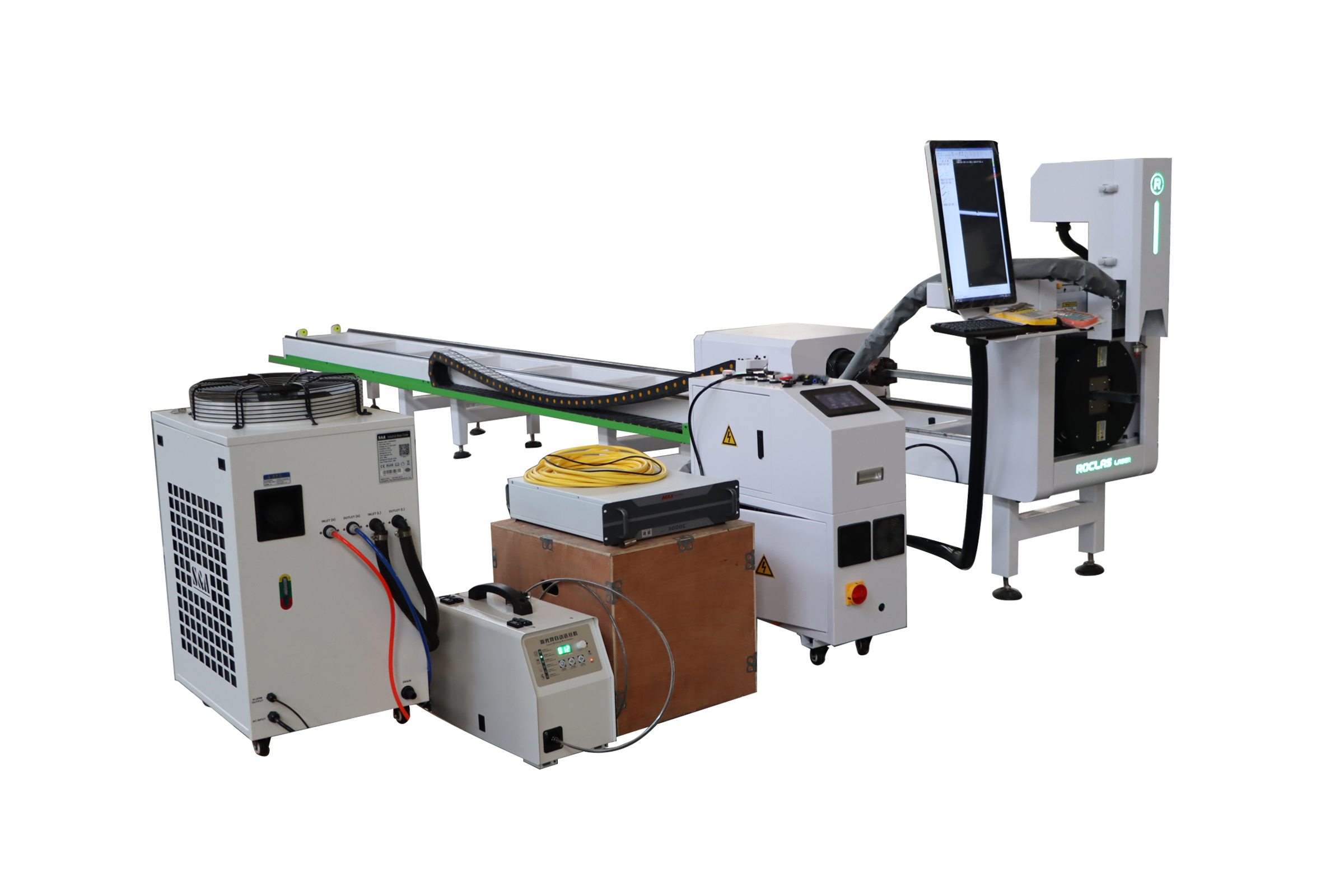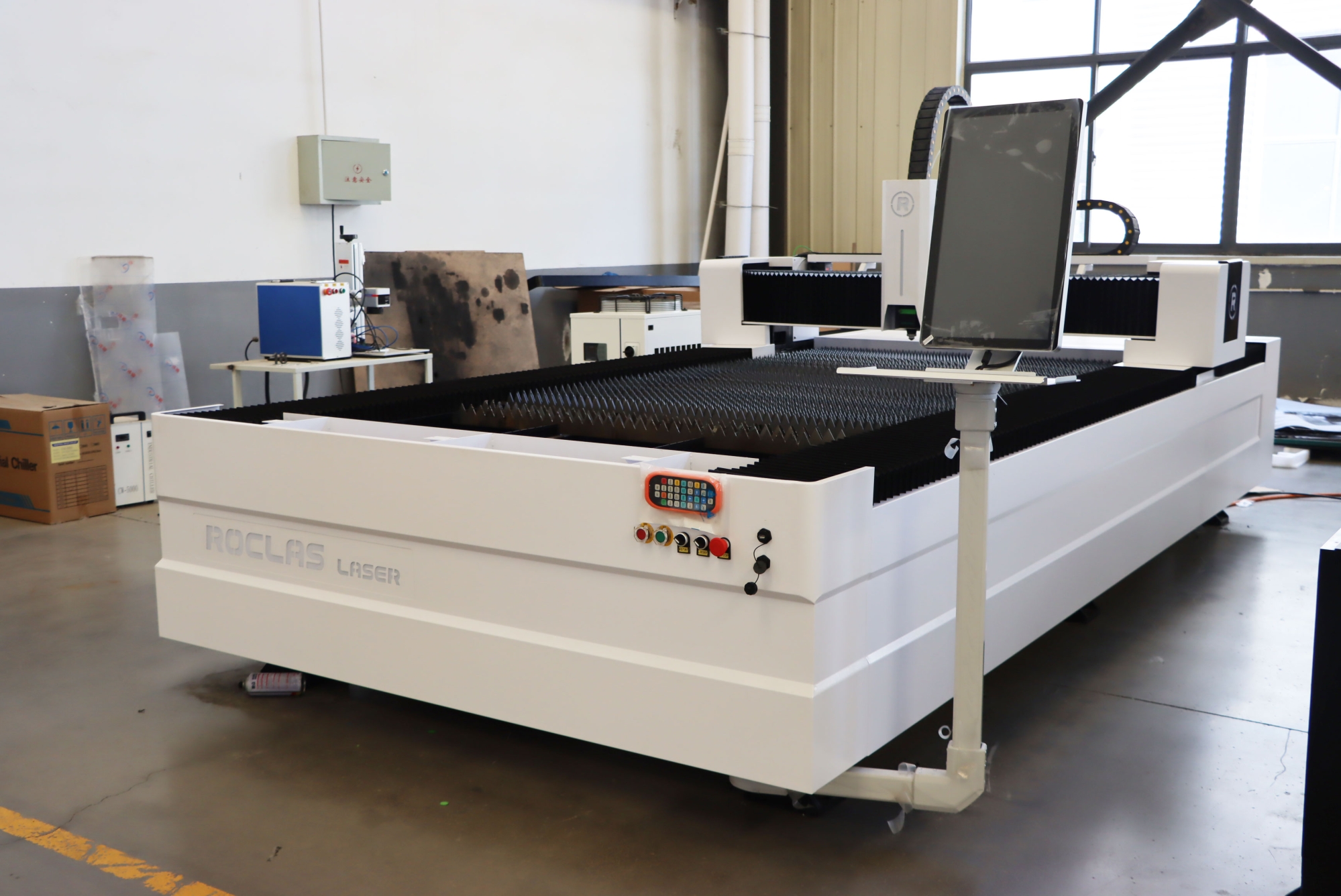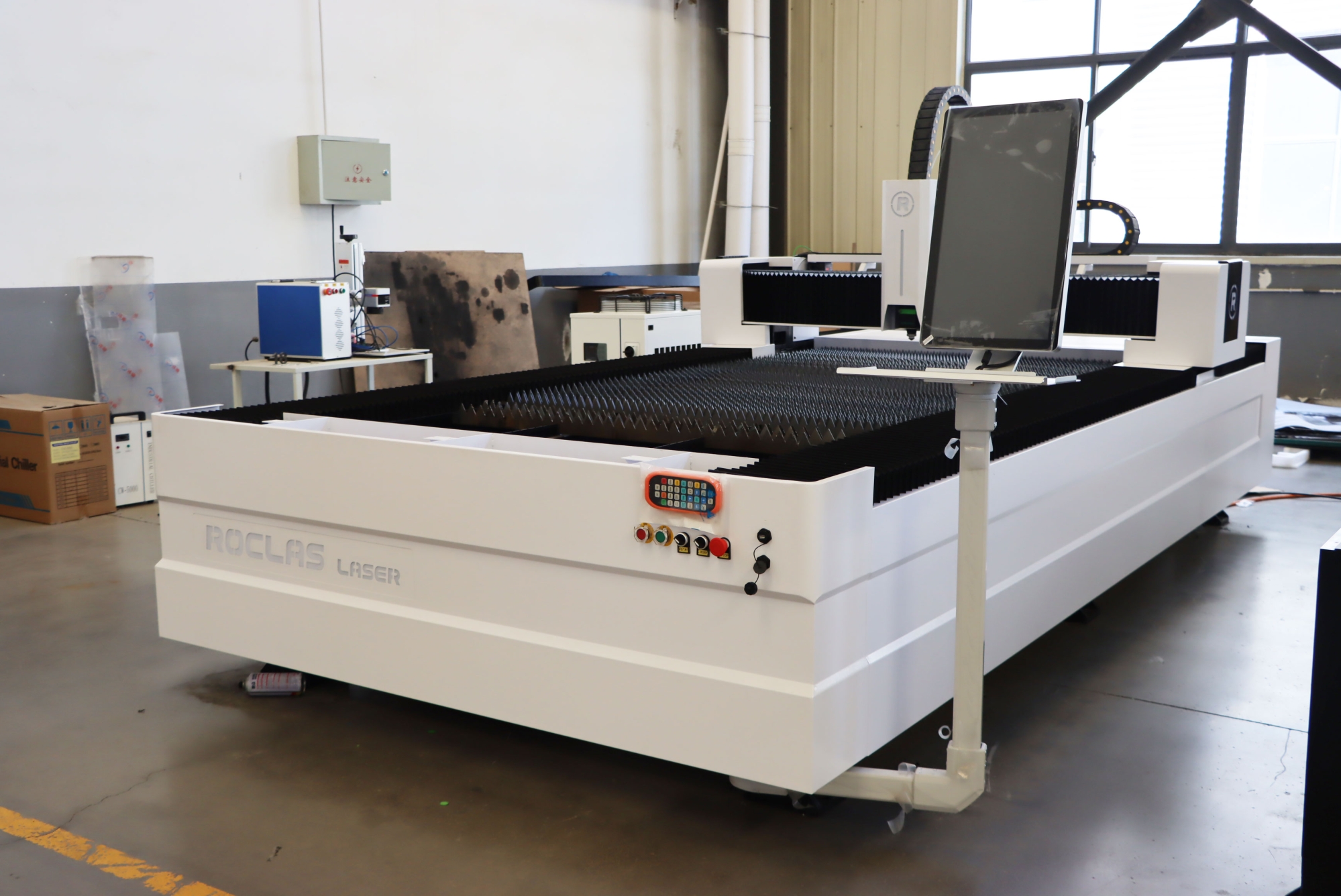
Abstract—The Fiber laser cutting machine has evolved from a niche metal fabrication tool into the backbone of modern sheet metal and tube processing. Driven by declining laser source costs, rising demand for precision in automotive and aerospace supply chains, and the convergence of cutting, welding, and cleaning functions on a single platform, the global installed base continues to expand. This article examines the current market landscape, compares representative machine configurations, and discusses how manufacturers such as ROCLAS® MACHINERY CO., LTD. are positioning their product portfolios to address both standard and highly reflective material processing.
I. Industry Background and Market Data
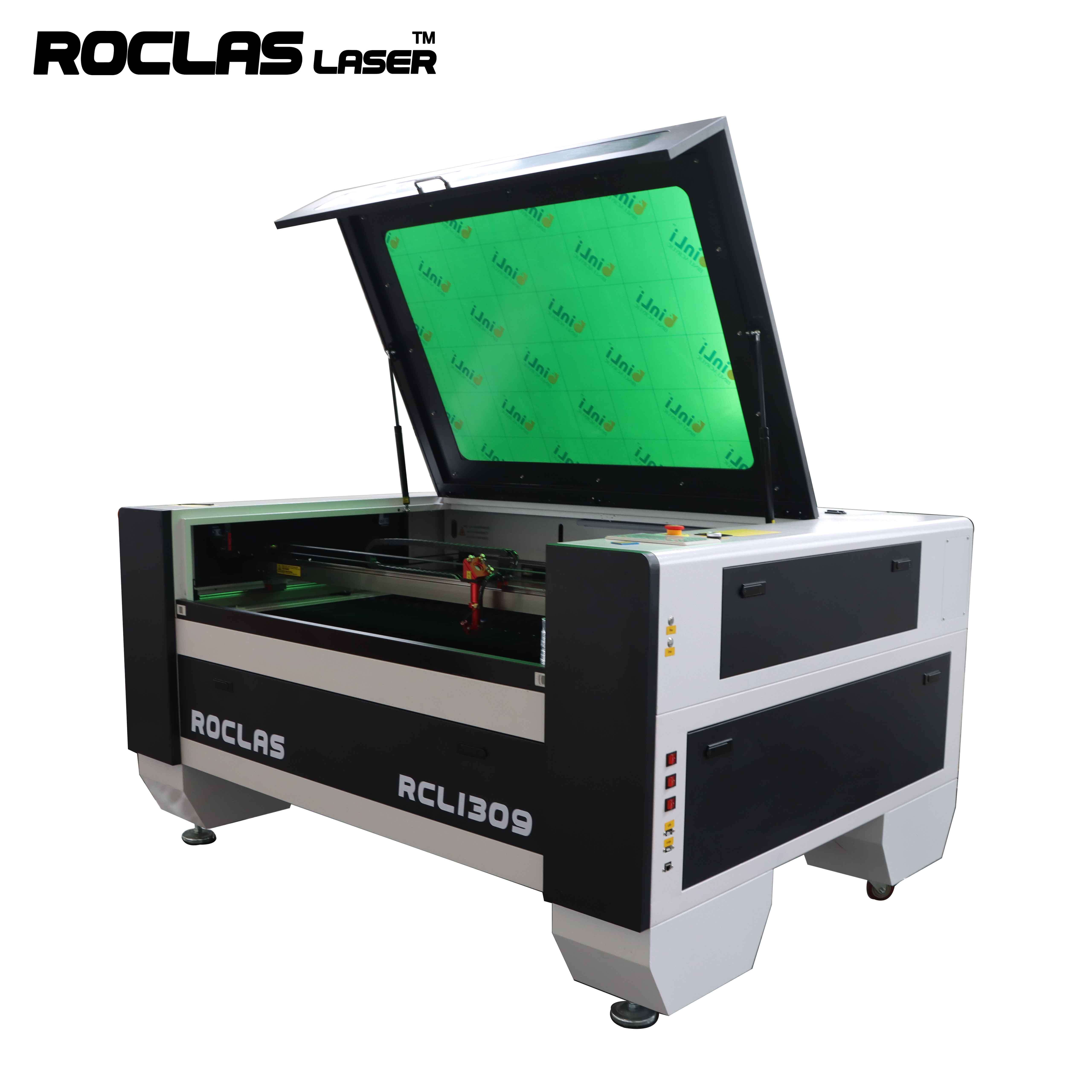
The fiber laser cutting machine market has sustained double-digit growth over the past decade, primarily because fiber sources offer substantially higher wall-plug efficiency and lower maintenance requirements than legacy CO2 systems. While CO2 lasers remain relevant for non-metallic materials such as acrylic, wood, and leather, fiber technology has become the default choice for carbon steel, stainless steel, aluminum, copper, and brass.
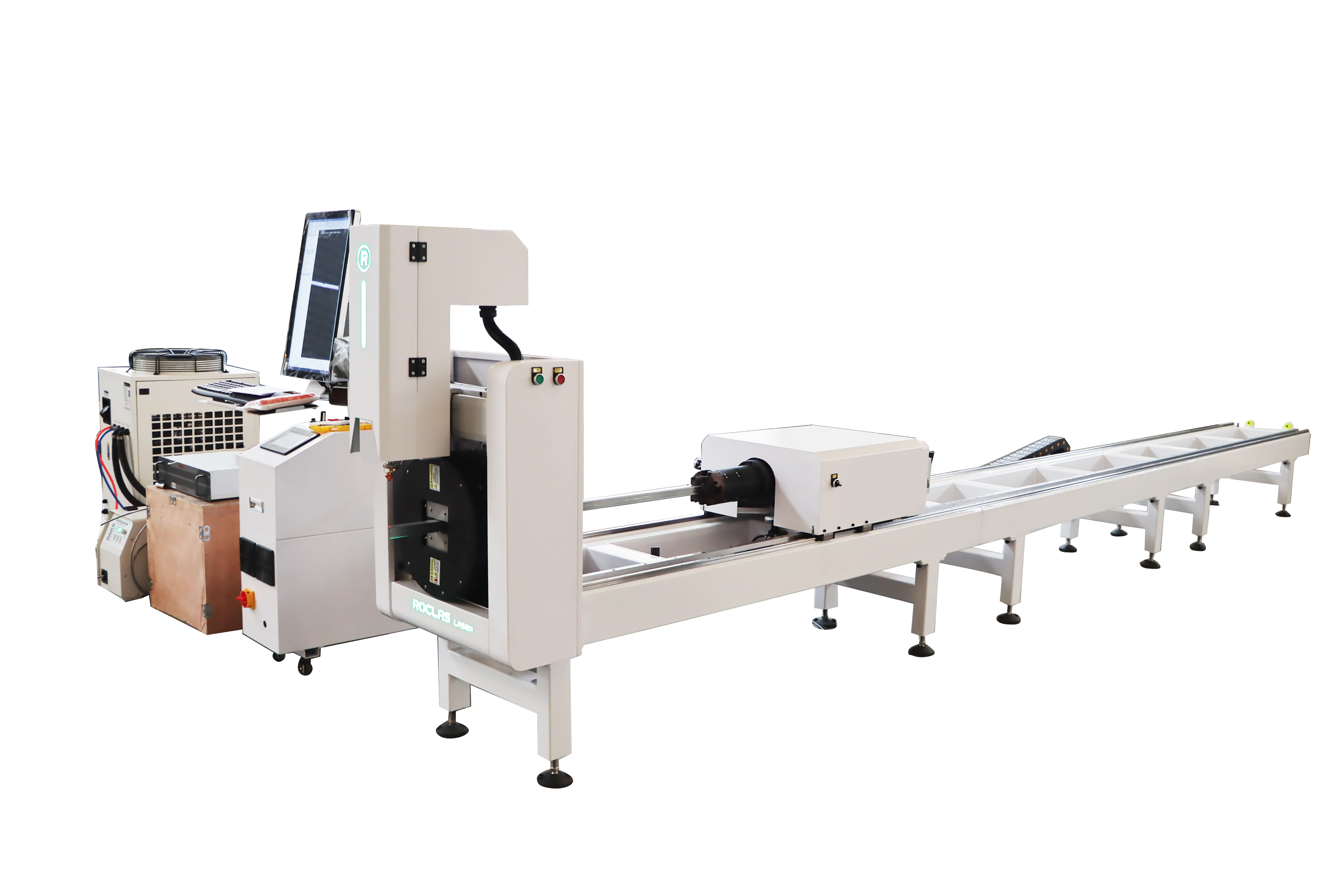
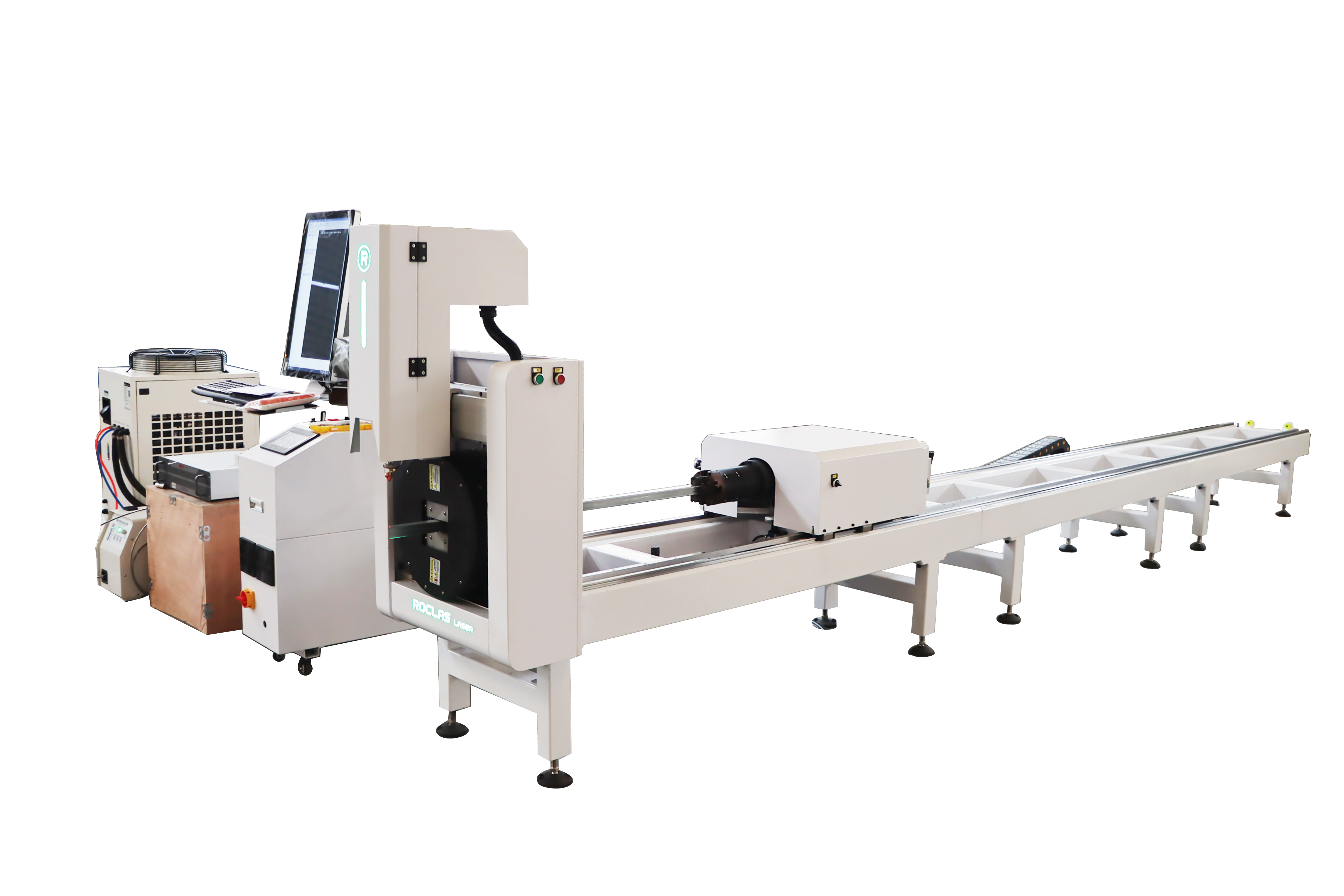
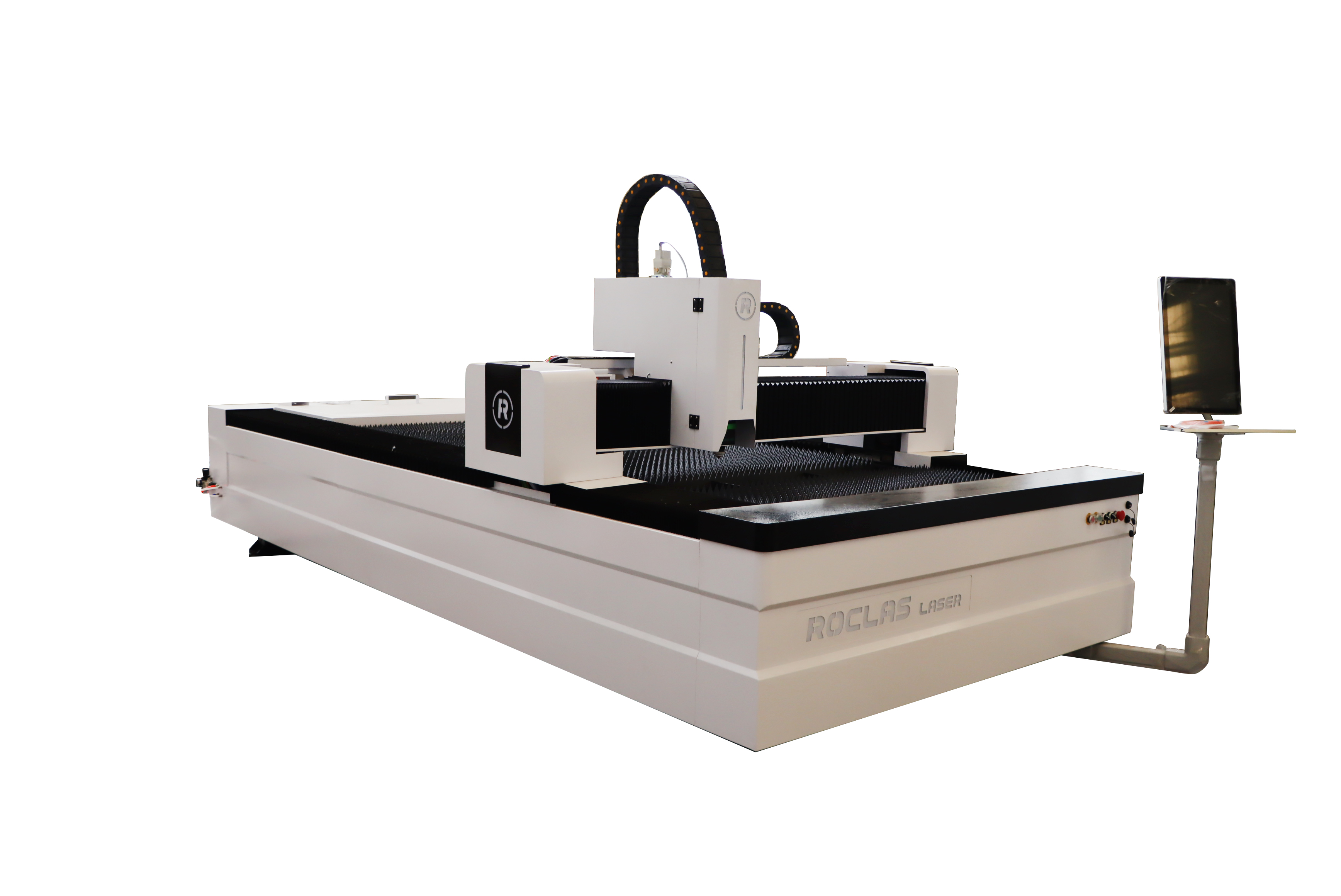
A key development is the widening power band. Entry-level machines now start at 1000W, sufficient for thin-gauge sheet, while high-end models reach 20KW for thick-plate cutting. This spread allows fabricators to match capital expenditure to their actual production mix rather than over-specifying. The table below summarizes typical configurations across three common machine categories.
| Parameter | Standard Sheet Fiber Laser | Tube Fiber Laser | CO2/Fiber Hybrid |
|---|---|---|---|
| Working Area | 3000×1500mm / 4000×2000mm | 1500×4000mm | 1500×3000mm |
| Laser Power | 1000W–20KW | 1000–3000W | 200W–500W (CO2) + fiber |
| Positioning Accuracy | ±0.03mm | ±0.05mm | — |
| Repositioning Accuracy | ±0.02mm | ±0.03mm | — |
| Max Acceleration | 1.0G | 1.0G | — |
| Max Tube Diameter | — | 220mm | — |
| Control System | Cypcut 3000S | Cypcut 3000S | — |
| Laser Source | Raycus / MAX | Raycus / MAX | Sealed CO2 glass tube |
Table 1. Representative technical specifications across three fiber laser cutting machine categories.
The data reveals several practical implications. First, positioning accuracy of ±0.03mm on standard sheet machines is now an industry baseline rather than a premium feature, reflecting the maturity of servo drive systems and gantry structures. Second, tube cutting machines trade a small amount of linear accuracy (±0.05mm positioning) for the ability to handle round, square, and rectangular tubes up to 220mm in diameter—a capability increasingly demanded by furniture, fitness equipment, and pipeline engineering sectors. Third, the hybrid CO2/fiber platform occupies a distinct niche: it is the only configuration in this comparison that can process wood, acrylic, and leather alongside thin metals, making it suitable for advertising, decoration, and mixed-material workshops.
II. Technical Application and Brand Case Study
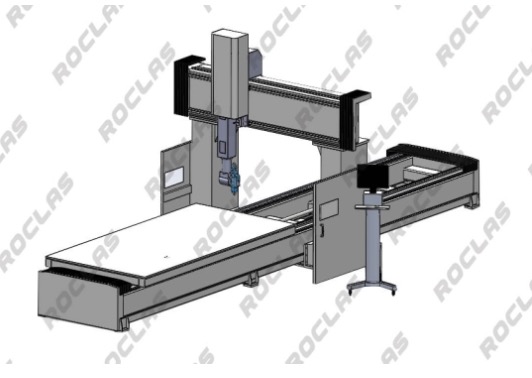
The operational value of a fiber laser cutting machine depends not only on raw power but on the integration of motion control, optical delivery, and material handling. Modern systems employ fixed gantry structures with movable workbenches to maximize processing space while maintaining dynamic performance. Imported servo drives and reducers, combined with CNC five-face machining of the bed, ensure that the mechanical platform can sustain acceleration of 1.0G without compromising edge quality.
One persistent challenge has been the processing of highly reflective materials. Copper and aluminum reflect laser radiation back into the optical path, risking damage to the laser head. Manufacturers have addressed this with high-reflectivity suppression modules; ROCLAS®, for instance, specifies stable processing of 1–2mm copper plates and 2–3mm aluminum plates on its fiber laser cutting machines. This capability extends the machine's addressable market beyond conventional steel fabrication into electrical components, heat exchangers, and decorative metalwork.
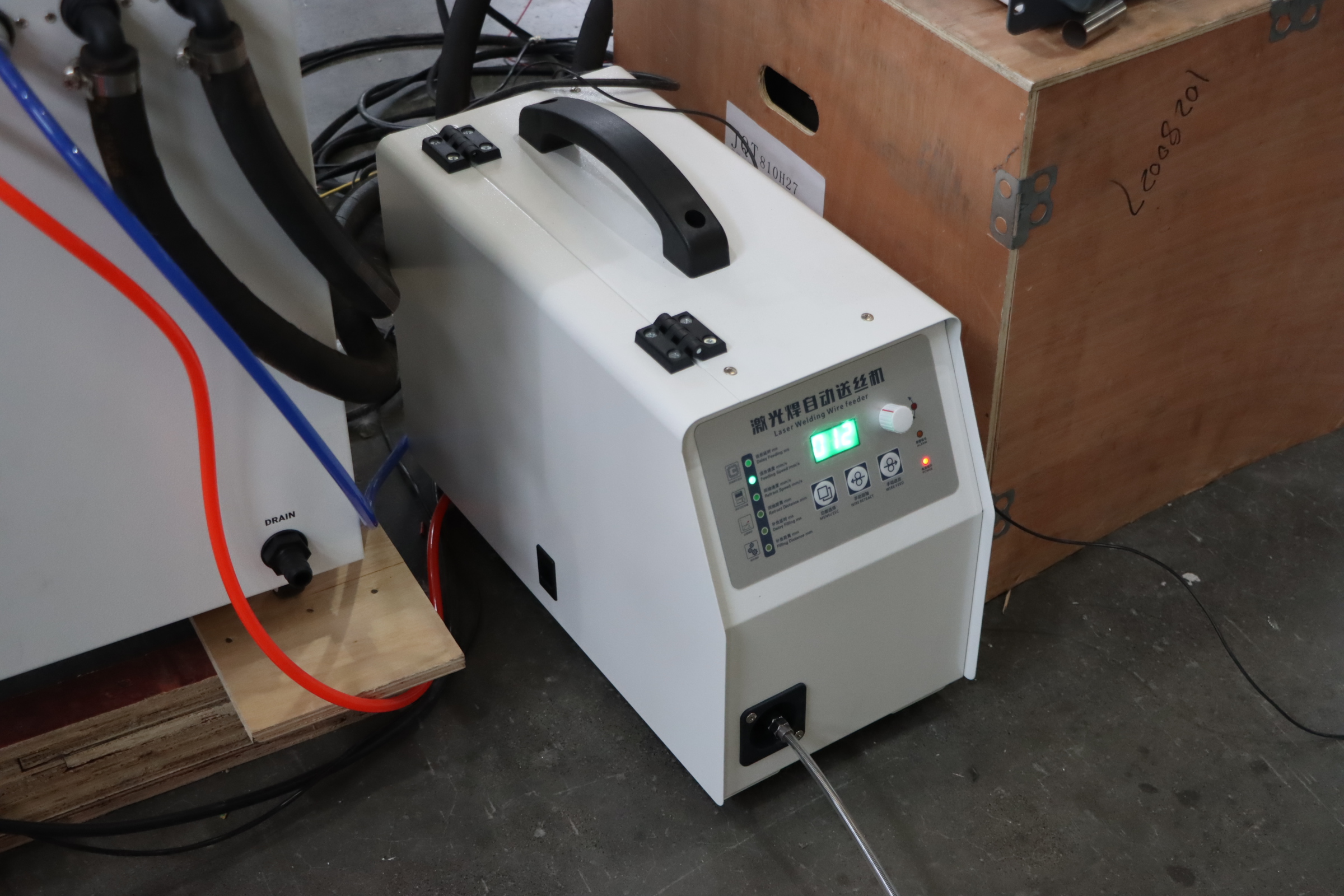
ROCLAS® MACHINERY CO., LTD. illustrates how a mid-sized equipment builder can compete through vertical integration and certification depth. The company's product range spans fiber laser cutting machines (sheet, tube, and combined platforms), 5-axis fiber laser cutting centers with n×360° infinite rotation for complex 3D workpieces, CO2 laser machines, Laser welding machines (1500W, 0.7–2.0m/min welding speed), and laser cleaning systems. This multi-process portfolio reflects a broader industry trend: customers increasingly prefer a single vendor capable of supplying cutting, welding, and surface treatment equipment, reducing integration risk and simplifying service contracts.
Certification is another dimension where buyers increasingly screen suppliers. ROCLAS® holds ISO 9001 (Certificate No. 31623Q10581R1S), CE (ICR/VC/HM2403124), FDA laser product certification, UL, and PDL. For exporters targeting North American and European markets, these credentials are not merely marketing assets—they are prerequisites for insurance, workplace safety compliance, and customs clearance. The company's 50+ patents, with 10+ new patents filed annually, suggest an R&D commitment that goes beyond cosmetic model refreshes.
Auxiliary equipment further differentiates complete solutions. Nitrogen generators with 99.999% purity and 3.8m³/min purified air handling capacity support oxygen-free cutting of stainless steel and aluminum, preventing oxidation on cut edges. Steel coil uncoilers enable continuous feeding from coil stock, reducing material handling time and improving yield in high-volume production. These accessories are often overlooked in machine comparisons but materially affect total cost of ownership.
III. Conclusion and Outlook
The fiber laser cutting machine segment is unlikely to see disruptive technology substitution in the near term. Instead, competition will concentrate on three fronts: power scalability (the 20KW ceiling may rise further), automation integration (robotic loading, automatic nesting, and inline inspection), and multi-process capability (cutting, welding, cleaning, and marking on one platform). For fabricators, the practical question is no longer whether to adopt fiber laser technology but how to configure the machine—power, working area, tube capability, and material range—to match their production profile without overcapitalizing.
ROCLAS® and similar manufacturers that combine certified quality, a broad product portfolio, and responsive technical support are well positioned to serve this maturing market. As laser source costs continue to decline and control software becomes more intuitive, the fiber laser cutting machine will consolidate its role as the central production asset in metal fabrication workshops worldwide.