Abstract
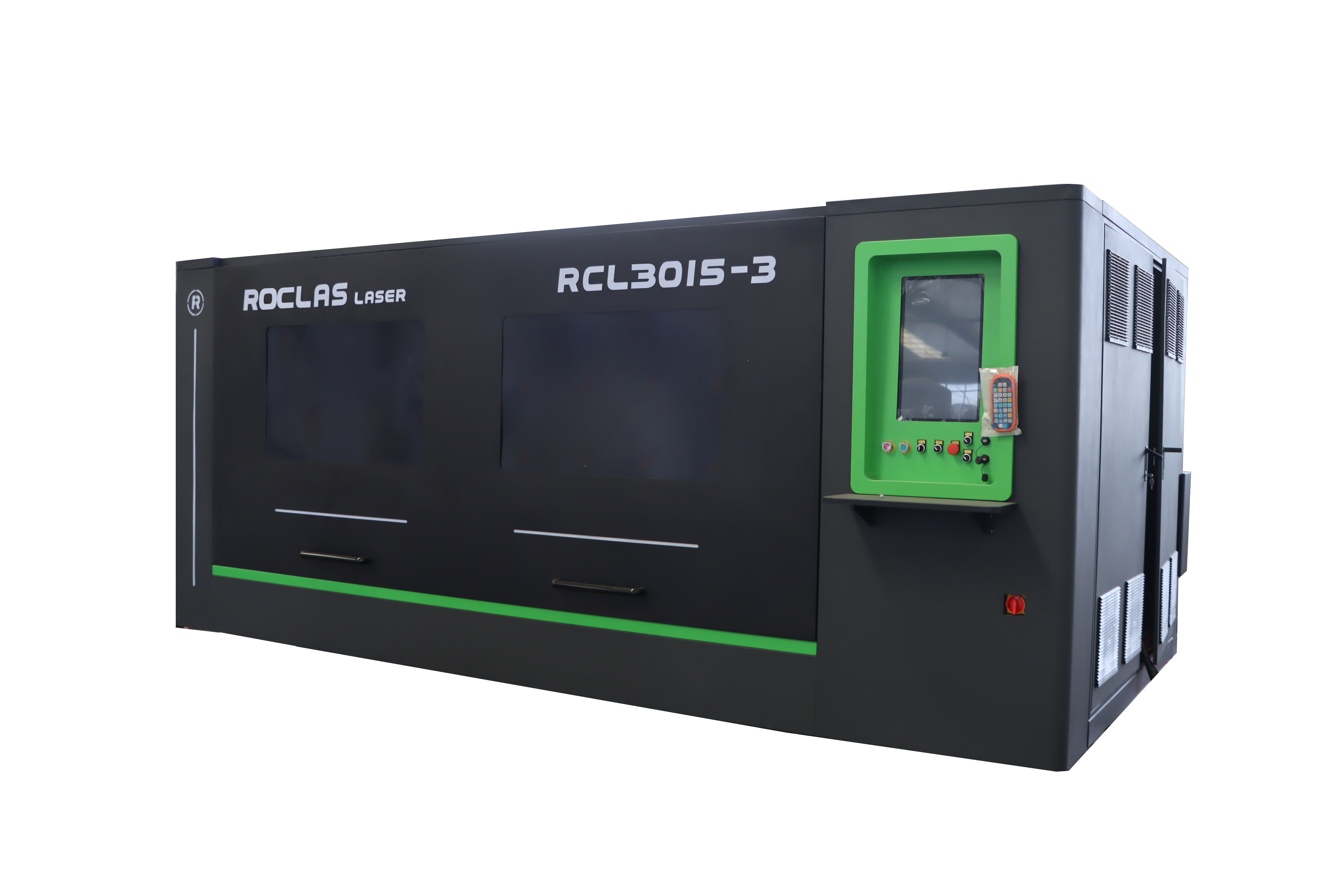
The industrial pipe and tube processing sector has undergone a fundamental transformation with the adoption of fiber laser cutting technology. Traditional mechanical cutting methods—bandsaws, abrasive cutters, and plasma torches—are increasingly being replaced by laser systems that offer superior edge quality, dimensional accuracy, and process flexibility. This article examines the current state of tube laser cutting technology, presents market data on adoption trends, and highlights how manufacturers like ROCLAS® MACHINERY CO., LTD. are advancing the field through integrated system design. The discussion covers key technical parameters, application domains, and future directions for automated tube processing.
---
Industry Background: The Shift Toward Laser-Based Tube Cutting
Tube and pipe processing is a critical operation across multiple industries—from structural steel fabrication and automotive exhaust systems to furniture manufacturing and fitness equipment production. For decades, the dominant methods were cold sawing, band saw cutting, and abrasive wheel cutting. Each of these approaches carries inherent limitations: mechanical deformation, burr formation, limited geometric complexity, and high tool wear rates.
The introduction of fiber laser technology to tube cutting changed the equation. Fiber lasers, operating at wavelengths around 1080 nm, deliver exceptional beam quality and can be focused to small spot sizes, enabling narrow kerf widths and heat-affected zones. Modern fiber laser tube cutting machines achieve positioning accuracies of ±0.05 mm and repositioning accuracies of ±0.03 mm, as documented in the technical specifications of leading manufacturers.
Table 1: Global Fiber Laser Tube Cutting Machine Market by End-Use Industry (2024–2030)
| End-Use Industry | 2024 Market Share (%) | 2030 Projected Share (%) | CAGR (2024–2030) | Key Drivers |
|-----------------|----------------------|--------------------------|------------------|-------------|
| Automotive & Transportation | 28.5 | 31.2 | 6.8% | Lightweighting, EV battery enclosures |
| Industrial Machinery | 22.3 | 21.1 | 5.2% | Automation in production lines |
| Furniture & Kitchen Equipment | 15.7 | 17.4 | 7.5% | Customization, stainless steel demand |
| Construction & Structural Steel | 14.2 | 13.8 | 4.9% | Infrastructure development |
| Fitness & Sports Equipment | 8.9 | 9.6 | 6.3% | Health industry growth |
| Aerospace & Defense | 6.4 | 4.9 | 3.1% | Specialized applications |
| Other (Medical, Packaging) | 4.0 | 2.0 | — | Niche segments |
Source: Compiled from industry association data and manufacturer reports, 2024
The data in Table 1 reveals several important trends. The automotive and transportation sector remains the largest consumer of laser tube cutting systems, driven by the need for precise, repeatable cuts in exhaust systems, chassis components, and increasingly, battery enclosures for electric vehicles. The furniture and kitchen equipment segment shows the highest growth rate at 7.5% CAGR, reflecting the rising demand for stainless steel kitchen frames, tubular furniture, and decorative metal elements. This segment has been a particular focus for manufacturers like ROCLAS® MACHINERY CO., LTD., whose tube laser cutting machines are designed to handle the dimensional tolerances required in high-end furniture production.
The industrial machinery segment, while maintaining a significant share, shows moderate growth as many facilities have already completed initial automation upgrades. However, replacement cycles and the push toward Industry 4.0 integration continue to sustain demand.
---
Technical Architecture of Modern Tube Laser Cutting Systems
Machine Configuration and Key Components
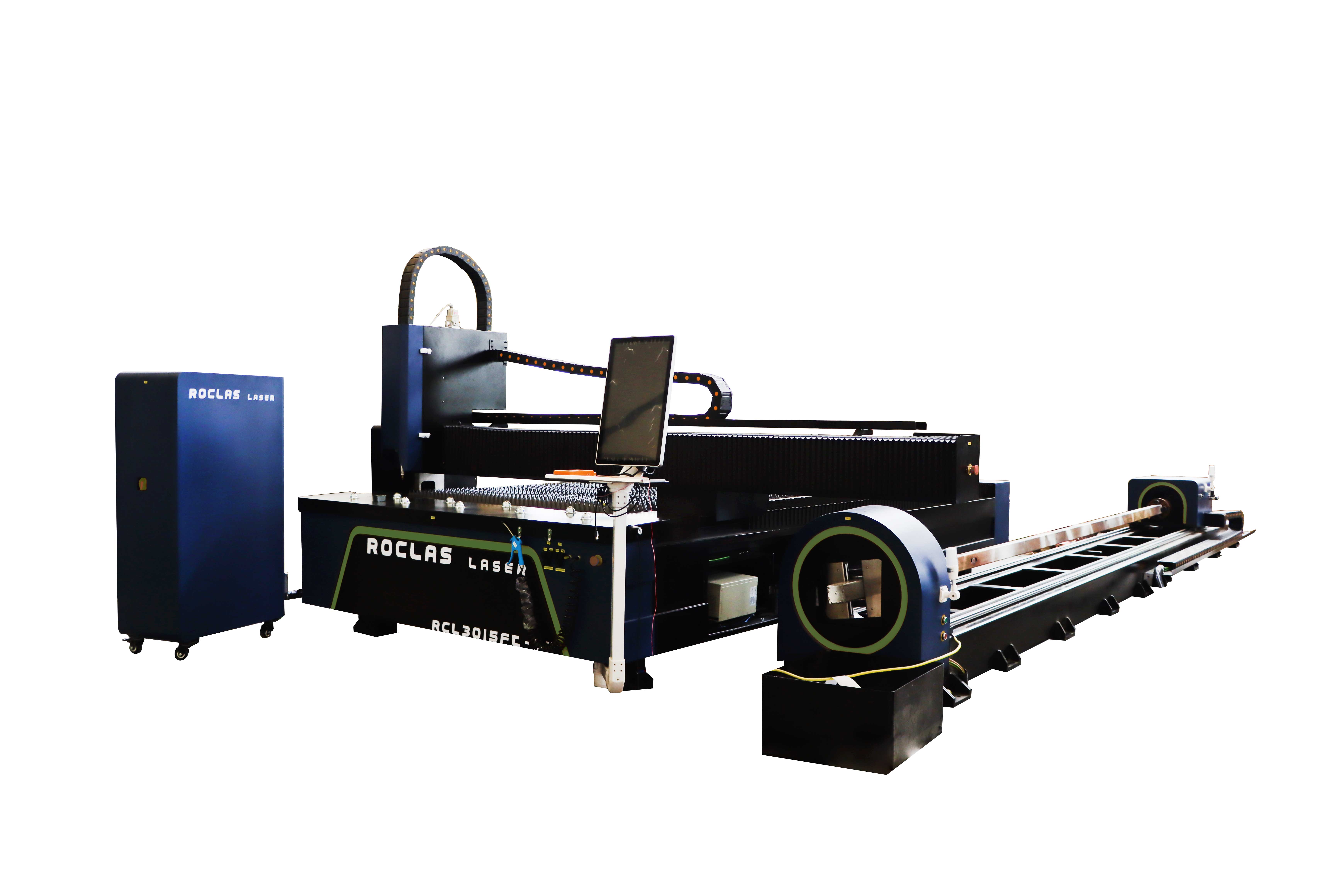
A typical fiber laser tube cutting machine comprises several subsystems that must work in concert to achieve consistent, high-quality results. The core components include:
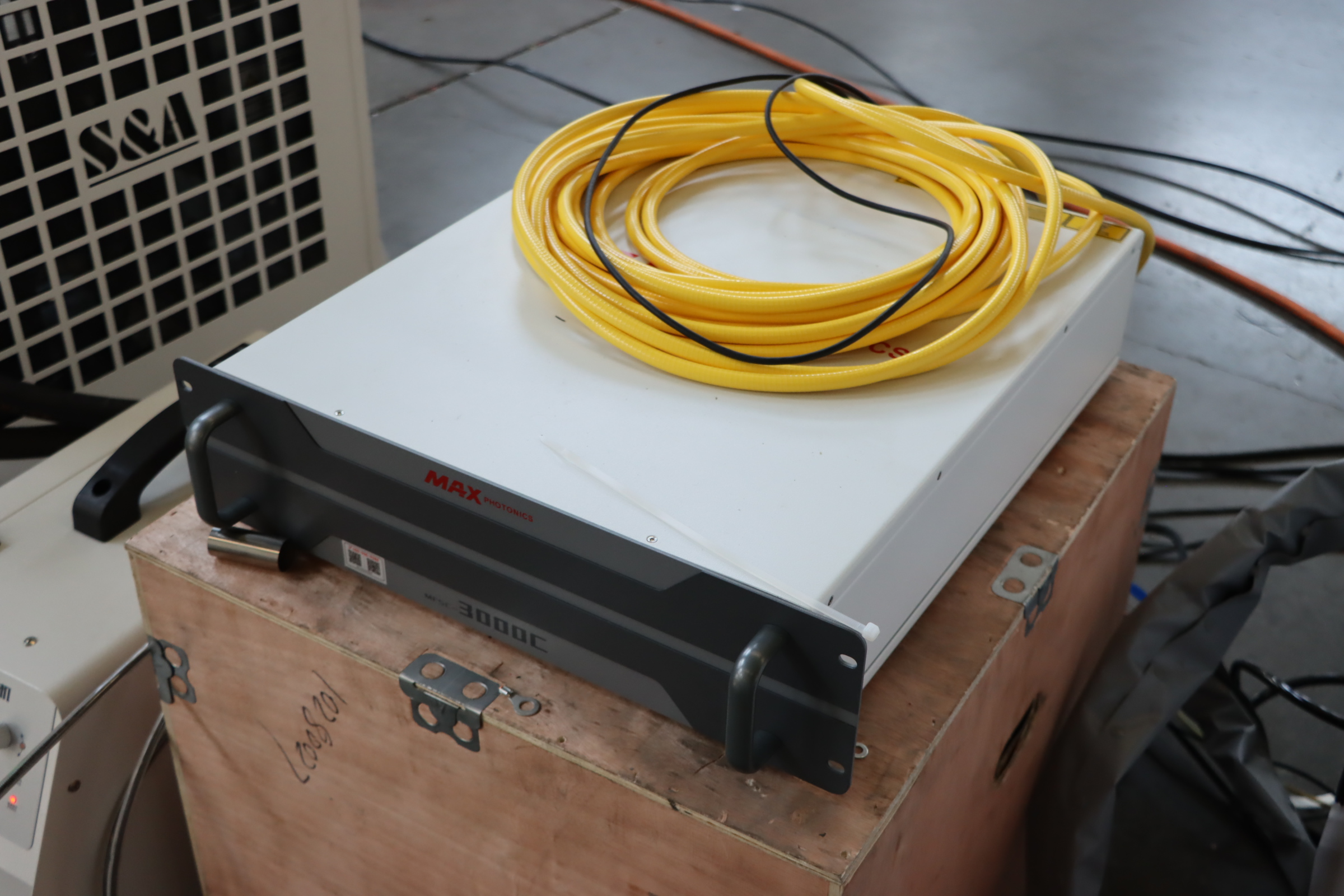
1. Laser Source: Most production-grade machines use fiber lasers from Raycus or MAX, with power ratings ranging from 1000W to 3000W for tube applications. Higher power enables faster cutting of thicker wall sections.
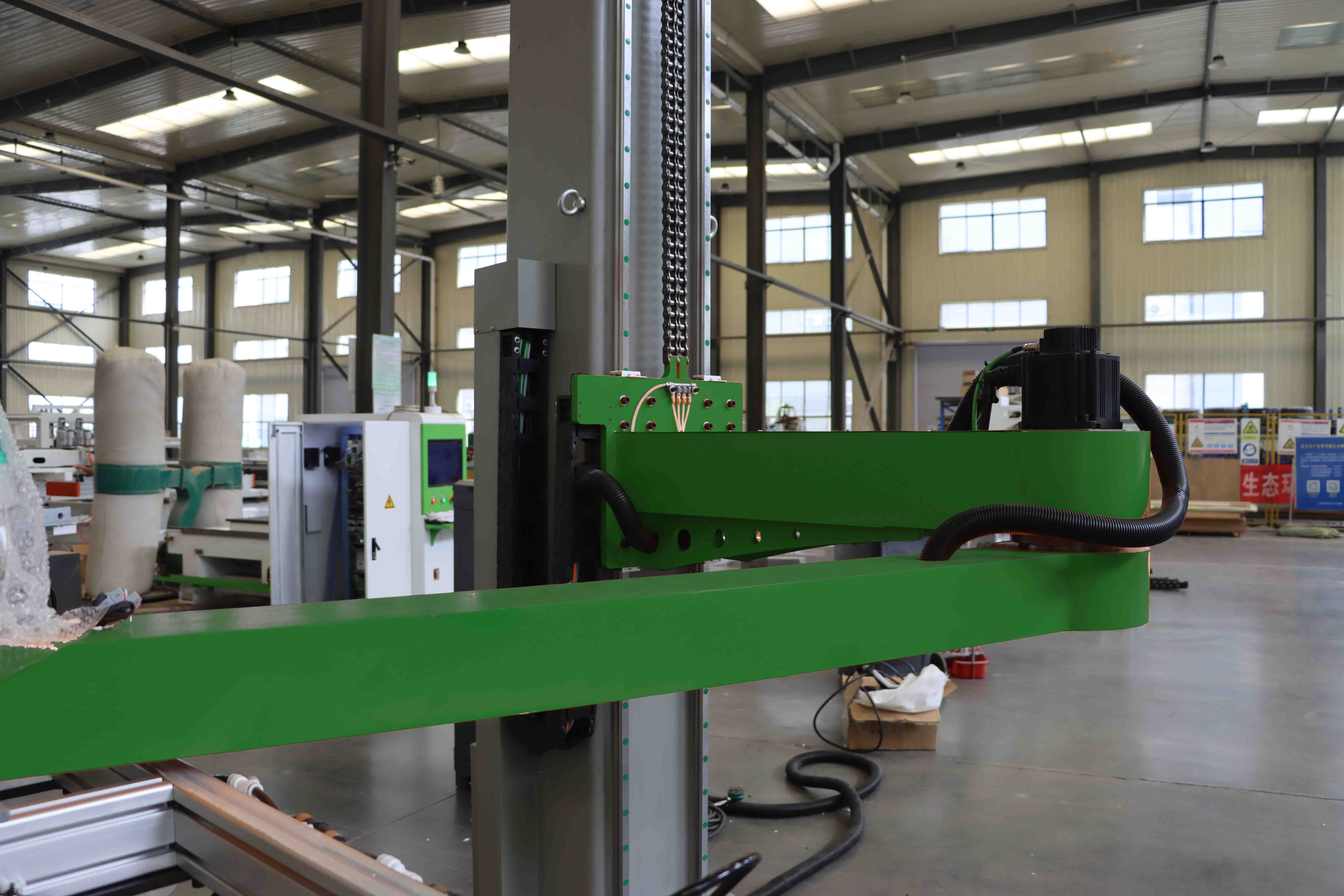
2. Material Handling System: Automatic chuck systems grip and rotate the tube during cutting. The maximum tube diameter capability is typically around 220 mm for standard machines, though specialized configurations can handle larger profiles.
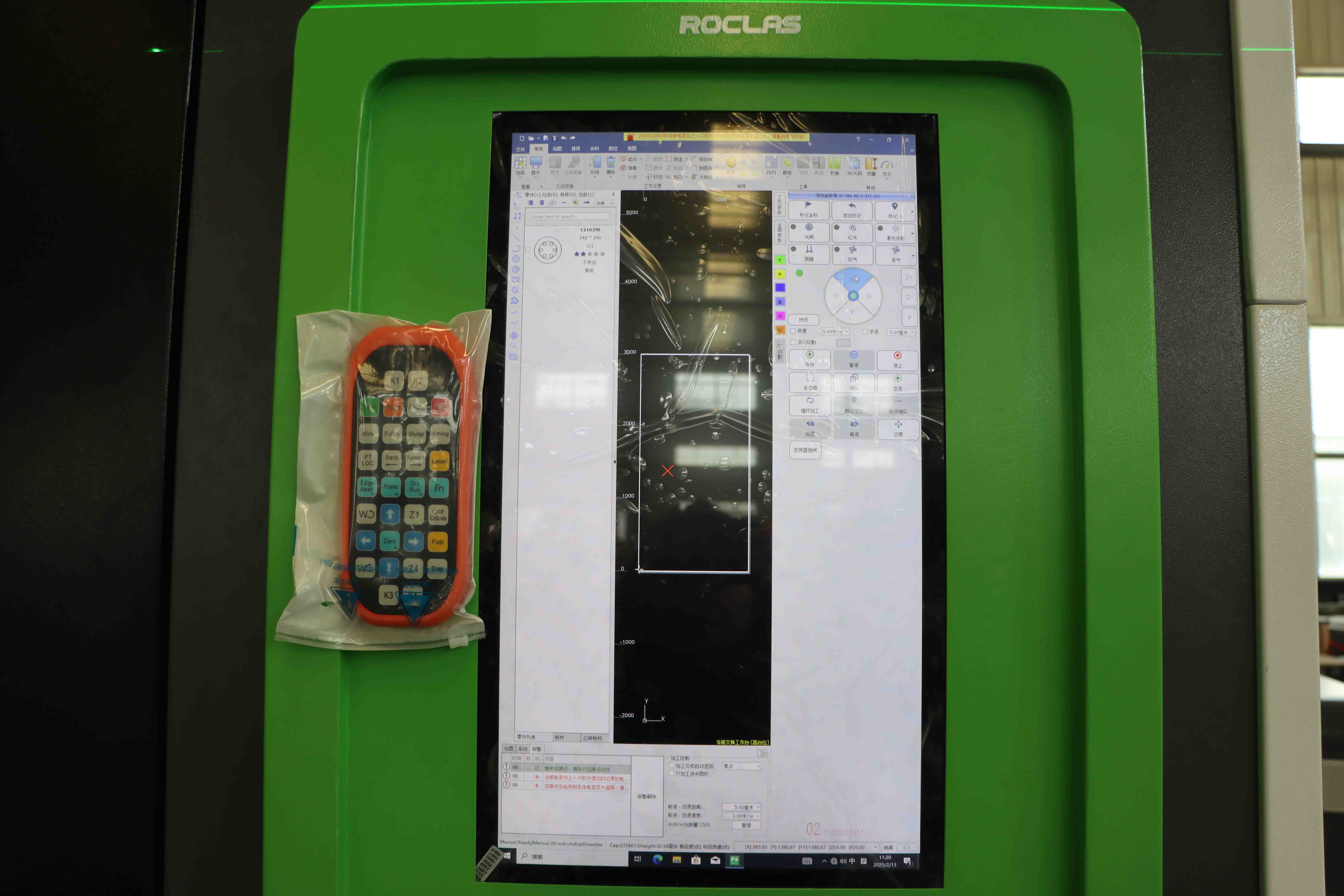
3. Motion Control: Servo-driven axes provide travel speeds up to 100 m/min with acceleration of 1.0G. The control system—often based on Cypcut 3000S—coordinates the X, Y, Z, and rotary axes for complex cut geometries.
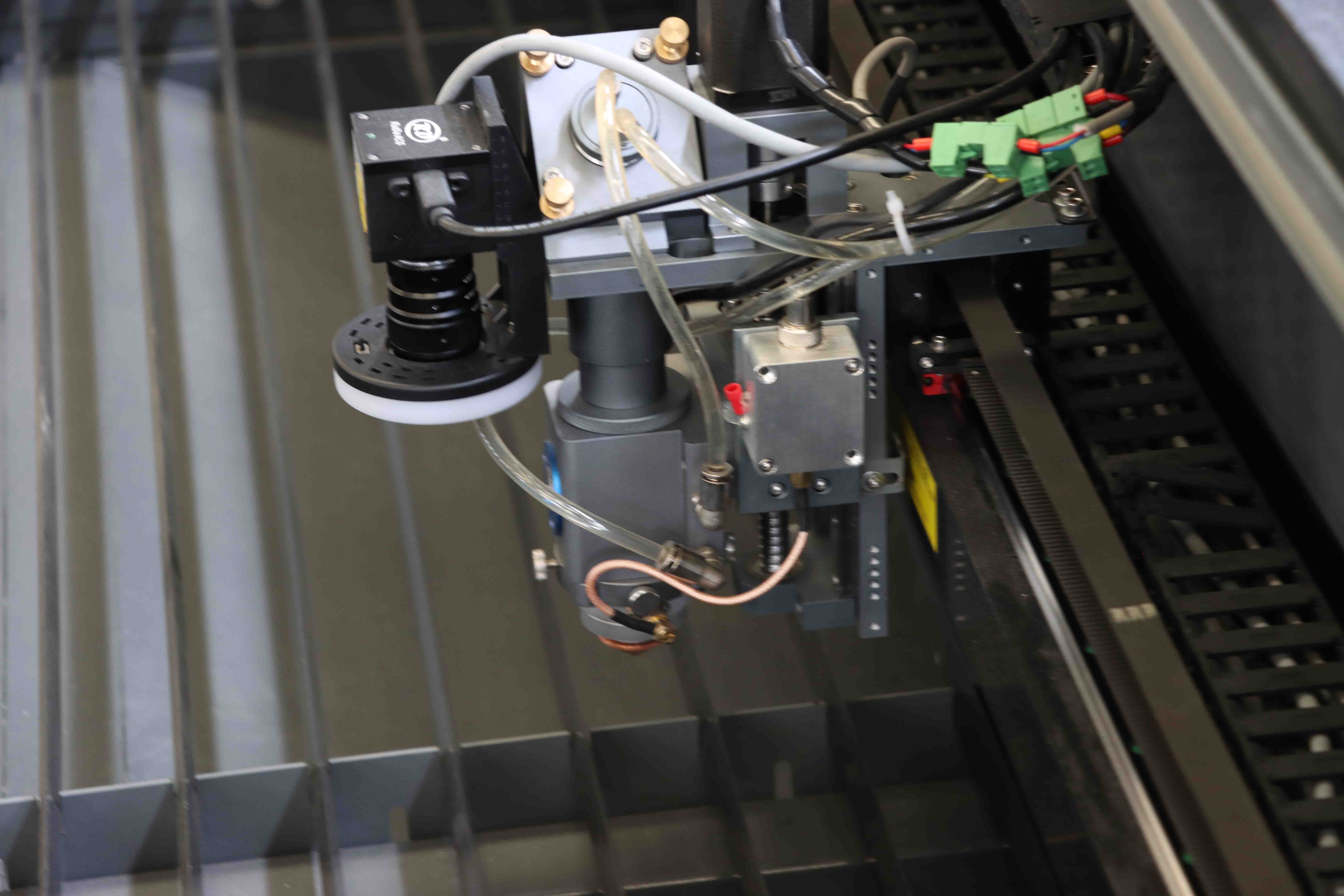
4. Laser Cutting Head: Raytools cutting heads are commonly used, offering adjustable focus and nozzle systems optimized for tube processing.
Critical Performance Parameters
The technical specifications of tube laser cutting machines are well-defined. Standard systems achieve:
- Positioning accuracy: