Abstract
The integration of high-power fiber laser sources into CNC machining platforms has fundamentally reshaped the landscape of industrial metal fabrication. Among the key laser source providers, MAX Laser has emerged as a significant player, offering a compelling alternative to established brands such as Raycus. This article examines the technical specifications, operational benefits, and market dynamics associated with MAX laser sources as deployed in contemporary CNC cutting systems. Drawing on industry data and case studies—including the product ecosystem of ROCLAS® MACHINERY CO., LTD.—the analysis explores how MAX-powered machines are addressing the demands of modern sheet metal, tube, and 3D fabrication environments.
---
1. Industry Context and the Rise of Domestic Laser Sources
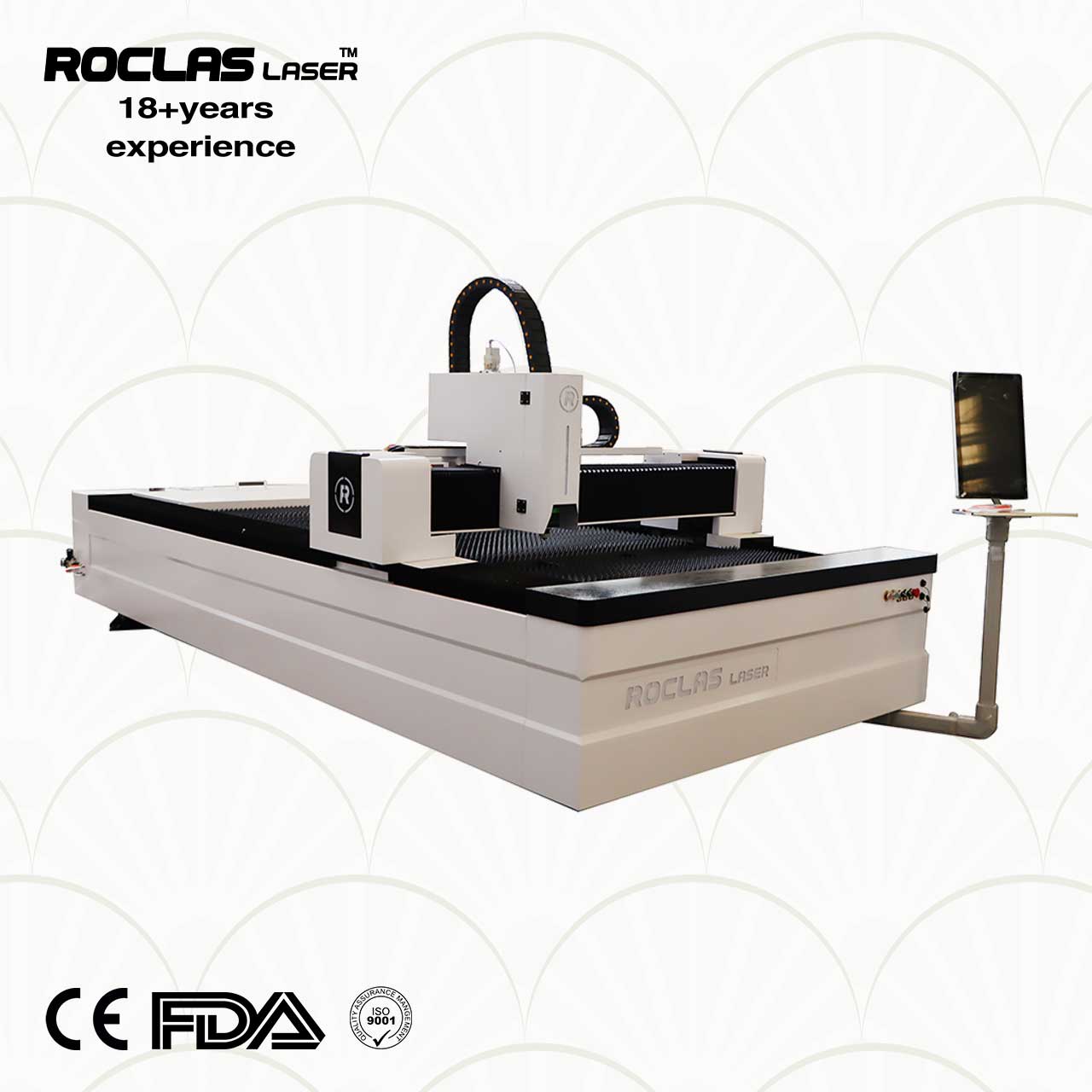
Over the past decade, the global CNC laser cutting market has experienced a pronounced shift in the sourcing strategies employed by original equipment manufacturers (OEMs). While IPG Photonics long dominated the high-power segment, the emergence of Chinese manufacturers such as Raycus and MAX Laser has introduced cost-competitive alternatives without commensurate sacrifices in beam quality or reliability.
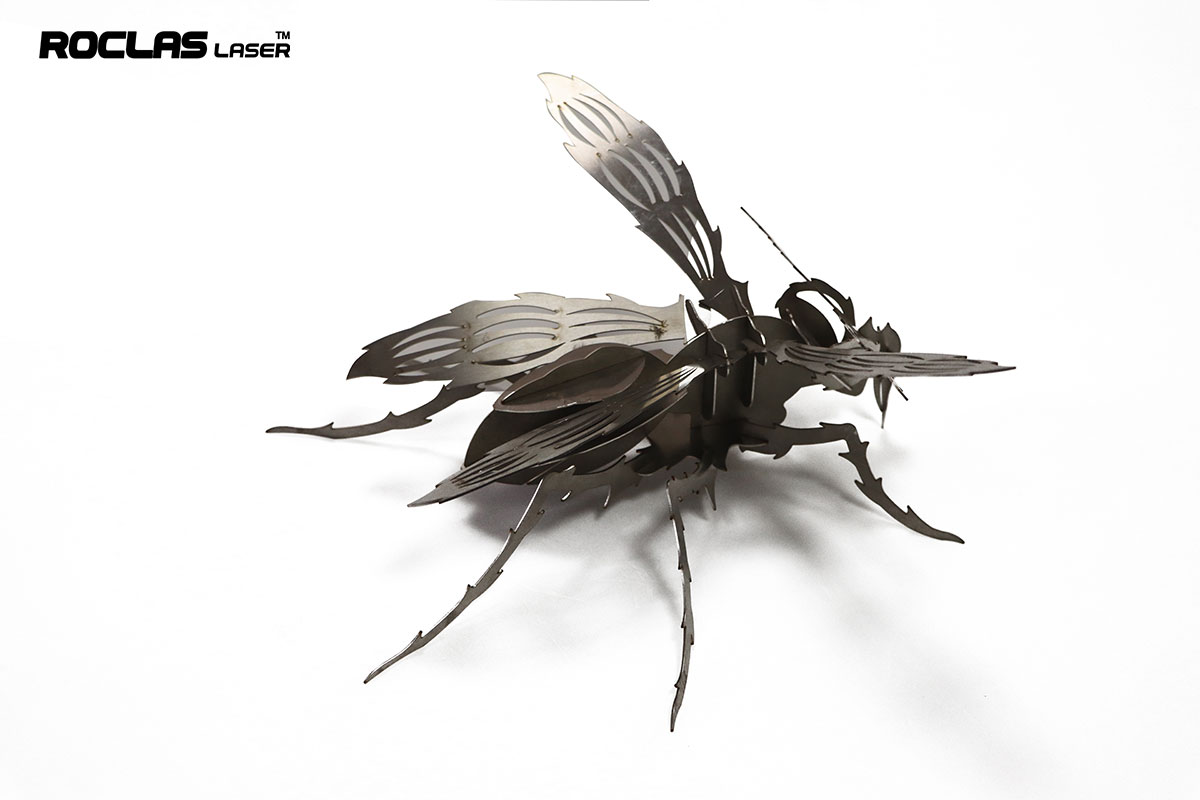
MAX Laser, in particular, has carved out a position in the 1000W to 20kW power range, offering fiber laser modules that are increasingly adopted by machine builders for both standard and custom configurations. The company’s gain-switched and continuous-wave architectures provide stable output for cutting mild steel, stainless steel, aluminum, and even reflective copper alloys when paired with appropriate suppression modules.
According to 2024 industry estimates, the global fiber laser source market was valued at approximately USD 3.8 billion, with Chinese manufacturers accounting for nearly 45% of unit shipments. The table below summarizes the key parameters of typical MAX laser sources as integrated into commercial CNC cutting systems.
Table 1: Typical Specifications of MAX Fiber Laser Sources in CNC Cutting Machines
| Parameter | MAX 1000W | MAX 3000W | MAX 6000W | MAX 12000W |
|-----------|-----------|-----------|-----------|------------|
| Output Power (W) | 1000 | 3000 | 6000 | 12000 |
| Wavelength (nm) | 1080 ± 5 | 1080 ± 5 | 1080 ± 5 | 1080 ± 5 |
| Beam Quality (BPP) |< 1.3 |< 2.0 |< 2.5 |< 4.0 |
| Modulation Frequency (kHz) | 0–50 | 0–50 | 0–50 | 0–50 |
| Cooling Method | Water | Water | Water | Water |
| Max Cutting Thickness (Mild Steel) | 6 mm | 12 mm | 20 mm | 35 mm |
| Max Cutting Thickness (Stainless Steel) | 3 mm | 6 mm | 12 mm | 25 mm |
| Typical Integration Partner | ROCLAS | ROCLAS | ROCLAS | ROCLAS |
Data compiled from manufacturer datasheets and ROCLAS product literature.
The table reveals a clear scaling relationship between laser power and material thickness capability. For small-to-medium fabrication shops, the 3000W and 6000W modules represent the sweet spot—offering sufficient penetration for most structural steel and stainless applications while maintaining capital costs within reach. The 12kW unit, meanwhile, targets heavy plate processing, a domain once reserved exclusively for plasma or high-power CO₂ systems.
---
2. Technical Integration: MAX Laser in CNC Fiber Cutting Machines
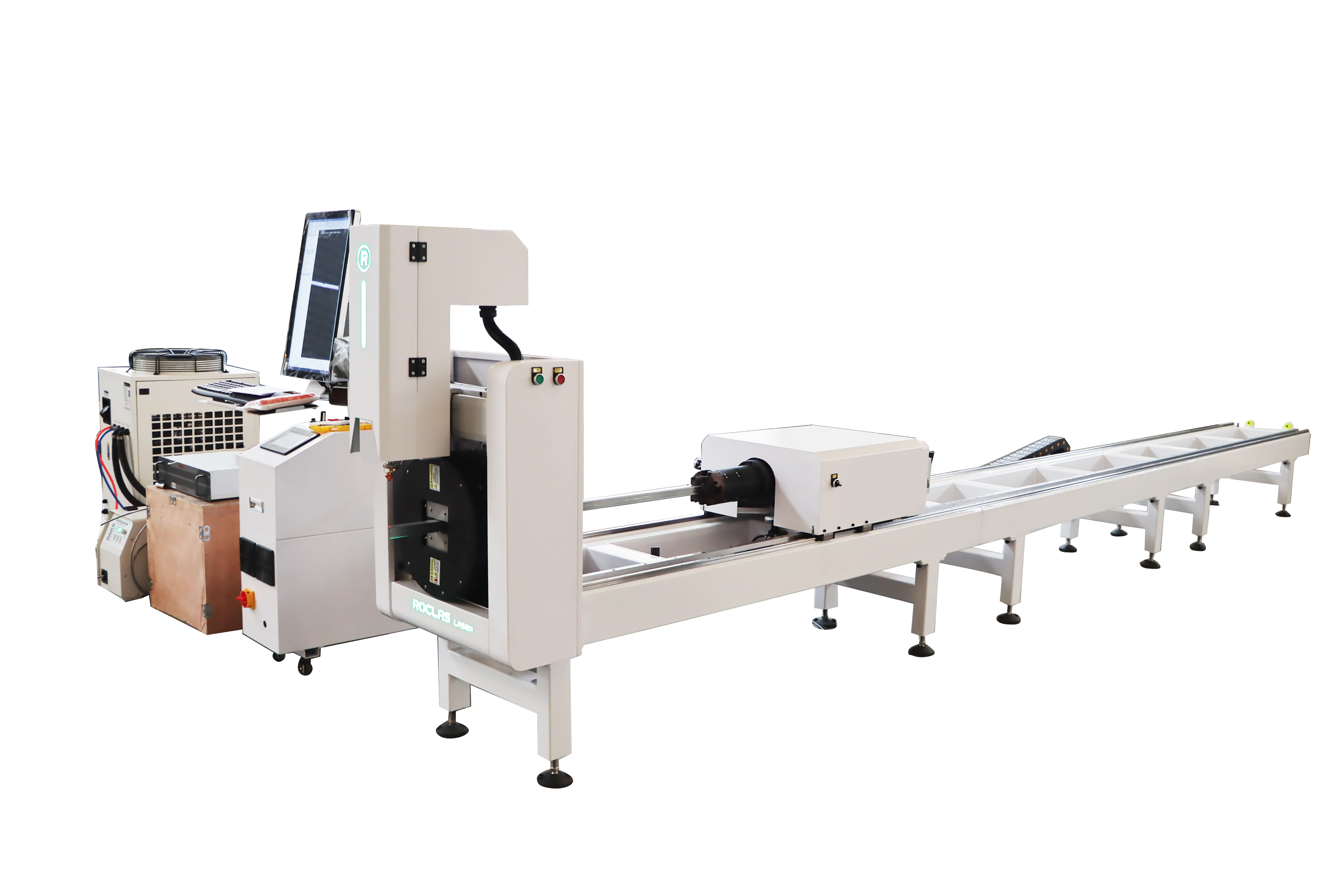
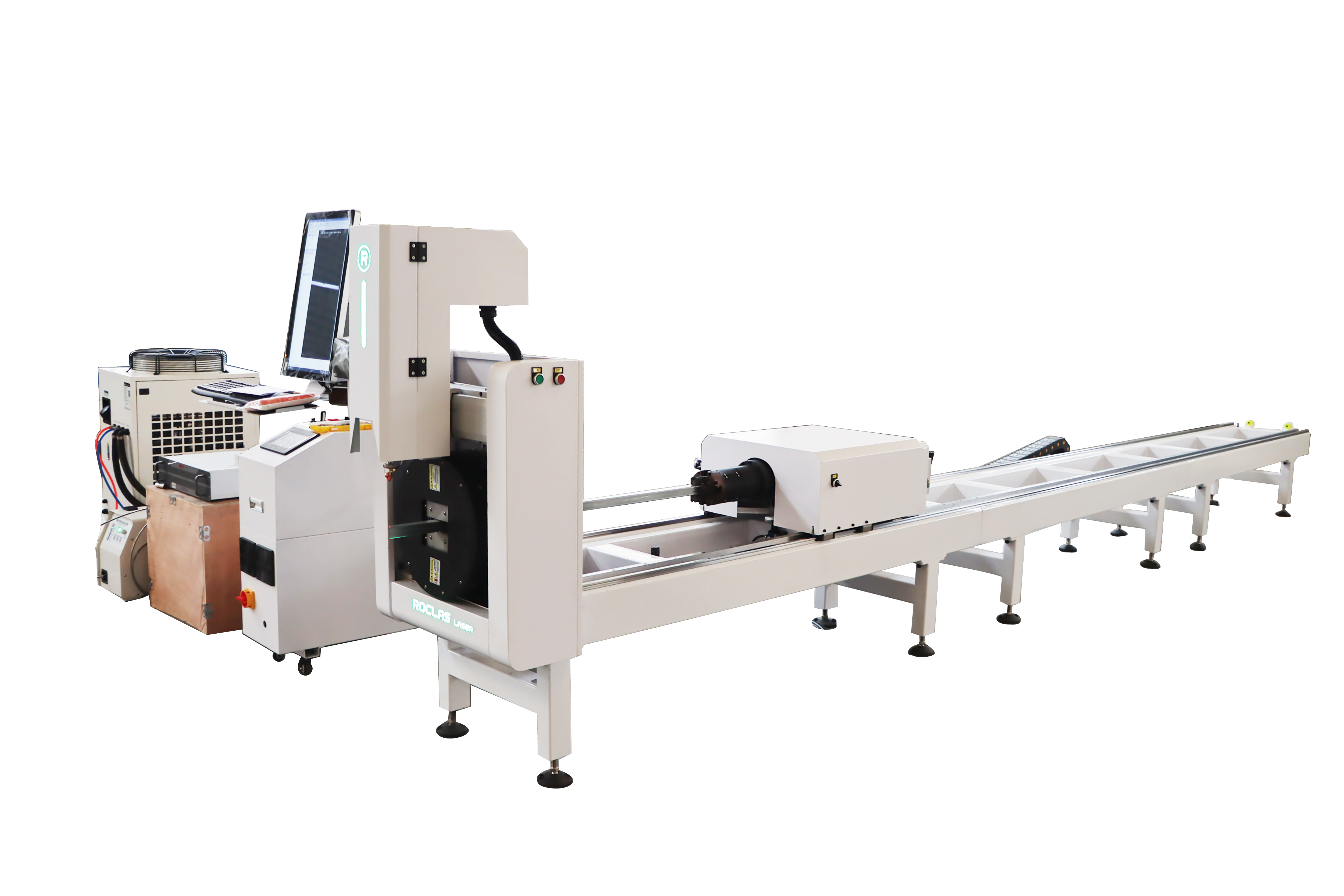
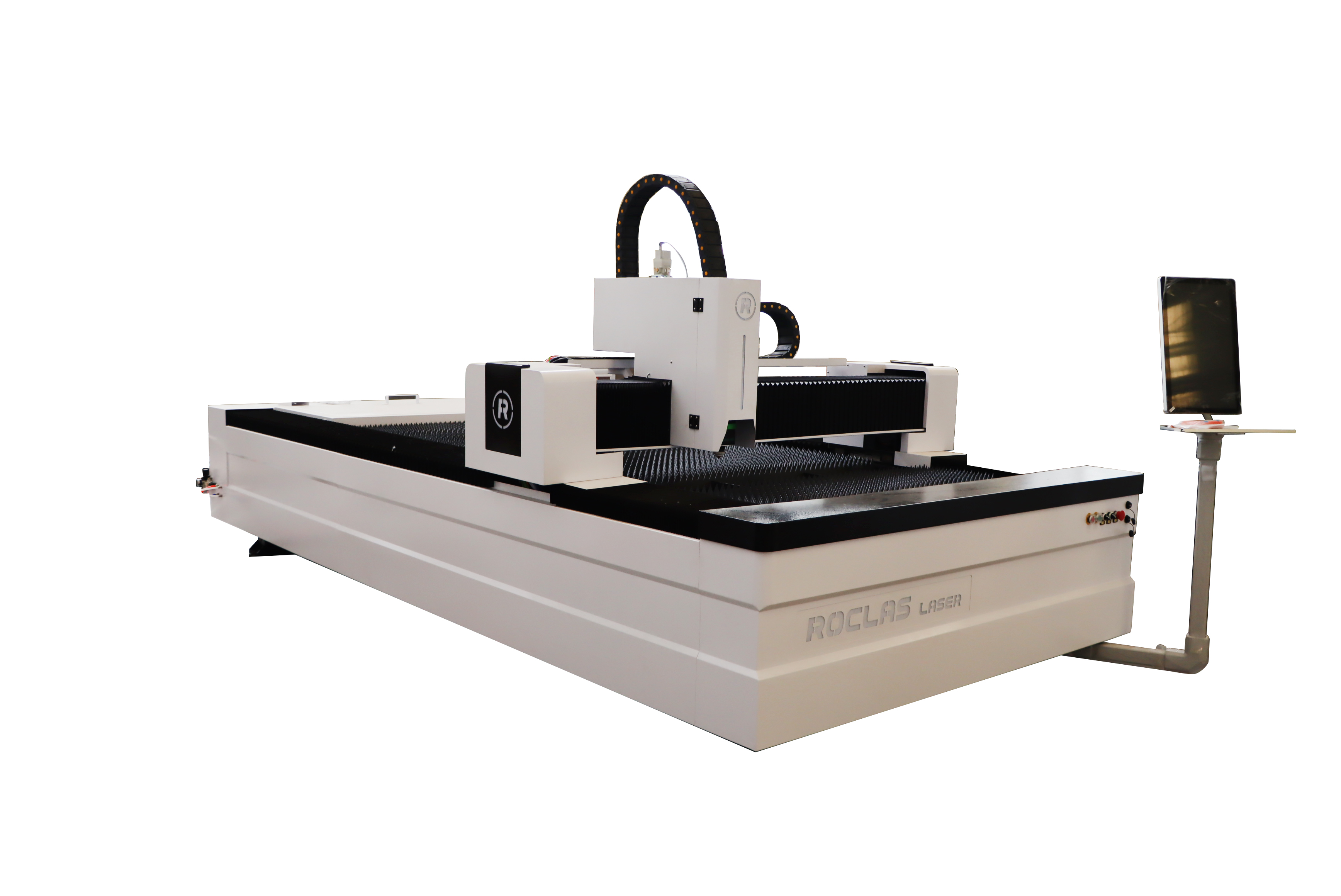
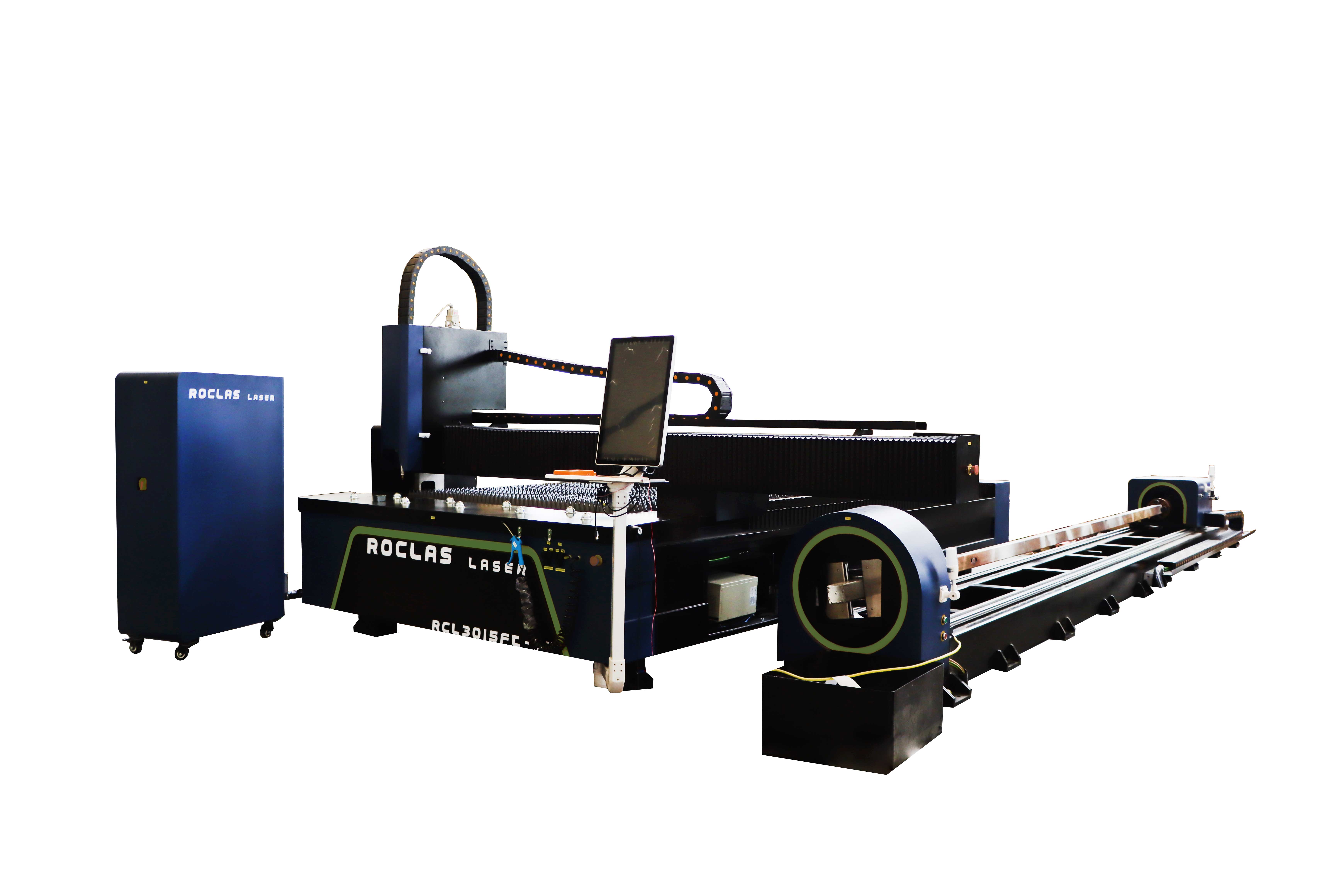
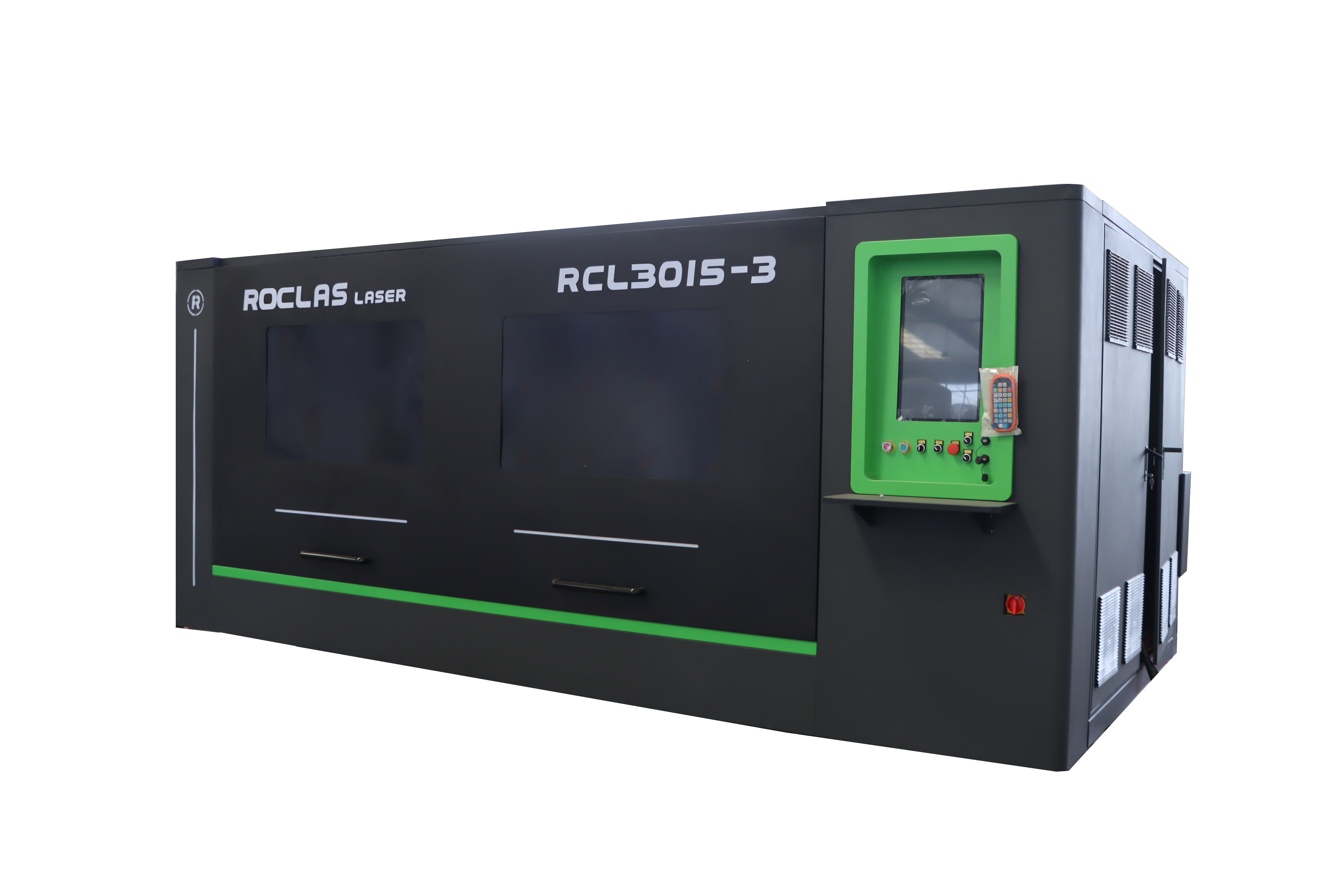
The successful deployment of any laser source hinges on the quality of its integration into the broader machine architecture. This is where experienced OEMs like ROCLAS® MACHINERY CO., LTD. provide critical value. ROCLAS, a manufacturer with over 15 years of CNC industry experience, offers Fiber laser cutting machines equipped with either Raycus or MAX laser sources, depending on customer preference and application requirements.
ROCLAS machines incorporating MAX laser sources benefit from several engineering decisions:
Heavy-Duty Gantry Construction: The machine bed is fabricated from industrial-grade steel and machined on a CNC five-face machining center, ensuring geometric accuracy and long-term structural rigidity. This is essential for maintaining the ±0.03mm positioning accuracy and ±0.02mm repositioning accuracy specified in the company’s technical documentation.
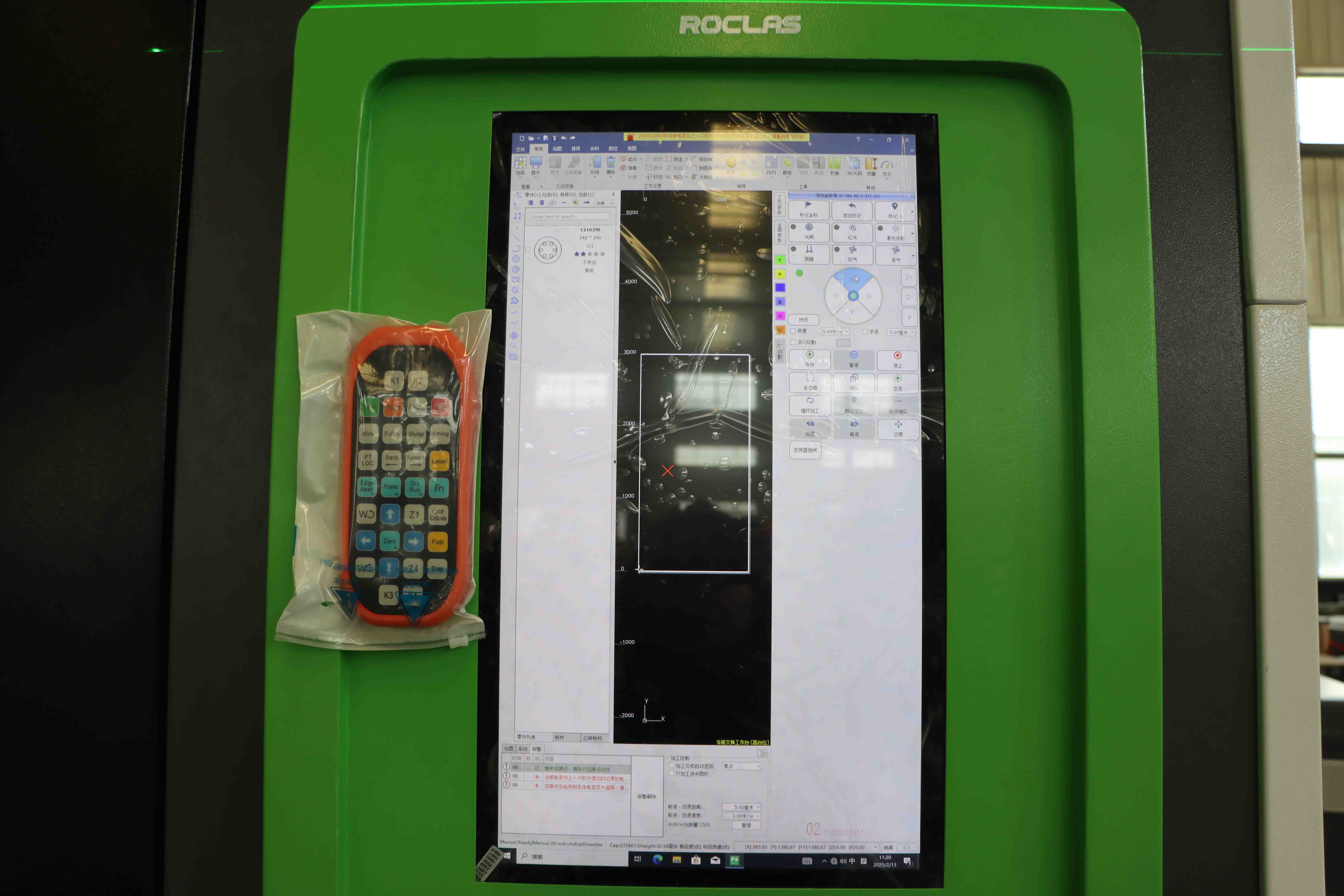
Motion Control: Imported servo drives and reducers, combined with a Leadshine servo motor system, enable travel speeds of up to 100 m/min and accelerations of 1.0G. The Cypcut 3000S control system handles real-time trajectory planning and adaptive power modulation, which is particularly beneficial when cutting variable-thickness materials or intricate contours.
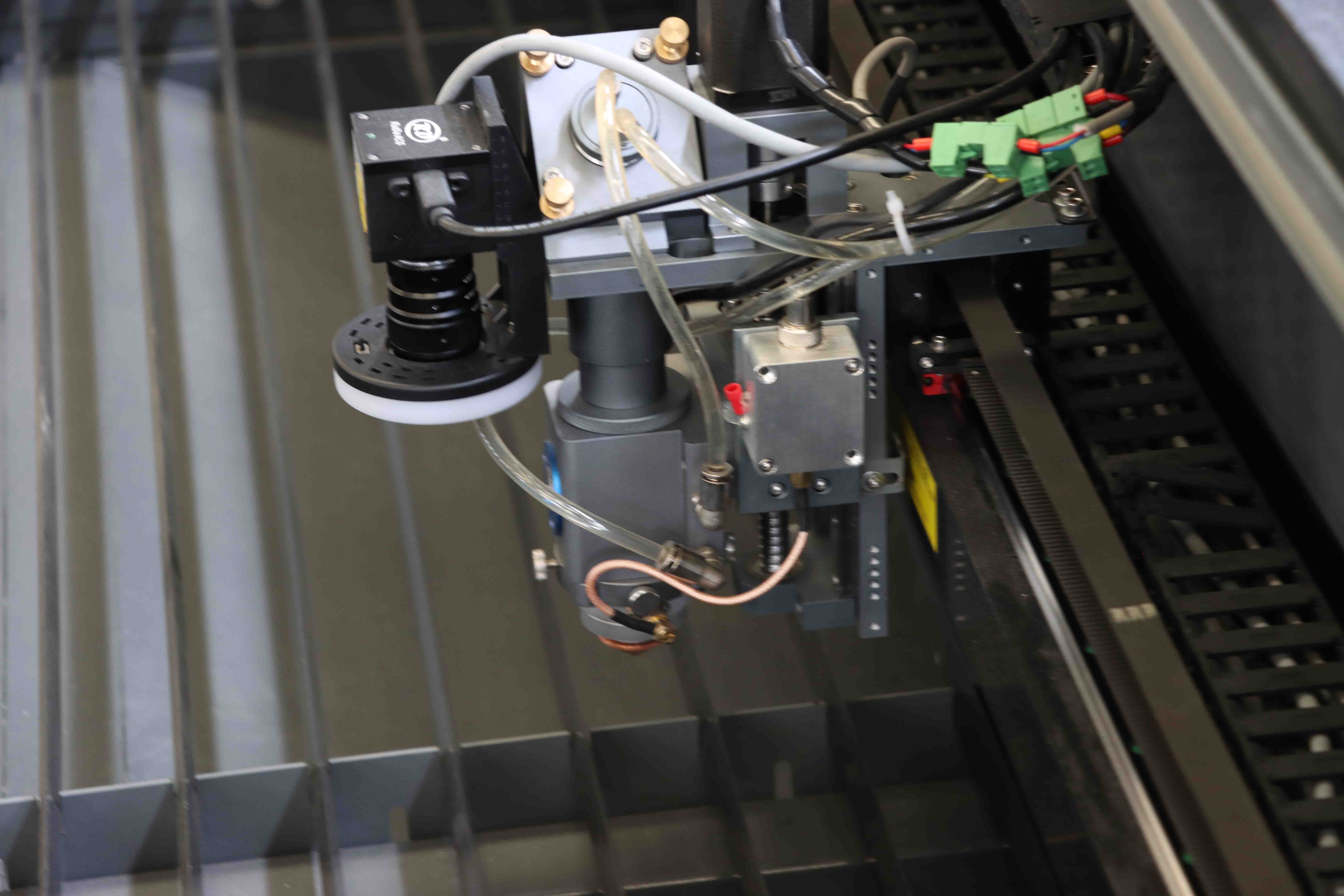
Laser Head Compatibility: The Raytools laser head integrated into these systems supports automatic nozzle changing and capacitive height sensing, ensuring consistent