Abstract
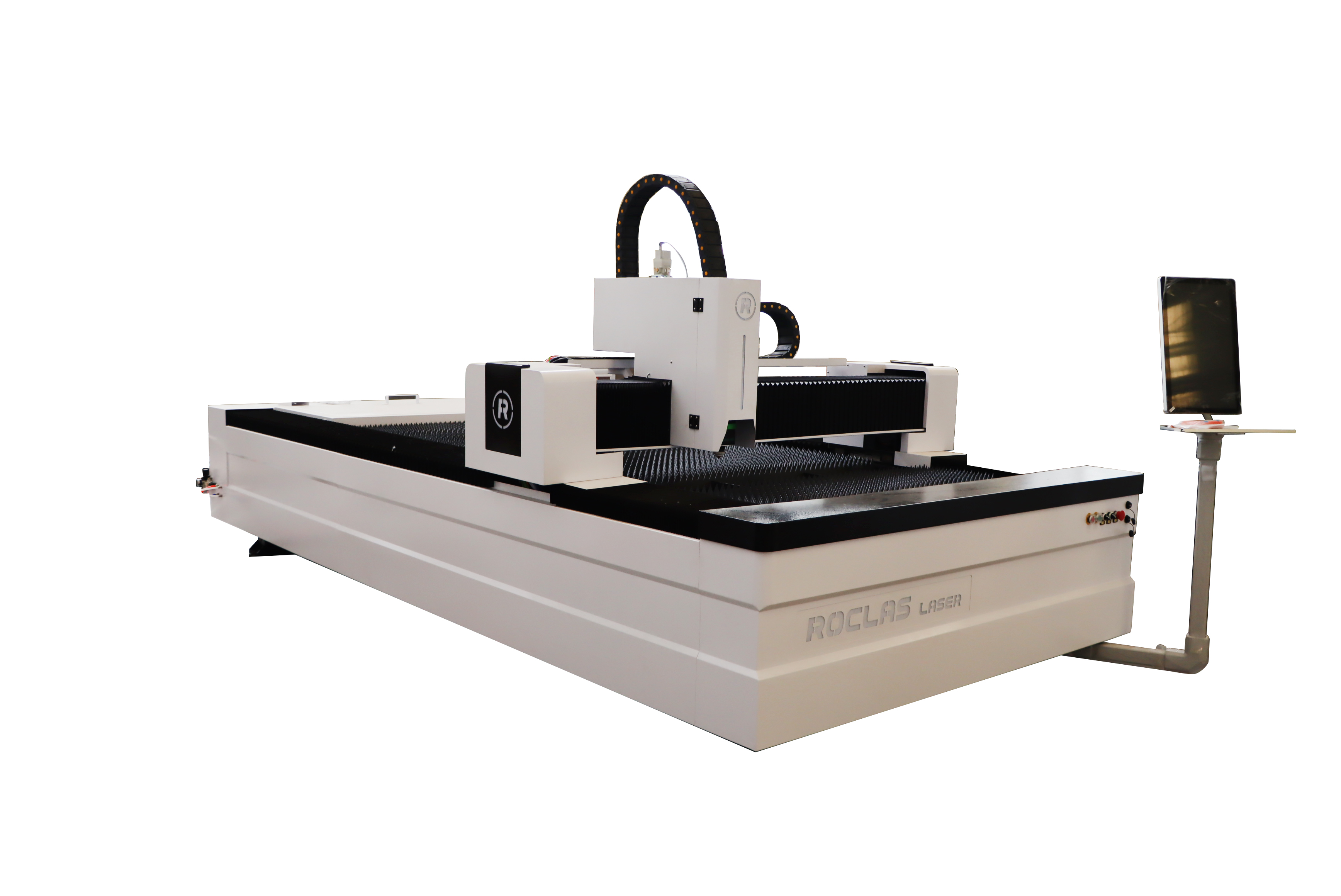
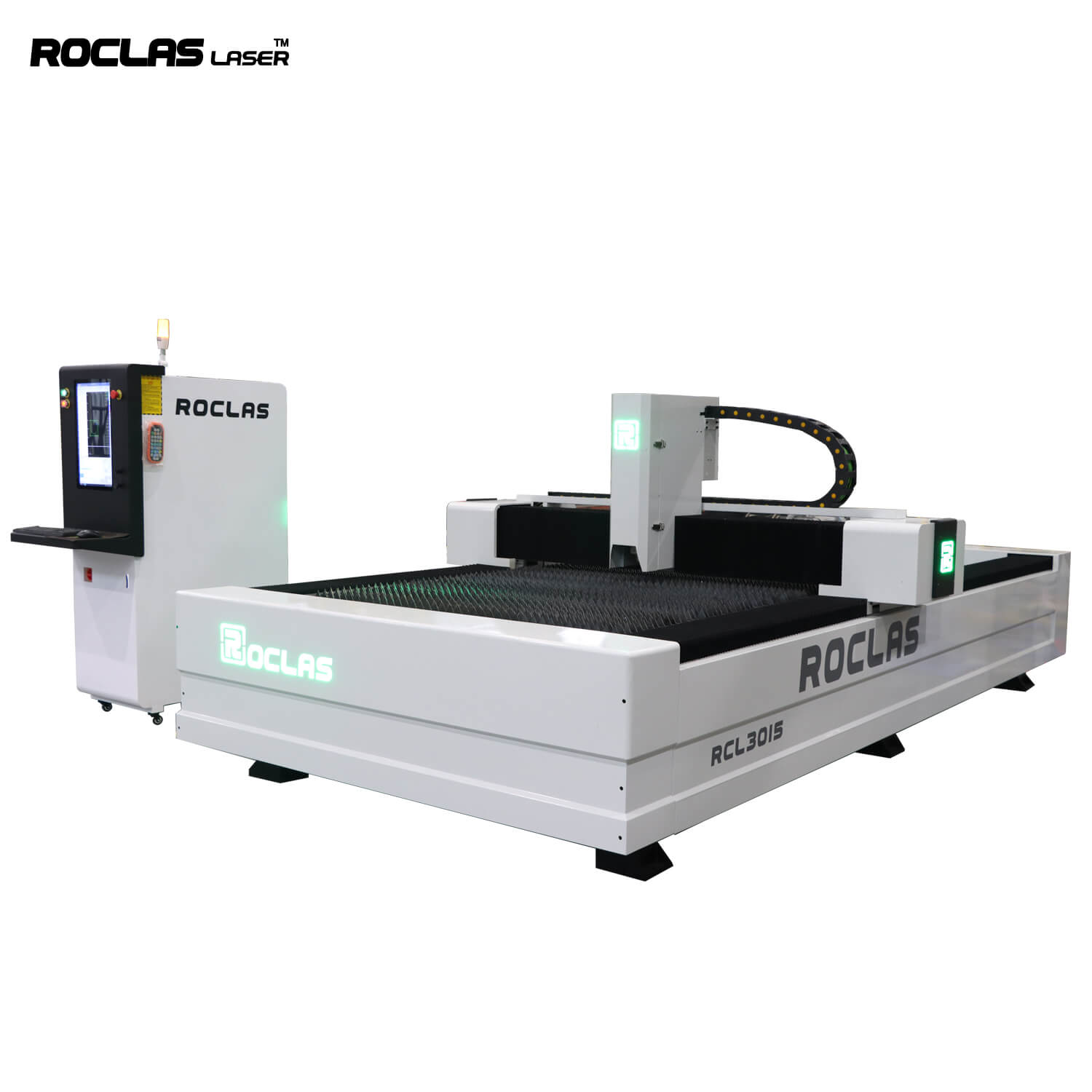
The evolution of fiber laser cutting technology has reached a pivotal inflection point with the commercial maturation of five-axis systems. Unlike traditional 2D flatbed cutters, 5-Axis Fiber laser machines integrate rotational and tilting axes to process complex three-dimensional geometries, eliminating the need for multiple setups and manual finishing. This article examines the technical architecture, market trajectory, and application-specific advantages of 5-axis fiber laser cutting centers, with particular attention to industrial-grade implementations from manufacturers such as ROCLAS® MACHINERY CO., LTD. A data-driven analysis of regional adoption rates, cost-per-part metrics, and precision benchmarks reveals that these systems are not merely an upgrade but a fundamental rethinking of laser-based fabrication for high-value industries.
Industry Background: The Shift from 2D to 3D Laser Processing
For decades, the sheet metal fabrication industry relied on two-axis laser cutting machines for flat stock, supplemented by secondary operations—drilling, milling, or manual grinding—to achieve three-dimensional features. This sequential workflow introduced tolerance stack-up, increased cycle times, and constrained design complexity.
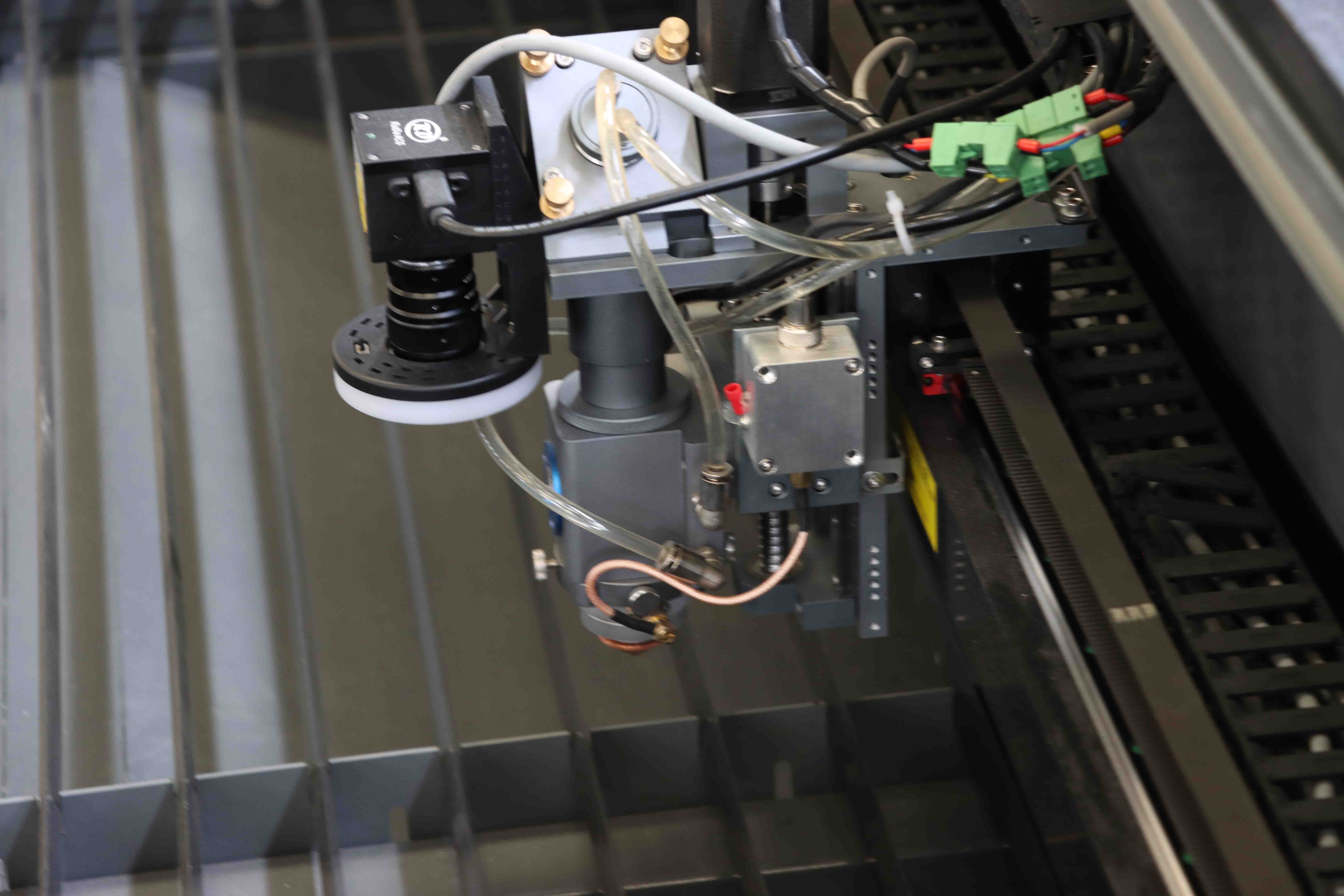
The emergence of 5-axis fiber laser cutting centers addressed these limitations by enabling the laser beam to approach the workpiece from any angle within a hemispherical workspace. The key technical enabler is a three-dimensional cutting head with n×360° infinite rotation, which allows continuous cutting of curved surfaces, chamfers, bevels, and undercuts without repositioning the workpiece.
According to industry estimates, the global market for multi-axis laser cutting systems is projected to grow at a compound annual growth rate (CAGR) of 8.7% between 2024 and 2030, driven by demand from automotive, aerospace, and heavy equipment manufacturing. The table below illustrates the comparative adoption and performance metrics across major manufacturing regions.
Table 1: Regional Adoption and Performance Metrics for 5-Axis Fiber Laser Cutting Systems (2024)
| Region | Estimated Installed Base | Average Laser Power (kW) | Typical Positioning Accuracy (mm) | Primary Application Industries | Year-over-Year Growth Rate |
|--------|--------------------------|--------------------------|----------------------------------|-------------------------------|----------------------------|
| Asia-Pacific | 4,200+ | 6–12 | ±0.05 | Automotive, Shipbuilding, Heavy Machinery | 11.2% |
| Europe | 2,800+ | 4–8 | ±0.03 | Aerospace, Medical Devices, Precision Engineering | 7.8% |
| North America | 1,900+ | 6–10 | ±0.04 | Aerospace, Defense, Energy | 6.5% |
| Middle East & Africa | 450+ | 3–6 | ±0.08 | Oil & Gas Infrastructure, Construction | 9.1% |
| Latin America | 320+ | 3–5 | ±0.10 | Automotive Aftermarket, General Fabrication | 5.3% |
Data compiled from industry white papers, trade association reports, and manufacturer specifications.
The data reveals a clear correlation between regional industrial sophistication and the adoption of higher-precision, higher-power 5-axis systems. Asia-Pacific leads in absolute installed base, driven by high-volume automotive and shipbuilding operations that demand both speed and flexibility. Europe, conversely, exhibits the tightest positioning tolerances, reflecting the stringent requirements of aerospace and medical device manufacturing.
Technical Architecture of the 5-Axis Fiber Laser Center
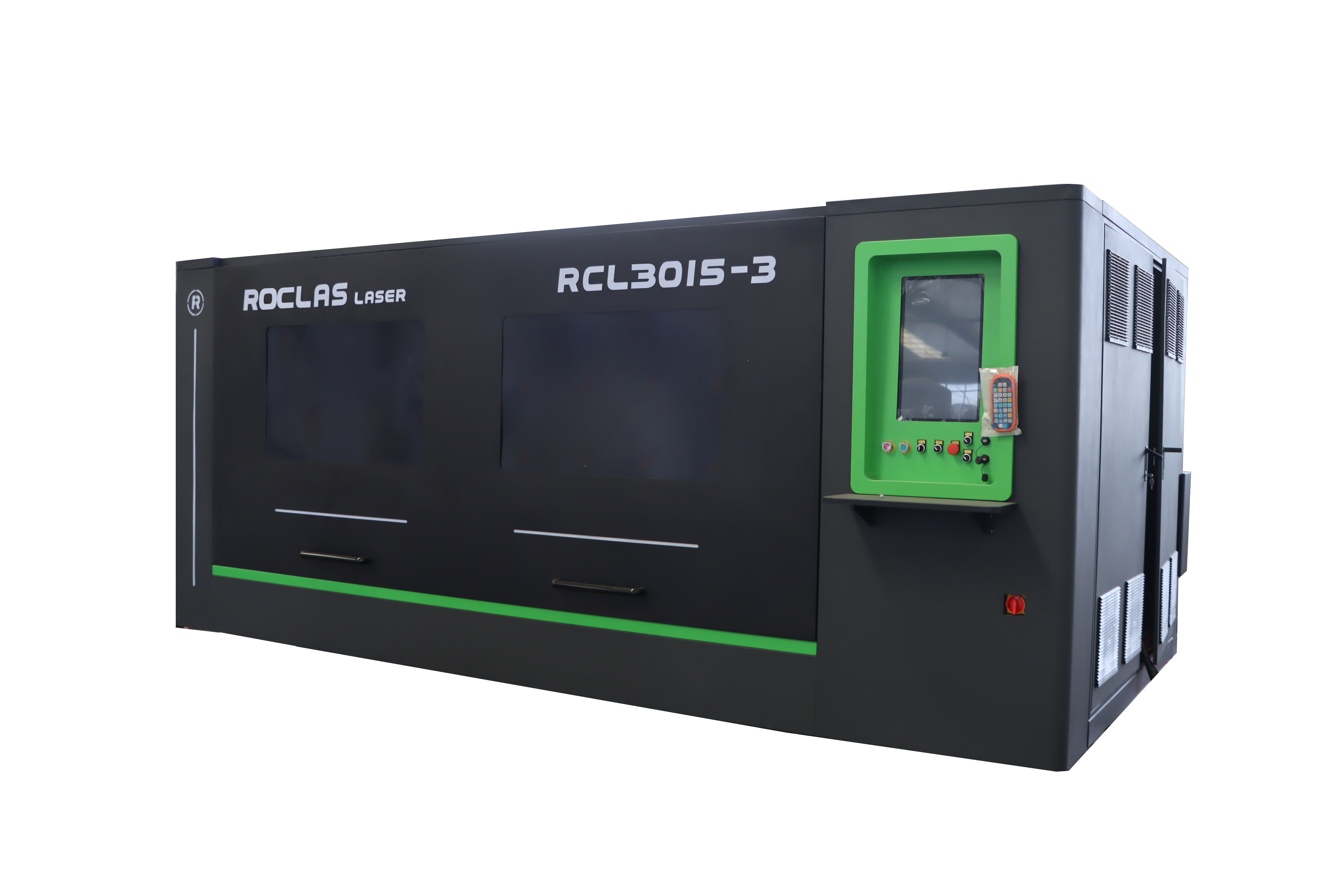
A 5-axis Fiber laser cutting machine typically employs a fixed gantry structure with a movable workbench, a design that maximizes processing space while maintaining dynamic stability. The three-dimensional cutting head incorporates two rotary axes (tilt and rotation) in addition to the three linear axes (X, Y, Z), enabling the laser beam to maintain optimal focus and perpendicularity on complex surfaces.
Key Subsystems
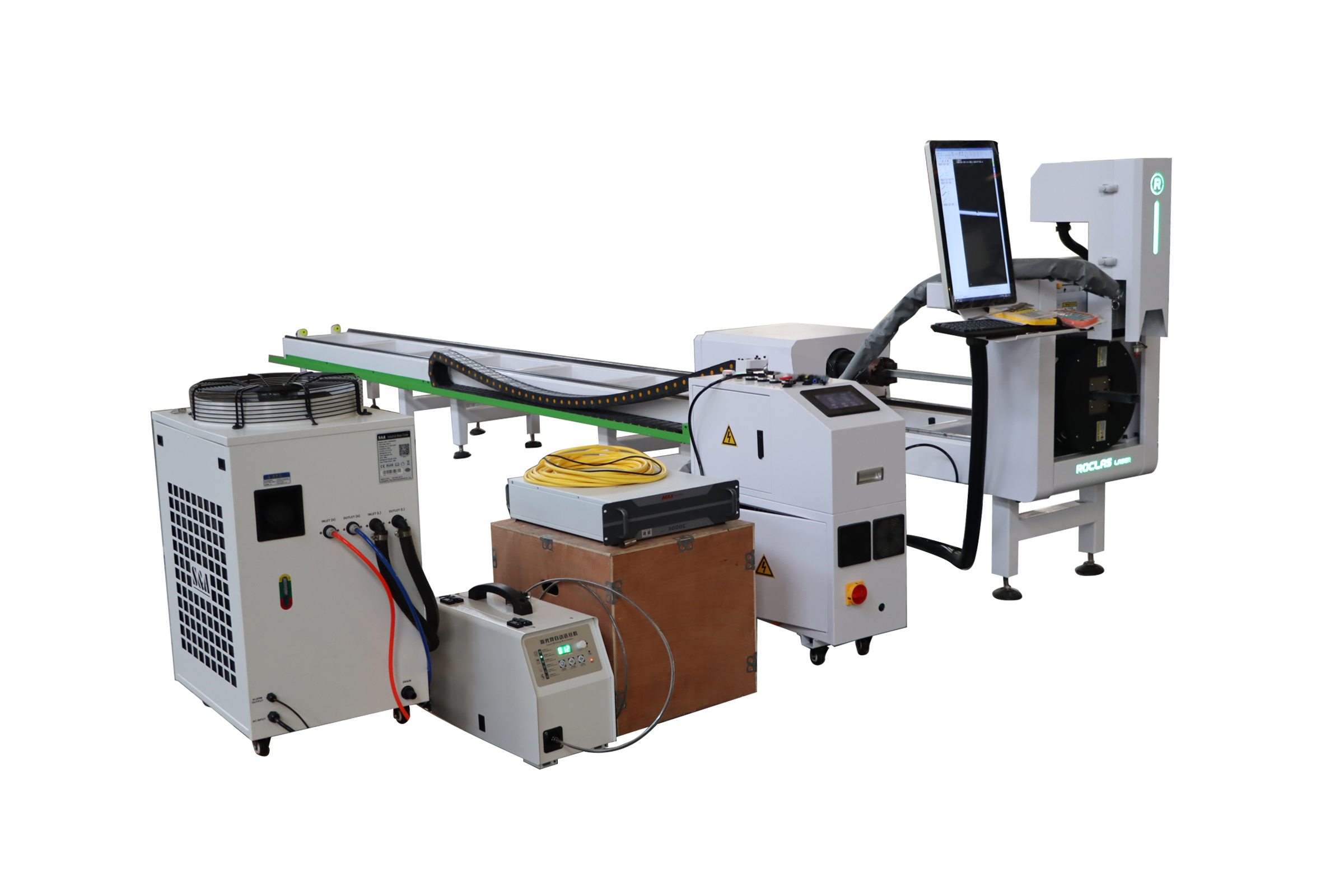
1. Laser Source: High-power fiber lasers, typically from Raycus or MAX, ranging from 1 kW to 20 kW. The 5-axis configuration benefits particularly from the beam quality of fiber lasers, which remains consistent through the articulated optics.
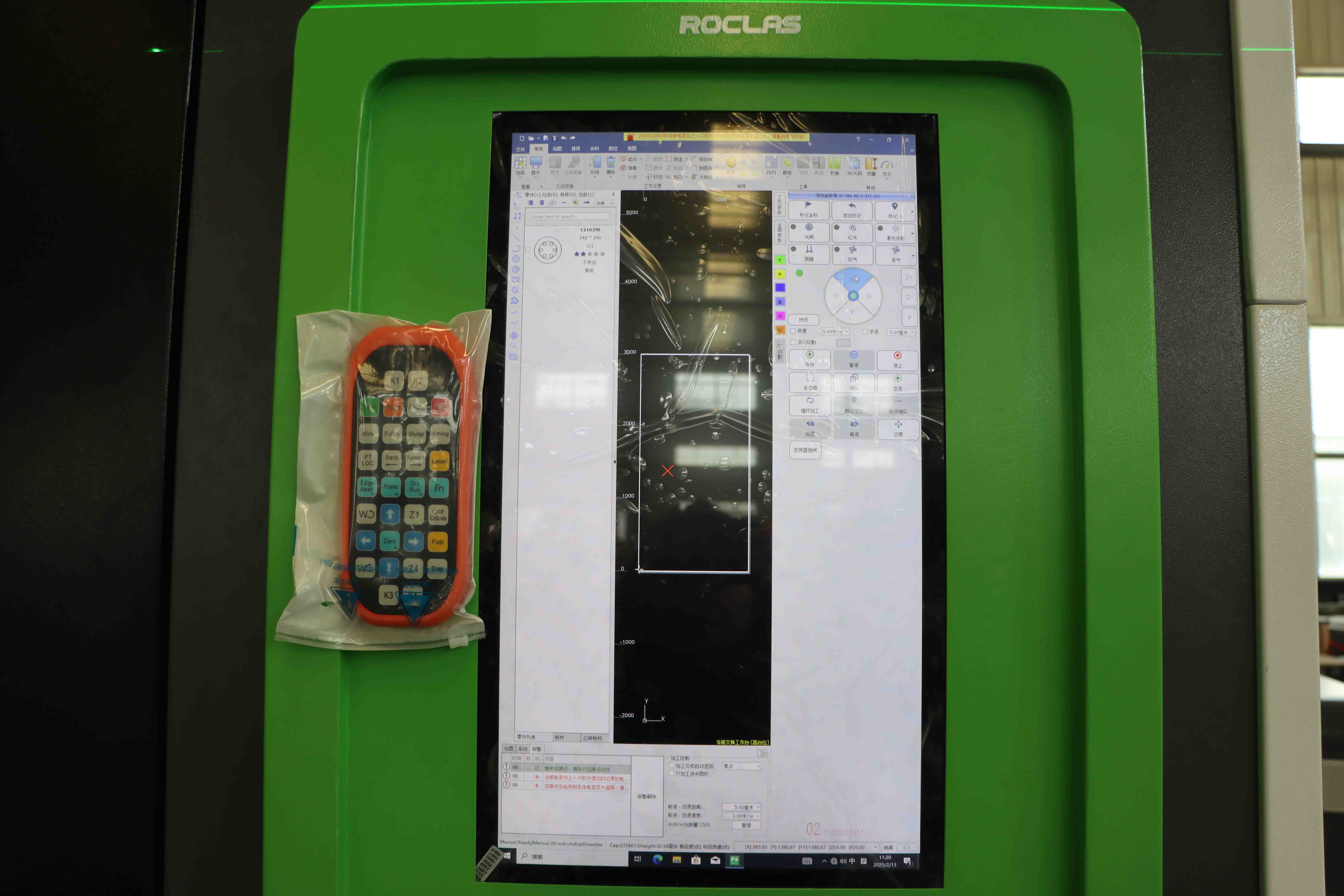
2. Motion Control: Servo drive systems with acceleration rates of 1.0G and travel speeds up to 100 m/min ensure that the five axes can coordinate in real time without introducing contouring errors.
3. Tool Center Point (TCP) Control: Advanced CNC systems implement TCP kinematics, which maintain the laser focus point stationary in space while the head rotates. This is critical for maintaining consistent kerf geometry on curved surfaces.
4. Head Design: The swing head—often with a quick-change mechanism—allows the laser to cut at angles up to ±45° from vertical, with continuous rotation for helical or spiral paths.
Application Case: Automotive Structural Components
One of