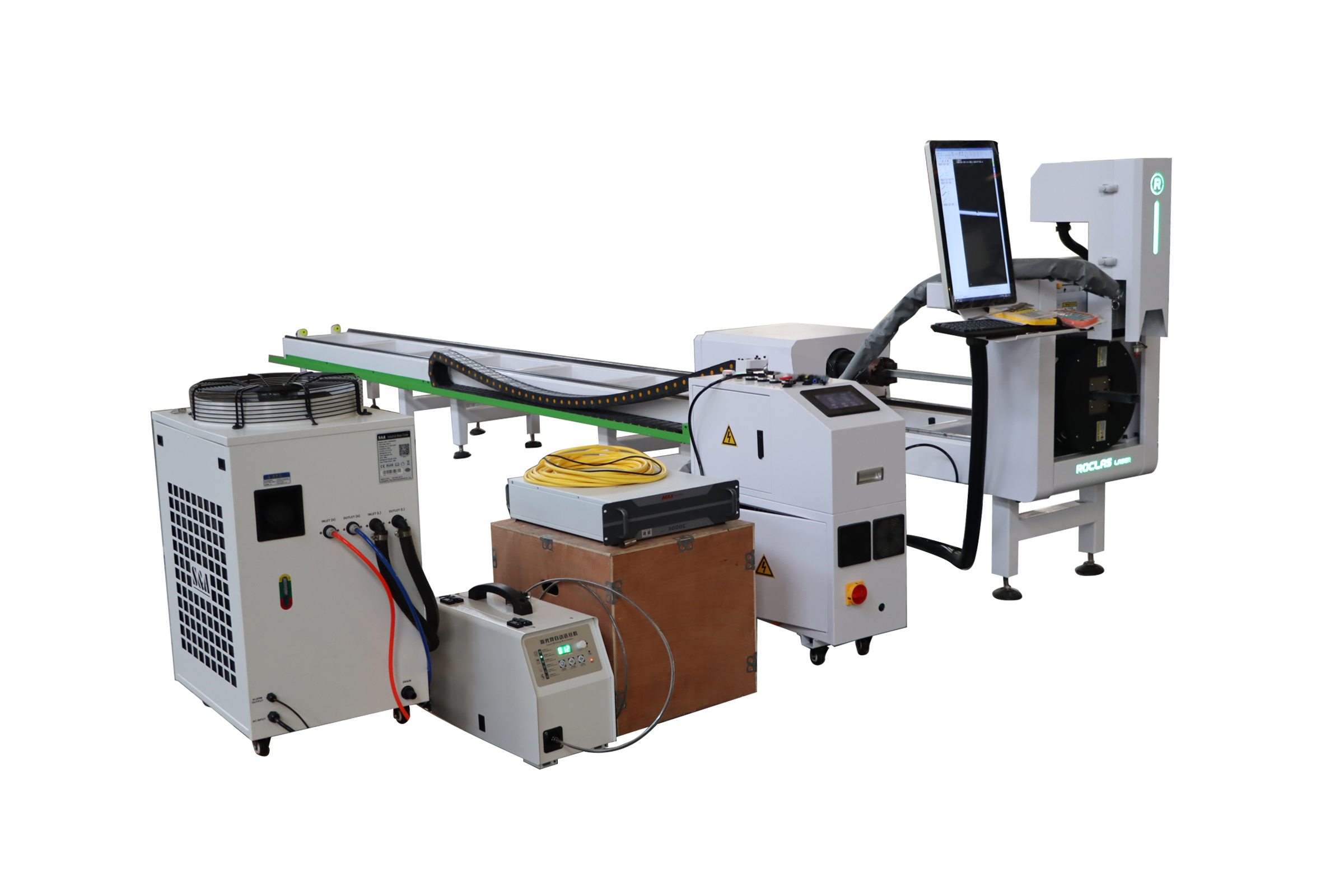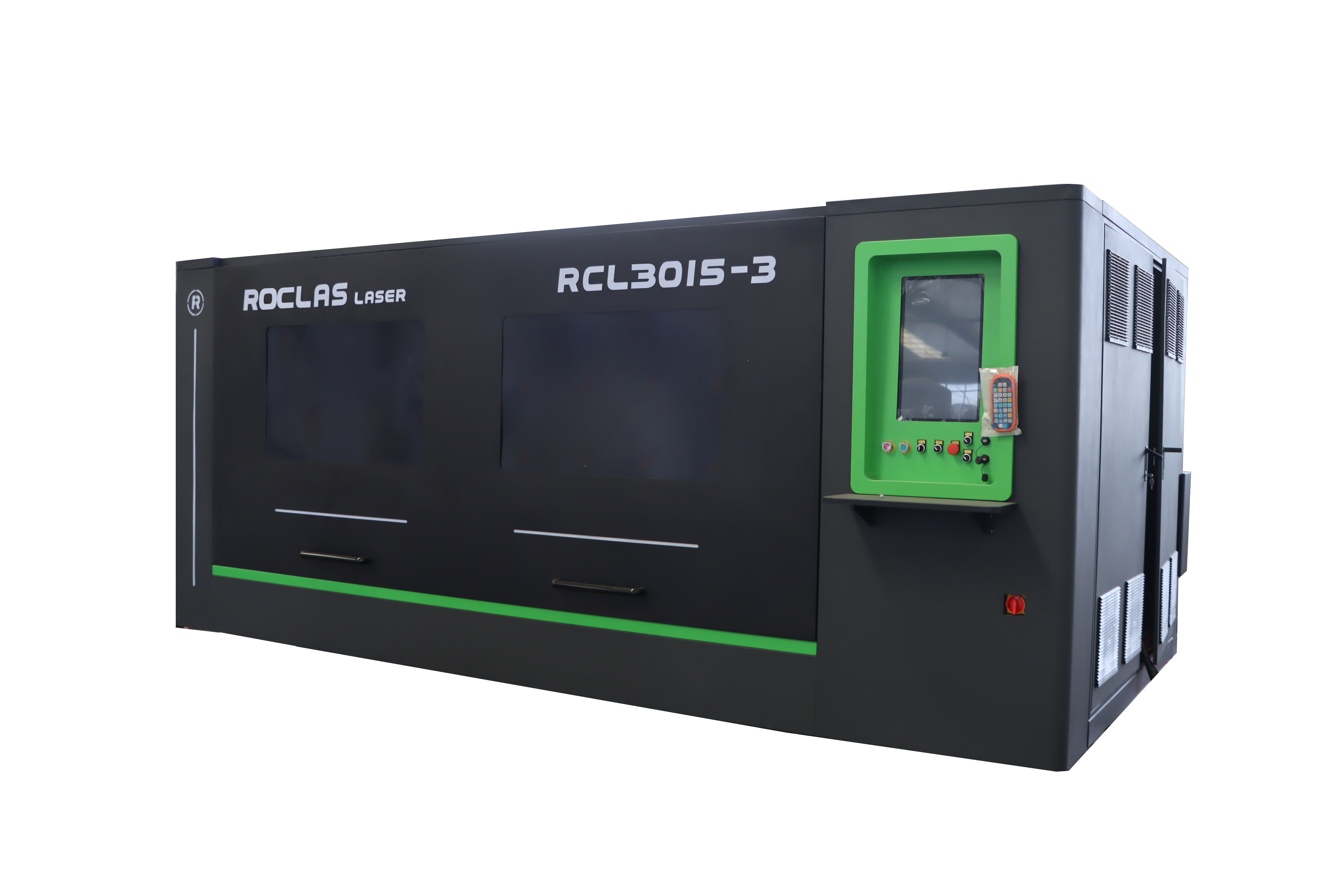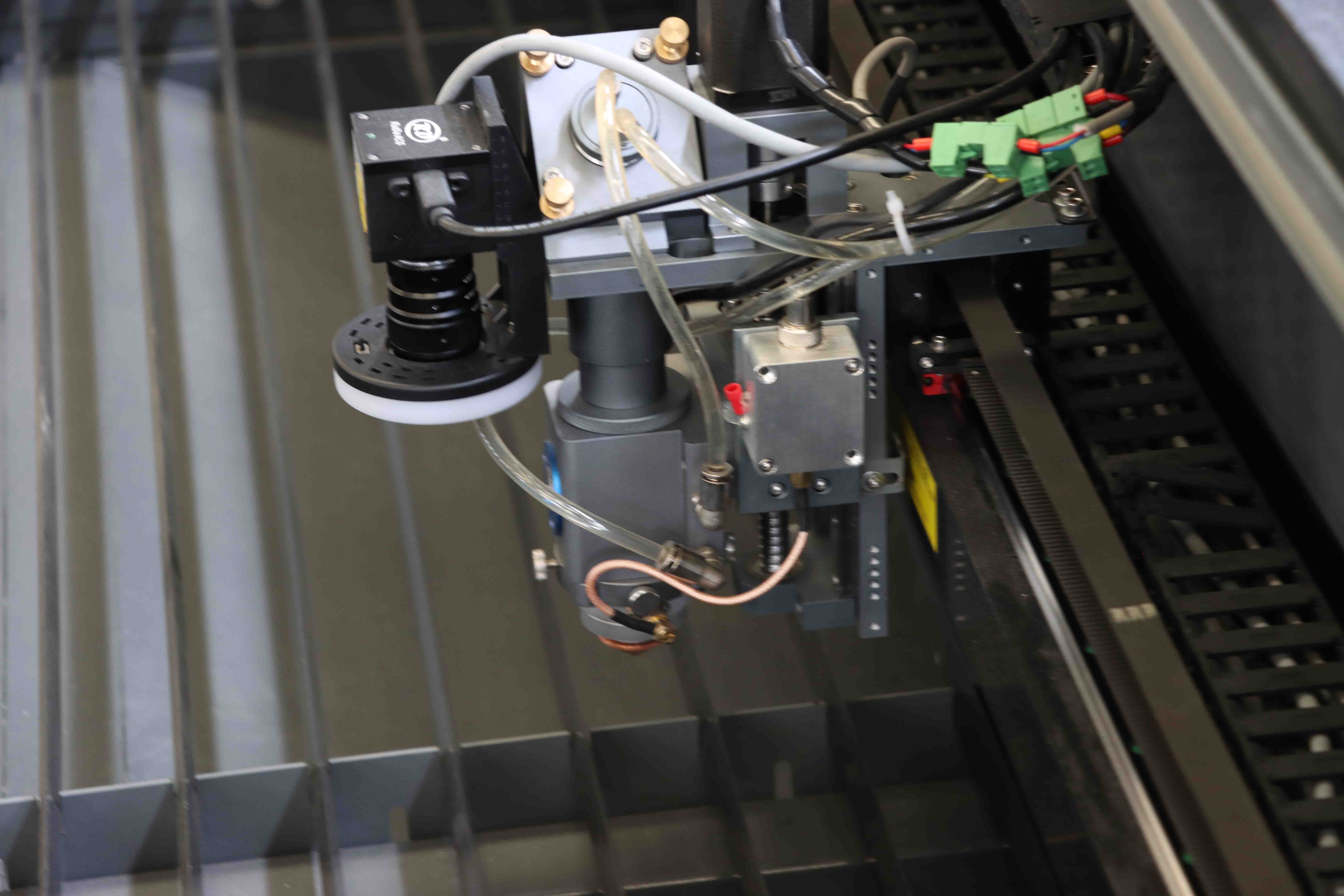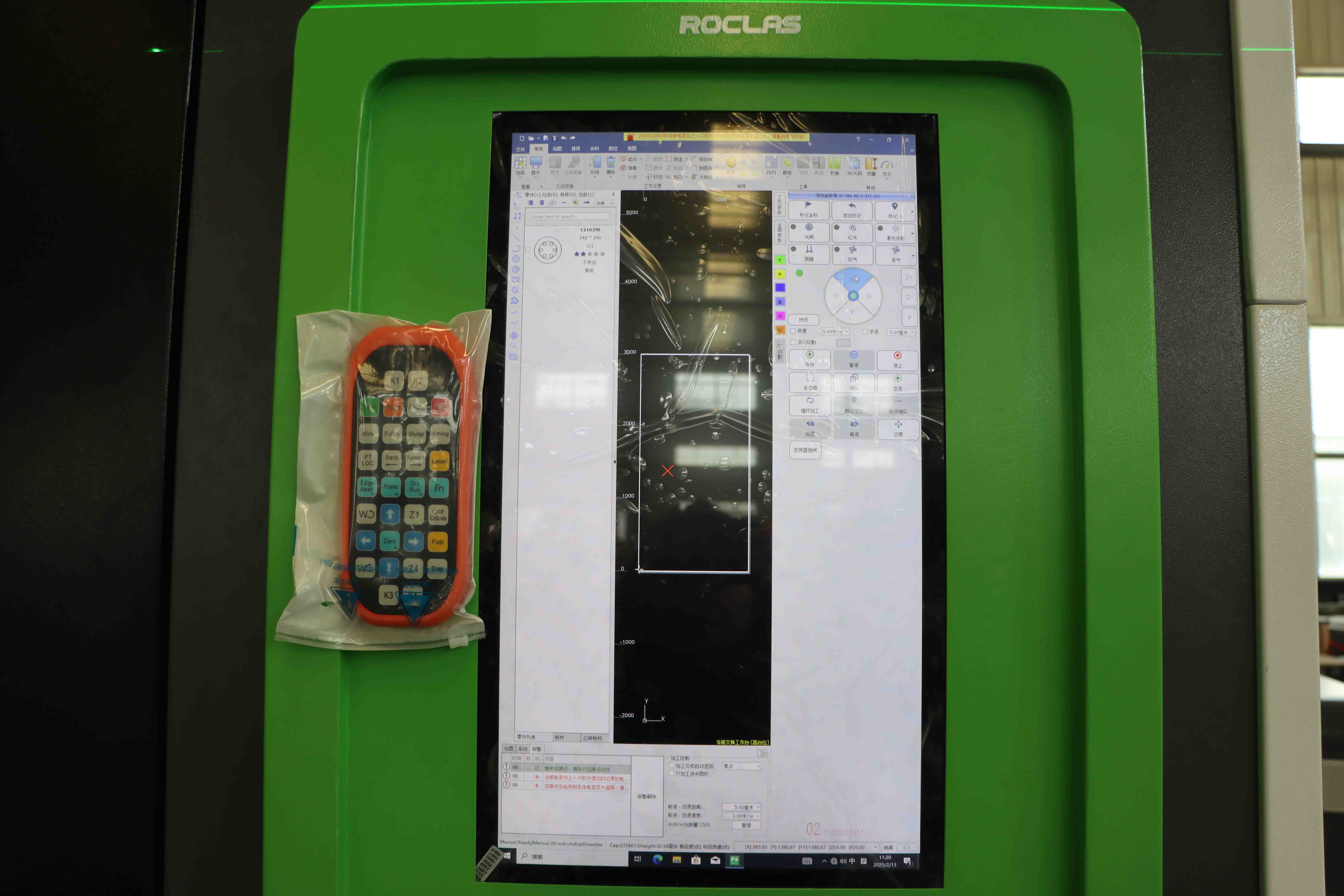
Abstract—The integration of fiber laser cutting with automatic coil feeding represents a structural shift in how sheet metal fabrication lines are configured. Rather than treating cutting as a batch process decoupled from material handling, coil-fed laser cutting lines link uncoiling, leveling, and cutting into a single continuous workflow. This article examines the technical logic behind this configuration, compares it with conventional flat-sheet processing, and considers where the approach delivers measurable gains in throughput, material utilization, and energy consumption. Reference is made to ROCLAS® MACHINERY CO., LTD., whose steel coil uncoiler systems illustrate how laser sources, servo-driven gantries, and control software are being recombined for coil-fed operation.
I. Background: Why Coil Feeding Matters
For decades, the dominant model in sheet metal fabrication has been straightforward: purchase pre-cut sheets, stack them, load them individually onto a laser bed, cut, unload, and repeat. This model works, but it carries hidden costs. Each sheet must be handled at least twice, and every handling step introduces the possibility of surface damage, misalignment, and idle machine time. When production volumes rise, the labor and logistics burden scales linearly with output.
Coil-fed laser cutting attacks this problem at its root. By feeding material directly from a coil—typically through an uncoiler, a leveling unit, and a servo-driven feed mechanism—the cutting head receives a continuous strip rather than discrete sheets. The practical consequences are significant: fewer manual interventions, higher material utilization through optimized nesting across a continuous strip, and reduced power consumption compared with traditional press-line approaches that rely on mechanical stamping.
The shift is not merely incremental. It changes the economics of high-volume sheet metal processing, particularly in segments such as automotive components, HVAC ducting, elevator panels, and stainless steel furniture frames.
II. Market and Technical Data
To place coil-fed laser cutting in context, the table below summarizes representative parameters across three common configurations: a standard flat-sheet fiber laser cutter, a coil-fed laser cutting line, and a conventional press-based coil line.
| Parameter | Flat-Sheet Fiber Laser | Coil-Fed Laser Cutting Line | Conventional Press Coil Line |
|---|---|---|---|
| Material input | Pre-cut sheets | Continuous coil | Continuous coil |
| Typical laser power | 1–20 kW | 1–6 kW (per line) | N/A (mechanical) |
| Positioning accuracy | ±0.03 mm | ±0.05 mm | ±0.10–0.20 mm |
| Travel speed | Up to 100 m/min | 60–100 m/min | Dependent on stroke rate |
| Tooling changeover | None (software) | None (software) | Physical die change |
| Material utilization | 75–85% | 85–92% | 80–88% |
| Energy profile | Moderate | Lower per part | High (press + hydraulics) |
| Flexibility | High | High | Low |
Note: Figures are indicative and drawn from ROCLAS® published specifications and general industry ranges. Actual values vary with material grade, thickness, and system configuration.
Three observations follow from this comparison.
First, coil-fed laser lines sacrifice a small amount of positioning accuracy relative to flat-sheet machines—typically ±0.05 mm versus ±0.03 mm—but this difference is rarely decisive in the thickness ranges where coil feeding is most common (0.5–4 mm). The gain in material utilization, often 5–8 percentage points, more than compensates.
Second, the elimination of physical dies is the decisive advantage over press-based coil lines. Die changes are time-consuming and expensive; a laser line switches between part geometries through software alone. For manufacturers facing shrinking batch sizes and rising product variety, this flexibility is not a luxury but a competitive necessity.
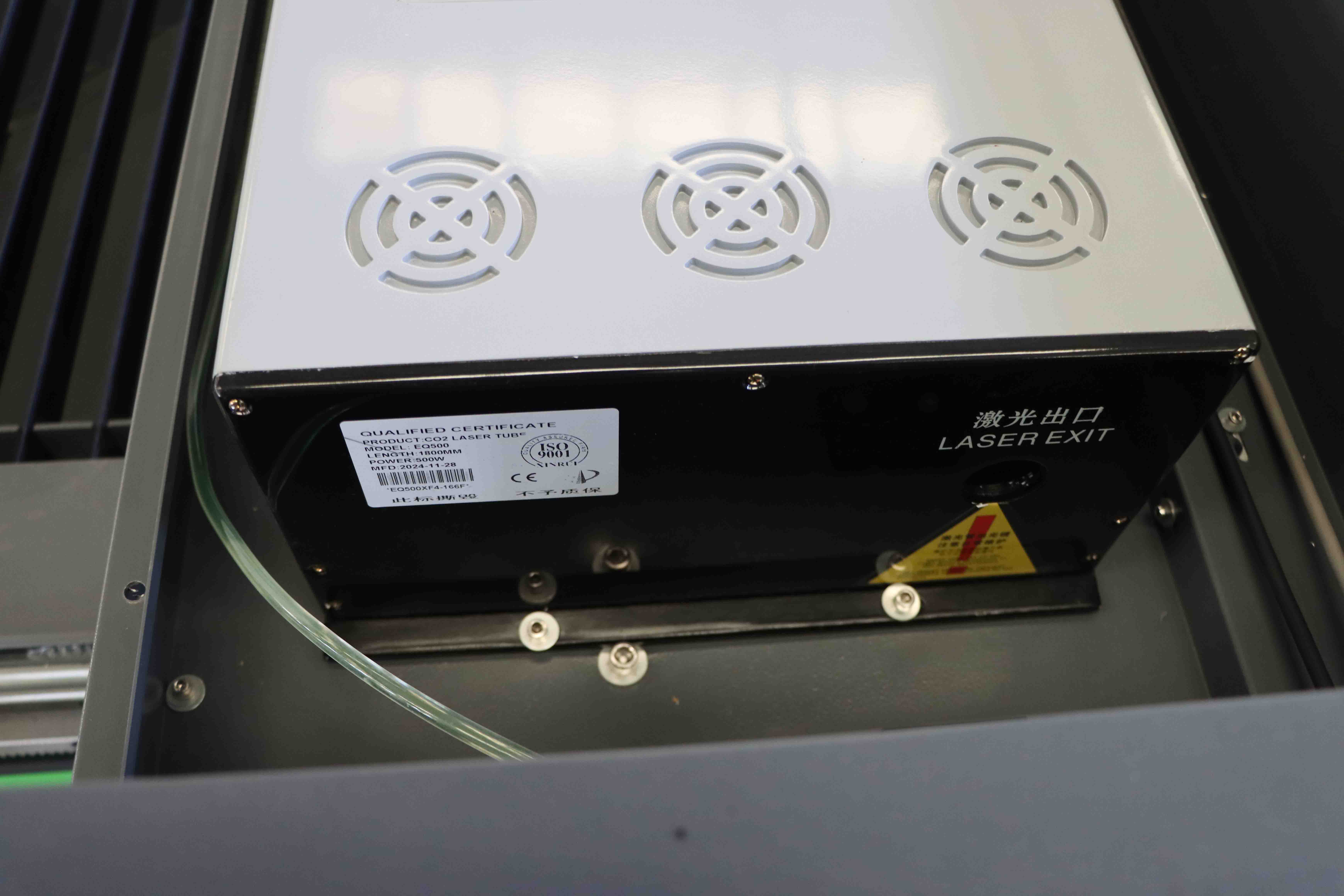
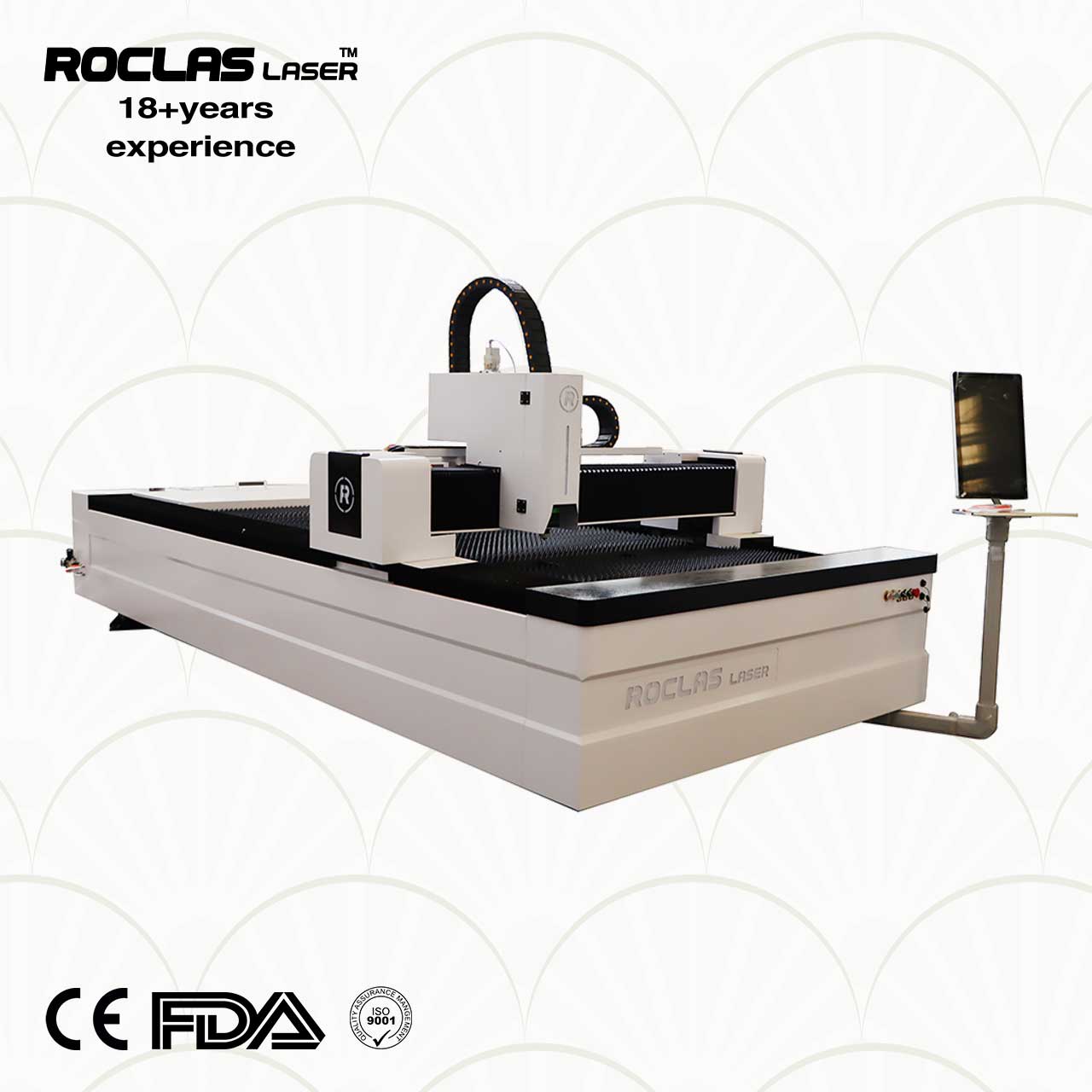
Third, the energy profile favors laser cutting. Press lines require substantial hydraulic power and generate significant noise and vibration. Fiber laser sources, by contrast, convert electrical energy to optical energy with high efficiency, and modern servo drives reduce idle consumption. ROCLAS® emphasizes low power consumption and low noise operation as core design objectives across its fiber laser platforms, and these priorities carry directly into coil-fed configurations.
III. Technical Application and Brand Practice
The engineering challenge in a coil-fed laser cutting line lies less in the laser itself than in the synchronization of material feed with cutting motion. The strip must be leveled to remove coil set, fed at a rate matched to the cutting head's acceleration profile, and held flat without distortion. Any mismatch between feed and cut produces dimensional error or, worse, scrap.
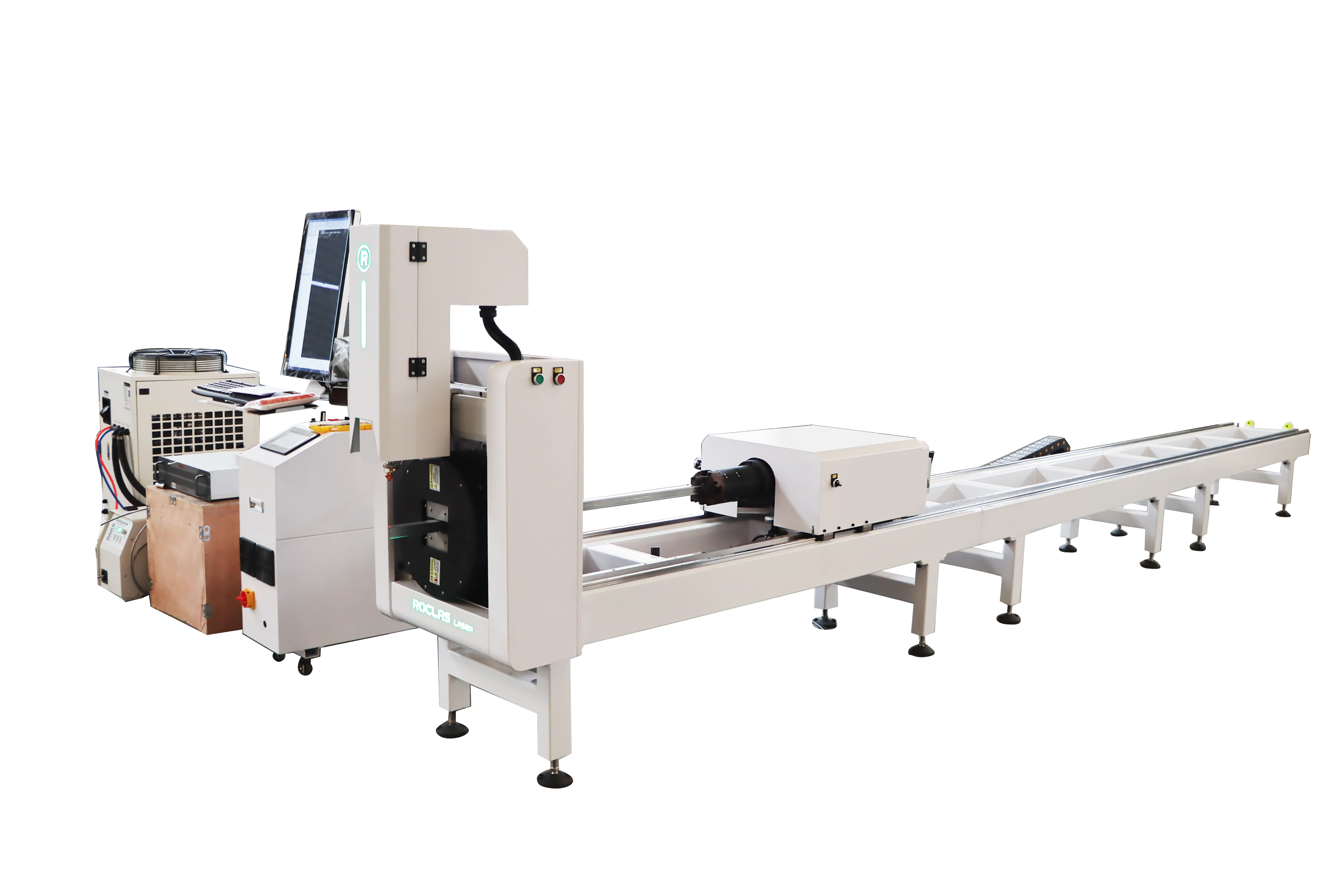
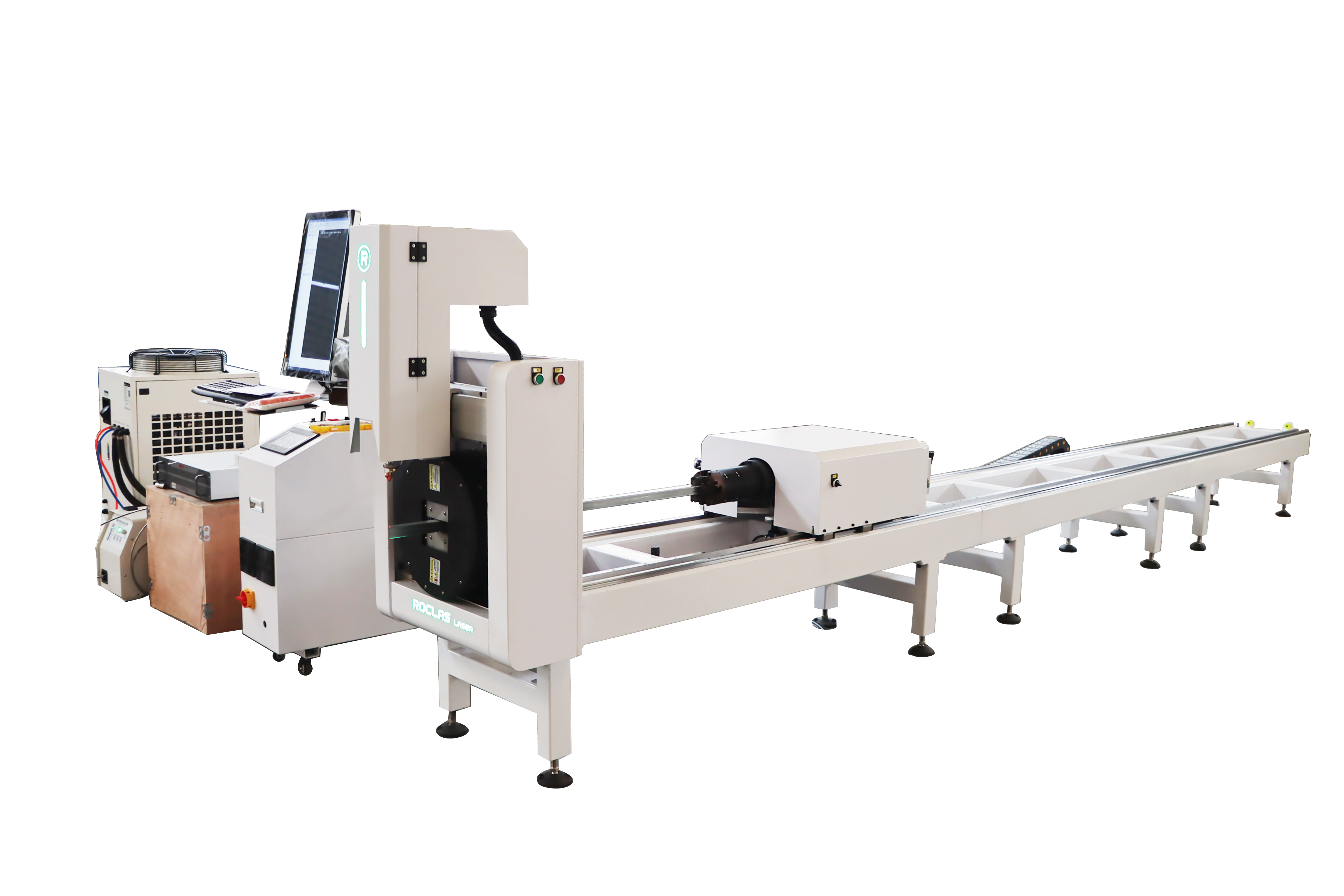
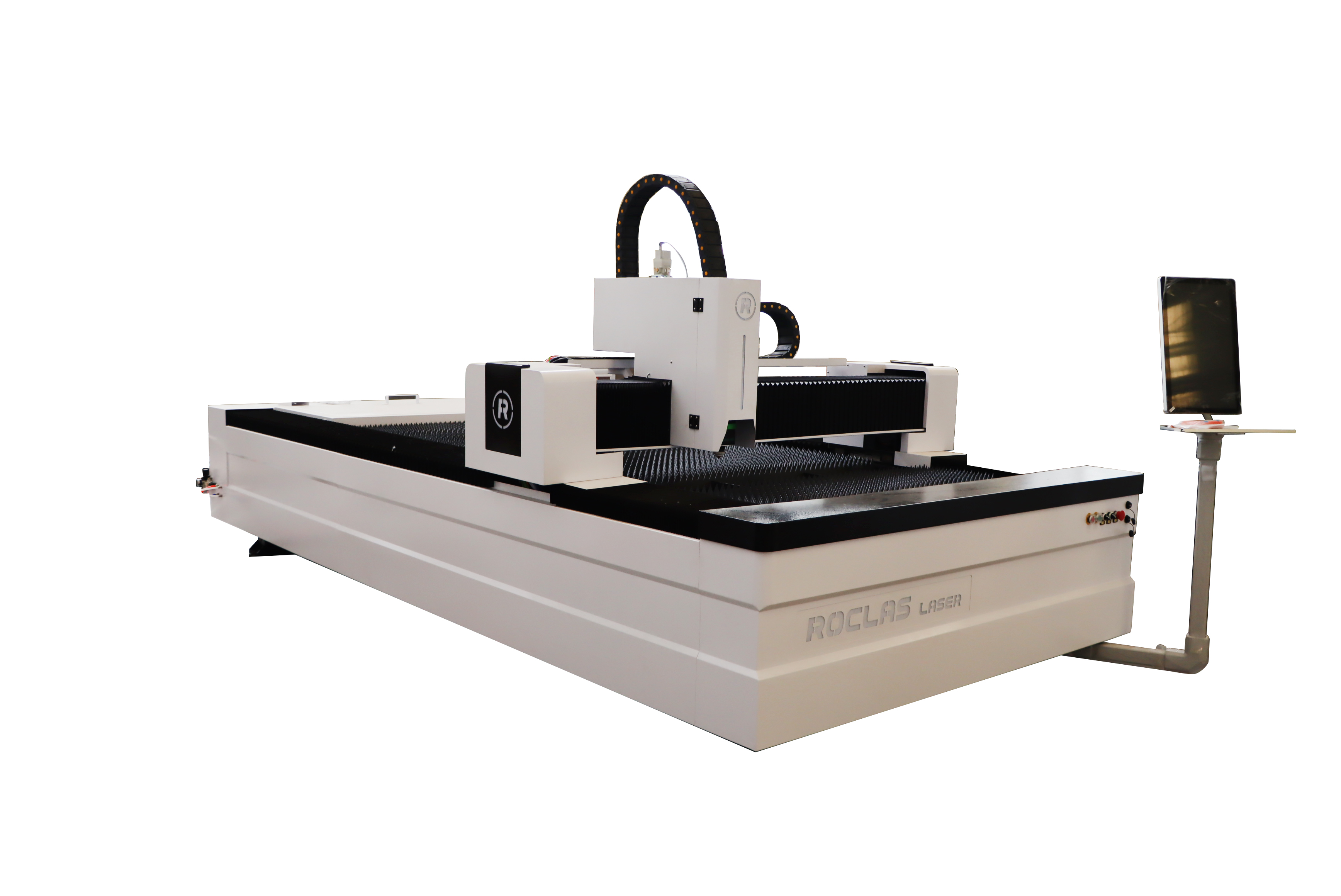
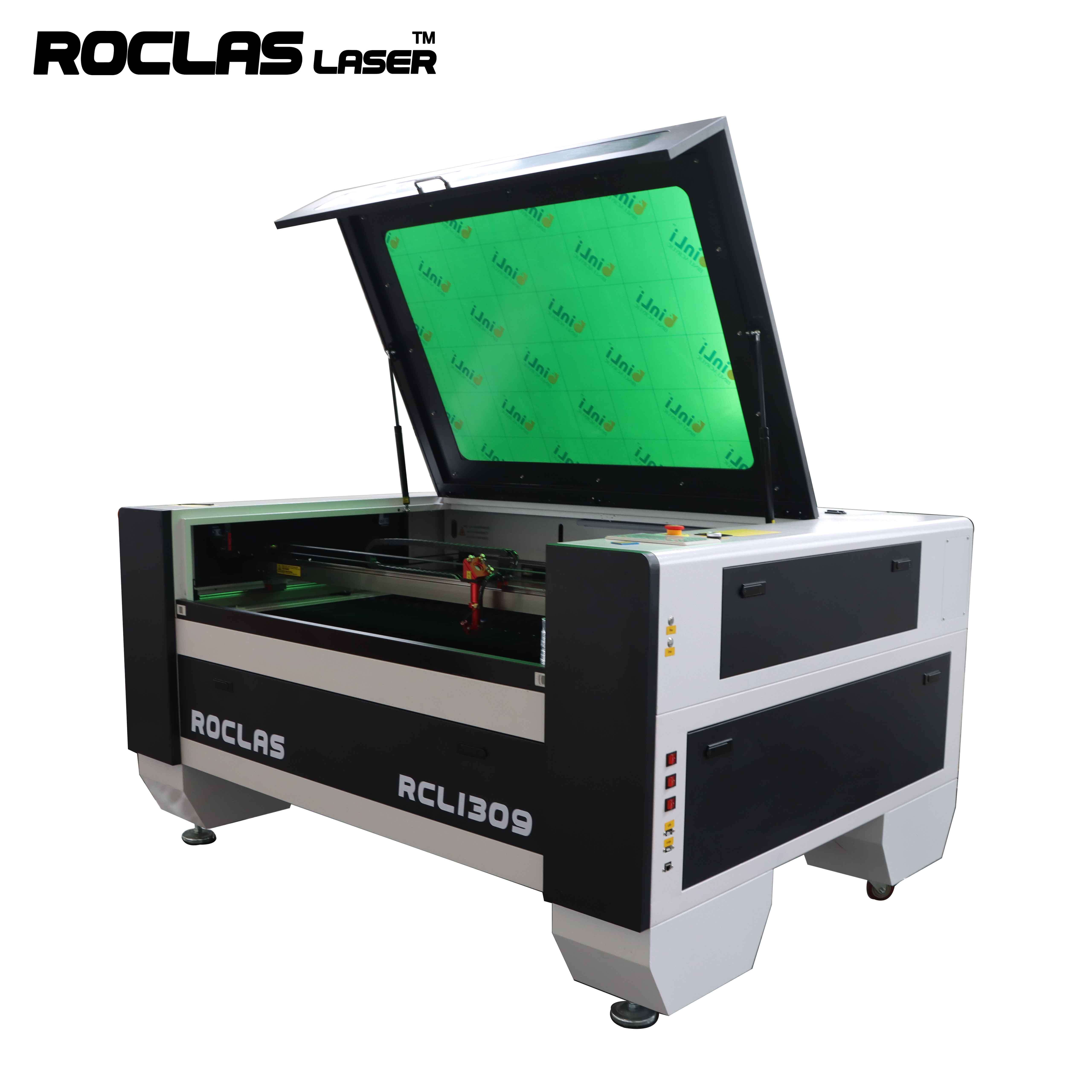
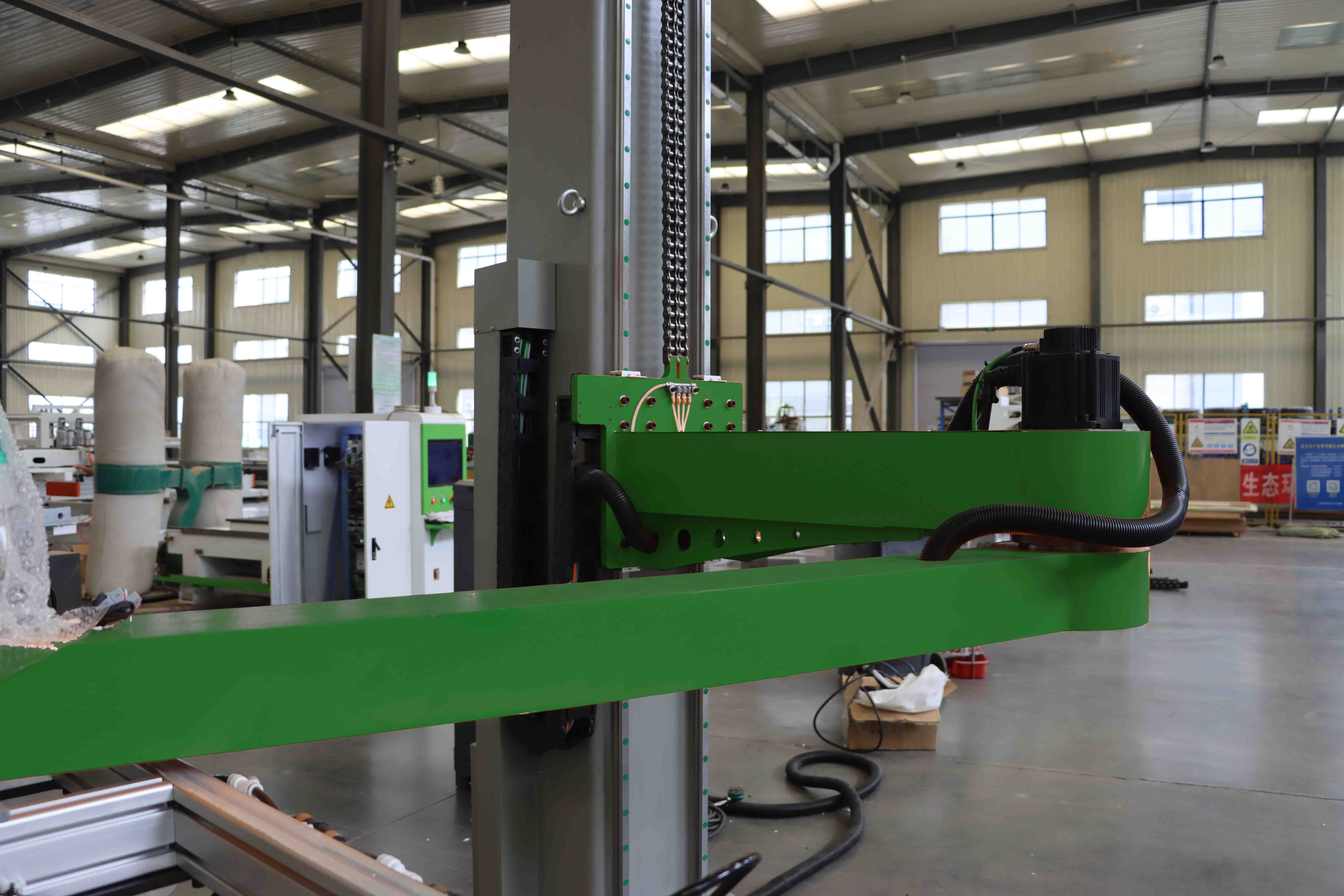
ROCLAS® addresses this through a combination of imported servo drive systems, a rigid gantry structure, and the Cypcut control system, which supports automatic nesting across the continuous strip. The company's Steel Coil Uncoiler Machine is designed specifically to combine fiber laser cutting with automatic metal coil feeding, reducing power consumption relative to press lines while maintaining the flexibility that laser processing affords. In practical terms, this means a fabricator can run a coil of 1.5 mm galvanized steel through the line, cut a nested sequence of brackets, panels, and reinforcement plates, and change to a different part family without stopping the line for tooling.
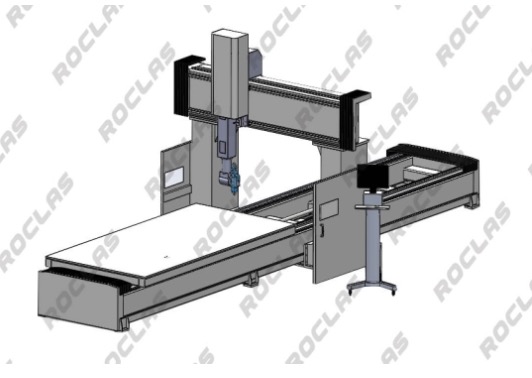
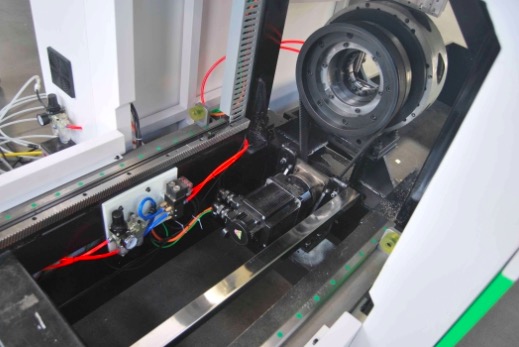
The 5-axis fiber laser platform extends this logic to three-dimensional geometry. With a fixed gantry, movable workbench, and a cutting head capable of n×360° infinite rotation, the system can process complex workpieces that would be difficult or impossible to handle on a flat-bed machine. For coil-fed operations producing formed or tubular components—furniture frames, fitness equipment, pipeline assemblies—this capability broadens the range of parts that can be cut before secondary forming.
It is also worth noting the role of auxiliary systems. A nitrogen generator, integrated waste conveying, and a built-in smoke purification system are not peripheral accessories in a coil-fed line; they determine whether the line can run continuously without manual intervention. ROCLAS® supplies these as part of a coordinated equipment package, which reflects a broader industry trend toward turnkey production cells rather than standalone machines.
IV. Conclusion and Outlook
Coil-fed laser cutting lines are not a universal replacement for flat-sheet processing. For low-volume job shops with highly varied part geometries, the flexibility of a standard fiber laser bed remains compelling. But for manufacturers running medium-to-high volumes of consistent part families, the continuous coil configuration offers a combination of material savings, labor reduction, and changeover speed that is difficult to match.
The trajectory is clear. As laser sources become more efficient and control software more capable of real-time nesting and feed synchronization, the boundary between material handling and cutting will continue to blur. Equipment suppliers who can integrate uncoiling, leveling, cutting, and waste management into a single controlled system—rather than selling discrete machines—will be better positioned to serve the next generation of sheet metal production. ROCLAS®, with its emphasis on heavy-duty structural design, independent intellectual property, and multi-process integration, is pursuing precisely this direction. The coil-fed line is less a product category than a production philosophy: keep the material moving, keep the software in control, and let the laser do the rest.