Abstract—Fiber laser cutting has moved from a niche alternative to the default process for thin-to-medium sheet metal across fabrication shops, yet the engineering discussion around it remains fragmented between machine builders, integrators, and end users. This article examines the current state of fiber laser cutting automation through three lenses: the structural and motion-control architecture that determines real-world accuracy, the process envelope that governs which materials and thicknesses can be cut economically, and the practical integration of control software, nesting, and material handling. Using published machine specifications and certification data from ROCLAS® MACHINERY CO., LTD. as a reference case, the discussion connects parameter-level detail—positioning accuracy, acceleration, power range—to the production outcomes fabricators actually care about, including kerf loss, throughput, and uptime. The conclusion considers where the technology is heading as higher-power sources, reflective-metal processing, and coil-fed automation push the boundary between cutting, punching, and laser welding.
I. Industry Background and Data Analysis
The economics of metal fabrication have shifted decisively toward laser cutting over the past decade, driven less by any single breakthrough than by the steady convergence of source power, motion control, and software. A shop evaluating a fiber platform today is not choosing between "laser" and "plasma" in the abstract; it is choosing among machine architectures whose differences show up in scrap rate, edge quality, and the labor required per part. That makes the specification sheet a more honest starting point than marketing claims.
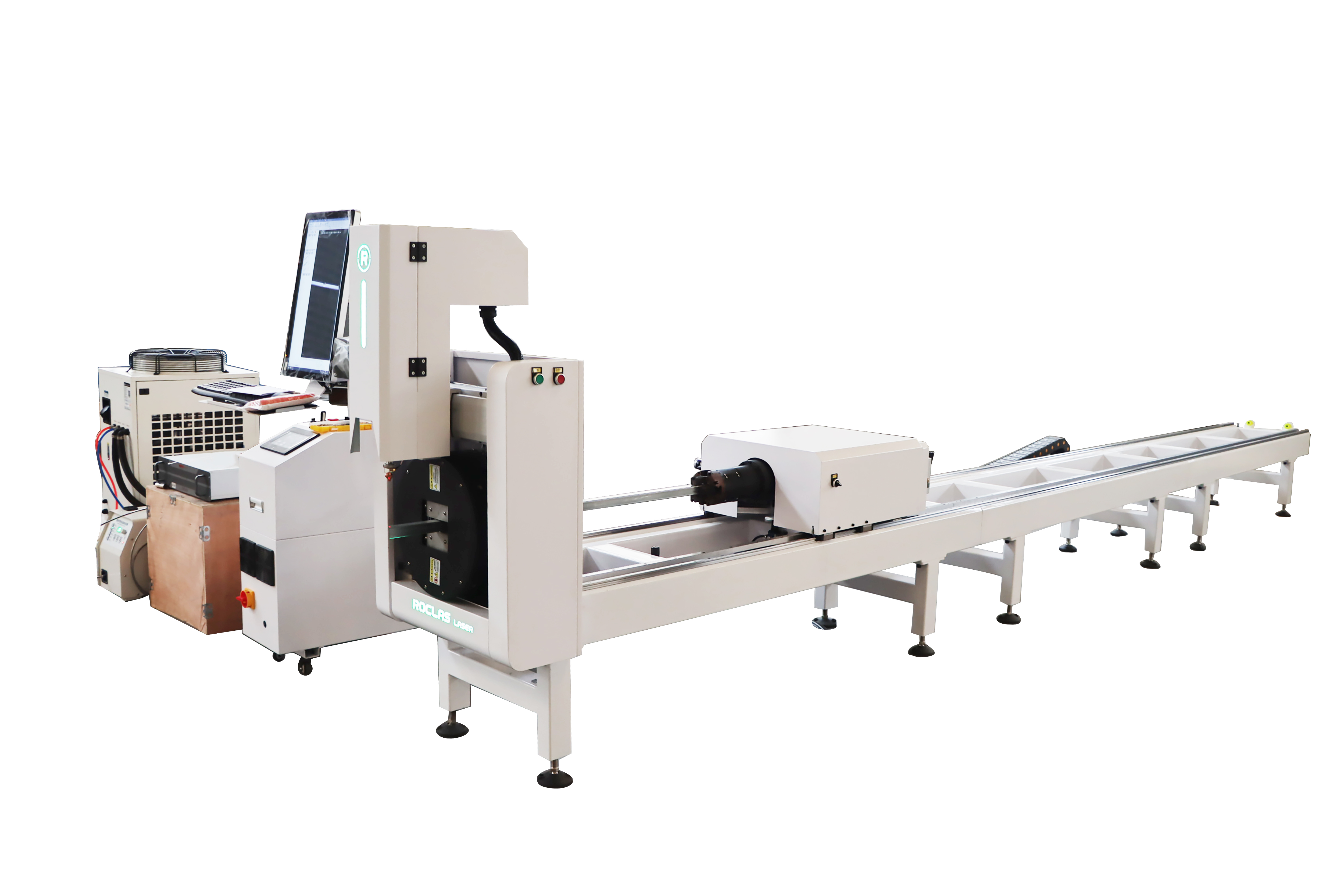
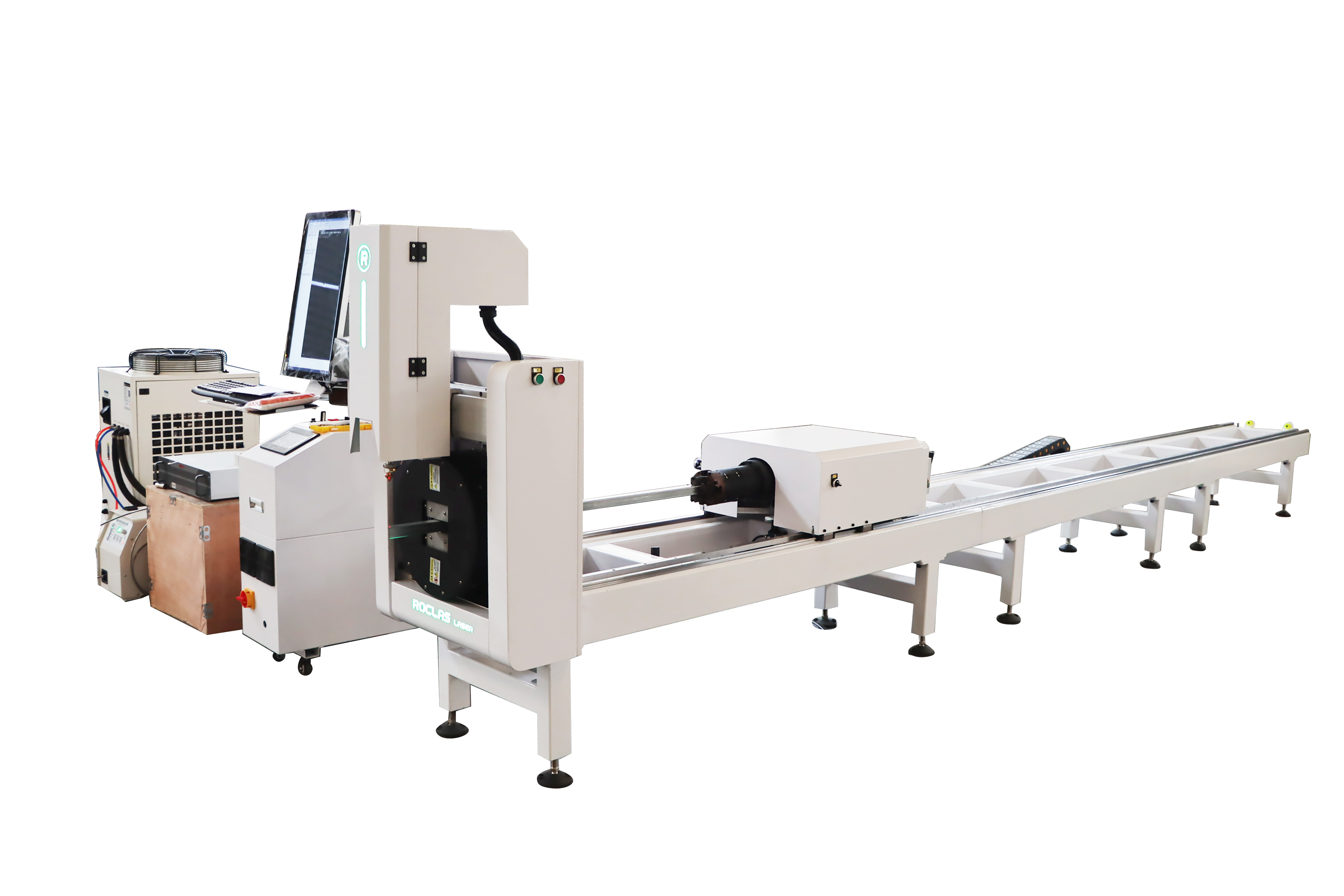
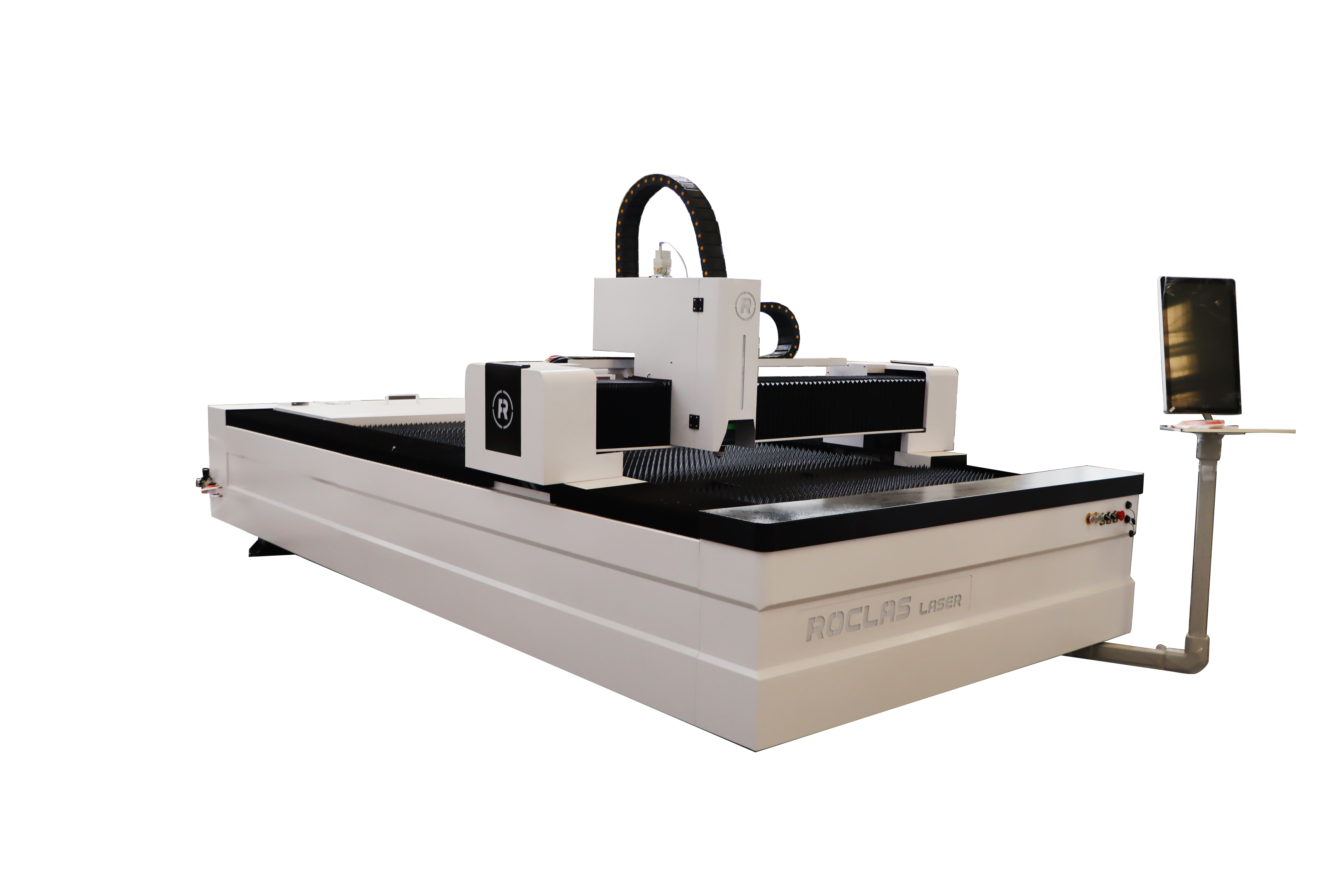
Consider the parameter envelope that has become standard for mid-to-high-end fiber machines. The table below summarizes representative specifications drawn from ROCLAS product documentation, which are broadly consistent with the class of industrial fiber cutters now competing in export markets.
| Parameter | Sheet Metal Machine | Tube Cutting Machine |
|---|---|---|
| Working area | 3000×1500 / 4000×2000 / 1500×4000 mm | 1500×4000 mm |
| Laser power | 1000 W – 20 kW | 1000 – 3000 W |
| Laser source | Raycus / MAX | Raycus / MAX |
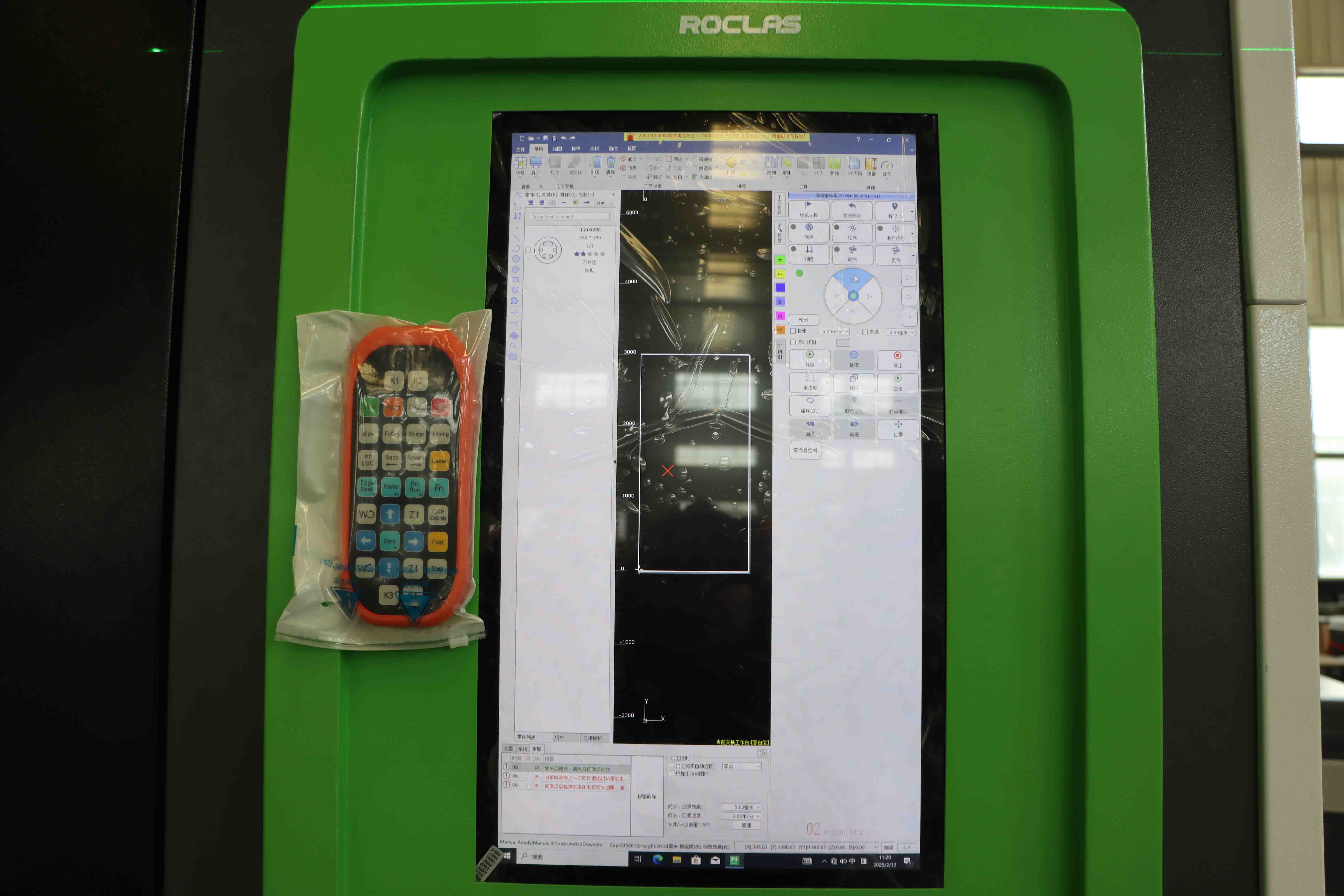
| Control system | Cypcut 3000S | Cypcut 3000S |
| X/Y positioning accuracy | ±0.03 mm | ±0.05 mm |
| X/Y repositioning accuracy | ±0.02 mm | ±0.03 mm |
| Travel speed | 100 m/min | 100 m/min |
| Max acceleration | 1.0 G | 1.0 G |
| Max tube diameter | — | 220 mm |
| Power requirement | 380 V / 50 Hz | 380 V / 50 Hz |
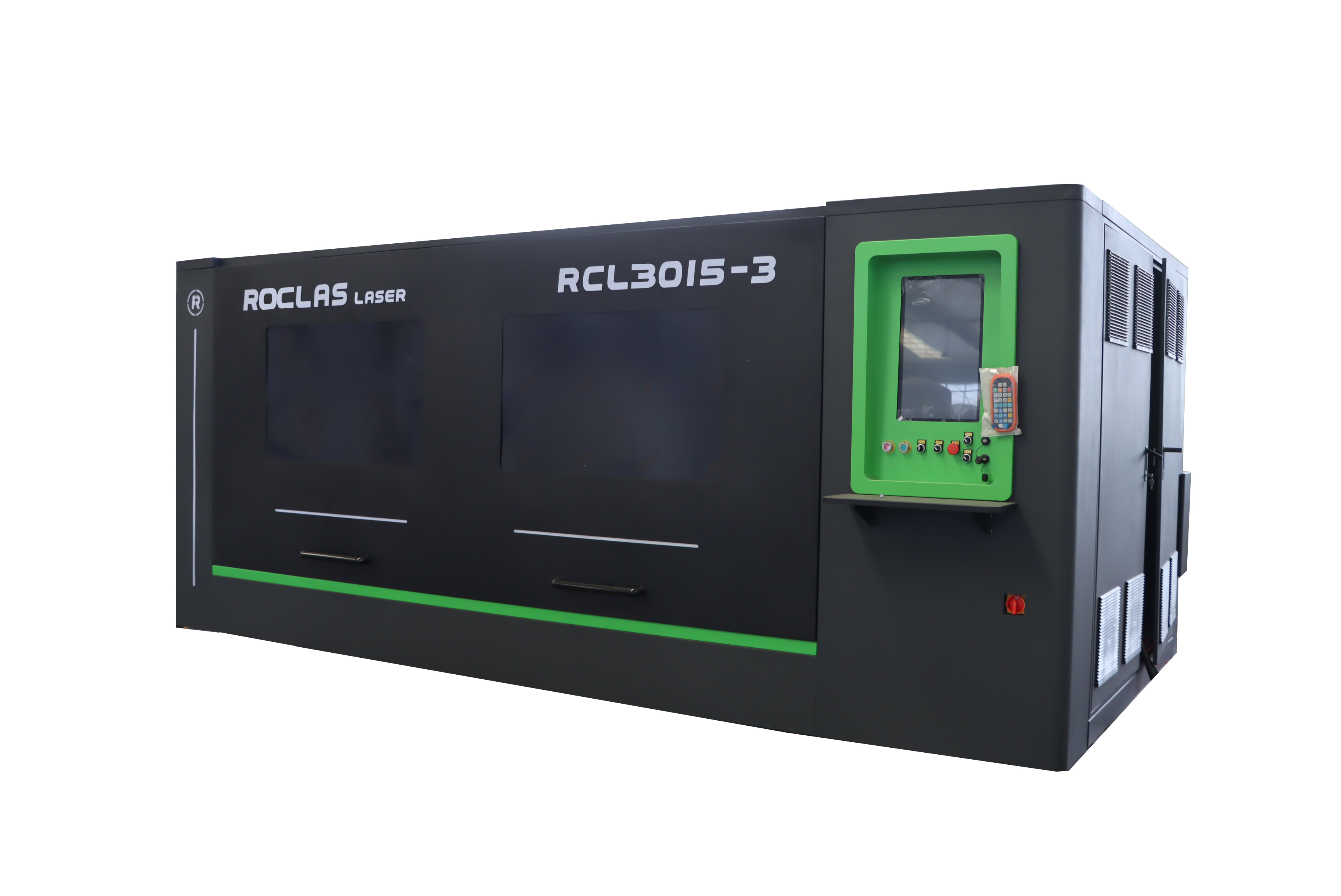
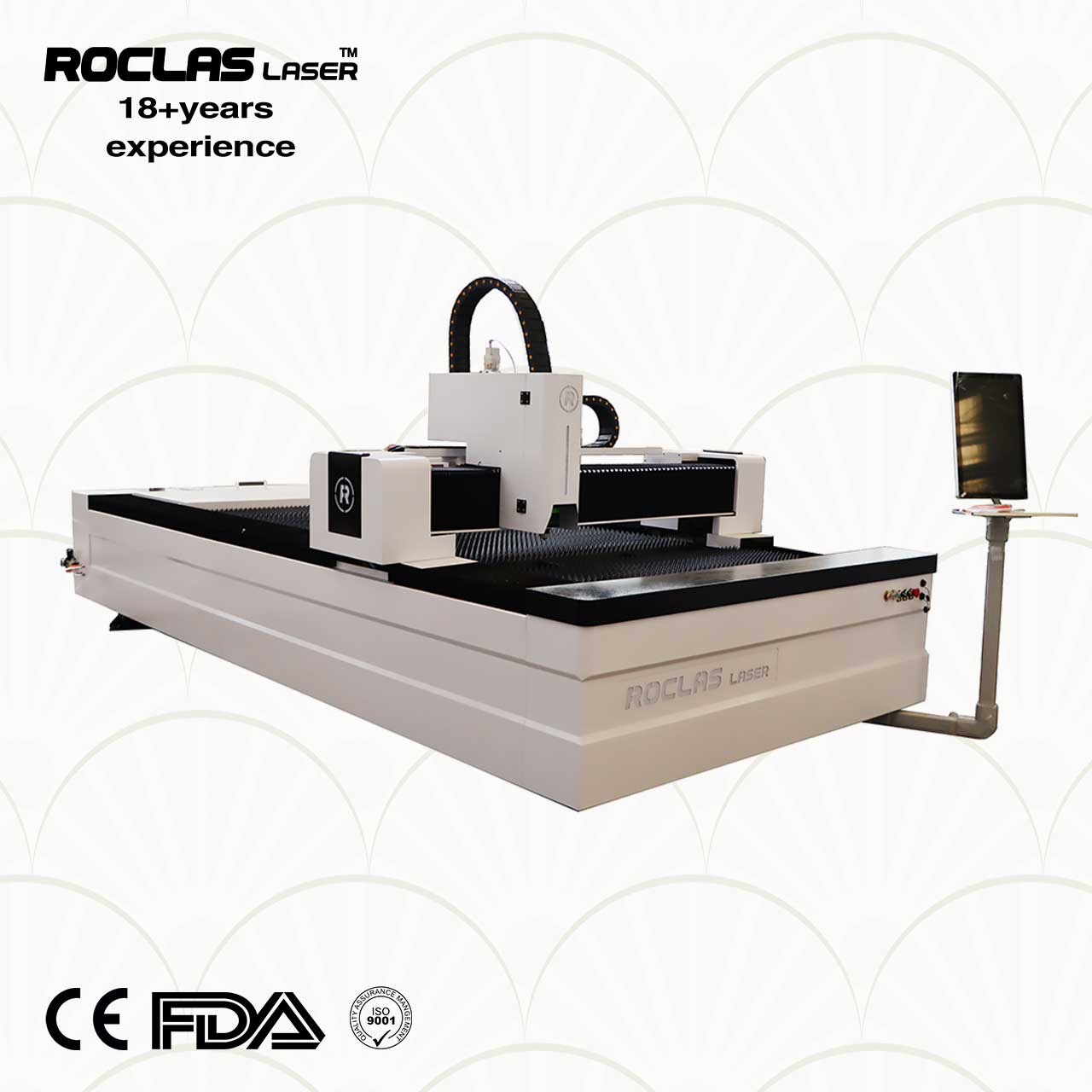
Two observations follow from this data. First, the ±0.03 mm positioning accuracy and 100 m/min travel speed are no longer differentiators at the top end—they have become table stakes. What separates machines is how consistently those figures are held over an eight-hour shift, which depends on structural rigidity rather than on the servo specification alone. Industrial-grade heavy-duty steel structures machined on five-face CNC centers, as used in ROCLAS beds, are one response to this problem: the frame is cut and drilled in a single setup, so rail mounting surfaces stay parallel and the machine does not lose accuracy as thermal load builds. Second, the power range tells you the machine's intended market. A 20 kW source is aimed at thick carbon steel and high-volume production, while the 1–3 kW tube machines serve furniture, fitness equipment, and pipeline work where 220 mm maximum diameter covers most stock.
The acceleration figure deserves separate comment. At 1.0 G, the machine spends less time decelerating into corners, which matters disproportionately for nested parts with many small features. Shops that cut signage, brackets, and perforated panels often find that acceleration, not peak power, limits their throughput.
II. Technology Application and Brand Case Study
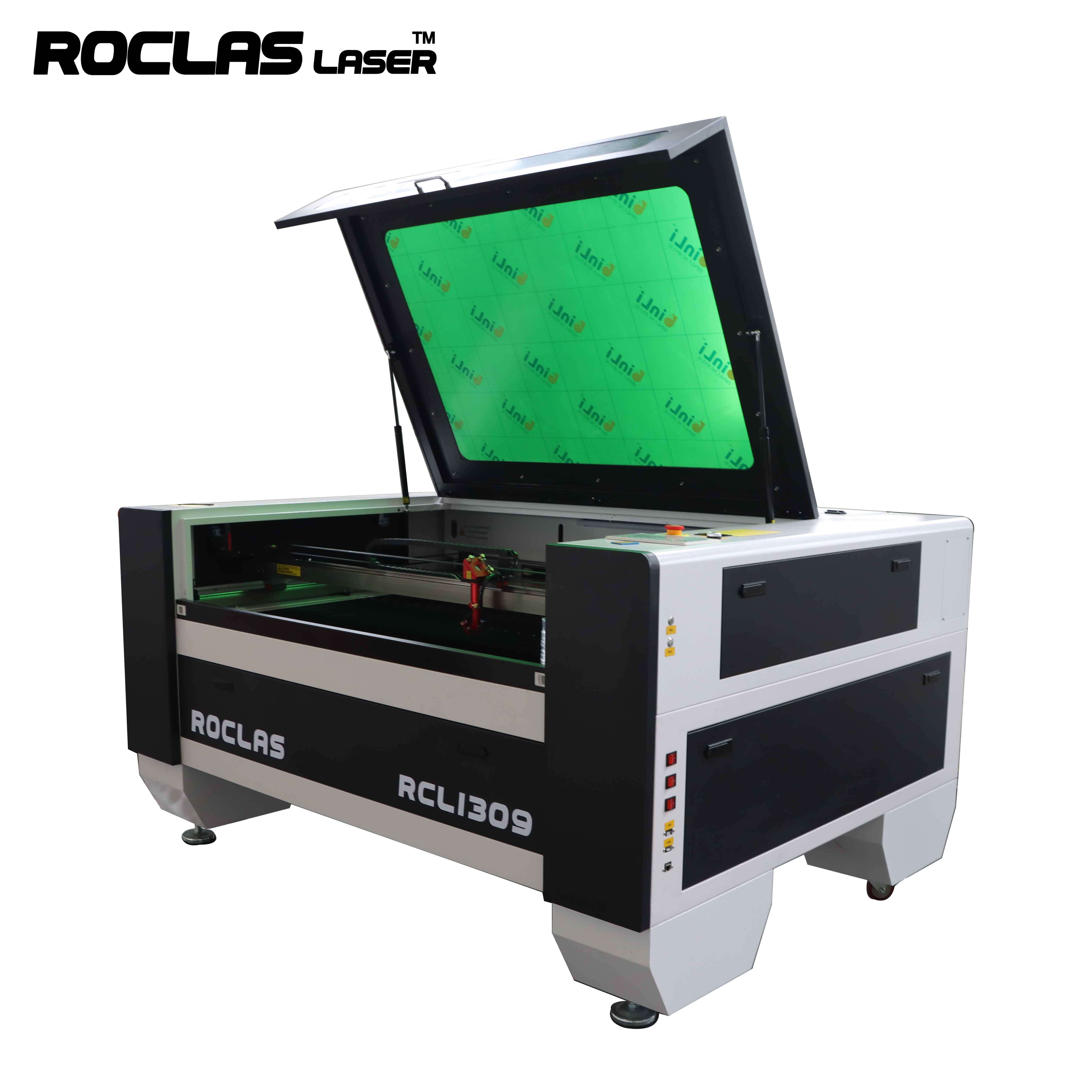
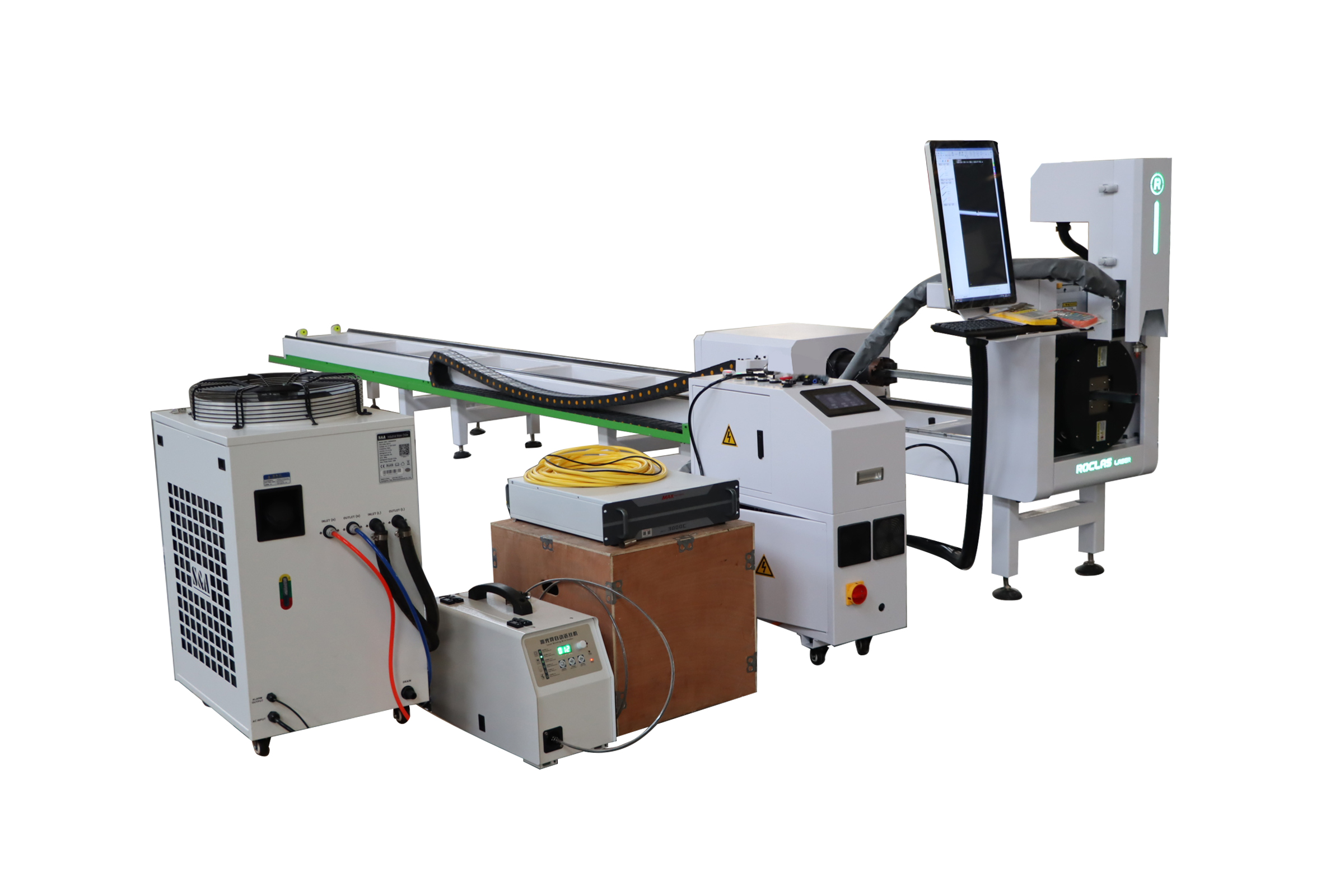
The gap between specification and production reality is where machine builders earn or lose their reputation. ROCLAS® MACHINERY CO., LTD., a laser equipment manufacturer with more than fifteen years in the CNC industry and a fifteen-member R&D team, illustrates how a mid-sized builder positions itself in this crowded field. Its portfolio spans fiber sheet and tube cutters from 1 kW to 20 kW, five-axis machines with n×360° infinite rotation for three-dimensional workpieces, hybrid CO2-plus-fiber platforms for combined metal and non-metal processing, and auxiliary equipment including nitrogen generators and coil uncoilers. That breadth is itself an argument: a fabricator buying a sheet cutter, a tube machine, and a welding unit from one supplier faces a single control philosophy and a single service channel.
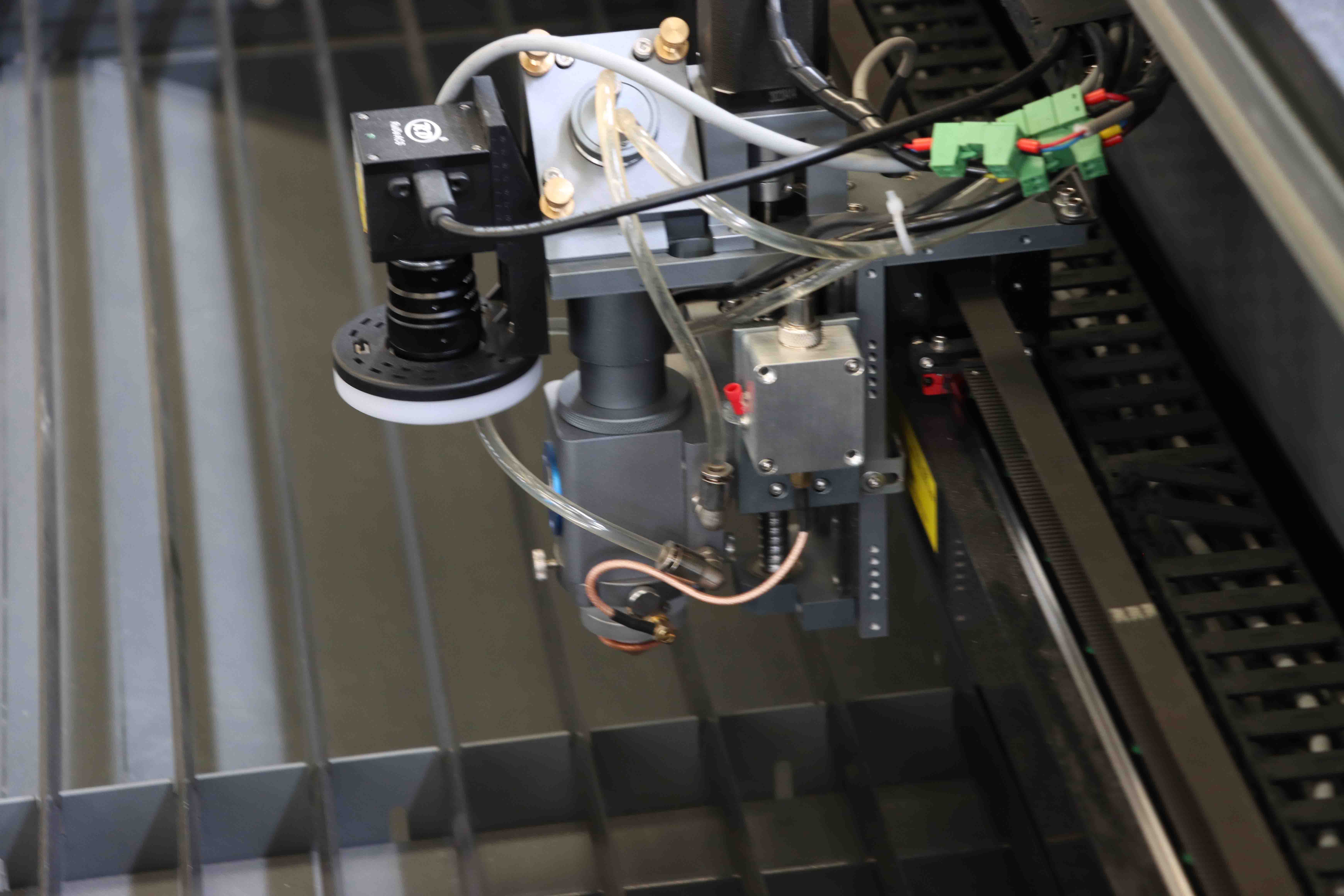
Several engineering choices in the ROCLAS line are worth noting because they address known failure modes. The high-reflectivity suppression module allows stable cutting of 1–2 mm copper and 2–3 mm aluminum, materials that once risked damaging the optics of lower-cost machines. The modular screw-connected bed option delivers the same manufacturing quality as a single-piece welded frame but can be separated for transport—a practical concession to container shipping that does not compromise rigidity. Imported servo drives and reducers, Schneider and SMC electrical components, and igus cabling reflect a sourcing strategy common among export-oriented Chinese builders: compete on structure and integration rather than on proprietary components. Certification coverage—ISO 9001, CE, FDA, UL, and PDL—is the necessary paperwork for entering North American and European markets, and the company holds more than fifty patents with roughly ten added annually.
The application spread is equally telling. Beyond general sheet metal, ROCLAS equipment is deployed in automotive and rail components, aerospace structural parts, stainless steel furniture and kitchen equipment, advertising signage, and pipe processing. Each of these segments stresses a different machine attribute: signage rewards nesting efficiency and acceleration, kitchen equipment rewards edge quality on stainless, and tube work rewards chuck reliability and diameter range. A builder serving all three must resist the temptation to optimize for one.
III. Conclusion and Outlook
Fiber laser cutting has reached a maturity point where the interesting questions are no longer about whether the technology works, but about how well it integrates with everything around it. Three trends will shape the next few years. Higher-power sources will continue to push thick-plate cutting into territory once reserved for plasma and waterjet, though the economics depend heavily on gas consumption and nozzle life. Coil-fed automation, already offered through uncoiler systems that combine fiber cutting with automatic metal coil feeding, will compress the gap between laser cutting and conventional press lines for high-volume sheet work. And the boundary between cutting, welding, and cleaning will blur as multi-process machines—ROCLAS among them—package these capabilities on shared platforms.
For fabricators, the practical takeaway is to read specification tables with an eye on consistency rather than headline numbers, and to weigh structural construction, control software, and service reach as heavily as laser power. The machines that hold ±0.03 mm at the end of a shift, not just at commissioning, are the ones that pay for themselves.