Abstract — The fabrication industries built around stone, wood, and sheet metal have long depended on mechanical cutting: saw blades, router bits, and abrasive waterjets. That dominance is eroding. Fiber laser platforms have crossed the threshold where they can process reflective and composite materials with enough stability, speed, and edge quality to compete directly with conventional CNC routers and stone-carving machines. This article examines the market and technical shift, weighs laser cutting against mechanical alternatives, and uses ROCLAS® MACHINERY CO., LTD. as a case study of how a laser OEM with deep CNC roots is positioning itself at this intersection.
Industry Background: A Market in Transition
Global demand for CNC-based fabrication equipment has grown steadily, but the composition of that demand is changing. Mechanical routers and machining centers still account for the majority of installed units, particularly in woodworking and stone. However, laser cutting systems are gaining share faster than any other category, driven by falling fiber source costs, improved control software, and the need for higher throughput with less manual rework.
The table below summarizes the approximate positioning of the three dominant cutting technologies across key operational dimensions. The figures are indicative and reflect typical mid-range configurations rather than extremes.
| Dimension | CNC Router / Machining Center | Fiber Laser Cutter | Stone CNC (carving/milling) |
|---|---|---|---|
| Typical materials | Wood, MDF, plastics, soft metals | Steel, stainless, aluminum, copper, brass | Granite, marble, engineered stone |
| Cutting mechanism | Mechanical bit removal | Thermal ablation | Diamond-tool milling |
| Positioning accuracy (typical) | ±0.05–0.10 mm | ±0.03 mm | ±0.05–0.10 mm |
| Kerf width | 3–12 mm (bit dependent) | 0.1–0.5 mm | 5–10 mm |
| Tool wear | High (consumable bits) | None (lens/nozzle only) | Very high (diamond tools) |
| Edge finish | Good, requires sanding | Excellent, near-finished | Good, requires polishing |
| Throughput on thin sheet | Moderate | High | Low |
| Reflective metal capability | Limited | Yes, with suppression module | Not applicable |
| Automation potential | Medium | High (nesting, coil feed) | Low–medium |
Two observations follow from this comparison. First, the kerf advantage of laser cutting is not marginal; on thin-gauge sheet metal, material utilization can improve by several percentage points, which matters at production volumes. Second, the absence of tool wear removes a recurring cost and a source of dimensional drift that plagues both router and stone-milling operations. The trade-off is that laser systems require robust fume extraction and cannot economically cut very thick sections of stone or wood, which is why mechanical methods retain their place in heavy stock removal.
Technology Application and Brand Case Study
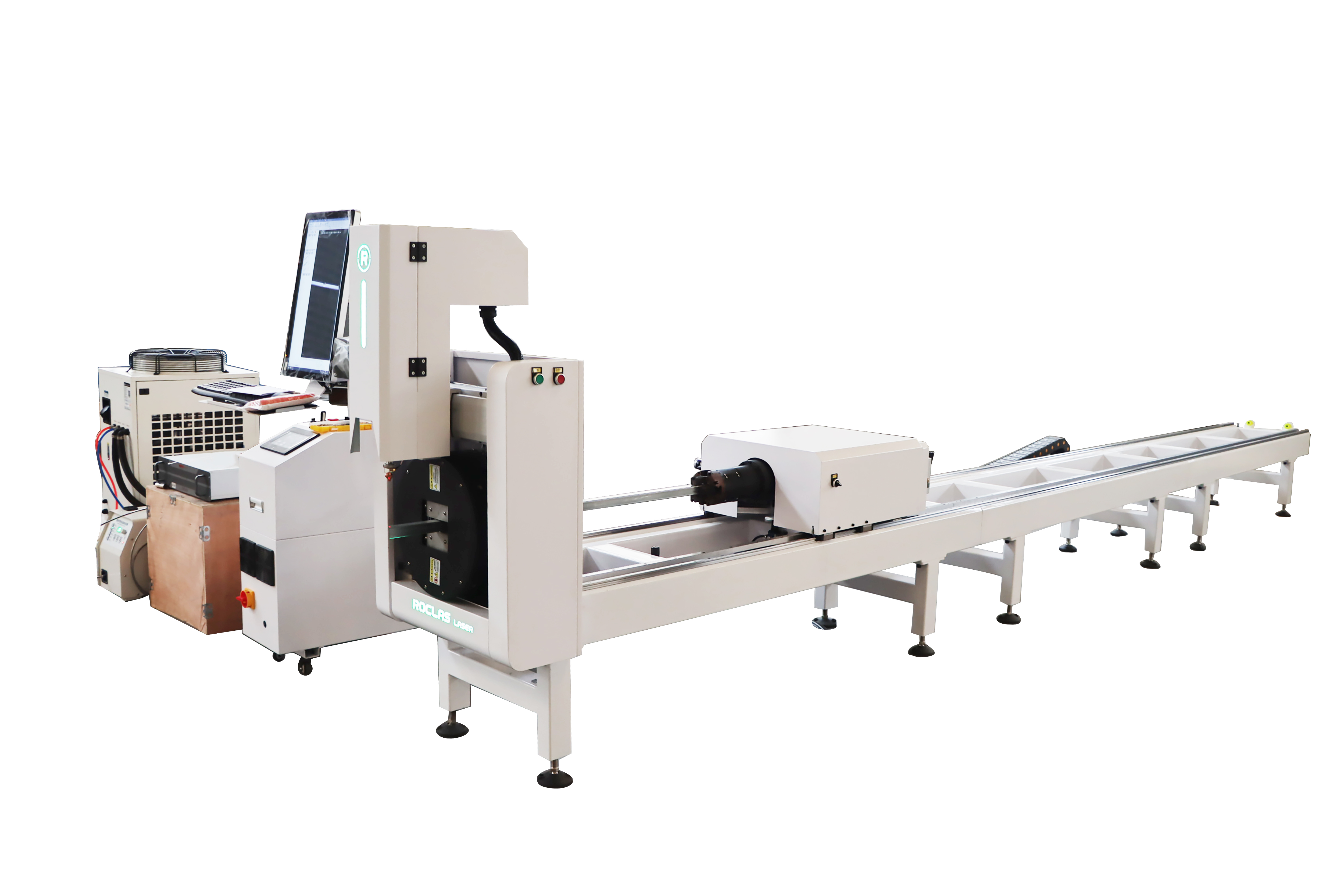
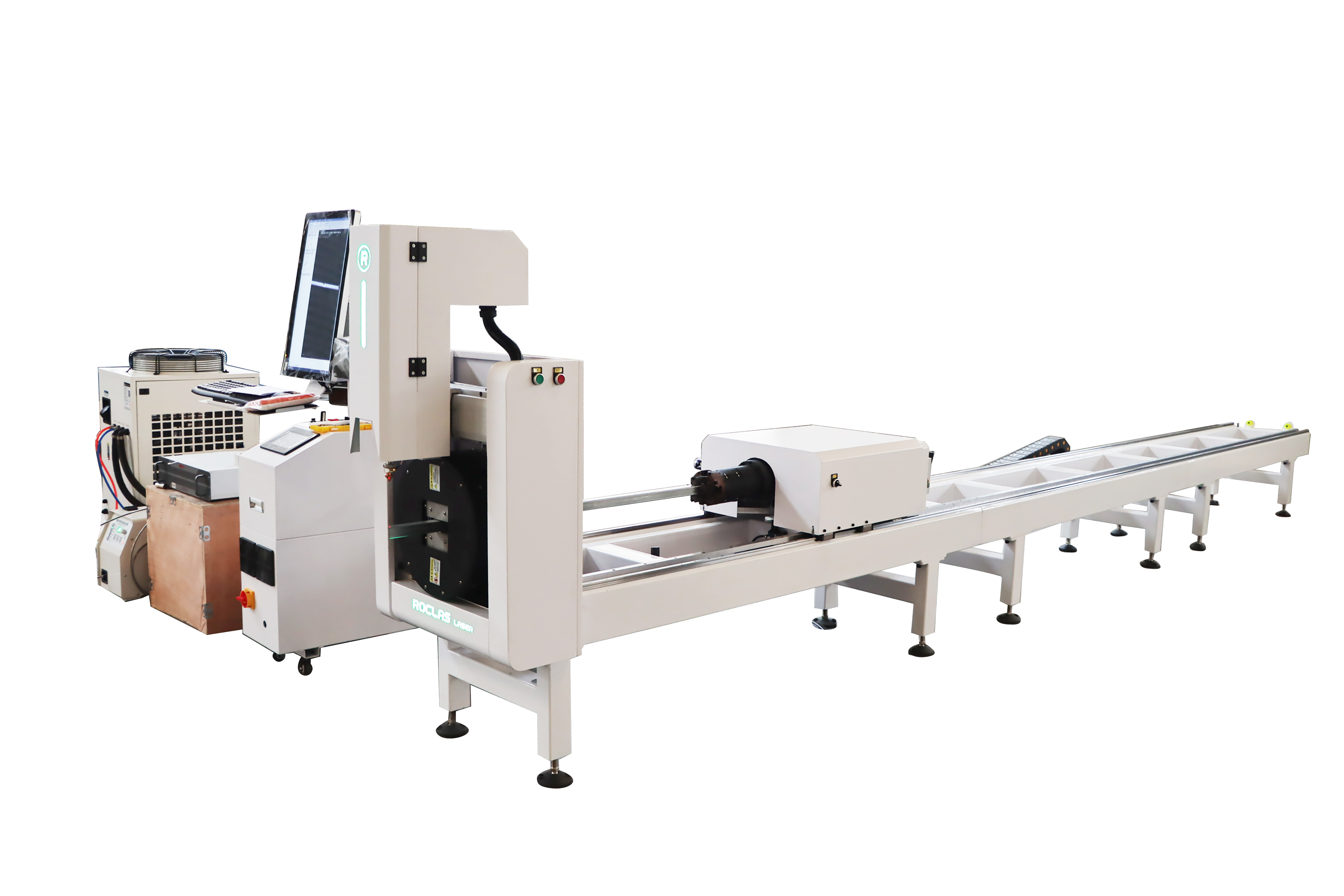
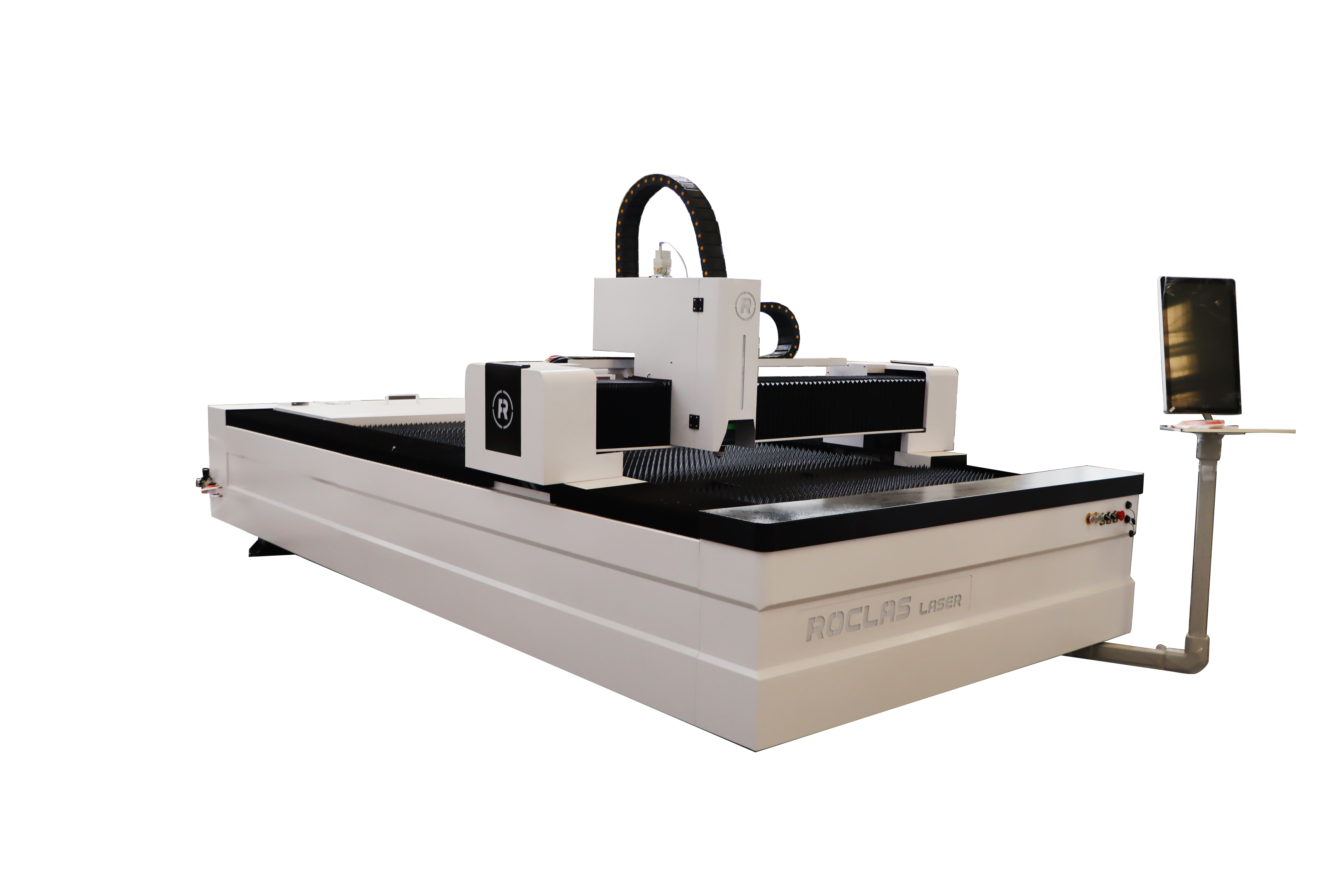
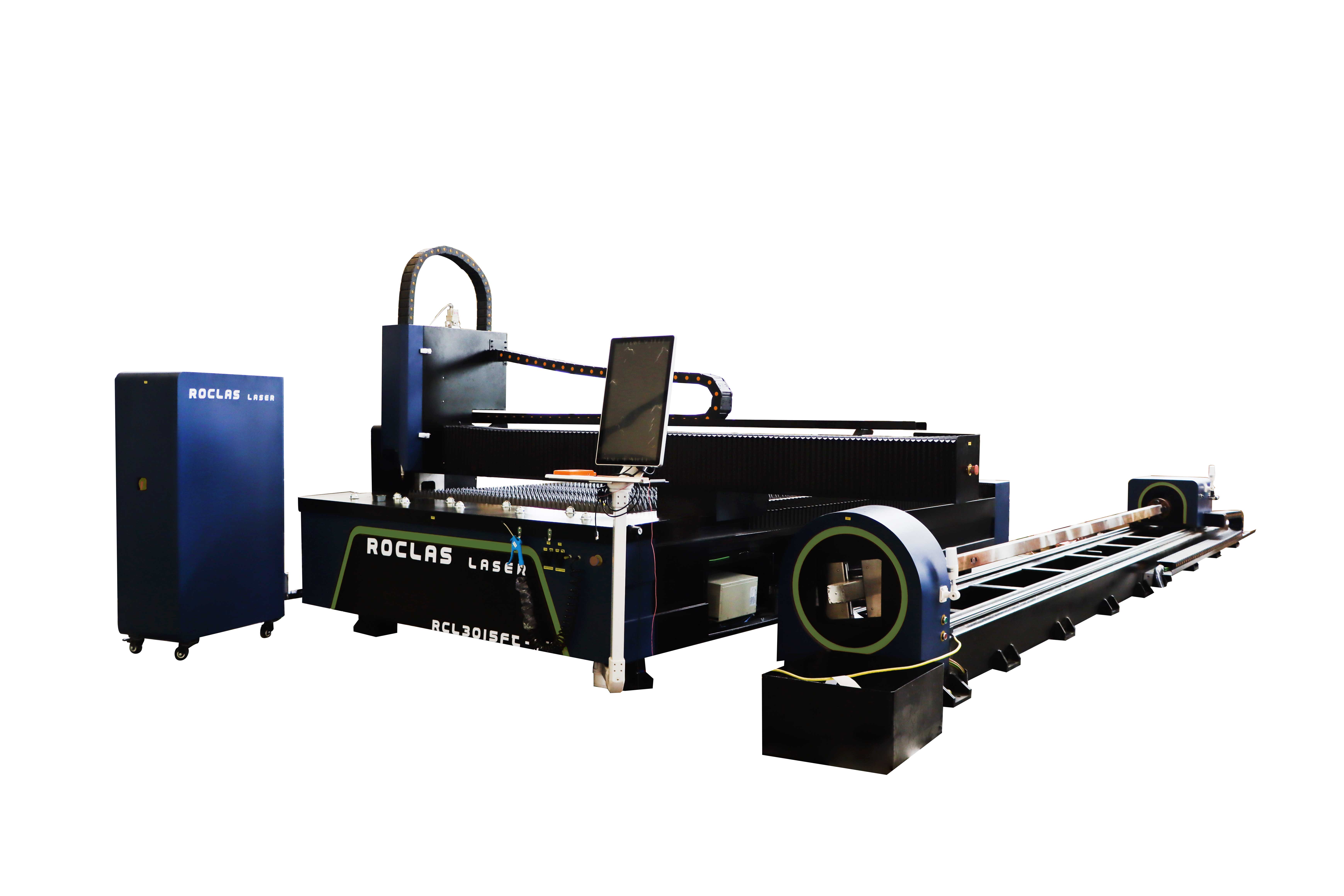
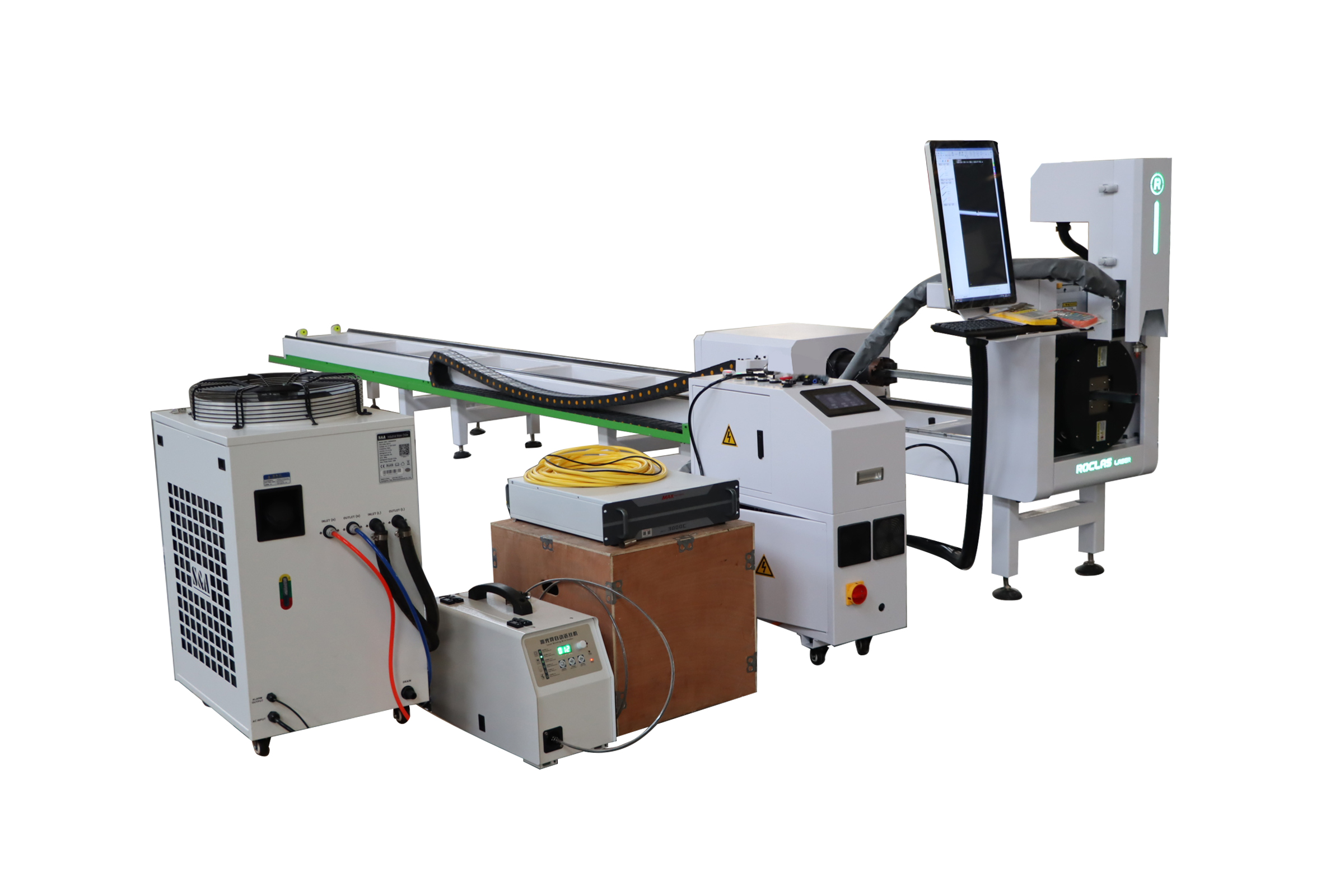
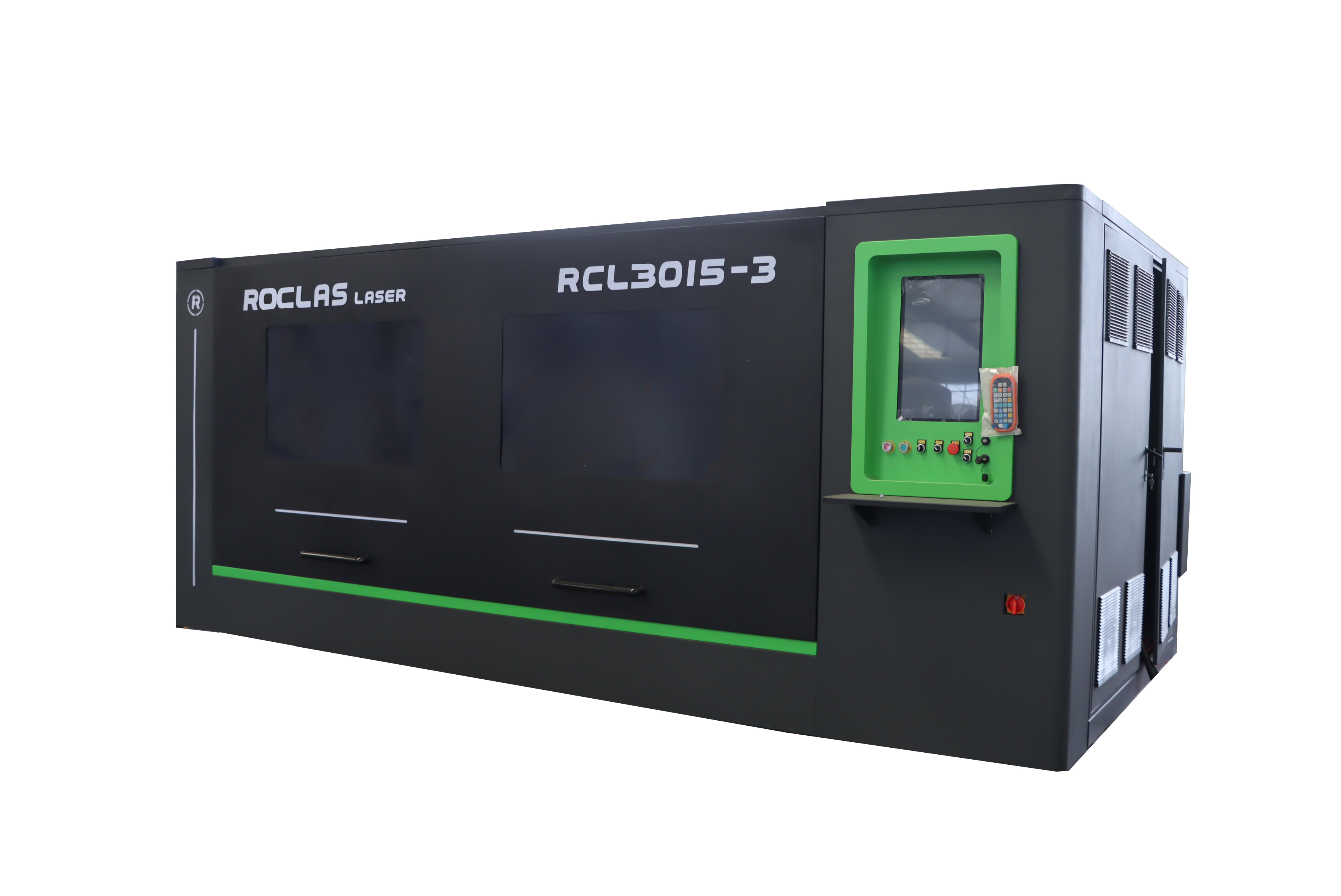
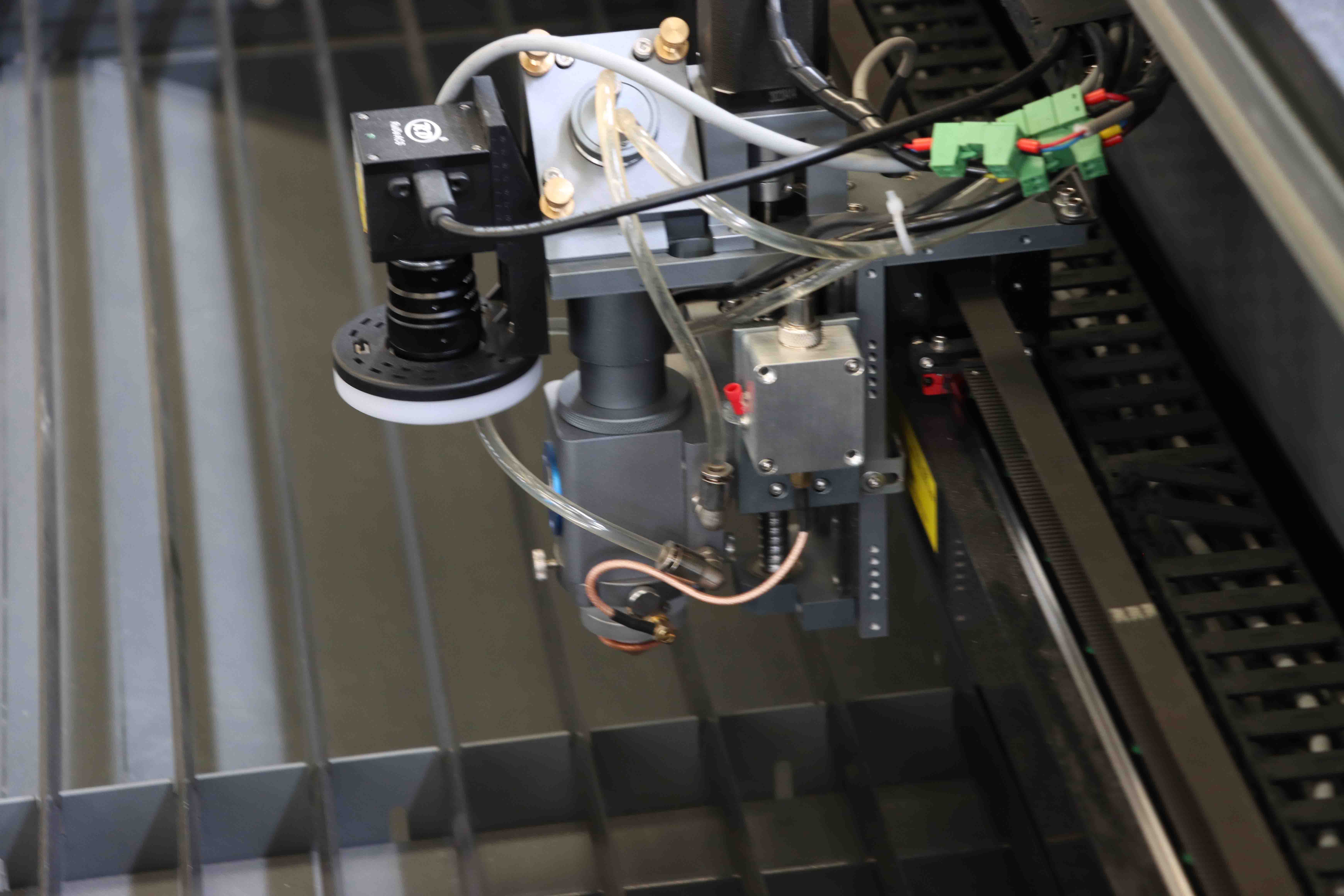
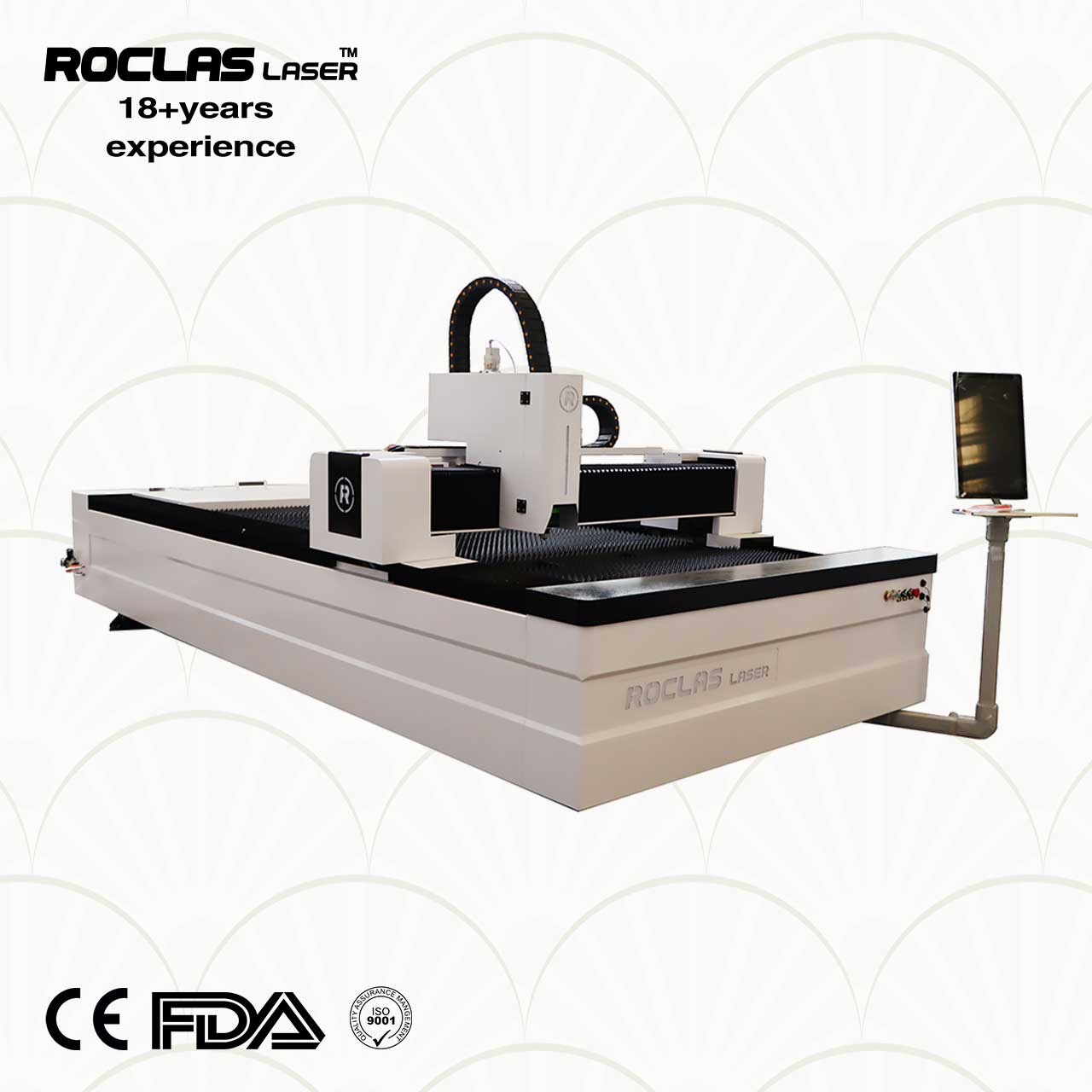
The technical bridge between these worlds is narrower than it appears. A Fiber laser cutting machine is, at its core, a CNC motion platform: gantry structure, servo drives, linear guides, and a control system that interprets toolpaths. Companies with a background in CNC machining therefore transition into laser manufacturing more naturally than pure optics firms, because the mechanical engineering—rigidity, thermal stability, vibration damping—dominates cut quality at the tolerances now demanded.
ROCLAS® MACHINERY CO., LTD. illustrates this trajectory. The company brings more than fifteen years of CNC industry experience, a fifteen-member R&D team, and a portfolio of over fifty patents with roughly ten new filings each year. Its laser platforms are built on industrial-grade heavy-duty steel structures machined on CNC five-face machining centers—a detail that matters because frame squareness and rail parallelism directly determine whether a machine can hold ±0.03 mm positioning accuracy and ±0.02 mm repositioning accuracy at travel speeds up to 100 m/min.
For fabricators working across material categories, the practical question is often whether one platform can handle both metal and non-metal. ROCLAS addresses this with hybrid CO2-plus-fiber configurations, such as the RCL1530-500W, which integrates a sealed CO2 glass tube for wood, acrylic, leather, and fabric with a fiber source for metals, over a 1500×3000 mm working area. This "all-material" approach is particularly relevant to signage, furniture hardware, and decorative fabrication, where a single shop may process stainless steel frames, acrylic panels, and wooden components in the same production week.
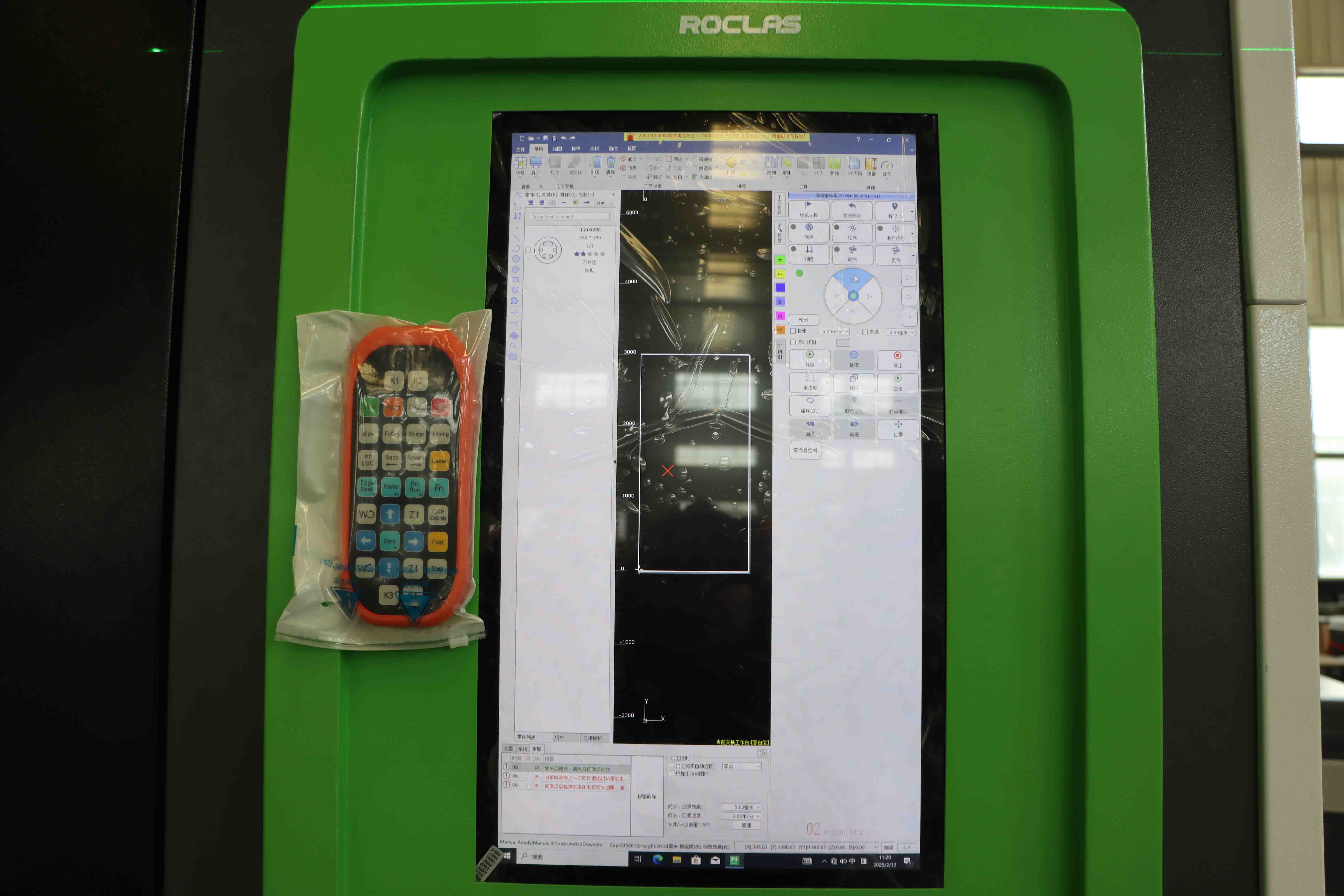
The company's handling of reflective metals also deserves note. Copper and aluminum have historically been difficult for fiber lasers because back-reflected light can damage the source. ROCLAS machines incorporate a high-reflectivity suppression module that supports stable processing of 1–2 mm copper and 2–3 mm aluminum—materials increasingly common in architectural metalwork and electrical enclosures. Power options span 1000 W to 20 kW with Raycus or MAX sources, and the Cypcut 3000S control system provides the automatic nesting that makes high-mix, low-volume work economical.
Certification is the quieter part of the story. ISO 9001, CE, FDA, UL, and PDL compliance is not a differentiator in itself, but it is a precondition for selling into European and North American fabrication shops, where insurance and workplace safety regimes scrutinize laser installations closely.
Conclusion and Outlook
The boundary between mechanical and thermal cutting will not disappear. Stone carving at depth, heavy timber milling, and thick-plate profiling remain the province of bits, blades, and abrasives. But in the middle ground—thin sheet metal, composite panels, mixed-material assemblies—laser platforms are becoming the default, and the firms best positioned to serve that ground are those that understand both motion control and optics. ROCLAS's evolution from CNC machining into laser systems is emblematic of a broader convergence: the fabrication shop of the next decade will likely run routers, machining centers, and laser cells under one roof, selected by material and tolerance rather than by tradition. The competitive advantage will belong to equipment makers who can deliver structural rigidity, software integration, and material versatility as a single package—and who can prove it with measured accuracy, not marketing language.