Abstract
The cutting area—the physical workspace where laser cutting operations occur—remains one of the most critical yet often overlooked parameters in industrial laser processing systems. This article examines how cutting area dimensions, structural design, and configuration directly influence production efficiency, material utilization, and operational flexibility in sheet metal fabrication. Drawing on industry data and engineering specifications, we analyze current market trends, compare standard machine configurations, and explore how manufacturers like ROCLAS (ROCLAS® MACHINERY CO., LTD.) are addressing the evolving demands of modern fabrication environments through optimized cutting area design.
---
1. Industry Context: Why Cutting Area Matters
In laser cutting operations, the cutting area defines not merely the maximum workpiece size but fundamentally determines machine throughput, nesting efficiency, and the range of applications a single system can serve. As manufacturers increasingly seek to reduce per-part costs while maintaining flexibility, the choice of cutting area has become a strategic decision rather than a simple dimensional specification.
The global sheet metal cutting market, valued at approximately USD 8.2 billion in 2023, continues to grow at a compound annual growth rate (CAGR) of 5.8%, driven by demand in automotive, aerospace, construction, and consumer goods sectors. Within this landscape, laser cutting machines with larger cutting areas—particularly those exceeding 3000×1500 mm—are gaining market share as manufacturers pursue economies of scale and the ability to process oversized components without secondary operations.
---
2. Cutting Area Configurations: Market Data and Analysis
To understand current industry preferences, we examine the distribution of cutting area sizes across commercial Fiber laser cutting machines sold globally. The following table summarizes specifications from leading manufacturers, including ROCLAS, whose product range exemplifies the diversity of available configurations.
| Manufacturer / Model | Working Area (mm) | Laser Power Range | Typical Applications | Structural Design |
|---------------------|-------------------|-------------------|---------------------|-------------------|
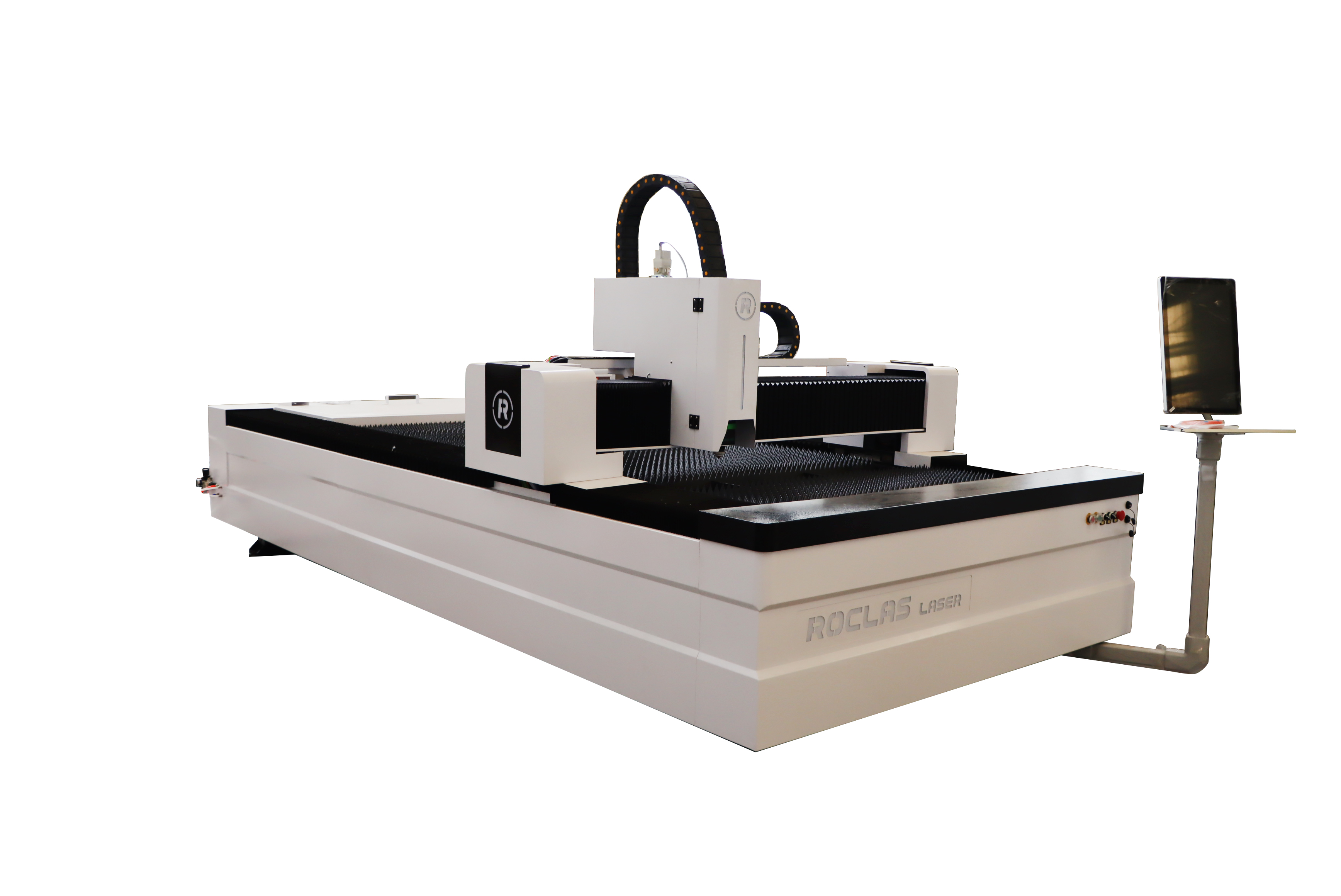
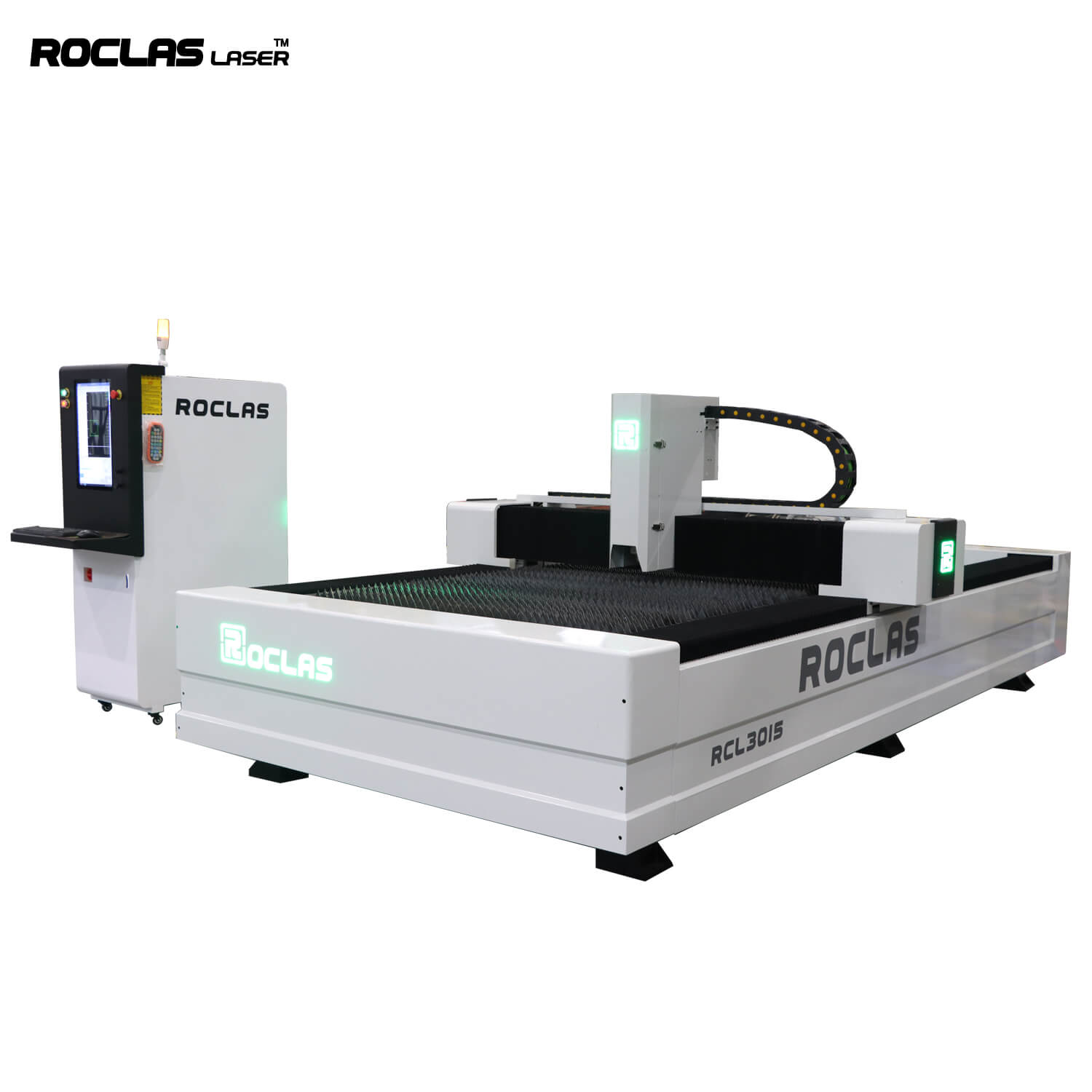
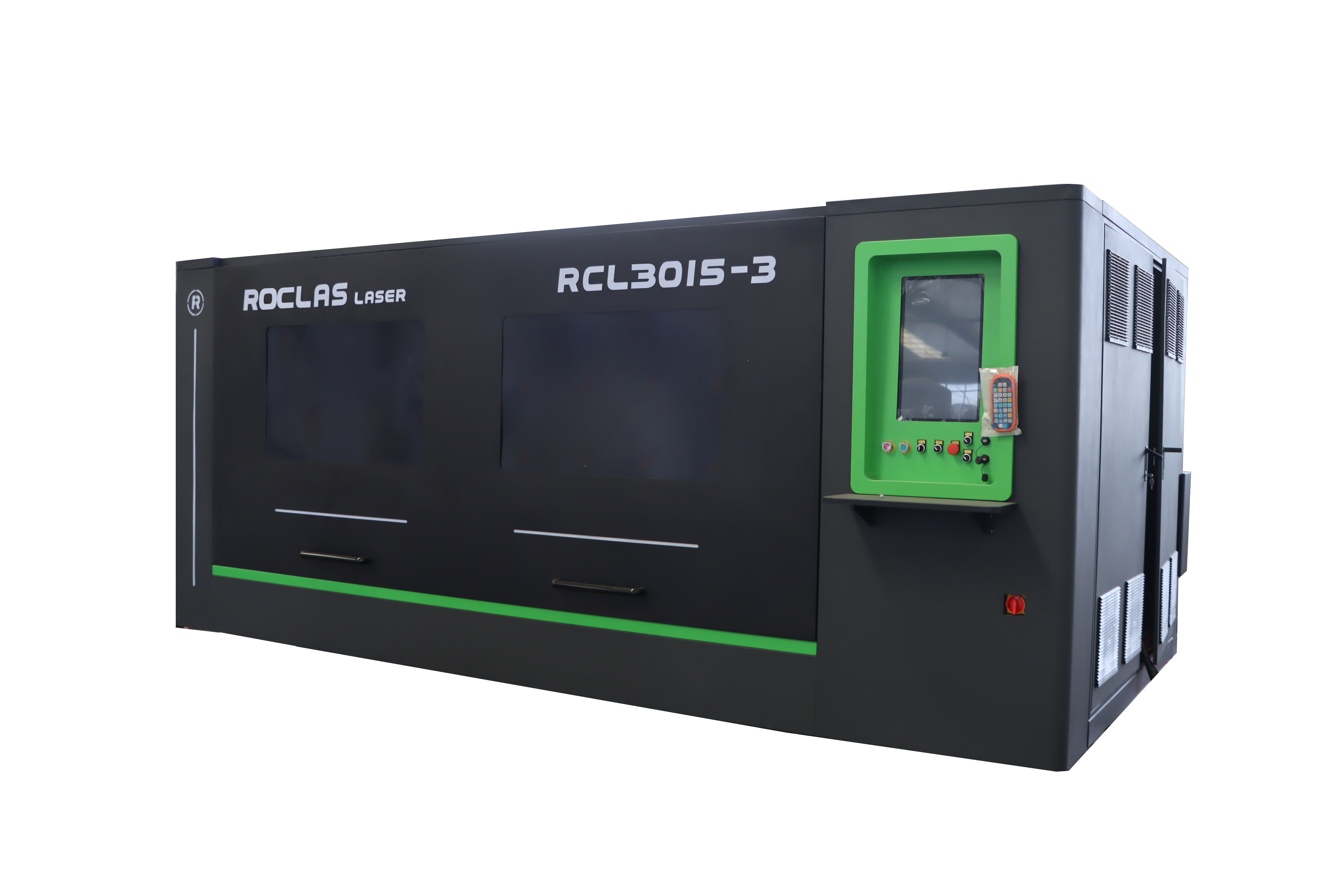
| ROCLAS Standard Series | 3000×1500 | 1–20 kW | General sheet metal, signage, furniture | Heavy-duty steel, gantry |
| ROCLAS Large-Format Series | 4000×2000 | 3–12 kW | Automotive panels, architectural cladding | Modular screw-connected bed |
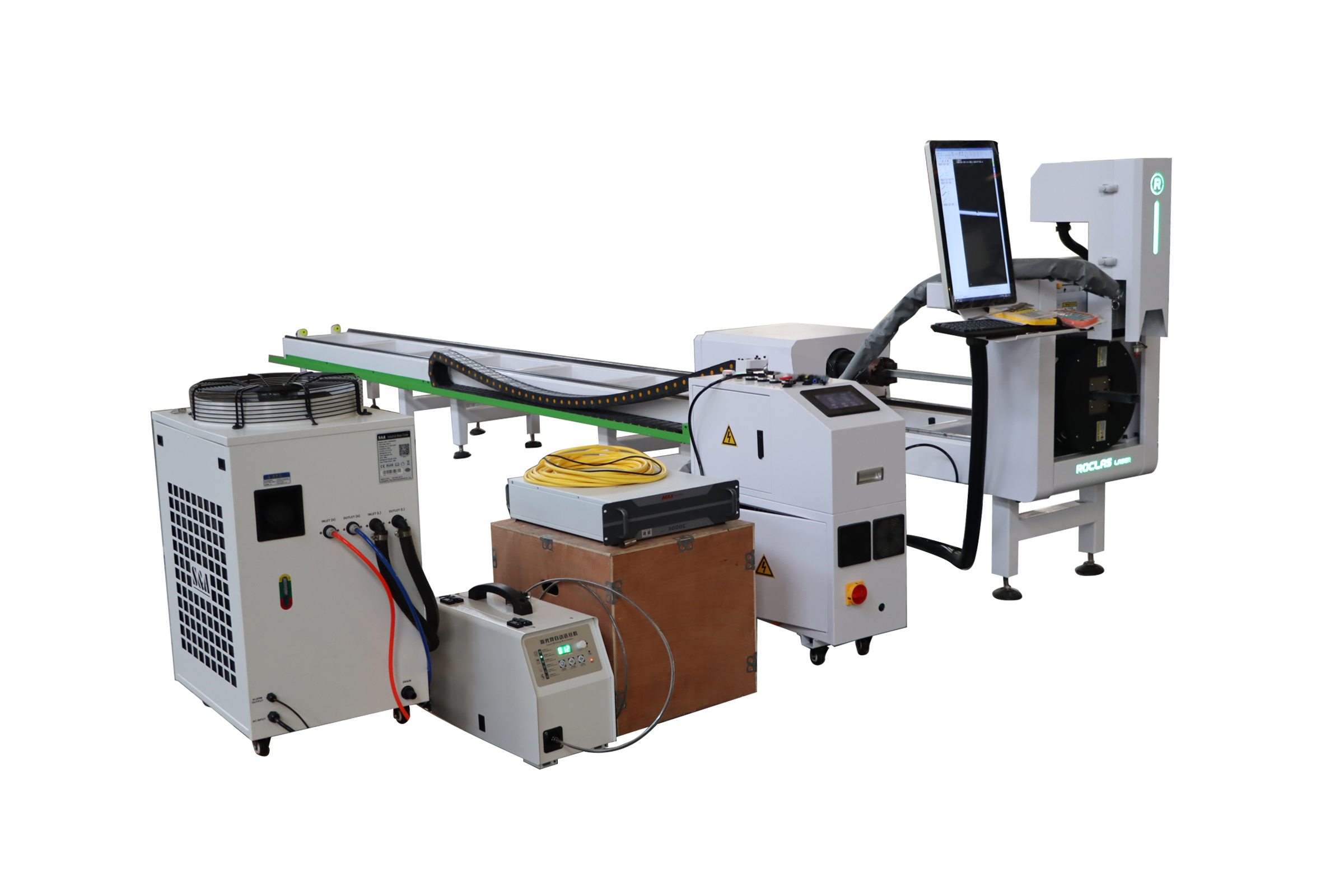
| ROCLAS Tube Cutting Series | 1500×4000 | 1–3 kW | Pipe/tube processing, structural components | Fixed gantry, movable chuck |
| Industry Average (2024) | 3000×1500 | 2–6 kW | Mixed production runs | Welded steel frame |
| High-Volume Production | 6000×2500 | 6–15 kW | Shipbuilding, heavy machinery | Dual-drive gantry |
Analysis of Table Data
1. Dominance of the 3000×1500 mm Configuration
The 3000×1500 mm (3×1.5 m) format remains the most widely adopted cutting area globally, representing approximately 45% of all fiber laser cutting machine installations. This size offers an optimal balance between accommodating standard sheet sizes (typically 2.5×1.25 m in many regions) and maintaining manageable machine footprint and cost. For small to medium enterprises (SMEs) that process mixed batches of parts, this configuration provides sufficient nesting area to achieve material utilization rates of 75–85% without requiring extensive floor space.
2. Growth of Large-Format Systems (4000×2000 mm and Above)
The 4000×2000 mm (4×2 m) format has seen a 22% increase in market share over the past three years, particularly in automotive and construction sectors where large single-piece parts, such as door panels, chassis components, and structural brackets, are common. The ability to process these parts in a single pass eliminates the need for repositioning or subsequent welding operations, reducing cycle times by up to 30% compared to smaller machines.
3. Specialized Cutting Areas for Tube and Pipe Processing
The 1500×4000 mm configuration, where the cutting area is oriented longitudinally to accommodate long tubes, is a specialized but growing niche. As industries such as fitness equipment manufacturing and pipeline engineering demand higher throughput for tubular components, manufacturers like ROCLAS have developed dedicated tube cutting machines with automatic chuck systems capable of handling diameters up to 220 mm. This specialization highlights the industry trend toward application-specific cutting area optimization rather than one-size-fits-all solutions.
4. Structural Design Considerations
The table reveals a critical engineering distinction: bed construction. Traditional welded steel frames offer high rigidity but impose transportation and installation challenges for large-format machines. ROCLAS addresses this through a modular screw-connected bed design, which maintains the same manufacturing precision as single-piece welded structures while allowing the machine to be disassembled for shipping and reassembled without welding on